Baixa & Alfama Old Town Guided Walking Tour
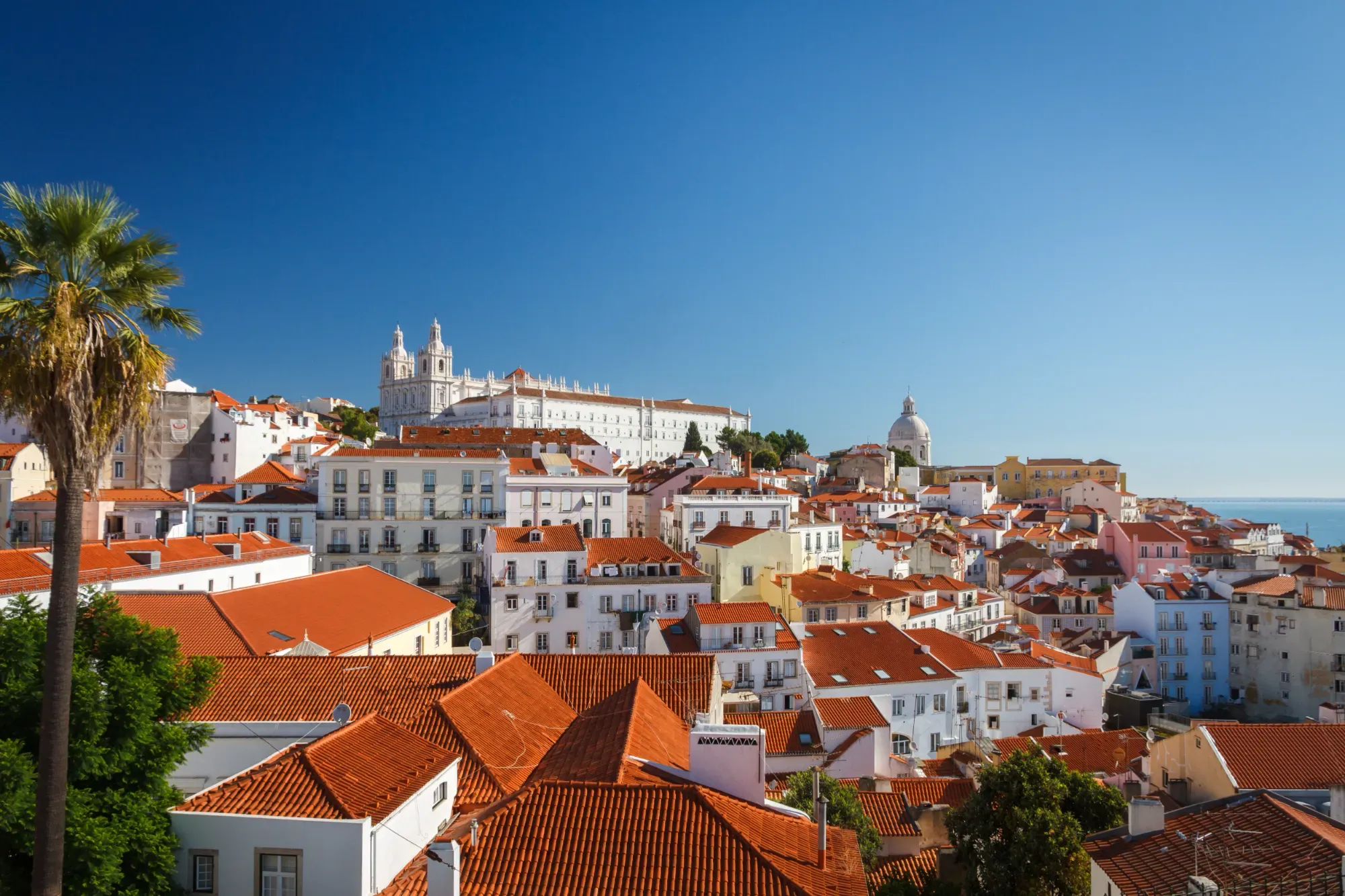
From Baixa’s grand squares to Alfama’s winding alleys, this walk follows Lisbon’s oldest stories. Pass through Rossio and São Domingos, then climb toward hidden viewpoints where terracotta rooftops meet the Tagus River. Along the way, discover Moorish roots, traces of the 1755 earthquake, and the city’s changing rhythm — ending with the echo of Fado, the song of Lisbon’s soul.

Basic Information
Total time
2h 30m
Language
English (check the calendar for availability)
Price
Our “Pay What You Wish” tours don’t have a fixed price — you decide how much the experience was worth. At the end of the tour, please make a fair contribution that reflects your satisfaction and appreciation for your guide’s work. Most guests give between €10 and €50 per person.
Meeting point
Outside the Hotel Avenida Palace, at Monumento ao Calceteiro. Nearest public transport: Restauradores Metro station - Blue (Az) Line. Look for the guide with the yellow umbrella!

Additional info
☂︎ This tour is organised by Walkative Lisbon guides. Look for the guide with the yellow umbrella.
♿️ Tour not suitable for people with reduced mobility and strollers
❗Our tours run in all weather conditions. High or low temperatures, rain, or snow are never a reason for us to cancel. We’re always here for you! The only reasons for cancellation are extreme weather conditions (such as heavy storms), a guide’s sudden illness, or if there are fewer than 5 registered participants. In such cases, we will always notify you using the contact information you provided when booking the tour.Booking rules
Booking is obligatory. Our “Pay What You Wish” tours are meant for individual travellers and small groups. Large groups (8 or more people) cannot join these tours, as they significantly affect the experience for others and the guide. For school trips, organised tours, or groups of friends, please book our paid option (18€ per person) or arrange a Private Tour. For more information or to schedule a group visit, please contact us directly.
About the tour
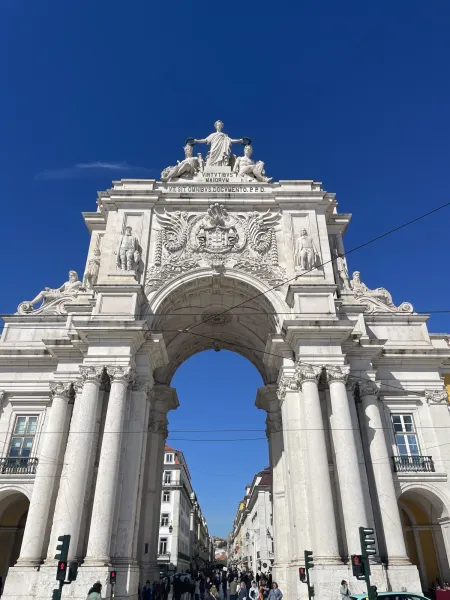
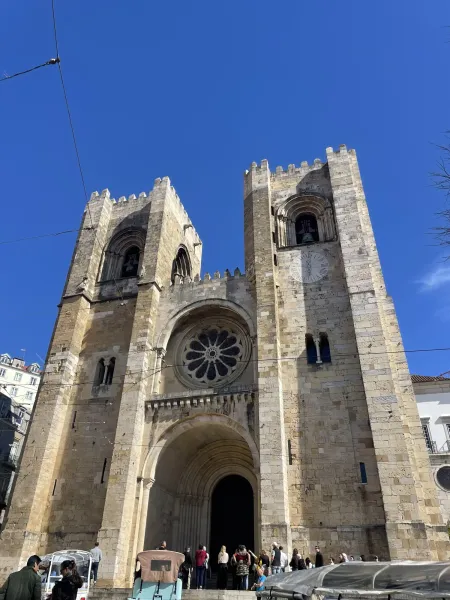
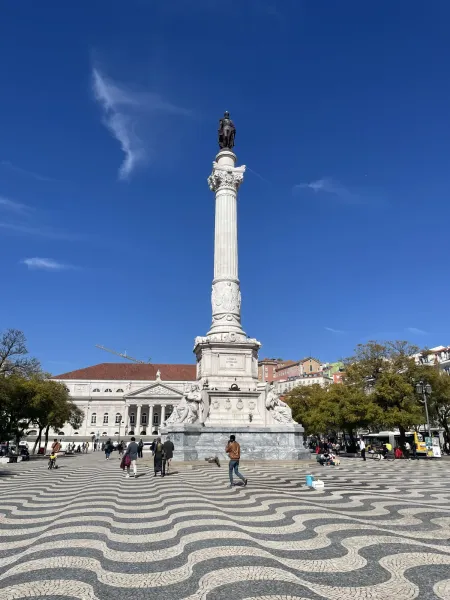
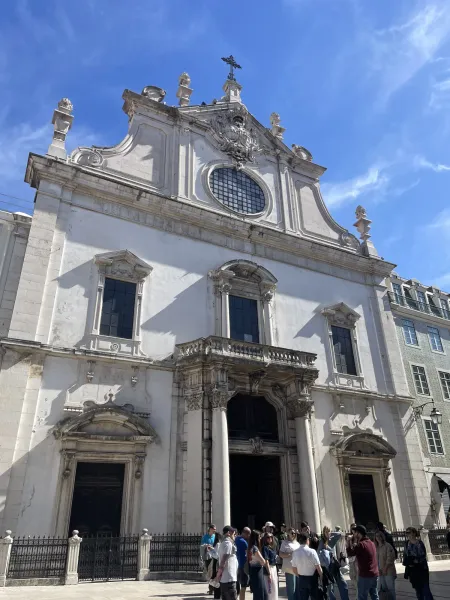
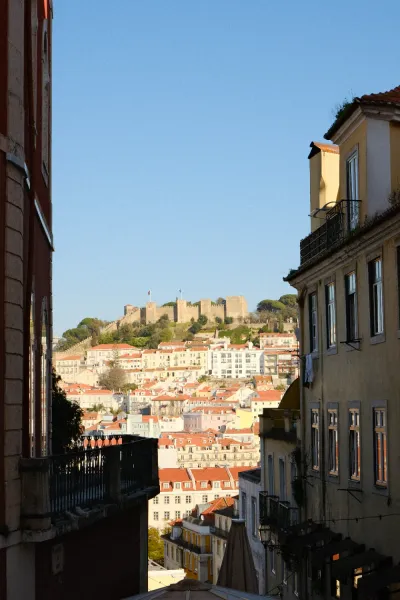
At the heart of Lisbon, the streets begin wide and orderly — and then, almost without warning, they lose their way. They twist, narrow, and climb. This is where the city remembers its roots. Join us to discover the soul of a city shaped by the sea.
Lisbon has always faced outward. Long before it became Portugal’s capital, it was a Roman port at the edge of an empire. Centuries later, under Moorish rule, it grew into a vibrant city of narrow streets, inner courtyards, and flowing fountains. Then came the Age of Discoveries. From the banks of the Tagus, ships set sail toward unknown worlds, carrying navigators, merchants, and missionaries. Lisbon became the center of a global empire — a city of wealth, ambition, and encounters between continents. Spices, gold, and stories flowed back into its streets, shaping not only its architecture, but its identity. In 1755, everything changed. An earthquake, followed by fire and tsunami, reduced much of the city to ruins. What rose from it was Baixa — rebuilt with Enlightenment clarity: wide streets, geometric order, a vision of a modern capital. Yet above it, older districts endured, holding onto Lisbon’s earlier rhythm.
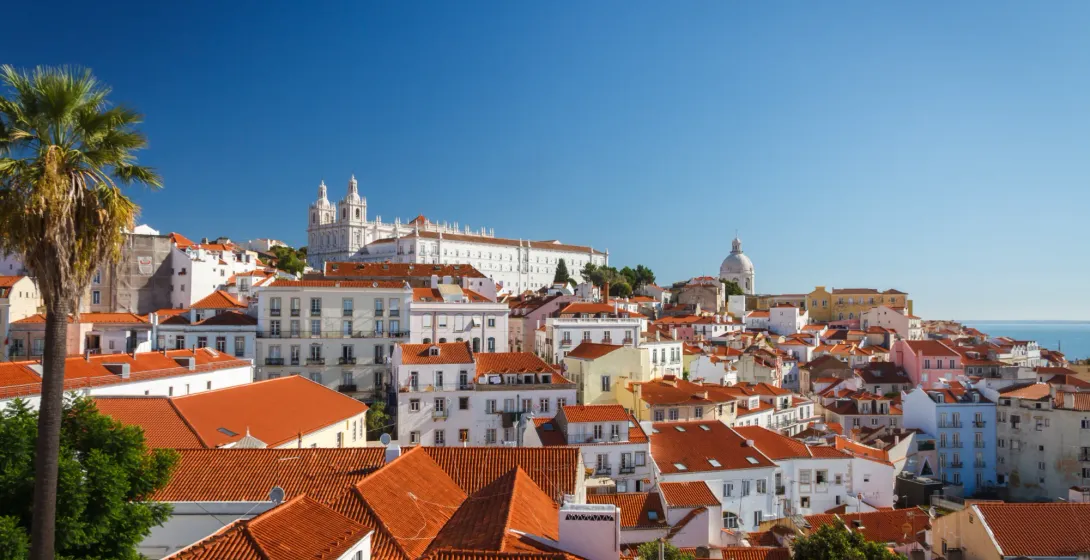
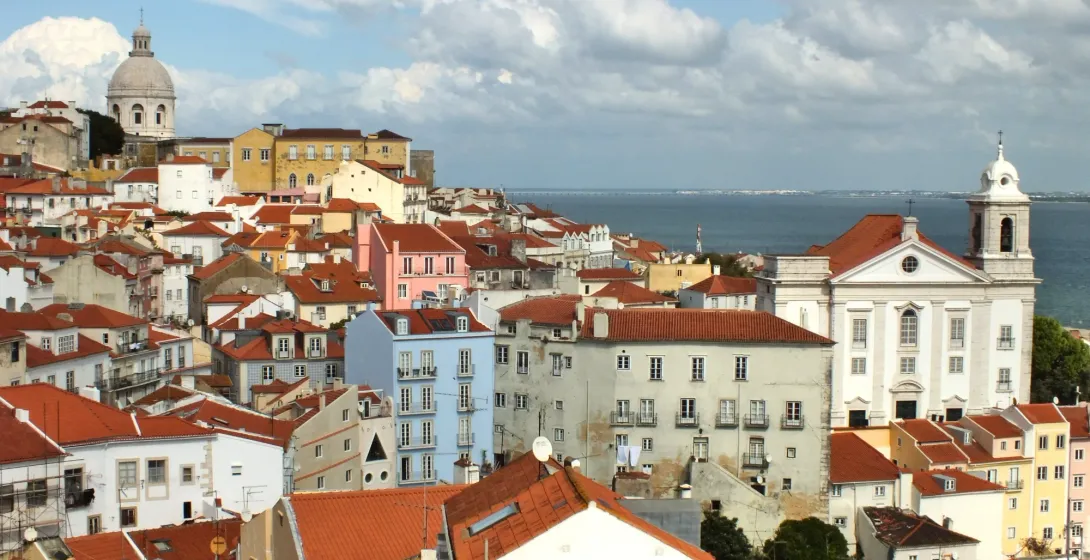
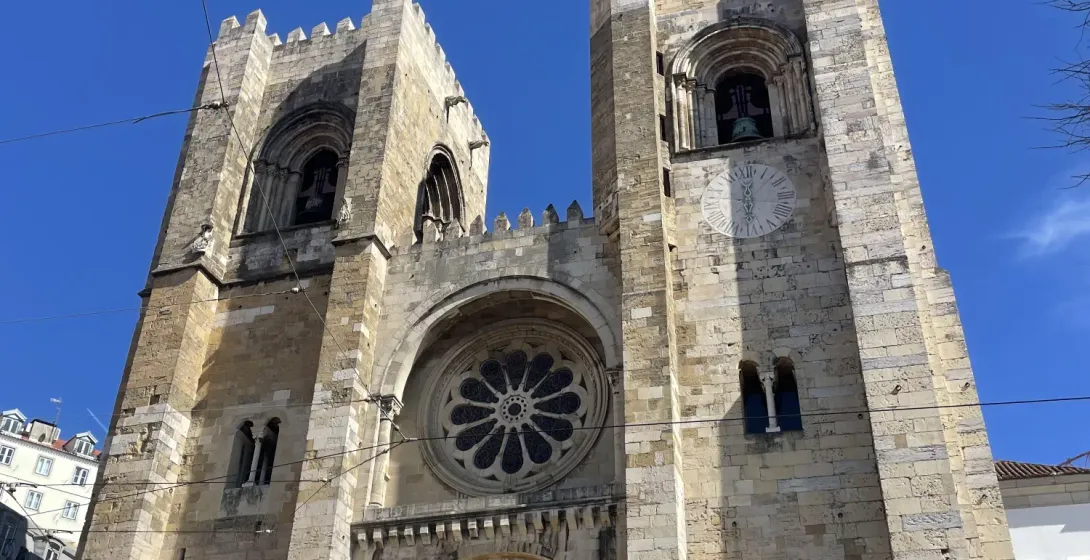
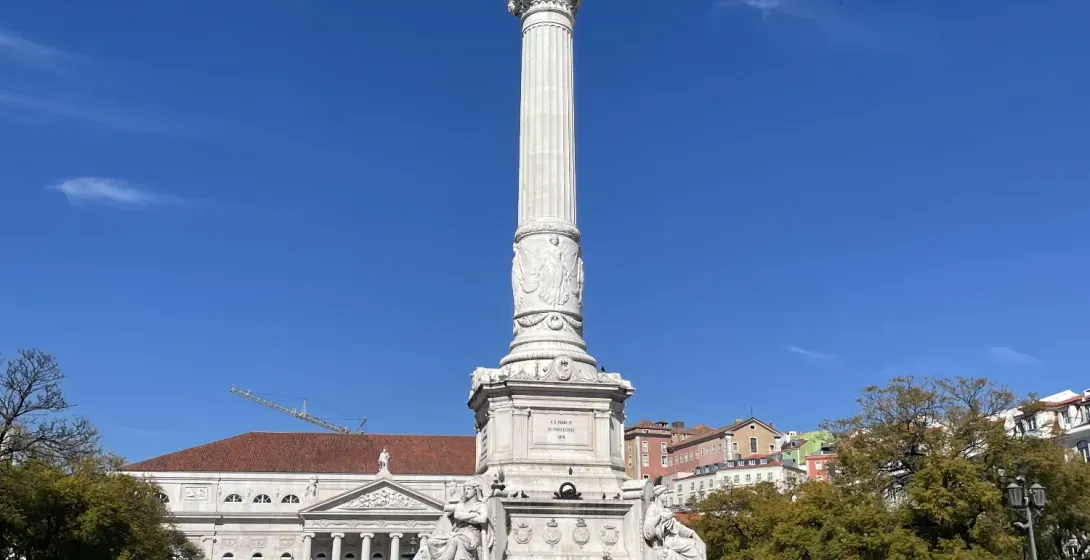
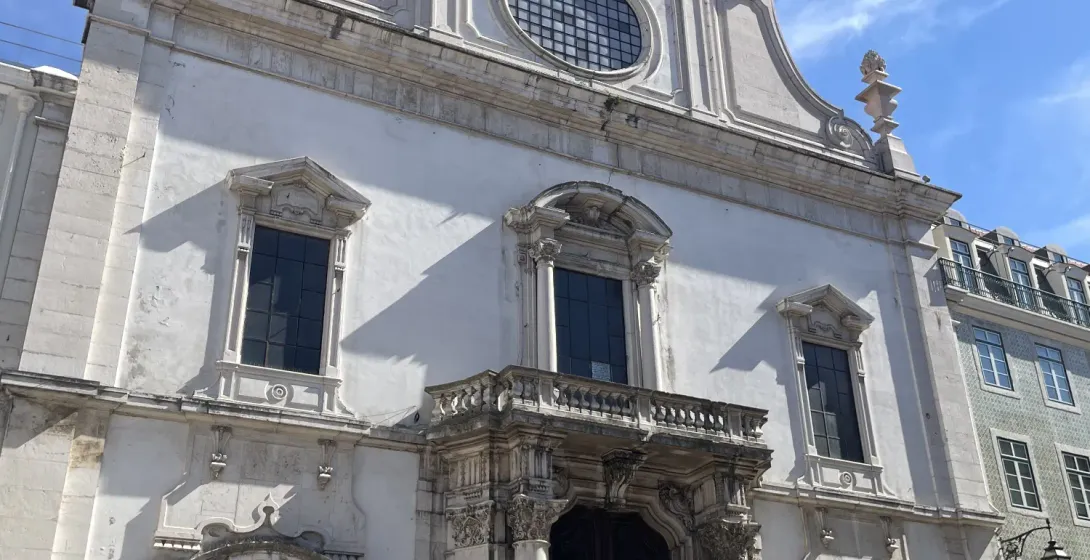
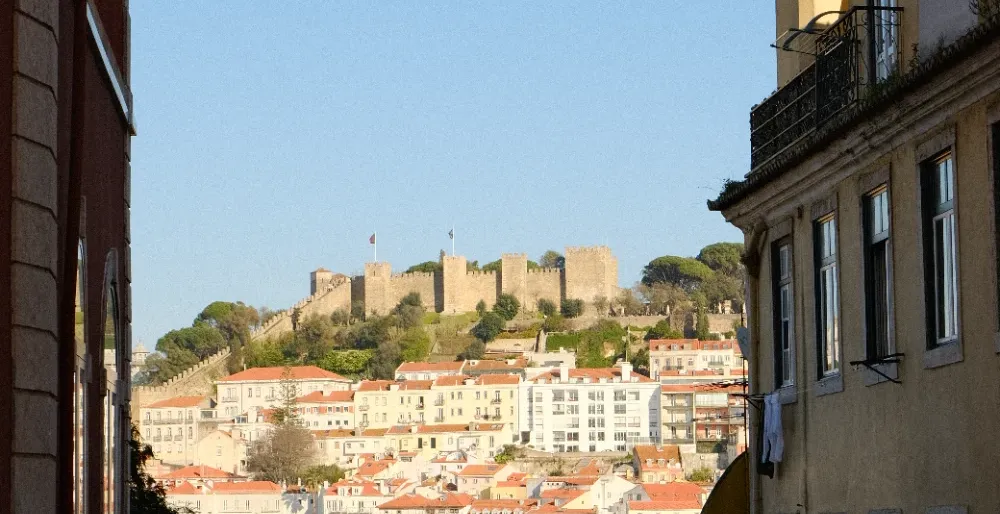
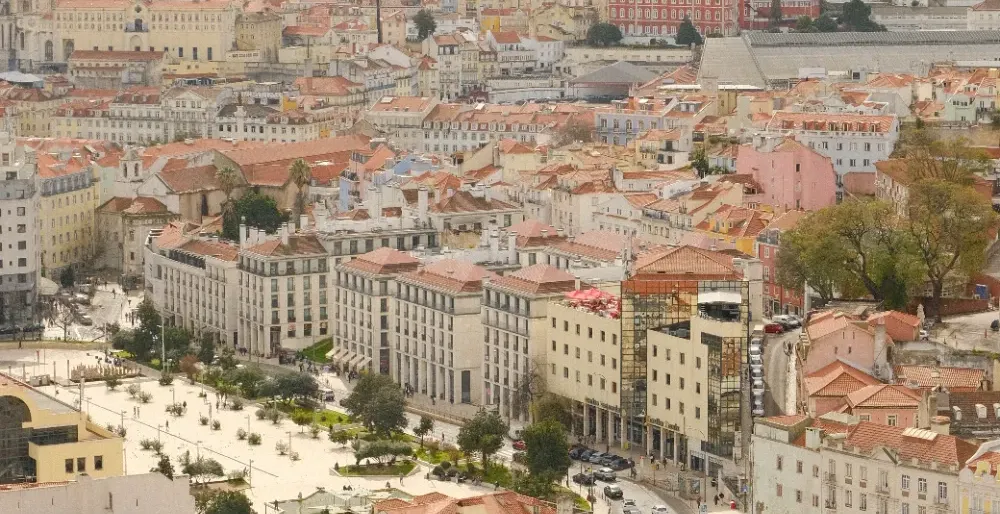
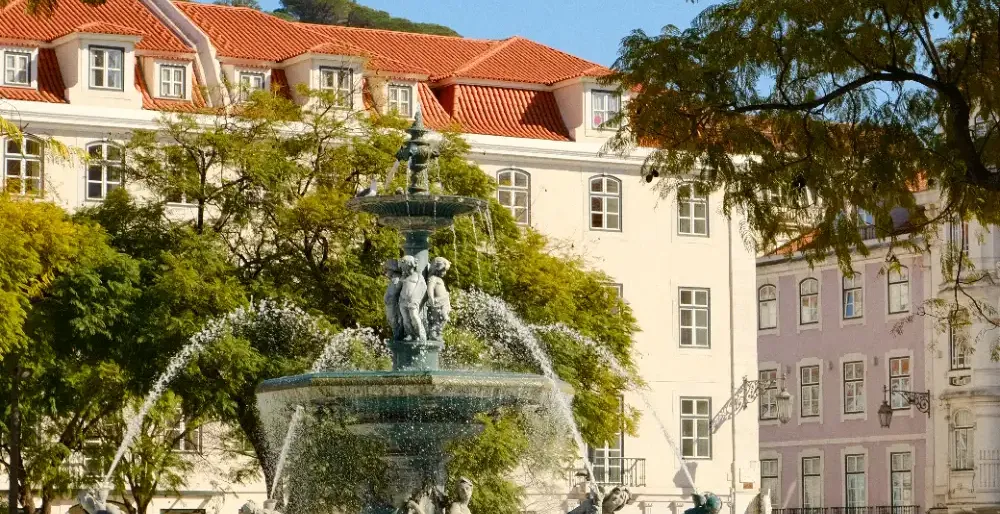
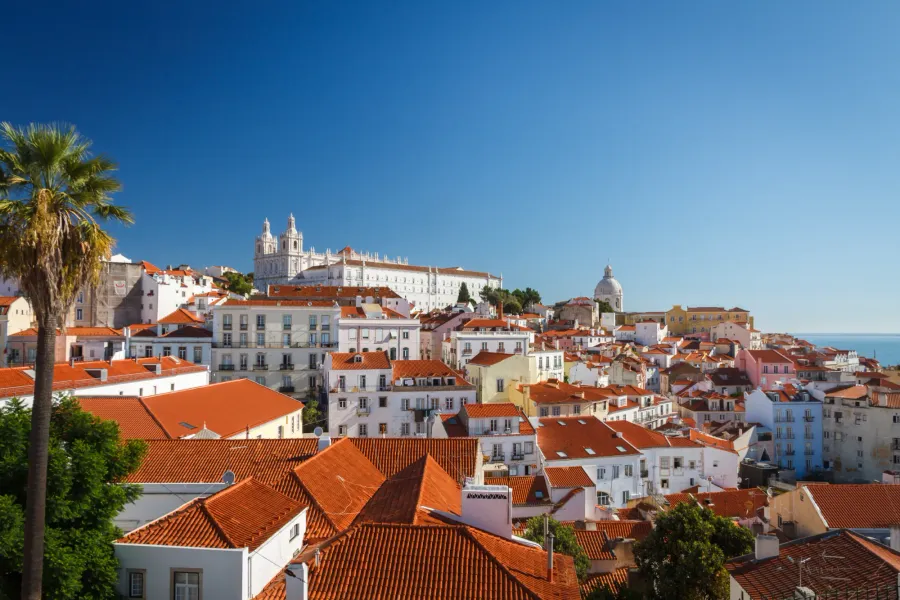
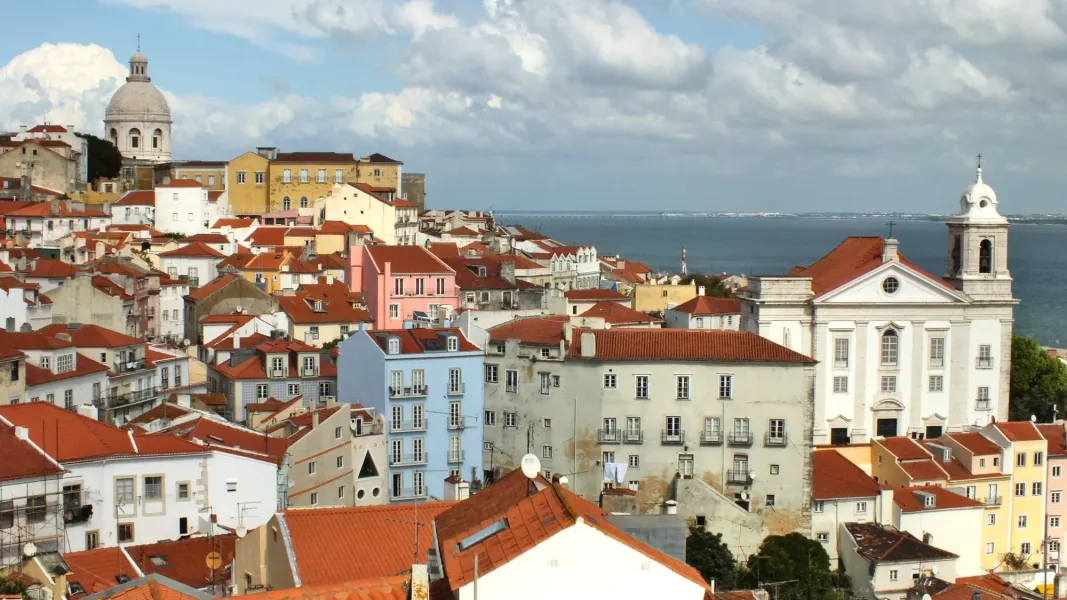
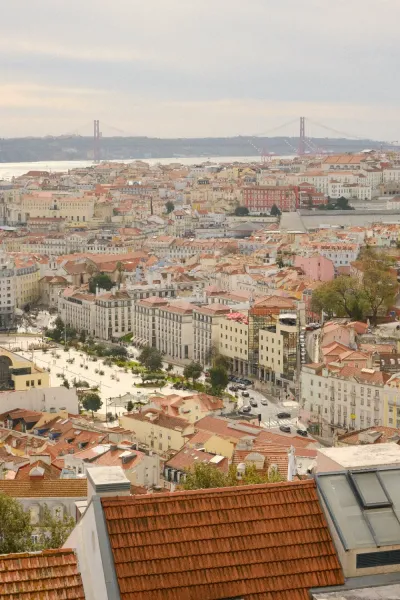
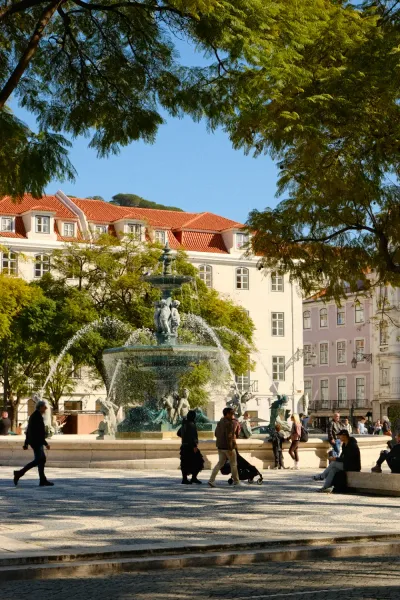
We begin at Restauradores, a monument to Portugal’s regained independence, and step into Rossio — Lisbon’s historic stage of daily life, celebration, and conflict. The wave-patterned stones guide us through Baixa, past São Domingos Church, marked by fire and resilience. Then the city shifts. The streets begin to climb. Passing Praça da Figueira, we enter Alfama — a district that survived where others fell. Here, Lisbon follows an older logic: a maze shaped long before planning, where every turn reveals a fragment of the past. As we move uphill, viewpoints open suddenly — at Chão do Loureiro, Santa Luzia, and Portas do Sol — onto a cascade of terracotta rooftops and the wide Tagus beyond. From here, the horizon feels close, as it once did to those setting sail into the unknown. Along the way, we pass traces of medieval Lisbon, including one of its oldest surviving houses. As we descend, we arrive at a tribute to Amália Rodrigues and Fado — a music born from longing, distance, and the pull of the sea.
This walk is a journey through Lisbon’s layers — Roman, Moorish, imperial, and modern — all within a single hillside. From planned avenues to winding alleys, the city reveals itself step by step. Join us, and discover Lisbon not just as it looks — but as it became.
Highlights
- 1
Hotel Avenida Palace
Located on Restauradores Square - a monument to memory and independence, marked by the 1640 revolt that restored Portugal’s crown.
- 2
Rossio Square
Lisbon’s lively central plaza, known for its wave-patterned pavement and historic fountains. São Domingos Church is a dramatic, partially restored church whose fire-scarred interior tells a powerful story of resilience.
- 3
São Domingos Church
Dramatic, partially restored church whose fire-scarred interior tells a powerful story of resilience.
- 4
Praça da Figueira
Square surrounded by elegant buildings and a popular hub for transport and local life.
- 5
Alfama
Lisbon’s oldest district, famous for its narrow streets, traditional Fado music, and charming atmosphere.
- 6
Miradouro do Chão do Loureiro
Offers stunning panoramic views over Lisbon’s rooftops and the Tagus River.
- 7
Santa Luzia
Picturesque viewpoint adorned with azulejo tiles and blooming bougainvillea, overlooking Alfama.
- 8
Portas do Sol
Scenic terrace that provides one of the best sunrise views across the historic cityscape.
- 9
Lisbon’s oldest house
Modest medieval residence believed to date back to before the 1755 earthquake, showcasing the city’s deep history.
- 10
Tribute to Amália Rodrigues
A tribute to the voice who carried Fado, a music born in Lisbon’s streets, to the world.
Map
Outside the Hotel Avenida Palace, at Monumento ao Calceteiro. Nearest public transport: Restauradores Metro station - Blue (Az) Line. Look for the guide with the yellow umbrella!