Starożytne korzenie systemu wodnego Rzymu i darmowe fontanny
Poznaj niezwykłe dziedzictwo wodne Rzymu. Od starożytnych akweduktów po darmowe fontanny nasoni – odkryj tradycję inżynieryjną, która do dziś zaopatruje miasto w pitną wodę.
Culture • Practical Tips • History • 6 min. czytania
Ostatnia edycja:
Rzym to miasto, które woda definiuje w równym stopniu co kamień. Zanim wielkie pomniki i rozległe place przybrały swój dzisiejszy kształt, to właśnie dostęp do czystej, świeżej wody kształtował codzienne życie w starożytnej stolicy. Dziś to dziedzictwo nie jest zamknięte wyłącznie w muzeach – woda wciąż płynie na rogach ulic i w ukrytych podziemnych stanowiskach archeologicznych. Dla współczesnego podróżnika zrozumienie rzymskiej sieci wodociągowej to zaskakująco bezpośredni kontakt ze światem antycznym. To dowód na nieprzerwaną tradycję inżynieryjną, która do dziś gasi pragnienie milionów ludzi.
Starożytne korzenie rzymskiego systemu wodociągowego
Począwszy od 312 roku p.n.e. i budowy Aqua Appia, Rzymianie stworzyli rozległą sieć akweduktów, aby zaopatrzyć rosnące miasto w wodę. Monumentalne konstrukcje, takie jak Aqua Claudia i Anio Novus, transportowały świeżą wodę źródlaną na odległość dziesiątek kilometrów. Systemy te, zamiast polegać na pompach mechanicznych, były w całości grawitacyjne. Inżynierowie precyzyjnie obliczali łagodne nachylenie terenu – czasem spadek wynosił zaledwie kilka centymetrów na kilometr – aby zapewnić stały, łagodny przepływ wody. Odkryj geniusz rzymskiego społeczeństwa i tajniki jego codziennego życia podczas naszej wycieczki śladami Juliusza Cezara. Spacerując po historycznym centrum, na własne oczy zobaczysz, jak wielki wpływ na rozwój Republiki miały te publiczne projekty.
Co niezwykłe, ta infrastruktura nie jest tylko reliktem przeszłości. Akwedukt Aqua Virgo, zbudowany przez Marka Agryppę w 19 roku p.n.e., wciąż jest w pełni sprawny. Do dziś działa w oparciu o te same, starożytne metody grawitacyjne, stanowiąc żywe połączenie z imperialną historią Rzymu.
Czym są nasoni? Darmowe fontanny z wodą pitną w Rzymie
W starożytnym Rzymie większość mieszkańców nie miała prywatnych instalacji wodociągowych. Zamiast tego gromadzili się przy publicznych fontannach, zwanych lacus, z których woda płynęła nieprzerwanie, stanowiąc kluczowe źródło zaopatrzenia dla całej okolicy. Dziś ta tradycja przetrwała w postaci nasoni.
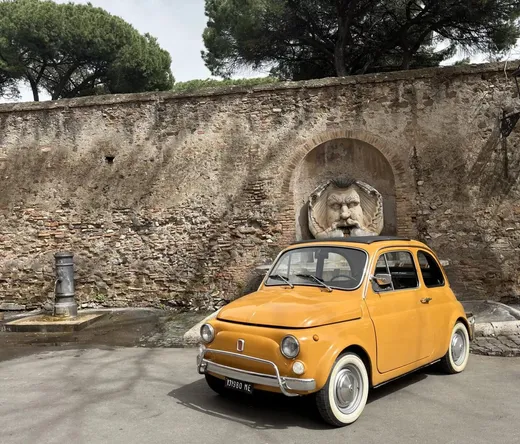
Te charakterystyczne, żeliwne fontanny, wprowadzane głównie w XIX wieku, są w zasadzie miniaturowymi wersjami starożytnych publicznych ujęć wody. Ponieważ są podłączone bezpośrednio do miejskiej sieci akweduktów, w tym do liczącego 2000 lat Aqua Virgo, picie z nasone często oznacza kosztowanie wody z tych samych źródeł, z których korzystali starożytni. W całym mieście rozsianych jest tysiące takich fontann. Można je łatwo zlokalizować na mapach online, dzięki czemu zarówno mieszkańcy, jak i turyści mają swobodny dostęp do świeżej wody pitnej podczas zwiedzania.
Sprawdź mapę rzymskich nasoni tutaj.
Dlaczego z rzymskich fontann woda płynie bez przerwy?
Wiele osób zastanawia się, czy ciągły przepływ wody w rzymskich fontannach nie jest marnotrawstwem. W rzeczywistości jest to przemyślana decyzja projektowa, która pozwala utrzymać sieć w dobrym stanie:
Utrzymanie jakości wody: Płynąca woda nie ulega stagnacji, co zapobiega rozwojowi bakterii i utrzymuje jej świeżość oraz niską temperaturę.
Stabilizacja ciśnienia w sieci: W systemie w dużej mierze grawitacyjnym ciśnienie rośnie w sposób naturalny. Nasoni działają jak zawory bezpieczeństwa, zapobiegając naprężeniom i uszkodzeniom rur.
Ograniczenie awarii mechanicznych: Brak mechanicznych kranów oznacza mniej zepsutych zaworów i niższe koszty konserwacji.
Woda ta nie jest po prostu marnowana. Woda z nasoni stanowi mniej niż jeden procent całkowitego zużycia wody w Rzymie. Po spłynięciu do kanalizacji, na bieżąco przepłukuje sieć i trafia do oczyszczalni. Tam jest często ponownie wykorzystywana do czyszczenia ulic, w rolnictwie lub w przemyśle.
Odkryj Città dell'Acqua i Fontannę di Trevi
Aby zobaczyć starożytną infrastrukturę wodną Rzymu w działaniu, warto odwiedzić Città dell’Acqua. To fascynujący podziemny kompleks archeologiczny pod dzielnicą Trevi. Ukryte pod współczesnymi ulicami stanowisko odsłania pozostałości rzymskiej kamienicy czynszowej, małego kompleksu łaźni oraz wciąż aktywnych kanałów starożytnego akweduktu, w których do dziś widać płynącą wodę.
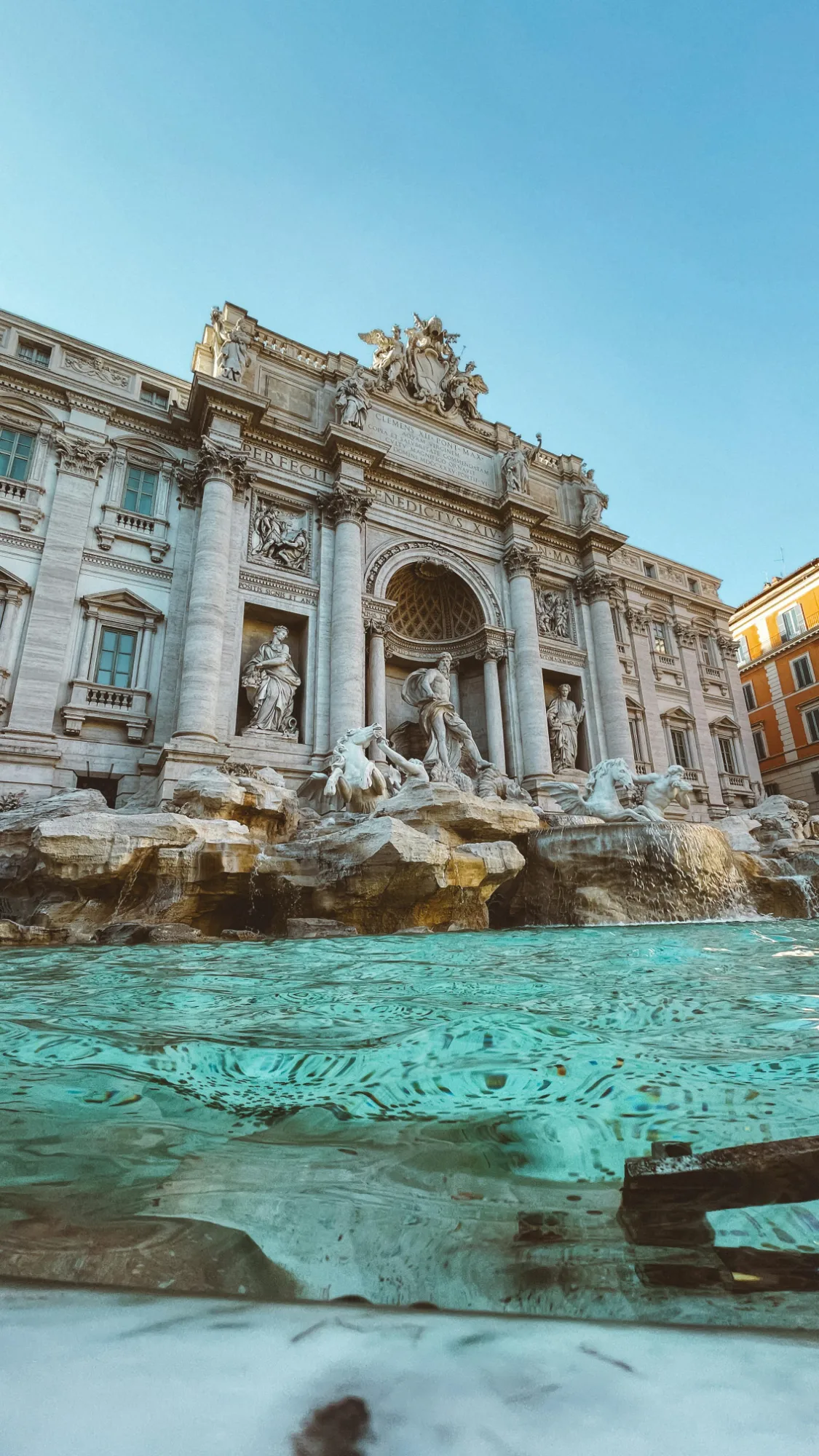
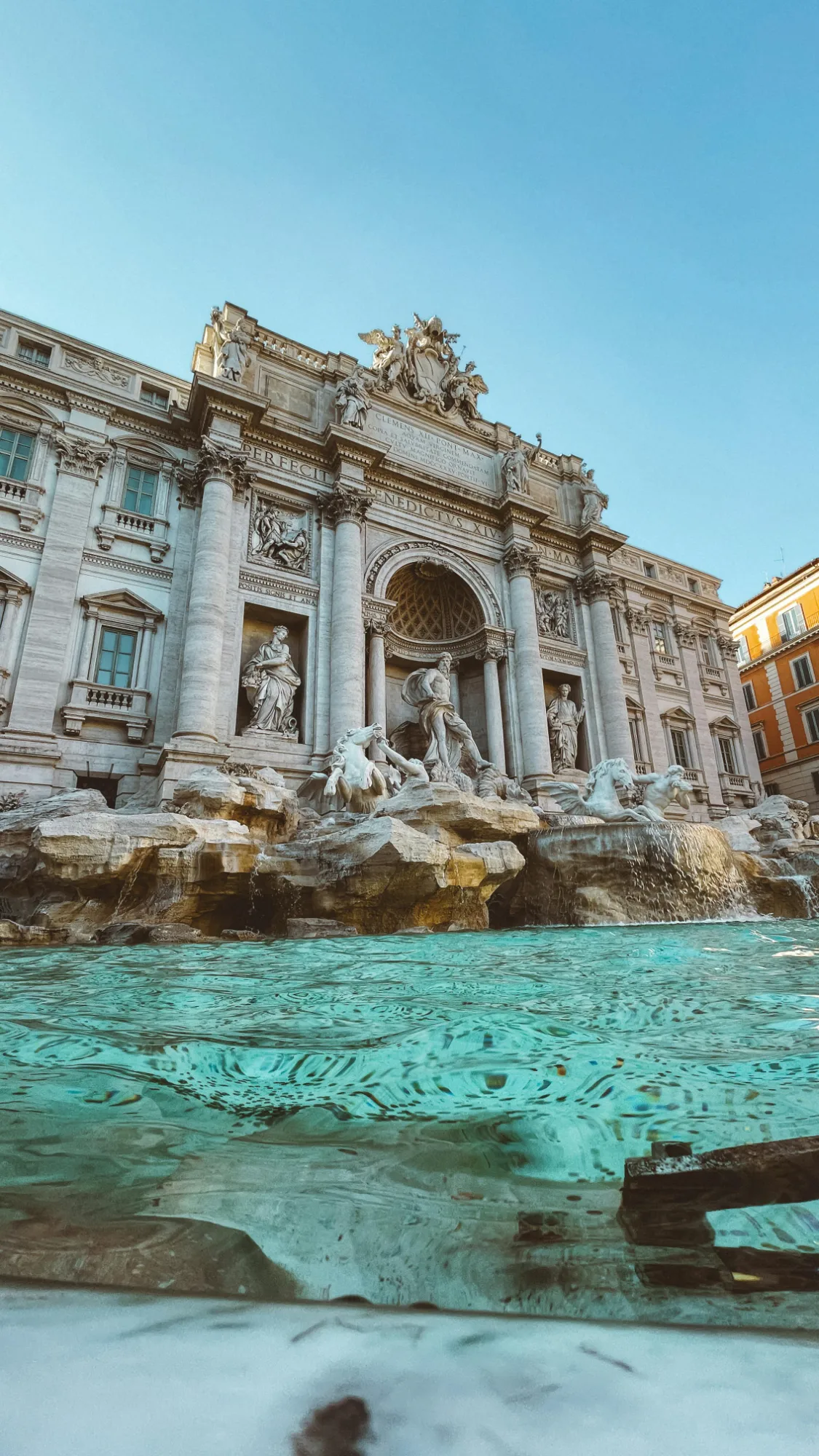
Na przestrzeni wieków, zwłaszcza od renesansu, kolejni papieże odnawiali starożytne akwedukty, by zapewnić miastu czystą wodę i zamanifestować swoje zaangażowanie w jego odnowę i dobrobyt. Najsłynniejszym rezultatem tego mecenatu jest Fontanna di Trevi. Stanowi ona wielką architektoniczną celebrację dobrobytu i wody, zasilaną bezpośrednio przez starożytny akwedukt Aqua Virgo. Fontanna nie jest tylko dekoracją – została zaprojektowana, by sławić obfitość i pomyślność, jakie woda przynosiła Wiecznemu Miastu przez tysiąclecia. Każda rzeźba nawiązuje do tego motywu: postacie, gesty i detale symbolizują różne aspekty wody – jej potęgę, ruch i życiodajną siłę. Od centralnej postaci Okeanosa po otaczające go morskie stworzenia, każdy element opowiada fragment większej historii o głębokim związku Rzymu z wodą. Zrozumienie tej historii sprawia, że rzymskie zabytki ożywają. Chcesz odkryć ich symbolikę i historie? Dołącz do naszej wycieczki Witaj w Rzymie i poznaj te arcydzieła na głębszym poziomie!
Wskazówka: Odkryj starożytny akwedukt Aqua Virgo w jednym z najlepszych rzymskich miejsc „ukrytych na widoku”...
-> W domu towarowym La Rinascente – zaledwie kilka kroków od Fontanny di Trevi, przy Via del Tritone – na poziomie -1 znajdziesz bezpłatne stanowisko archeologiczne. Na dole, w zaskakująco klimatycznej przestrzeni, odsłonięto zachowane fragmenty antycznego akweduktu. Szklane chodniki pozwalają spojrzeć prosto na ruiny, gdzie z bliska widać oryginalne kanały i kamienne konstrukcje. Multimedialna instalacja ożywia to miejsce, wyjaśniając, jak zaprojektowano akwedukt, jaką trasą biegł do miasta i jaką rolę odgrywał w codziennym życiu Rzymian. Znajduje się tam również niewielka wystawa, której często towarzyszy album do przejrzenia. To jak kompaktowe muzeum ukryte pod luksusowym domem towarowym – całkowicie darmowe i z pewnością jedno z najbardziej nieoczekiwanych historycznych doświadczeń w mieście!
Nowoczesne Domy Wodne Acea: Nasoni 2.0
Choć tradycyjne żeliwne fontanny pozostają uwielbiane, Rzym wprowadził również nowoczesne domy wodne, często nazywane „Nasoni 2.0”. Te niewielkie punkty usługowe w formie kiosków oferują tę samą wodę pitną z miejskich akweduktów, ale dodatkowo ją przetwarzają i oferują współczesne udogodnienia.
Cechy nowoczesnych kiosków Acea:
Systemy aktywnego chłodzenia, które schładzają wodę do około dziewięciu stopni Celsjusza.
Możliwość nasycenia wody dwutlenkiem węgla dla tych, którzy wolą wodę gazowaną.
Praktyczne dodatki, takie jak porty USB do ładowania i cyfrowe ekrany informacyjne.
Sprawdź mapę domów wodnych w Rzymie tutaj.
Napełniając butelki wielokrotnego użytku w tych nowoczesnych dystrybutorach lub historycznych fontannach, podróżni mogą łatwo zadbać o nawodnienie, jednocześnie znacznie ograniczając zużycie plastiku podczas pobytu w mieście.
Podejście Rzymu do publicznego dostępu do wody jest niezwykłym przykładem tego, jak starożytna mądrość wciąż służy nowoczesnej metropolii. Od grawitacyjnych akweduktów budowanych tysiące lat temu po dzisiejsze zaawansowane technologicznie kioski, nieprzerwany przepływ świeżej wody pozostaje znakiem rozpoznawczym miasta. Korzystając z tego trwałego dziedzictwa, odwiedzający mogą na własnej skórze doświadczyć istotnej części rzymskiej historii – łyk po łyku. Dołącz do nas na wciągającą wycieczkę pieszą i odkryj głębsze konteksty, fascynujące historie, praktyczne wskazówki i wiele więcej!
Powiązane historie
Culture • Practical Tips • History • 6 min. czytania
Zielone sekrety Wiecznego Miasta - przewodnik po parkach, ogrodach i rezerwatach przyrody
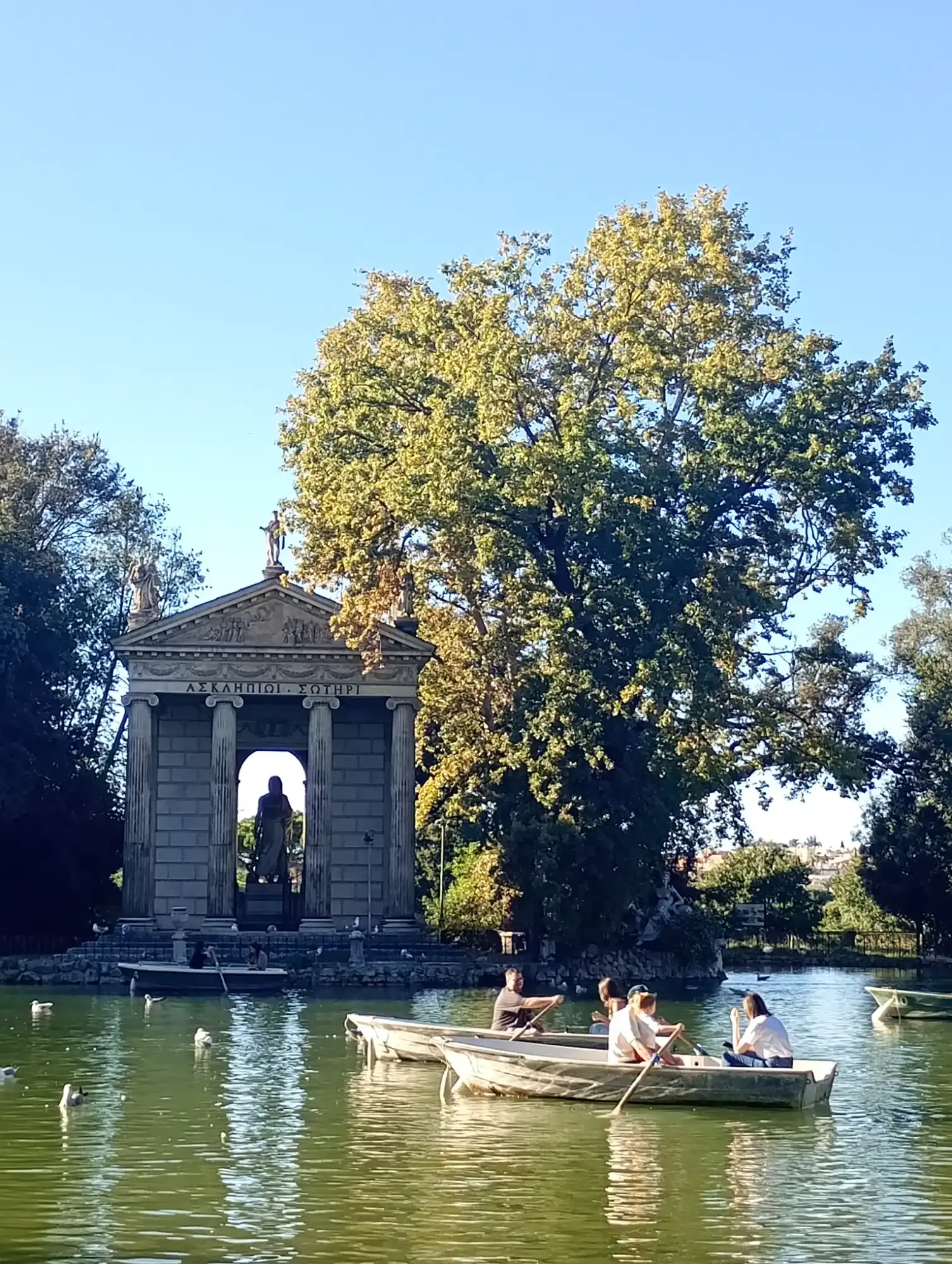
Czy wiesz, że Rzym to jedna z najbardziej zielonych stolic Europy? Wszyscy znamy Wieczne Miasto z jego antycznego serca, brukowanych uliczek, barokowych fontann i gwarnych placów. Jednak za słynnymi zabytkami kryje się jego drugie oblicze - Rzym zielony, spokojny i zaskakująco przestronny. W cieniu pinii rozciągają się arystokratyczne ogrody, z rzymskich wzgórz można podziwiać rozległe panoramy, a starożytne drogi wiją się wśród łąk pełnych kwiatów i omszałych grobowców. Od eleganckich ogrodów Villa Borghese, przez pachnący różami i cytrusami Awentyn, aż po zapierające dech w piersiach tarasy na Janikulum i Monte Mario oraz ponadczasowe ścieżki Parku Appia Antica - wszędzie tam Rzym pokazuje swoje łagodniejsze oblicze i spokojny rytm lokalnego życia. Tutaj historia wymyka się z muzeów. Wyrasta wprost z trawy pod stopami, maluje horyzont o zachodzie słońca i towarzyszy mieszkańcom, którzy biegają, urządzają pikniki czy spotykają się z rodzinami.

Culture • Practical Tips • 4 min. czytania
Kiedy wypada Wielkanoc w Rzymie 2026? Przewodnik po Wielkim Tygodniu
Poznaj najważniejsze daty i tradycje związane z Wielkanocą w Rzymie w 2026 roku. Od Drogi Krzyżowej w Koloseum po mszę w Watykanie – przygotuj się na Wielki Tydzień z naszym praktycznym przewodnikiem.
Practical Tips • Food • 9 min. czytania
Rzym dla smakoszy – Kulinarny przewodnik po Wiecznym Mieście
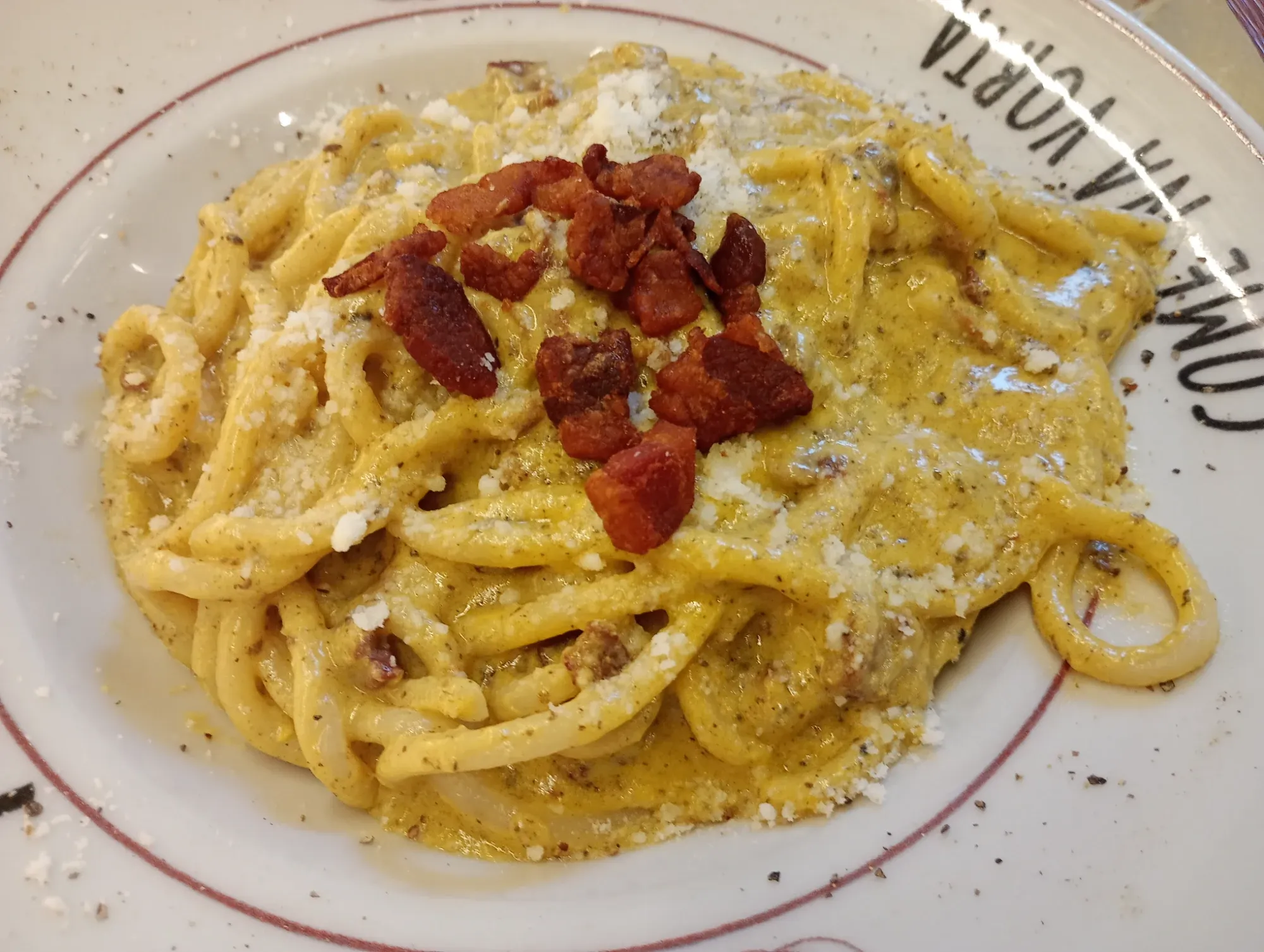
Poznaj smaki Rzymu. Z tym praktycznym przewodnikiem trafisz do autentycznych trattorii, odwiedzisz lokalne targi i spróbujesz tradycyjnych dań.

Culture • Practical Tips • History • 6 min. czytania
Praktyczny przewodnik po Watykanie: wskazówki lokalnego przewodnika Walkative
Planujesz zwiedzanie Watykanu i nie wiesz, od czego zacząć? Dobrze trafiłeś.

Culture • Practical Tips • History • Food • Tours • 4 min. czytania
Jak zwiedzić Francję, Włochy i Monako w jeden dzień z Nicei
Odwiedź Francję, Włochy i Monako w jeden dzień z Nicei. Ten praktyczny plan podróży pociągiem pomoże Ci zwiedzić Menton, Ventimiglię i Monte Carlo.