Street food w Krakowie: 5 dań, których warto spróbować, by nie wpaść w turystyczną pułapkę
Kraków to raj dla miłośników prostego i pysznego jedzenia ulicznego. Aby spróbować autentycznych lokalnych specjałów, wcale nie trzeba rezerwować stolika w drogiej restauracji ani przepłacać. Oto pięć przysmaków, których warto spróbować w Krakowie - podpowiadamy też, jak znaleźć te najlepsze i uniknąć typowych turystycznych pułapek.
History • Food • Tours • 7 min. czytania
Spacerowanie po Krakowie bez planu i z lekkim głodem ma w sobie coś magicznego. Wystarczy iść za zapachem ciepłego pieczywa, wędzonego mięsa i topionego sera. Pomiędzy wspaniałymi zabytkami tętni życiem Kraków pełen niebieskich wózków z obwarzankami, gwarnych straganów, które pomimo turystyki wciąż tętnią lokalnym życiem oraz przepisów, na których dorastały całe pokolenia.
Najlepsze lokalne jedzenie jest tu proste, szybkie i jedzone na stojąco - gdzieś między przystankiem tramwajowym a średniowiecznym kościołem. Jeśli wiesz, gdzie szukać, posmakujesz prawdziwego Krakowa i ominiesz drogie pułapki turystyczne.
Oto pięć przysmaków, których warto spróbować podczas zwiedzania miasta.
Obwarzanek - pieczywo, które przetrwało wieki
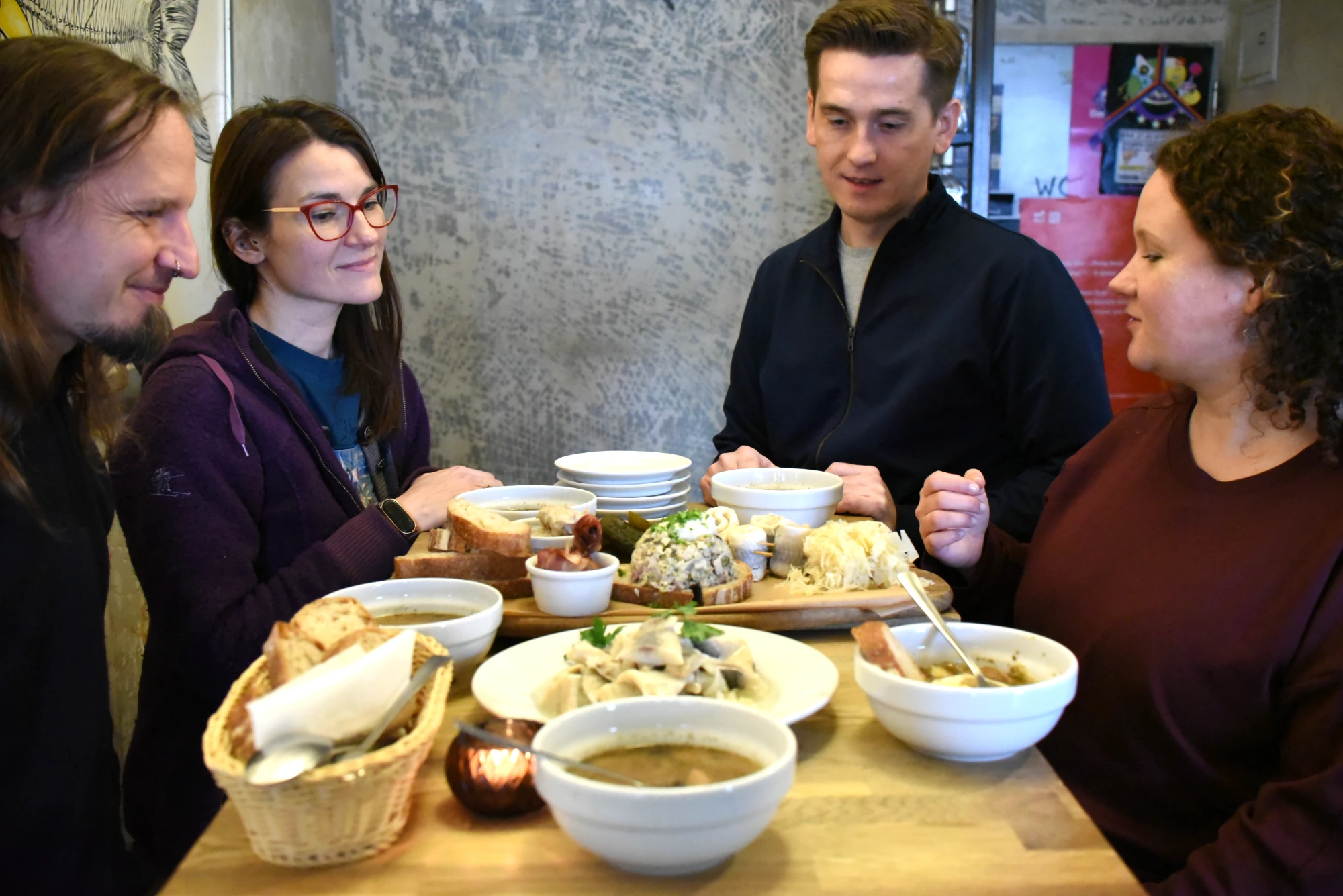
Każdy słyszał o obwarzankach. Te okrągłe wypieki piętrzą się w niebieskich wózkach wokół Starego Miasta. To niekwestionowany król tutejszych przekąsek.
Jego historia sięga średniowiecza. Piekarze przygotowywali te skręcane wypieki dla dworu królewskiego i na miejskie targowiska. Historycy często podkreślają, że obwarzanek i nowojorski bajgiel to dalecy kuzyni. Oba wywodzą się z tej samej środkowoeuropejskiej tradycji piekarniczej.
Dziś prawdziwy obwarzanek krakowski jest chroniony prawem europejskim, posiadając specjalne oznaczenie geograficzne. Tylko kilka licencjonowanych piekarni w Krakowie i okolicach może go wypiekać pod tą nazwą i nie może być on wypiekany pod tą nazwą nigdzie indziej na świecie
Prawdziwe Krakusy bez problemu wskażą te najlepsze obwarzanki po zjedzeniu setek z nich. Prawdziwego obwarzanka zawsze kupisz prosto z wózka. Powinien być delikatnie chrupiący z wierzchu, a w środku być miękki i sprężysty.
Jak nie dać się oszukać
Trzymaj się klasyki: mak, sezam lub grube grudki soli. Jeśli ktoś podaje go przekrojonego, z sałatą, szynką czy wymyślnymi dodatkami - może i jest smaczny, ale to już nie obwarzanek podany w tradycyjny sposób, gdyz ten powinien być jedzony bez żadnych dodatków. Nie mylmy też obwarzanka z cienkim i twardym preclem, są to dwa zupełnie oddzielne wypieki. Ten autentyczny obwarzanek jest gruby i puszysty, przez co pewnie zaspokoi głód na dłużej.
Polska kiełbasa
W Polsce do kiełbasy podchodzi się bardzo poważnie.
Od pokoleń rodziny w całym kraju wędziły mięso w dymie z drewna bukowego. Ten niepowtarzalny zapach od zawsze kojarzył się z wiejską atmosferą i otoczeniem. Już wieki temu polscy emigranci zabrali te tradycje za granicę. To dlatego „Polish sausage” zyskała sławę w miastach od Chicago po Londyn.
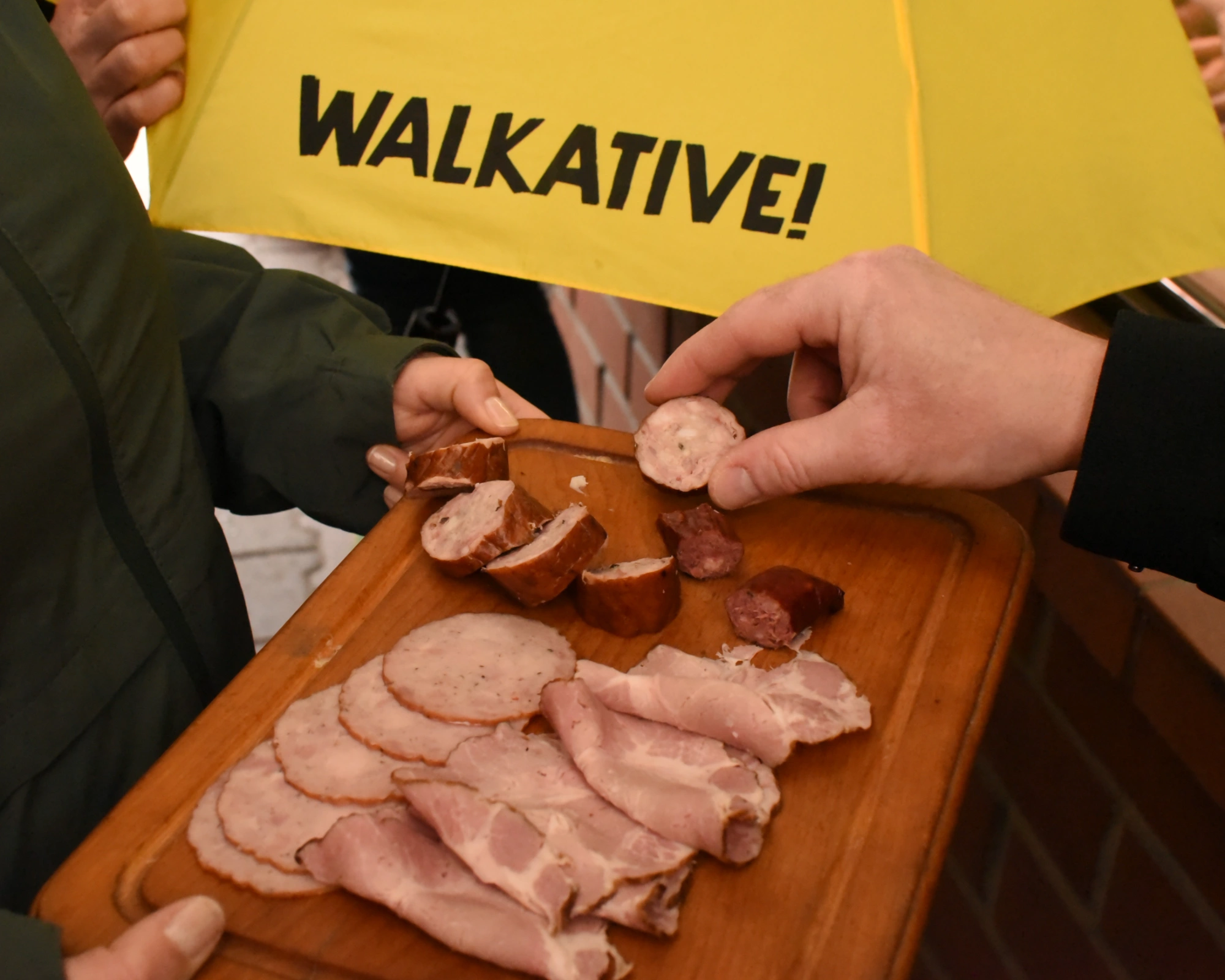
Kraków ma nawet własną wersję eksportową słynnych polskich kiełbas. Znana lokalnie jako "kiełbasa krakowska", na świecie przyjmuje często nazwę Krakauer. Co ciekawe, sami krakowianie rzadko jedli ją na co dzień. Produkowano ją głównie na rynki zagraniczne, zwłaszcza do Austrii - stąd też wynika popularność tej niemieckiej wersji nazwy. Kiełbasa, której naprawdę warto spróbować w Krakowie, nie ma nic wspólnego z idealnie równymi plasterkami z supermarketu. Prawdziwa krakowska wędlina jest swojska, mocno wędzona, gruba i pyszna w swojej prostocie.
Gdzie kupują ją krakowianie
Zamiast do restauracji serwujących turystom „tradycyjne półmiski wędlin”, lepiej wybrać się na Stary Kleparz lub pod Halę Targową. To tam krakowianie wciąż ustawiają się w kolejkach do stoisk mięsnych po świeżą, wiejską kiełbasę. Sa to naprawdę wspaniałe perełki, który zachowały duch starego Krakowa w samym sercu miasta.
Jaka powinna być dobra kiełbasa? Jest oczywiście wiele podejść, w Krakowie najczęściej jest miękka i soczysta, a na pewno nie należy nazywać "polską kiełbasą" czegoś co przypomina parówkę z hot doga (mimo wszystko jest to popularne oznaczenie takich produktów w USA). Zapach wędzonki jest zawsze wyraźny, czuć go jeszcze przed pierwszym kęsem. Odwiedzając lokalny stoiska, pamiętajmy, że wiele z nich nie przyjmuje nowoczesnych metod płatniczych, więc warto mieć przy sobie gotówkę.
Fast food z dawnych lat - zapiekanka i maczanka
Każde miasto oferuje swoje kulinarne przyjemności, które warto spróbowac wieczorem. Kraków ma przynajmniej dwie oferty - jedną typową dla całej Polski, druga za to jest wybitnie lokalna.
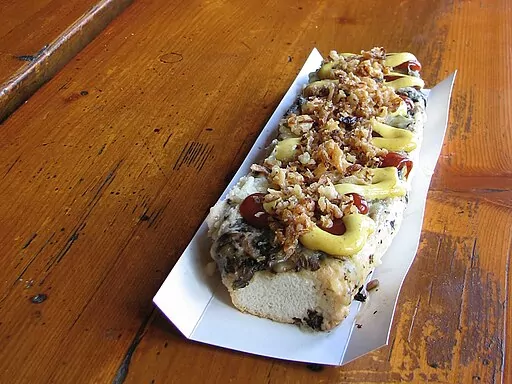
Pierwszy to zapiekanka - nieoficjalna królowa polskiego nocnego jedzenia. To połówka bagietki z pieczarkami i serem, zapiekana na chrupko. Wymyślono ją w czasach PRL-u jako tanią i prostą przekąskę, dziś to dość nostalgiczny symbol tego, co Polska wniosła do świata fast foodu.
Jeśli masz ochotę na coś typowo krakowskiego, spróbuj maczanki. To kanapka w formie burgera z wolno pieczoną wieprzowiną. Mięso skąpane w gęstym sosie podaje się w bułce, często z ogórkiem kiszonym. Maczanką zajadali się krakowscy dorożkarze już w XIX wieku. Możliwe więc, że jest nawet starsza niż amerykański hamburger.
Turystyczna legenda a rzeczywistość
Najsłynniejszym miejscem z zapiekankami jest bez wątpienia Plac Nowy na Kazimierzu. Przed laty studenci wpadali tam na tanią przekąskę po imprezach. Dziś okrągły budynek na środku placu to niemal samodzielna atrakcja, która ma swoją sławę i przyciąga wielu imprezujących tu turystów. Jednak zapiekanka zapiekance nierówna. Aby znaleźć te, które dbają o jakość - warto przyjrzeć się pieczarkom. Jeśli te przypominają szarą pastę wtapiającą się w pieczywo, prawdopodobnie pochodzą z zamrażarki i nie jest to świeży produkt. W Krakowie wciąż można znaleźć miejsca, które swoje zapiekanki przygotowują ręcznie, więc warto zwrócić uwagę i poobserwować to, co dostają inni klienci w kolejce.
Z kolei maczanka na lata niemal zniknęła z krakowskich ulic. Powróciła dzięki jednemu słynnemu food truckowi - Andrus Food Truck na skwerze Judah, który pojawił się kilka lat temu i na nowo rozpopularyzował ten lokalny przysmak (znajdziecie go również na Kazimierzu, nieco dalej od głównych zabytków).
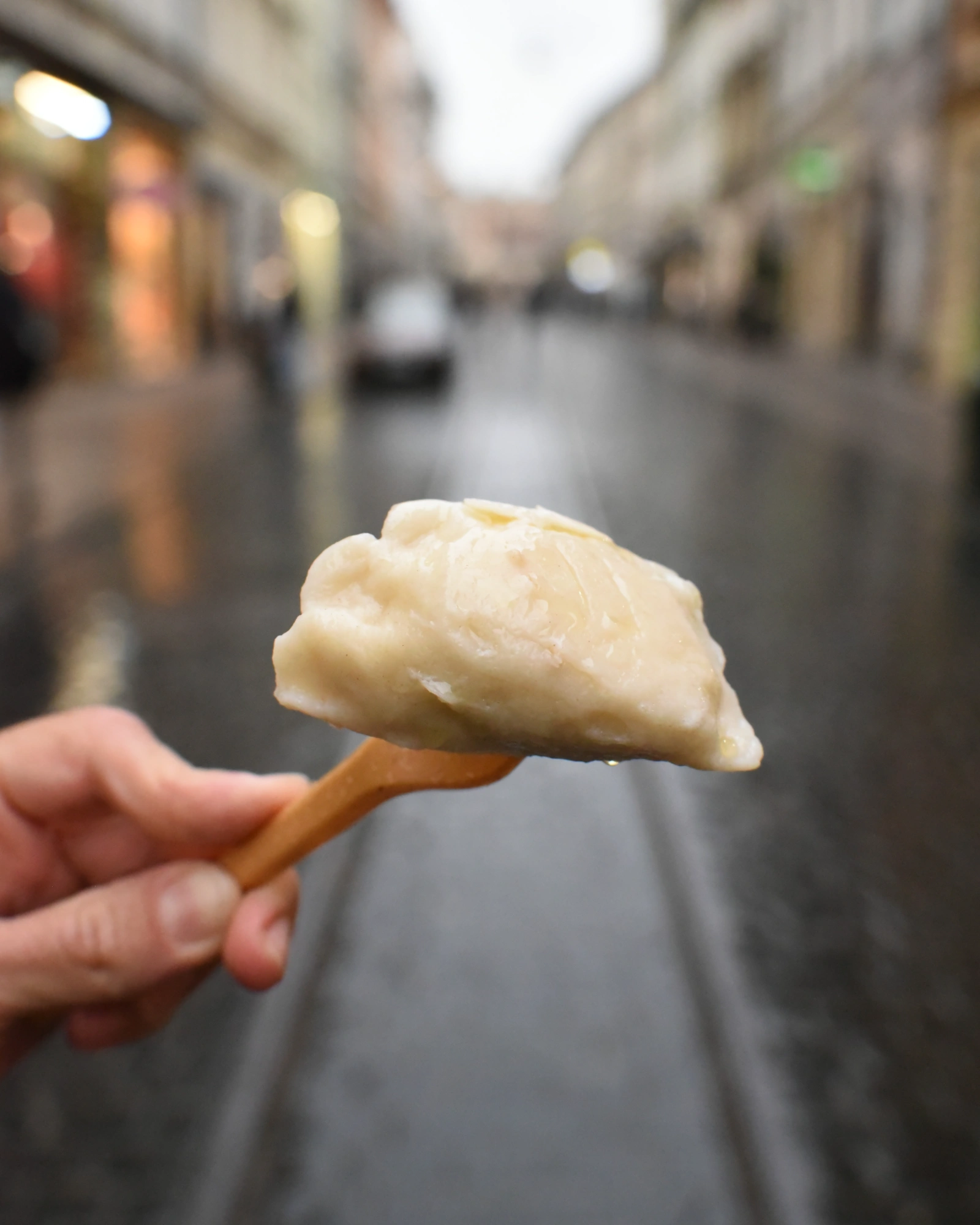
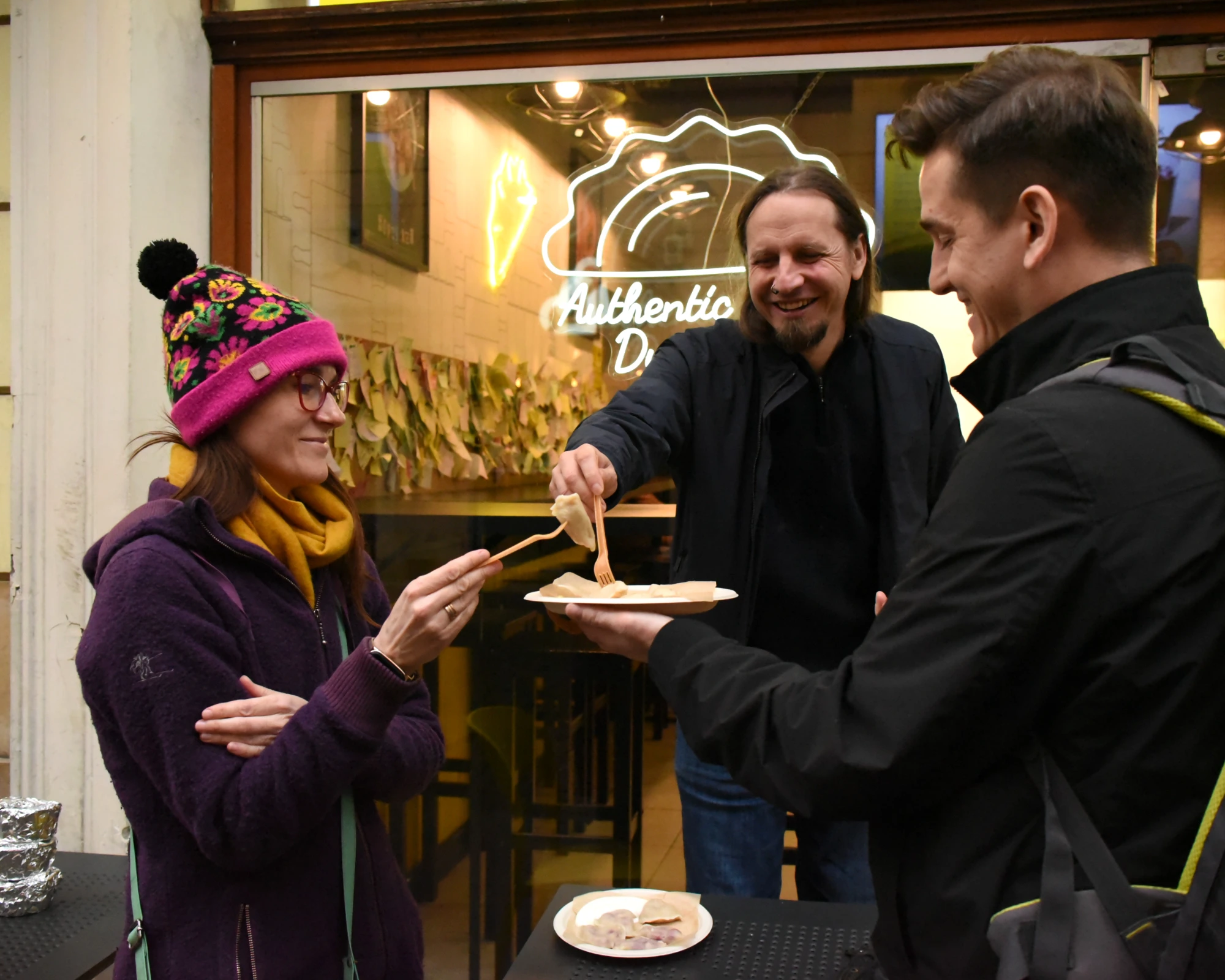
Pierogi: farsz pełen historii i domowego smaku
Niewiele dań rozgrzewa i poprawia nastrój tak dobrze, jak pierogi ciepłe pierogi.
Pierogi przeszły długą drogę, zanim stały się częścią polskiej kuchni. Większość historyków uważa, że dotarły z Azji. Mogły pojawić się tu wraz z najazdami mongolskimi lub poprzez wymianę kulturową z terenami Rusi i dzisiejszej Ukrainy. Dziś to bez wątpienia nasze narodowe danie.
Pierogi mogą być wytrawne - z ziemniakami i serem, mięsem czy kapustą i grzybami. Latem królują te na słodko. Farsz stanowią wtedy owoce lub słodki ser, a całość polewa się śmietaną. To danie głęboko zakorzenione w naszej tradycji. Dawniej całe rodziny lepiły je na specjalne okazje według pilnie strzeżonych przepisów. Dziś wymaga to zbyt wiele czasu, więc w domach robimy je znacznie rzadziej.
Świeżość to podstawa
Jednym z naszych ulubionych miejsc z pierogami "jak u mamy" jest Przystanek Pierogarnia. Warto tu zwrócić uwagę na ważny szczegół, który często umyka turystom. Pierogi podaje się zazwyczaj na dwa sposoby: prosto z wody lub odsmażane na patelni. Oczywiście, odsmażane pierogi potrafią być pyszne. Tradycyjnie jednak w ten sposób odgrzewano w domach to, co zostało z poprzedniego dnia, stąd w restauracjach lepiej zamawiać te świeżo ugotowane. Łatwiej wtedy ocenić ich jakość i świeżość. Dobre pierogi muszą być miękkie, delikatne i pełne farszu - nigdy suche czy gumowate.
Nalewki
Zanim w Krakowie pojawiły się modne bary z drinkami, polskie domy kryły w kredensach i piwnicach własne płynne skarby. Nalewki to tradycyjne alkohole na bazie owoców, ziół, przypraw, z dodatkiem miodu lub palonego cukru - jest naprawdę wiele znanych wariantów ich przygotowywania. W przeciwieństwie do czystej wódki, nalewki robiono je w domach poprzez łączenie spirytusu z wodą i owocami. Dawało to naturalny smak i nieco mniejszą moc, przez co picie ich było nieco przyjemniejszym "doświadzczeniem".
Takie nalewki często podawano je po posiłku, jako sposób na poprawę trawienia. Każdy z nas chyba spotkał babcię, która święcie wierzyła przy tym, że jej autorski przepis leczy przynajmniej trzy różne choroby...
Jak rozpoznać prawdziwą nalewkę
Masowo produkowane nalewki często bazują na sztucznych syropach i aromatach. Prawdziwa nalewka powinna być lekko mętna, a nie idealnie przejrzysta, a sam osad pochodzi z wkładu owocowego. Jej smak musi być bogaty, wielowarstwowy i odrobinę zdradliwy - jak na domowy alkohol przystało.
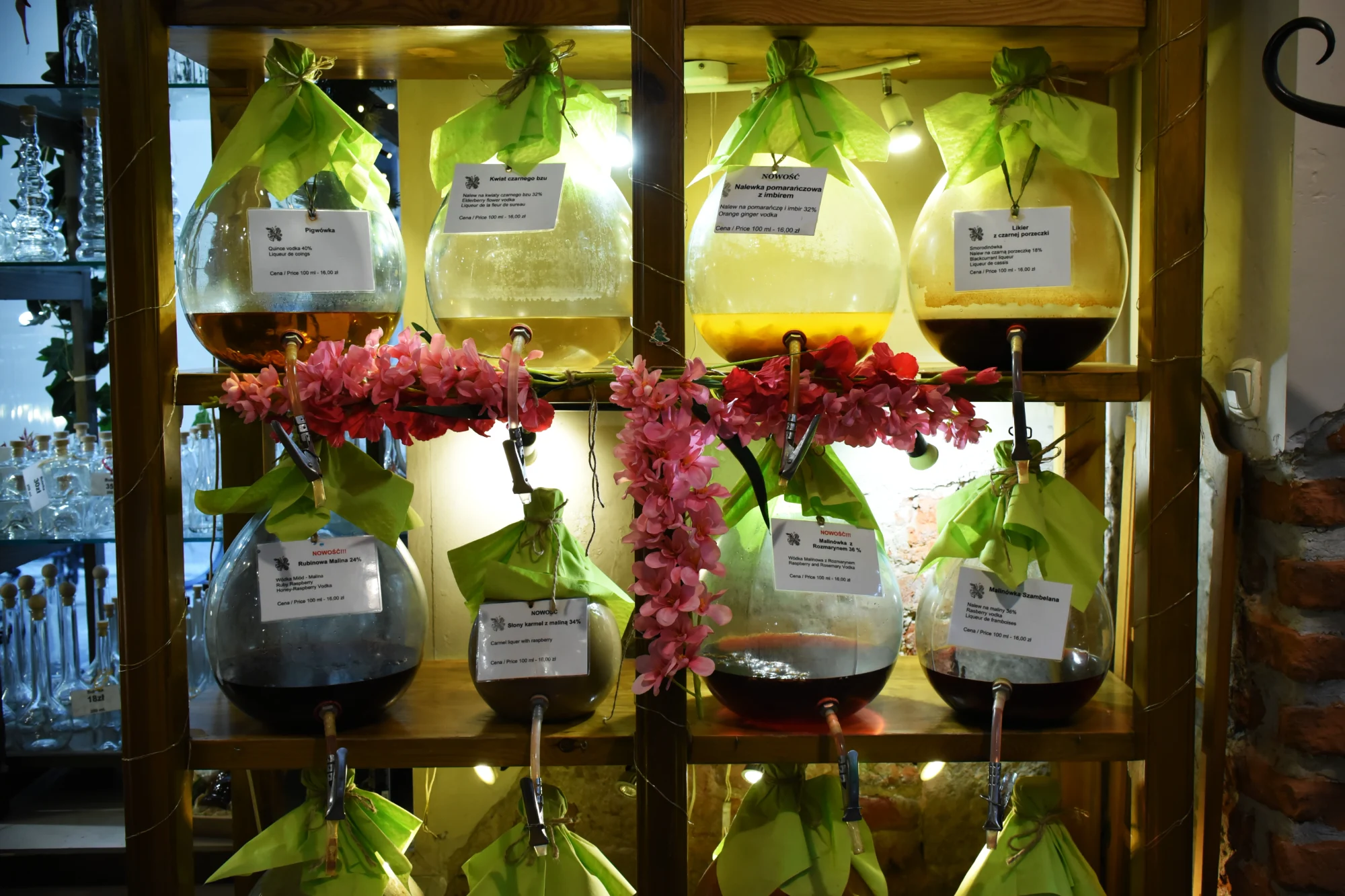
Świetnym miejscem na degustację jest Szambelan przy ulicy Brackiej. Nalewki serwuje się tam prosto z ogromnych szklanych słojów. Znajdziesz tu zarówno eksperymentalne smaki, jak i trunki oparte na starodawnych recepturach. Degustacja kilku różnych rodzajów przypomina tam wizytę w miniaturowym muzeum polskiej gościnności!
Zasmakuj w mieście, nie tylko je zwiedzaj
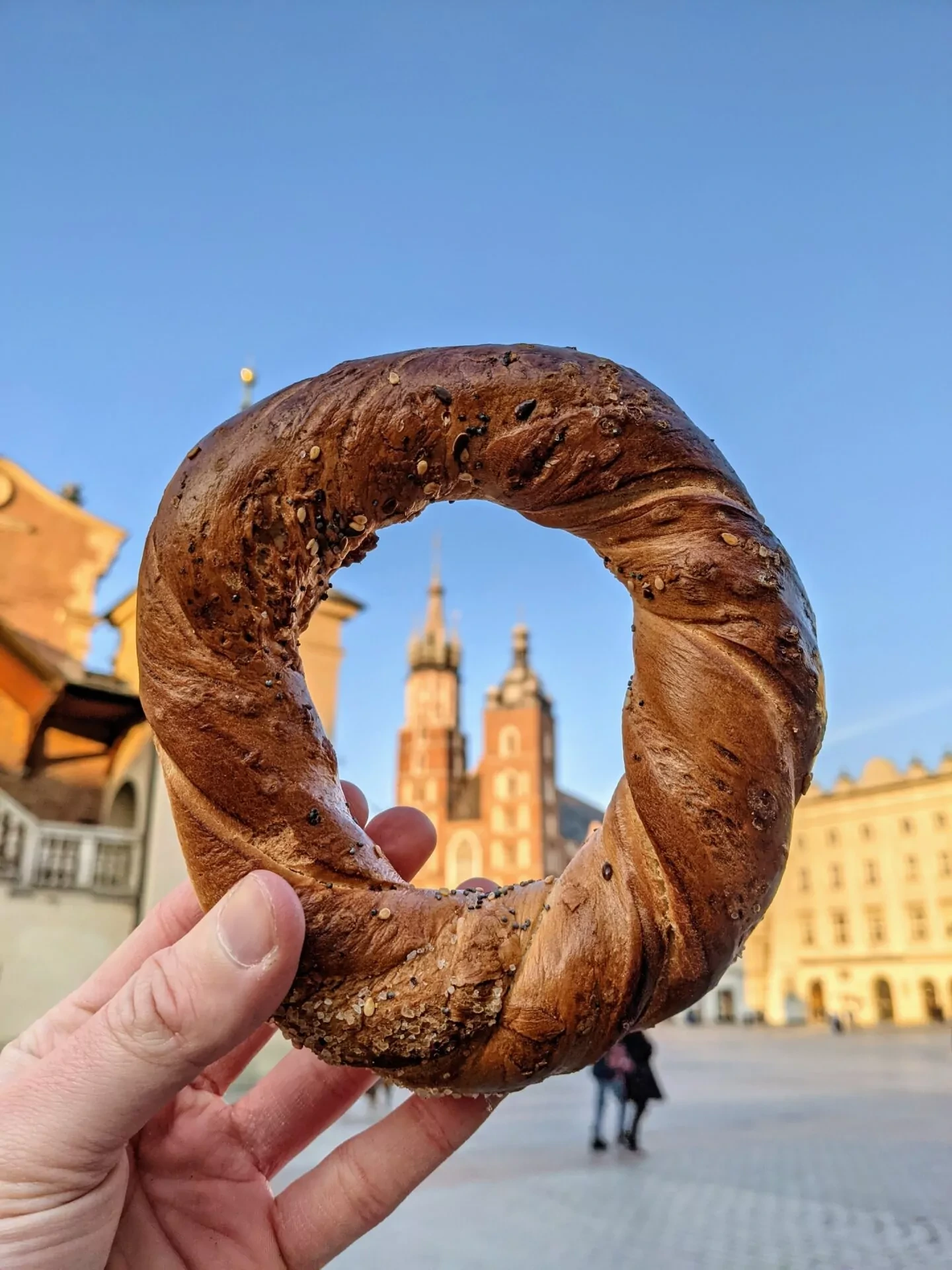
Wielu z tych potraw spróbujemy podczas wycieczki Tradycyjne Polskie Jedzenie. Organizujemy ją w Krakowie kilka razy w tygodniu. Spacerujemy po targowiskach, odwiedzamy lokalne piekarnie i punkty z jedzeniem ulicznym. Zaglądamy do małych knajpek, by poznać smaki, na których wychowali się krakowianie. Jeśli lubisz łączyć dobre jedzenie z ciekawymi opowieściami - nie przegap okazji na wspólny posiłek w świetnym towarzystwie!