Wielki Tydzień w Madrycie: przewodnik po Semana Santa
Poznaj lokalne tradycje wielkanocne w Madrycie. Ten przewodnik opisuje historyczne procesje, wydarzenia muzyczne i podpowiada, gdzie spróbować tradycyjnych torrijas podczas Semana Santa.
history • food • culture • practical-tips • tours • 4 min. czytania
Spring in Spain brings one of the country's most profound and captivating traditions: Semana Santa, or Easter week. Visiting Madrid during this time offers travelers a unique opportunity to witness the city transform. The streets come alive with centuries-old cultural customs, moving musical performances, and an array of seasonal culinary delights. Whether you are drawn to the deeply rooted history of the religious processions or simply wish to experience the local gastronomy, exploring Madrid during Easter provides an authentic look into Spanish heritage.
Experiencing Semana Santa (Easter Week) in Madrid
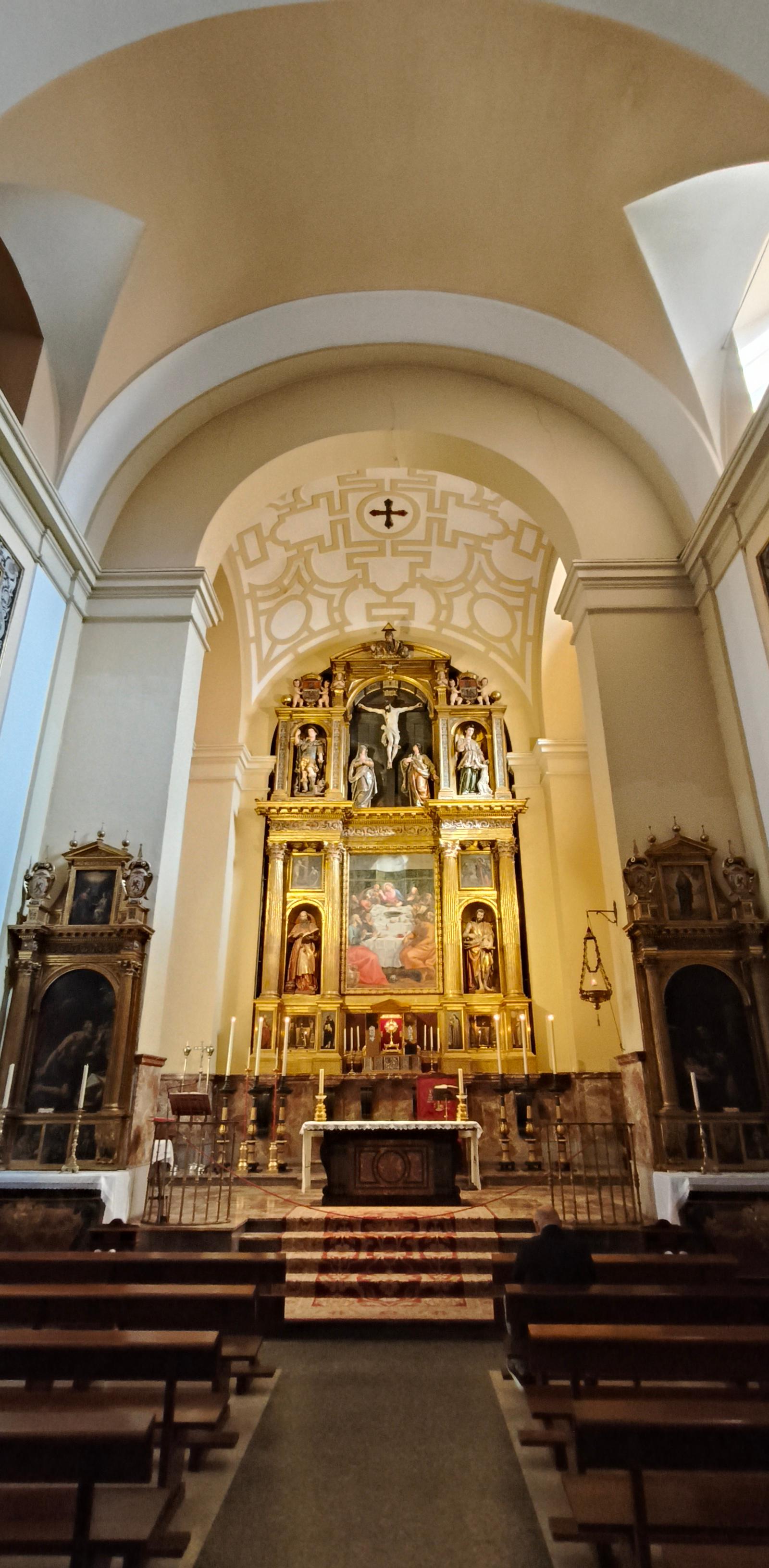
Semana Santa is a deeply significant period for locals and a remarkable time for visitors to experience Madrid. Stretching from the 27th March through Easter Sunday (5th April), the holiday draws thousands of people to the Spanish capital. The city's atmosphere shifts dramatically, blending solemn tradition with a communal spirit. During these days, Madrid becomes a splendid cultural destination, offering a rich program of events that reflect historical devotion and local artistry. It is an ideal time to observe authentic customs up close, as the everyday rhythm of the capital gives way to a memorable spring celebration. For those wanting to navigate the bustling city and its historic center comfortably during the festivities, a customized private tour can be a highly practical way to explore at your own pace.
Easter Processions and Traditional Parades
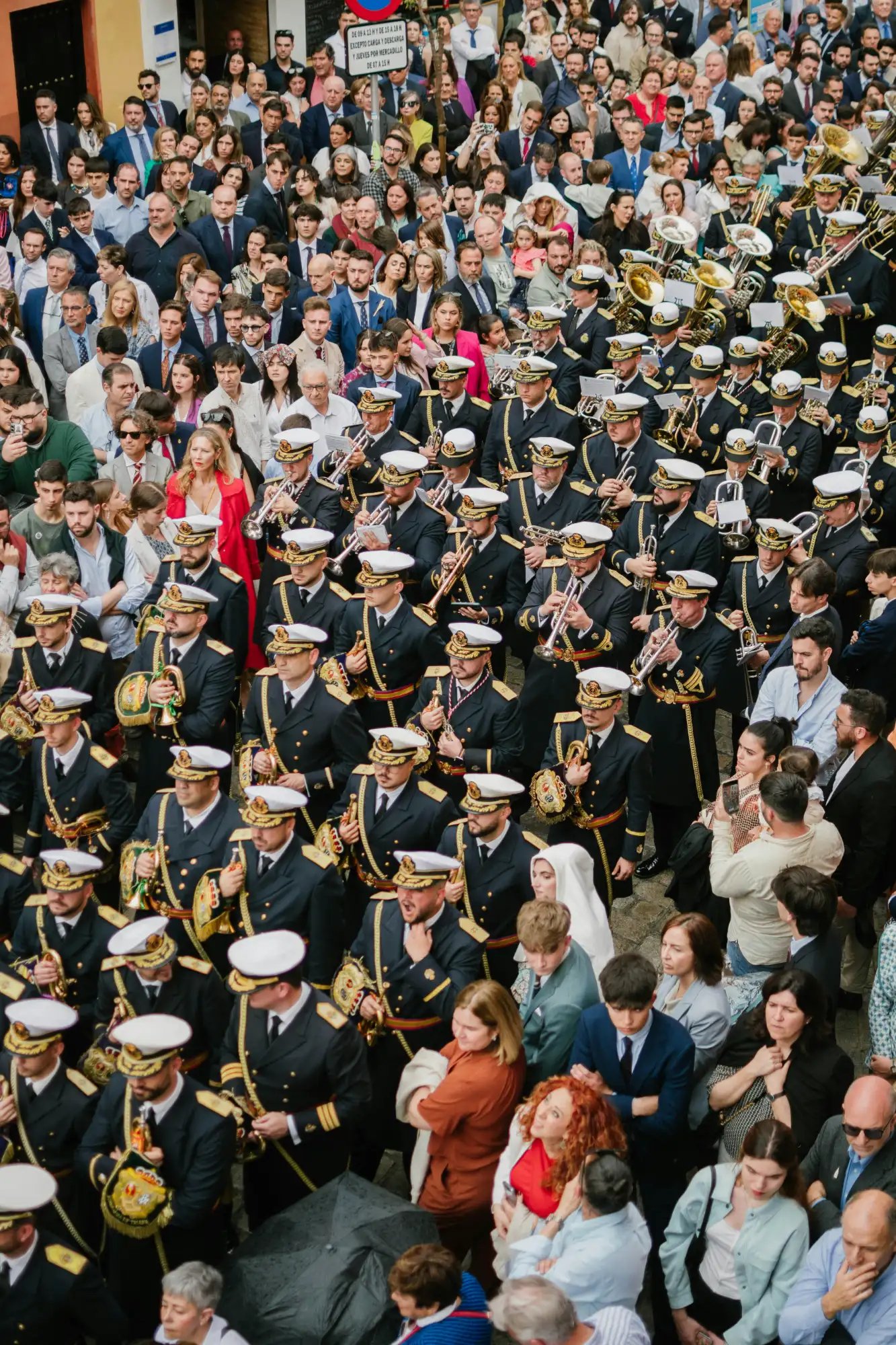
At the heart of Semana Santa are the processions that wind through the city's streets. Madrid hosts more than 20 different processions throughout the week, with several taking place each day. Many of these routes converge at Puerta del Sol, the bustling center of the capital. The parades feature members of traditional religious brotherhoods, known in Spanish as cofrades, who wear distinctive and highly colorful vestments. The atmosphere is further intensified by the rhythmic sounds of drum and trumpet parades that accompany the groups, offering visitors a powerful auditory experience.
Music and Cultural Events During Easter
Beyond the visual spectacle of the parades, Madrid's Easter week is filled with extraordinary musical performances. A week before the main festivities begin, the historic Church of San Ginés hosts a captivating music organ festival. During Semana Santa itself, visitors can attend a special concert by the Symphonic Municipal Band of Madrid, held in the stunning Almudena Cathedral. One of the most unique cultural experiences occurs in the city center, where renowned flamenco artists sing Saetas Flamencas, the traditional flamenco hymns from historic balconies as the processions pass below. These evocative performances add an unforgettable layer of local artistry to the city's spring traditions. If you're interested in getting to know more about Madrid's churches, join us on the Madrid Churches Tour, from Tuesday to Saturday at 11am. Book it here: https://freewalkingtour.com/madrid/madrid-churches-nun-made-cookies/
What Are Torrijas? Spain's Historic Easter Treat
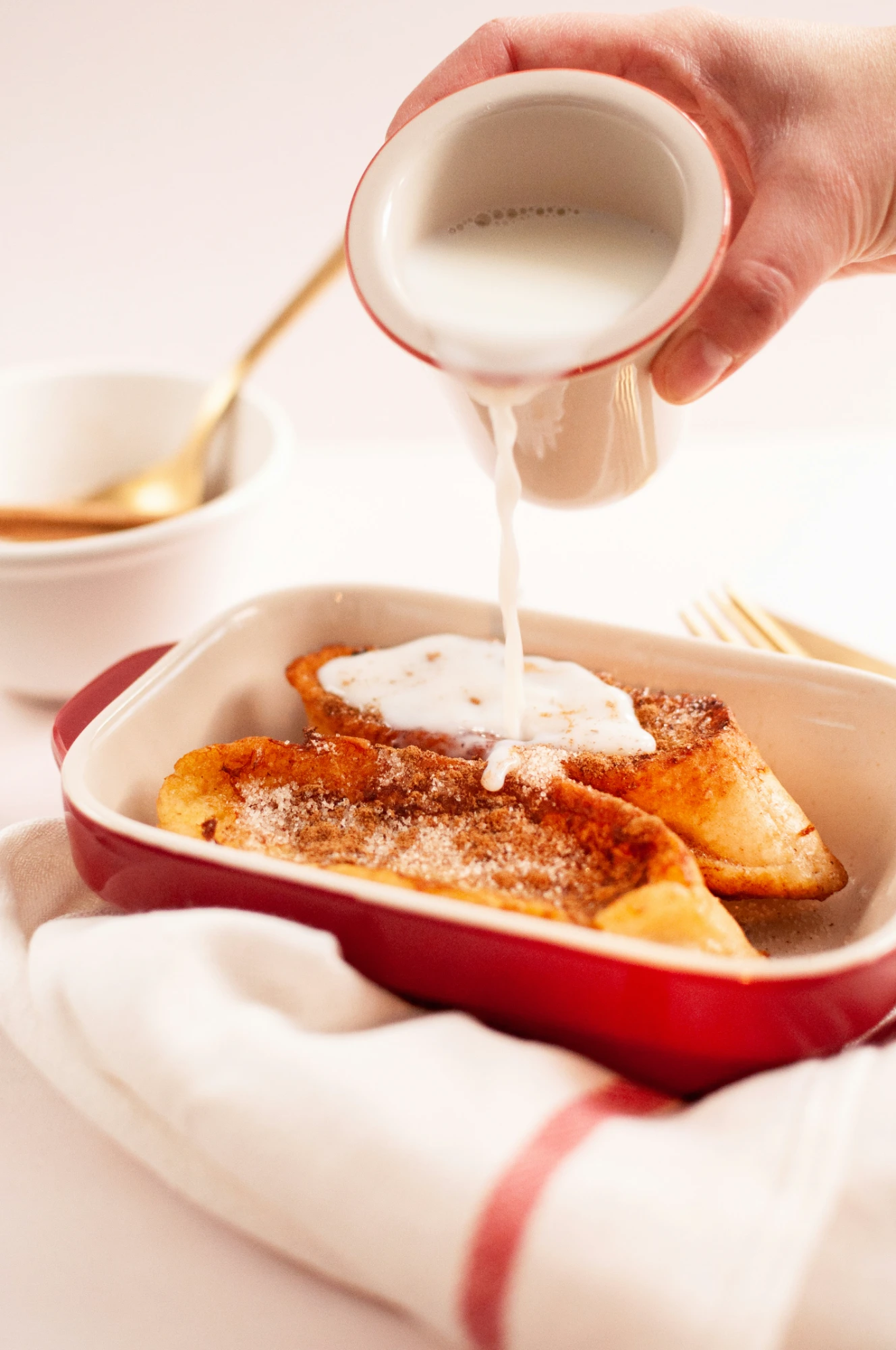
The Easter season in Madrid is just as famous for its seasonal food as it is for its cultural events, with torrijas being the absolute centerpiece. Dating back to the 15th century, this beloved treat is traditionally made from slices of bread—often a few days old—that are soaked in milk, syrup, or wine. The bread is then dipped in beaten egg and gently fried in a pan with oil. To finish, torrijas are sweetened with honey, molasses, or sugar, and warmly flavored with cinnamon. They are commonly enjoyed as a dessert after lunch or dinner, or simply as a comforting snack whenever you feel like a treat during the day.
Where to Find Traditional Torrijas in Madrid
Finding a great torrija in Madrid during Semana Santa is an enjoyable task, as several local establishments are famous for their renditions. One of the most iconic spots is La Mallorquina, a historic pastry shop known for its classic approach to the dessert. For a sit-down restaurant experience, the highly regarded Arzabal and the popular dining spot Bibo both serve excellent versions of the treat. Additionally, the renowned Café Comercial, located conveniently next to the Bilbao metro station, offers a fantastic setting to enjoy this historic snack. Stopping for a sweet bite at one of these venues perfectly caps off a day of exploring.
Whether you are standing in Puerta del Sol listening to a balcony flamenco performance or sitting in a historic café savoring a cinnamon-dusted torrija, Easter in Madrid is an experience that engages all the senses. The combination of deep-rooted cultural events and comforting culinary traditions makes this time of year particularly special. By embracing both the solemn processions and the sweet local treats, travelers can connect easily with the authentic heart of the Spanish capital.