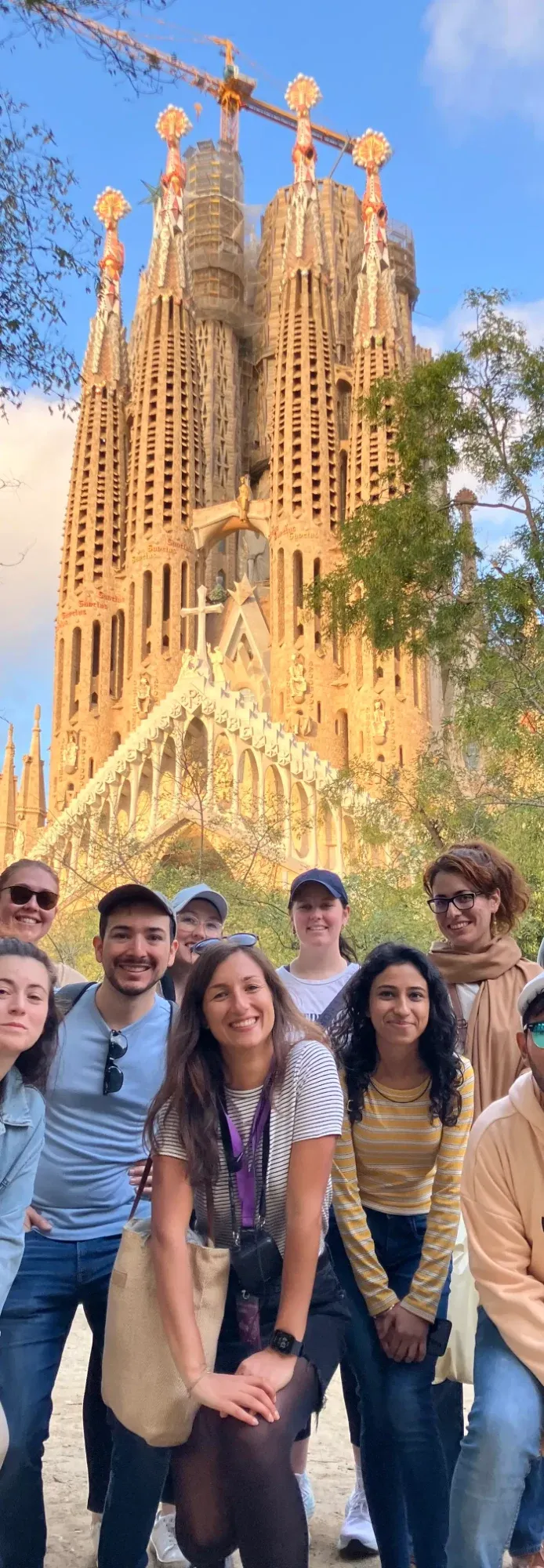
God’s Architect: The 100-Year Legacy of Antoni Gaudí
Walk through Barcelona shaped by Antoni Gaudí — a place where stone bends, light becomes colour, and buildings seem to breathe. From the elegance of Passeig de Gràcia to the rising towers of the Sagrada Família, tracing a legacy over 100 years in the making. Discover how one vision continues to shape the city today.

Basic Information
Total time
2h 20m
Language
English (check the calendar for availability)
Price
Our “Pay What You Wish” tours don’t have a fixed price — you decide how much the experience was worth. At the end of the tour, please make a fair contribution that reflects your satisfaction and appreciation for your guide’s work. Most guests give between €10 and €50 per person.
Meeting point
Passeig de Gràcia 35 is the site of Casa Lleó Morera, a highly detailed work of Catalan Modernisme designed by architect Lluís Domènech i Montaner. The building forms the southern end of the Illa de la Discòrdia, a city block renowned for its contrasting architectural styles created by Barcelona's leading early 20th-century designers. The surrounding avenue reflects the wealth and urban expansion of the city's bourgeoisie during the development of the Eixample district.

Ending point
Located in the Eixample district, this site is the location of Antoni Gaudí's renowned basilica, the Sagrada Família. The monumental structure is a prominent example of Catalan Modernisme, blending Gothic and Art Nouveau forms with intricate natural motifs. Construction has been ongoing since 1882, making it an architectural project of exceptional scale and duration.
Additional info
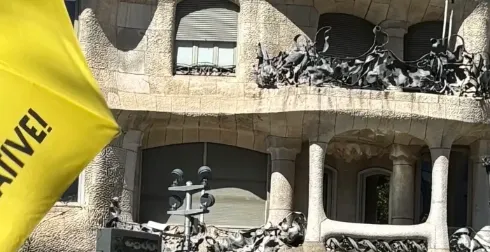
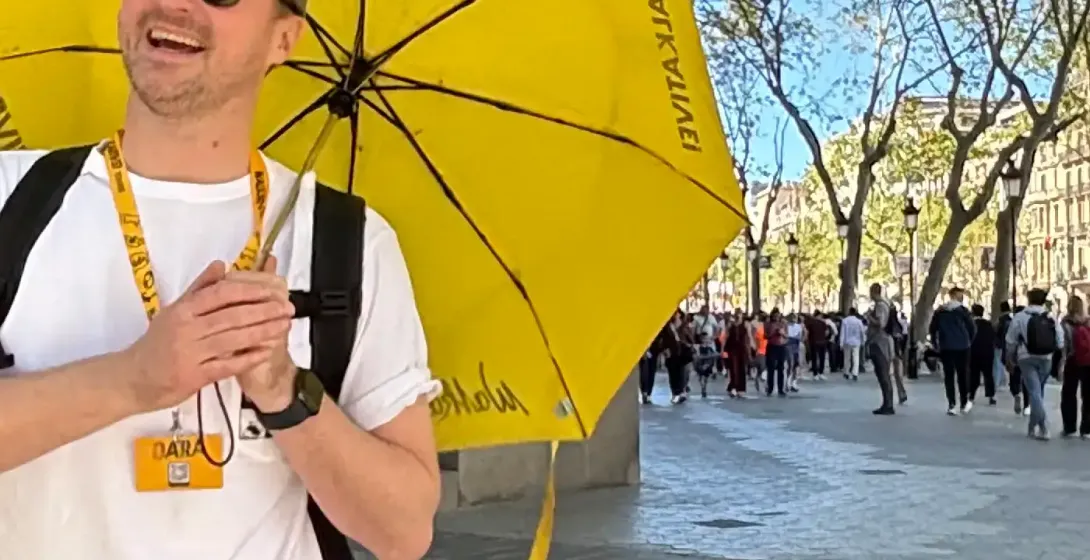
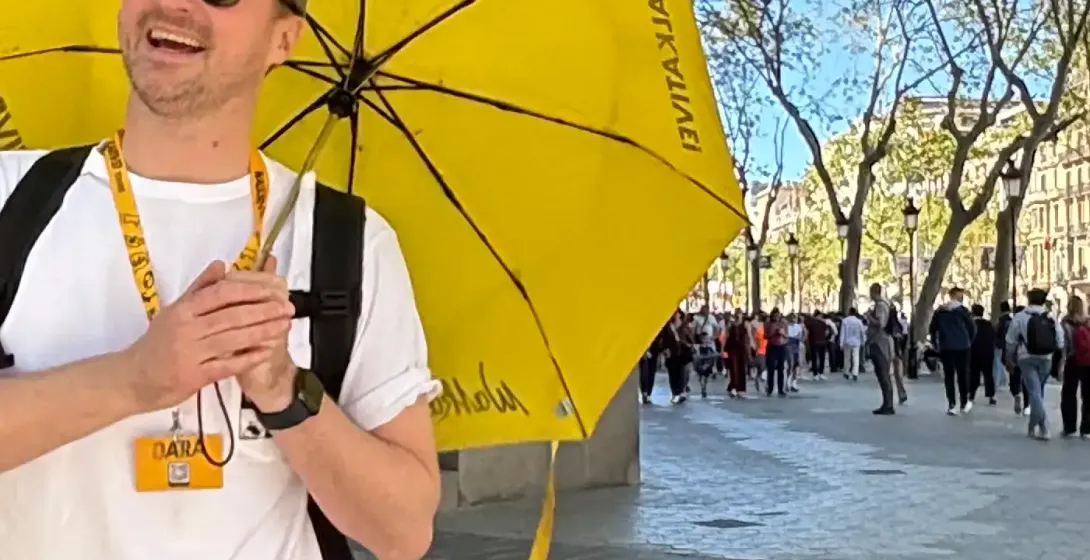
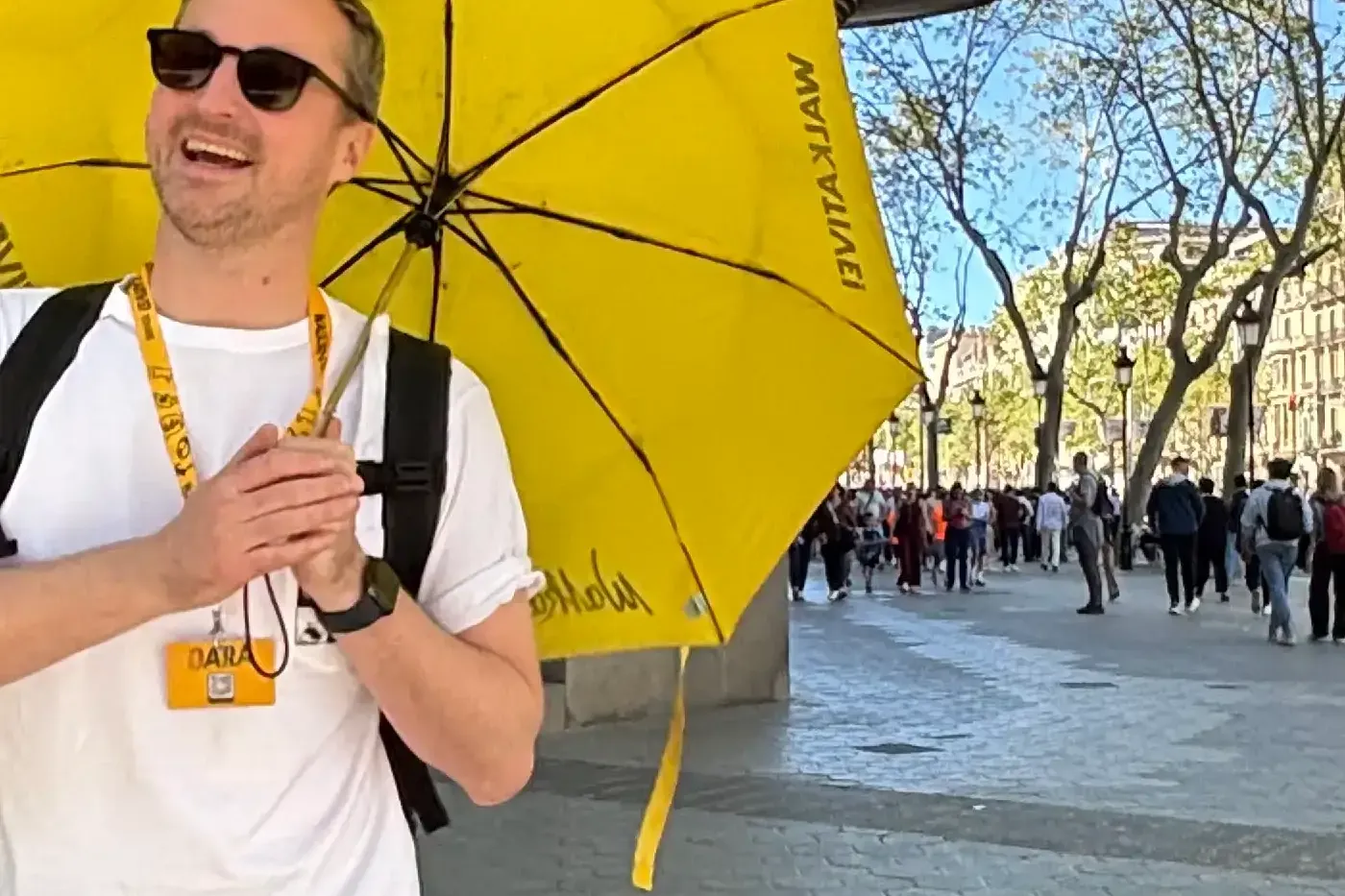
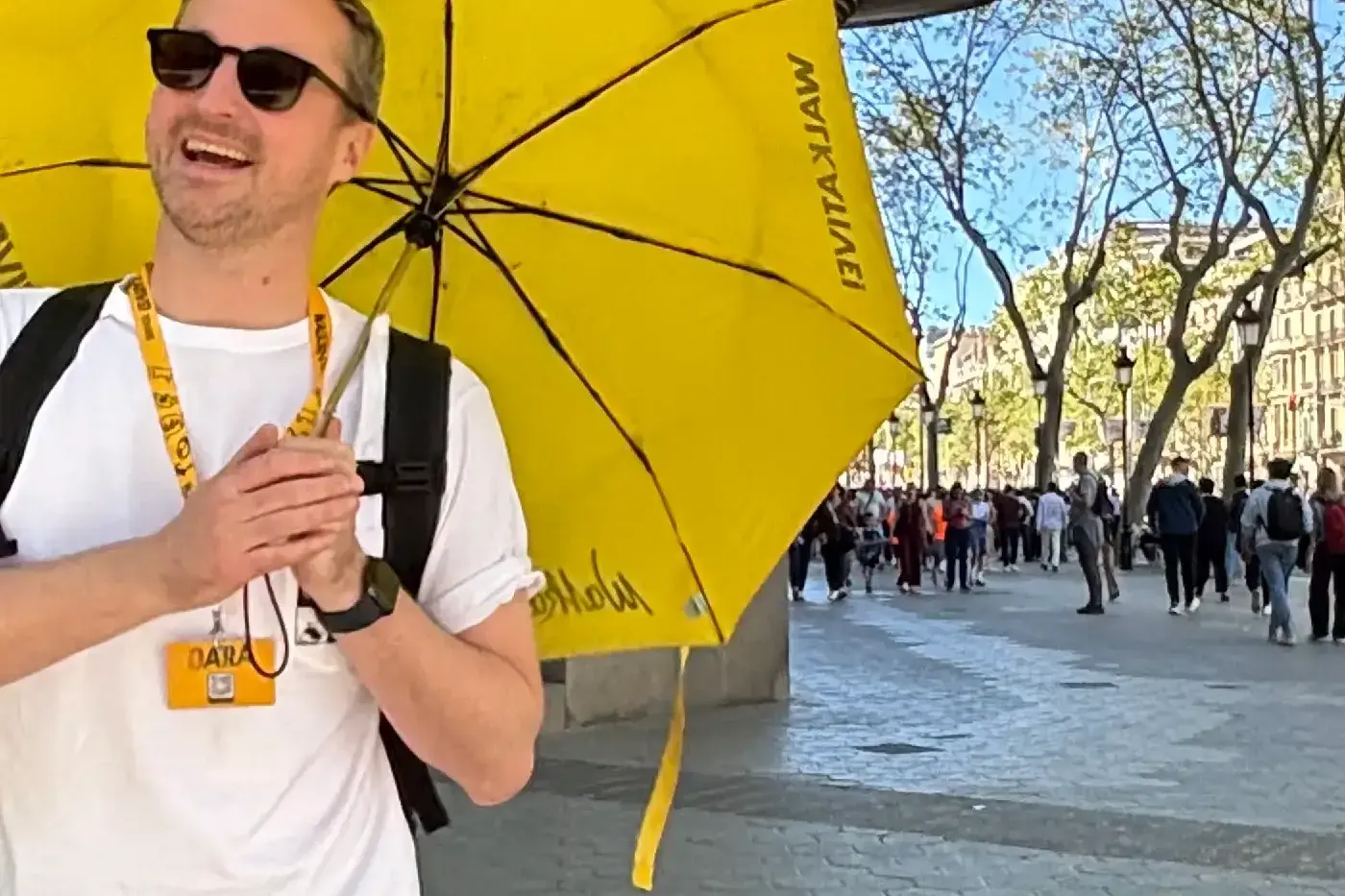
☂︎ This tour is organised by Walkative Barcelona guides. Look for the guide with the yellow umbrella.
❗Our tours run in all weather conditions. High or low temperatures, rain, or snow are never a reason for us to cancel. We’re always here for you! The only reasons for cancellation are extreme weather conditions (such as heavy storms), a guide’s sudden illness, or if there are fewer than 5 registered participants. In such cases, we will always notify you using the contact information you provided when booking the tour.Booking rules
Booking is obligatory. Our "Pay What You Wish" tours are meant for individual travellers and small groups. Large groups (8 or more people) cannot join these tours, as they significantly affect the experience for others and the guide. For school trips, organised tours, or groups of friends, please book our paid option (20€ per person) or arrange a 👉 Private Tour. For more information or to schedule a group visit, please contact us directly.
About the tour
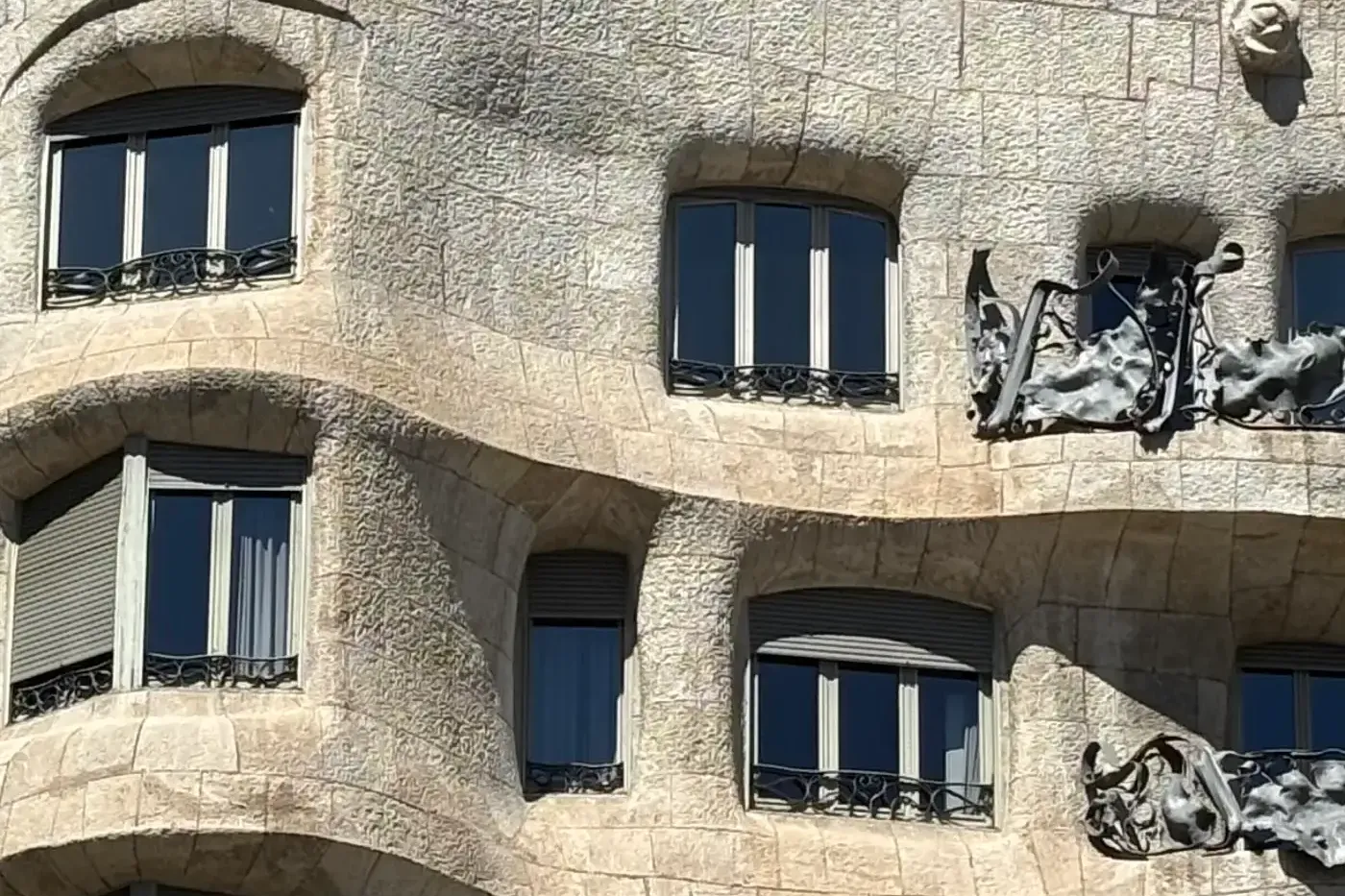
Stone bends. Light becomes colour. Balconies ripple like water, and rooftops seem to rise like living creatures. In Barcelona, architecture tells a story — and no one shaped it more deeply than Antoni Gaudí. A visionary who saw nature as his blueprint and faith as his compass, Gaudí transformed the city at a moment when it was about to be reborn.
At the end of the 19th century, Barcelona was changing rapidly, expanding beyond its old walls. Industrialisation brought sudden wealth, and with it, ambition. The city became a stage where the elite competed not only in power, but in beauty — turning entire streets into open-air galleries. A cultural revival swept through Catalonia, expressing itself in poetry, painting, theatre… but most powerfully in architecture.
And nowhere is that story more vivid than along the elegant Passeig de Gràcia — where our walk begins.
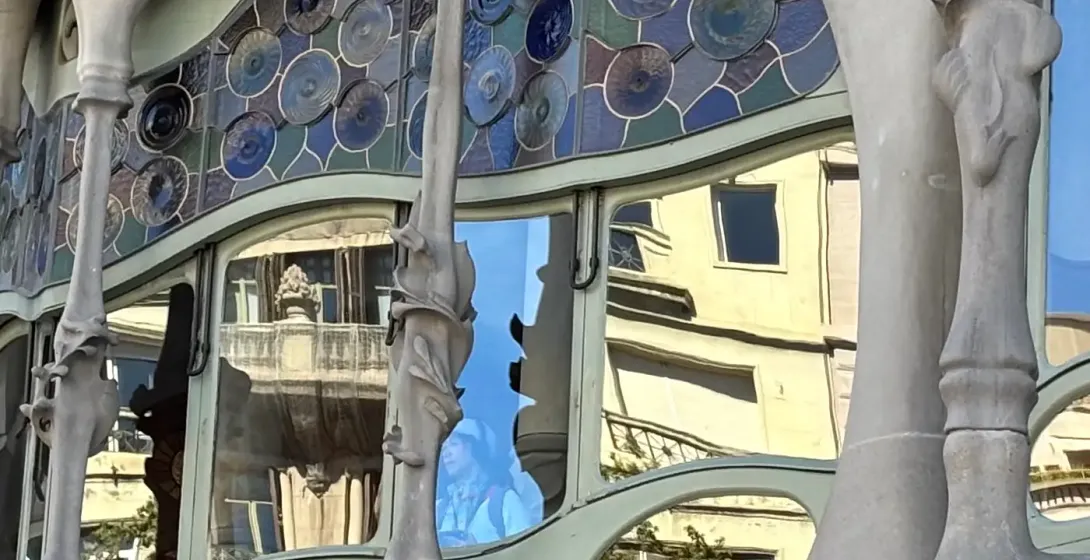
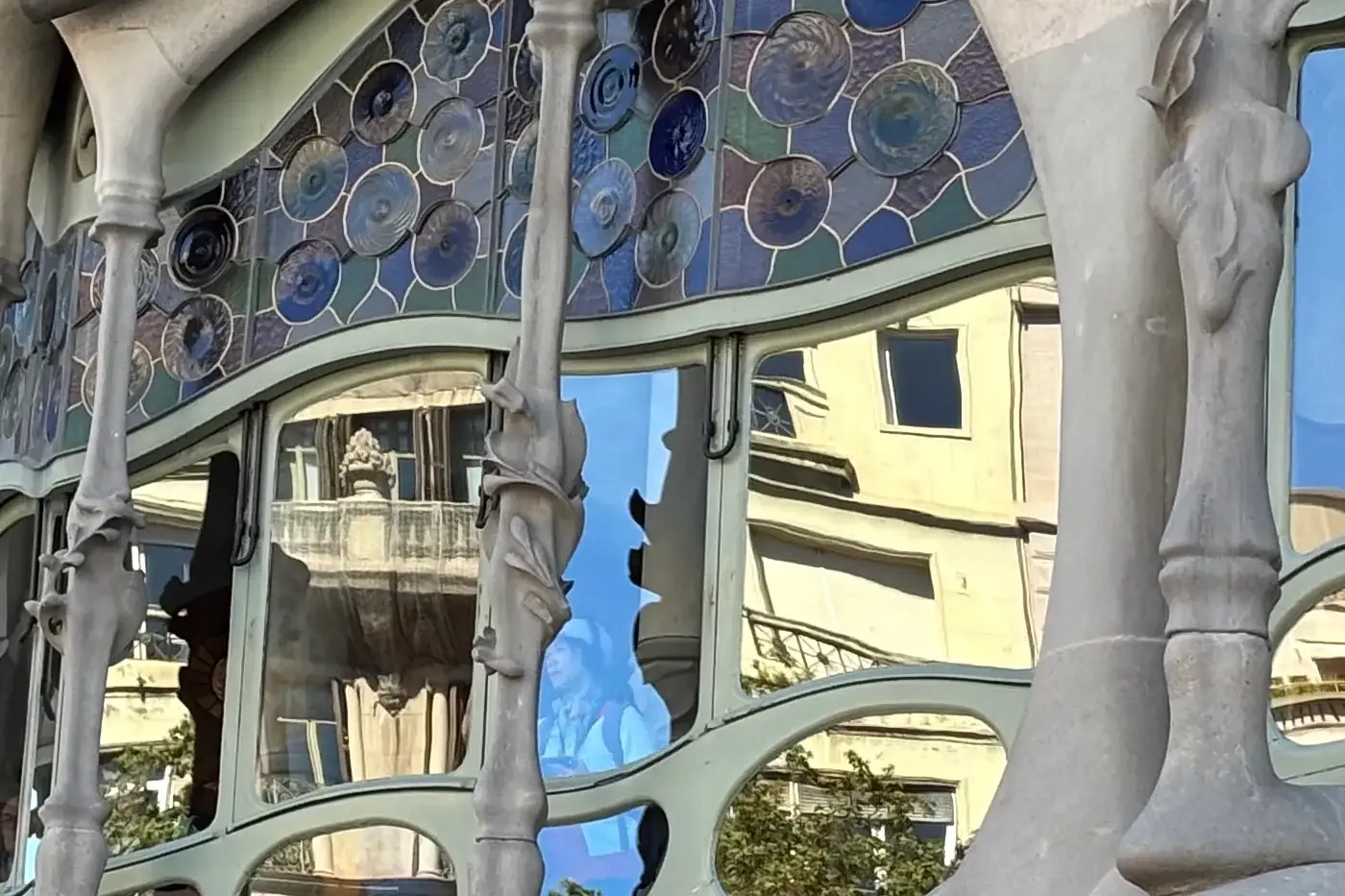
Here, within a single city block known as the Manzana de la Discordia, rival architects clashed in style and vision. Amid this architectural battleground, Gaudí stood apart. His Casa Batlló shimmers like a dream — skeletal balconies, a scaled façade, a structure that seems to breathe. It is architecture that feels alive, where organic forms turn legend into stone.
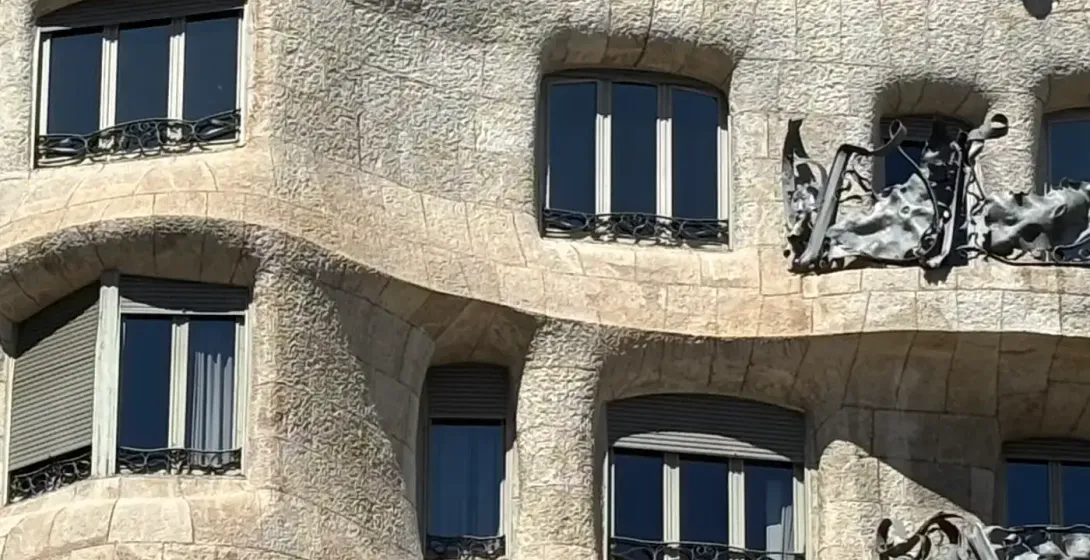
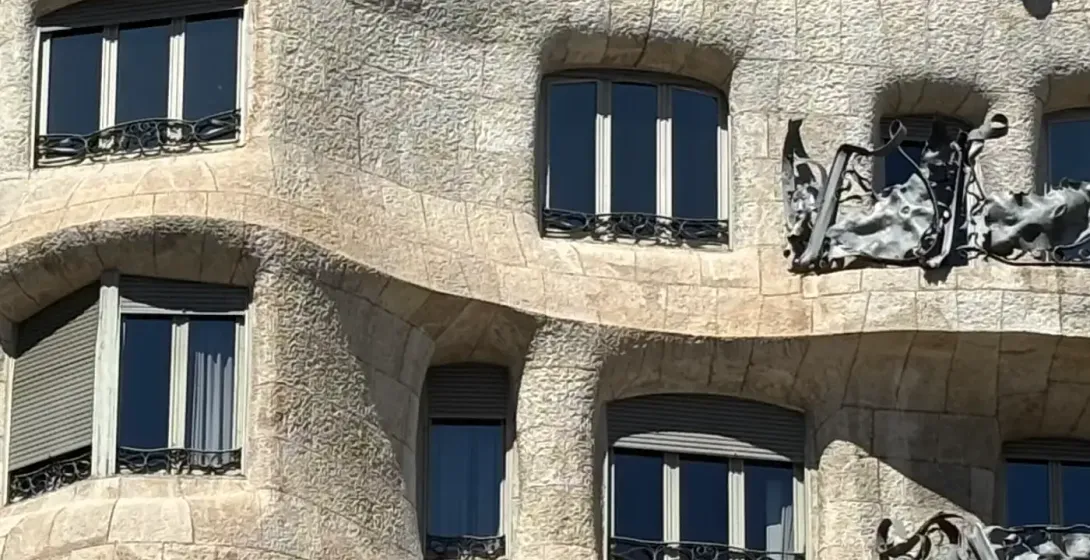
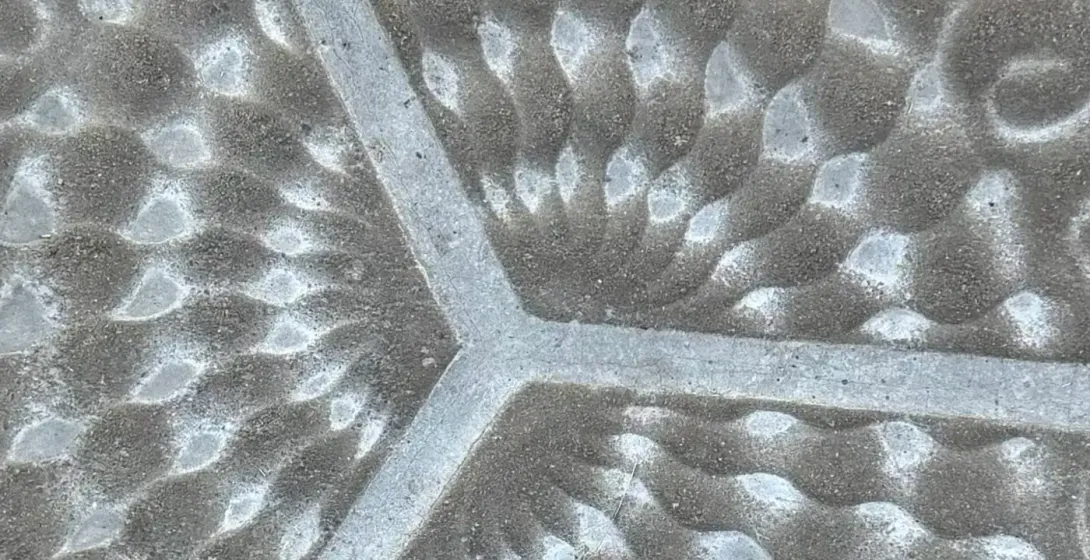
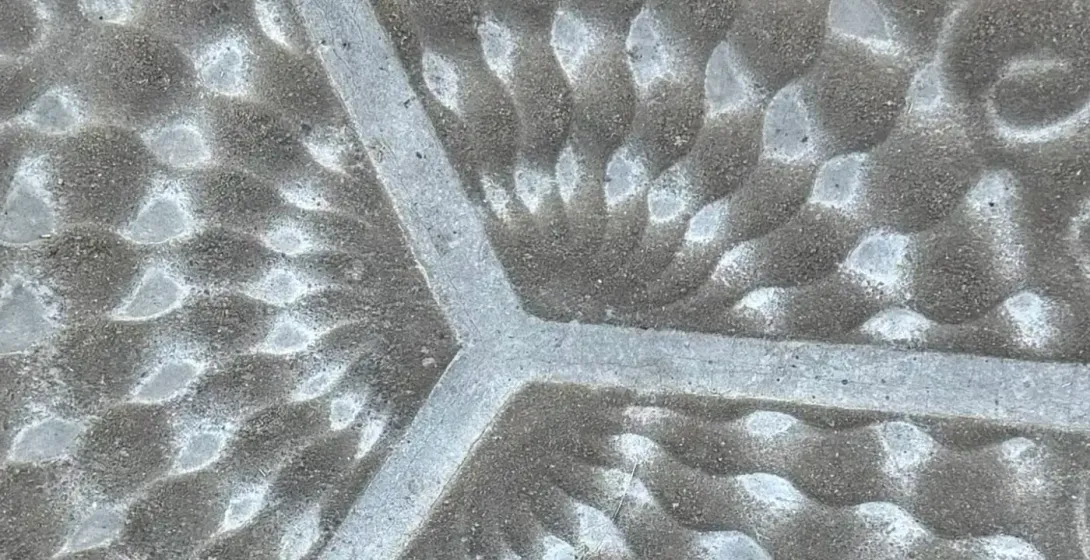
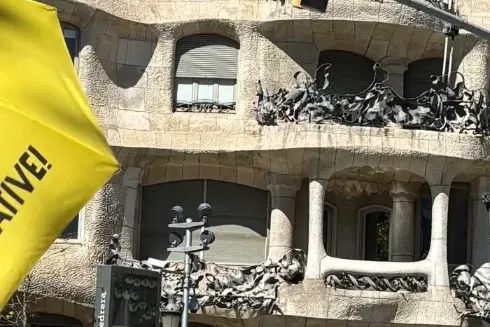
Further along, the bold curves of Casa Milà rise like waves frozen in motion. No straight lines, no rigid symmetry — only a quiet conviction that nature holds the secret to structure, beauty, and harmony.
But the true crescendo of Gaudí’s life work lies ahead.
As the city begins to fall away, one vision rises above all others — the Sagrada Família. Still unfinished more than a century later, it stands as both masterpiece and mystery, the ultimate expression of his faith and imagination. Here, Gaudí’s life unfolds in stone: the intricate, living Nativity Façade he saw completed, and the stark, hauntingly angular Passion Façade, which depicts the final days of Christ with modern, skeletal intensity. More than just a church, it is a bible in stone and a testament to a man who dedicated his final 20 years to a project he knew he would never see finished.
Walk with us through a city shaped by imagination, ambition, and belief. See how one man turned buildings into symbols — and how, even today, his vision continues to define Barcelona. A century later, his work is still unfinished — and perhaps that is exactly why it still feels alive.
Highlights
- 1
Catalan Modernisme on Passeig de Gràcia
An ornate Modernista residential building — a key component of the Block of Discord.
- 2
Manzana de la Discordia
A single city block where three rival geniuses competed for glory, creating the most beautiful "clash" in the Eixample.
- 3
Casa Batlló
An undulating facade of iridescent scales and mask-like balconies that looks more like a fairy tale than a home.
- 4
Passeig de Gràcia
Barcelona’s grandest boulevard, where high fashion meets the monumental legacy of the city’s 19th-century elite.
- 5
La Pedrera - Casa Milà
Gaudi’s "Stone Quarry"—a swirling, wave-like fortress of limestone that broke every rule of traditional construction.
- 6
Sagrada Família: Passion & Nativity Facades
A profound study in contrasts, moving from the celebratory, organic details of life to the stark, angular drama of sacrifice.
- 7
Sagrada Família
The skyward-reaching finale where light, geometry, and spirit converge in a forest of stone that remains a work in progress.
FAQ
Map
Passeig de Gràcia 35 is the site of Casa Lleó Morera, a highly detailed work of Catalan Modernisme designed by architect Lluís Domènech i Montaner. The building forms the southern end of the Illa de la Discòrdia, a city block renowned for its contrasting architectural styles created by Barcelona's leading early 20th-century designers. The surrounding avenue reflects the wealth and urban expansion of the city's bourgeoisie during the development of the Eixample district.
Other tours in Barcelona


See the latest articles
Culture • Practical Tips • History • Food • 5 min. read
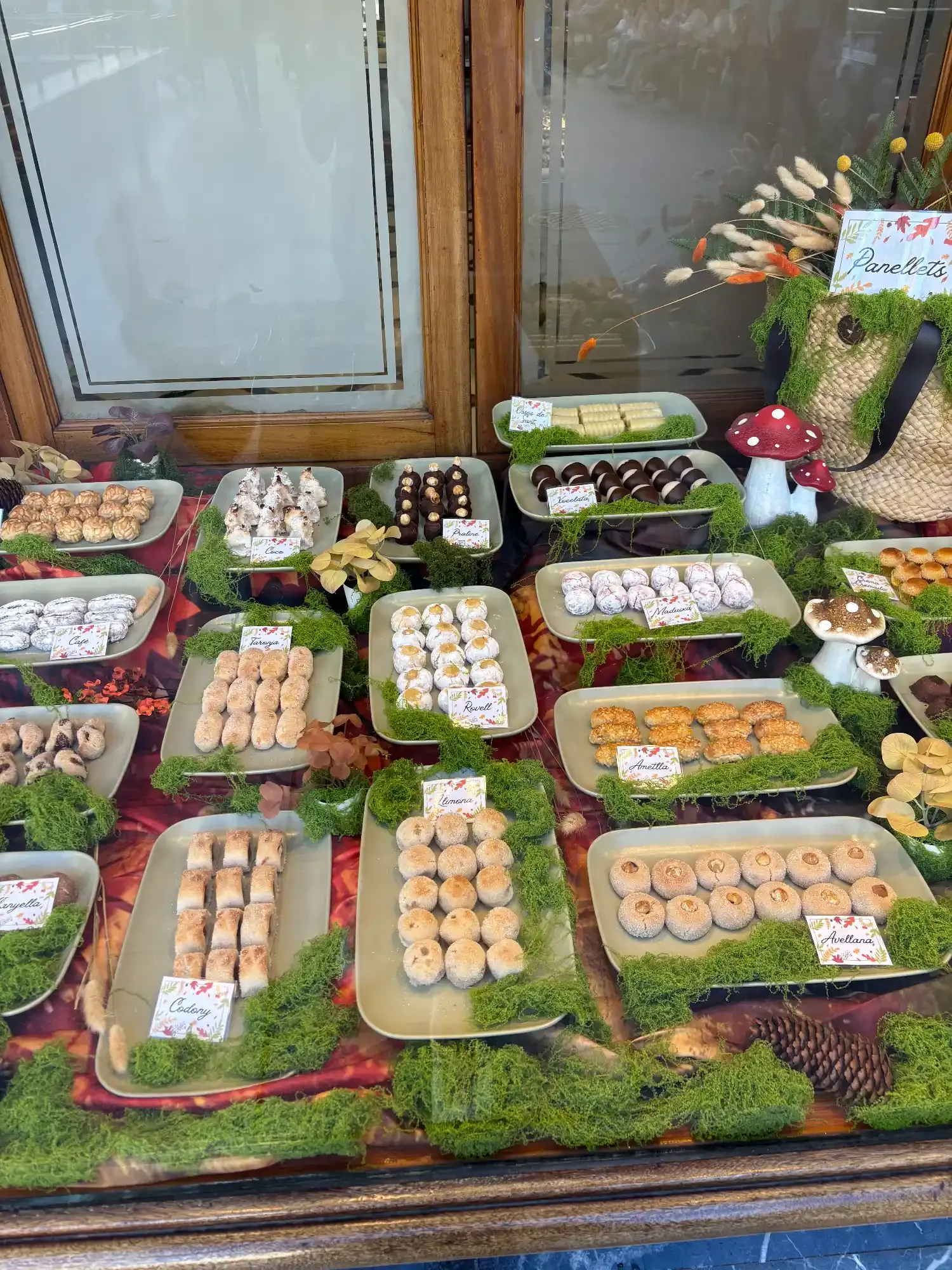
Celebrating La Castanyada: Autumn and Chestnut Season in Barcelona
The scent of roasting chestnuts on street corners is the most reliable sign that November is approaching in Catalonia. While the weather cools, Barcelona prepares for La Castanyada, an intimate local tradition honoring the deceased with family meals and sweet marzipan panellets. As international holidays gain ground, some neighborhoods now blend old customs with new ones to create hybrid celebrations like Castaween.
Newsletter • 4 min. read
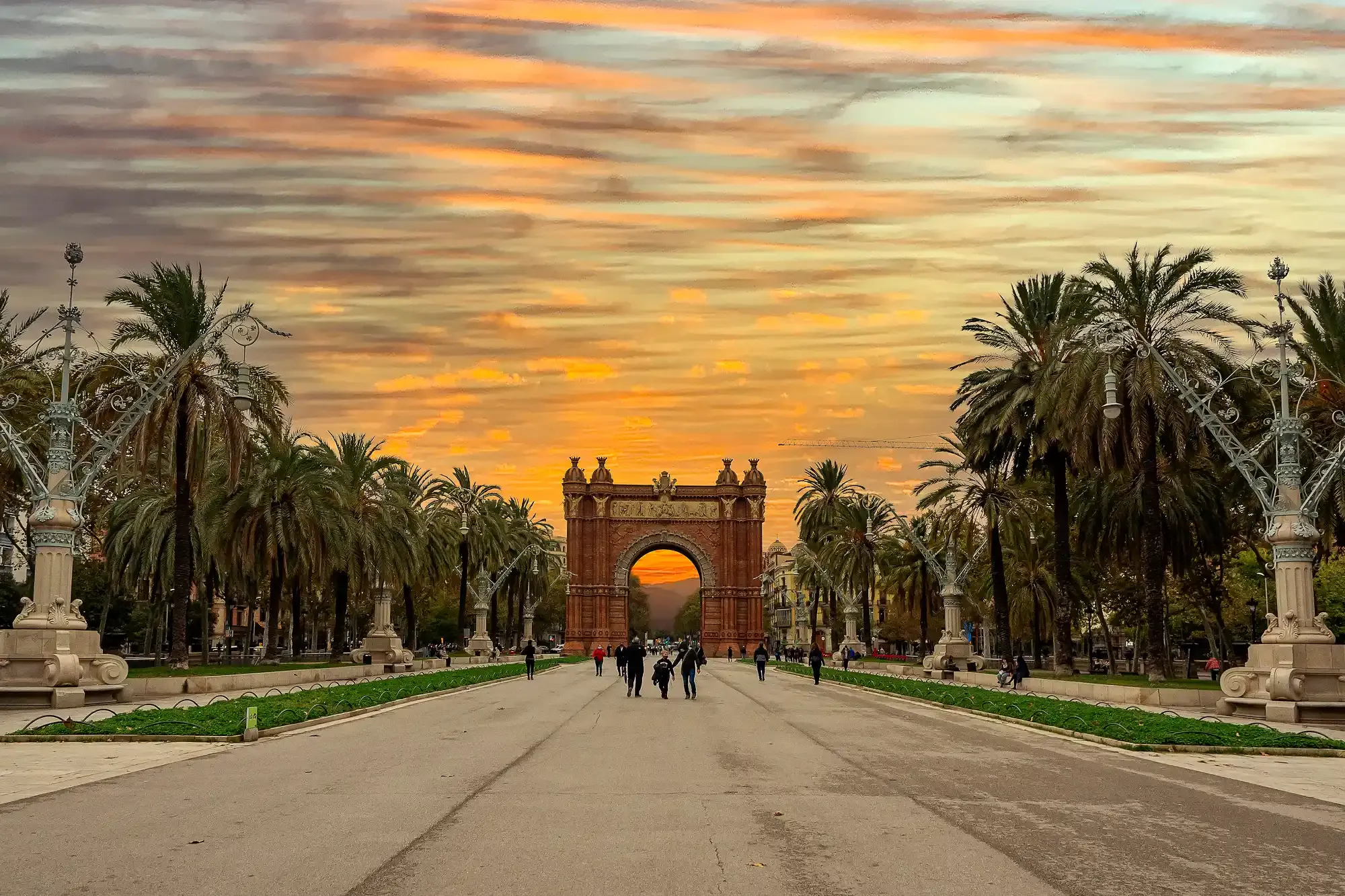
Things to Do in Barcelona in October 2026
Hola friends! Grab a cozy light sweater and your favorite pair of walking shoes, because October in Barcelona is officially here, and it is absolutely gorgeous. The sticky summer heat has finally mellowed out, leaving us with those crisp, sunny autumn days that just beg you to spend all your time outside.
Culture • History • 6 min. read
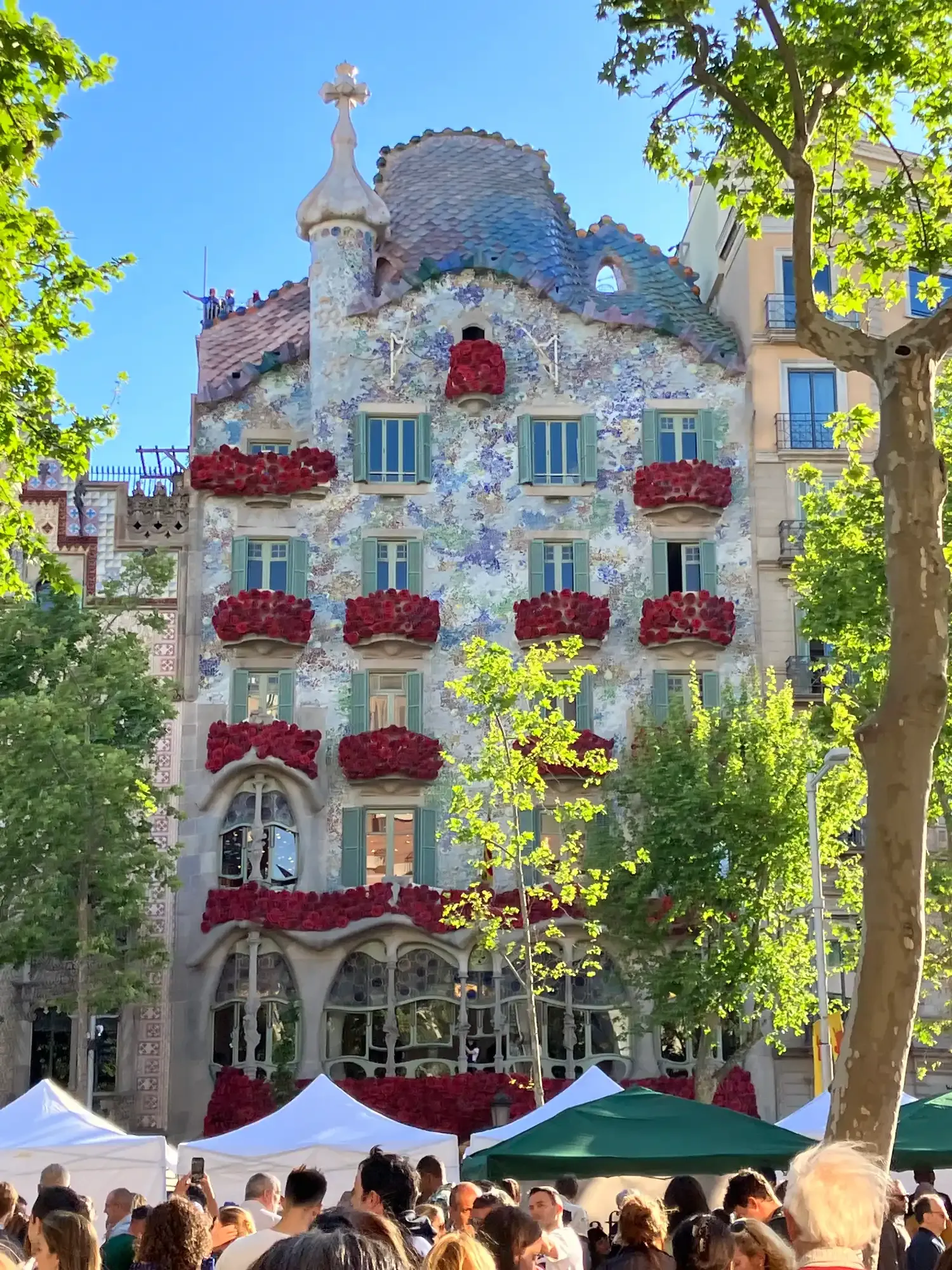
Gaudí's Year: Casa Batlló, Gaudí's UNESCO Landmark
Stand in the middle of Passeig de Gràcia and look up at a façade that seems to shift like the surface of the sea. Instead of working from rigid blueprints, Antoni Gaudí directed the 1904 redesign of Casa Batlló on site, adjusting colored glass and ceramics by eye. This highly intuitive approach transformed a standard Barcelona apartment block into an aquatic landscape of light, gradient tiles, and ergonomic design.
Newsletter • 4 min. read
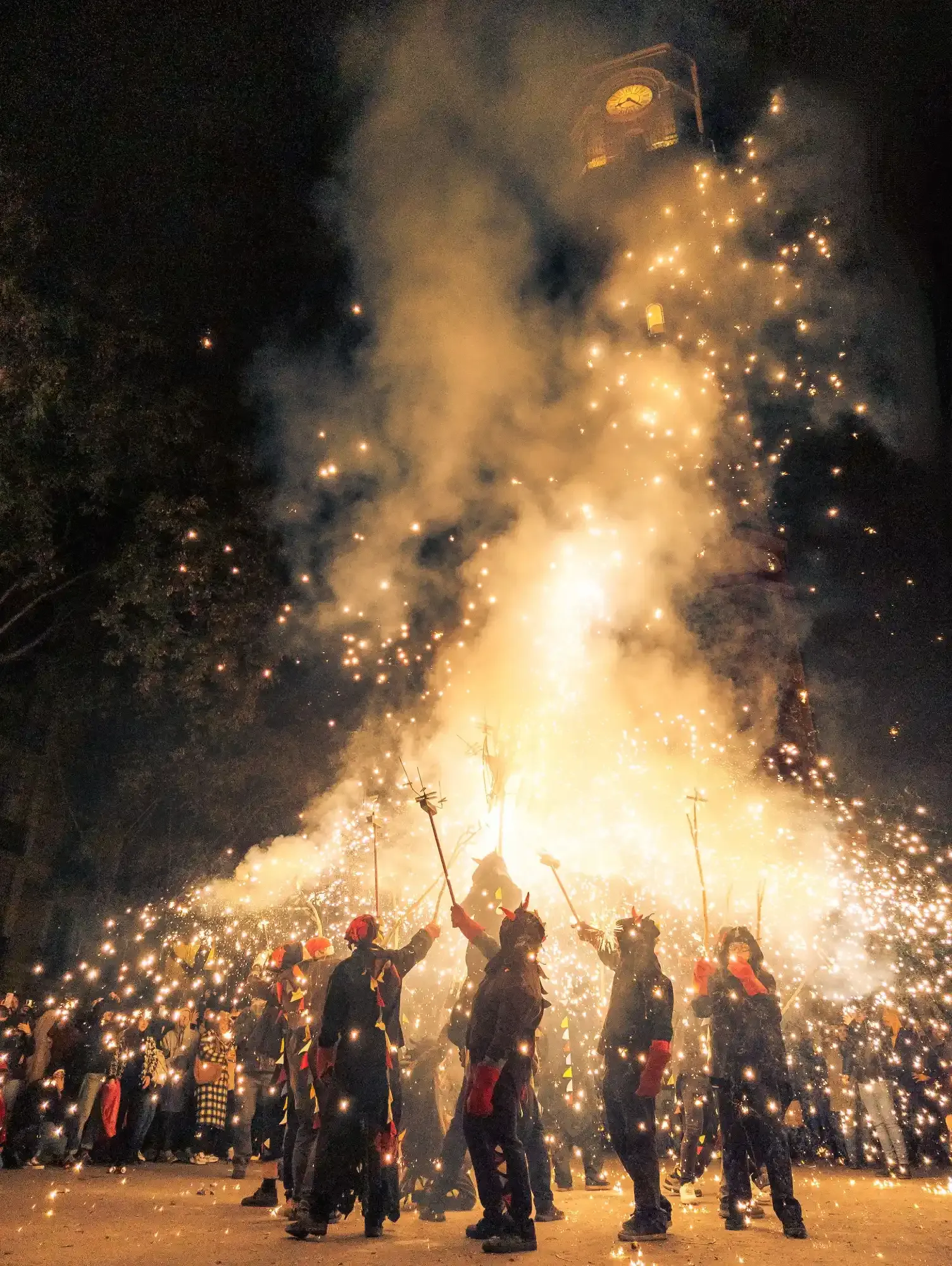
Things to Do in Barcelona in September 2026
September is arguably the absolute best time to be in Barcelona. The intense summer heat is finally mellowing out, but the city's festive energy is just getting started. If you're heading our way, get ready for a month packed with culture, sports, and incredible street parties. The biggest news this month is the city's grandest annual bash.
Our customers said about us
Barcelona
Michelle17.8.2026
Enthusiastic and knowledgeable, she provided us a great experience, making accommodations for our wheelchair participants as well as those who had to leave early for another experience. She even provided us her own personal headsets so that we could hear her better. While we only saw 3 gaudi sites, she gave us a great history and kept us engaged the entire time. Though not proclaiming to be a Gaudi or sagrada familia expert, she provided just enough detail to tell the story and help us understand a bit of who Gaudi was.
Barcelona
Denise14.8.2026
Dominika’s wealth of knowledge about Gaudi and his life and buildings was extensive. She is a wonderful storyteller and was even willing to help us conquer the Barcelona subway system!
Barcelona
Andrew29.5.2026
Aidan and his masterclass
It't was a spectacular guidance and presentation. Full of energy, details and stories. His own theatre. We were swept of our feet. Thank you Aidan. Perfect 10 mate 😁
Barcelona
Jocelyn29.5.2026
Christian is fantastic!
Landed in Barcelona today and after lunch, this was my first experience of the city. Christian had so many funny stories and was so entertaining and it was great to be able to experience the architecture with an explanation.
Barcelona
Sílvia29.5.2026
Foi incrível!
Já conhecia Barcelona, mas não sabia tantas informações quanto as que foram dadas com tanta competência e bom humor pelo guia Martin. Valeu a pena! Recomendo!
Barcelona
Daniel29.5.2026
Great tour with amazing guide (Kim), thank you!
Great tour with amazing guide (Kim), thank you!
Barcelona
Gunay29.5.2026
Very informative tour by Jules!
I attended the tour without knowing that much about the architecture of the city however during the tour not only got general information but also very interesting facts that Jules shared with. The tour was very engaging.