Wycieczki jednodniowe z Rzymu: cesarskie wille, jeziora i miasteczka
Poznaj okolice Rzymu. Nasz przewodnik opisuje wille w Tivoli, Castel Gandolfo i historyczne miasteczka, do których łatwo dojedziesz pociągiem.
Culture • Practical Tips • History • Food • 7 min. czytania
Ostatnia edycja:
Rzym to miasto pełne historii, sztuki i opowieści. Czasem jednak warto uciec od zgiełku, by poczuć prawdziwy włoski klimat. Krótka podróż dzieli stolicę od urokliwych średniowiecznych miasteczek na wzgórzach, słonecznych plaż i starożytnych ruin. Szukasz historii, natury, a może po prostu spokoju? Te pobliskie zakątki to idealny pomysł na jednodniową wycieczkę i miłą odskocznię od miasta.
Tivoli: wille i zabytkowe ogrody
Na wschód od Rzymu leży Tivoli. Miasteczko słynie z trzech spektakularnych willi i przyciąga miłośników historii oraz przyrody. Prawdziwą perłą jest Villa d'Este. Zobaczymy tu wspaniałe renesansowe ogrody tarasowe i setki fontann. W pobliżu odwiedzimy rozległe starożytne ruiny Villa Hadriana - letniej rezydencji cesarza Hadriana. Warto też przespacerować się po zalesionych terenach Villa Gregoriana z zachwycającymi wodospadami.
Jak tam dotrzeć: Najwygodniej wybrać pociąg regionalny ze stacji Roma Tiburtina do Tivoli. Podróż zajmuje od 45 minut do godziny. Ze stacji do Villa Gregoriana dojdziemy krótkim spacerem. Do Villa Hadriana dojeżdżają lokalne autobusy.
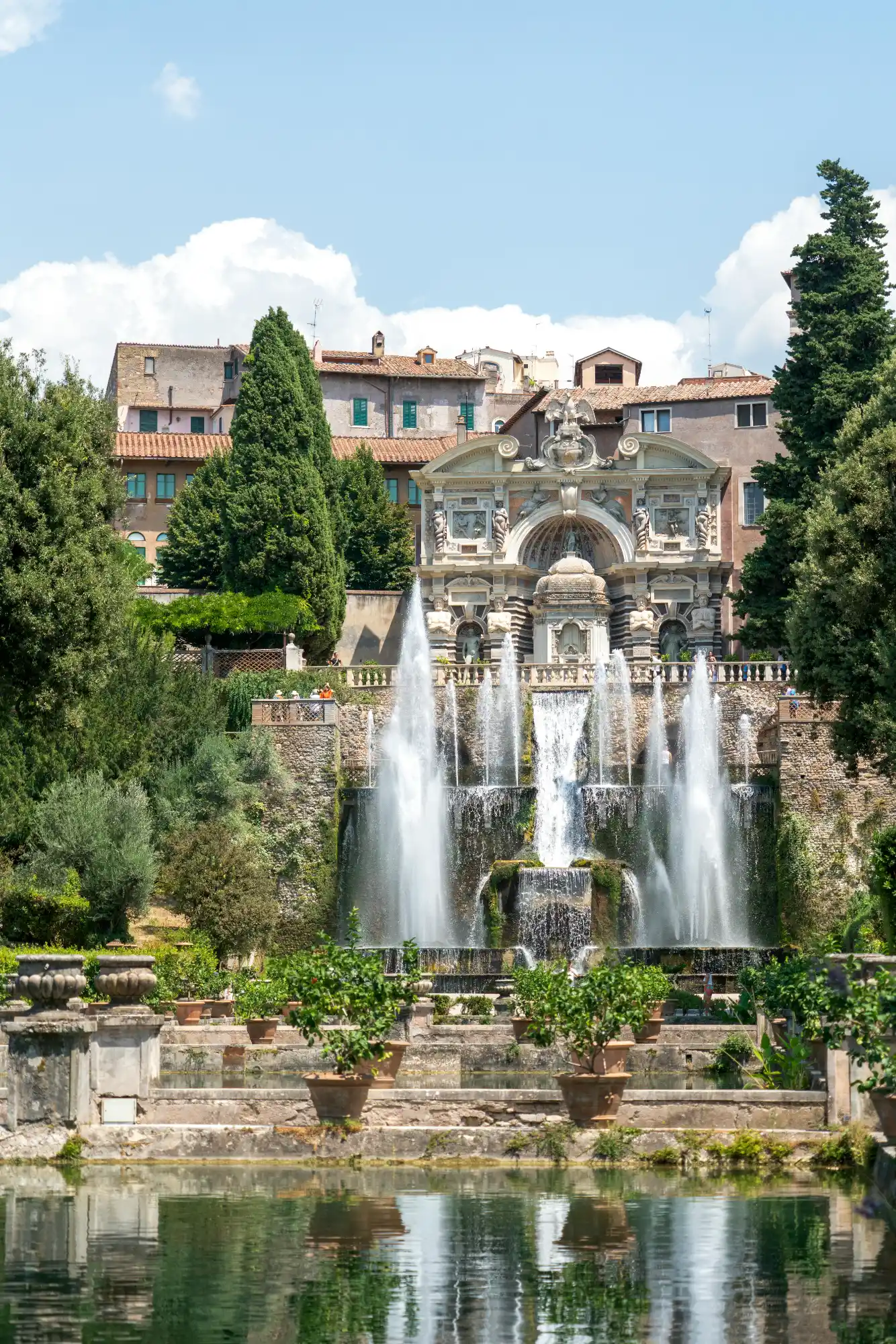
Wspaniała Fontana di Nettuno w Villa d'Este, otoczona renesansowymi ogrodami i zaawansowanym systemem hydraulicznym - to jedno z arcydzieł włoskiej sztuki ogrodowej.
Castelli Romani: miasteczka na wzgórzach i region winiarski
Castelli Romani (czyli "Zamki Rzymskie") to idealne połączenie natury, historii, świetnej kuchni i lokalnej kultury. Choć to zaledwie 20-30 minut drogi od stolicy, panuje tu zupełnie inny klimat. Zobaczymy tu urokliwe miasteczka położone na wulkanicznych wzgórzach, wśród winnic i bujnych lasów. Krajobraz jest bardziej zielony, powietrze chłodniejsze, a atmosfera znacznie spokojniejsza. Rzymianie doceniają te tereny już od starożytności. Sama nazwa Castelli Romani nawiązuje do historii regionu jako popularnego letniska. Arystokratyczne rodziny budowały tu swoje rezydencje, by uciec przed miejskim upałem.
Frascati - wino i białe wille
Frascati to najbardziej znane miasteczko regionu Castelli Romani. Słynie z rześkiego białego wina i eleganckich willi. Warto pospacerować po historycznym centrum i zjeść w tradycyjnej tawernie, czyli tak zwanej fraschetcie. Zajrzyjcie też do lokalnej winnicy, by spróbować wina prosto ze źródła. Słoneczne place i piękne widoki przyciągają tu rzymian i turystów.
Castel Gandolfo - papieski urok nad jeziorem
Położone nad jeziorem Albano Castel Gandolfo to słynna letnia rezydencja papieży. Wąskie uliczki, przytulne kawiarnie i bujne Ogrody Barberinich zachęcają do niespiesznych spacerów. Ze szlaków wokół jeziora roztaczają się wspaniałe widoki, a sama woda idealnie nadaje się do letnich kąpieli.
Marino - festiwale i tradycje
Marino słynie z pysznego jedzenia i hucznych festiwali. W październiku odbywa się tu słynne święto wina Sagra del Vino. Zgodnie z dawnym zwyczajem z miejskich fontann płynęło wtedy wino zamiast wody. Średniowieczne uliczki i gwarne place pozwalają poczuć autentyczną atmosferę włoskiego miasteczka.
Nemi - miasteczko poziomek
Niewielkie i bardzo malownicze Nemi leży nad jeziorem o tej samej nazwie. Miejscowość słynie z pysznych poziomek. Średniowieczna architektura, wąskie uliczki i punkty widokowe zachęcają do spacerów. Warto tu przyjechać zwłaszcza w czerwcu na festiwal Sagra delle Fragole. Miasteczko wypełnia się wtedy lokalnymi smakołykami.
Jak tam dotrzeć: Do Castelli Romani najwygodniej dojechać pociągiem z rzymskiej stacji Termini. Do Frascati dotrzemy w 30 minut pociągiem regionalnym FL4, a stacja leży blisko centrum. Podróż do Castel Gandolfo bezpośrednim pociągiem FL4 zajmuje 45 minut. Centrum miasteczka znajduje się na wzgórzu nad stacją - można tam dojść pieszo, podjechać autobusem lub taksówką. Do Marino dojedziemy w 40 minut linią FL4. Z kolei do Nemi najpierw jedziemy pociągiem FL4 do Velletri lub Genzano, a stamtąd lokalnym autobusem lub taksówką.
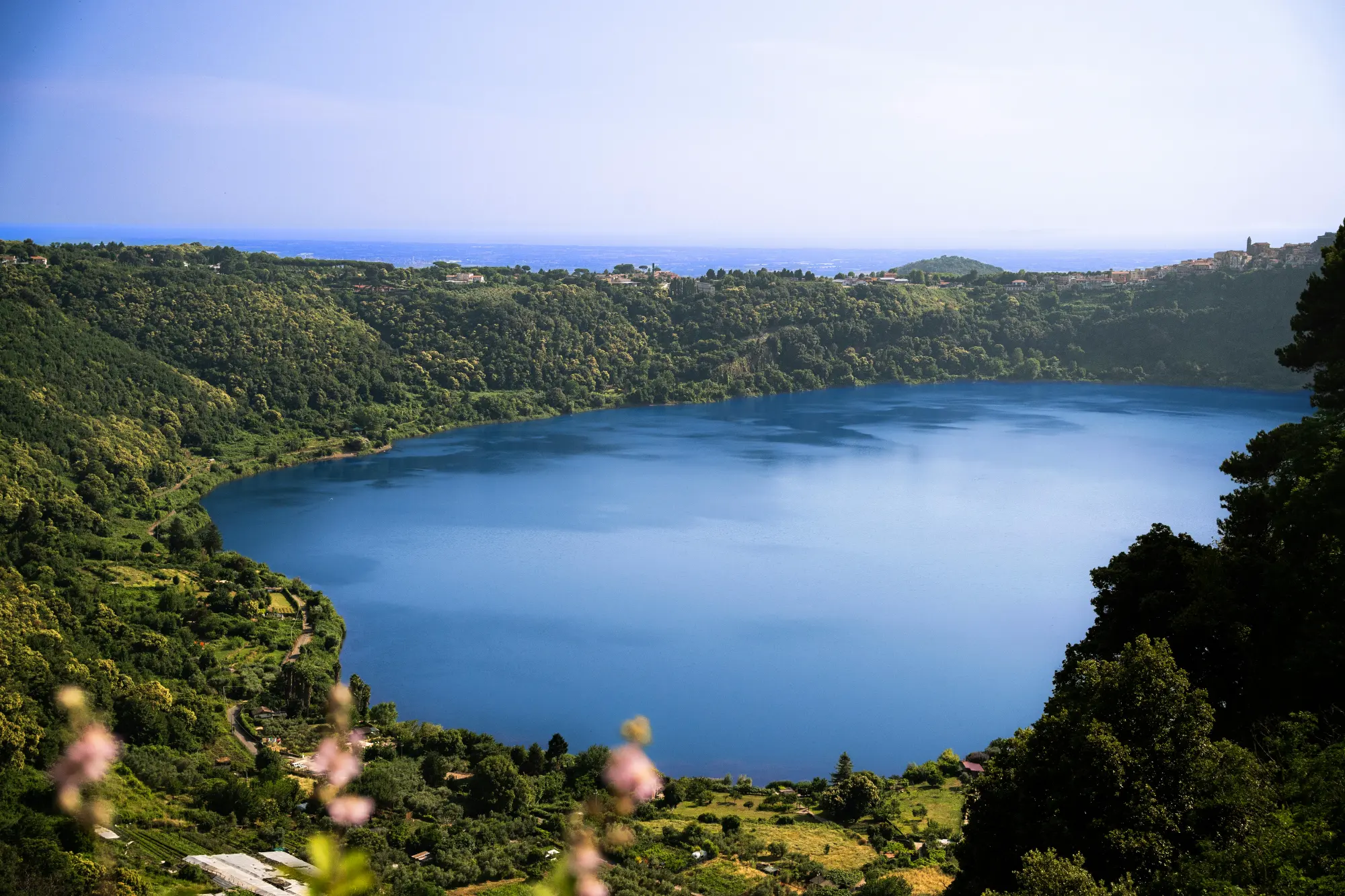
Wspaniałe widoki na jezioro Nemi.
Ostia Antica - „Pompeje Rzymu”
Ostia Antica, często nazywana „Pompejami Rzymu”, to jedno z najlepiej zachowanych starożytnych miast i dawny port cesarskiego Rzymu. Spacerując tutejszymi ulicami, zobaczymy świetnie zachowane mozaiki, łaźnie, tawerny, świątynie i imponujący amfiteatr. To fascynujący obraz codziennego życia Rzymian sprzed blisko 2000 lat.
Dojazd z centrum Rzymu jest bardzo prosty. Wystarczy wsiąść do pociągu linii Roma-Lido (Metromare) na stacji Piramide i wysiąść na przystanku Ostia Antica. Stamtąd do wejścia na teren wykopalisk dojdziemy krótkim spacerem przez kładkę dla pieszych.
Bracciano: średniowieczna historia i widoki na jezioro
Nad miasteczkiem góruje Castello Orsini-Odescalchi. To jeden z najlepiej zachowanych średniowiecznych zamków we Włoszech. Zobaczymy tu wspaniałe sale i zbrojownie, a następnie zejdziemy nad wodę. Bracciano to jezioro wulkaniczne z surowym zakazem używania łodzi motorowych. Dzięki temu woda jest wyjątkowo czysta, a okolica spokojna - to idealne miejsce na pływanie, żeglowanie czy relaks na brzegu.
Jak dojechać: Do Bracciano dojedziemy bezpośrednio pociągiem regionalnym FL3 (linia Roma-Viterbo) ze stacji takich jak Roma Ostiense czy Valle Aurelia. Malownicza podróż trwa około godziny. Stacja docelowa znajduje się zaledwie krótki spacer od zamku.
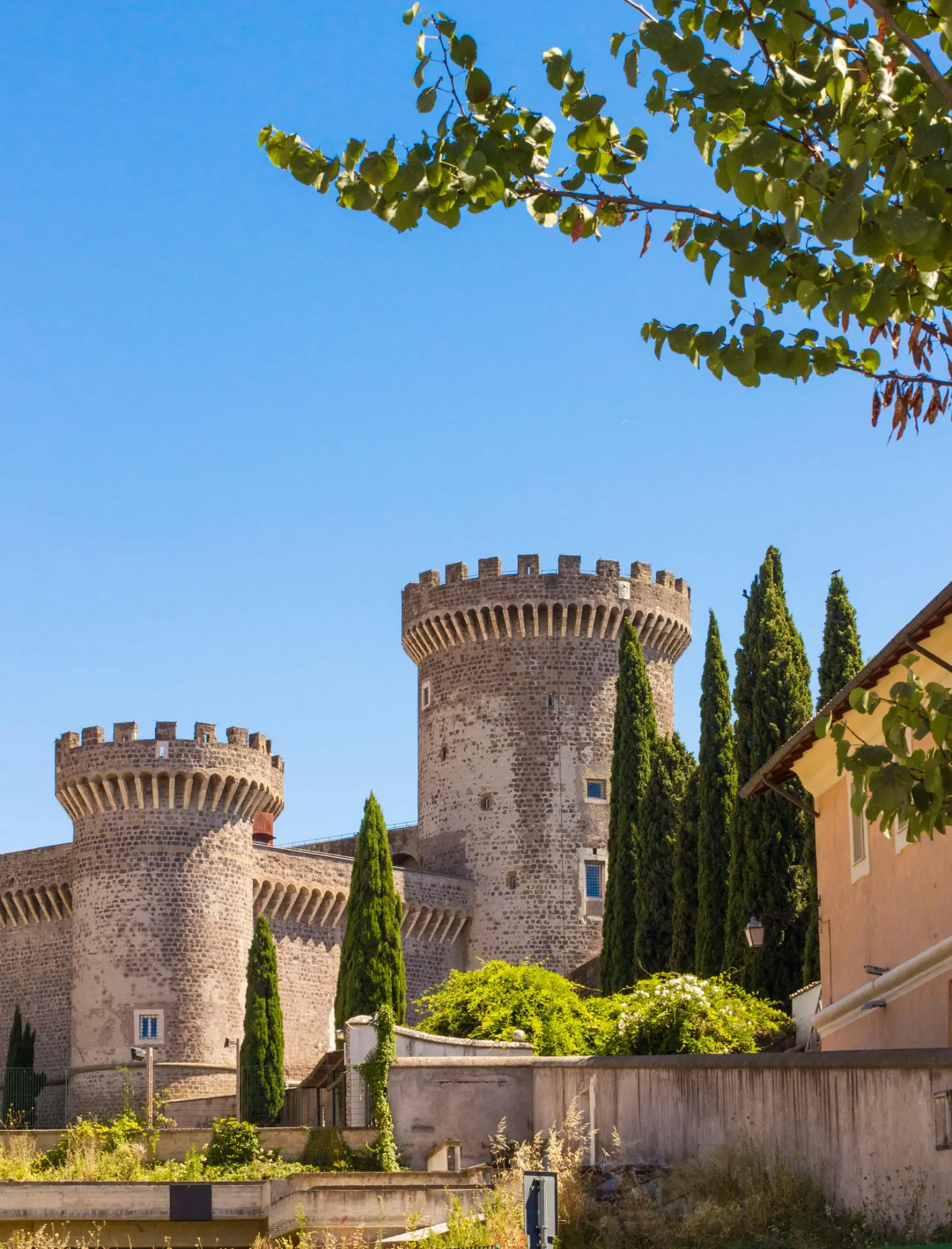
Castello Orsini-Odescalchi to imponujący średniowieczny zamek górujący nad Bracciano. To jedna z najlepiej zachowanych renesansowych twierdz we Włoszech, słynąca ze wspaniałych sal, wież obronnych i panoramicznych widoków na wulkaniczne jezioro.
Cerveteri: podróż w historię Etrusków
Aby poznać historię sprzed czasów rzymskich, odwiedzimy Nekropolię Banditaccia w Cerveteri. Ten obiekt z listy UNESCO przypomina prawdziwe miasto umarłych. Zobaczymy tu ogromne kurhany i wykute w skale grobowce, które swoim układem naśladują etruskie domy. To fascynujące świadectwo cywilizacji panującej w środkowych Włoszech przed narodzinami Rzymu.
Jak dojechać: Wystarczy wsiąść do pociągu regionalnego z Rzymu (Termini lub Ostiense) w kierunku Civitavecchia/Pisa i wysiąść na stacji Ladispoli-Cerveteri. Stamtąd pod samo wejście do nekropolii kursują lokalne autobusy.
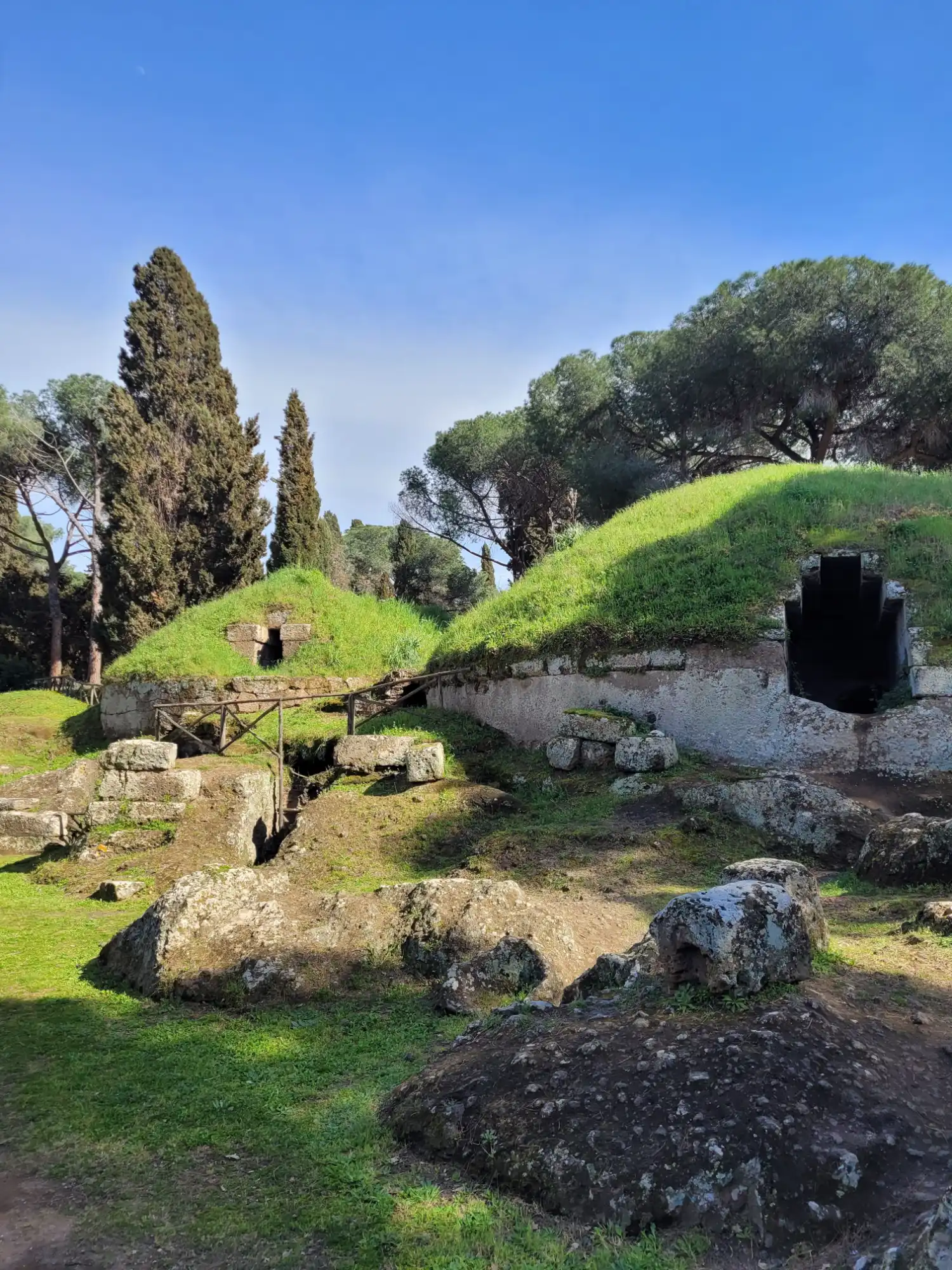
Starożytne kurhany w nekropolii Banditaccia w Cerveteri to monumentalne etruskie grobowce wykute w skale. To jedna z największych i najważniejszych nekropolii starożytnego świata śródziemnomorskiego.
Wypoczynek nad morzem: najlepsze plaże w okolicach Rzymu
Gdy upał w mieście staje się nie do zniesienia, rzymianie ruszają na wybrzeże. Santa Marinella to ich ulubione miejsce dzięki piaszczystej plaży i czystej wodzie. Z kolei Fregene słynie z tętniących życiem klubów i bogatego życia towarzyskiego. Ladispoli z ciemnym wulkanicznym piaskiem oraz Santa Severa ze średniowieczną twierdzą tuż przy plaży to kolejne świetne opcje. Leżą na tej samej trasie kolejowej, więc łatwo tam dotrzeć. Sperlonga to malownicze miasteczko nad Morzem Tyrreńskim. Słynie z białych domów, krętych uliczek, piaszczystych plaż i krystalicznie czystej wody. Urocza starówka i rzymskie zabytki sprawiają, że to idealny cel na jednodniową wycieczkę lub weekendowy wyjazd. Jeśli szukacie połączenia historii z plażowaniem, wybierzcie Anzio i Nettuno. Znajdziecie tam szerokie plaże i ważne ślady z czasów II wojny światowej. Nettuno może się też pochwalić piękną ufortyfikowaną starówką, którą po prostu trzeba zobaczyć.
Jak tam dotrzeć: Do większości tych miejsc łatwo dojedziemy pociągiem. Do Santa Marinella i Ladispoli kursuje linia FL5 w kierunku Pizy. Do Anzio i Nettuno dotrzemy linią FL8 ze stacji Roma Termini. Podróż trwa około godziny. Najprostszy dojazd do Sperlongi to pociąg z Roma Termini do stacji Fondi-Sperlonga. Stamtąd do miasteczka podjedziemy lokalnym autobusem lub taksówką. Cała podróż zajmuje około 1,5-2 godzin.
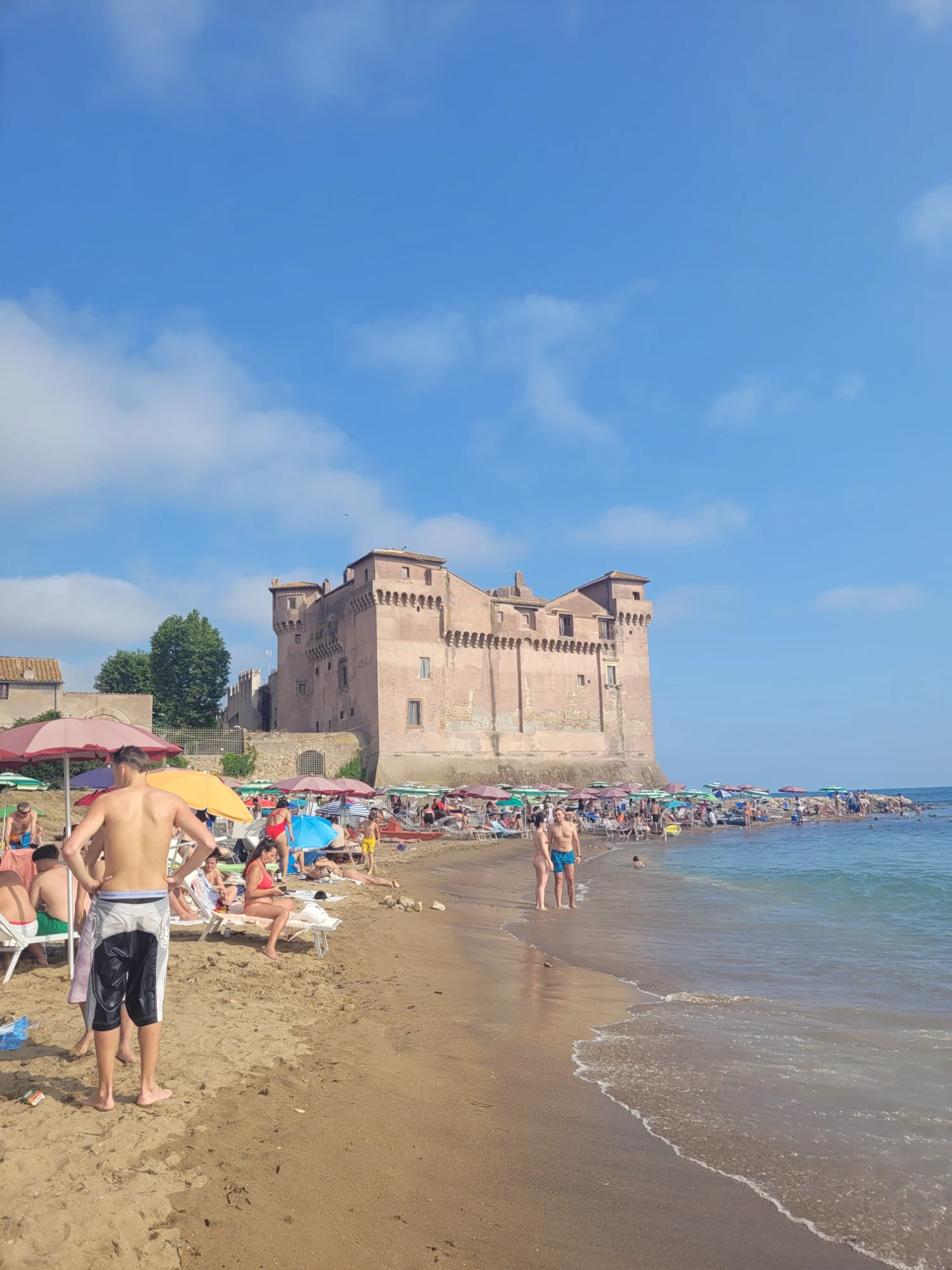
Nad plażą w Santa Severa góruje zabytkowa nadmorska twierdza. W jej wnętrzu mieszczą się muzea poświęcone starożytnej żegludze.
Spacery po renesansowych ogrodach w Tivoli, degustacja wina w wioskach Castelli Romani, zwiedzanie średniowiecznego zamku w Bracciano czy relaks nad Morzem Tyrreńskim - te jednodniowe wycieczki pokazują, jak różnorodny jest region wokół Rzymu. Każde z tych miejsc to zupełnie inne oblicze Włoch. Znajdziemy tu mnóstwo historii, lokalne tradycje, piękne krajobrazy i autentyczny klimat z dala od tłumów.
Każda wielka przygoda zaczyna się oczywiście w Rzymie. Zanim wyruszysz poza miasto, poznaj je z naszymi lokalnymi przewodnikami Walkative. Pokażemy Ci Wieczne Miasto z bliska, dzięki czemu zapamiętasz je na dłużej. Wybierz się z nami na spacer śladami historii, kultury i codziennego życia rzymian - dzięki temu Twój pobyt we Włoszech będzie naprawdę niezapomniany!
Powiązane historie
Culture • Practical Tips • History • 6 min. czytania
Praktyczny przewodnik po Watykanie: wskazówki lokalnego przewodnika Walkative
Planujesz zwiedzanie Watykanu i nie wiesz, od czego zacząć? Dobrze trafiłeś.
Culture • Practical Tips • 4 min. czytania
Kiedy wypada Wielkanoc w Rzymie 2026? Przewodnik po Wielkim Tygodniu
Poznaj najważniejsze daty i tradycje związane z Wielkanocą w Rzymie w 2026 roku. Od Drogi Krzyżowej w Koloseum po mszę w Watykanie – przygotuj się na Wielki Tydzień z naszym praktycznym przewodnikiem.
Culture • Practical Tips • History • 6 min. czytania
Starożytne korzenie systemu wodnego Rzymu i darmowe fontanny
Poznaj niezwykłe dziedzictwo wodne Rzymu. Od starożytnych akweduktów po darmowe fontanny nasoni – odkryj tradycję inżynieryjną, która do dziś zaopatruje miasto w pitną wodę.
Practical Tips • Food • 9 min. czytania
Rzym dla smakoszy – Kulinarny przewodnik po Wiecznym Mieście
Poznaj smaki Rzymu. Z tym praktycznym przewodnikiem trafisz do autentycznych trattorii, odwiedzisz lokalne targi i spróbujesz tradycyjnych dań.
Culture • Practical Tips • History • 6 min. czytania
Zielone sekrety Wiecznego Miasta - przewodnik po parkach, ogrodach i rezerwatach przyrody
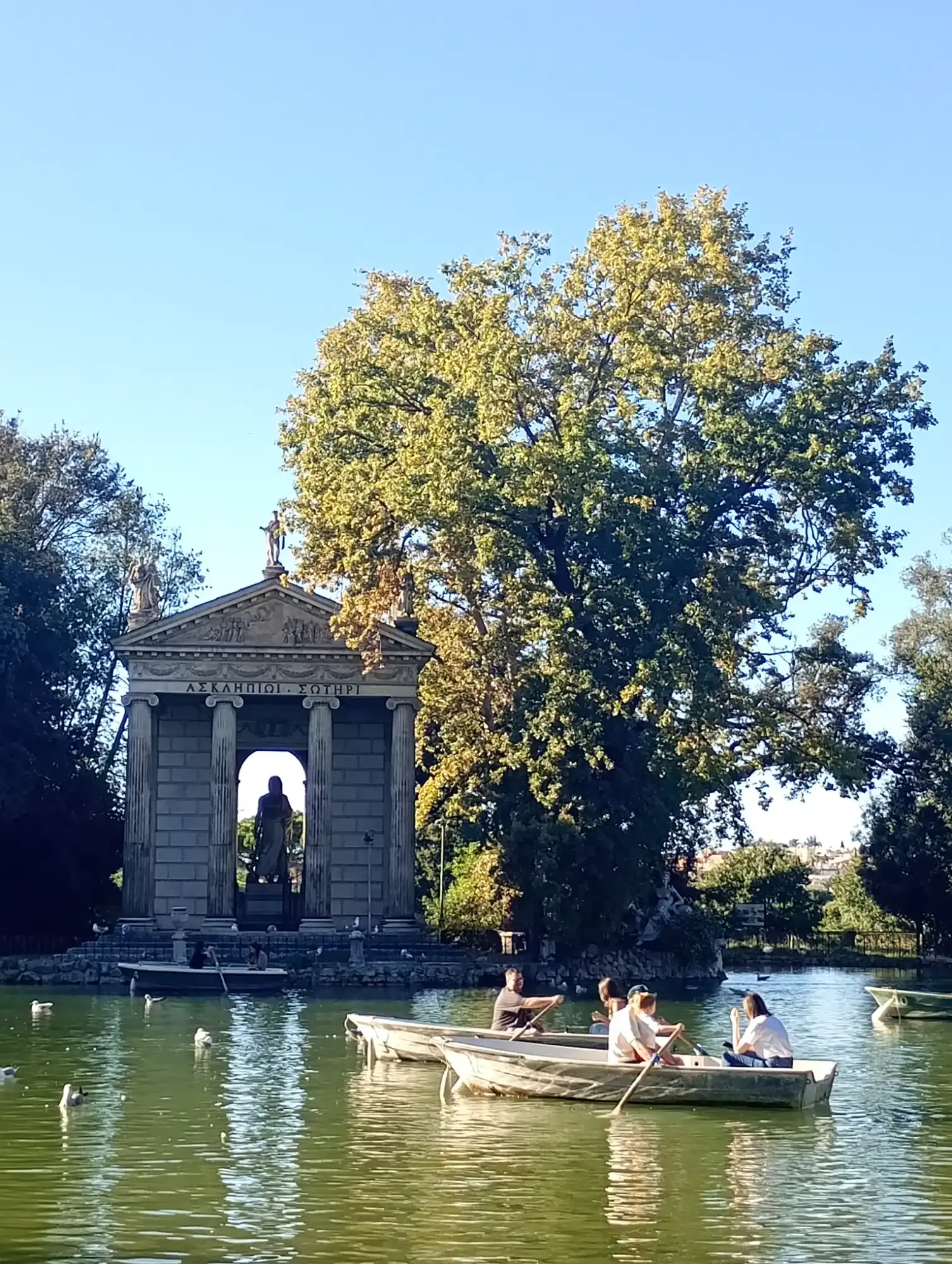
Czy wiesz, że Rzym to jedna z najbardziej zielonych stolic Europy? Wszyscy znamy Wieczne Miasto z jego antycznego serca, brukowanych uliczek, barokowych fontann i gwarnych placów. Jednak za słynnymi zabytkami kryje się jego drugie oblicze - Rzym zielony, spokojny i zaskakująco przestronny. W cieniu pinii rozciągają się arystokratyczne ogrody, z rzymskich wzgórz można podziwiać rozległe panoramy, a starożytne drogi wiją się wśród łąk pełnych kwiatów i omszałych grobowców. Od eleganckich ogrodów Villa Borghese, przez pachnący różami i cytrusami Awentyn, aż po zapierające dech w piersiach tarasy na Janikulum i Monte Mario oraz ponadczasowe ścieżki Parku Appia Antica - wszędzie tam Rzym pokazuje swoje łagodniejsze oblicze i spokojny rytm lokalnego życia. Tutaj historia wymyka się z muzeów. Wyrasta wprost z trawy pod stopami, maluje horyzont o zachodzie słońca i towarzyszy mieszkańcom, którzy biegają, urządzają pikniki czy spotykają się z rodzinami.