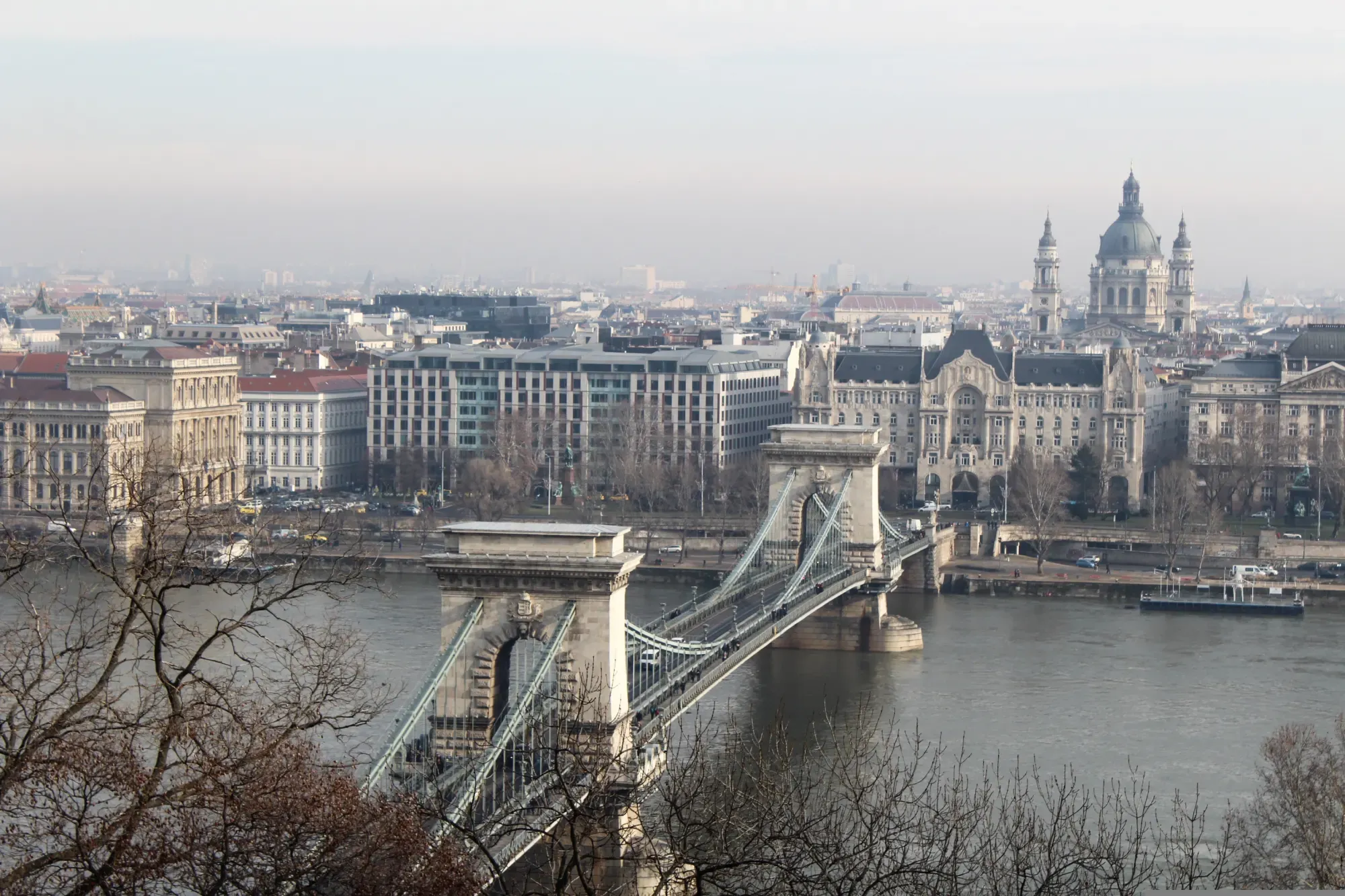
Communism Walking Tour around Budapest
Explore Hungary’s communist past and discover how the era shaped the country’s politics, society, and everyday life. Learn about the establishment of the communist regime, Soviet influence, the 1956 Hungarian Revolution, and the realities of life under socialism, from censorship and propaganda to work and housing. The tour also examines Hungary’s transition to democracy and how the legacy of communism continues to influence the country today.
Basic Information
Total time
2h
Price
Our “Pay What You Wish” tours don’t have a fixed price — you decide how much the experience was worth. At the end of the tour, please make a fair contribution that reflects your satisfaction and appreciation for your guide’s work. Most guests give between €10 and €50 per person.
Meeting point
Elisabeth Square (Erzsébet tér), near Budapest Eye Ferris Wheel next to the fountain, in the park Nearest public transport: Deák tér - M1 metró metro station; Metrólejáró - M1 metró metro station

Ending point
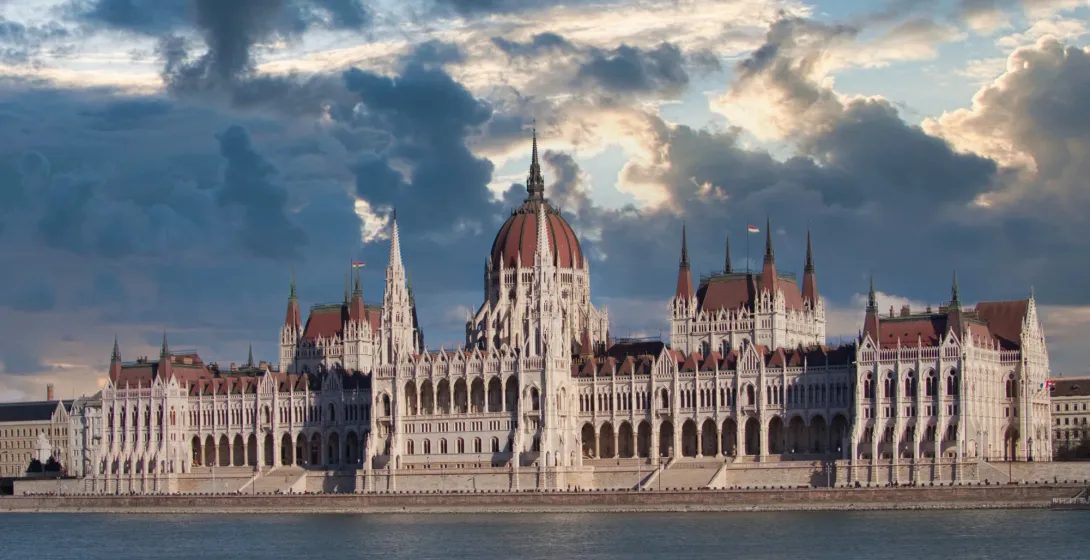
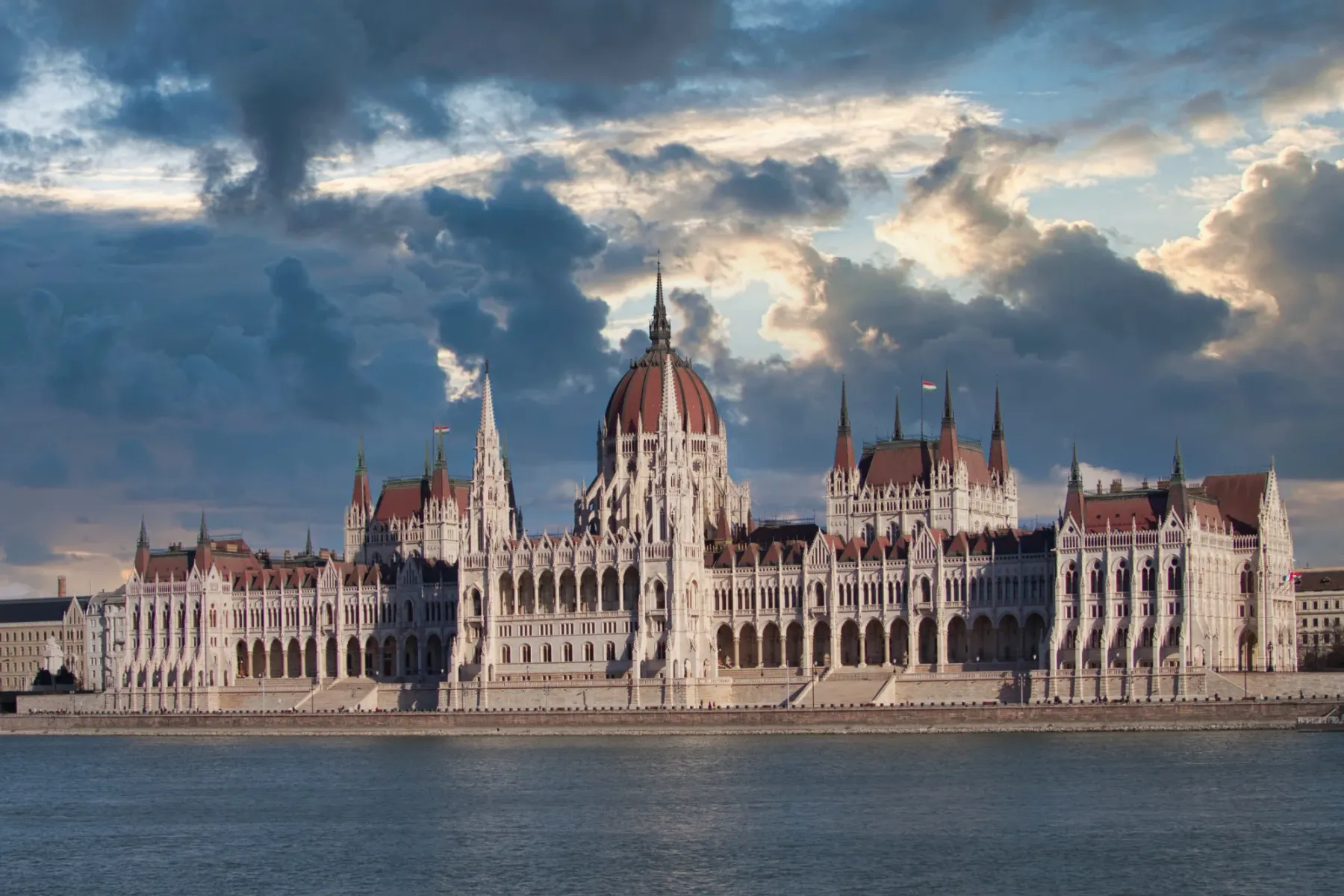
The location is situated on Kossuth Lajos tér, directly outside the main facade of the Hungarian Parliament Building.
Nearest public transport: Kossuth Lajos tér M
Additional info
☂︎ This tour is organised by Trip to Budapest guides. Look for the guide with the blue free tour flag.
Booking rules
Booking is obligatory. Our "Pay What You Wish" tours are meant for individual travellers and small groups. Large groups (9 or more people) cannot join these tours, as they significantly affect the experience for others and the guide. For school trips, organised tours, or groups of friends, please book our paid option (18€ per person) or arrange a 👉 Private Tour. For more information or to schedule a group visit, please contact us directly.
About the tour
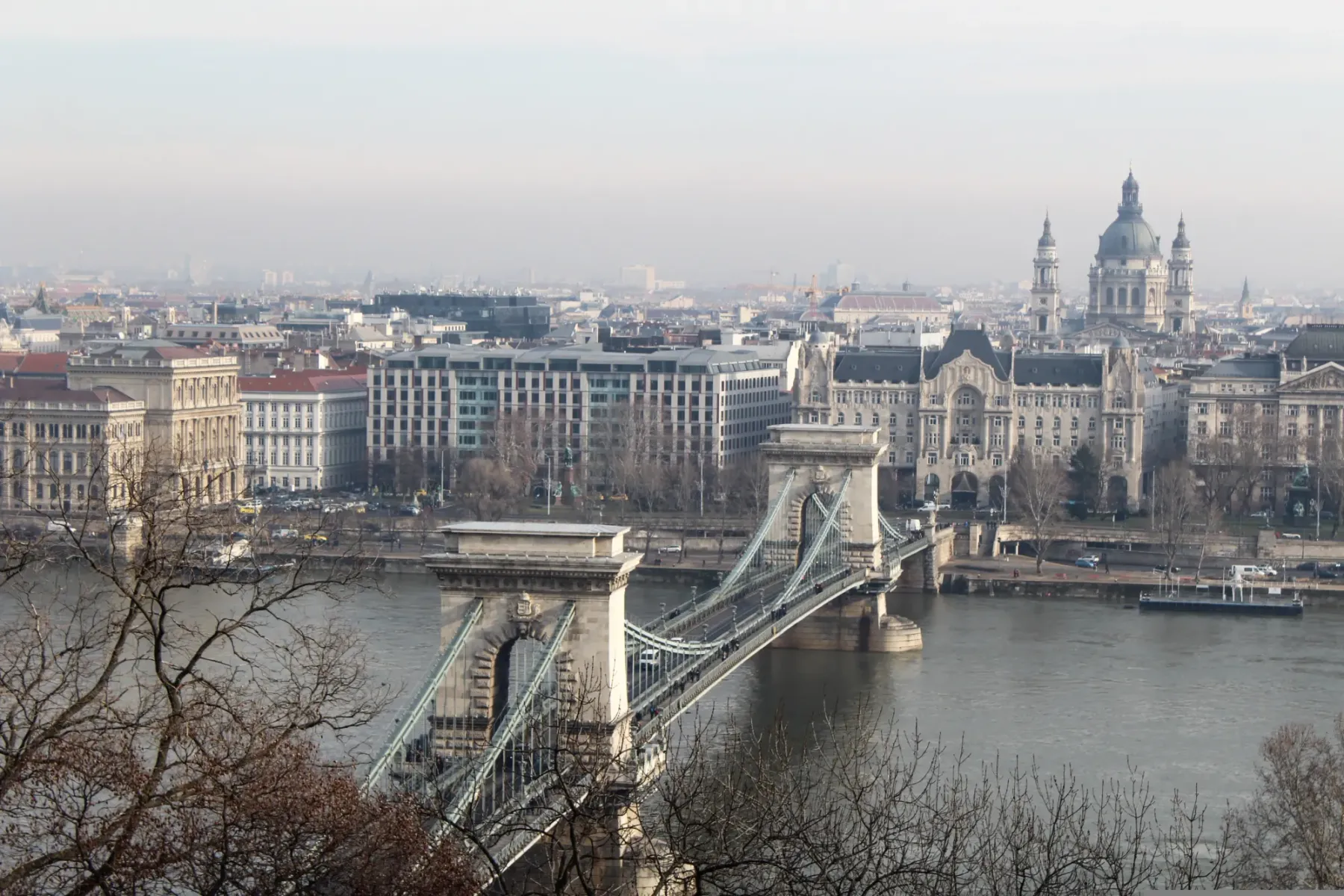
During this Communism Tour, we explore the major events, ideas, and everyday realities that shaped Hungary during the communist era. Rather than focusing solely on political dates and leaders, the tour looks at what life was really like for ordinary people living under the system.
You’ll learn how the communist regime was established in Hungary after World War II, the influence of the Soviet Union, and the key events that shaped the country during the Cold War. We’ll take a closer look at the 1956 Hungarian Revolution, one of the most important and defining moments in modern Hungarian history.
Along the way, your guide will explain how communism affected everyday life, from housing and employment to censorship, propaganda, education, and the ways people adapted to—and sometimes challenged—the system.
The tour also examines what happened after the fall of communism. Hungary’s transition to democracy and a market economy brought profound political, social, and economic changes, while many aspects of the socialist era continue to influence Hungarian society today.
By connecting historical events with personal experiences and the city around us, this tour offers a deeper understanding of Hungary’s communist past and the lasting impact it has on the country’s present.
Highlights
- 1
Elisabeth Square (Erzsébet tér)
Downtown green space named for Empress Sisi, where locals gather beneath a giant observation wheel.
- 2
St. Stephen’s Basilica Area
One of central Budapest’s most important landmarks, combining impressive architecture with a rich history shaped by Hungary’s political and social changes.
- 3
Liberty Square (Szabadság tér)
Historically significant public space known for its monuments and memorials connected to Hungary’s complex 20th-century history.
- 4
Secret Exit of a Military Bunker
A discreet structure in the city centre marks the former secret exit of a military bunker, reflecting Budapest’s Cold War-era military infrastructure.
- 5
Last Standing Soviet War Memorial in the City Centre
The last remaining Soviet monument of its kind in central Budapest and commemorates Soviet soldiers who died during the 1944–45 siege of the city.
- 6
1956 Uprising Locations & Bronze Bullet Memorial
Several sites around central Budapest are closely associated with the 1956 Hungarian Revolution, while the Bronze Bullet Memorial commemorates the victims of the violence that took place during the uprising.
- 7
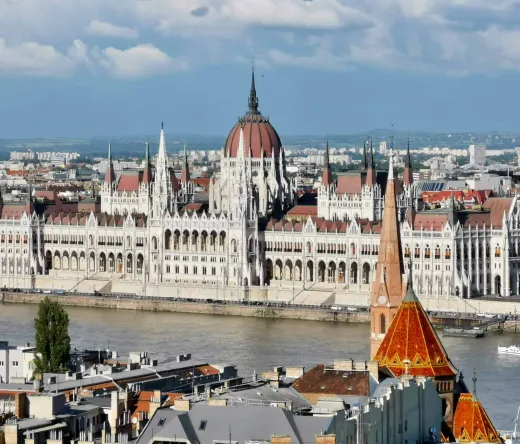
Hungarian Parliament
One of Budapest’s most recognisable landmarks and an important symbol of the country’s political history, including the events surrounding the 1956 Revolution and the end of communist rule.
FAQ
Map
Elisabeth Square (Erzsébet tér), near Budapest Eye Ferris Wheel next to the fountain, in the park Nearest public transport: Deák tér - M1 metró metro station; Metrólejáró - M1 metró metro station