
Alternative Paris: 10 Off‑the‑Beaten‑Path Spots
Paris isn’t just grand boulevards and royal palaces. Beyond the elegance of the Champs-Élysées and the crowds around Notre-Dame Cathedral, there’s another side of the city — creative, rebellious,…
food • culture • practical-tips • 9 min. de lectura
Why Explore Alternative Paris?
Paris is famous for its grand boulevards, elegant cafés, and iconic landmarks. But beyond the polished façades and postcard views lies another side of the city — creative, multicultural, and constantly evolving.
Exploring alternative Paris means stepping away from the classic itinerary and discovering the neighborhoods where the city feels most alive. Here you’ll find street art covering entire walls, independent artist studios hidden inside old buildings, canal-side cafés filled with locals, and cultural spaces built in former factories and stations.
This is the Paris of everyday life — vibrant, diverse, and full of surprises. It’s where Asian grocery stores sit next to North African bakeries, where abandoned railway lines become walking paths, and where underground music venues share the streets with historic cemeteries and quiet parks.
Alternative Paris may feel less polished than the postcard version of the city, but that’s exactly what makes it special. It’s spontaneous, creative, and real — a place where wandering down the wrong street often leads to the most memorable discoveries.
So if you’re ready to see a different side of the French capital, here are 10 off-the-beaten-path spots that reveal the city’s alternative spirit.
1. Belleville – Street Art & Skyline Views
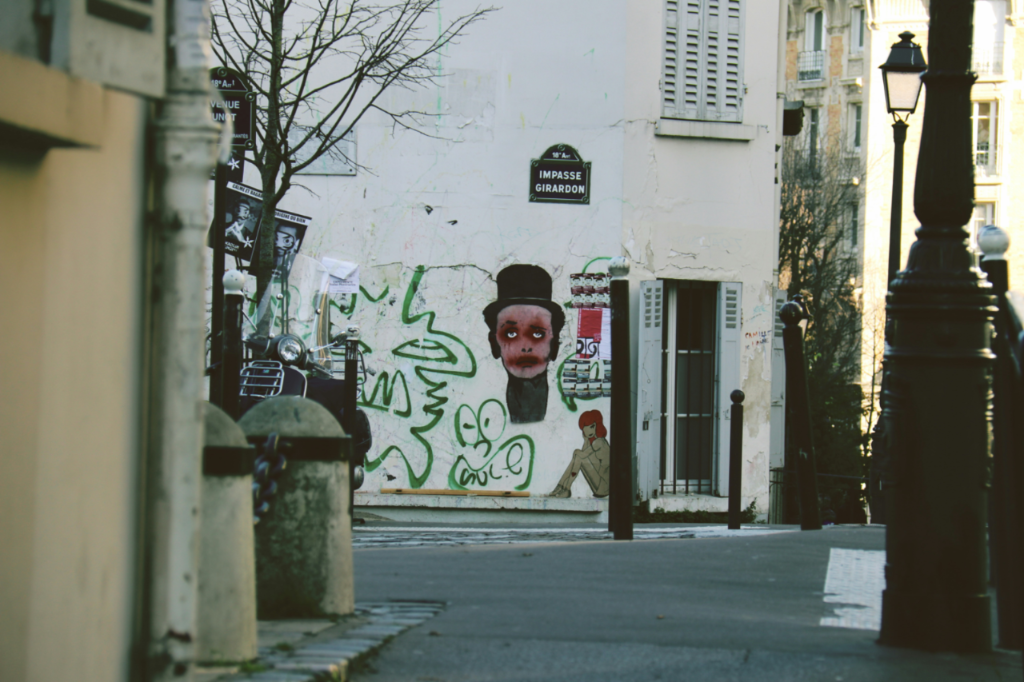
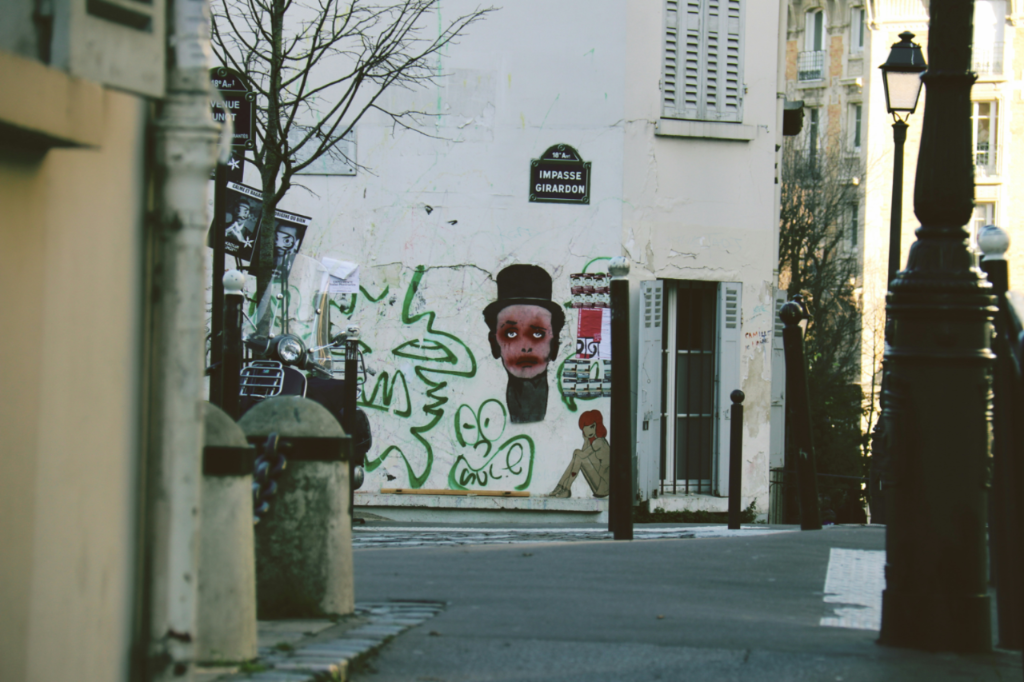
If you want evidence that Paris’ street art scene is thriving, just take a look at Banksy’s latest works. This elusive artist appeared unexpectedly this summer, leaving ten provocative murals around the city addressing Europe’s migrant crisis and the May 1968 uprising. For lighter, less political street art, the vibrant neighborhood of Belleville is the perfect place to explore.
Don’t miss:
The panoramic view from Parc de Belleville — one of the best free views in Paris.
Ever-changing street art along Rue Denoyez.
Affordable, authentic eateries from around the world.
Best asiatic restaurants are here like Mian Guan, Best Tofu, Viet Passion.
This is Paris without polish — and that’s exactly the charm.
2. Escape the crowds in Buttes-Chaumont
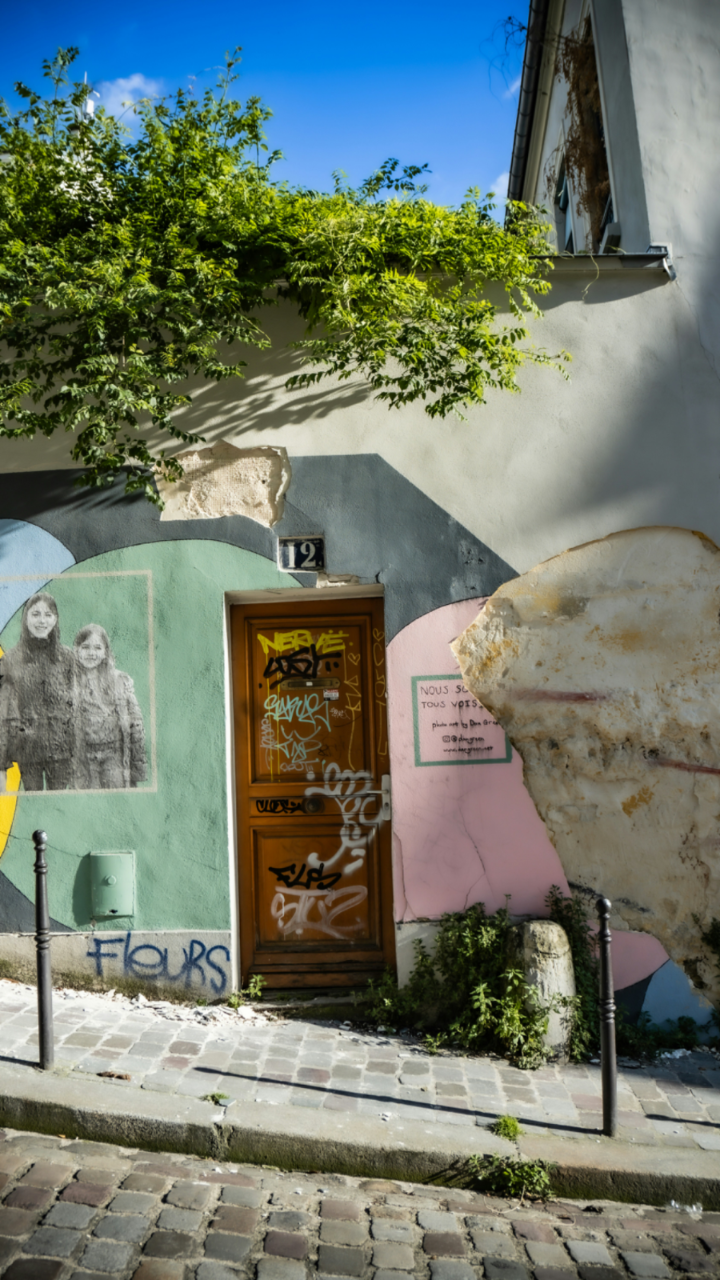
The Parisian park you've never heard of is also one of the city's loveliest green spaces, sprawling over the outer reaches of the 19th arrondissement. It's a delightful mix of sloping lawns and shady pathways, crowned by a spectacular folly, the Roman-inspired Temple de la Sybille, from where there are superb vistas across to the Sacre Coeur.
Beneath the folly's craggy outcrop you can laze beside the park's artificial lake, sip demi-pressions at modern-day guinguette Rosa Bonheur.
3. Canal Saint-Martin – Creative Energy
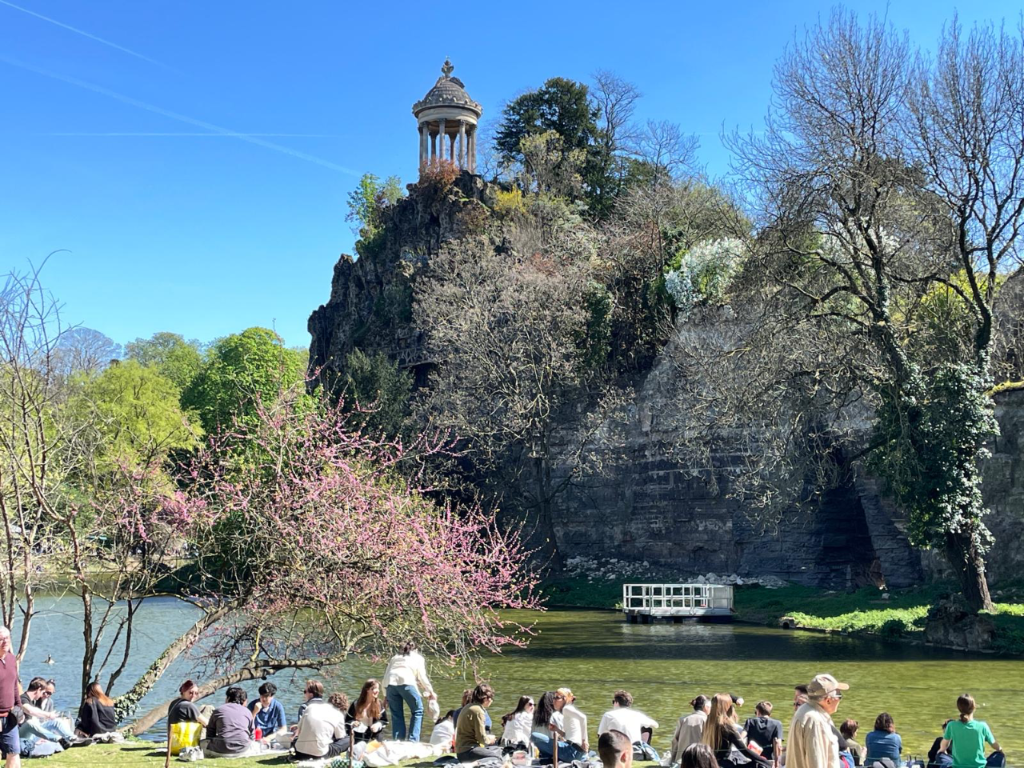
While no longer a true secret, Canal Saint-Martin remains a hub for creatives and locals alike. Its tree-lined banks, iron footbridges, and waterside cafés make it a perfect spot for a relaxed walk or a casual apéritif.
One of the best ways to experience the canal is on foot with coffee stops along the way. Here are some local favorites to try while you wander: Ten Belles – A classic specialty café steps from the canal, offering excellent espresso, pourover coffee, and light bites. Perfect for starting your stroll.
Residence Kann – Stylish and cozy, this café is known for expertly roasted beans and a relaxed neighborhood vibe.
Radiodays – Local favorite with a warm atmosphere, great for a midday coffee break.
Many of these cafés have outdoor seating — grab a coffee and take a moment to watch the locals, street musicians, and boats along the canal. Walking from Ten Belles eastward, you can hop between a few stops and enjoy a mini coffee crawl along the water, blending caffeine and creativity.
The mix of street art, boutique shops, and lively cafés makes Canal Saint‑Martin the perfect representation of alternative Paris: a neighborhood that’s vibrant, local, and endlessly discoverable.
Think slow afternoon walks, vintage shopping, and relaxed aperitifs by the canal — a vibe that feels more like Berlin or Brooklyn than Paris.
4. 59 Rue Rivoli
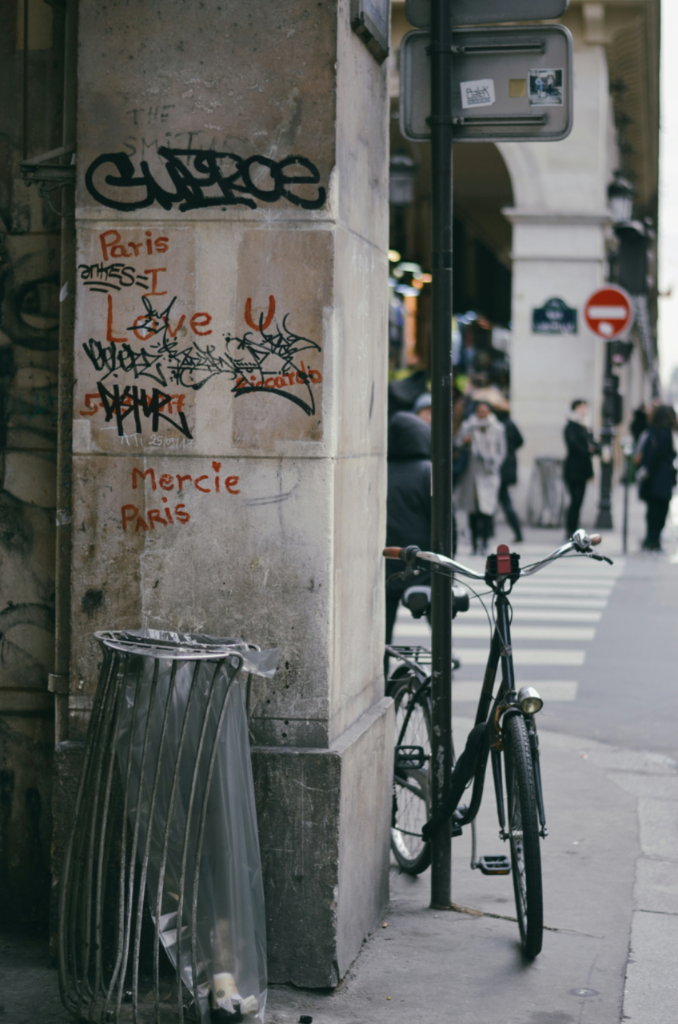
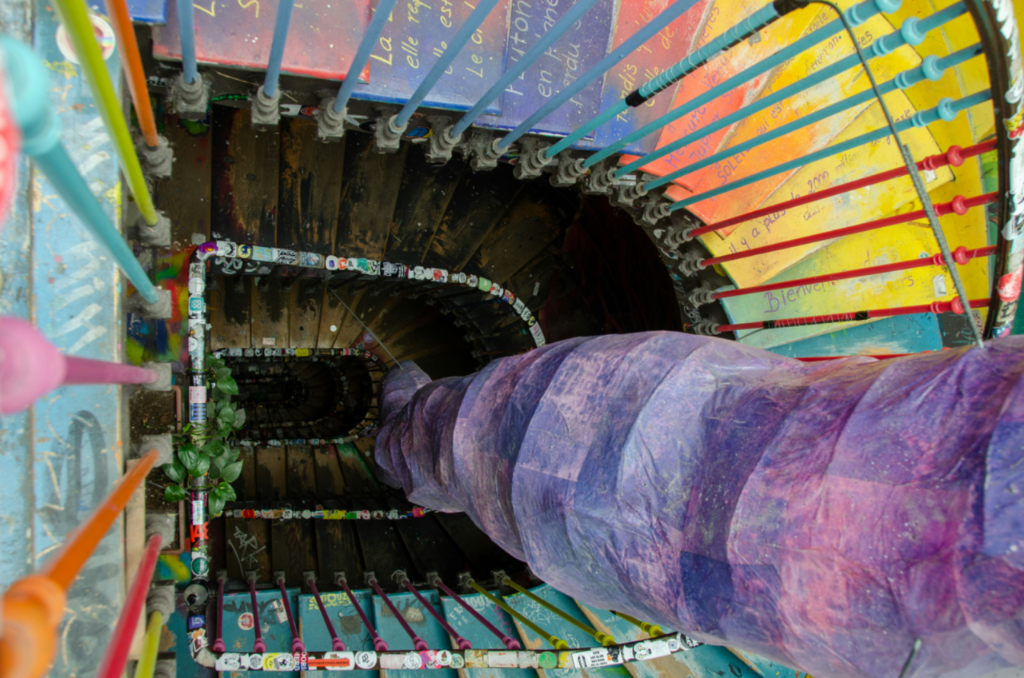
At street level, 59 Rivoli might look unassuming, blending into its commercial surroundings. But glance upward and you’ll see its true character: a building alive with creativity.
Originally squatted in 1999, the space was later legitimized as a semi-sanctioned gallery. Today, its exterior — covered in murals and installations — hints at the wonders inside: six floors of independent artist studios where painters, sculptors, and photographers create and exhibit their work. Some studios are polished and sell quirky city-view prints, while others are crowded, smoky, and delightfully unconventional. Visitors are welcome to explore them all, discovering Paris’ underground art scene one floor at a time.
You're free to explore them all.
5. Have dinner and drinks in Strasbourg- Saint Denis area
Once known as one of Paris’ rougher streets in the 10th arrondissement, Rue du Faubourg Saint-Denis has transformed into a vibrant, multicultural corridor. Hip cafés like Chez Jeannette now sit alongside authentic Syrian restaurants and cult-favorite Turkish kebab joints or amazing Kurdish Restaurants like Anatolia . New York–inspired brasseries bring all-day dining, while trendsetting cocktail bars such as Le Syndicat keep the street buzzing into the early hours.
Just off the main drag, Passage Brady — sometimes called Little India — is one of the best spots in Paris for Indian cuisine. And don’t miss the street’s crowning jewel: the triumphal arch at its southern end, a charming miniature sibling to the iconic Arc de Triomphe.
6. If you have been to Montmartre, go to Butte aux Cailles.
Montmartre’s village charm may be long gone, but another “butte” preserves that slower, offbeat energy. Just ten minutes south of Place d’Italie, Butte-aux-Cailles feels like a little village within the city. Cobbled streets, laid-back bars, and a slightly countercultural vibe make it a perfect escape from the usual tourist circuits.
It’s a great place to stay if you want a truly local experience — book an Airbnb here and you’ll feel like a resident in no time. In summer, you can even take a refreshing dip in the neighborhood’s outdoor pool, open since 1924, a charming reminder of Paris’ hidden historical gems.
7. Le 104 – Paris’ Experimental Cultural Hub
Centquatre-Paris, commonly known as 104, is a striking example of Paris’ creative pulse beyond the usual landmarks. Housed in a former municipal funeral hall, it’s now a sprawling cultural playground spanning multiple floors and outdoor courtyards.
Here, art and community coexist: contemporary exhibitions, open rehearsals, workshops, and pop-up performances happen alongside cafés and artisan shops. It’s the kind of place where you can stumble on a photography exhibit, hear live jazz, and watch a dance rehearsal all within an hour.
At 104 Paris, you’ll feel the raw creative energy of alternative Paris — lively, experimental, and welcoming. Art here isn’t something you simply look at; it’s something you step into.
When you’re ready to continue exploring, wander toward the Gare de l’Est neighborhood for small cafés and independent boutiques, or follow Boulevard de la Villette to discover hidden pieces of street art along the way.
8. La Recyclerie – Sustainable Paris
Housed in a former train station along the Canal Saint-Martin La Recyclerie blends café culture with sustainability. There’s an urban farm, workshops on zero-waste living, and a welcoming terrace where locals gather. It’s a perfect example of modern, alternative Paris: creative, eco-conscious, and community-driven.
Just a short trip away, the famous Marché aux Puces de Saint-Ouen. This sprawling flea market is ideal for hunting vintage treasures, quirky décor, or one-of-a-kind fashion pieces. Combine your visit to La Recyclerie — where they serve an excellent brunch for around 30 euros on Saturdays and Sundays — with a morning or afternoon walk through the nearby market.
Together, it becomes a complete immersion into Paris’s alternative spirit and its world of vintage treasures and collectibles.
9. Père Lachaise – Beyond the Famous Graves
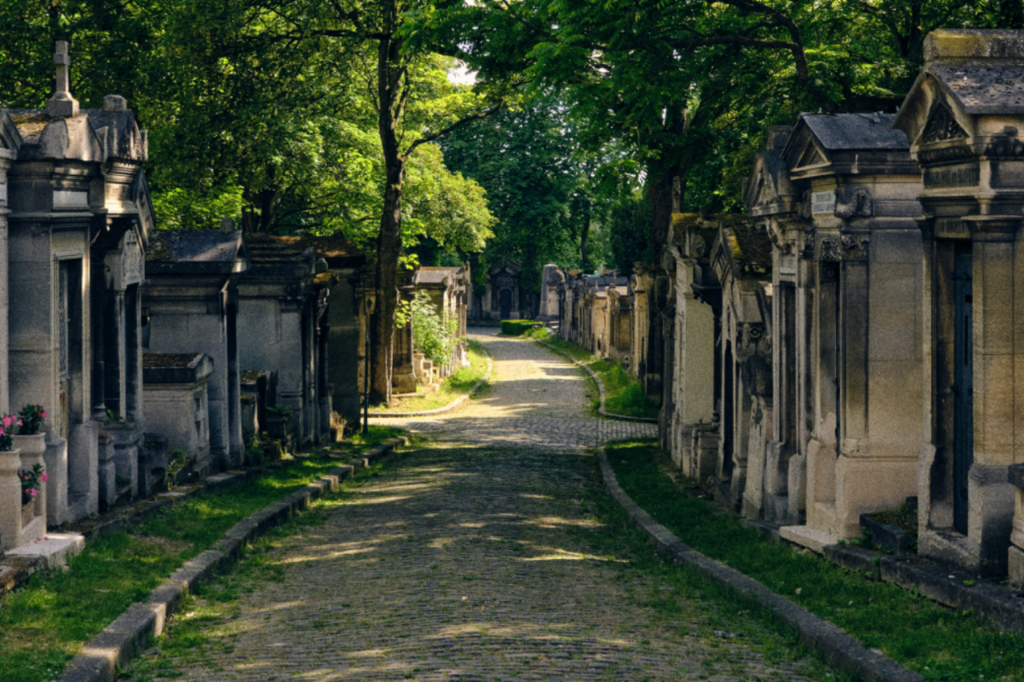
Père Lachaise Cemetery is more than just the final resting place of famous figures — it’s a peaceful, contemplative labyrinth of history, art, and culture. Established in 1804, it’s the largest cemetery in Paris, and walking its winding paths is like wandering through an open-air museum.
Notable tombs:
Jim Morrison – The Doors’ legendary frontman; his grave often draws fans and impromptu music tributes.
Oscar Wilde – The Irish writer’s ornate tomb is decorated with a striking modern angel statue and surrounded by love-lock tokens.
Édith Piaf – The iconic French singer; the simple white marble tomb reflects her humble life despite her fame.
Molière – France’s greatest playwright, buried among other luminaries of French literature.
Gertrude Stein & Alice B. Toklas – American expats who left a mark on Paris’ literary and artistic circles.
10. La Petite Ceinture – The Abandoned Railway
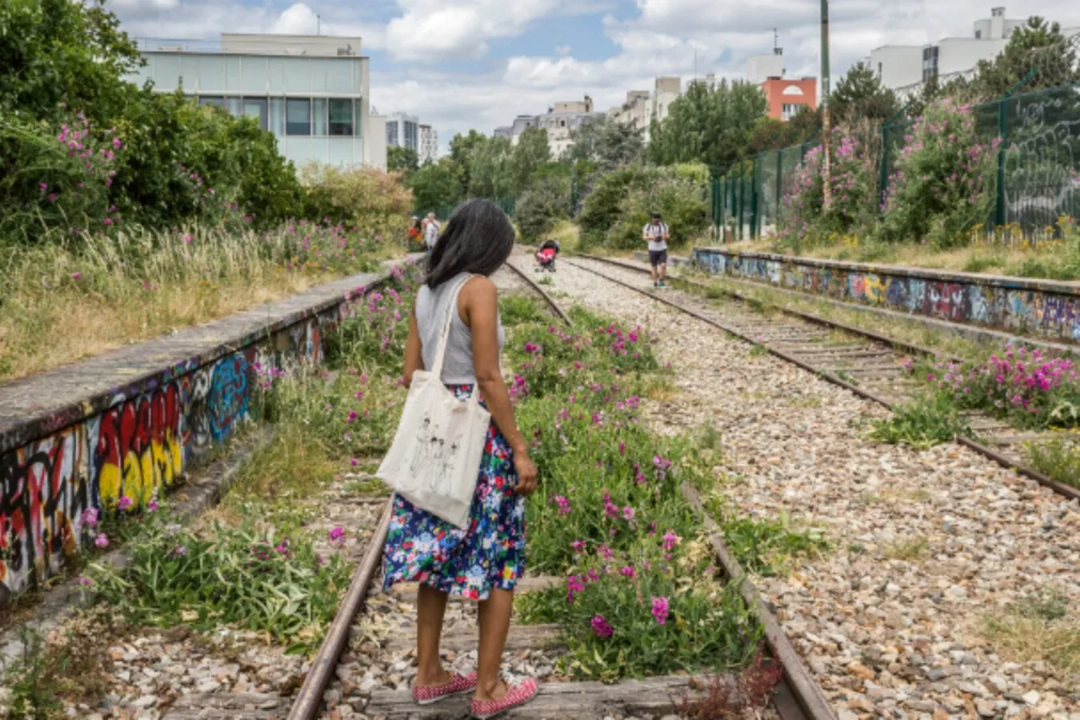
The Petite Ceinture is a circular former railway line that winds through the city, now partially open as a hidden walking trail. Overgrown tracks, tunnels, and abandoned platforms give the experience an almost cinematic quality — a mix of urban exploration and nature.
Evening tip: For an authentic alternative Paris nightlife experience, head to La Gare / Gore Jazz Club, tucked near the 15th arrondissement section of the Petite Ceinture. This intimate club features live jazz, experimental sets, and a relaxed, local crowd. Visiting at night turns the abandoned railway into a lively, secretive playground, perfectly blending the city’s industrial past with its creative present.
Daytime exploration: Wander along the green stretches, snap street-art-covered walls, and peek through the old train bridges. The Petite Ceinture is a hidden, slightly surreal side of Paris that few tourists discover.
Including Alternative Paris in Your Itinerary
You don’t need to completely redesign your itinerary to experience a different side of Paris. Sometimes it’s simply about slowing down and leaving room for a little spontaneity.
Spend an afternoon exploring the street art of Belleville, then continue with a peaceful walk through Père Lachaise Cemetery, one of the city’s most fascinating historic sites. Pair a stroll along the lively Canal Saint-Martin with a visit to La Recyclerie, or follow part of the old railway line at La Petite Ceinture before ending the evening with live music in one of the nearby venues.
The real secret is not to rush. Paris rewards curiosity and invites you to wander. Turn down a quiet street, pause at a neighborhood café, or sit by the canal and watch the rhythm of the city unfold.
Often, the most memorable moments in Paris happen far from the famous landmarks — in a small square, an artist’s studio, along a canal at sunset, or during a late-night concert inside a converted railway building.
Want to keep discovering alternative sides of Paris? Join us on a walking tour through Montmartre or Le Marais, where hidden streets, local stories, and unexpected corners bring the city to life.
Nuestras ciudades
62Los mejores free tours a pie y visitas de pago

© 2025 Walkative. Todos los derechos reservados.