
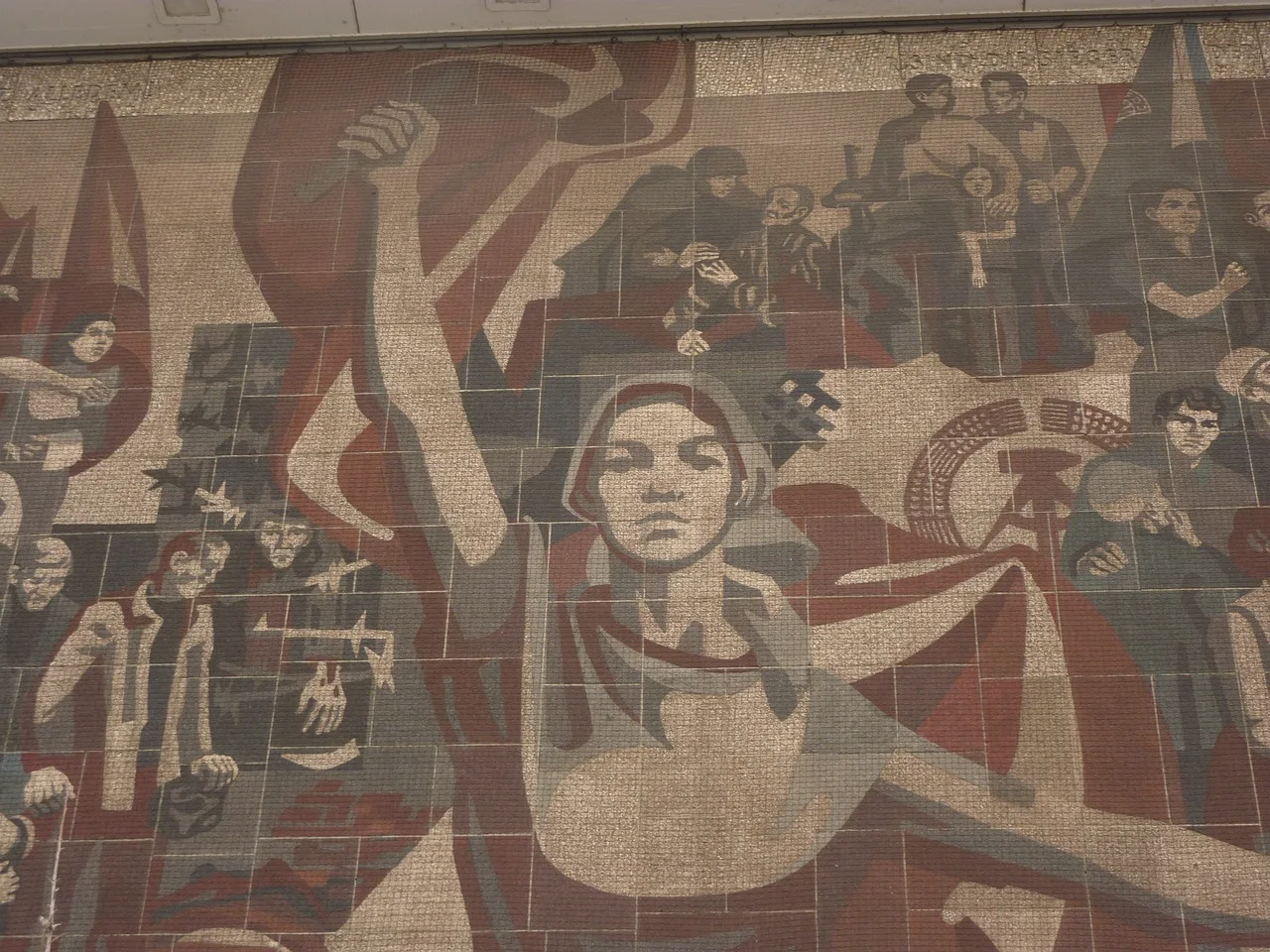
El Primero de Mayo en Dresde: De la Revolución de 1849 al Sufragio Universal
El Día Internacional de los Trabajadores conmemora la lucha global por unas condiciones laborales justas. En este artículo, veremos el papel único de Dresde en esta historia. Hablaremos de la Revolución de Mayo de 1849, los primeros movimientos socialistas y el camino hacia el sufragio universal. Conoceremos a sus figuras clave y el legado de justicia social de la ciudad.
History • 4 min. de lectura
El 1 de mayo celebramos el Día Internacional de los Trabajadores, un recordatorio de la histórica lucha por unas condiciones laborales justas. Aunque esta fecha suele asociarse a los sucesos de Chicago de 1886, las raíces del movimiento obrero son mucho más antiguas. Dresde, con su fascinante y complejo pasado, ocupa un lugar clave en esta historia. Aquí descubriremos cómo se vivieron momentos decisivos en la lucha por la igualdad y el fin de la monarquía.
El Día Internacional de los Trabajadores: una perspectiva global y local
El 1 de mayo es un homenaje mundial al esfuerzo de los trabajadores. Conmemora los trágicos sucesos de Chicago en 1886, cuando quienes exigían una jornada de ocho horas sufrieron una violenta represión que acabó en disturbios, muertes y arrestos. Sus sacrificios ayudaron a conseguir los derechos laborales que disfrutamos hoy, como horarios razonables y entornos seguros. Sin embargo, en Dresde, el camino hacia estos derechos comenzó mucho antes y hoy forma una parte crucial de la historia que conoceremos en la ciudad.
La Revolución de Mayo de Dresde de 1849: la lucha por el cambio
Dresde jugó un papel fundamental en el fervor revolucionario que recorrió Europa entre 1848 y 1849. Durante nuestra visita, hablaremos de la Revolución de Mayo de 1849, un gran levantamiento para abolir la monarquía. Tras la revolución, se persiguió a 869 participantes. El 65 % de ellos pertenecía a la clase obrera, lo que demuestra su enorme compromiso con el cambio. ¡Incluso figuras como el arquitecto Gottfried Semper y el compositor Richard Wagner participaron! El movimiento obrero cobró fuerza al crearse el primer sindicato, fundado curiosamente otro 1 de mayo, pero de 1848. Veremos cómo el gobierno provisional, liderado por el anarquista ruso Mijaíl Bakunin, fue destituido y el ejército prusiano reprimió la revolución. Aun así, estos hechos marcaron un antes y un después. Bakunin, que había estudiado filosofía en Berlín y visitó Dresde por primera vez en 1842 buscando unir a alemanes y eslavos, tuvo que huir a Zúrich para evitar ser arrestado. Un tour a pie es la forma ideal de sumergirse en la Dresde del siglo XIX y descubrir su espíritu revolucionario.
El camino hacia el poder político: los primeros movimientos socialistas en Dresde
Tras la Revolución de Mayo, la lucha obrera en Dresde pasó de las calles a la política. En 1877, August Bebel, destacado líder socialista alemán y cofundador del Partido Socialdemócrata (SPD), consiguió por primera vez un escaño en el Reichstag. Fue un gran paso para que el movimiento socialista lograra voz en el parlamento. Sin embargo, el poder tradicional seguía al mando, lo que dificultaba enormemente lograr un cambio social amplio y la igualdad de derechos para todos.
De la Primera Guerra Mundial a la República de Weimar: la era revolucionaria de Dresde
La Primera Guerra Mundial transformó por completo la política de Dresde. Cuando el SPD apoyó las políticas bélicas del Imperio alemán, muchos miembros lo abandonaron para fundar el USPD, un partido pacifista. Pronto estallaron protestas masivas contra la guerra, lideradas sobre todo por mujeres cansadas del hambre, las duras condiciones en las fábricas y la trágica pérdida de sus maridos en las trincheras. Estas marchas, junto con los levantamientos de soldados y marineros, desembocaron en la Revolución de Noviembre. Este hito histórico acabó con la monarquía, dio paso a la creación de la República de Weimar en 1918 y garantizó por fin el derecho al voto para todos los ciudadanos, incluidas las mujeres.
El legado de Dresde: recordando la lucha por los derechos
La historia de Dresde nos enseña que los derechos fundamentales rara vez se regalan; son el fruto de una lucha constante. Desde la Revolución de Mayo hasta la de Noviembre y el logro del sufragio universal, la ciudad siempre ha buscado la igualdad social y política. Hoy, Dresde mantiene vivo este legado y nos recuerda a todos la importancia de participar activamente para proteger estas libertades tan duramente conseguidas. Si quieres conocer más a fondo estos relatos, te animamos a descubrir la historia del siglo XIX y del movimiento obrero en un tour guiado a pie por las zonas históricas de Dresde.
El movimiento obrero en Dresde es un claro ejemplo del deseo humano de justicia e igualdad. Desde las protestas para acabar con la monarquía en 1849 hasta la conquista del sufragio universal en 1918, la ciudad ha sido un auténtico motor de cambio social. Conocer estos momentos clave nos ayuda a valorar los derechos y libertades que hoy solemos dar por sentados. Además, nos recuerda que el progreso siempre nace de la valentía, la dedicación inquebrantable y la acción colectiva.
Historias relacionadas
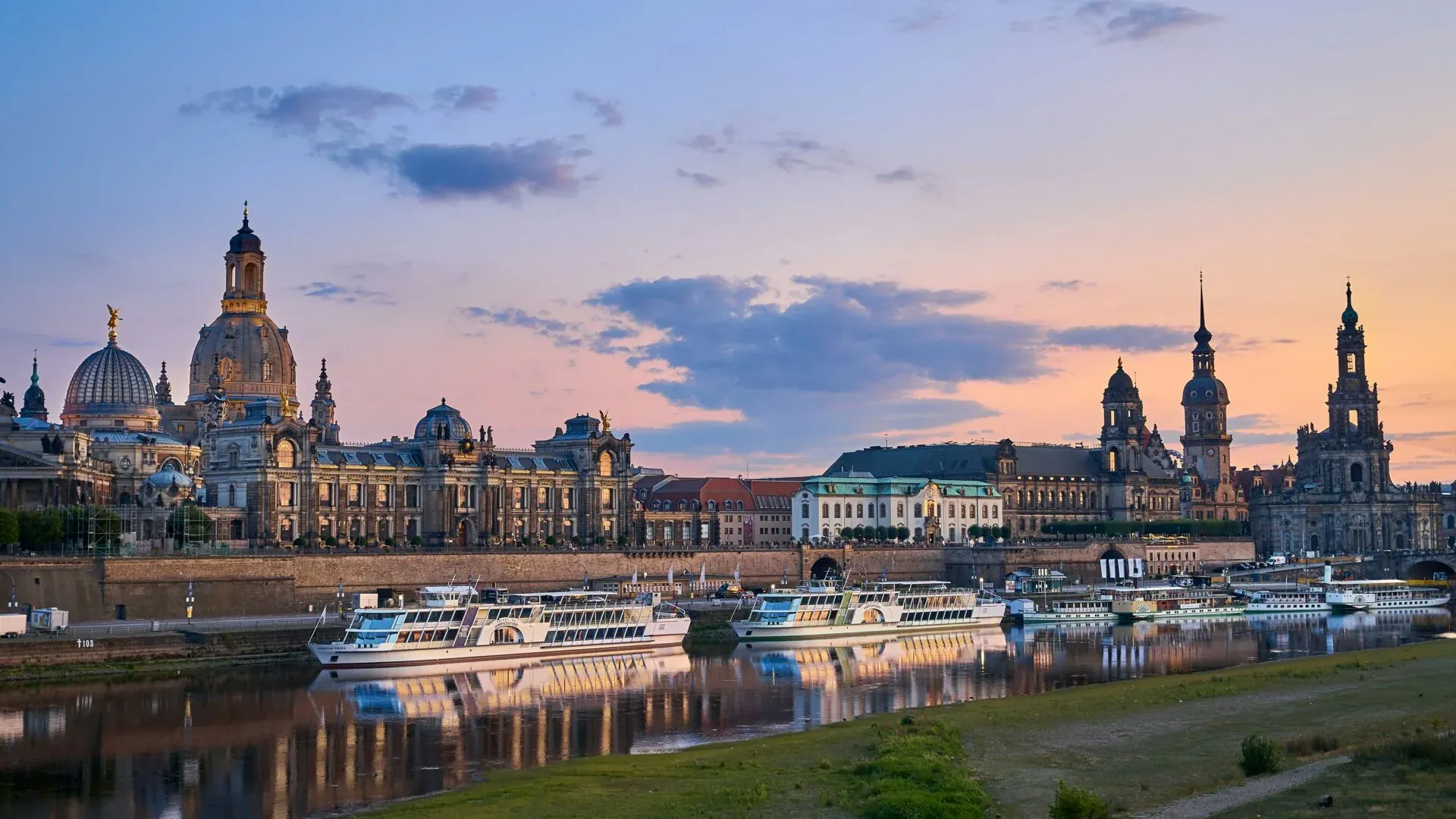
Culture • History • 8 min. de lectura
3 días en Dresde: Descubriendo el corazón del esplendor sajón
Tu itinerario de 3 días en Dresde. Recorre la Altstadt reconstruida, admira el mural de porcelana del Fürstenzug y descubre el animado barrio de Neustadt.
Newsletter • 4 min. de lectura
Qué hacer en Dresde en mayo de 2026
Explora Dresde como un auténtico local este mayo. Descubre la mejor selección de eventos, festivales y experiencias de la mano de los guías de Walkative.
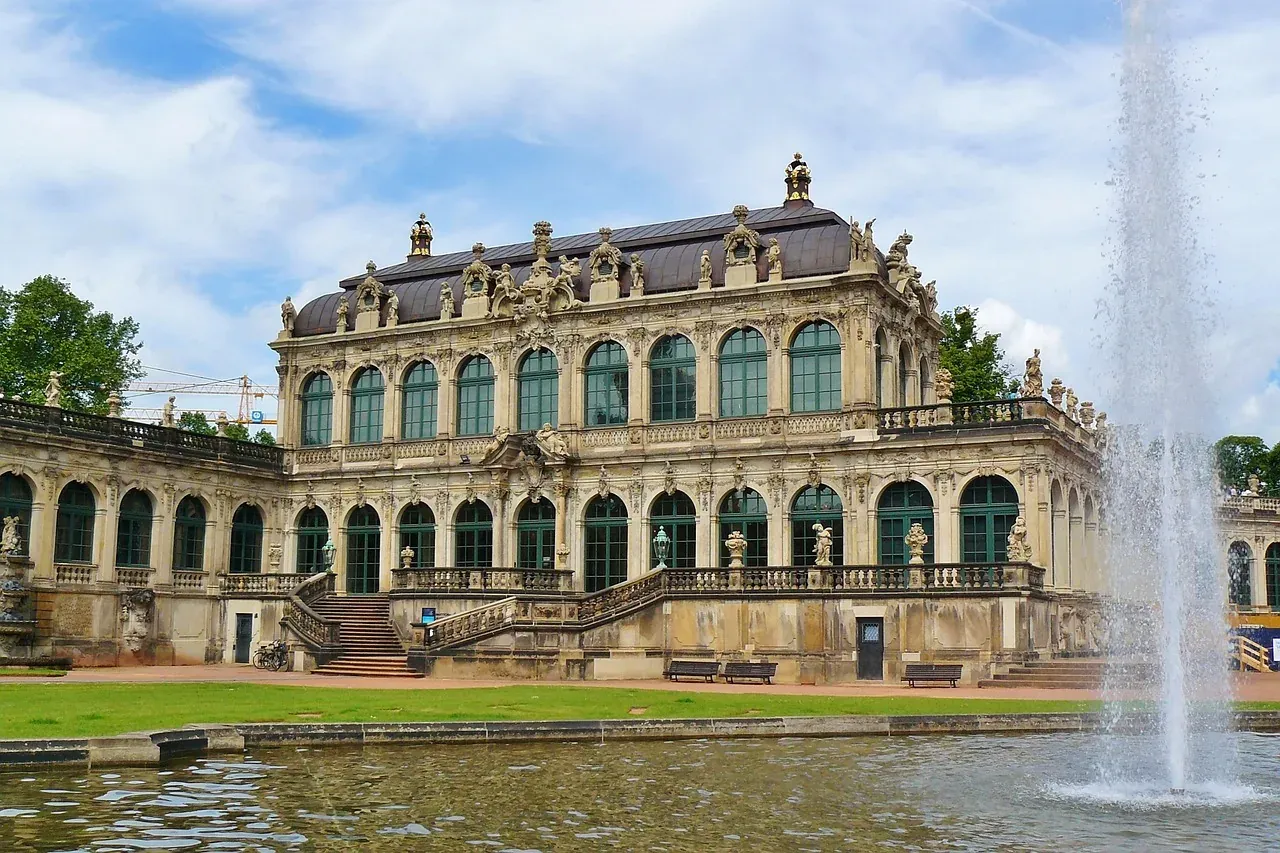
Culture • History • 7 min. de lectura
Los museos de Dresde: un viaje cultural por la capital sajona
Visitaremos los museos de Dresde. Conoceremos el arte, la historia y la cultura de la capital sajona a través de sus colecciones más destacadas.
Culture • Practical Tips • 4 min. de lectura
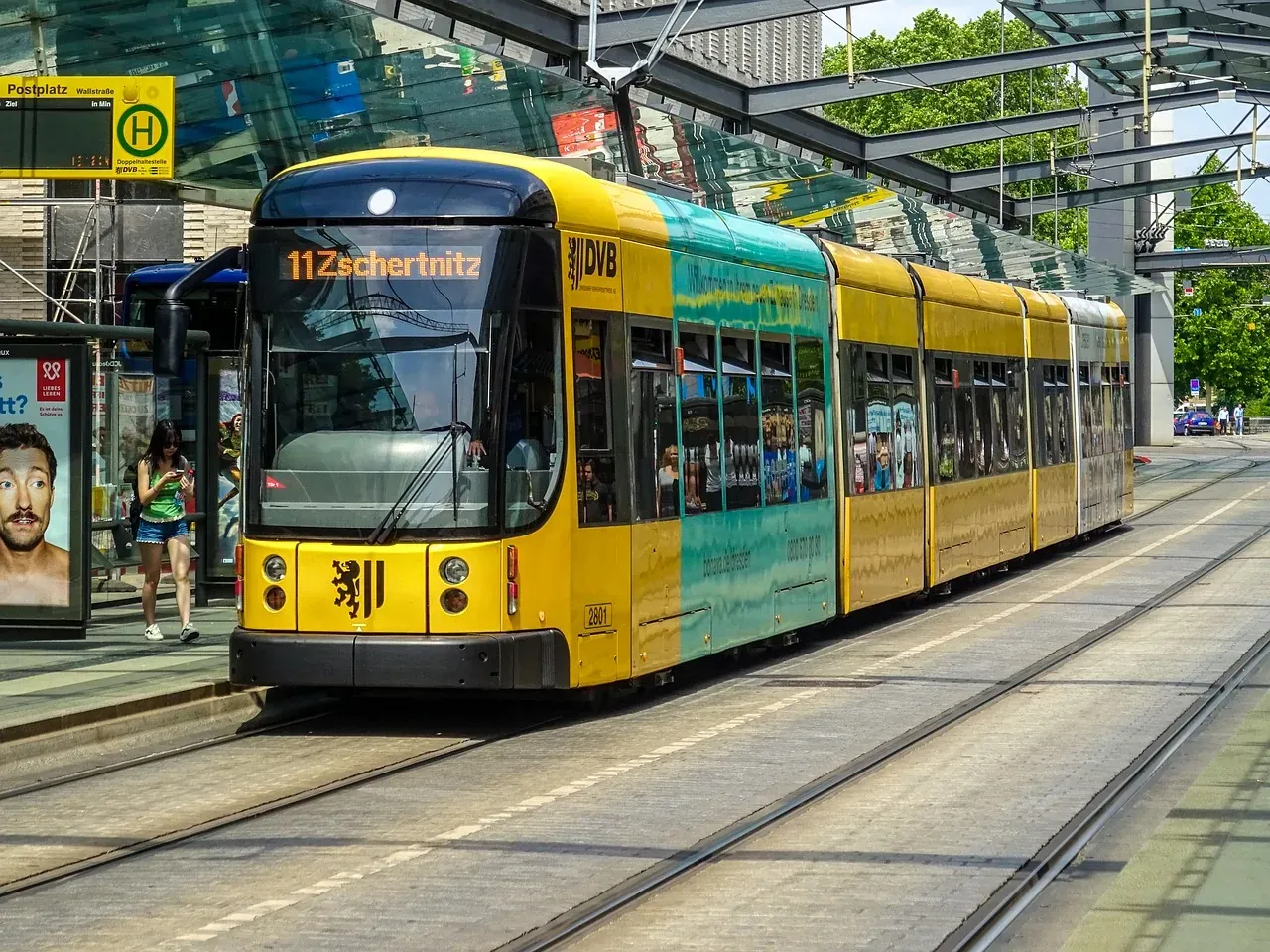
Explorar Dresde: Tu guía del transporte público
Descubre cómo moverte por Dresde con nuestra guía de tranvías, autobuses y S-Bahn. Te damos toda la información sobre las conexiones con el aeropuerto, los billetes diarios y las rutas a la Suiza Sajona.

Culture • History • 3 min. de lectura
Las raíces sorbias de la Pascua en la región de Dresde
Explore las tradiciones sorbias de 1500 años de antigüedad que influyen en la Pascua en la región de Dresde. Conozca el decorado de huevos, los rituales de agua y las procesiones a caballo.
Nuestras ciudades
57Los mejores free tours a pie y visitas de pago

© 2025 Walkative. Todos los derechos reservados.