
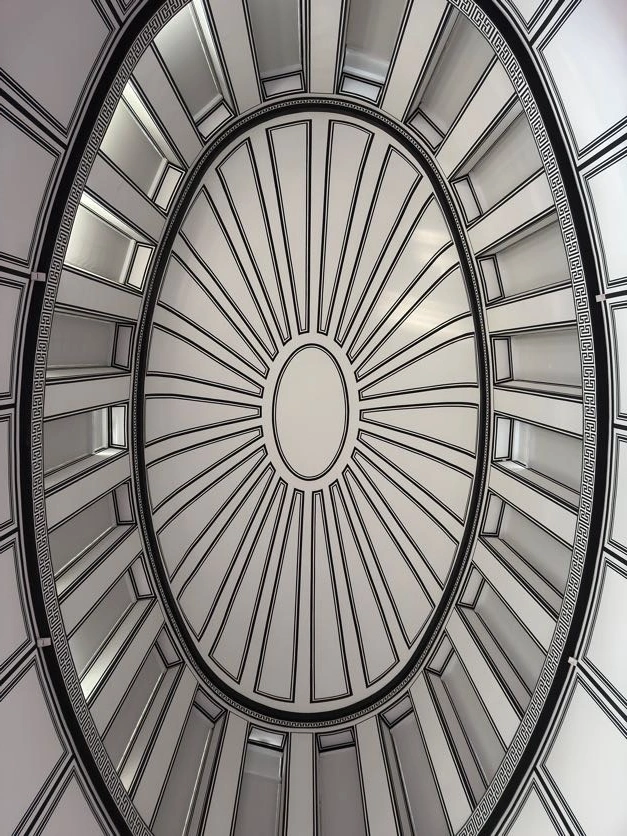
El Pabellón de las Cuatro Cúpulas: Arte contemporáneo en Wroclaw
Diseñado en 1912 por el arquitecto Hans Poelzig, el Pabellón de las Cuatro Cúpulas se levanta a pocos pasos del Pabellón del Centenario como un claro referente modernista. Hoy en día, sus salas bañadas de luz natural funcionan como la rama contemporánea del Museo Nacional de Wroclaw. La colección documenta una época compleja de la creatividad en Polonia, donde el realismo socialista impuesto por el Estado contrasta con la resistencia puramente individual de los artistas de la posguerra.
Culture • Practical Tips • History • Tours • Newsletter • 4 min. de lectura
Última edición:
Breslavia es famosa por su casco histórico, pero su escena cultural moderna es igual de fascinante. Si quieres descubrir cómo el turbulento siglo XX moldeó a los artistas polacos, el Museo de Arte Contemporáneo te ofrece un viaje visual increíble. Ubicado en un entorno arquitectónico único, este museo repasa la evolución del arte moderno en Polonia, desde la dura realidad de la posguerra hasta las expresiones vanguardistas más personales.
El Pabellón de las Cuatro Cúpulas: el corazón del arte contemporáneo en Breslavia
El Pabellón de las Cuatro Cúpulas es la sede de arte contemporáneo del Museo Nacional de Breslavia y alberga una de las colecciones de arte moderno más importantes del país. Aquí exploraremos las historias y los formatos que han definido el arte polaco durante el último siglo. A través de pinturas, esculturas e instalaciones, veremos cómo este espacio se ha convertido en un referente cultural que refleja a la perfección los cambios sociales y políticos de Polonia.
La singular arquitectura del pabellón
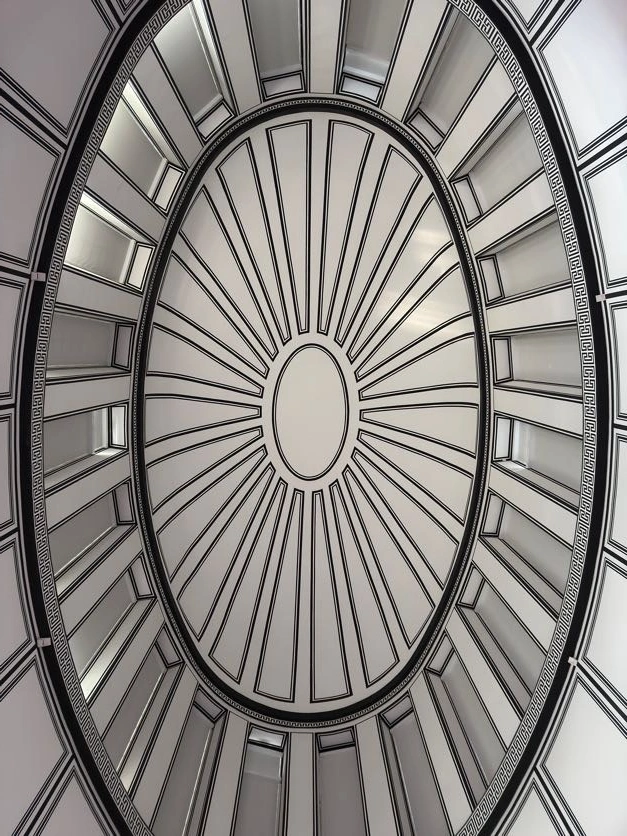
El propio edificio es una joya de la arquitectura modernista temprana. Diseñado por el arquitecto Hans Poelzig y terminado en 1912, el Pabellón de las Cuatro Cúpulas se creó originalmente para albergar exposiciones. Hoy, tras una cuidadosa restauración, el espacio se ha adaptado a la perfección para funcionar como una galería de arte moderno.
Su diseño destaca por un llamativo patio central y, haciendo honor a su nombre, cuatro grandes cúpulas que bañan el interior de luz natural. Esta cuidada arquitectura crea un fondo amplio y neutro, permitiendo que las obras de arte cobren todo el protagonismo sin competir con el carácter histórico del edificio.
Comprender el enfoque artístico polaco de la posguerra
La colección del museo nos muestra cómo los artistas polacos afrontaron los retos de la posguerra. Tras la Segunda Guerra Mundial, el Estado los presionó para adoptar el realismo socialista, un estilo que buscaba promover los ideales comunistas y glorificar a la clase obrera. Veremos un claro ejemplo en el cuadro Podaj cegłę (Pasa un ladrillo) de Aleksander Kobzdej, que muestra a los obreros trabajando juntos para reconstruir el país.
Sin embargo, los creadores polacos pronto buscaron formas de expresar su individualidad y resistencia. Con el tiempo, los ciudadanos usarían el humor y el absurdo para desafiar la censura, una historia fascinante que puedes descubrir en un tour a pie sobre los enanos de Breslavia y el comunismo. De forma similar, muchos artistas de la posguerra recurrieron a la abstracción, la metáfora y a materiales poco convencionales para saltarse las estrictas normas del régimen.
Artistas polacos destacados: Abakanowicz, Szapocznikow y Dwurnik
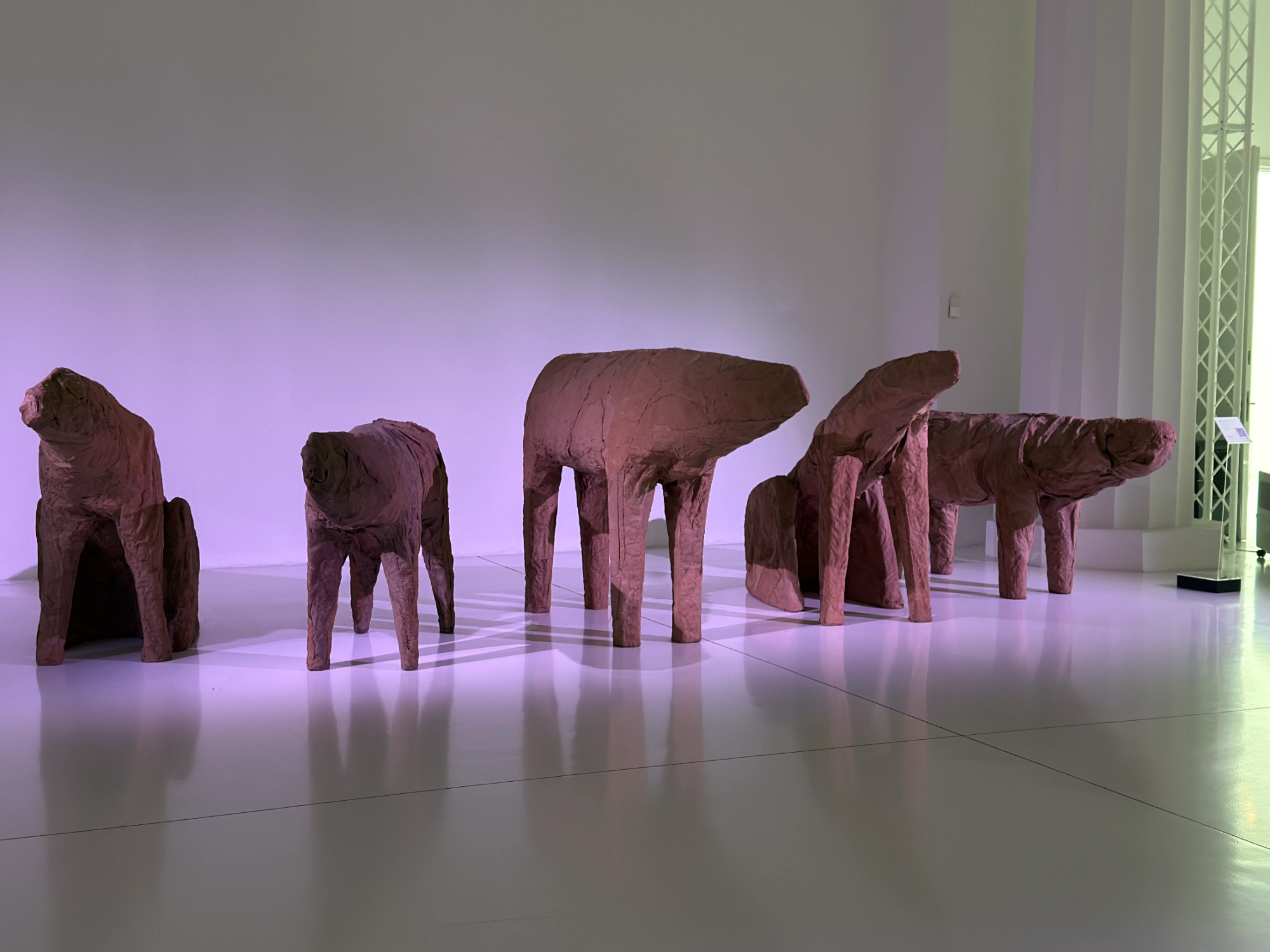
A pesar de las limitaciones de la posguerra, los artistas polacos dejaron una gran huella en el arte contemporáneo mundial. Hablaremos de Magdalena Abakanowicz, que revolucionó el arte del tapiz con sus enormes formas espaciales tejidas, los "Abakanes", donde exploraba la vulnerabilidad humana y el anonimato de la multitud. También conoceremos a Alina Szapocznikow, que le dio un toque muy personal a la escultura. Al moldear partes de su propio cuerpo con materiales como el poliéster y el poliuretano, creó una profunda reflexión sobre la memoria y la fragilidad física.
Por su parte, Edward Dwurnik plasmó el caos cotidiano de las ciudades y pueblos de Polonia. Sus cuadros, llenos de detalles y con un toque surrealista, documentan los cambios sociales y los absurdos del día a día durante varias décadas. En conjunto, estos artistas ilustran la inmensa variedad y resiliencia de la escena creativa moderna del país.
Consejos prácticos para tu visita
El Pabellón de las Cuatro Cúpulas está en la zona este de Breslavia, junto al famoso Centro del Centenario y la fuente multimedia. Llegar desde el centro en tranvía o autobús es muy fácil. Al planificar tu visita, te recomendamos consultar la web oficial del Museo Nacional, ya que los horarios cambian en verano e invierno.
Puedes comprar las entradas en taquilla o por internet. Si vas a pasar el día por la zona, te sugerimos dar un paseo por el cercano parque Szczytnicki. Después, vuelve al casco antiguo para relajarte y descubrir la cultura cervecera local. Una ruta con cata de cerveza artesanal es el plan perfecto para terminar el día.
Visitar el Pabellón de las Cuatro Cúpulas es mucho más que ver una galería tradicional. Es un viaje visual por un país que busca su voz entre cambios políticos y sociales. Tanto si te apasiona el arte como si quieres entender mejor Polonia, este museo te encantará. Ofrece una perspectiva fascinante y muy accesible de la identidad polaca moderna.
Historias relacionadas
Culture • History • 13 min. de lectura
Los 16 sitios del Patrimonio Mundial de la UNESCO en Polonia. Parte 1: castillos, pueblos y bosques
Descubre el Patrimonio de la Humanidad de la UNESCO en Polonia: desde la inmensa plaza medieval de Cracovia y las minas de sal del siglo XIII hasta el bosque primigenio de Białowieża.
Culture • History • 11 min. de lectura
Los 16 sitios del Patrimonio Mundial de la UNESCO en Polonia. Parte 2: minas, parques y arquitectura en madera
Guía del Patrimonio de la Humanidad en Polonia (Parte 2): la mina de Wieliczka, el Bosque de Białowieża, las iglesias de madera y más.
Practical Tips • History • 3 min. de lectura
¿Cómo moverse por Wroclaw?
Muévete por Breslavia como un local. Te contamos todo lo que necesitas saber sobre tranvías, autobuses y transporte público en la Ciudad de los Enanos.
Practical Tips • 4 min. de lectura
¿Cómo llegar a Breslavia?
¿Planeas visitar Wroclaw? En esta guía te contamos cómo llegar a la ciudad en avión, tren o autobús desde distintos puntos de Polonia.
Culture • History • 2 min. de lectura
Pablo Picasso en Breslavia
Descubre la historia de Pablo Picasso en Breslavia y el vínculo que une al artista con la ciudad de la mano de los guías de Walkative.
¡Descubre con Walkative!



Nuestras ciudades
57Los mejores free tours a pie y visitas de pago

© 2025 Walkative. Todos los derechos reservados.