
Una guía del barrio berlinés de Friedrichshain
Friedrichshain es uno de los barrios con más carácter de Berlín: en parte antiguo Berlín del Este, en parte espacio alternativo, en parte capital de la vida nocturna y, cada vez más, uno de los lugares más codiciados de la ciudad tanto para vivir como para visitar. Combina la arquitectura monumental de la RDA con espacios industriales cubiertos de grafitis, parques frondosos, bares independientes, restaurantes, galerías y algunos de los locales nocturnos más famosos de Berlín.
Culture • Practical Tips • Food • Tours • 8 min. de lectura
La zona que hoy conocemos como Friedrichshain estaba compuesta en su mayor parte por campos, jardines y pequeños asentamientos hasta la rápida expansión industrial de Berlín en el siglo XIX. El nombre proviene del parque Friedrichshain, creado en la década de 1840 y bautizado en honor a Federico el Grande. A medida que Berlín se industrializaba, Friedrichshain se convirtió en un barrio obrero densamente poblado, con fábricas, talleres ferroviarios y viviendas de alquiler.
El barrio sufrió una enorme destrucción durante la Segunda Guerra Mundial y, posteriormente, pasó a formar parte de Berlín Oriental. La RDA dejó una huella especialmente visible a través de proyectos como la Karl-Marx-Allee, el monumental bulevar socialista conocido originalmente como Stalinallee.
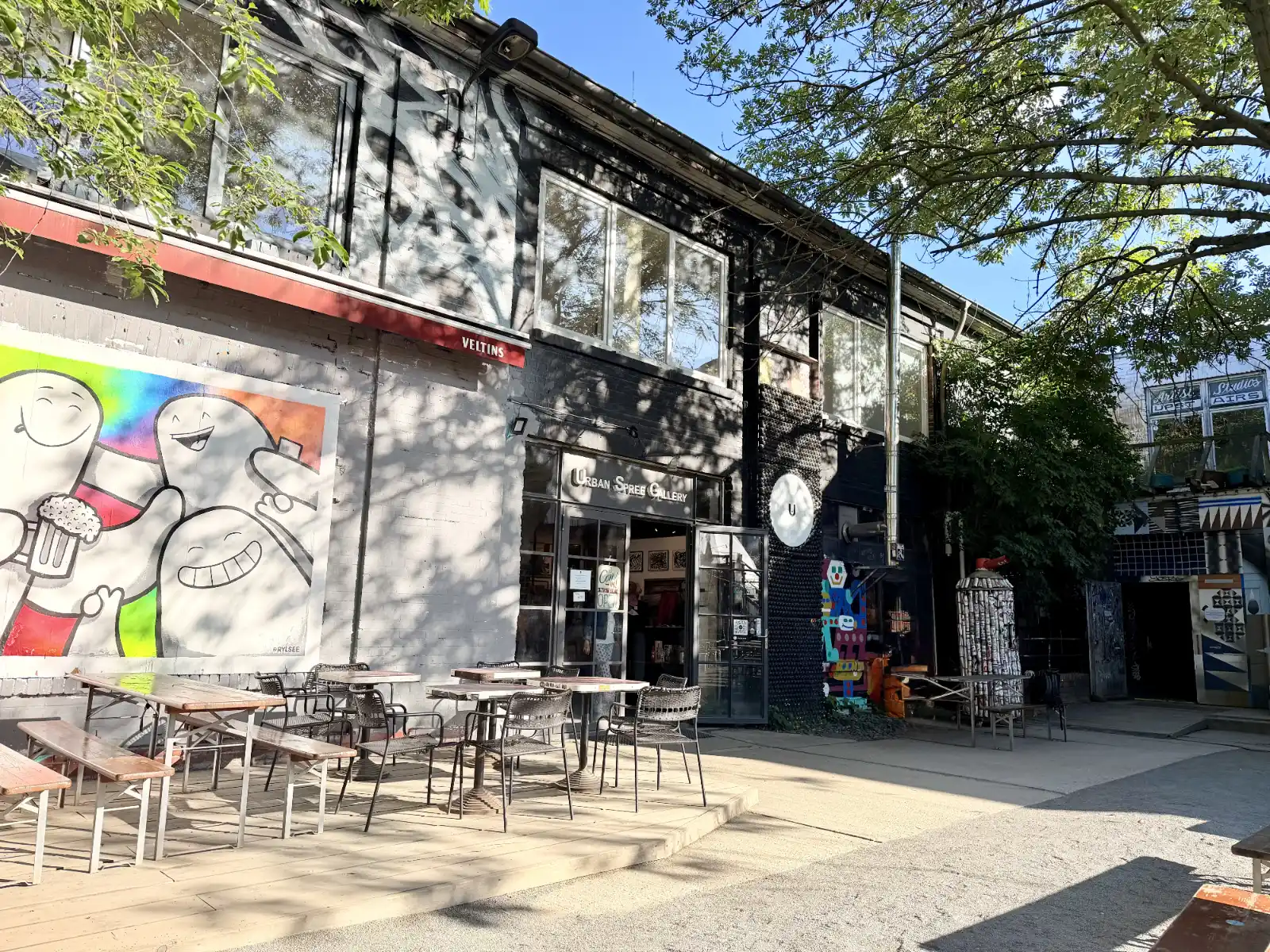
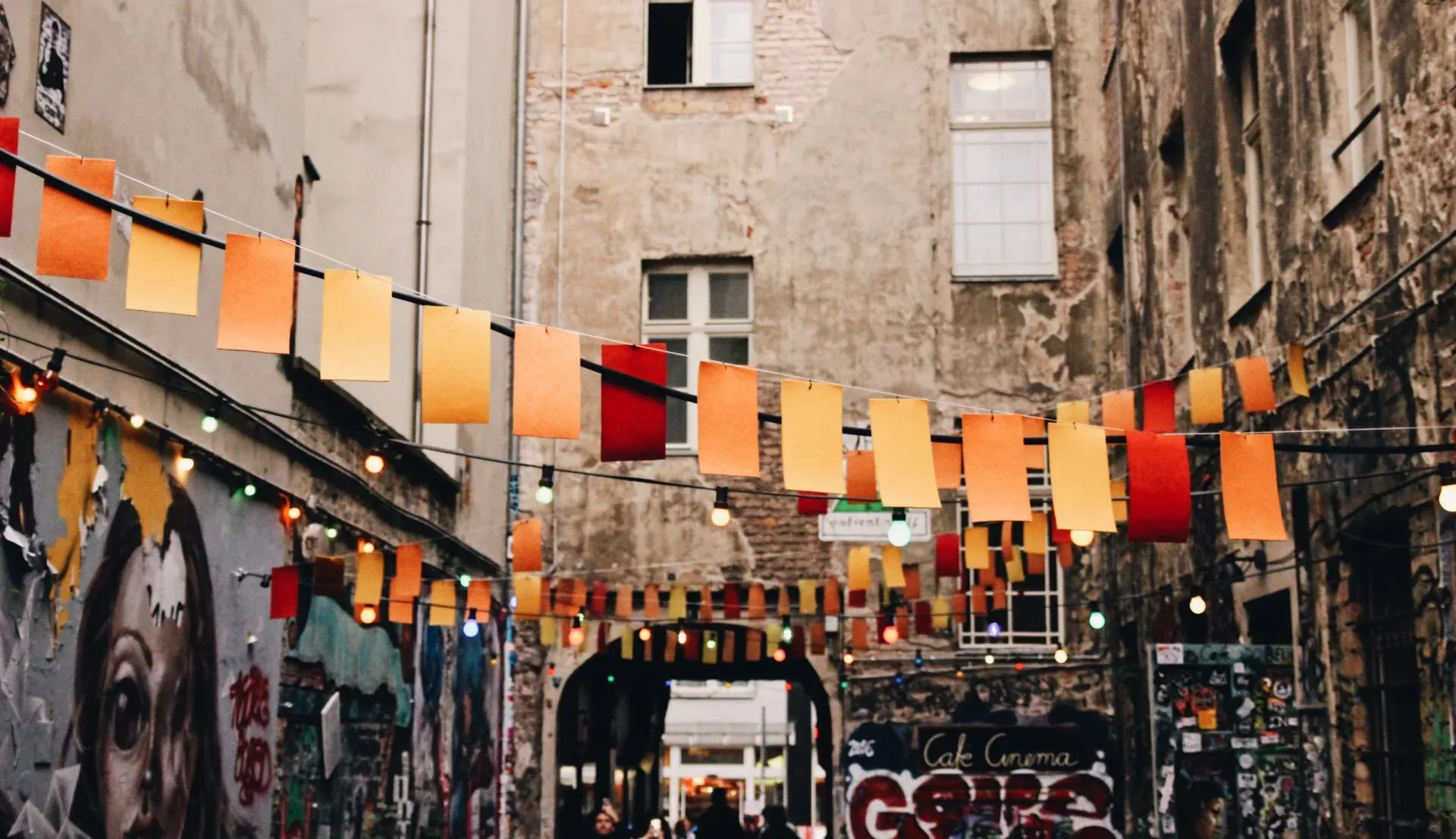
Tras la caída del Muro de Berlín, Friedrichshain experimentó otra transformación radical. Antiguas fábricas y recintos ferroviarios fueron ocupados o reconvertidos por artistas, músicos, discotecas y proyectos culturales alternativos. Lugares como el RAW-Gelände se convirtieron en símbolos del nuevo Berlín: un poco rudo, creativo, experimental y ligeramente impredecible.
Hoy en día, esa mezcla de historia y reinvención es precisamente lo que hace que Friedrichshain sea tan interesante. Aquí tienes una lista de cosas que no te puedes perder si visitas la zona:
1. Recorre la East Side Gallery
Ninguna primera visita a Friedrichshain está completa sin dar un paseo por la East Side Gallery. Con una extensión de aproximadamente 1,3 kilómetros a lo largo de un tramo conservado del Muro de Berlín, fue transformada en una galería al aire libre por artistas internacionales tras la caída del Muro.
Los murales van desde los más coloridos y divertidos hasta los de carácter profundamente político, y aquí se encuentran algunas de las imágenes más conocidas de Berlín. El famoso «Beso fraternal» es una parada obvia para hacer fotos, pero merece la pena tomarse su tiempo y contemplar también las obras menos conocidas.
Más allá del simple arte callejero, la galería es un recordatorio de lo rápido que cambió Berlín tras 1989: una frontera política se convirtió en un lienzo.
Ideal para: historia, fotografía, arte callejero y quienes visitan la ciudad por primera vez.
2. Explora el RAW-Gelände
Para conocer el lado alternativo de Friedrichshain, dirígete al RAW-Gelände, cerca de la Revaler Straße.
Este recinto fue originalmente un complejo de reparación ferroviaria, con más de 150 años de historia industrial. Tras el cierre de los talleres ferroviarios, los edificios abandonados se fueron convirtiendo poco a poco en el hogar de artistas, proyectos culturales, discotecas, bares, instalaciones deportivas y negocios creativos.
Hoy en día puedes combinar varias actividades en una sola visita: contemplar el arte urbano, curiosear en el mercadillo dominical, practicar escalada o patinaje, comer algo, asistir a un concierto o, simplemente, dar un paseo por los edificios industriales.
El recinto RAW es también un buen ejemplo de la lucha constante que se libra en Berlín entre la cultura alternativa, el desarrollo comercial y el aumento del valor de los inmuebles. En agosto de 2026 se alcanzó un acuerdo destinado a garantizar la permanencia de clubes, bares, estudios y usos culturales en el recinto, al tiempo que se permite la construcción de nuevas viviendas.
Idea para un evento especial: el RAW Flohmarkt tiene lugar todos los domingos y combina ropa vintage, curiosidades, arte local y comida callejera.
3. Descubre Friedrichshain desde la Karl-Marx-Allee
Si buscas algo totalmente diferente a los espacios alternativos de Berlín cubiertos de grafitis, date un paseo por la Karl-Marx-Allee.
Este enorme bulevar es uno de los ejemplos más llamativos de la arquitectura de la RDA en Berlín. Construido en su mayor parte durante la década de 1950 y principios de la de 1960, fue diseñado para proyectar el poder y la confianza del Estado socialista. Los enormes edificios residenciales fueron concebidos, como es bien sabido, como «palacios para los trabajadores».
Fíjate en detalles como las fachadas ornamentadas, las proporciones gigantescas, el Kino International y el antiguo Café Moskau. El contraste entre la Karl-Marx-Allee y las calles alternativas cercanas es fascinante: en un paseo relativamente corto, puedes pasar de la monumental arquitectura socialista a los grafitis, los bares independientes y la vida nocturna.
La mejor forma de vivirlo: Únete a nuestro tour «De Karl Marx al Muro de Berlín: comunismo, Guerra Fría y Berlín Oriental» para profundizar en la historia y la política de la zona.
4. Visita el Museo de los Videojuegos
Friedrichshain cuenta con un museo excelente para cualquiera que haya crecido con una Game Boy, una PlayStation, un Commodore o una máquina recreativa —y resulta sorprendentemente interesante incluso si no eres un jugador empedernido—: el Museo de los Videojuegos.
El museo recorre la historia de los videojuegos y el entretenimiento interactivo, con consolas históricas, ordenadores, juegos y exposiciones interactivas. Ofrece una alternativa divertida a los museos más tradicionales de Berlín y resulta especialmente ideal para una tarde lluviosa.
Su ubicación, justo en la Karl-Marx-Allee, también permite combinarlo fácilmente con un paseo arquitectónico por el antiguo Berlín del Este.
Ideal para: familias, aficionados a los videojuegos retro, amantes de la tecnología y días lluviosos.
5. Pasear por Boxhagener Platz
Boxhagener Platz, conocida cariñosamente como «Boxi», se encuentra en el corazón de uno de los barrios más animados de Friedrichshain.
Entre semana, la plaza es un lugar agradable para sentarse y observar la vida local, rodeada de cafeterías, restaurantes y bares. Los domingos se llena de vida gracias a su famoso mercadillo.
Las calles de los alrededores —especialmente la Simon-Dach-Straße, la Krossener Straße y la Grünberger Straße— están repletas de locales para comer y beber. Es una zona ideal para visitar sin un plan fijo: tómate un café, echa un vistazo a las tiendas, almuerza y deja que la tarde te lleve por donde quiera.
Ideal para: comer, ir a cafeterías, observar a la gente, ir de compras y disfrutar de la vida nocturna.
6. Descubre la escena artística independiente de Friedrichshain
Friedrichshain no se limita a los murales gigantes. El barrio también cuenta con galerías independientes más pequeñas donde puedes ver a artistas contemporáneos y exposiciones sin tener que desplazarte hasta la Isla de los Museos.
Una opción es la Galleri Heike Arndt DK (Galerie), en la Voigtstraße, que se centra en el arte contemporáneo y cambia sus exposiciones con regularidad.
Para una experiencia artística más espontánea, no pierdas de vista la programación del RAW-Gelände, donde se celebran regularmente exposiciones, actuaciones, talleres y proyectos creativos, además de música y vida nocturna.
Este es uno de los encantos de Friedrichshain: no hace falta entrar en un gran museo para encontrarse con el arte. Puede estar en una pared, dentro de un antiguo edificio industrial, en una pequeña galería o surgir de forma inesperada en una discoteca.
Ideal para: arte contemporáneo, cultura alternativa y visitantes que prefieren los espacios independientes a los grandes museos.
7. Relájate en el Volkspark Friedrichshain y disfruta de una película bajo las estrellas
Después de tanta arquitectura, museos, arte callejero y vida nocturna, Friedrichshain tiene una faceta sorprendentemente verde.
El Volkspark Friedrichshain es uno de los parques públicos más antiguos de Berlín y un lugar ideal para desconectar. Puedes pasear por el parque, descubrir la Märchenbrunnen (fuente de los cuentos de hadas), disfrutar de la vegetación o, simplemente, tomarte un respiro de las ajetreadas calles.
Si buscas algo especial en verano, echa un vistazo al Freiluftkino Friedrichshain, el cine al aire libre del parque. La temporada 2026 comenzó en mayo e incluye proyecciones bajo el cielo nocturno, así como eventos cinematográficos especiales.
Esta es una combinación ideal para pasar la tarde: cenar en el barrio, dar un paseo por el parque y luego ver una película al aire libre.
Ideal para: parques, familias, parejas, tardes de verano y algo un poco diferente.
La experiencia de Friedrichshain
Lo que hace especial a Friedrichshain es la gran variedad de caras diferentes de Berlín que conviven en un espacio relativamente pequeño. Puedes empezar el día admirando la arquitectura de la RDA en la Karl-Marx-Allee, ver cómo el Muro de Berlín se ha transformado en arte en la East Side Gallery, explorar una antigua estación de tren en RAW, comer en un restaurante independiente cerca de la Boxhagener Platz y terminar la noche en un bar, una discoteca o un cine al aire libre.
Y el barrio sigue cambiando. La cultura alternativa de Friedrichshain se ve amenazada por el desarrollo urbanístico y el aumento de los alquileres, pero muchos de sus espacios creativos siguen adaptándose y sobreviviendo. Esa tensión entre lo antiguo y lo nuevo, el Este y el Oeste, lo industrial y lo creativo, lo local y lo internacional es quizás la mejor forma de entender el barrio hoy en día.
Para profundizar en la historia de Berlín en lo que respecta a las culturas okupas, el arte callejero, la música y la gentrificación, únete a nuestro tour «Berlín alternativo: arte callejero y contracultura».
Historias relacionadas
Practical Tips • History • 15 min. de lectura
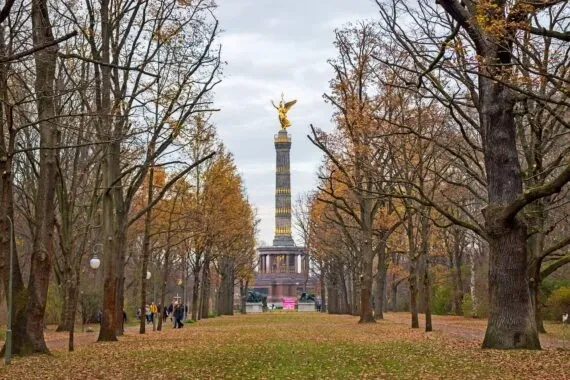
Los 11 Mejores Parques en Berlín: los Pulmones Verdes de la Ciudad más Populares
Veremos los 11 parques y jardines imprescindibles de Berlín. Recorreremos los espacios verdes más emblemáticos de la ciudad, desde Tiergarten hasta Tempelhofer Feld.
Practical Tips • History • 13 min. de lectura
Una guía del transporte público en Berlín
Metro, tranvías, autobuses, trenes: Todo lo que necesitas saber sobre el transporte público en la capital alemana.
Practical Tips • 6 min. de lectura
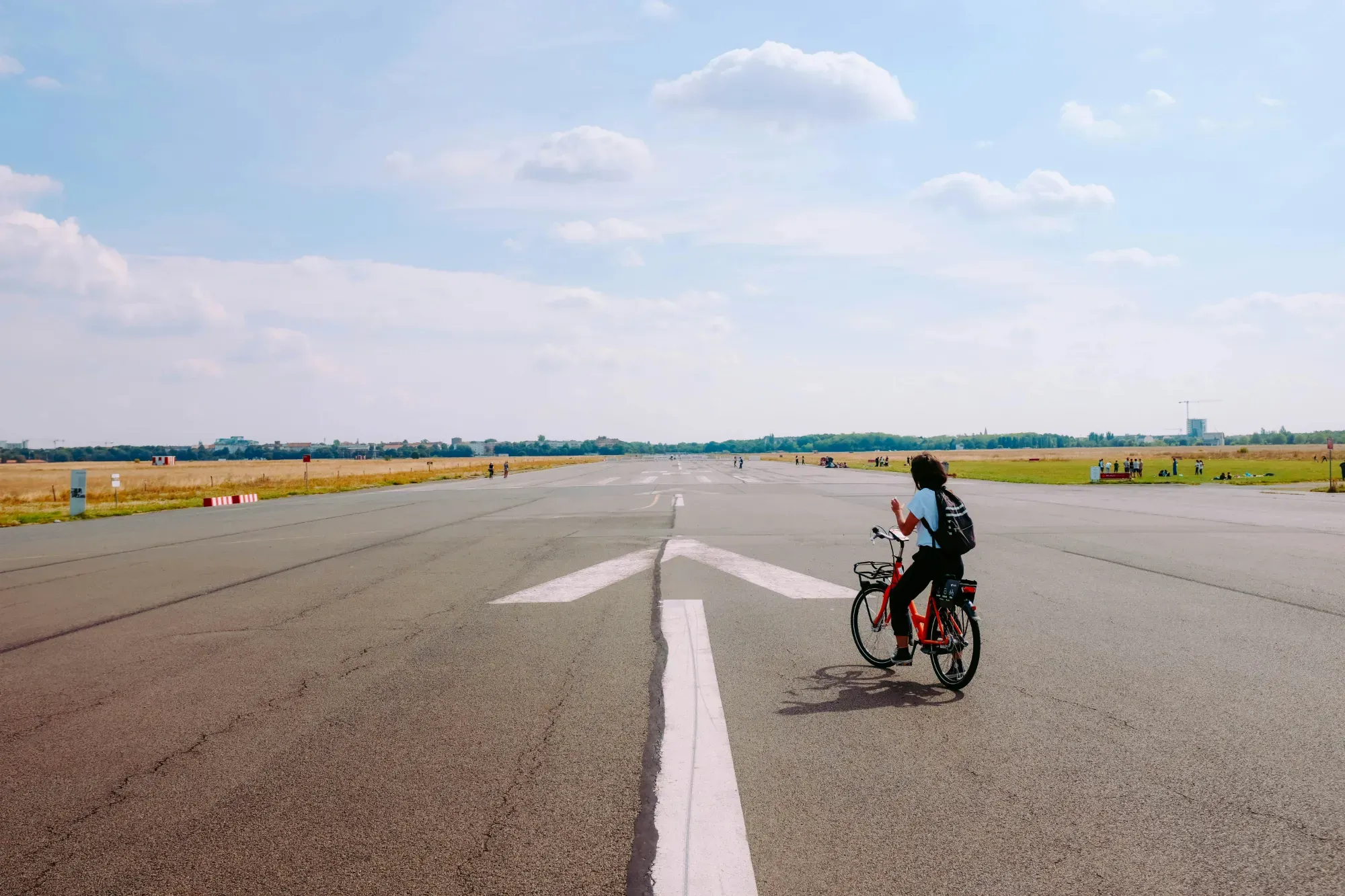
¿Es Berlín recomendable para familias? Guía de parques, museos y transporte
¿Planeas un viaje en familia a la capital de Alemania? Descubre los amplios parques de Berlín, sus museos interactivos y consejos prácticos para usar el transporte público con niños en esta guía.
Culture • 3 min. de lectura
Berlín tras el Muro: Los orígenes de la cultura alternativa
Descubre cómo la caída del Muro en 1989 transformó Berlín en un epicentro de arte urbano, techno y cultura alternativa aprovechando los espacios abandonados.
Culture • Practical Tips • 4 min. de lectura
Los 7 mejores souvenirs para comprar en Berlín
Tu guía para los mejores souvenirs de Berlín. Aquí encontrarás auténticos recuerdos de la RDA, figuras de Ampelmann, salsa Currywurst y láminas de arte urbano local.
Nuestras ciudades
57Los mejores free tours a pie y visitas de pago

© 2025 Walkative. Todos los derechos reservados.