A Practical Guide to the City’s Neighborhoods
From historic Plaka to alternative Exarcheia, explore the city's distinct neighborhoods to find the area that suits you best.
6 min. read
Looking at Athens from above, we might think that the city is a large jungle of cement. However, if you look more closely, each area is a mini-village in itself, with its own history and identity. Here is a guide to the central neighbourhoods of Athens, to help you choose where to stay or what to do in the city!
Plaka and Anafiotika: The Historic Core
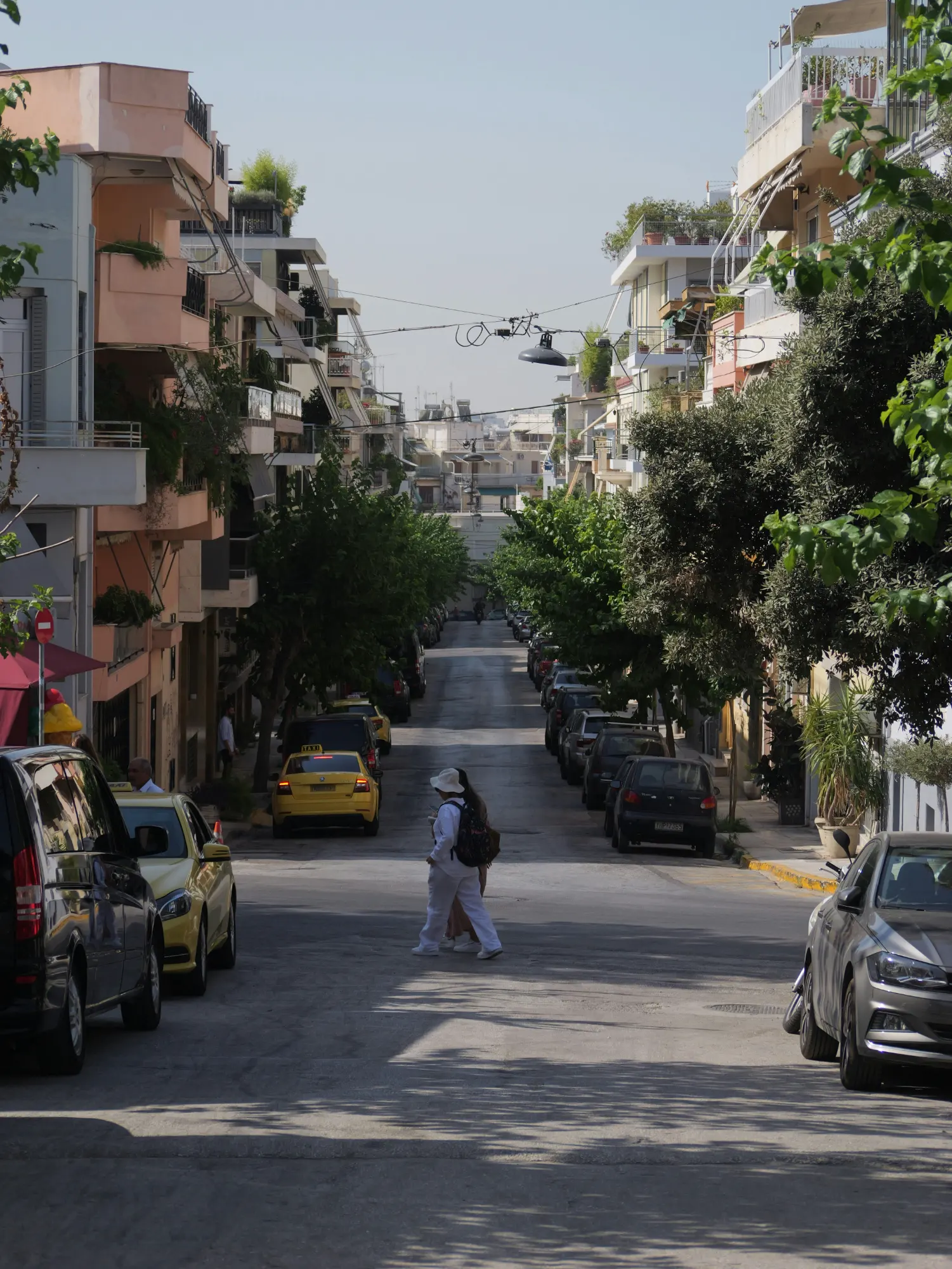
If you are looking for the romantic Athens of postcards, Plaka is where you belong. Known as the "Neighborhood of the Gods" due to its proximity to the sacred rock of the Acropolis, this is the oldest continuously inhabited district in the city. While it can be heavy on tourism, its labyrinthine streets lined with bougainvillea and neoclassical ochre buildings are undeniably beautiful. You visit Plaka to feel the weight of history and to enjoy the slow pace of a pedestrianized world free from the city's notorious traffic.
Hidden just above Plaka is the secret district of Anafiotika, which offers a completely different identity. Built in the 19th century by masons from the Cycladic island of Anafi, this tiny cluster of whitewashed cubic houses looks exactly like a Greek island village transported to the sloping rock of the Acropolis. It is quiet, serene, and offers some of the best panoramic views of the sprawling city below.
Why you should visit: For the ultimate romantic stroll and to see the "island within the city."
Places of interest: The Roman Agora, the Museum of Greek Folk Musical Instruments, and the winding stairs of Anafiotika.
Monastiraki and Psirri: Markets and Nightlife
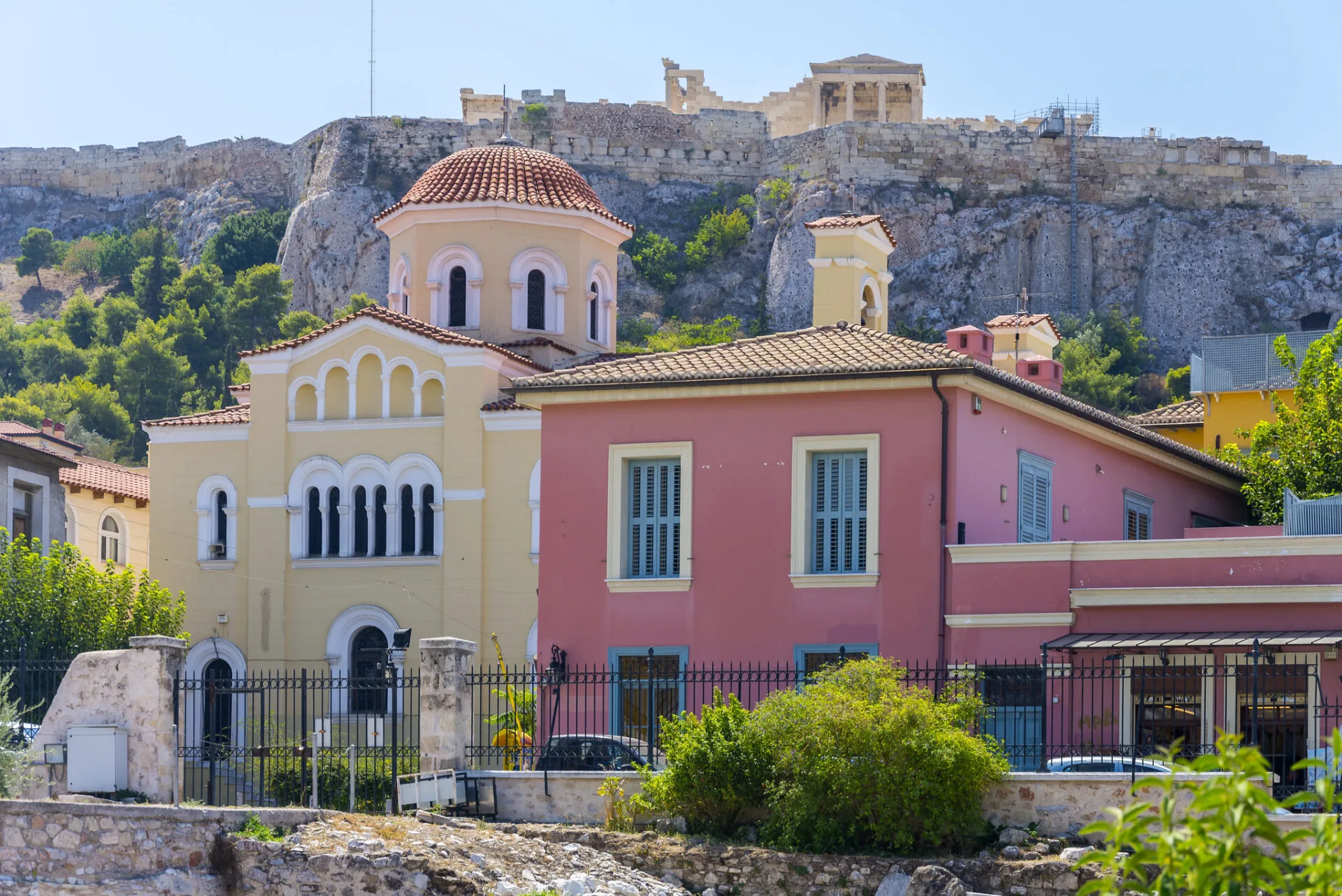
Descending from the historic heights, you enter the vibrant commercial heart of Monastiraki. This area is defined by its energy; it is a sensory overload of flea markets, antique dealers, and the smell of grilling souvlaki. It is the place to hunt for vinyl records, old coins, and leather sandals.
However, just across Ermou Street lies Psirri, a neighborhood with a grittier, transforming identity. In the 18th century, "Mangas" – petty criminals who smoked hash and wreaked general havoc ruled the neighborhood. The most famous Mangas group, the "Koutsavakides", were recognizable by their long mustaches, pointy-toed boots, tights pants, and a broad sash which hid their weapons. Using Psiri as their base, they terrorized Athens for 50 years before an initiative by the Prime Minister in 1893 drove them out.
Now, Psirri is a fascinating mix where old-school copper workers and basket weavers operate next to trendy industrial-style lofts and street art galleries. As the sun sets, the volume rises. The streets fill with locals dining at mezedopoleia (small plate restaurants) accompanied by live Rembetiko music. It offers a funky, bohemian vibe that feels authentic and alive.
Why you should visit: To inspect the eclectic street art and experience the city's best evening atmosphere.
Places of interest: Monastiraki Flea Market (Avissinias Square), Heroes Square in Psirri, and the Little Kook cafe.
Koukaki: Local Atmosphere and Modern Dining
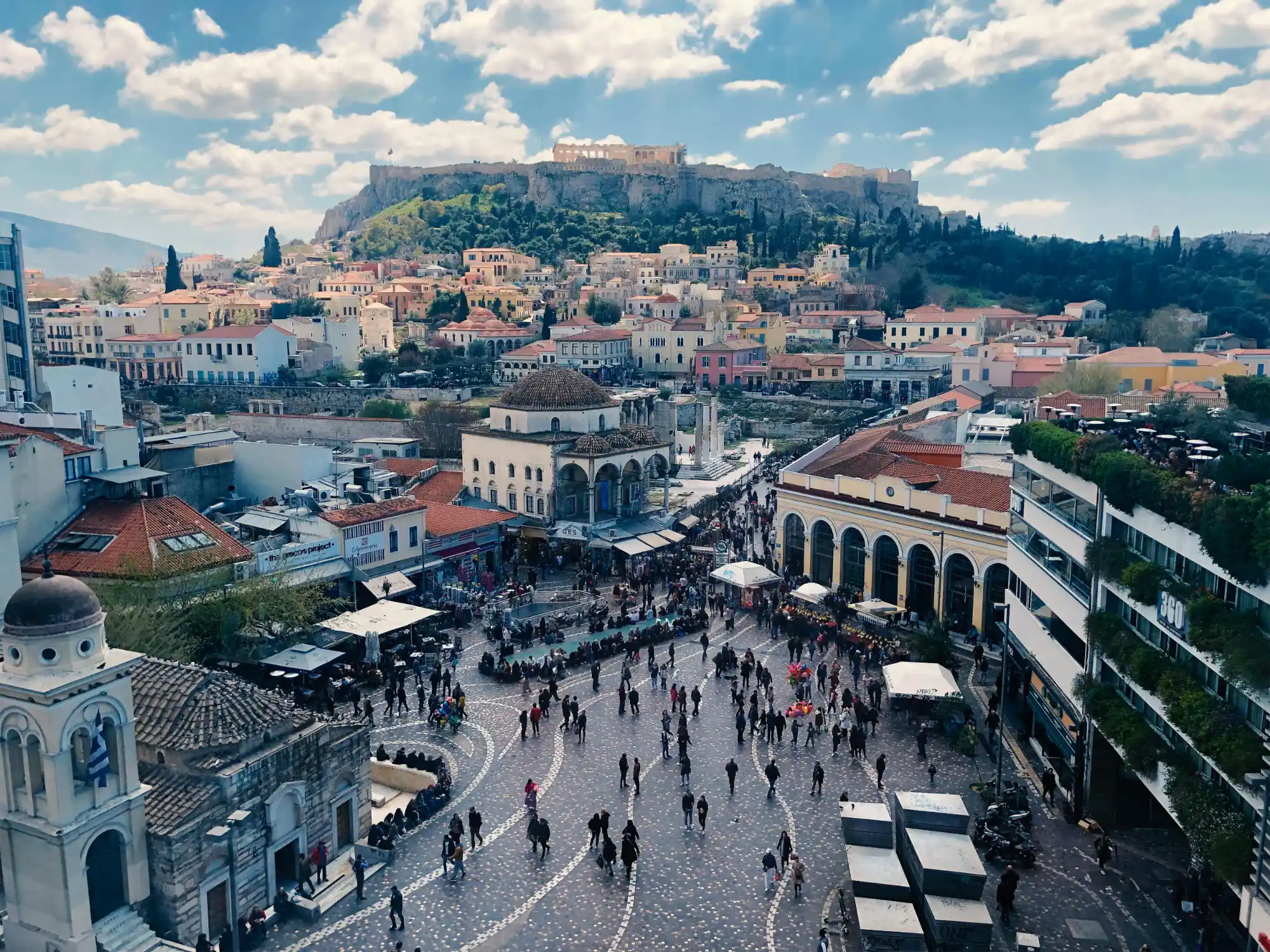
Move south of the Acropolis and the glitz of tourism fades into the relaxed, sophisticated cool of Koukaki. This residential neighborhood has rapidly evolved into one of the trendiest spots in Europe, yet it maintains a distinct "neighborhood" feel. You should come here if you want to see how modern Athenians live. The streets are lined with bitter orange trees, and the sidewalks are always bustling with people enjoying the city's exploding brunch and coffee culture.
Koukaki offers a perfect balance: it is within walking distance of the major sights but lacks the frantic crowds of Plaka. It is celebrated for its pedestrian walkways, specifically Drakou and Georgiou Olympiou streets, which act as open-air living rooms for the locals. Here, you will find concept stores, design studios, and some of the most innovative cocktail bars in the city.
Why you should visit: For a laid-back afternoon coffee and arguably the best brunch scene in Athens.
Places of interest: The Acropolis Museum, the National Museum of Contemporary Art (EMST), Django for the best ice cream in Athens.
Exarcheia: The Alternative Scene
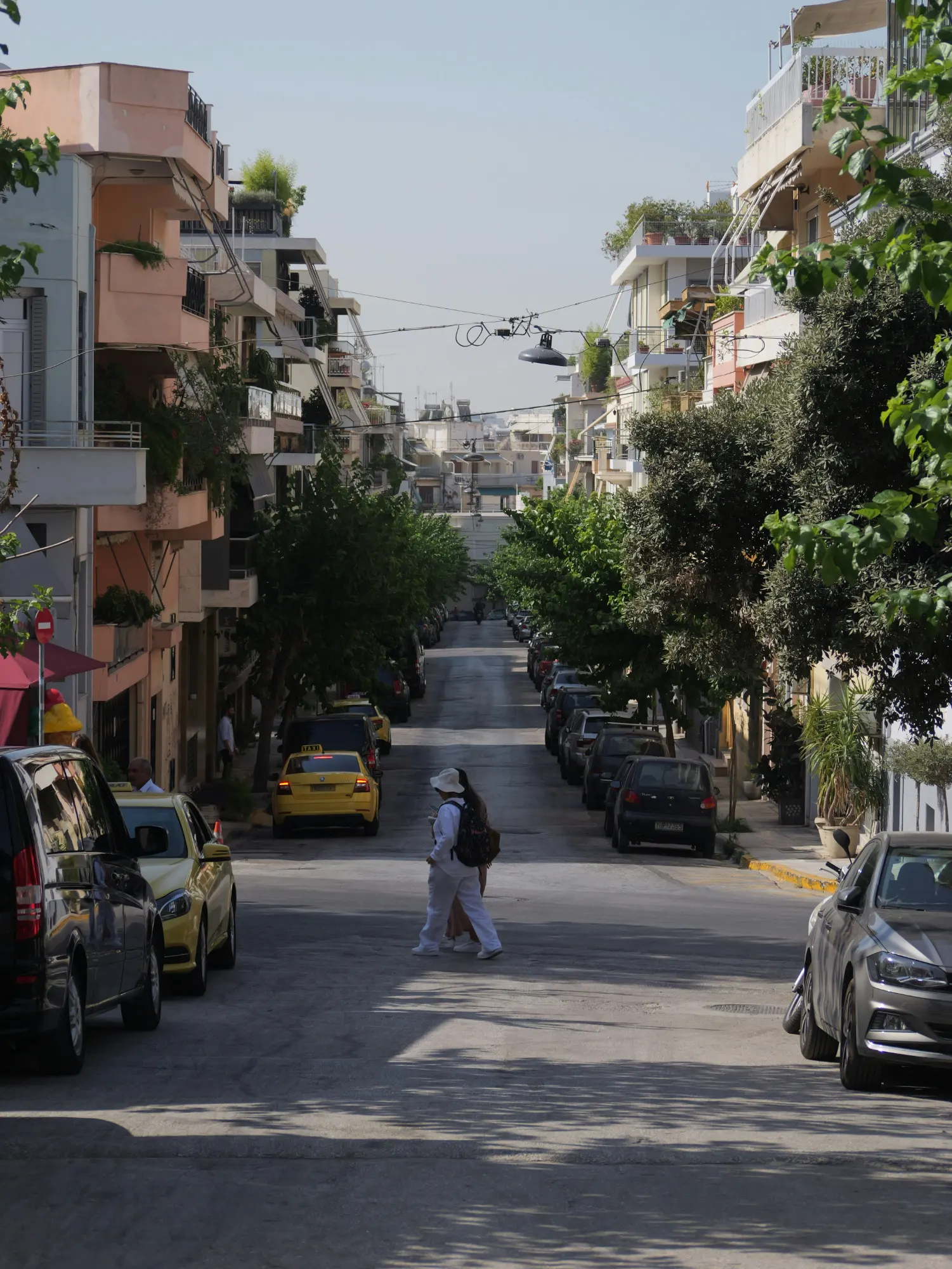
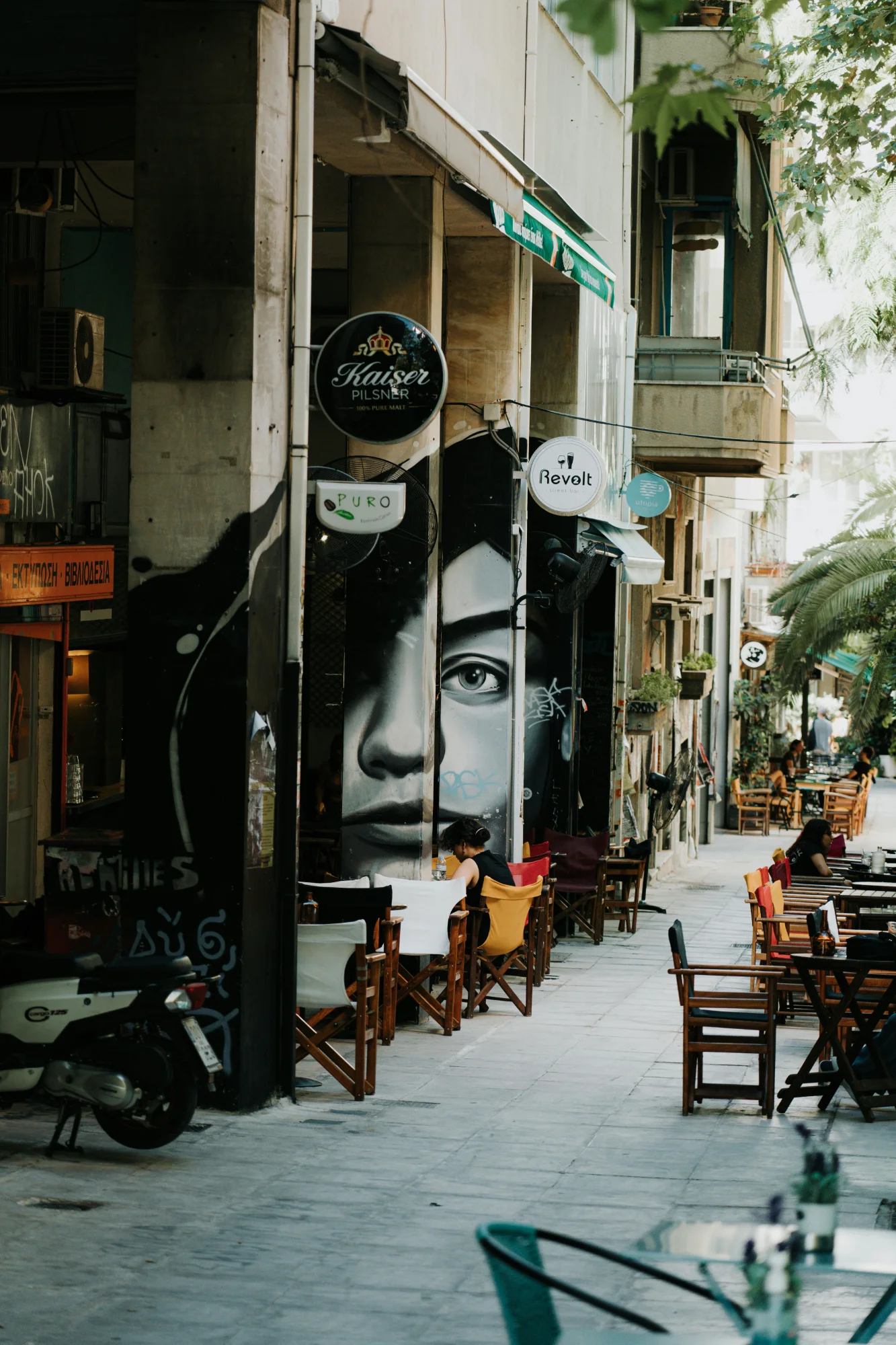
Exarcheia is often misunderstood, usually depicted solely through the lens of its turbulent political history as the home of Greek anarchism and student resistance. While it does have a gritty edge and walls covered in political graffiti, it is also the intellectual heart of Athens. You should visit Exarcheia if you are interested in counter-culture, vintage treasures, and engaging conversations. It is a neighborhood that refuses to gentrify quietly, retaining a raw authenticity that is rare in European capitals.
Beyond the politics, Exarcheia is a haven for bibliophiles and music lovers. It boasts an incredible concentration of independent publishing houses, dusty bookstores, and shops selling rare vinyl and guitars. The vibe here is communal and defiant. You won't find luxury chains; instead, you find cooperatively run cafes and incredible, inexpensive food catered to the local student population.
Why you should visit: To experience the city's artistic resistance and browse incredible independent bookstores.
Places of interest: The National Archaeological Museum (bordering the area), and Ama Lachei restaurant for dining.
Kolonaki: Museums and Chic Boutiques
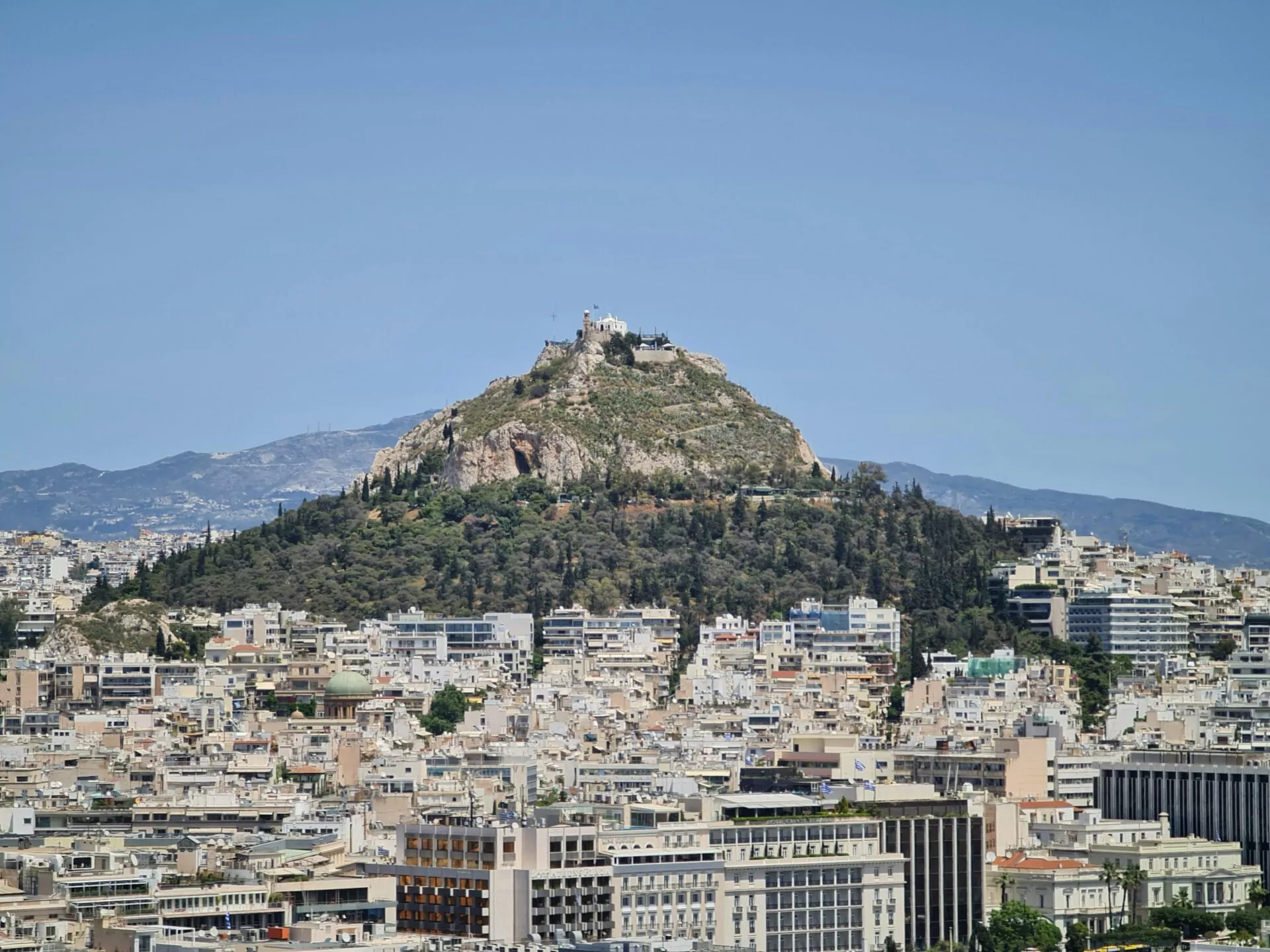
If Exarcheia is the rebellious student, Kolonaki is the polished aristocrat. Located at the foot of Lycabettus Hill, this remains the most upscale neighborhood in central Athens. The streets here are lined with high-end international boutiques, private galleries, and neoclassical embassies. You come to Kolonaki to indulge in luxury, whether that means window shopping for designer brands or sipping a meticulously prepared cappuccino in a square frequented by politicians and socialites.
However, Kolonaki is not just about consumption; it is arguably the cultural powerhouse of the city. It hosts a dense concentration of world-class museums within a few city blocks. The architecture here is grander and the streets are cleaner, offering a respite from the chaotic energy of downtown. It represents the cosmopolitan face of Athens, blending European finesse with Greek hospitality.
Why you should visit: To explore world-class art collections and enjoy people-watching in a glamorous setting.
Places of interest: The Benaki Museum of Greek Culture, the Museum of Cycladic Art, and the Funicular Railway to Lycabettus Hill.
Practical Tips for Moving Between Neighborhoods
Navigating between these diverse districts is surprisingly easy, as the center of Athens is compact and highly walkable. You can walk from the upscale streets of Kolonaki to the grit of Exarcheia in less than ten minutes, crossing invisible borders that change the atmosphere instantly. However, be prepared for uneven pavements and marble sidewalks that can be slippery; comfortable, flat walking shoes are an absolute necessity for exploring the city's hills and cobblestones.
For longer distances, the Athens Metro is your best friend. It is reliable, safe, and often acts as a museum itself, with stations like Syntagma and Monastiraki displaying ancient artifacts found during construction.
To have an enhanced experience exploring the neighbourhoods of Athens, a tour with Walkative is the perfect solution. We love sharing all the details you usually miss exploring on your own!