Experiencing Easter in Krakow: Local Customs and the Emaus Tree
Krakow is a city where centuries of history and living culture meet, and the Easter season offers a clear view of this unique character. While many visitors are familiar with Polish Easter staples…
history • food • culture • tours • 4 min. read
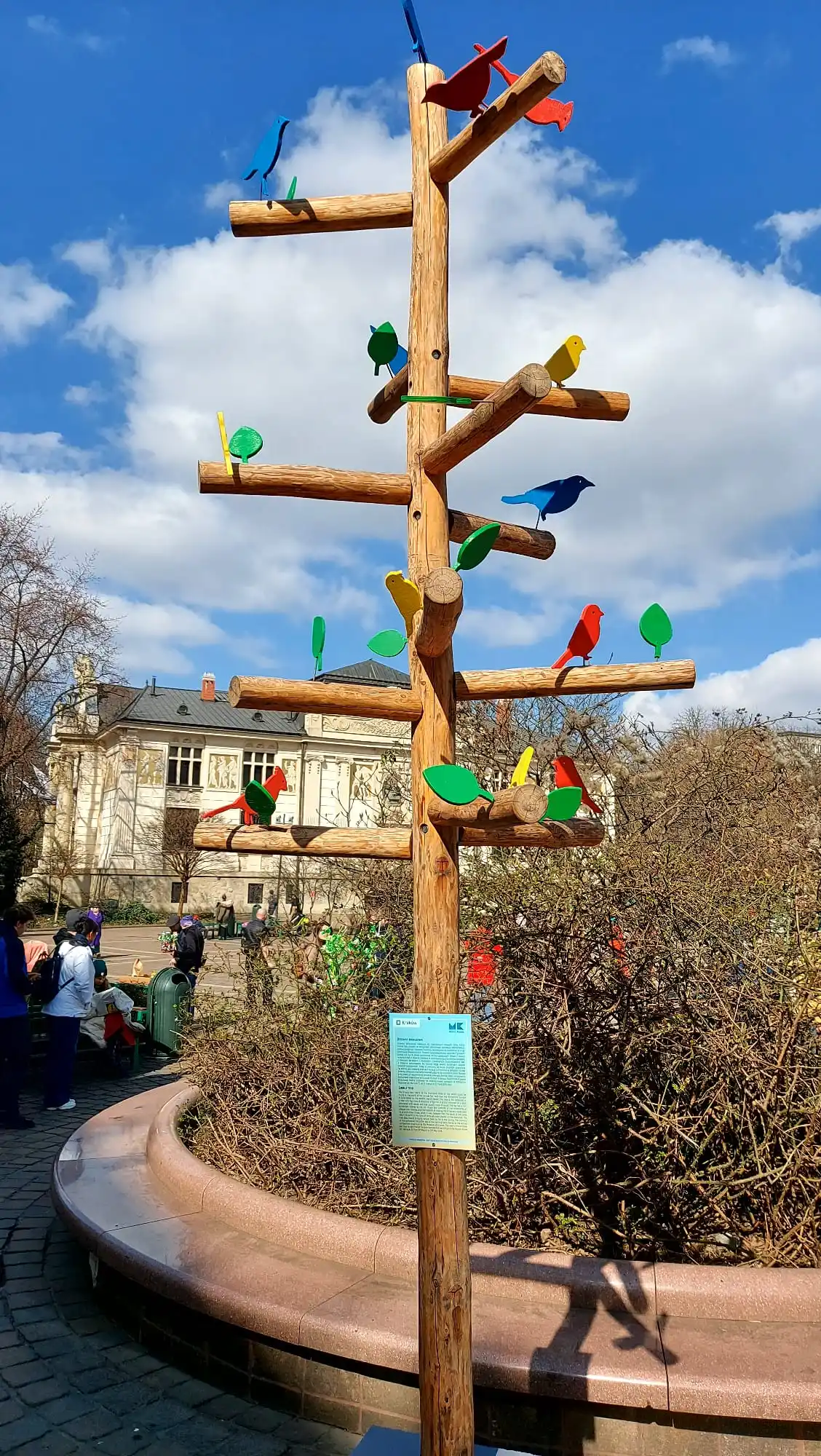
The Emaus Tree: Krakow’s Unique Symbol of Spring
These handcrafted wooden trees are created from natural branches and densely decorated with colorful ribbons, dried flowers, paper ornaments, and traditional figurines. Visually striking, their vertical form acts as a symbol of life, growth, and rebirth.
The tradition has historical roots in the Emaus fair, a centuries-old Easter Monday gathering held near the Zwierzyniec district. Originally commemorating the biblical journey to Emmaus, the fair gradually evolved into a lively folk event. Today, local artists and craftsmen continue to build and reinterpret these trees. When displayed together, particularly around the Main Market Square, they serve as a colorful reminder of Krakow's ability to keep its heritage alive and evolving.
Traditional Polish Easter Customs
The Easter calendar in Krakow is anchored by several essential Polish practices. The season opens on Palm Sunday (Niedziela Palmowa), characterized by processions and local competitions showcasing tall, brightly colored handmade palms.
On Holy Saturday, the focus shifts to święconka. Families prepare small woven baskets lined with lace and filled with symbolic foods (such as eggs, bread, salt, and sausage) bringing them to local churches to be blessed. Interestingly, this set of dishes has its origins in Jewish tradition – the Passover celebration is similar, although most Catholics seem unaware of this.
Following a family-focused Easter Sunday, the holiday concludes with Easter Monday's Śmigus-Dyngus. This playful custom involves splashing friends and family with water, a practice historically meant to symbolize purification and the renewal of spring. Watch out! No one is safe then, and young people in particular love to have proper water fights. You don’t want to end up with a bucket of water over your head!
Eamaus Fair and other public events - how to find them?
For those visiting during the holiday, the city's public events offer an accessible way to experience local folklore. The historic Emaus Fair (Odpust Emaus) takes over the streets with traditional craft stalls, regional food, and a festive, lively atmosphere. To take part, head to the Church of the Norbertine Sisters in Zwierzyniec, also known as the Church of St Augustine and St John the Baptist – it’s just a short walk from Wawel and the Vistula boulevards.
A key visual highlight is the Emaus Tree Competition and Exhibition, which displays the most impressive and creative interpretations of the wooden trees. From 10 April to 14 May, this year’s trees will be on display in the arcade of Krzysztofory Palace - right there on the Main Market Square. Check the Museum's website for the tickets.
Additionally, the Main Market Square hosts comprehensive Easter markets throughout the season. Here, visitors can browse stalls offering regional foods, handmade decorations, and local crafts, providing a practical and engaging way to participate in the city's holiday preparations.
Classic Polish Easter Foods
Food is central to Polish Easter, with tables featuring deeply rooted seasonal flavors. Standard holiday dishes include żurek, a distinctive sour rye soup often served with boiled eggs and sausage, as well as an array of smoked meats. Desserts are equally important, particularly mazurek, a traditional flat cake heavily decorated with nuts, dried fruit, and icing.
To understand the context behind these meals, visitors can join a guided Traditional Polish Food Tour. Walking through the Old Town and stopping at local eateries provides an opportunity to try authentic food samples while learning the stories and customs behind Poland's culinary heritage directly from a local guide.
Easter in Krakow offers far more than a standard holiday break; it is a time when the city’s identity and community spirit are most visible. By exploring its historic markets, understanding traditions like the Emaus Tree, and tasting the local cuisine, you can really get a feel for the rhythm of life in Kraków and experience it through the eyes (and taste buds!) of the locals. Don’t miss out on this time of year – come and discover Kraków with us!