La Latina: A Guide to Madrid's Medieval Neighborhood
Wander the winding medieval streets of La Latina. From Sunday’s El Rastro market to evening tapas on Cava Baja, experience the authentic soul of Madrid.
3 min. read
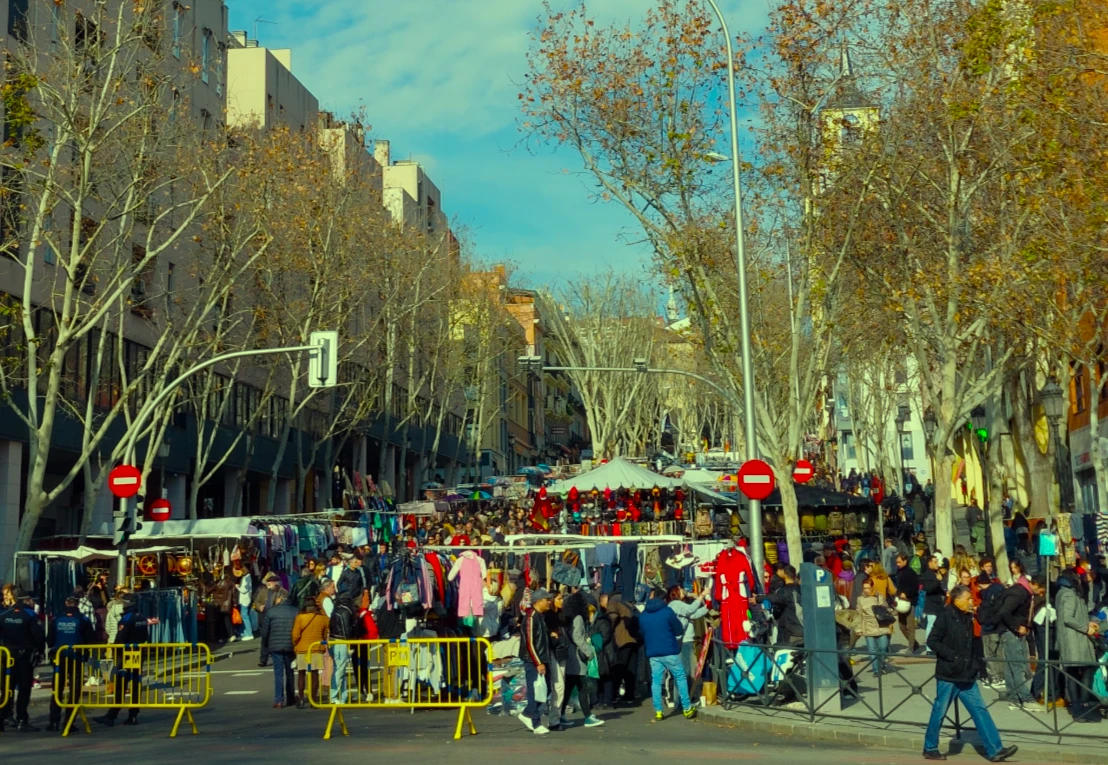
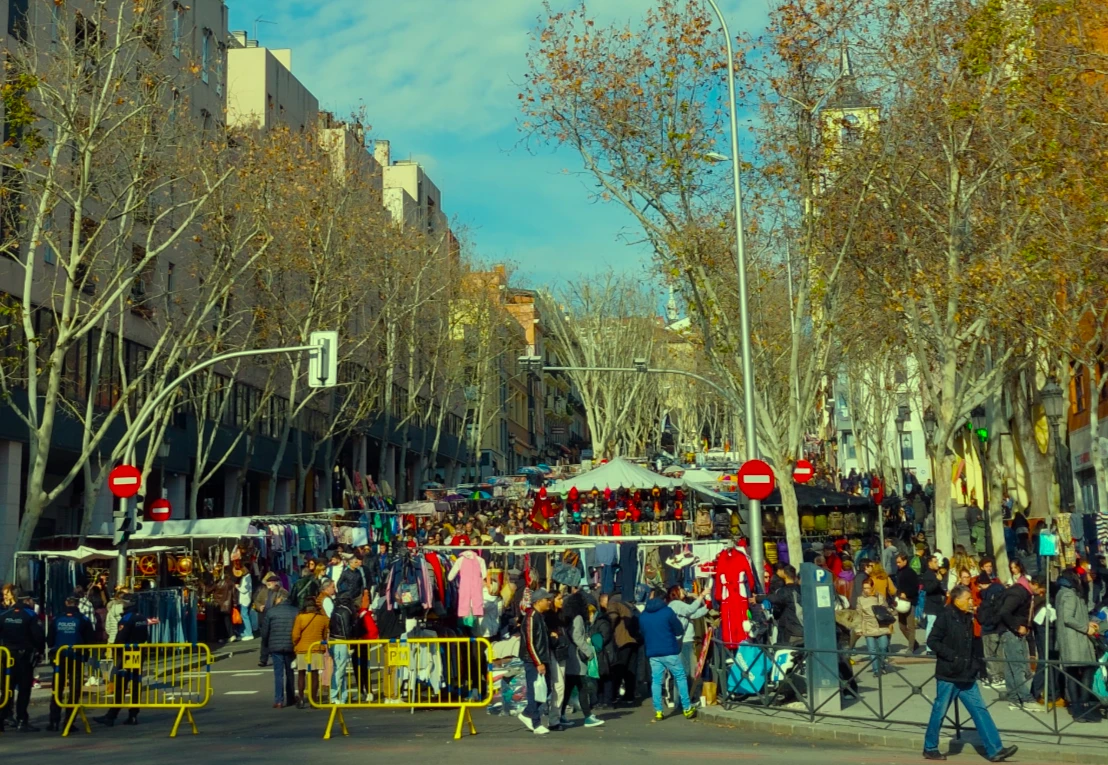
📝 Caption: Every Sunday, the streets of La Latina come alive with the bustling stalls of the famous El Rastro open-air market.
La Latina: Madrid’s Medieval Heart
La Latina stands as one of the most traditional neighborhoods in the city of Madrid. Located directly in the center, its layout is a testament to the city's history, with winding streets of medieval origin that invite exploration. It is a district that feels both ancient and vibrantly alive.
The daily life of the neighborhood revolves primarily around two historic squares: Plaza de La Cebada and Plaza de La Paja. These gathering spots act as the anchors for the surrounding area, connecting the labyrinth of streets that reflect the true, popular spirit of the capital.
Historical Origins and City Walls
The current neighborhood corresponds to what was the very first urban area of Madrid during the Middle Ages. In its day, this was a working-class zone, mainly occupied by artisans and day laborers who formed the backbone of the city's early economy.
History enthusiasts walking through La Latina can still witness this deep heritage. Even today, you can see visible remains of the ancient wall that once surrounded the citadel, offering a tangible connection to the medieval era amidst the modern city.
Tapas Culture and Nightlife
The streets of this neighborhood reflect the most popular side of Madrid, making it a favorite destination for locals. It is renowned for its high concentration of bars, pubs, and charming traditional taverns. Streets such as Cava Baja and Cava Alta are absolute must-visits for food lovers.
Although La Latina is usually lively all the time, the atmosphere becomes particularly noteworthy during evenings and weekends. It is the perfect place to enjoy the local culture of socializing over tapas and drinks in a vibrant setting.
El Rastro Market and La Paloma Festivities
Every Sunday, the tranquility of the morning is replaced by the bustle of the Rastro de Madrid. This famous open-air market takes over the surrounding streets, attracting crowds looking for antiques, curiosities, and bargains in one of the city's most iconic traditions.
Another excellent time to visit is around August 15th for the Virgen de La Paloma festivities. These are among the most traditional celebrations in Madrid, where the streets fill with revelry and popular street parties. You will see many locals dressed in traditional costumes, known as chulapos and chulapas, honoring their heritage.
Landmarks and Views: Las Vistillas and the Basilica
Beyond the social scene, La Latina is home to significant architectural landmarks. The Royal Basilica of San Francisco el Grande is a key site of interest, offering visitors a look at grand religious architecture.
For the best views in the neighborhood, head to Las Vistillas Park. It is a highly recommended spot to enjoy the sunset, providing a stunning backdrop that features the Cathedral of Santa María la Real de la Almudena silhouetted against the evening sky.
The Modern Madrid Tour
For those who wish to explore La Latina or other districts with a personal guide, the Modern Madrid: Culture & Iconic Neighbourhoods tour is an excellent option. This private experience allows you to set the theme, route, and pace according to your own interests.
This tour is perfect if you have limited time or prefer a small group setting with friends. Whether you want to start at your hotel or a specific landmark, the guides help you plan a tour that fits your needs, covering any area from the historic center to modern districts.