A Traveler's Guide to Lisbon's Authentic Food Scene
Explore the culinary traditions of Lisbon. This guide covers essential local snacks, iconic pastries, regional wines, and practical tips for dining authentically in the Portuguese capital.
Food • 5 min. read
Last edited:
Lisbon’s culinary identity is deeply connected to its geography and history. As a city facing the Atlantic, its kitchens rely heavily on the sea, while its centuries-old trade routes introduced spices that still define local flavors today. Eating in the Portuguese capital is rarely about formal fine dining; rather, it is an opportunity to enjoy simple, quality ingredients prepared with methods passed down through generations.
An Introduction to Lisbon's Food Scene
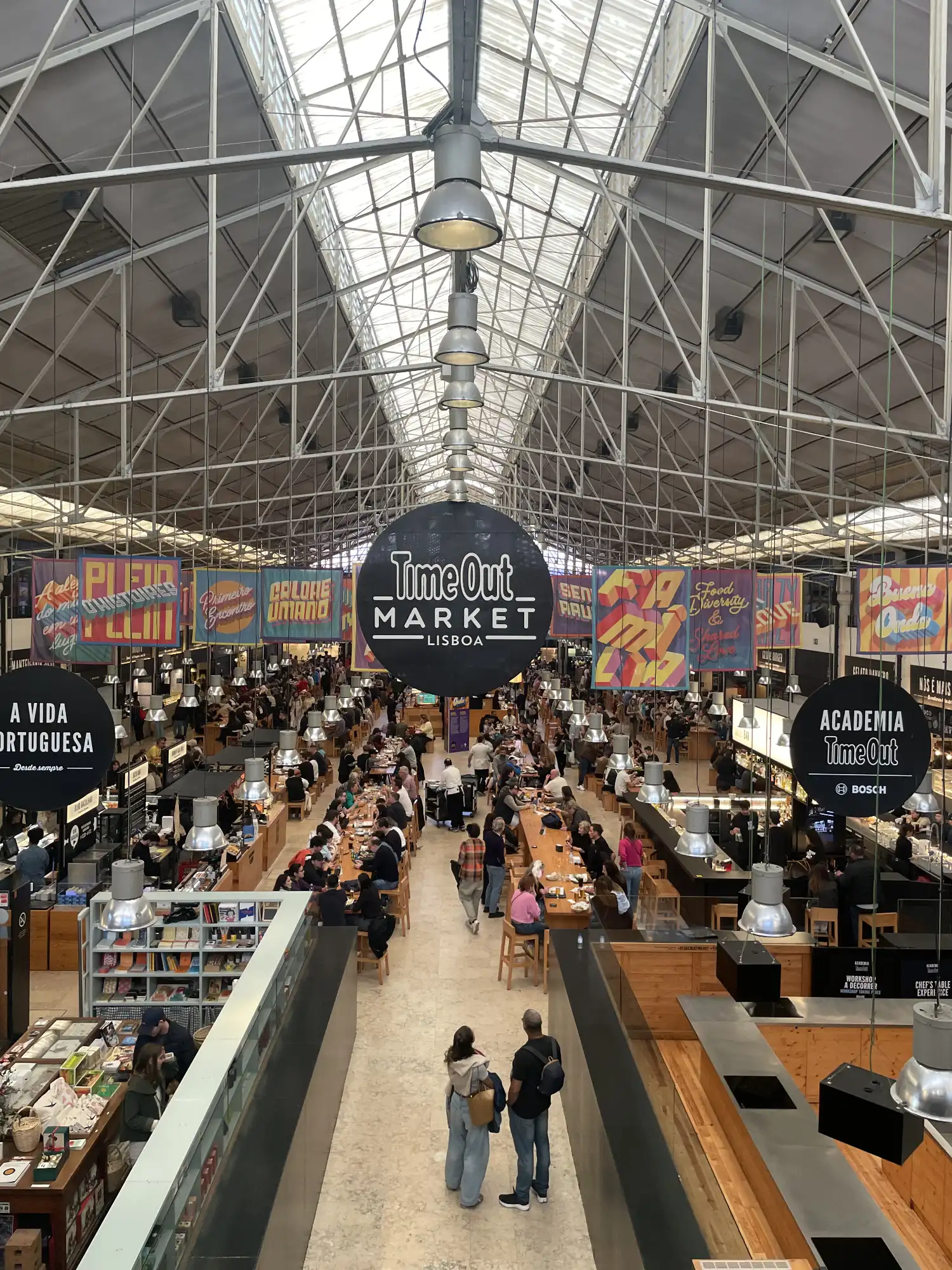
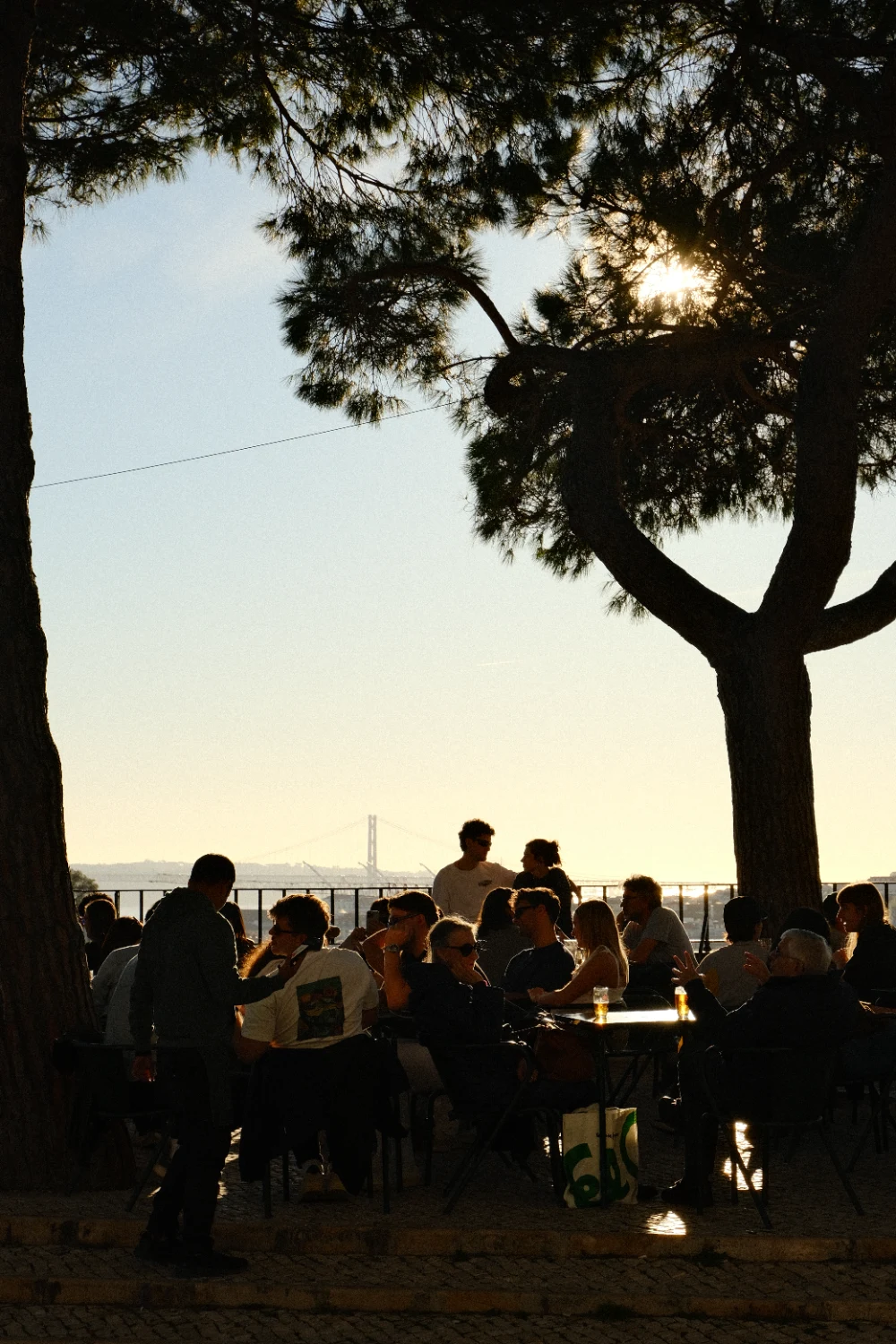
Dining in Lisbon is characterized by straightforward, hearty cooking that highlights the natural flavors of regional ingredients. The city's food culture blends Atlantic seafood, robust olive oil, garlic, and fresh herbs like cilantro. Meals here are often social events, enjoyed slowly in small, unfussy neighborhood taverns known as tascas.
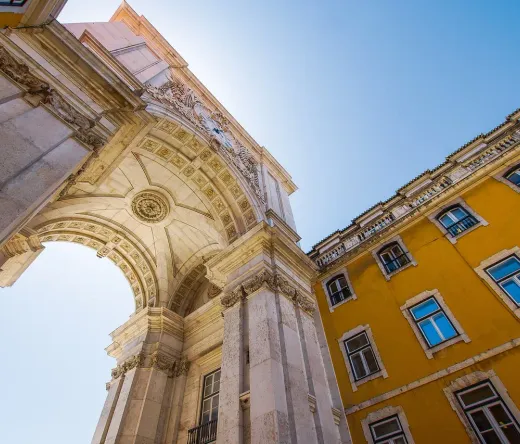
Exploring the historic center, from Baixa’s grand squares to the winding alleys of Alfama, offers a practical way to observe this food culture firsthand. A guided walking tour through these old town districts can help orient you, pointing out traditional eateries hidden among the terracotta-roofed buildings before you decide where to sit down for a meal.
Essential Savory Snacks: Bifana and Chouriço
When walking through the city, two savory staples stand out as reliable, quick snacks. The first is the bifana, a flavorful sandwich made from thin slices of pork that have been marinated in white wine, garlic, and paprika, then served in a soft bread roll. It is frequently customized by locals with a squeeze of mustard or piri-piri sauce.
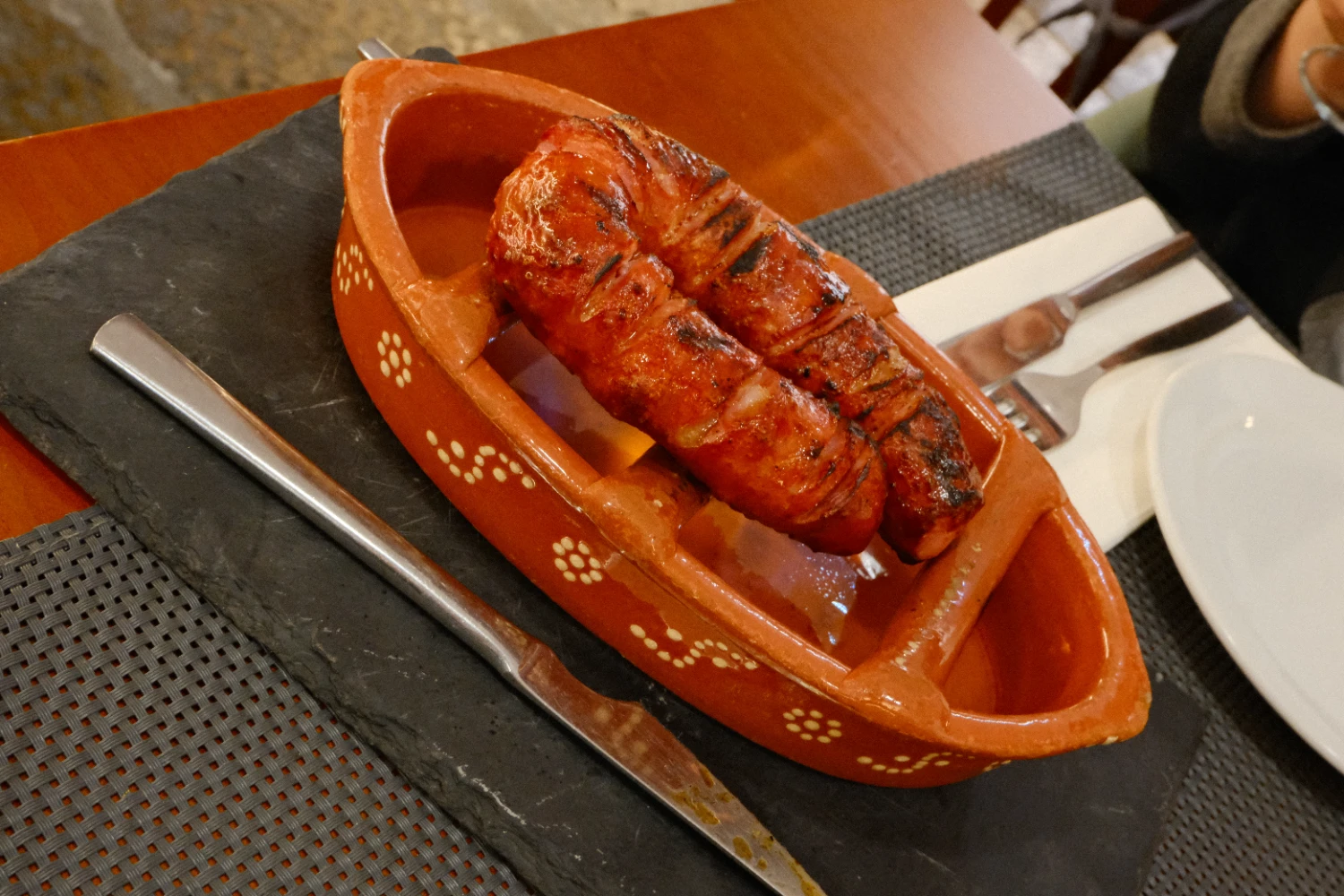
The second is chouriço, a traditional Portuguese smoked sausage seasoned with garlic and paprika. It is often served grilled over an open flame directly at the table in a special clay dish, or sliced into hearty stews. Both are widely available and offer a filling option for travelers on the go.
The Tradition of Portuguese Tinned Fish
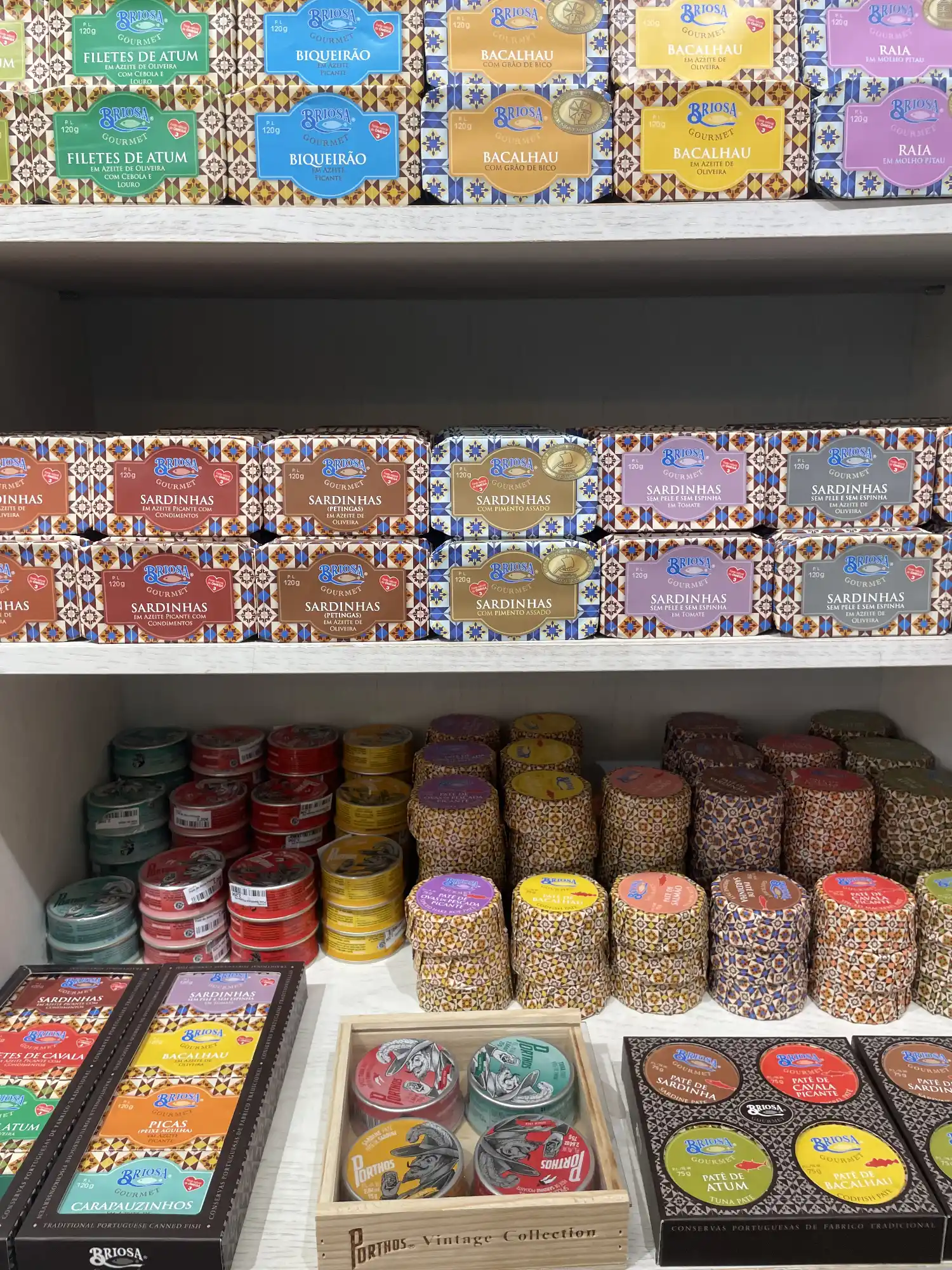
In many parts of the world, canned seafood is viewed simply as a basic pantry item, but in Portugal, tinned fish—or conservas—is a highly respected culinary tradition. The canning industry here developed to preserve the abundant catch from the Atlantic, resulting in a gourmet product focused strictly on quality and flavor.
Visitors will find shops dedicated entirely to beautifully packaged tins of sardines, mackerel, tuna, and octopus, typically preserved in premium olive oil, tomatoes, or spices. Locals often enjoy conservas served simply with fresh bread and a glass of wine, making it an excellent, low-effort appetizer to try while in the city.

The Iconic Sweet: Pastéis de Nata
The pastel de nata is widely considered Lisbon's signature sweet. These small custard tarts were originally created by monks in the 18th century, who utilized leftover egg yolks after using the egg whites to starch their religious habits.
A proper pastel de nata features a crisp, flaky puff pastry shell filled with a smooth, rich egg custard. The top should be blistered and slightly caramelized from a very hot oven. They are best eaten warm, usually dusted with a pinch of cinnamon and powdered sugar, and are traditionally paired with a strong, short espresso at a local café.
Local Drinks: Portuguese Wine and Ginjinha
Portugal produces an impressive variety of wines, making it easy to find a suitable pairing for any meal. From the crisp, lightly sparkling Vinho Verde produced in the north to the full-bodied reds of the Douro and Alentejo regions, local wine is accessible, high-quality, and a standard accompaniment to lunch and dinner.
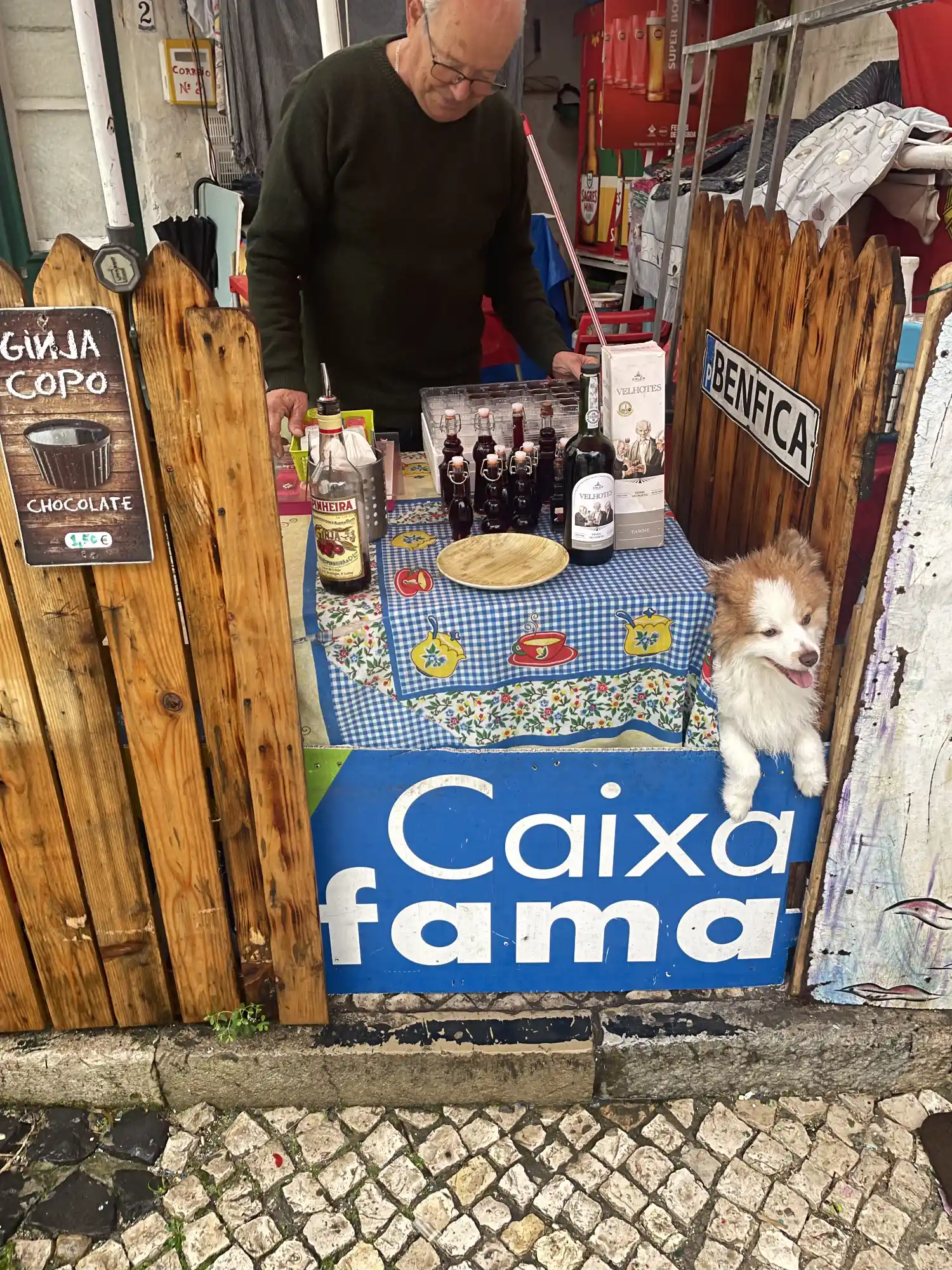
To conclude a meal or a guided walk through the old town, many locals and visitors stop for a shot of ginjinha. This sweet, ruby-colored liqueur is made by infusing sour cherries in alcohol, sugar, and spices. It is served in small glasses, sometimes with a cherry at the bottom, and can be found in tiny storefronts throughout Baixa and Alfama.
Practical Tips for Eating in Lisbon
Understanding local dining habits can improve your experience in Lisbon. Lunch is typically served between 1:00 PM and 3:00 PM, while dinner usually starts later, around 8:00 PM or 9:00 PM. Many traditional restaurants close in the late afternoon to prepare for the evening service.
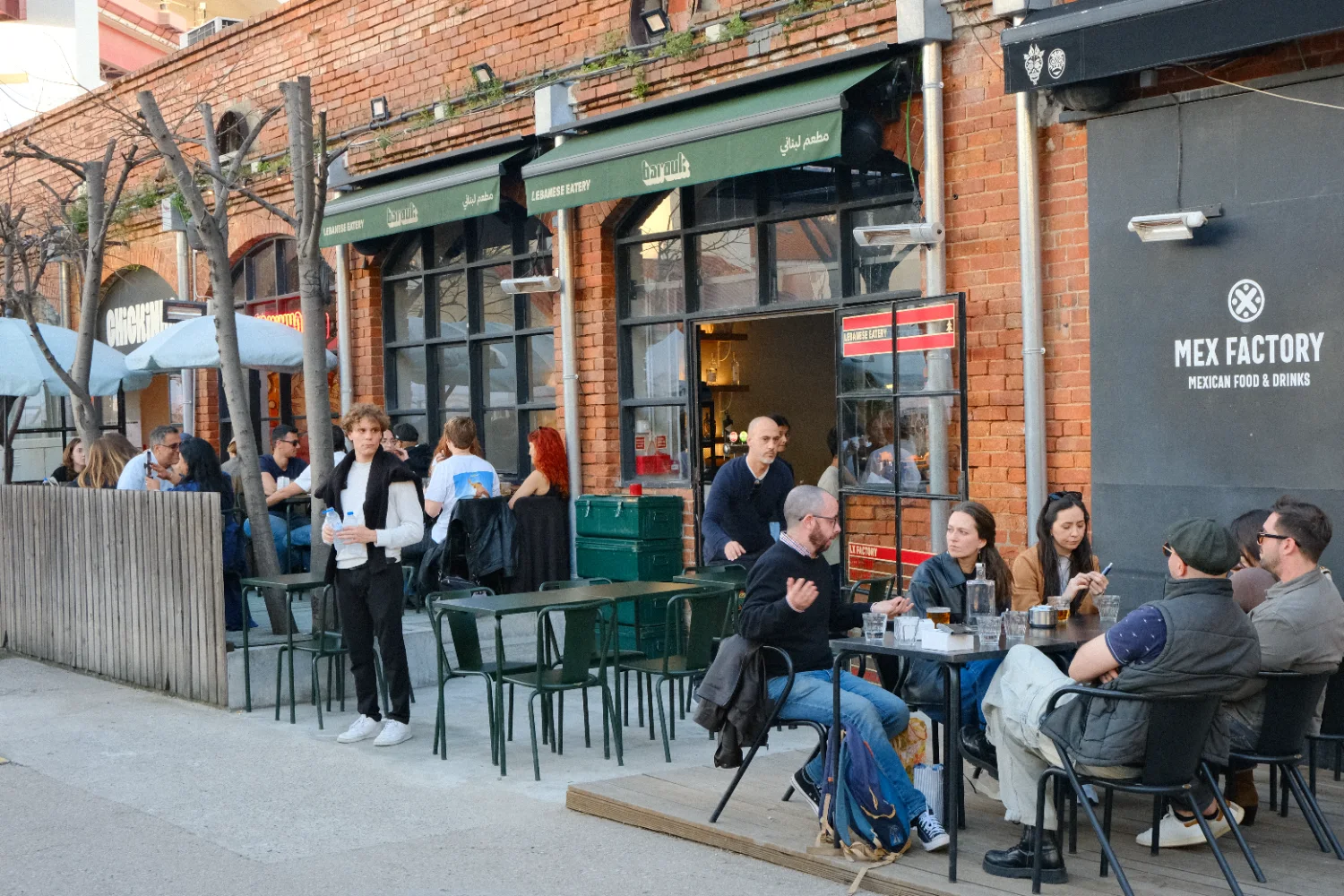
When sitting down at a restaurant, you may be brought bread, olives, or cheese before ordering. These starters, known as the couvert, are not complimentary; you are only charged if you choose to eat them. To find authentic food, venture slightly away from major tourist squares and look for modest establishments where the daily menu is handwritten on paper tablecloths or blackboards.
Lisbon’s food scene is a direct reflection of its history, geography, and daily rhythms. From a quick espresso and pastel de nata in the morning to a shared meal of fresh seafood and regional wine in the evening, eating here is an exercise in appreciating well-crafted flavors. Taking the time to explore these culinary traditions provides a helpful window into the city and the people who call it home.
Related stories
Practical Tips • Food • 6 min. read
A food lover's guide to Warsaw: 13 traditional dishes and where to find them
A guide to 13 traditional dishes in Warsaw. Learn where to find authentic pyzy in a jar, wuzetka cake, żurek, and pierogi at local restaurants.
Practical Tips • Food • 6 min. read
The Food of Athens & Where to Find It: A Local’s Guide
Athens offers an incredible food scene. From traditional tavernas that serve classic Greek dishes to tasty street food and specialities reflecting centuries of cultural exchanges, you will love exploring Athens with your mouth. Explore vibrant, bustling food markets for fresh ingredients and discover hidden culinary gems! With this list, the Walkative team helps you eat like a true Athenian.
Practical Tips • Food • 10 min. read
Food Lover’s Rome – A Culinary Guide to the Eternal City
Explore Rome's culinary delights. Discover authentic trattorias, navigate local markets, and taste traditional dishes with this essential food guide.
Culture • Food • 9 min. read
Food in Berlin: 11 traditional German dishes
Explore food in Berlin with this guide to 11 traditional German dishes. Learn about authentic local meals and what to eat during your visit.
Practical Tips • Food • 6 min. read
6 iconic dishes to try in Nice, France and where to find them
Try 6 iconic dishes in Nice, France—socca, salade niçoise, pan bagnat, pissaladière, farcis, tourte de blettes—with tips on where to eat.