May 2, 1808 in Madrid: The Uprising, Key Sites, and Today’s Reenactments
Trace Madrid’s May 2, 1808 uprising street by street, then plan your visit with reenactment locations and a practical May 1–2 schedule.
History • 6 min. read
Last edited:
Every year, Madrid marks May 2 as a day of remembrance—but the story behind it is immediate, local, and rooted in specific streets and squares. On May 2, 1808, ordinary Madrileños rose up against the French occupation in an explosion of anger and fear that would help spark the Spanish War of Independence. Today, the city commemorates those events with ceremonies, monuments, and public historical reenactments that bring key moments back to life.
May 2, 1808: Why Madrid Rose Up Against the French Occupation
In 1808, Madrid was occupied by French troops under the command of General Joachim Murat. Tensions were already high, and suspicion grew that France intended to remove members of the Spanish Royal Family from the city. A particular flashpoint was the fear that the Infante Francisco de Paula—the last remaining member of the Royal Family in Madrid—would be taken away.
This fear of forced removal helped turn political uncertainty into popular anger. By the morning of May 2, crowds were ready to confront French forces directly, and the city’s mood shifted from watchful to openly defiant.
From the Royal Palace to Puerta del Sol: How the Uprising Unfolded
On the morning of May 2, crowds gathered in front of the Royal Palace, where the situation quickly escalated into a violent confrontation with French soldiers. What began as a tense standoff turned into open fighting, and news of the clash spread fast through central Madrid.
As the uprising expanded, different parts of the city became connected fronts. Areas around Puerta del Sol and nearby streets saw rapidly changing, street-by-street conflict—people moving, gathering, and clashing as French troops attempted to regain control.
Street Fighting and Repression: The Charge of the Mamelukes and Urban Combat
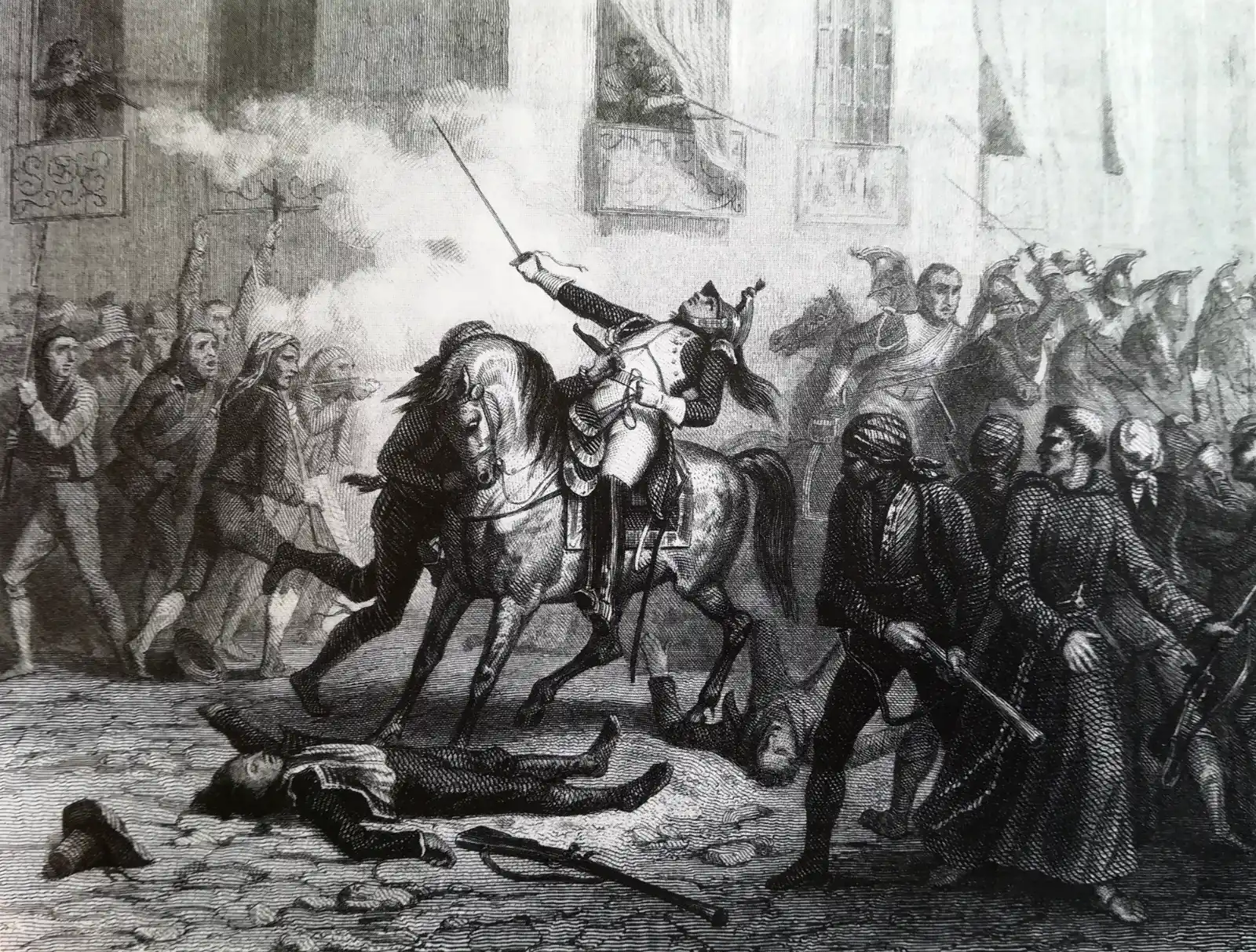
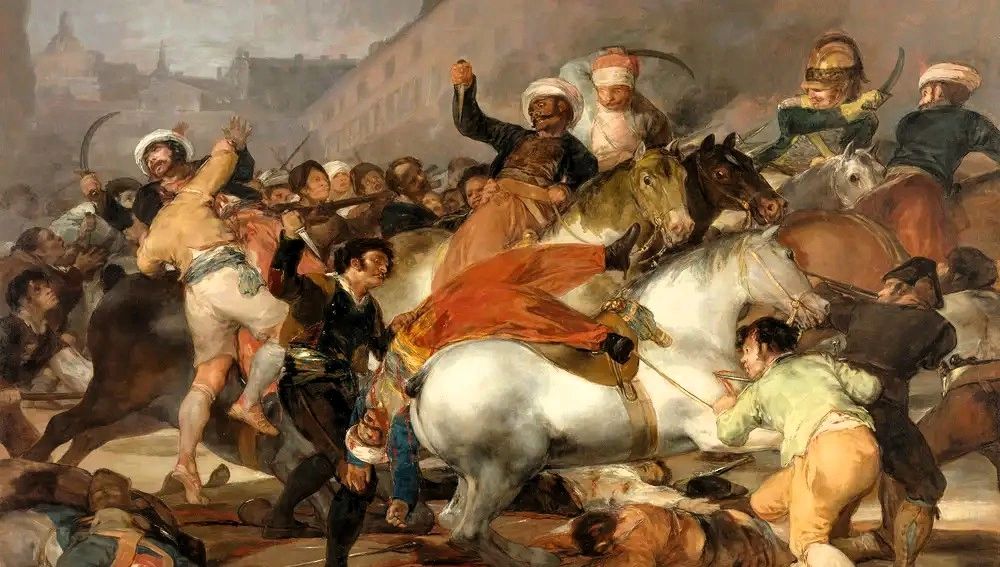
The fighting was uneven and improvised. Many people in Madrid attacked with knives and whatever weapons they could find, striking at French troops in sudden outbreaks across the city. This kind of urban combat was chaotic by nature—crowds forming and scattering, and confrontations flaring up in multiple locations.
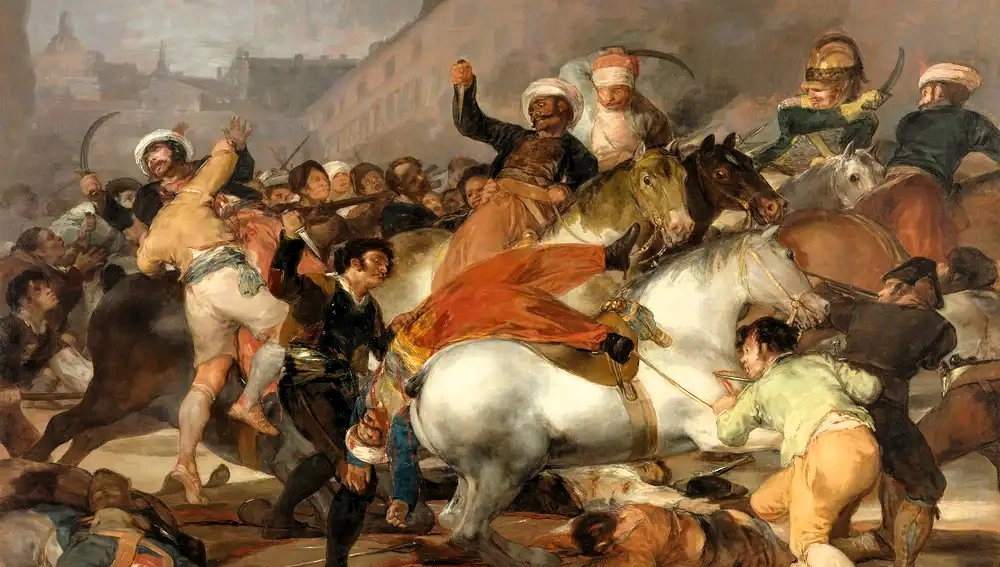
The French response was severe. Among the best-known episodes is the charge of the Mamelukes at the Puerta del Sol, remembered as part of the violent repression that followed the first clashes. The day’s events would be met with further brutality in the days immediately after.
Daoíz and Velarde at Monteleón: The Last Stand at Today’s Plaza del Dos de Mayo
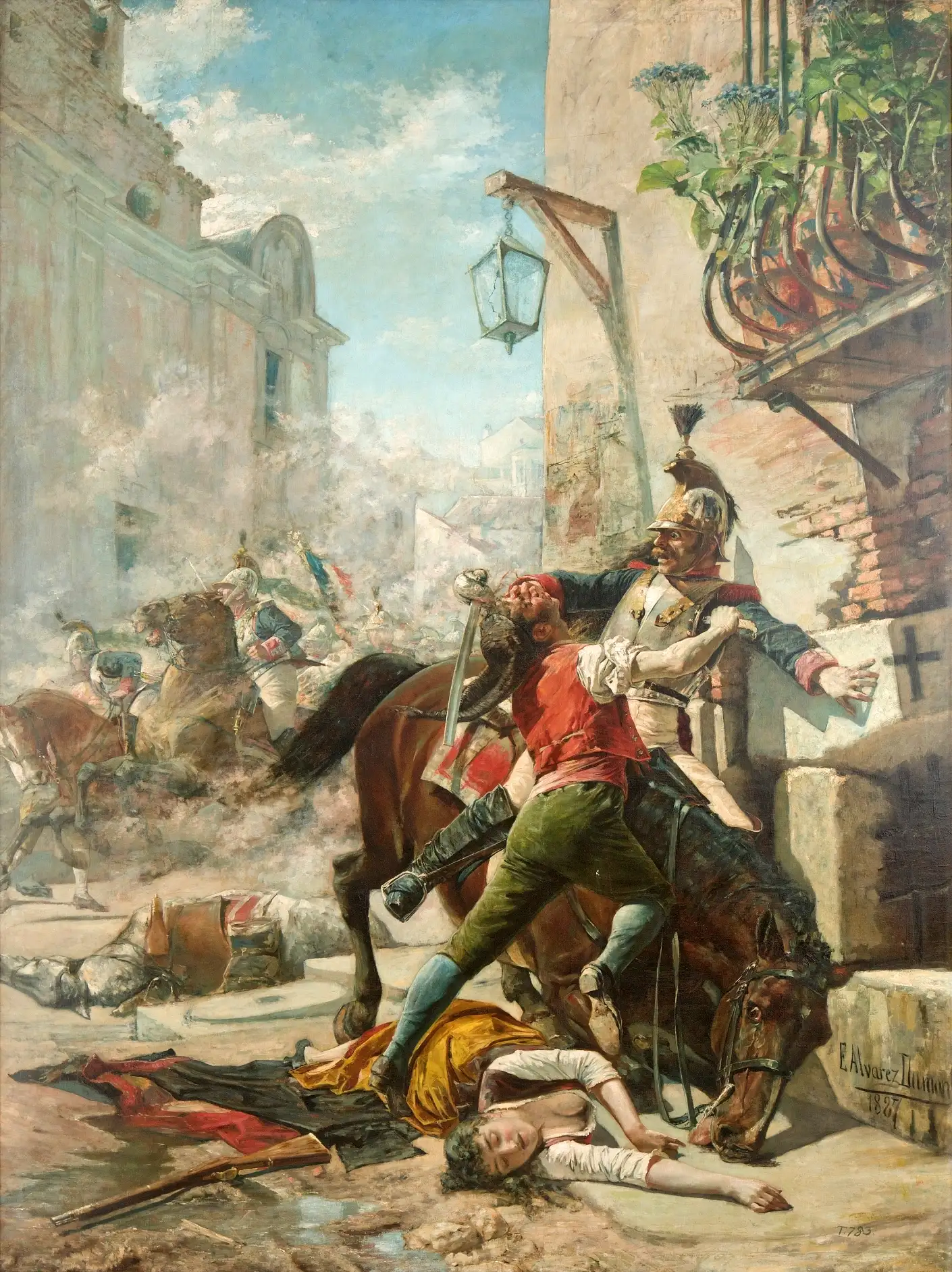
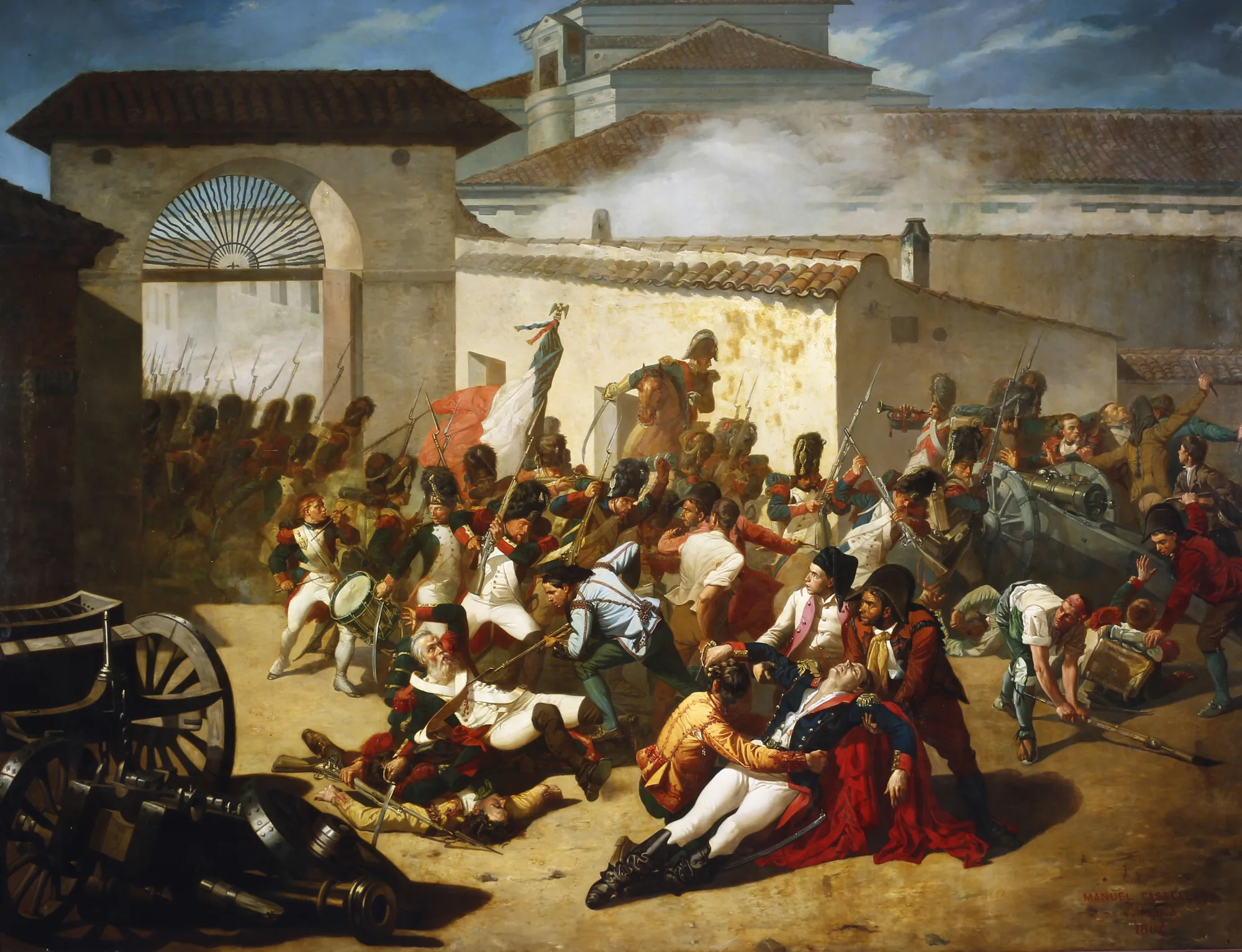
One of the uprising’s defining moments took place at the Monteleón artillery park. Artillery captains Luis Daoíz and Pedro Velarde joined the rebellion and led a defense from the Monteleón Barracks, holding out until they were killed.
The site is closely tied to how Madrid remembers May 2 today. The Monteleón Barracks correspond to the area of present-day Plaza del Dos de Mayo, in the city’s Malasaña area—making it possible to connect a modern Madrid walk with a very specific point in 1808. For travelers who want that context on the ground, a guided walk through central neighbourhoods can help link places like Puerta del Sol and Plaza del Dos de Mayo into a single, coherent route.
Aftermath and Memory: May 3 Executions, the War of Independence, and Madrid’s Regional Holiday
Although the rebellion was suppressed on May 2, the repression that followed—especially the executions of May 3—became a turning point in public memory. Rather than ending resistance, the brutality helped ignite the fight for independence across Spain, marking the beginning of the Spanish War of Independence.
May 2 is now the official holiday of the Community of Madrid, commemorating the bravery of the city’s people. If you want to go deeper into primary accounts and documentation, the Madrid City Council’s digital library and the accounts held at the Army Museum are specifically cited sources for further historical detail.
May 2 Festival Reenactments in Madrid: Locations, Organizers, and What to Expect
Madrid’s May 2 Festival program includes historical reenactments of the events of May 2, commemorating the uprising against the French invasion of Spain in 1808. The activities take place across May 1 and May 2 and are staged in several locations, including Puente del Rey, Puerta del Sol, and the municipalities of Torrejón de Ardoz and Vicálvaro.
The program is organized by the Historical and Cultural Association “Volunteers of Madrid 1808–1814.” The association is a non-profit organization declared of public interest by the Madrid City Council. Made up of people of different ages, it has reenacted the two Madrid Volunteer Regiments (formed in 1808 and active in multiple battles of the War of Independence) for over 20 years.
Practical Schedule Guide (May 1–2): Times, Parade Route, and Reenactment Events
Below is the schedule as stated in the festival program. Because public events can change, it’s sensible to double-check locally close to your travel dates.
Friday, May 1
12:00 PM — Historical reenactment in Torrejón de Ardoz
5:30 PM — Historical reenactment in Vicálvaro at Cordel de Pavones Park
Saturday, May 2
12:00–12:30 PM — Reenactors’ parade from Banco de España Metro Station, along Alcalá Street, to Puerta del Sol
1:00–1:45 PM — Reenactment of “¡Que se los llevan!” (“They’re taking them away!”), linked to the event in Plaza de Oriente. Location: Puerta del Sol
6:00 PM — Reenactment of the defense of the Monteleón Artillery Park. Location: Puente del Rey esplanade
For visitors, Dos de Mayo can be one of the most legible moments in Madrid’s history because the key places—Royal Palace area, Puerta del Sol, and today’s Plaza del Dos de Mayo—are still part of everyday city life. Whether you experience it through monuments, museum works, or the festival reenactments, the commemoration is ultimately about how a local uprising became a national turning point.
Related stories
Culture • Practical Tips • History • 4 min. read
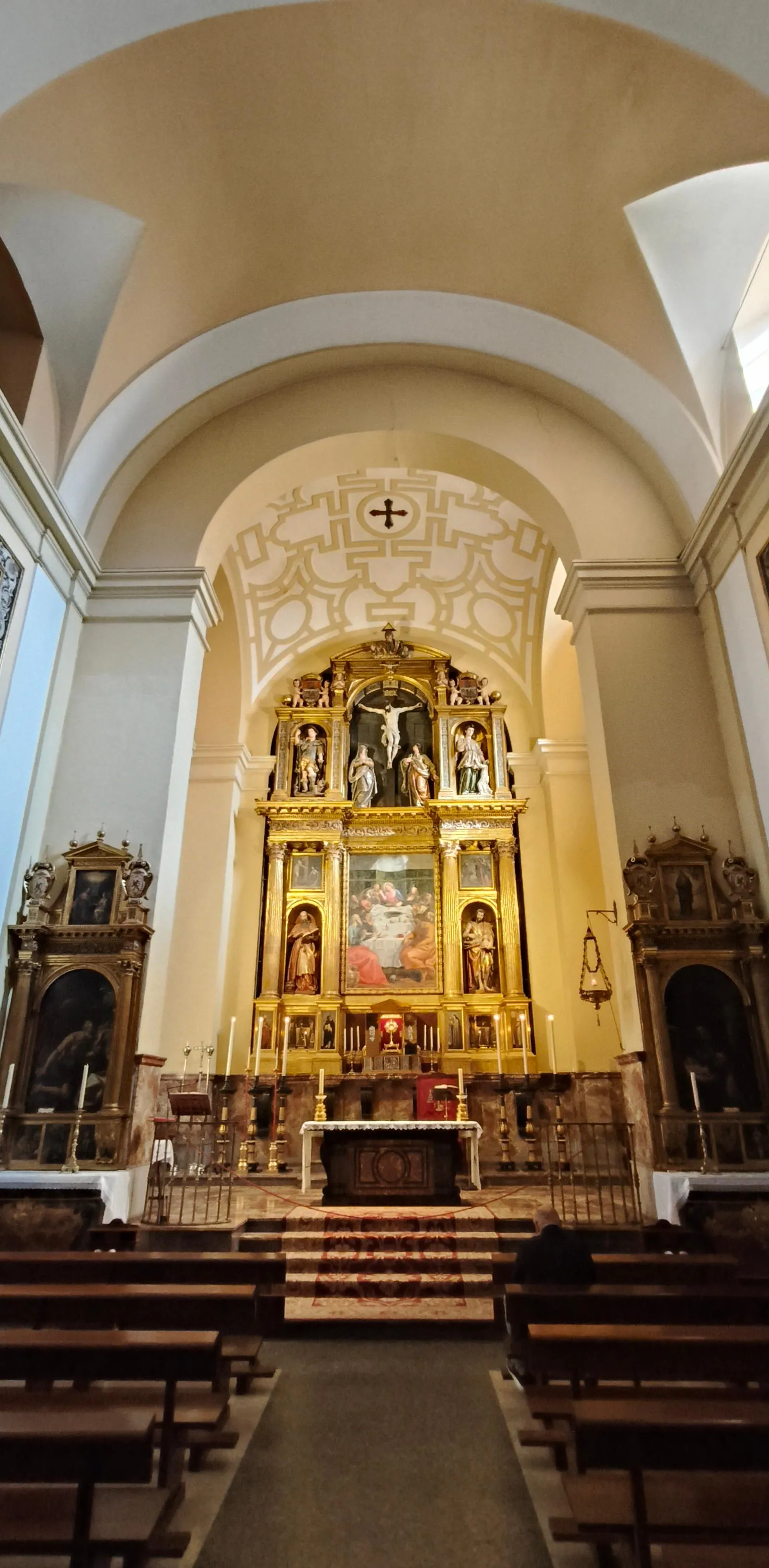
Carnival in Madrid: Giants, Sardines and Fanfare
Explore Madrid's unique winter Carnival. From the multicultural Great Parade to the satirical Burial of the Sardine, discover what defines this mid-February celebration.
Culture • Practical Tips • History • Food • Tours • 4 min. read
Experiencing Semana Santa: A Guide to Easter in Madrid
Experience the unique traditions of Easter in Madrid. This guide covers the historic processions, cultural music events, and where to taste traditional torrijas during Semana Santa.
Practical Tips • History • 3 min. read
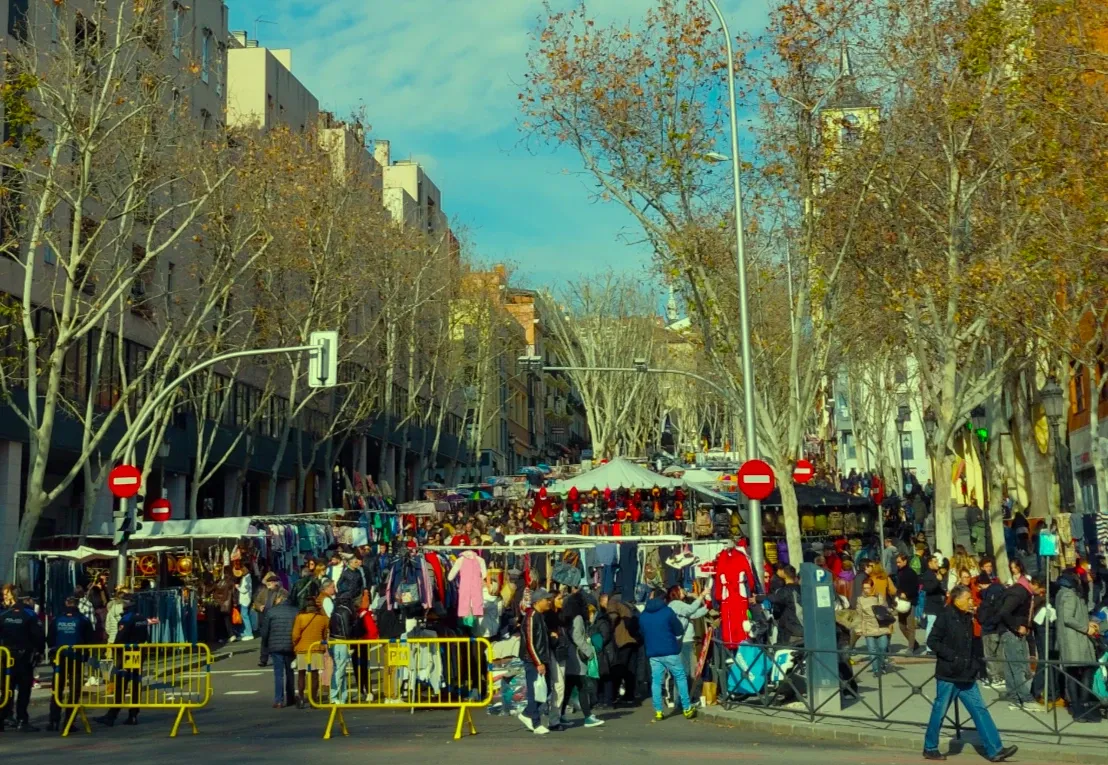
La Latina: A Guide to Madrid's Medieval Neighborhood
Wander the winding medieval streets of La Latina. From Sunday’s El Rastro market to evening tapas on Cava Baja, experience the authentic soul of Madrid.
History • 6 min. read
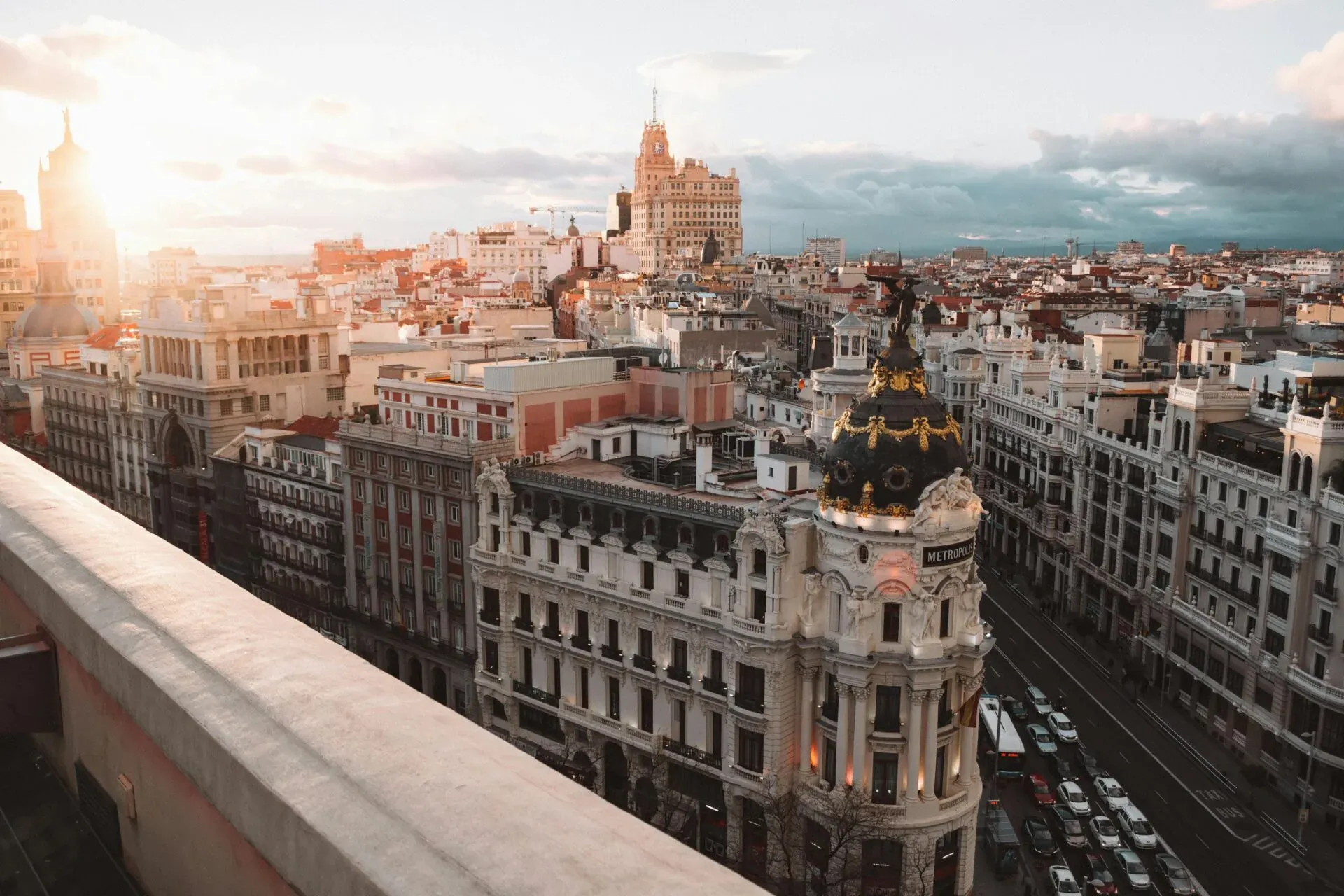
Madrid Magic: A 3-Day Adventure
From flamenco to tapas, from landmarks to hidden gems, our 3-day itinerary will guide you through the city’s best offerings. Ready to discover the magic of Madrid? Let’s go!
Culture • History • 5 min. read
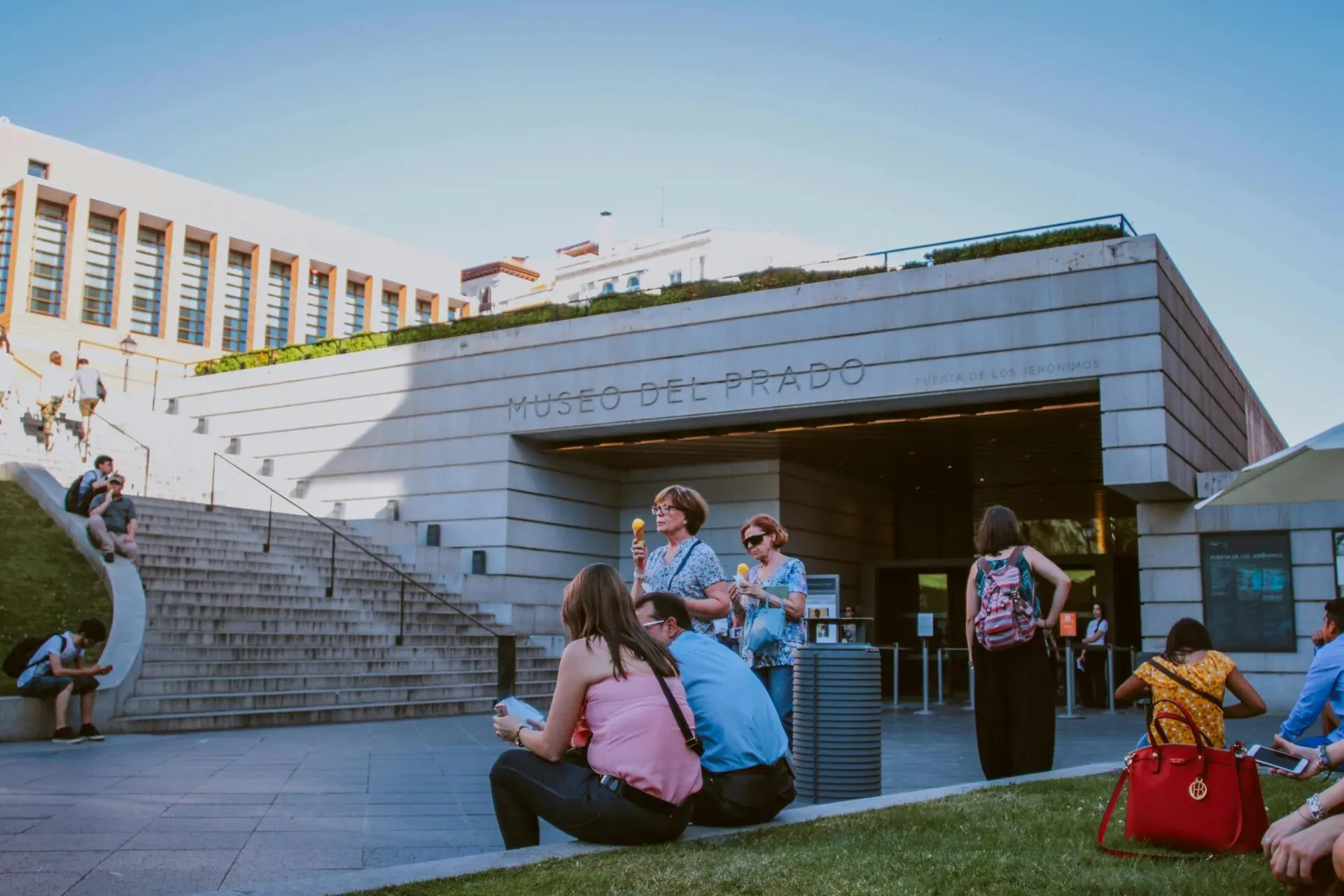
A Guide to Madrid’s Museums: Art, History, and Royal Splendor
Explore Madrid’s top museums: Prado’s Las Meninas, Reina Sofía’s Guernica, Archaeological Museum mosaics, plus Cerralbo and Royal Palace.