More Than a Drink: Understanding Greek Coffee Culture
Discover why coffee is a vital social ritual in Greece. Learn about the 'siga siga' philosophy, how to order the perfect freddo, and where to find the best kafeneia in Athens.
food • culture • practical-tips • 4 min. read
More Than a Drink: Understanding Greek Coffee Culture
In Greece, ordering a coffee is rarely just about caffeine consumption; it is a vital social ritual that dictates the rhythm of the day. Greeks view coffee as an excuse to pause, socialize, and debate. This philosophy is best summarized by the phrase siga siga (slowly, slowly). Whether sitting in a bustling city square or a quiet island village, the goal is to nurse a single cup for hours while engaging in endless conversation.
The center of this activity is the kafeneio, a traditional coffee house that historically served as a community hub for men. Today, modern cafeterias welcome everyone, but the underlying principle remains the same. When you visit Athens or the islands, do not rush the experience. To drink coffee like a Greek is to embrace the present moment, relax, and enjoy the company of those around you.
Traditional Greek Coffee and the Art of the Cup
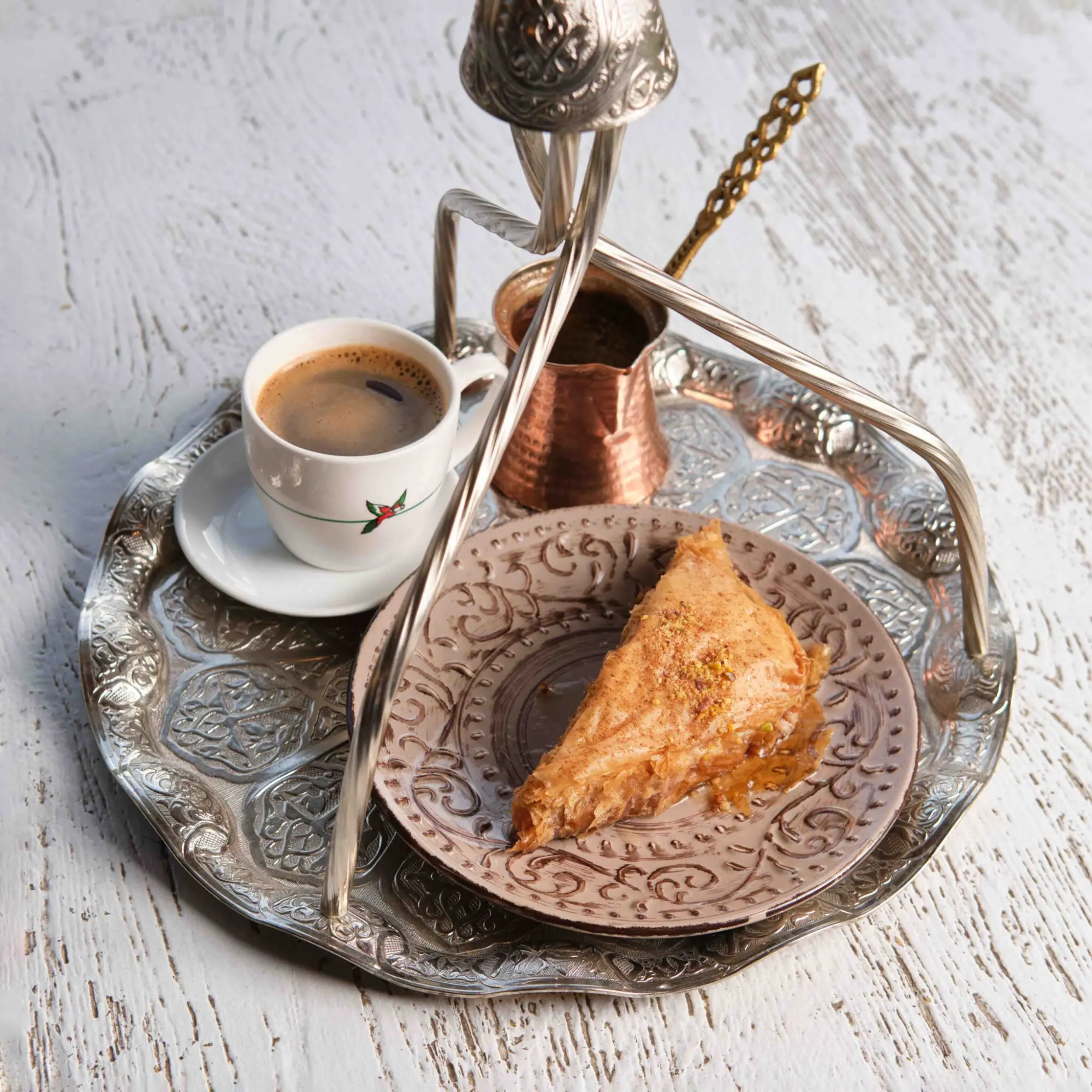
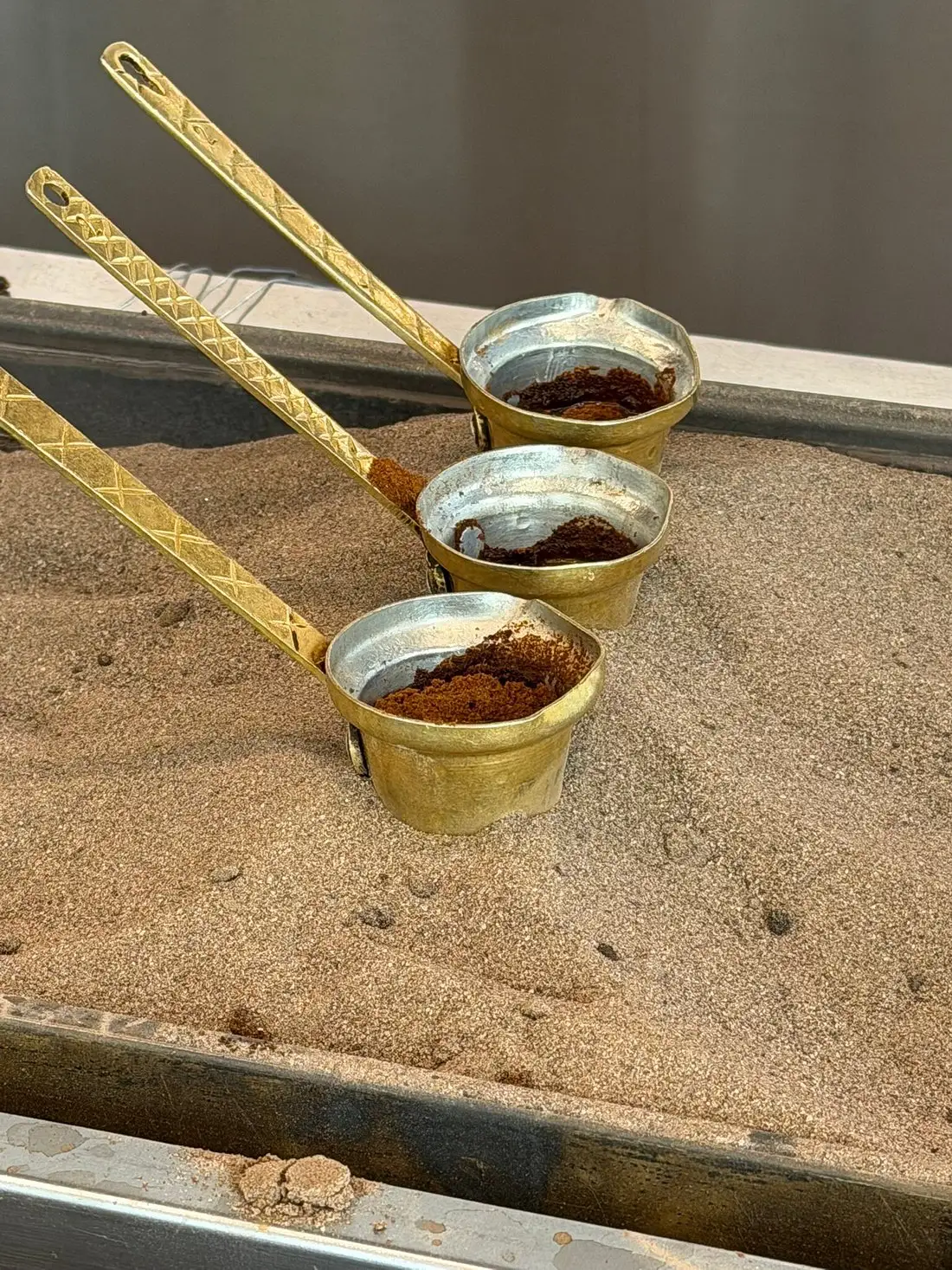
Traditional Greek coffee, known as Ellinikos kafes, is a strong brew prepared in a small brass or copper pot called a briki. The coffee is boiled over low heat until a rich, creamy foam called kaimaki rises to the top. It is served in a small demitasse cup with the grounds at the bottom. Important tip: Let it sit before drinking, and never drink the final sip! The thick layer of sediment at the bottom is bitter and meant to remain in the cup.
This sediment serves a second purpose rooted in folklore: tasseography, or kafemanteia. In this tradition of fortune telling, the finished cup is swirled, overturned onto the saucer, and left to dry. An interpreter then reads the patterns left by the grounds to predict the drinker's future. It is a whimsical and cherished custom that adds a layer of mystique to the coffee experience.
Modern Classics: Frappé, Freddo, and the Iced Coffee Craze
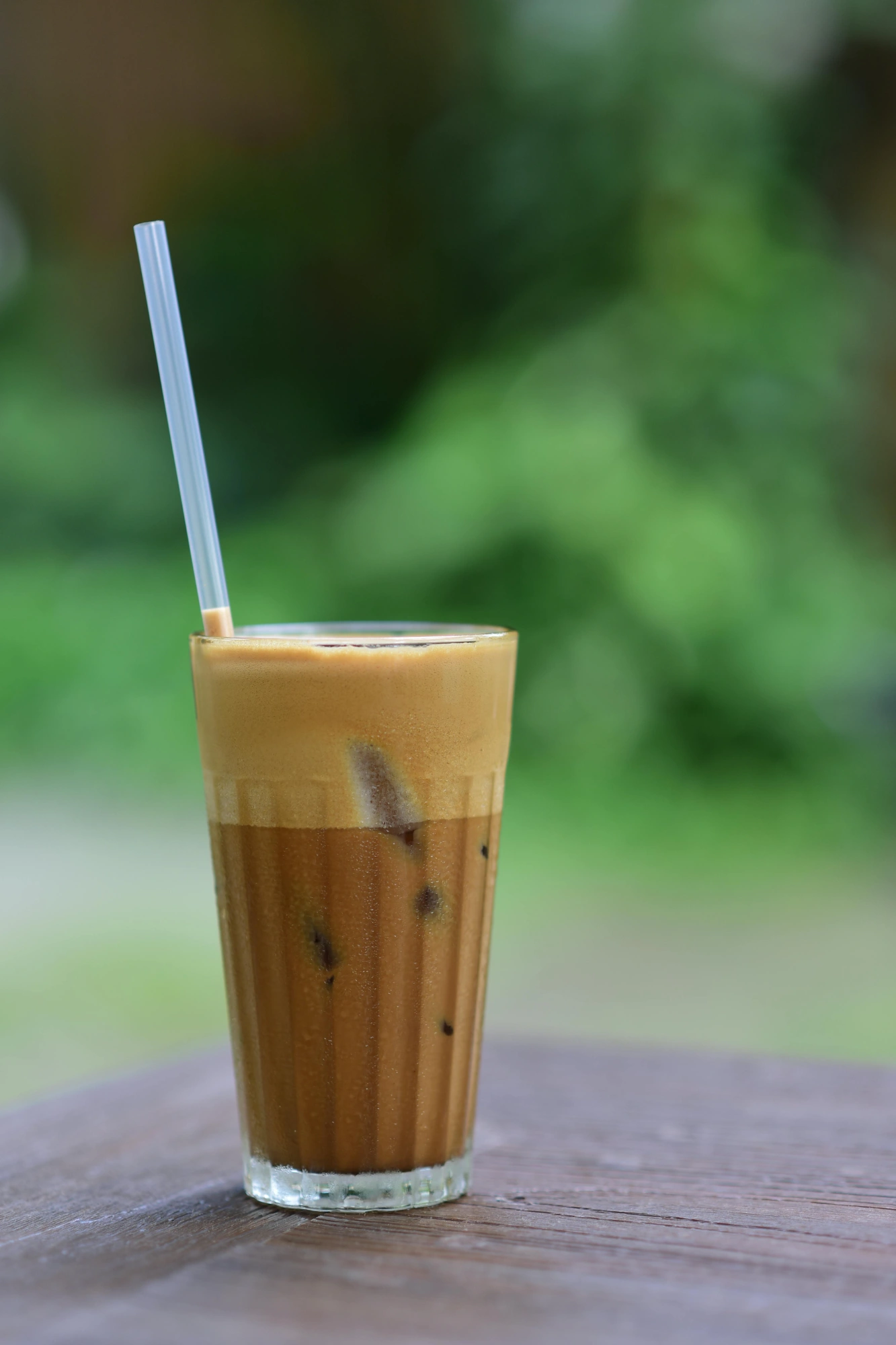
While tradition is respected, modern Greece runs on iced coffee, a necessity during the hot Mediterranean summers. It began with the Frappé, an accidental invention in the 1950s made from instant Nescafé, water, and sugar shaken into a frothy frenzy. While the Frappé remains a nostalgic classic, the contemporary coffee scene is dominated by the "Freddo" family.
Walk into any Athenian cafe today, and you will see locals drinking one of two distinct beverages:
Freddo Espresso: Two shots of hot espresso shaken with ice and sugar until cold and slightly frothy, served over ice.
Freddo Cappuccino: A Freddo Espresso topped with a thick, cold milk foam (afrogala) that creates a beautiful layered effect.
How to Order Like a Local: Sweetness and Terminology
One of the most critical rules of ordering coffee in Greece is that you must decide on the sweetness level before the drink is made. Because Greek coffee is boiled with sugar and Freddos are shaken with it, you cannot simply stir in a packet later. The barista will ask you how you want it, so memorize these three essential terms:
Sketos (SKEH-toss): Plain, no sugar at all.
Metrios (MET-ree-os): Medium sweetness, typically one teaspoon of sugar.
Glykos (glee-KOSS): Sweet, usually two teaspoons or more.
For example, if you want a medium-sweet iced coffee with milk foam, you would order: "Enan Freddo Cappuccino, metrio, parakalo" (A Freddo Cappuccino, medium, please).
Where to Find the Best Coffee in Athens
Athens has evolved into a world-class coffee capital, blending historic charm with "Third Wave" specialty brewing. for a taste of history, visit the traditional kafeneia in the Plaka or Psiri districts. Places like Oraia Ellas offer a nostalgic atmosphere where you can enjoy traditional Ellinikos surrounded by Greek craftsmanship and views of the Acropolis. The best place in Athens to see how traditional Greek coffee is made is at Mokka on Athinas Street, right next to the Varvakios food market where you can see the coffee boiled in sand.
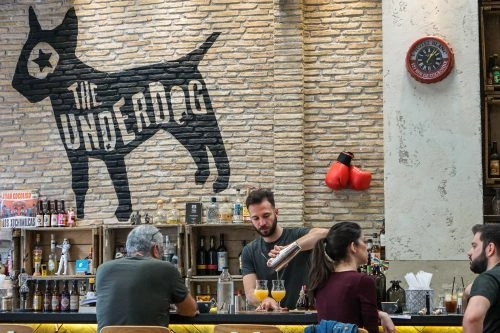
For modern coffee aficionados, the "Commercial Triangle" of Athens is home to award-winning roasters. Look for shops like The Underdog in Thissio or Taf Coffee near Omonia, which are renowned for their single-origin beans and expert baristas.
If learning about Greek coffee culture has made you curious to experience it yourself, why not discover the city with a local? On our Walkative tours, you’ll explore lively streets, hidden corners, and the everyday places where Athenians meet, talk, and enjoy their coffee. Your guide will happily share tips on great cafés near your accommodation and where to enjoy a perfect Freddo or a traditional Greek coffee. If you’d like to explore the city beyond the guidebooks, you can learn more about the tours here: Welcome to Athens and Alternative Athens. We would love to explore the city with you — coffee in hand, siga siga. ☕🇬🇷