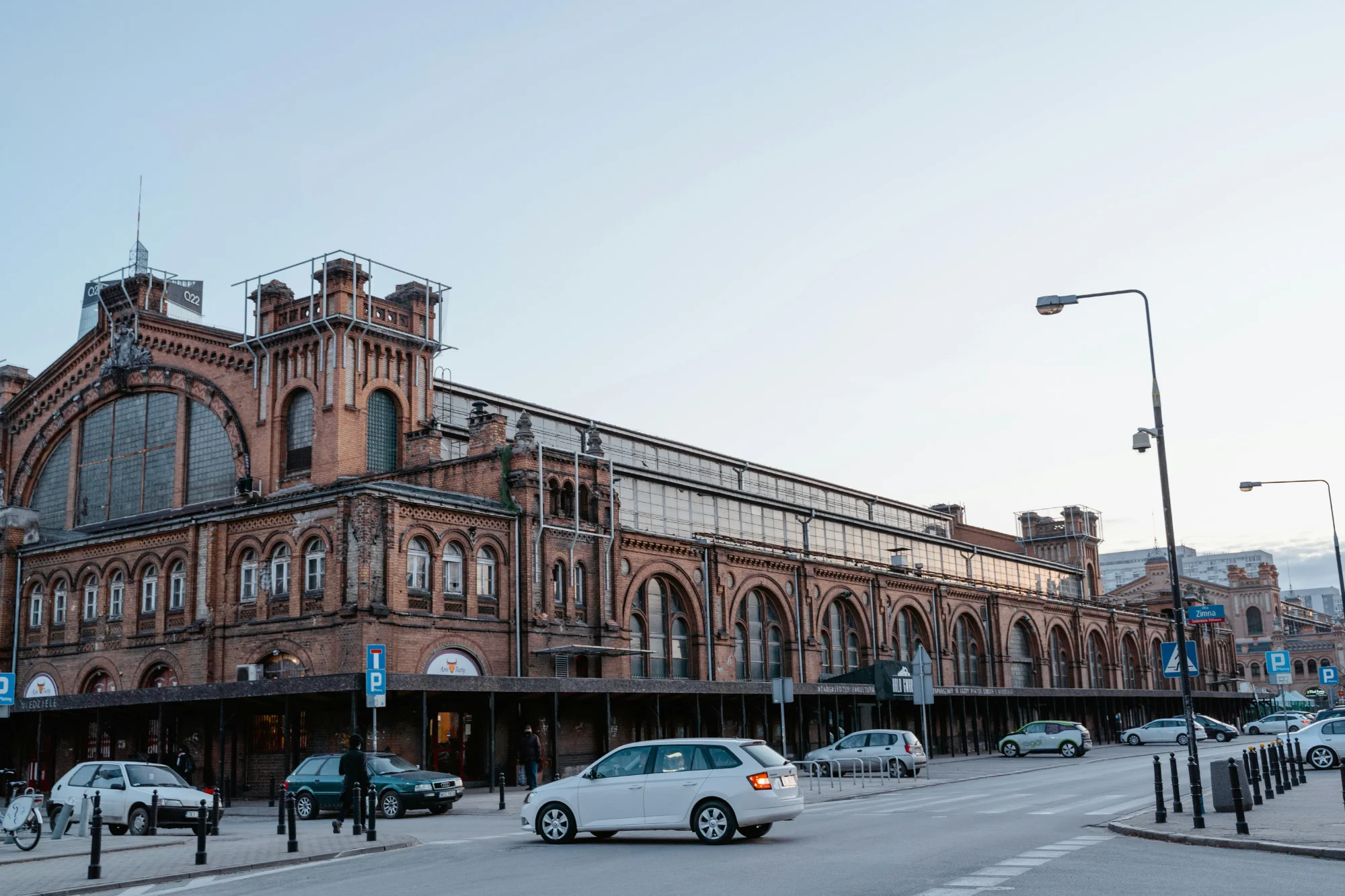
Old Buildings, New Life: Warsaw’s Revitalized Industrial Spaces
Warsaw’s architectural identity extends beyond its reconstructed historic center and modern skyline. The city preserves a significant collection of 19th-century industrial buildings defined by red brick. These structures serve as reminders of a major manufacturing era in the capital's history. Many former factories, breweries, and power stations have transformed into accessible public spaces. Architects have integrated original industrial elements with modern design to repurpose these sites. They now function as lively hubs for gastronomy, retail, and social gatherings throughout the city. Visiting these locations connects you with the contemporary rhythm of the capital. You will observe how historical preservation coexists with modern urban needs. This experience reveals a distinct side of Warsaw where the past supports the present.
history • food • practical-tips • 5 min. read
New Life for Old Walls: Warsaw's Post-Industrial Revival
Warsaw has mastered the art of architectural reinvention. In recent years, the capital has moved away from simply demolishing the remnants of its industrial past. Instead, the city is breathing new life into red-brick factories, historic breweries, and market halls. These spaces, once filled with the sounds of heavy machinery and production, are now buzzing with social energy, culinary delights, and cultural events.
This revitalization trend perfectly blends the capital's turbulent history with its modern, cosmopolitan aspirations. Visitors can now dine, shop, and explore museums within the very walls that powered Warsaw's economy for over a century. It is a unique opportunity to see how the city honors its heritage while creating functional, trendy spaces for locals and tourists alike.
Hala Koszyki: A Secessionist Gem Returned to the City
Located in the heart of the city on Koszykowa Street, this venue was historically one of the most important trading points on Warsaw’s map. Built between 1906 and 1909 in a beautiful Secessionist style, the hall originally housed two-story shops in its wings and bustling stalls in the center. Although it suffered significant damage during World War II and lost its former glory for decades, a massive reconstruction project launched in 2009 completely transformed the site.
Step inside today, and you will find a space with a completely different purpose than its original grocery function. The market stalls have been replaced by fashionable restaurants and bars that draw crowds throughout the day. It is the perfect spot for a business lunch, an evening drink, or to enjoy culture during the popular "Classics at Koszyki" concert series. We recommend mingling with the crowd to truly feel the pulse of modern Warsaw.
Centrum Praskie Koneser: Vodka History in Old Praga
While walking down Ząbkowska Street in the historic Old Praga district, you cannot miss the striking red brick walls of the 19th-century "Koneser" spirit factory. Historically, this complex housed two major facilities: the Warsaw State Wine Warehouse and the private Warsaw Rectification plant. Together, they formed one of the largest vodka production centers in the Russian Empire, with spirit production continuing here until the 1970s.
Following a major revitalization in 2018, Koneser revealed a new face to the public. Beyond the beautifully restored neogothic buildings, the area now features modern architecture that creates a cohesive community space. You absolutely must visit the Polish Vodka Museum located in the old factory buildings to taste and learn about the national spirit. Koneser is also a vibrant cultural center, so keep an eye out for open-air events, especially during the summer season.
Browary Warszawskie: Brewing Traditions in Wola
The history of brewing at Grzybowska Street dates back to 1846, when the famous "Haberbusch and Schiele" brewery began its rise to becoming one of the largest beer producers in Europe. The site survived nationalization after World War II, and beer production in the city center only ceased in 2005. Since 2021, the former industrial grounds have been reborn as a modern office, residential, and gastronomic destination.
This is a must-visit location for foodies and sports fans. The historic cellars of the former storage house now host a craft brewery, keeping the site's original purpose alive. Furthermore, the preserved brewhouse building is home to Nine’s, a famous restaurant and sports bar owned by football star Robert Lewandowski. It is a fantastic example of how Warsaw preserves its commercial legacy while adapting to contemporary lifestyle needs.
Fabryka Norblina: Industrial Heritage Meets Modern Leisure
Fabryka Norblina is the latest post-industrial jewel on Warsaw’s map. Originally a plating ware company owned by industrialists Ludwik Norblin and Teodor Werner in 1882, the site later operated as the "Warszawa" Metal Rolling Mill until 1982. The revitalization efforts here have been meticulous, turning the factory into a service and office hub while preserving its soul. Visitors can admire old rails embedded in the pavement, original furnaces, and creatively repurposed factory carts.
There is plenty to do here beyond admiring the architecture. You can visit the dedicated Museum of Fabryka Norblina, catch a movie at the boutique KinoGram cinema, or shop for high-quality organic food at the iconic Biobazar. Before you leave, make sure to head to the viewing terrace to admire a panoramic view of the city center, offering a stark contrast between the historic factory below and the modern skyline above.
Elektrownia Powiśle: Energy Transformed
Built in 1904, Elektrownia Powiśle holds the distinction of being the first electrical power plant in Warsaw. It served the city faithfully for nearly a century, operating through some of the most difficult periods in history, including the Warsaw Uprising. Its massive steel framework and industrial skeleton have been preserved, serving as a monument to the city's infrastructural history.
Today, the power plant has been transformed into a sophisticated shopping, dining, and beauty complex. Where turbines once roared, locals now gather for coffee and shopping in an environment that seamlessly mixes raw industrial elements with modern luxury. It is a shining example of how Warsaw's historical utility buildings can be repurposed to "power" the city's social life in a new era.