Post-Wall Berlin: The Origins of Alternative Culture
Discover how the fall of the Wall in 1989 transformed Berlin into a hub of street art, techno, and alternative culture through abandoned spaces.
culture • 4 min. read
Post-Wall Berlin: The Origins of Alternative Culture
Berlin is a city defined by contrasts, but its reputation as a global capital of alternative culture truly began following the fall of the Berlin Wall in 1989. This historic event triggered a radical transformation, leaving behind a landscape of abandoned buildings and derelict neighborhoods that became fertile ground for creativity. In the power vacuum of the early 1990s, a unique environment emerged where rules were scarce, and opportunities for self-expression were limitless.
Artists, musicians, and free spirits flocked to the reunited city, turning empty industrial spaces into a massive canvas for experimentation. This era marked the beginning of a cultural renaissance, where the availability of cheap, repurposed space allowed a vibrant counterculture to take root. The legacy of this period continues to define Berlin's spirit today, characterized by a distinct blend of rebellion and artistic innovation.
Berlin’s Street Art Scene: An Open-Air Gallery
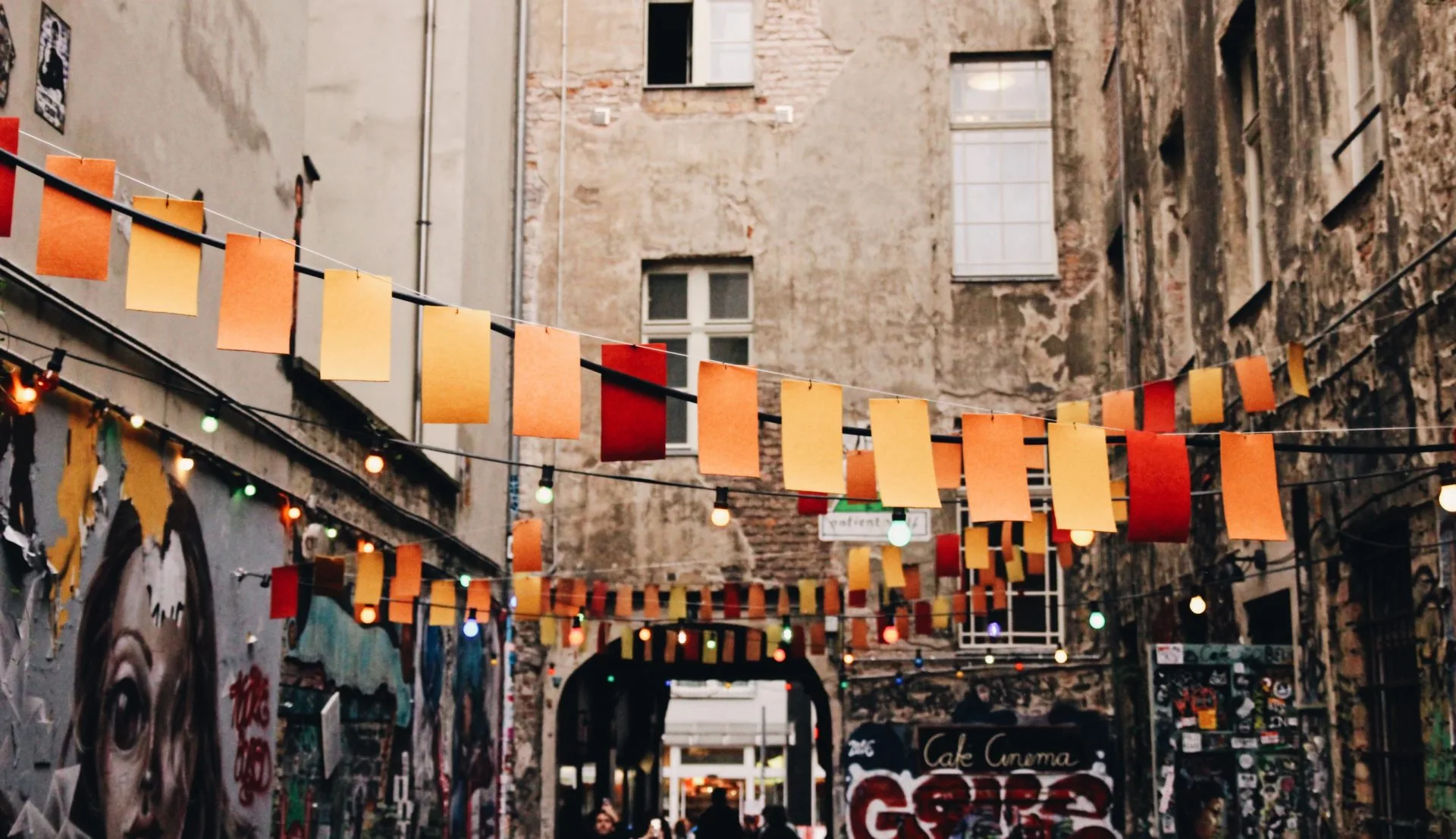
Over the decades, graffiti has evolved from simple tagging into a celebrated art form that covers the city’s urban landscape. Following the reunification, street art flourished, turning Berlin into a massive open-air gallery where vibrant murals transformed dull walls into captivating works of art. Renowned artists like Blu, ROA, and El Bocho have gained international recognition for their provocative and politically charged masterpieces, of which some can still be found peppered throughout the city.
One of the most significant landmarks of this movement is the East Side Gallery. This 1.4-kilometer stretch of the former Berlin Wall stands as a testament to freedom, featuring murals painted by over 100 artists from around the world. Whether stumbling upon hidden gems in alleyways or viewing massive commissioned works, visitors are constantly surrounded by visual commentary on social issues and urban life.
Techno in Berlin: More Than Just Nightlife
The explosion of the techno scene in the early 1990s was nothing short of revolutionary, providing a soundtrack to a generation seeking freedom. Clubs like Tresor and Berghain became iconic institutions, often housed in repurposed industrial spaces that embodied the raw, unpolished energy of the era. Berghain, frequently cited as the “temple of techno,” is famous globally not just for its music, but for its immersive atmosphere and strict door policy.
In Berlin, clubbing is considered a serious cultural phenomenon rather than simple nightlife. These venues serve as safe havens that celebrate diversity, acceptance, and artistic expression. For many, a weekend at these clubs is a euphoric experience, where the pulsating beats and industrial architecture combine to create a sense of community that transcends borders.
The Legacy of Squatting and Creative Hubs
Squatting culture played a pivotal role in shaping the alternative lifestyle that Berlin is famous for today. In the years following the Wall's collapse, empty buildings were seized and transformed into vibrant creative hubs. These spaces were far more than just housing; they hosted art exhibitions, underground concerts, and communal living arrangements that drew people from all corners of the globe.
This movement fostered a true melting pot of cultures and ideas, contributing significantly to the city's social fabric. While the legal landscape has changed, the legacy of squatting remains visible. Various collectives continue to maintain spaces that promote art, music, and social engagement, preserving the communal spirit that helped rebuild the city’s identity.
Where to Experience Alternative Berlin Today
To witness the convergence of art, music, and alternative lifestyles, visitors should head to the districts of Kreuzberg and Friedrichshain. These neighborhoods act as the epicenter of Berlin's counterculture, offering a dense concentration of street art, historic squats, and legendary clubs. Walking through these streets reveals a city that is still very much a playground for the creative and the curious.
Here, the spirit of the 1990s lives on in community projects and cultural centers like the YAAM and Holzmarkt. Whether you are exploring the riverside Spree area or deciphering graffiti on a side street, these districts offer an authentic glimpse into the freedom and diversity that define modern Berlin.
Ready to explore the gritty and artistic side of the city? Book your spot on the Alternative Berlin: Street Art & Counterculture Guided Walking Tour today.