A Guide to the Historic Towns and Villages Around Madrid
Discover peaceful day trip options outside the capital. Explore Madrid's surrounding historic towns, featuring royal palaces, medieval fortresses, and unique village architecture.
Practical Tips • History • 5 min. read
Last edited:
Madrid is a vibrant hub with a deep history stretching from its Islamic roots as 'Mayrit' through the Habsburg and Bourbon eras. While many visitors orient themselves by joining a historic centre guided walking tour to understand the capital's origins, the wider region holds equally fascinating heritage. Beyond the busy city streets, the surrounding community offers peaceful historic towns, royal palaces, and mountain villages that provide a different perspective on Spanish history.
Exploring Madrid's Surrounding Historic Towns
The contrast between the bustling capital and the tranquil villages nearby is striking. Taking a day trip outside Madrid allows you to explore well-preserved medieval architecture, vast royal estates, and scenic mountain landscapes. These towns offer a human-scale travel experience, where you can walk ancient stone streets and see the legacy of past centuries without the rush of the modern city.
Whether you are interested in imposing castles, distinct local architecture, or historic monasteries nestled in valleys, the region around Madrid presents diverse options. Planning a visit to these surrounding areas adds depth to any trip, showing how the landscape and smaller settlements supported the growth of the central capital.
Royal Heritage: San Lorenzo de El Escorial and Aranjuez
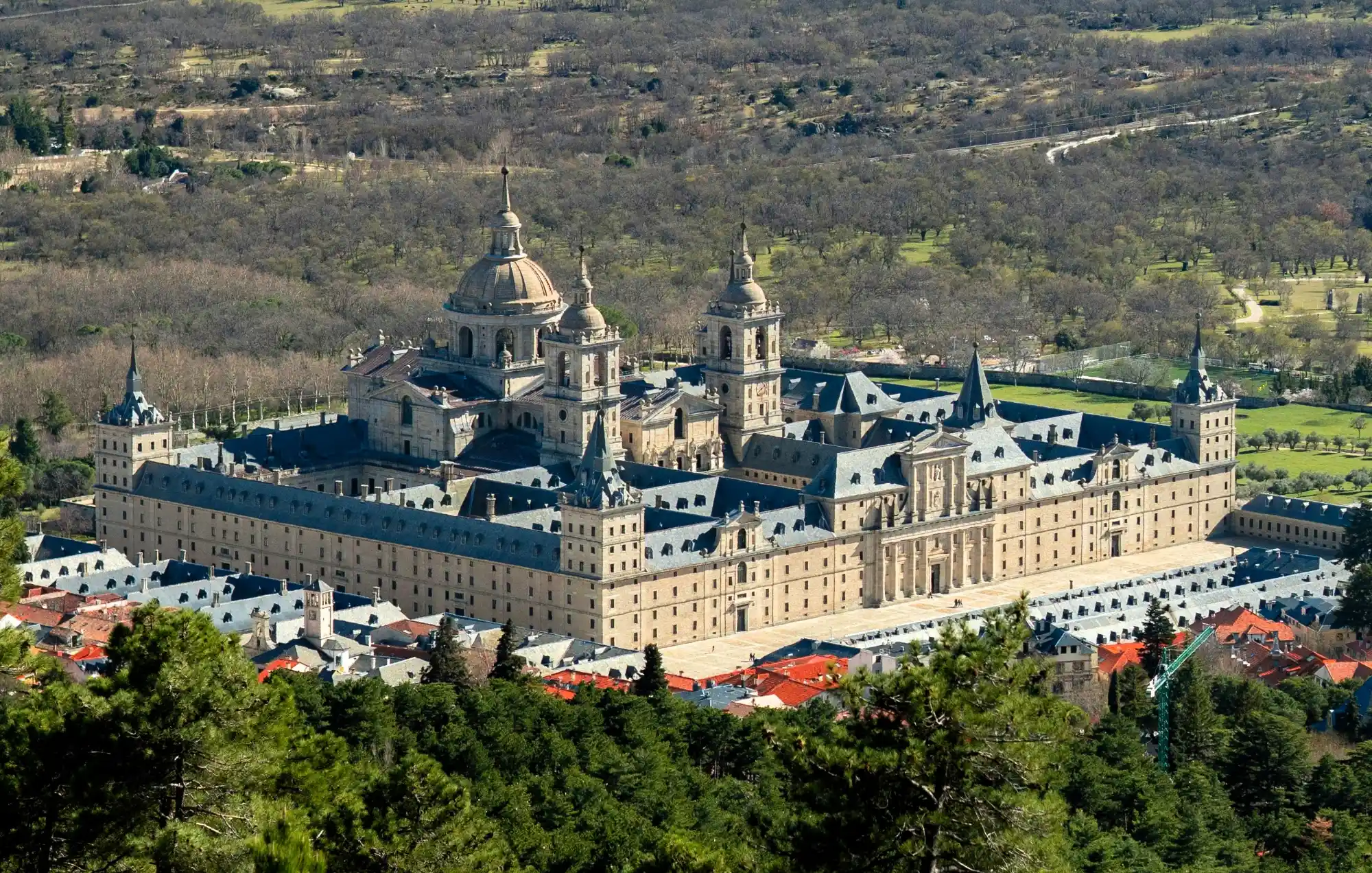
Two of the most prominent UNESCO World Heritage sites in the region reflect the immense power of the Spanish monarchy. San Lorenzo de El Escorial is best known for the "Monasterio de El Escorial". This massive, austere complex served as a monastery, royal palace, and pantheon, and remains one of the most visited historical sites in the country.
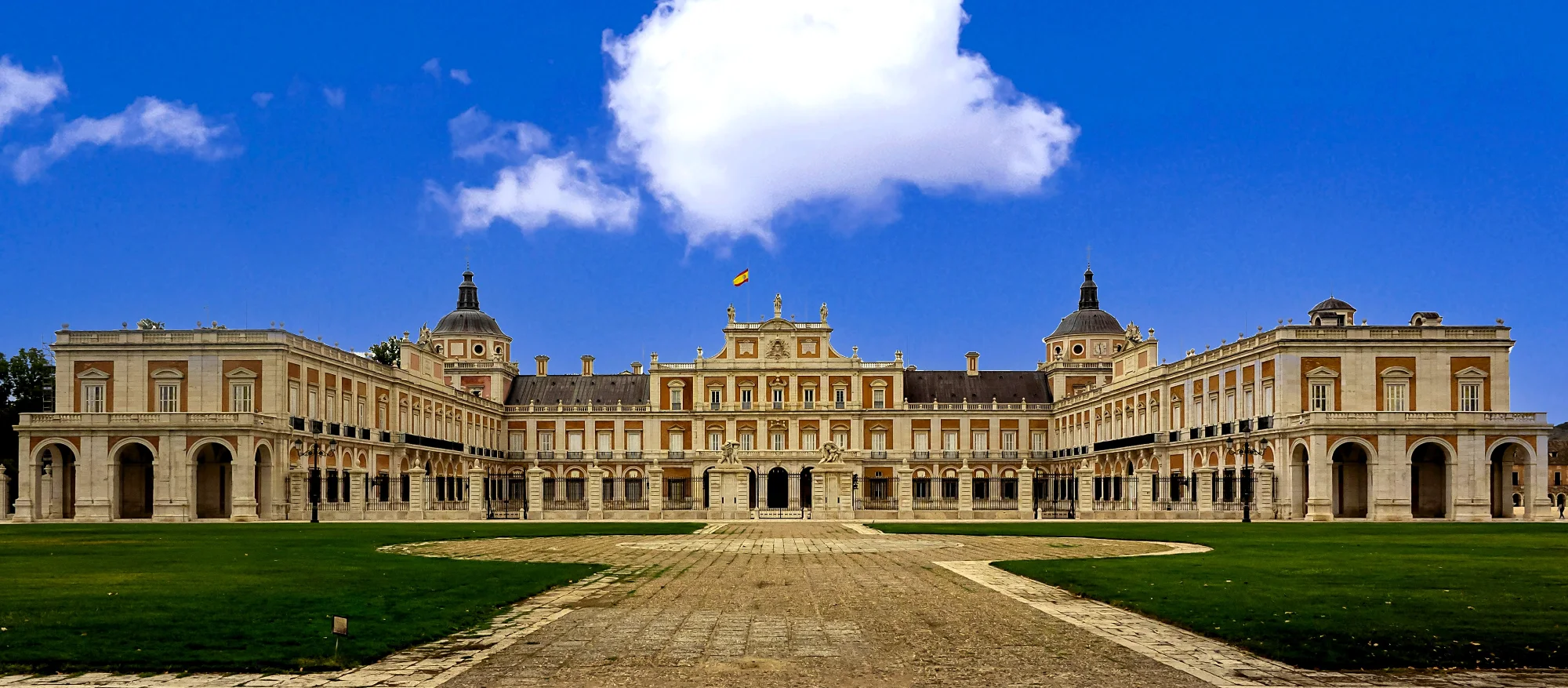
To the south lies Aranjuez, characterized by its elegant Royal Palace and immense, carefully cultivated gardens. Historically used as a spring residence for Spanish royalty, Aranjuez offers a softer, highly decorative contrast to the rigid stone geometry of El Escorial.
Medieval Fortresses: Buitrago del Lozoya and Manzanares el Real
For those interested in medieval defense structures, Buitrago del Lozoya is a remarkable destination. It retains one of the best-preserved medieval walls in the Madrid region, dramatically surrounded by a bend in the "Lozoya River". Walking its perimeter gives a clear sense of how the town was fortified against historical threats.
Similarly, Manzanares el Real is famous for the Castle of the "Mendozas". Situated at the foot of "La Pedriza", a distinctive granite mountain range, this well-restored 15th-century fortress highlights the defensive and residential architecture of Spanish nobility. The castle's location provides excellent views of both the historical structure and the surrounding natural park.
Unique Village Architecture: Chinchón and Patones de Arriba
Local building materials and traditions have shaped some highly distinctive towns. Chinchón is widely recognized for its Plaza Mayor, a medieval porticoed square encircled by 234 characteristic green wooden balconies. This central space has been declared a Historic-Artistic site and serves as a prime example of traditional Castilian town planning.
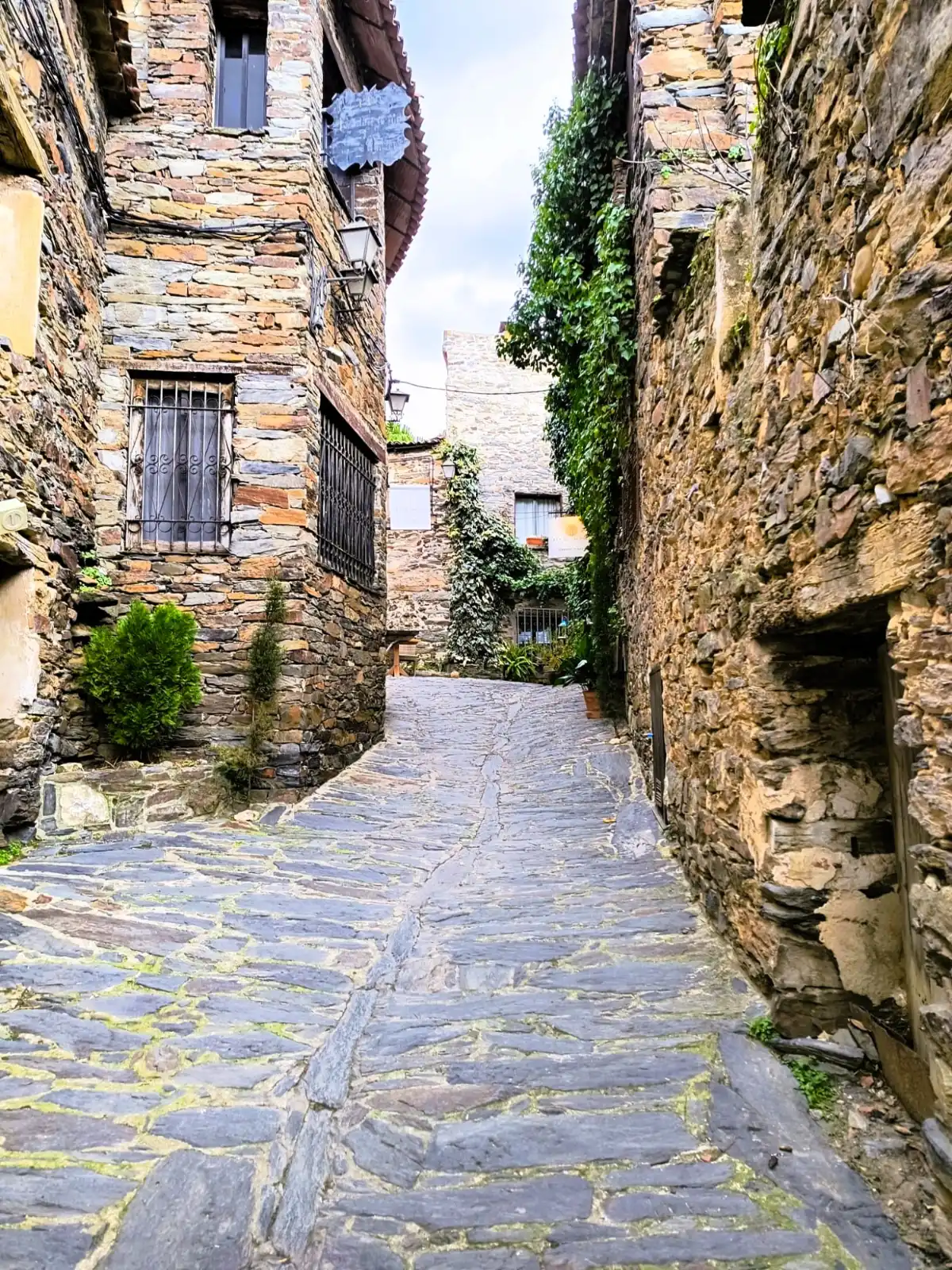
In contrast, Patones de Arriba represents the region's unique dark architecture. This picturesque mountain village is constructed almost entirely from dark slate. Tucked away in the Sierra, its narrow cobblestone streets and uniform stone houses make it one of the most photogenic and charming settlements near Madrid.
Nature and History in Rascafría
Located in the scenic Lozoya Valley, Rascafría offers a blend of natural landscapes and quiet historical sites. It is an ideal spot for those looking to combine light nature walks with cultural exploration. The surrounding mountains and forests provide a peaceful environment, popular among locals seeking a break from the city.
The centerpiece of the town's historical heritage is the Monasterio de "El Paular". Founded in the 14th century, it stands as an important religious and architectural monument in the valley. The combination of the monastery's serene presence and the natural beauty of the Lozoya Valley makes Rascafría a distinct and rewarding day trip.
Practical Logistics: How to Reach These Towns from Madrid
Reaching these towns from Madrid is generally straightforward, though options vary by destination. The regional train network (Cercanías) is an efficient way to visit San Lorenzo de El Escorial and Aranjuez. Trains depart frequently from major Madrid stations like Atocha and Chamartín, with journeys taking about an hour.
For Buitrago del Lozoya, Manzanares el Real, Chinchón, and Rascafría, intercity buses departing from transport hubs like Plaza de Castilla or Conde de Casal are the most reliable public transit options. Patones de Arriba can be reached by bus, though driving offers more flexibility, as schedules to smaller mountain villages may be limited. Always check current timetables before departing, as weekend and weekday services often differ.
Stepping outside of Madrid offers a deeper understanding of central Spain's diverse history, architecture, and landscapes. From the quiet slate streets of Patones to the monumental scale of El Escorial, these surrounding towns provide memorable and authentic experiences. Whether relying on trains or regional buses, incorporating a day trip into your itinerary is a highly recommended way to see the broader context of the Spanish capital.
Related stories
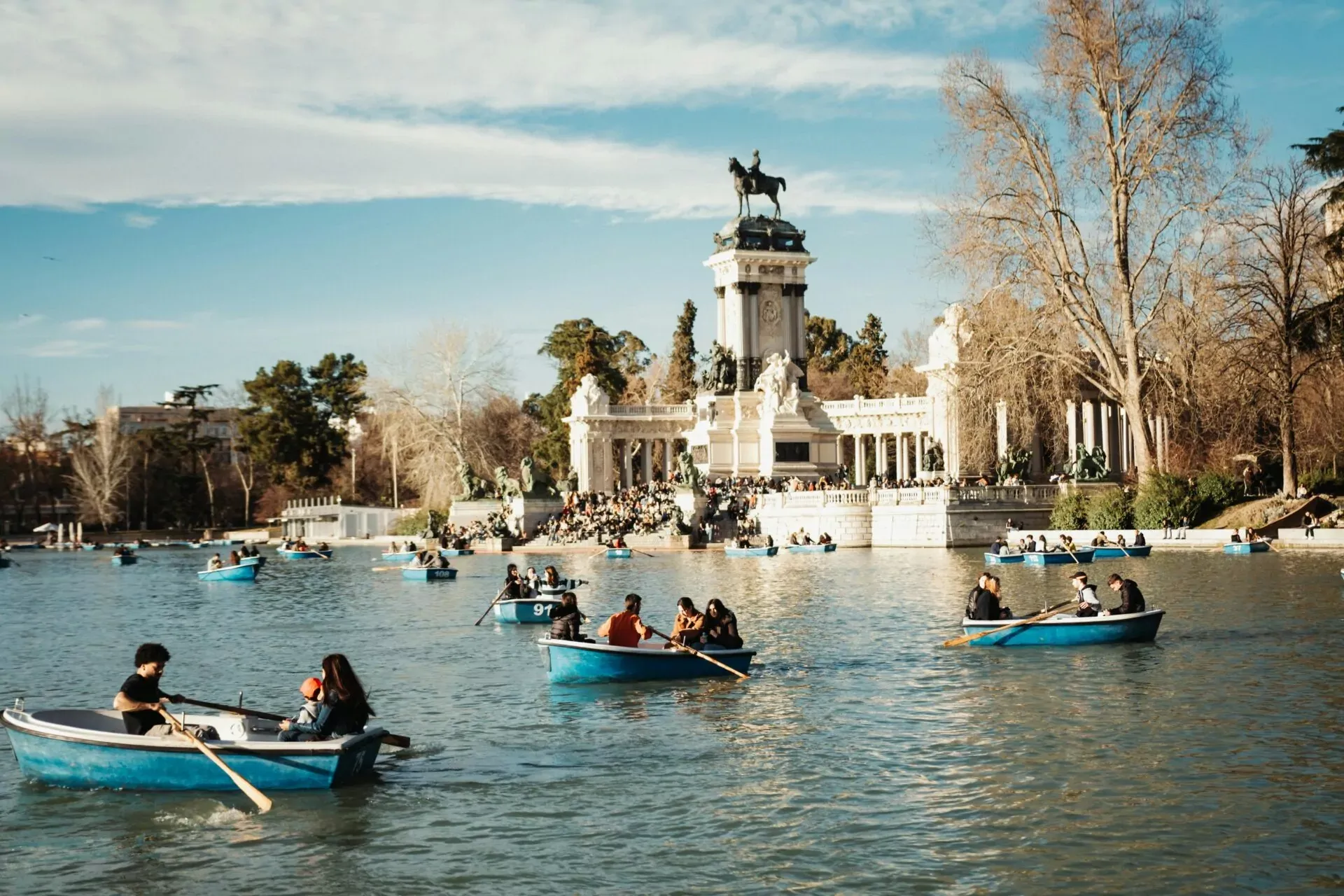
Practical Tips • History • 5 min. read
Best Parks and Places to Relax in Madrid: A Local’s Guide
Discover Madrid’s best parks and calm spots to unwind, from grand gardens to quiet corners, with practical local tips for a relaxed break.
Culture • Practical Tips • History • 4 min. read
Carnival in Madrid: Giants, Sardines and Fanfare
Explore Madrid's unique winter Carnival. From the multicultural Great Parade to the satirical Burial of the Sardine, discover what defines this mid-February celebration.
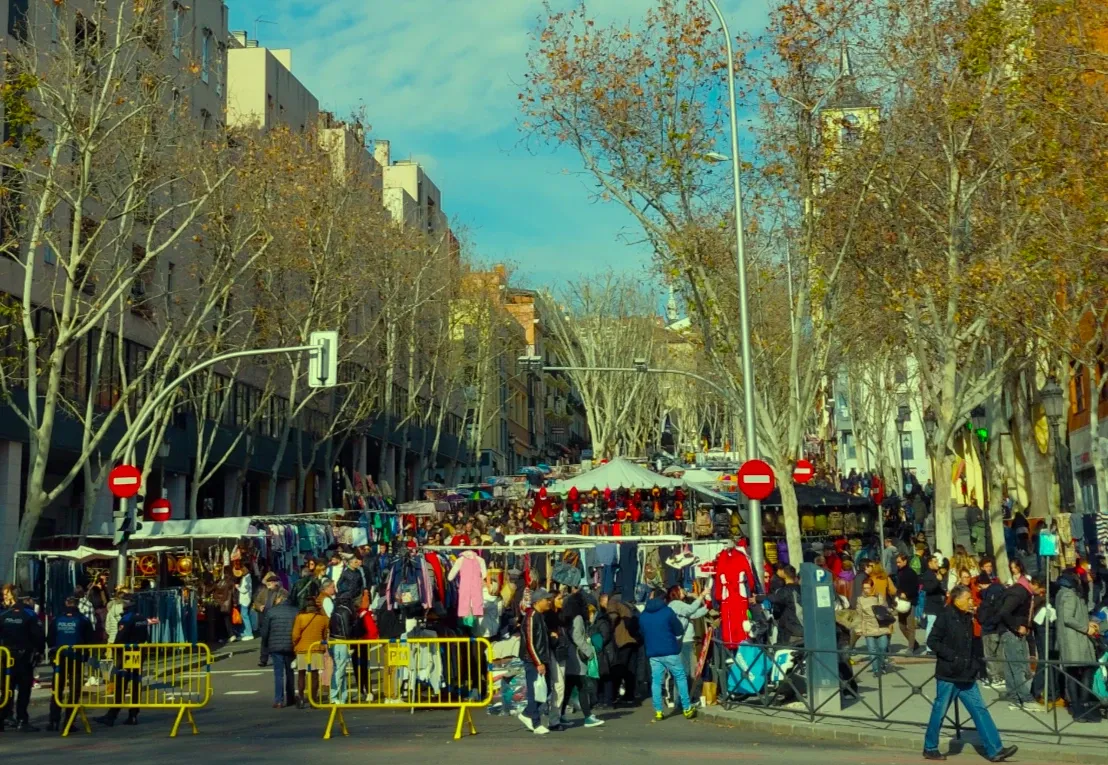
Practical Tips • History • 3 min. read
La Latina: A Guide to Madrid's Medieval Neighborhood
Wander the winding medieval streets of La Latina. From Sunday’s El Rastro market to evening tapas on Cava Baja, experience the authentic soul of Madrid.
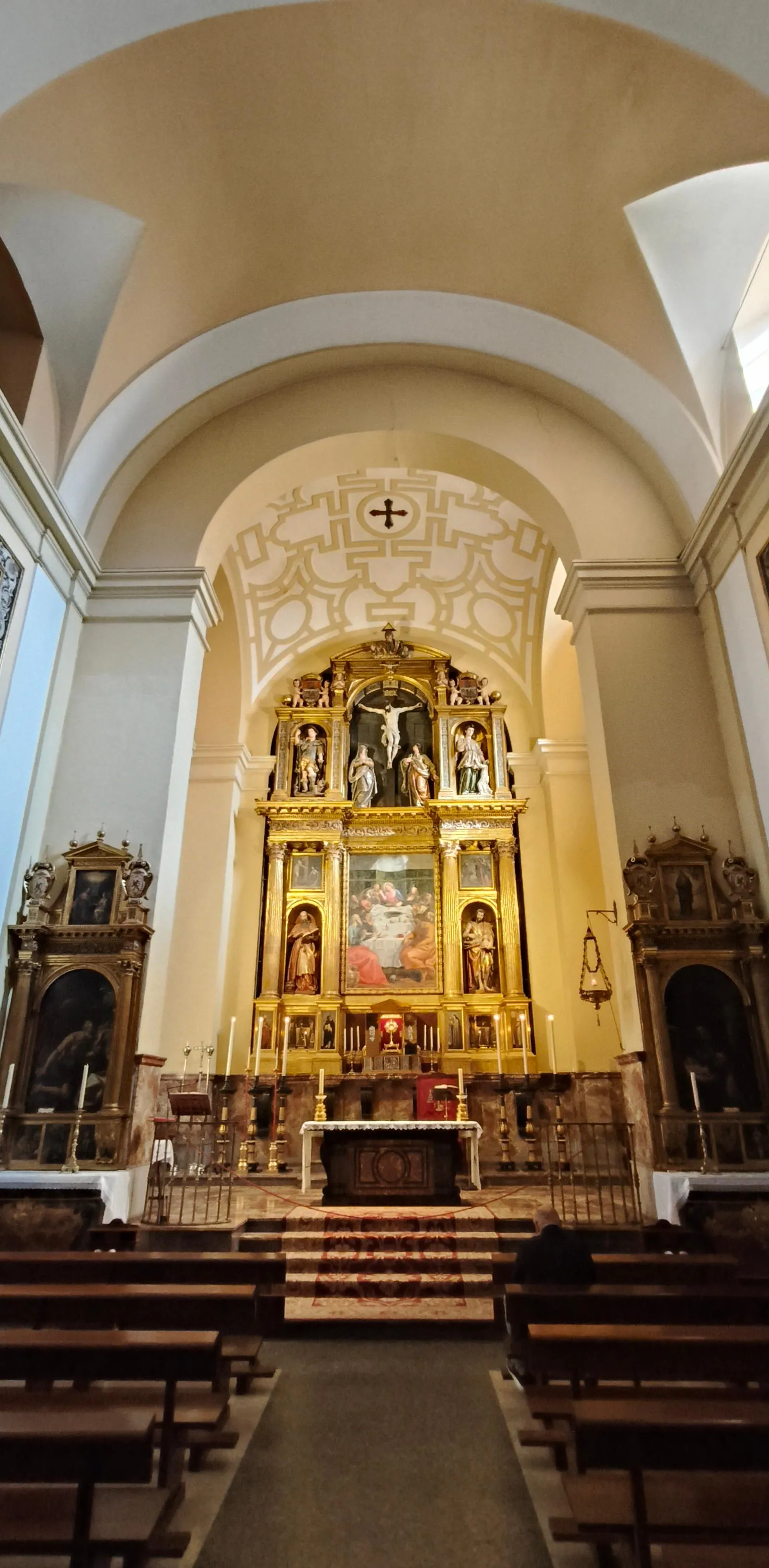
Culture • Practical Tips • History • Food • Tours • 4 min. read
Experiencing Semana Santa: A Guide to Easter in Madrid
Experience the unique traditions of Easter in Madrid. This guide covers the historic processions, cultural music events, and where to taste traditional torrijas during Semana Santa.
Culture • Practical Tips • History • 5 min. read
Barcelona's Urban Oases: Parks, Gardens, and Green Spaces
Escape the city buzz! Discover Barcelona's hidden green gems, from historic parks to panoramic viewpoints. Your guide to urban oases awaits!