Angel Aloisius: The Reluctant Heavenly Mascot of Munich
Over a century ago, author Ludwig Thoma invented a fictional railway porter who despised the endless harp-playing of Catholic heaven. Instead of delivering divine advice to the local government, this grumpy character abandoned his mission for a cold drink. Today, the legend of Angel Aloisius remains a humorous reflection of the Munich mindset, explaining exactly why a disgruntled winged figure hangs from the ceiling of the city's most famous beer hall.
Culture • History • 4 min. read
When visitors step into the legendary Hofbräuhaus in Munich, they are immediately surrounded by the sounds of clinking glass, traditional music, and cheerful conversation. While many come for the beer and the history, to truly understand the soul of this famous beer hall—and of Bavaria itself—you have to look up. Hanging from the ceiling is a peculiar figure: an angel with a grumpy expression, clutching a letter and a beer. This is Angel Aloisius, the unofficial mascot of Munich. His story offers a humorous and surprisingly accurate glimpse into the local mindset.
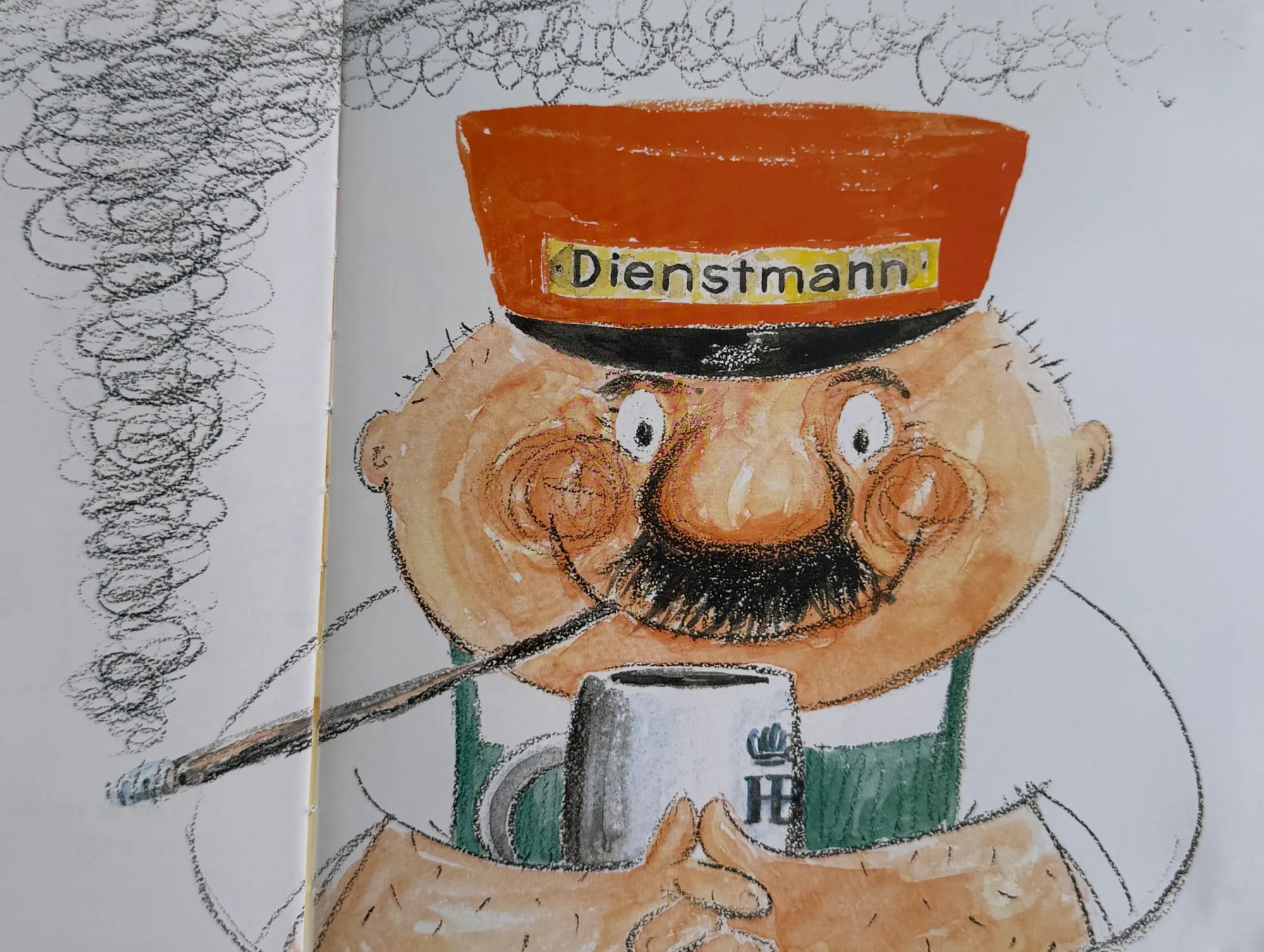
Meet Angel Aloisius: Munich's Reluctant Heavenly Mascot
The character of Angel Aloisius was created over a century ago by the renowned Bavarian author Ludwig Thoma. In his satirical tale, Ein Münchner im Himmel (A Munich Man in Heaven), Thoma invented a protagonist who perfectly embodies the everyday Bavarian of the early 20th century. Before earning his wings, Aloisius lived a simple life in Munich, where his personal idea of paradise was sitting in the Hofbräuhaus all day, enjoying a cold beer in absolute peace. He was not known for his ambition or relentless work ethic, preferring the cozy, relaxed lifestyle that locals call Gemütlichkeit.
The Story: Why a Bavarian Porter Hated Heaven
Aloisius worked as a porter at Munich's Central Station, carrying luggage for travelers. One day, overwhelmed by his duties, he suffered a fatal heart attack. Being a good Catholic, he naturally ascended to Christian heaven. Initially thrilled at the prospect of never having to work again, his joy quickly turned to dismay. Instead of relaxing, he was handed a harp and instructed to sing praises from eight in the morning until eight in the evening. To make matters worse, he discovered that beer was strictly forbidden in heaven. Frustrated by the endless singing and lack of brew, Aloisius threw a tantrum. He sang terribly, destroyed his harp, and quickly became an eternal nuisance to the other angels.
Divine Advice and the Bavarian Government
Desperate to restore peace in heaven, God struck a clever deal with the unruly Bavarian. He assigned Aloisius a special mission: once a week, he was to fly down to Munich and deliver divine advice to the Bavarian government. In exchange, he could enjoy some free time in his hometown. Aloisius eagerly accepted, grabbed the envelope, and flew straight to Munich. However, upon arriving, he completely ignored the parliament building. Instead, he made a direct line for the Hofbräuhaus, tossed his wings aside, and ordered his usual beer. According to the legend, he is still sitting there today, fully intoxicated, which humorously explains why the Bavarian government is still waiting for divine guidance.
What Aloisius Tells Us About the Bavarian Character
Thoma’s century-old story is more than just a comedy; it is a cultural mirror. Aloisius directly challenges the stereotype of the strictly hardworking, disciplined German. Instead, he represents the "beer garden German"—a true Bavarian who values Gemütlichkeit, preferring a laid-back lifestyle with a hint of laziness. The story also highlights a certain quick-tempered nature, seen when Aloisius aggressively smashes his heavenly harp. Above all, the tale underscores the central role of beer in local culture. In Munich, beer is not just a drink; it is the social glue that holds the community together, a concept that remains key to understanding the traditional beer hall lifestyle.
Where to Find Angel Aloisius in Munich Today
Today, Angel Aloisius has become the main publicity figure for the Hofbräuhaus. Visitors exploring the city can spot a large, 3D version of the famous angel hanging from the ceiling in the first main hall of the historic beer hall, still clutching his undelivered envelope. If you visit the Oktoberfest, you will also find a massive version of him serving as the main centerpiece inside the giant Hofbräu festival tent. If you want to delve deeper into the city's rich history and see the original beer hall firsthand, join our "Welcome to Munich! Old Town Guided Walking Tour". We discuss local traditions and of course also make a stop at Hofbräuhaus.
The legend of Angel Aloisius perfectly captures the charm, humor, and relaxed spirit of Bavaria. Whether you are grabbing a quick pint or settling in for an evening of traditional music and hearty food, remembering the story of the grumpy angel adds a wonderful layer of local context to your visit. Next time you find yourself in Munich, raise a glass to Aloisius—he certainly isn't leaving the Hofbräuhaus anytime soon.
Related stories
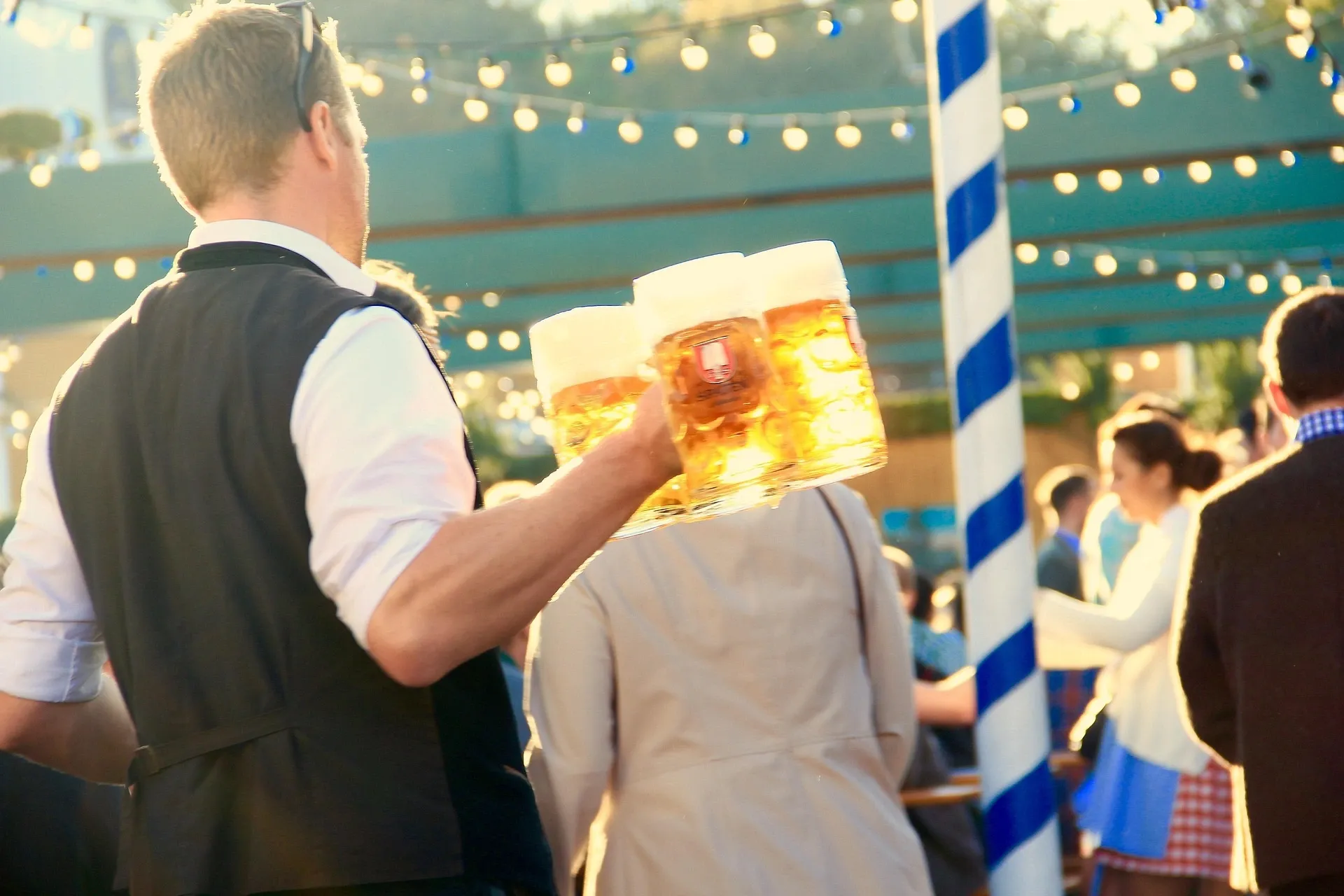
Culture • Practical Tips • History • 4 min. read
Munich's Liquid Bread: A Guide to Strong Beer Festivals
Join the locals at Munich's Strong Beer Festivals, the traditional start to beer season. Enjoy strong beer, live music, and authentic Bavarian culture way before the Oktoberfest crowds arrive.
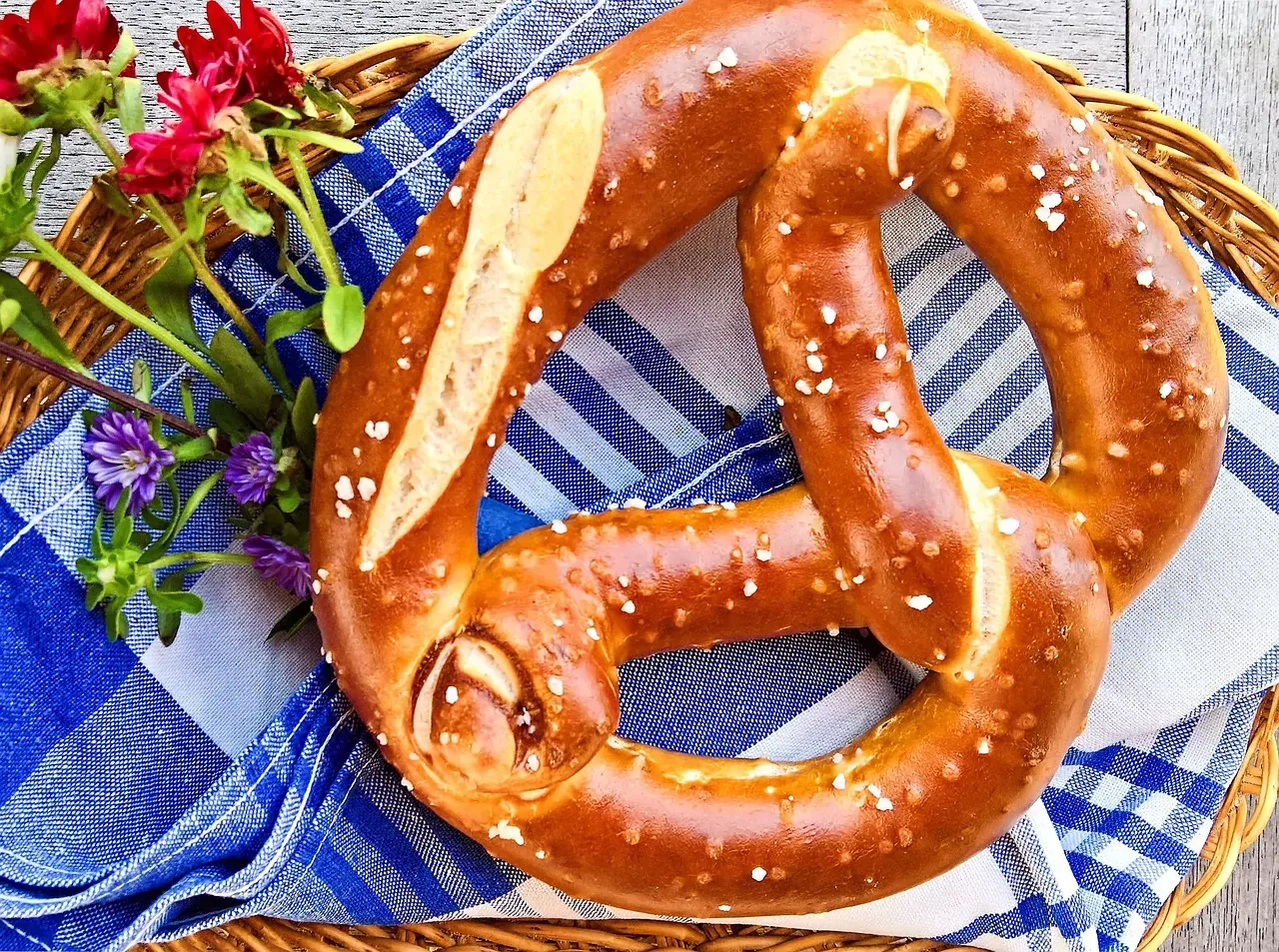
Practical Tips • Food • 6 min. read
Where and What to Eat in Munich: A Guide to Bavarian Delights
A foodie's guide to Munich: discover where and what to eat, from traditional beer halls to Bavarian specialties.
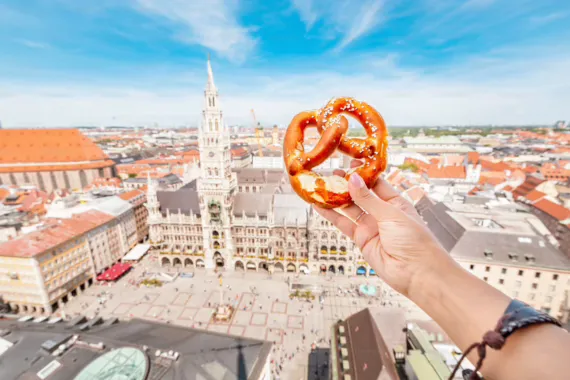
Culture • Food • 6 min. read
Souvenirs from Munich – Capture Memories from the Bavarian Capital!
Munich souvenirs guide: beer steins, Bavarian crafts, markets, and sweet treats. What to buy, where to shop, and what to skip.
Practical Tips • History • 8 min. read
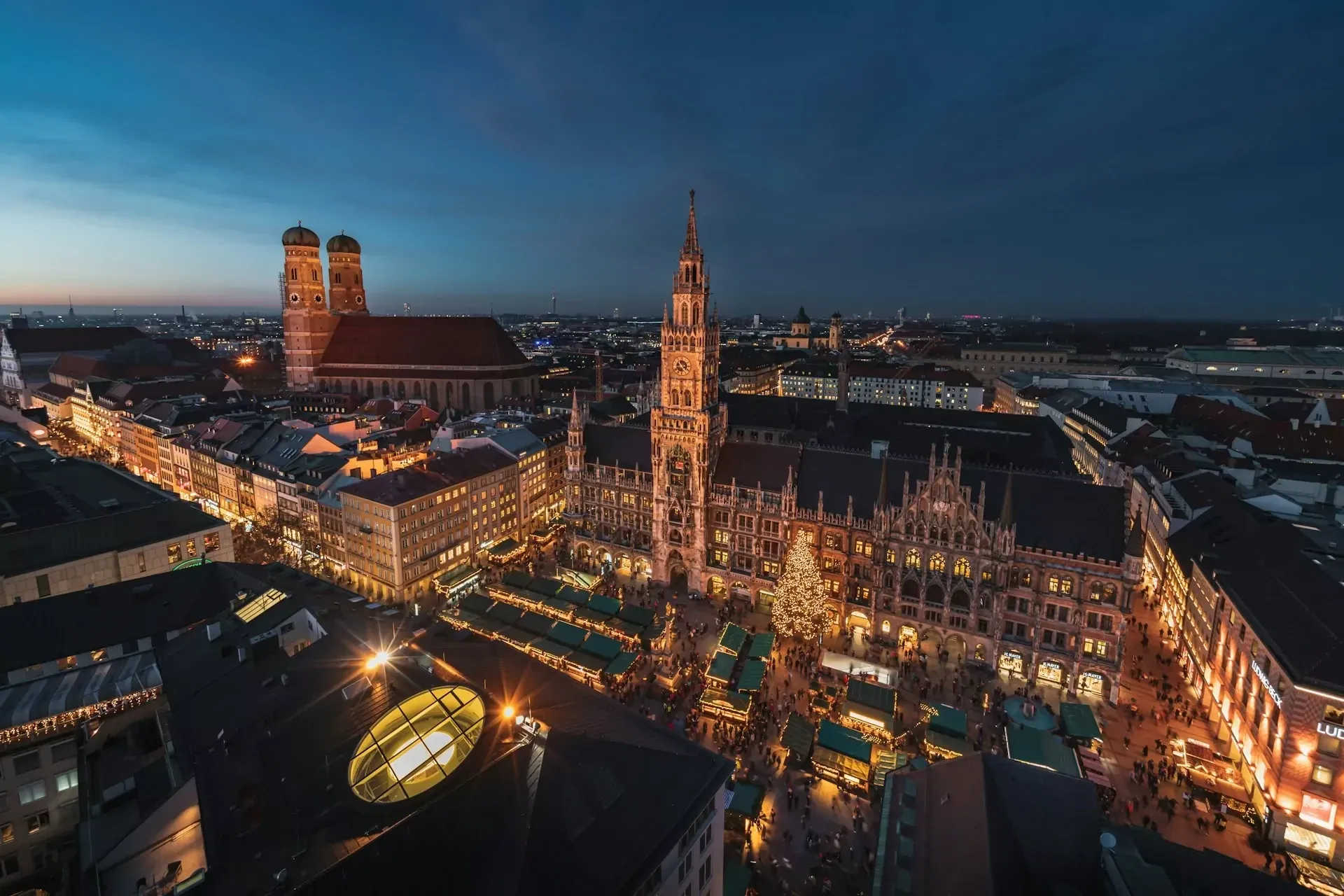
Munich in 3 Days: What to See and How to Explore
How to spend 3 days in Munich. See the Marienplatz, English Garden, and the best of Bavaria in one weekend.
Culture • Practical Tips • 4 min. read
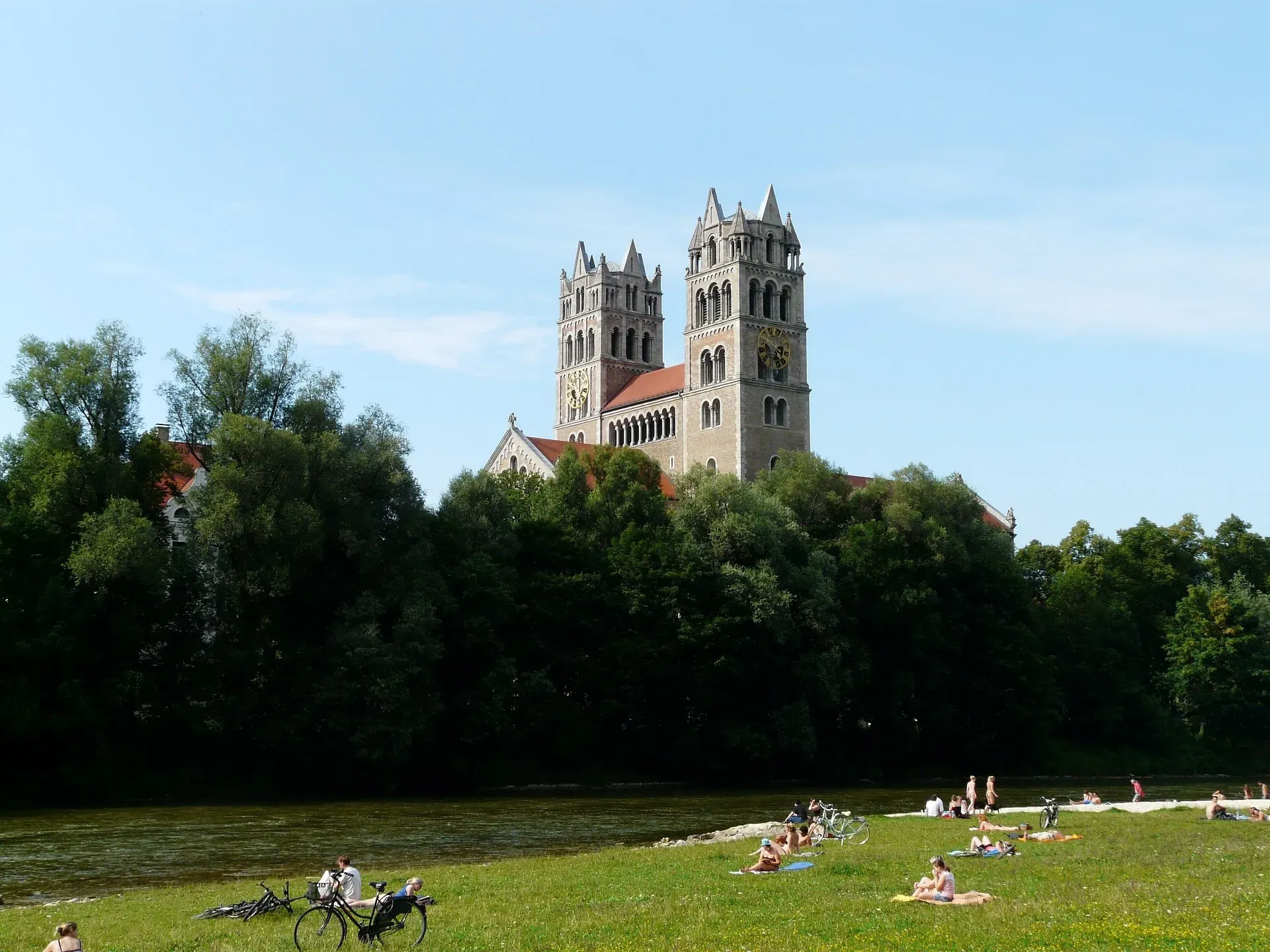
A Guide to Munich's Green Spaces and Park Culture
Escape the urban noise and discover Munich's famous park culture. Explore the green retreats and relaxing beer gardens that make the Bavarian capital feel like a big village.