Easter in Berlin: German Traditions and Local Customs
Why does a rabbit bring eggs? Discover the deep roots of Easter traditions in Germany and explore Berlin's markets and bonfires this season.
6 min. read
Welcome to Easter in Berlin
As winter fades and the first blooms of spring appear, Berlin and the surrounding Brandenburg region come alive with vibrant Easter traditions. This time of year offers a fascinating blend of ancient customs and modern festivities, making it a perfect season for travelers to explore Germany. Visitors can immerse themselves in the local culture by visiting the bustling Easter Market at Alexanderplatz, famous for its thousands of crocheted eggs and petting zoo, or experience the unique community atmosphere in Prenzlauer Berg.
Whether you are interested in the deep historical roots of these celebrations or simply want to enjoy the festive spirit, understanding the local customs adds depth to your journey. From the lighting of ceremonial fires to the intricate history of egg painting, the German capital offers a rich tapestry of heritage to discover during the holy week.
The Easter Fire: Lighting the Transition to Spring
The tradition of the Easter fire is a profound spectacle that marks the shift from the darkness of winter to the light of spring. Rooted in pre-Christian history, these fires were originally lit to conjure the sun and encourage it to descend to earth. Historically, the ashes from these bonfires were spread over fields as fertilizer, symbolizing fertility and agricultural abundance. Documented as far back as 750 AD, this custom shares similarities with the Celtic Beltane festival celebrated in May.
Today, this practice continues as both a secular and religious event, typically taking place on the Saturday before Easter Sunday. For visitors in Berlin, the Kulturbrauerei in Prenzlauer Berg hosts a special Easter fire, offering a perfect opportunity to witness this fiery tradition firsthand. It serves as a warm community gathering where the ancient symbolism of the sun meets contemporary celebration.
The Practical History of the Painted Egg
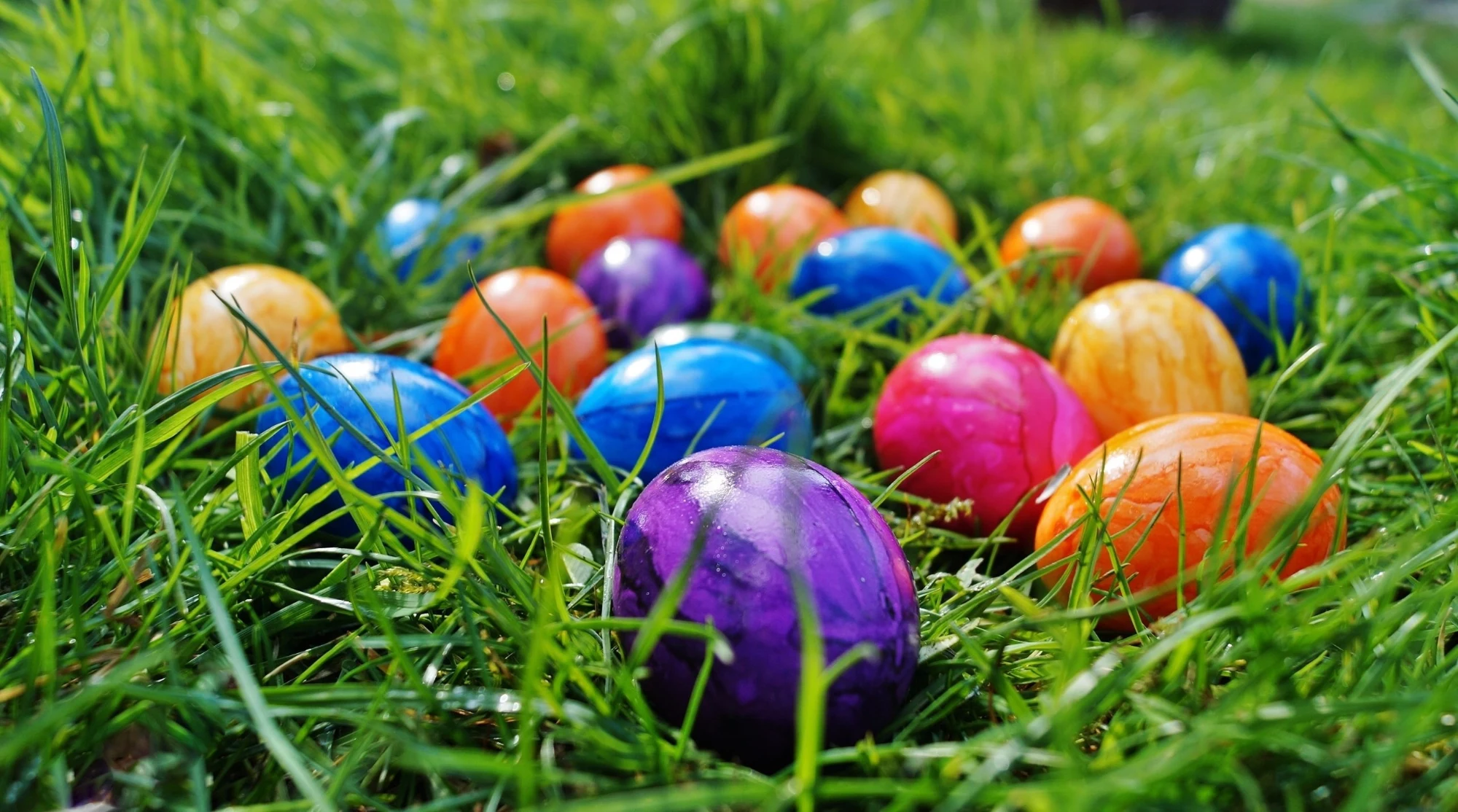
While colorful eggs are now synonymous with festive decoration, the painting of eggs in the Middle Ages was born out of necessity rather than mere aesthetics. During the forty days of Lent, the consumption of eggs was strictly forbidden by the church. To preserve the eggs laid during this period, farmers would boil them. To keep track of their stock and distinguish the older eggs from the fresh ones, they began color-coding them.
There was also a fiscal aspect to this tradition. Farmers often owed a portion of their produce to their masters as a form of tax or rent. To distinguish their own food supply from the eggs intended for their landlords, they would dye the payment eggs red. Thus, the colorful displays we see today are rooted in a clever medieval system of inventory management and tax payment.
Natural Dyes and Color Symbolism
Before the advent of artificial coloring, households used natural ingredients to dye Easter eggs. Common pantry items transformed shells into vibrant art: beetroot and elderberry juice created reds, spinach provided green, while saffron, coffee, and tea offered earthy yellow and brown tones. In the past, the specific color of an egg carried significant weight and meaning, often varying by region.
The symbolism behind these colors was quite specific:
Red: Originally associated with pagan sacrifice, it later symbolized Christ’s sacrificial death.
Yellow: Represented a desire for enlightenment and wisdom.
Green: Signified innocence, youth, and the hope of spring.
Orange: Stood for strength and endurance.
Blue: Interestingly, this color was traditionally avoided as it was considered a sign of misfortune.
Why a Rabbit? The Origins of the Easter Bunny
The Easter Bunny is a tradition deeply rooted in German folklore. Writings from the 17th century describe this character for the first time as a hare that would lay colourful eggs in the nests - or baskets - of well-behaved children. This folklore was later carried to the United States by German immigrants in the 18th century, eventually evolving to include chocolate and toys.
The connection between rabbits and Easter is biological and mythological. Rabbits are prolific breeders, producing up to 20 young per year, making them an enduring symbol of fertility. In mythology, the rabbit was the sacred messenger of Ostara, the Germanic goddess of spring. It is believed that the very name "Easter" ("Ostern" in German) is derived from her name, cementing the rabbit's place as the icon of the season.
Foxes, Storks, and Cuckoos: The Alternative Egg-Bringers
While the Easter Bunny is now the undisputed star of the holiday, he wasn't always the only animal delivering treats. Before the rabbit became the standard bearer for Easter across Germany and the world, regional folklore featured a variety of different animals responsible for bringing the eggs. In some parts of the country, children waited for the cuckoo to deliver their colourful gifts.
In other regions, the fox or the stork was the anticipated guest. These local variations highlight the diverse folklore that existed before mass media and standardised traditions unified the story. It serves as a reminder that the symbols we accept as universal today often started as specific regional customs tied to the local wildlife and storytelling traditions of the area.
The Easter Walk
In addition to fires and feasts, the Osterspaziergang (Easter Walk) is a cherished custom, particularly in Germany. Taking place on Easter Sunday, this tradition involves families and communities venturing out into nature to formally welcome the arrival of spring. It is a time to shed heavy winter coats and witness the reawakening of the landscape, reinforcing the season's themes of life and renewal.
This tradition is also deeply rooted in literature, most notably immortalised by Johann Wolfgang von Goethe in his tragic play, Faust. The famous "Easter Walk" monologue captures the essence of the holiday: the liberation of nature from the ice of winter and the joy of the people as they emerge from their houses to celebrate the sunlight. It transforms a simple stroll into a cultural ritual of hope and revitalisation.
Exploring these traditions reveals that Easter in Germany is far more than just a chocolate-filled holiday; it is a celebration of life, history, and the enduring cycles of nature. Whether you are warming yourself by a fire in Berlin or admiring naturally dyed eggs, you are participating in rituals that have sustained communities for centuries. We hope you enjoy uncovering these cultural layers as you celebrate the return of spring and if you want to know more about Berlin and it's history join our Welcome to Berlin! Walking Tour