Experiencing Easter in Krakow: Local Customs and the Emaus Tree
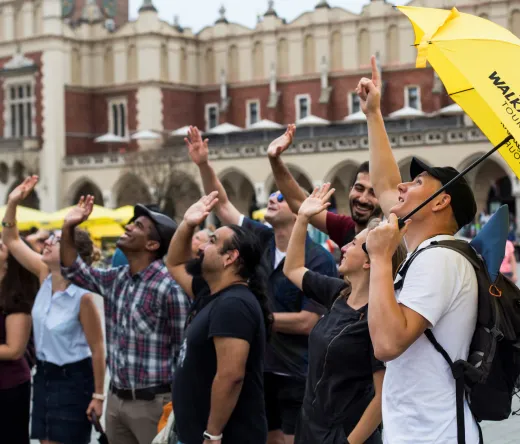
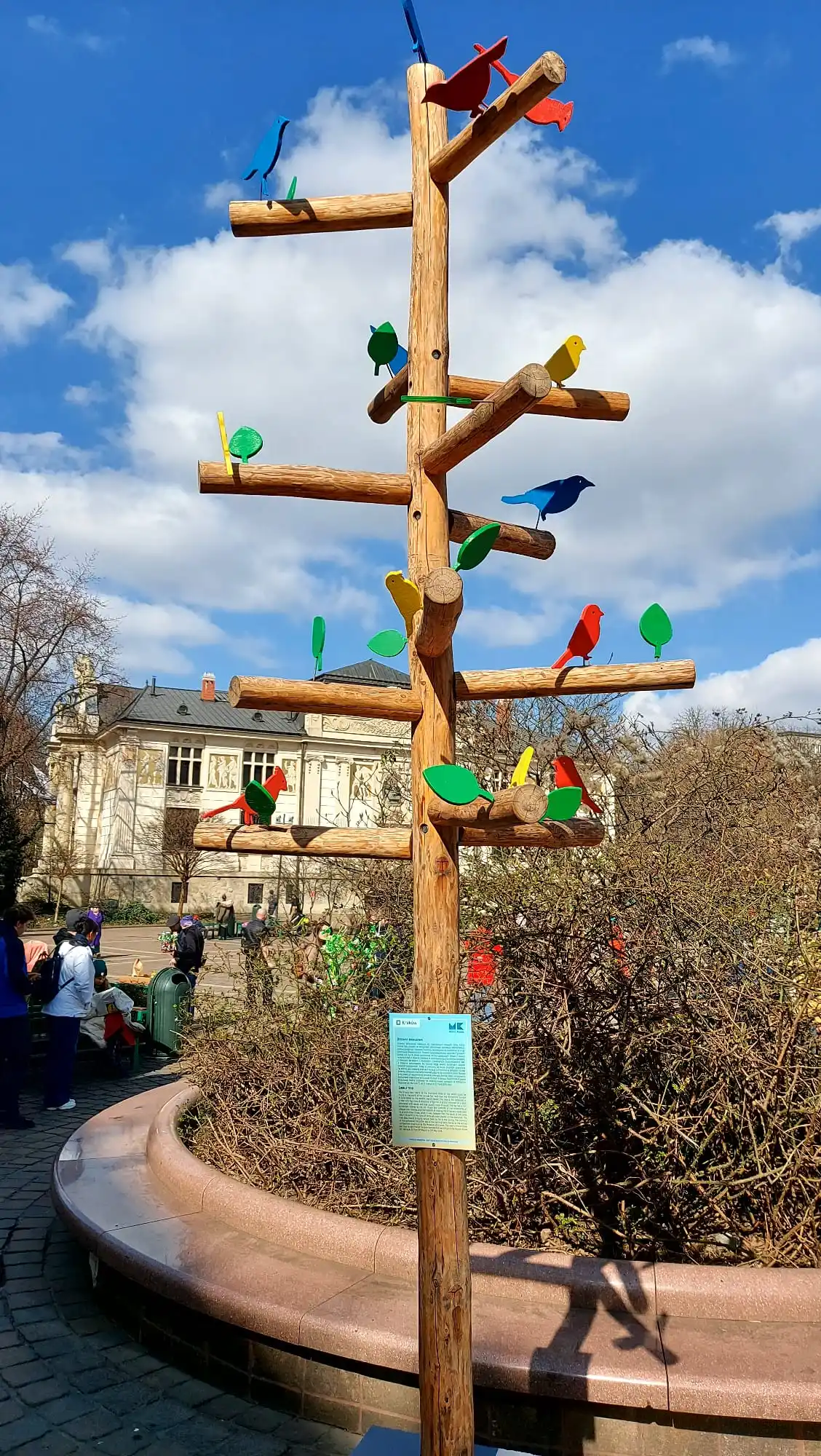
Krakow is a city where centuries of history and living culture meet, and the Easter season offers a clear view of this unique character. While many visitors are familiar with Polish Easter staples such as the blessing of Easter baskets (święconka), Palm Sunday processions, and the festive Easter breakfast, Krakow offers something even more distinctive: the enchanting tradition of the Emaus Tree (drzewko emausowe).
Culture • History • Food • Tours • 5 min. read
Last edited:
March brings a distinct shift in the air as Madrid begins to shake off the winter chill. The arrival of spring coincides with a surge of energy across the capital, making the city feel busier and more vibrant. This month, the calendar is packed with a wide variety of events, ensuring that whether you are looking for the intensity of a stadium crowd or the quiet contemplation of an art gallery, there is something notable happening for you.
For sports enthusiasts, the schedule is particularly strong. The headline event is undoubtedly the unique Madrid football derby on March 21, when Real Madrid faces Atlético de Madrid at the Bernabéu. This is one of the most intense rivalries in LaLiga, and the atmosphere in the city is usually electric. If you prefer participating over watching, the Movistar Madrid Half Marathon takes place on March 1, routing runners past iconic landmarks like Puerta de Alcalá. Additionally, rugby fans can look forward to the Rugby Europe Men's Championship Finals Day on March 15, featuring top European teams.
The visual arts scene offers impressive experiences this month. The LuzMadrid Festival 2026 transforms familiar streets into canvases of light with installations by international creators. For a fusion of technology and music, the DroneArt Show at Hipódromo de la Zarzuela features 1,000 drones performing to classical scores. Meanwhile, the renowned ARCOmadrid 2026 fair gathers contemporary art galleries and emerging artists, while the Mercedes-Benz Fashion Week Madrid showcases cutting-edge collections at various venues across the city.
Theatre and performance lovers also have plenty of options. The Teatralia Festival marks its 30th anniversary with a diverse range of shows, including circus and puppetry. At the Teatro Real, you can catch a bold new production of Shakespeare's A Midsummer Night's Dream. Furthermore, the Ellas Crean 2026 Festival highlights female talent through poetry, jazz, and dance, offering a multidisciplinary approach to the arts.
With the days getting longer and the city bustling with activity, it is an excellent time to explore the streets on foot. To get your bearings and understand the history behind these lively neighbourhoods, we invite you to join our Welcome to Madrid! Historic Centre Guided Walking Tour, which follows the city’s story from its Islamic origins to the present day.
| Date | Event | Category | |
|---|---|---|---|
| March 1 |
DroneArt Show
Immerse yourself in a magical night where a string quartet plays Vivaldi, Mussorgsky, Paul Dukas, and Debussy surrounded by 5,000 candles, while 1,000 drones light up the sky with stars, constellations, and flowers at the Hipódromo de la Zarzuela. |
📅 Other | More details → |
| March 1-31 |
LuzMadrid Festival 2026
Wander through Madrid transformed into a canvas of light with 15 art installations by national and international creators intervening in the urban landscape for a shared sensory experience. |
📅 Other | More details → |
| March 1-31 |
Ellas Crean 2026 Festival
Celebrate female talent through a multidisciplinary program of poetry, jazz, dance, and theater at the Joaquín Rodrigo Auditorium. |
🎪 Festival | More details → |
| March 6-29 |
Teatralia Festival 2026
Experience 30 years of performing arts with diverse shows including choreographed circus, puppet theater, and live music across multiple venues in Madrid. Discover international and Spanish creations premiering in Spain at places like Teatro Circo Price and Teatros del Canal. |
🎪 Festival | More details → |
| March 14 |
The best tardeo in Madrid at VOGUE
Party with performances by Flash-Back, Nébula, Pedro del Moral, and Miguel Lara across three dance areas: Remember Zone, 90s and 00s Spanish Pop Zone, and SBK Zone. |
🎪 Festival | More details → |
| March 18-22 |
Mercedes-Benz Fashion Week Madrid
Witness cutting-edge fashion collections on catwalks at Crystal Gallery in Cibeles Palace, Fernán Gómez Palace, and IFEMA, starting with designers like Juan Vidal and Pedro del Hierro. |
🎪 Festival | More details → |
| March 9 |
Royal Film Concert Orchestra
Enjoy a symphonic rock experience with the Royal Film Concert Orchestra and DJ Symphonic. Tickets start from €46 for this evening performance. |
🎵 Concert | More details → |
| March 10-22 |
A Midsummer Night's Dream
Immerse yourself in a bold new production of Shakespeare's beloved comedy. Watch Teatro Real's 6 performances of this enchanting tale, directed by Deborah Warner and conducted by Ivor Bolton. |
🎵 Concert | More details → |
| March 18 |
O’Flynn Concert
Dance to O’Flynn's set at Sala Clamores. |
🎵 Concert | More details → |
| February 6 - May 3 |
The Mediterranean Manifesto exhibition
View a selection of European furniture designs showcasing a paradigm shift in living at the Fernán Gómez Cultural Centre. Explore how design reimagines everyday spaces. |
🖼️ Exhibition | More details → |
| March 1-31 |
ARCOmadrid 2026
Explore Spain’s International Contemporary Art Fair featuring selected galleries, emerging artists, and programs like ARCO2045: The future, for now. |
🖼️ Exhibition | More details → |
| March 1 |
Movistar Madrid Half Marathon
Run or cheer along a 21 km route through iconic spots like Paseo de la Castellana, Puerta de Alcalá, Gran Vía, Cibeles, and Puerta del Sol. |
⚽ Sport | More details → |
| March 15 |
Rugby Europe Men's Championship Finals Day
Experience the thrilling finals of the Rugby Europe Men's Championship, featuring semi-finals and the grand final with top European teams clashing in high-energy matches. Cheer from the stands as Spain hosts this exciting day of rugby action. |
⚽ Sport | More details → |
| March 21 |
Real Madrid vs Atlético de Madrid
Dive into the intense Madrid derby rivalry as Real Madrid faces Atlético de Madrid at the Bernabéu, starting around 5:00 pm. Soak up the passion of this fierce LaLiga clash. |
⚽ Sport | More details → |
Related stories
History • Tours • 2 min. read
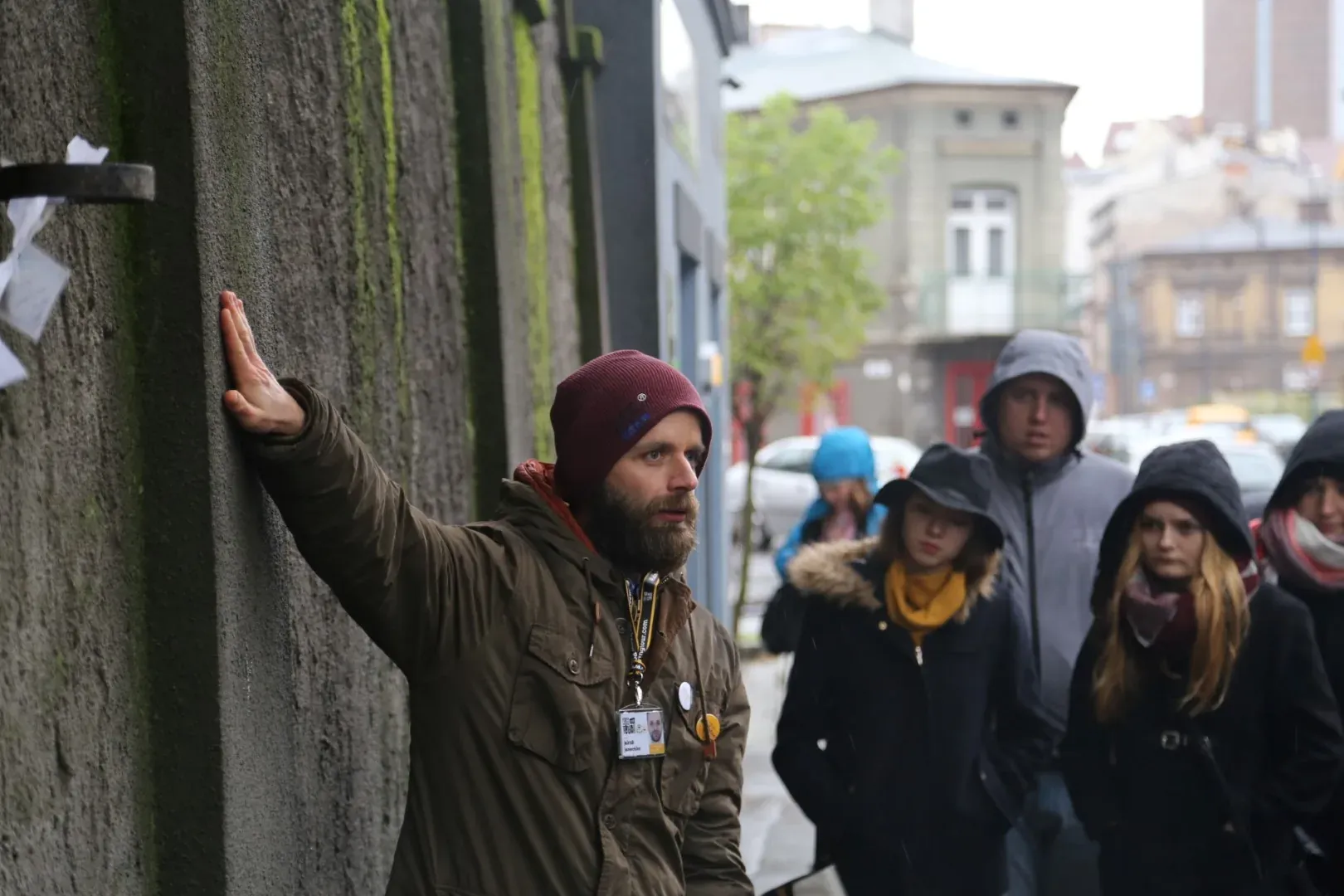
Free tours around the Kraków ghetto for the students
Student-focused free walking tour of the Kraków Ghetto. Learn key sites, history, and context in a clear, respectful way.
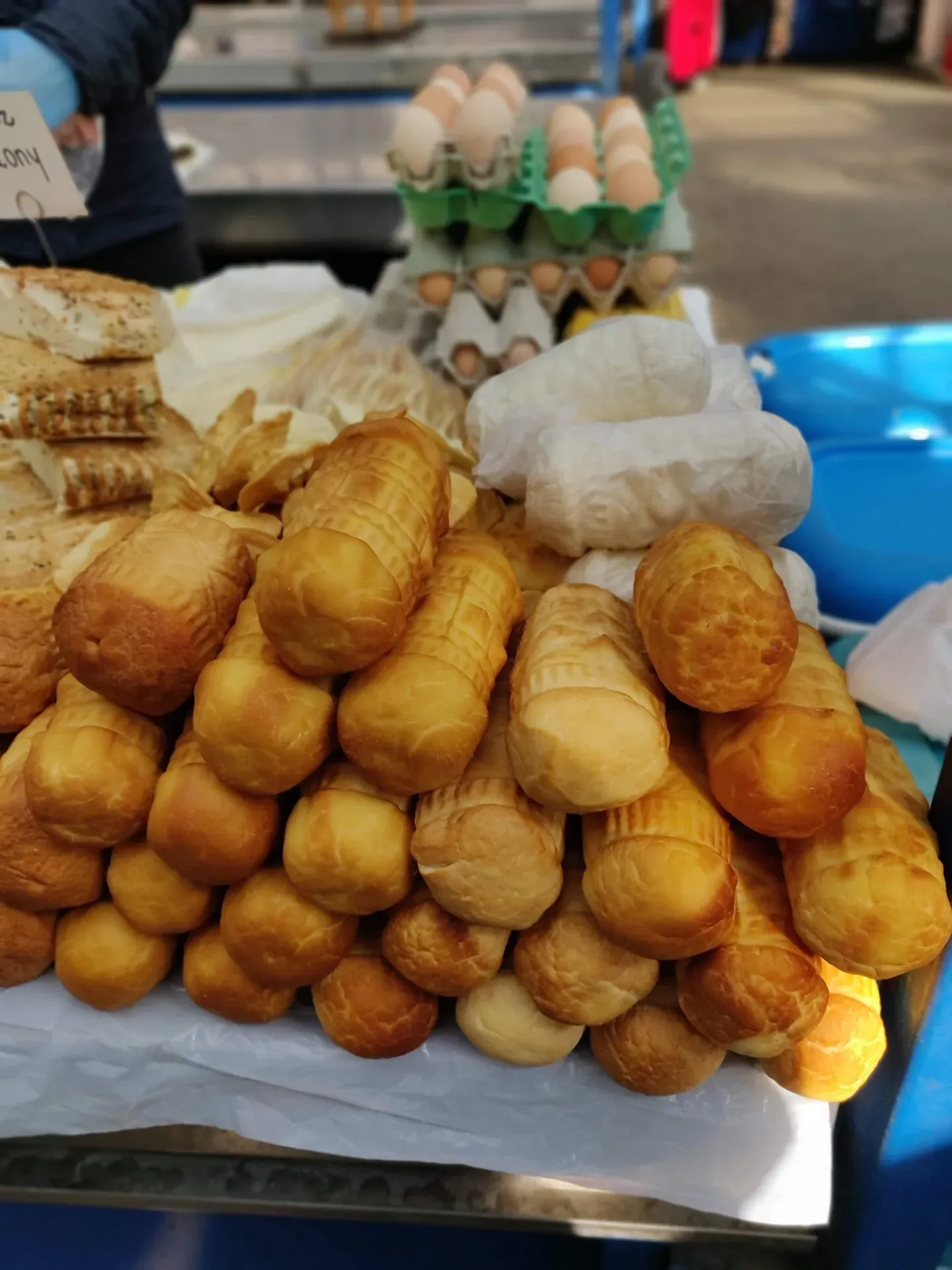
Culture • Food • 11 min. read
Polish traditional food and cuisine – 29 things to try when visiting Poland.
Polish traditional food: 29 dishes to try in Poland, from pierogi and bigos to soups, sweets, and regional specialties. Selection by Walkative Guides!
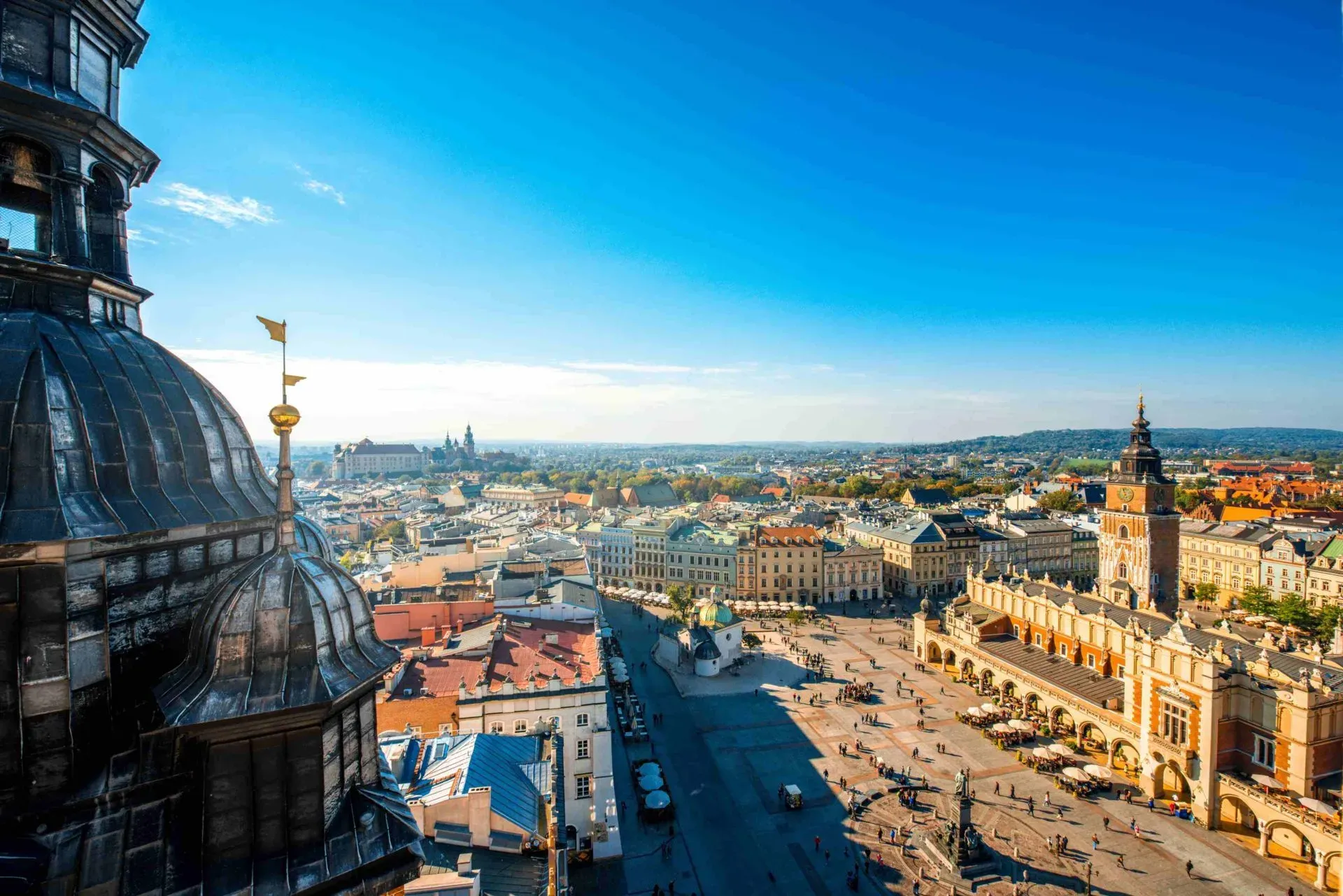
Culture • History • 12 min. read
All 16 UNESCO World Heritage Sites in Poland. Part 1: castles, towns and forests
Explore Poland's UNESCO sites: from Kraków's vast medieval square and 13th-century salt mines to the primeval Białowieża Forest.
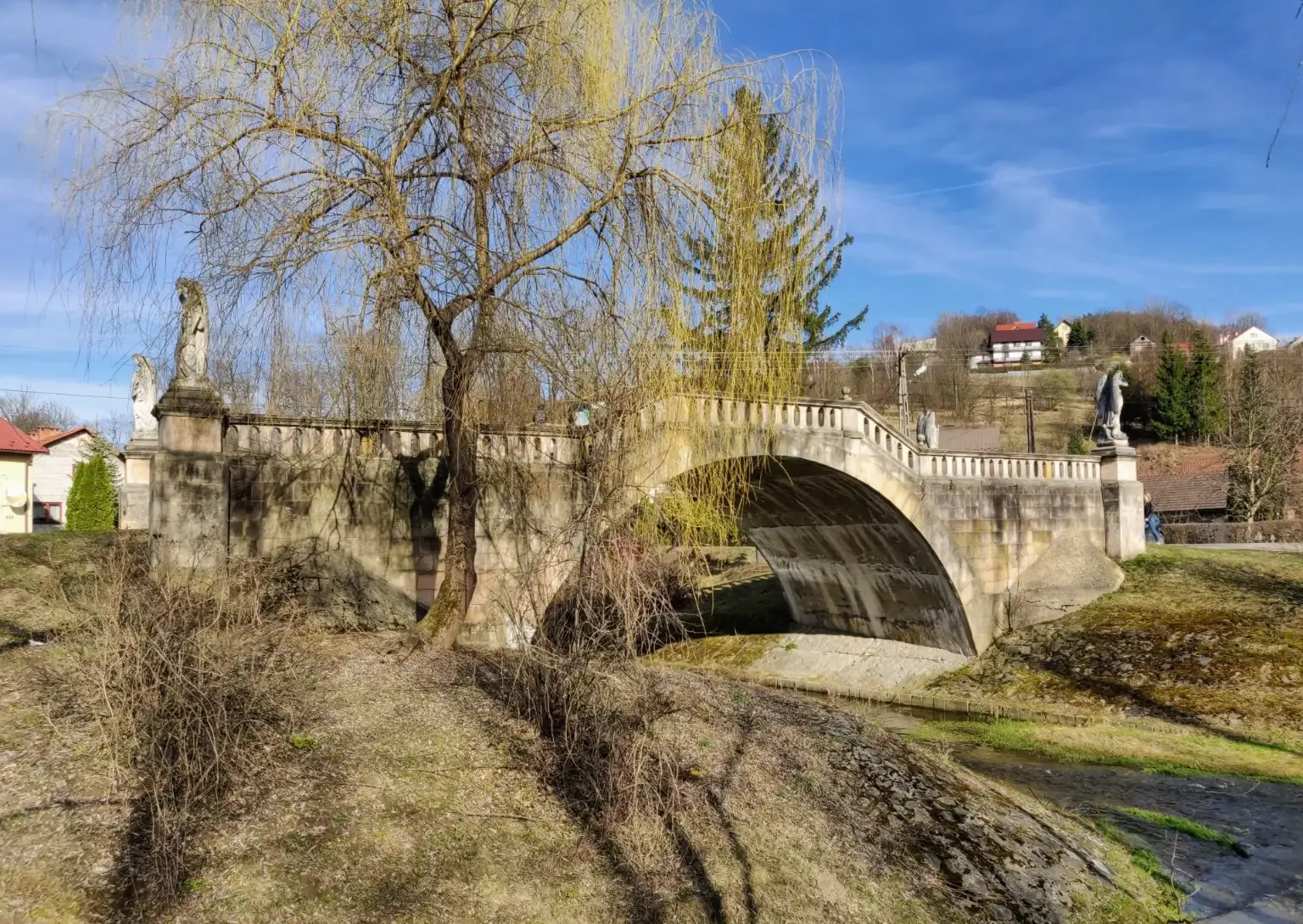
Culture • History • 10 min. read
All 16 UNESCO World Heritage Sites in Poland. Part 2: mines, parks and wooden architecture
Explore Poland’s UNESCO sites: Wieliczka mine, Białowieża Forest, wooden churches, and more—Part 2 guide to mines, parks, heritage.
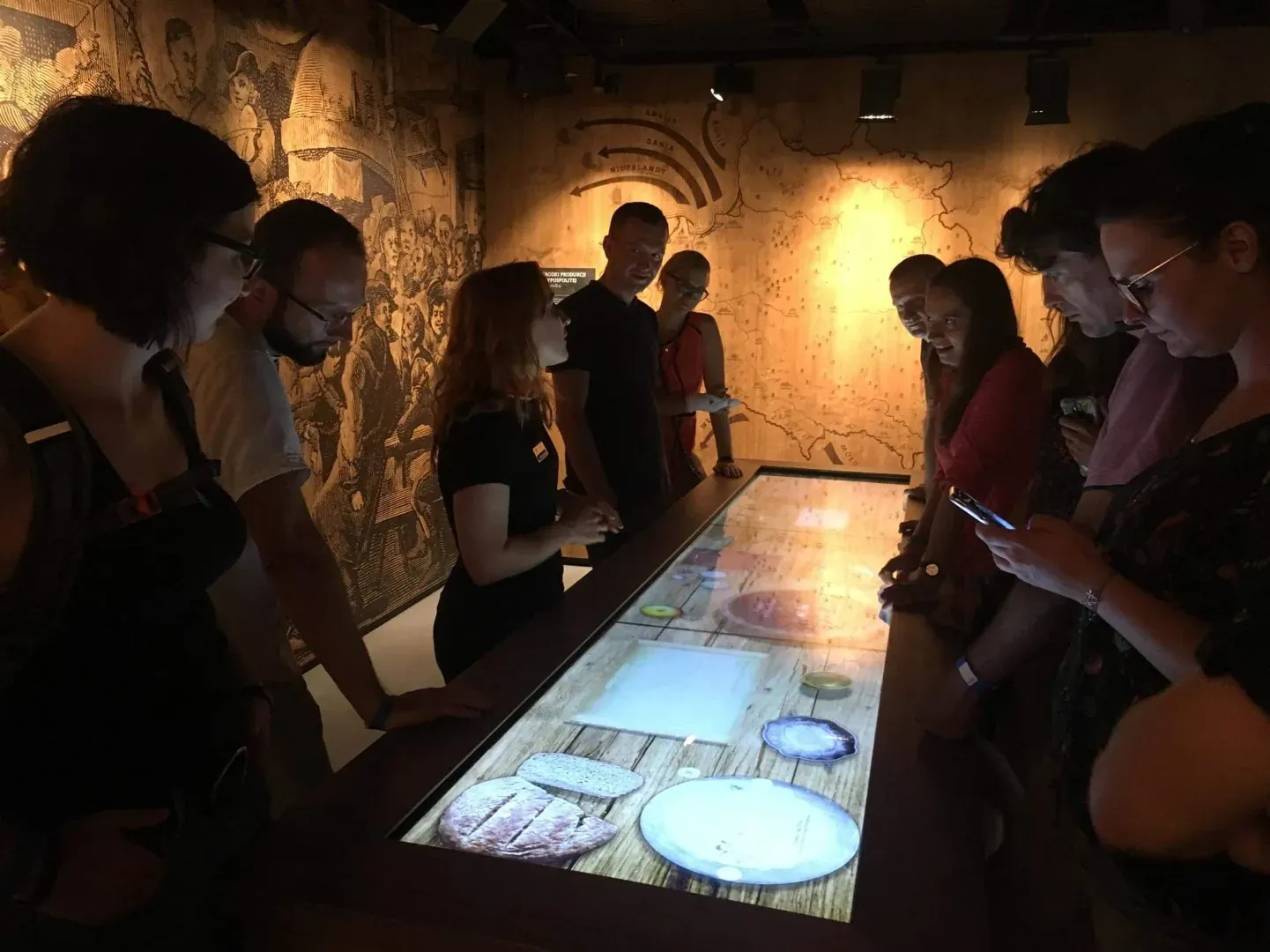
Culture • Food • 2 min. read
Training at the Polish Vodka Museum
Walkative Guides participated in... Training at the Polish Vodka Museum! Hands-on session exploring vodka heritage, production basics, and tasting guidance in Warsaw.