Inside the Four Domes Pavilion: Wroclaw's Museum of Contemporary Art
Designed in 1912 by architect Hans Poelzig, the Four Domes Pavilion stands just steps from Centennial Hall as a striking modernist landmark. Today, its naturally lit interiors serve as the contemporary branch of the National Museum in Wroclaw. The collection maps a complicated era of Polish creativity, contrasting state-mandated socialist realism with the highly individual resistance of post-war sculptors and painters.
Culture • Practical Tips • History • Tours • Newsletter • 4 min. read
Last edited:
Wrocław is celebrated for its historic Old Town, but its modern cultural landscape is equally compelling. For travellers interested in how Poland's turbulent twentieth century shaped its creative minds, the Museum of Contemporary Art offers a profound visual journey. Housed in an exceptional architectural setting, this museum provides a comprehensive look at the evolution of modern Polish art, from stark post-war realities to highly individual avant-garde expressions.
The Four Domes Pavilion: Wrocław's Contemporary Art Hub
Serving as the contemporary art branch of the National Museum in Wrocław, the Four Domes Pavilion holds one of the country's most significant collections of modern Polish art. This dedicated space allows visitors to explore the complex narratives and diverse mediums that have defined the nation's artistic output over the last century. By bringing together paintings, sculptures, and spatial installations, the pavilion acts as a cultural anchor, reflecting the changing social and political tides of Poland.
The Unique Architecture of the Pavilion
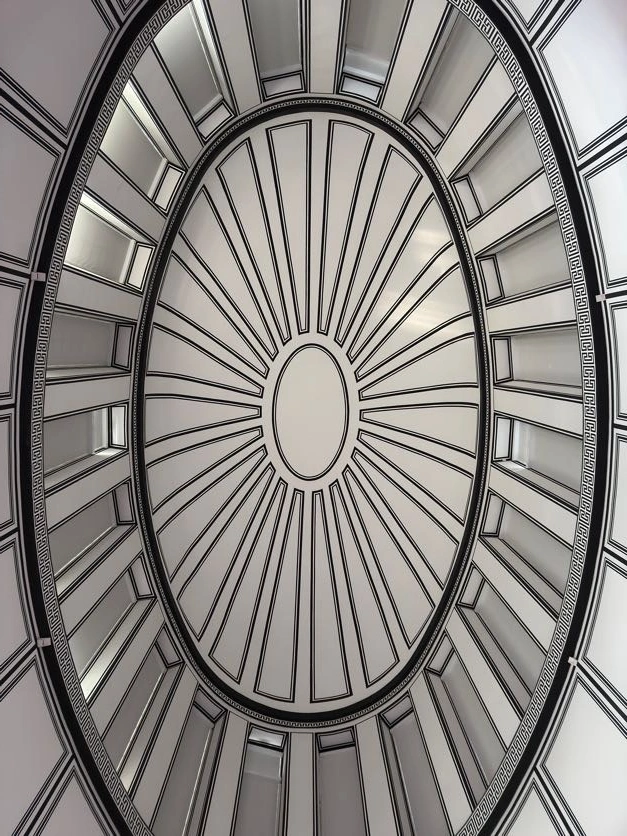
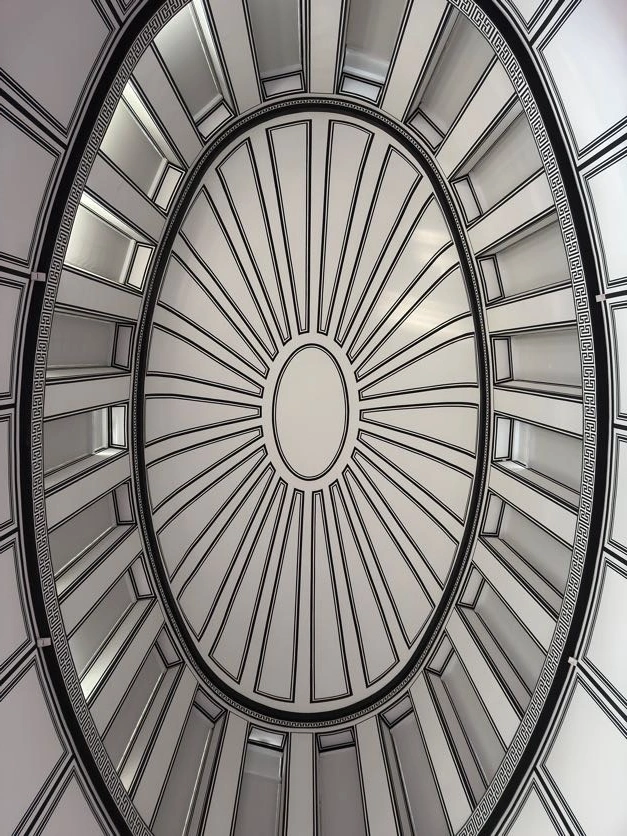
The building itself is a distinguished example of early modernist architecture. Designed by the prominent architect Hans Poelzig and completed in 1912, the Four Domes Pavilion was originally created for exhibition purposes. Following a comprehensive and sensitive restoration, the space was successfully adapted to meet the specific needs of a modern art gallery.
The design features a striking central courtyard and, true to its name, four distinct domes that bathe the interior in natural light. This thoughtful architecture creates an expansive, neutral backdrop that allows the complex artworks to take centre stage without competing with the building's historical character.
Understanding the Polish Post-War Approach to Art
The museum’s collection provides deep insight into how Polish artists navigated the distinct challenges of the post-war era. Following World War II, artists were strongly pressured to conform to Socialist Realism, a state-mandated style designed to promote communist ideals and glorify the working class. A prime example on display is Aleksander Kobzdej’s painting Podaj cegłę (Pass a Brick), which explicitly depicts labourers working collectively to rebuild the country.
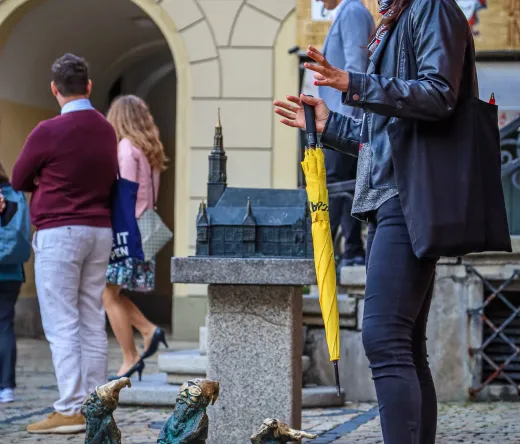
However, Polish artists quickly sought ways to express their individuality and resistance. Just as local citizens later used humour and absurdity to defy censorship—a fascinating history you can explore on a guided walking tour about Wrocław's dwarfs and communism—many post-war artists used abstraction, metaphor, and unconventional materials to push back against strict creative guidelines.
Prominent Polish Artists: Abakanowicz, Szapocznikow, and Dwurnik
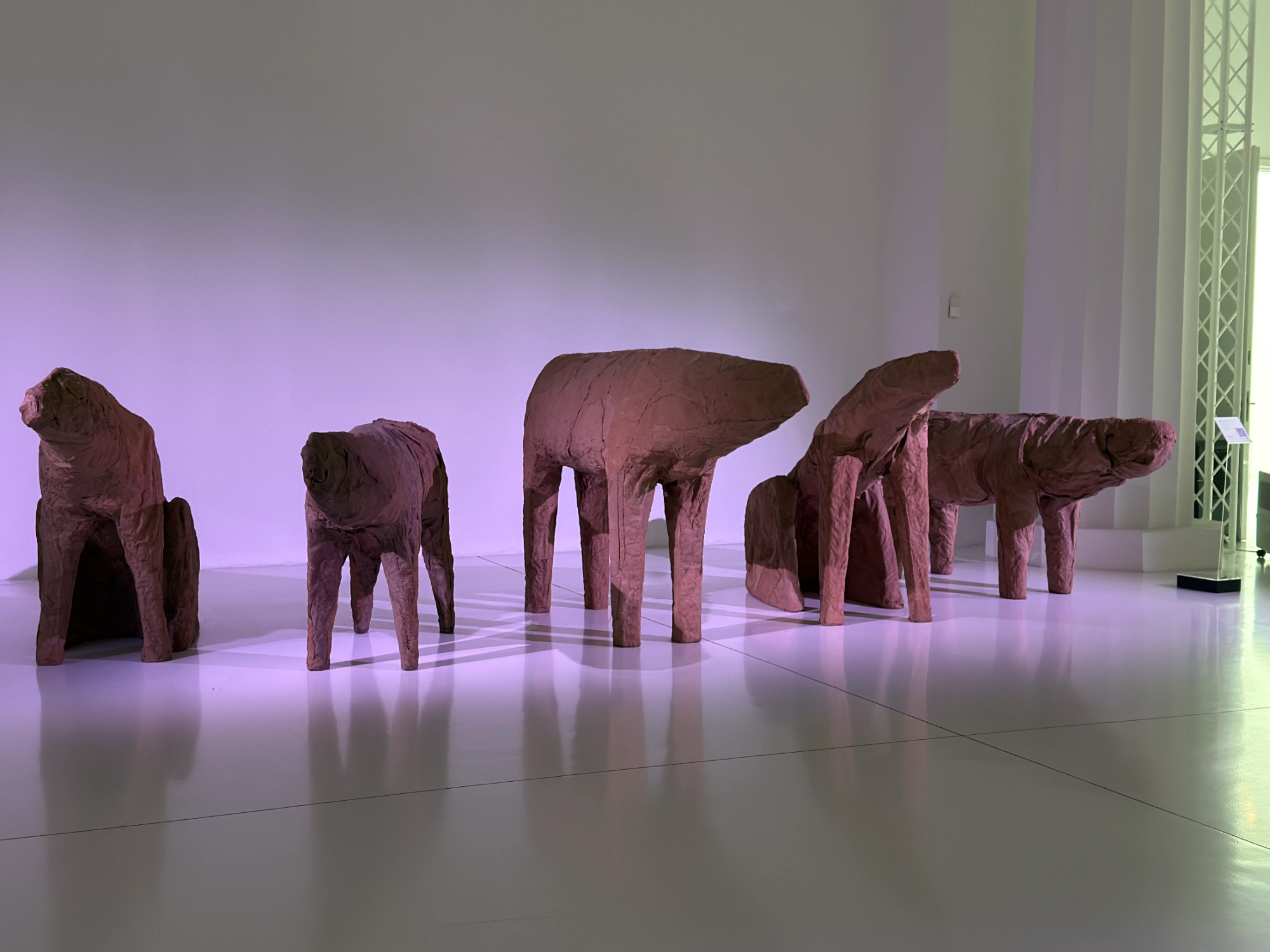
Beyond the constraints of early post-war mandates, Polish artists made highly influential contributions to global contemporary art. Magdalena Abakanowicz transformed the medium of tapestry with her large-scale, woven spatial forms known as "Abakans," exploring themes of human vulnerability and the anonymous crowd. Alina Szapocznikow took a highly personal approach to sculpture, experimenting with materials like polyester and polyurethane to cast parts of her own body, leaving behind a profound commentary on memory and physical fragility.
Meanwhile, Edward Dwurnik captured the chaotic, everyday reality of Polish cities and towns. His densely detailed, slightly surreal paintings document the social shifts and mundane absurdities of Polish life over several decades. Together, these artists illustrate the immense variety and resilience of Poland's modern creative scene.
Practical Tips for Your Visit
The Four Domes Pavilion is located in the eastern part of Wrocław, situated directly next to the famous Centennial Hall and the multimedia fountain. It is easily accessible from the city centre via tram or bus. When planning your visit, it is always a good idea to check the National Museum’s official website for current opening hours, as these can vary between the summer and winter seasons.
You can purchase tickets directly at the museum or online in advance. If you plan to spend the whole day in the area, consider combining your museum visit with a walk through the neighbouring Szczytnicki Park. Afterwards, you might enjoy returning to the Old Town to relax and sample the local brewing culture, perhaps joining a craft beer tasting walk to round off your day.
Exploring the Four Domes Pavilion offers much more than a traditional gallery experience. It serves as a visual timeline of a country finding its voice amidst shifting political and social landscapes. Whether you are an art enthusiast or simply looking to understand Poland on a deeper level, this museum provides a compelling, highly accessible perspective on the modern Polish identity.
Related stories
Culture • History • 12 min. read
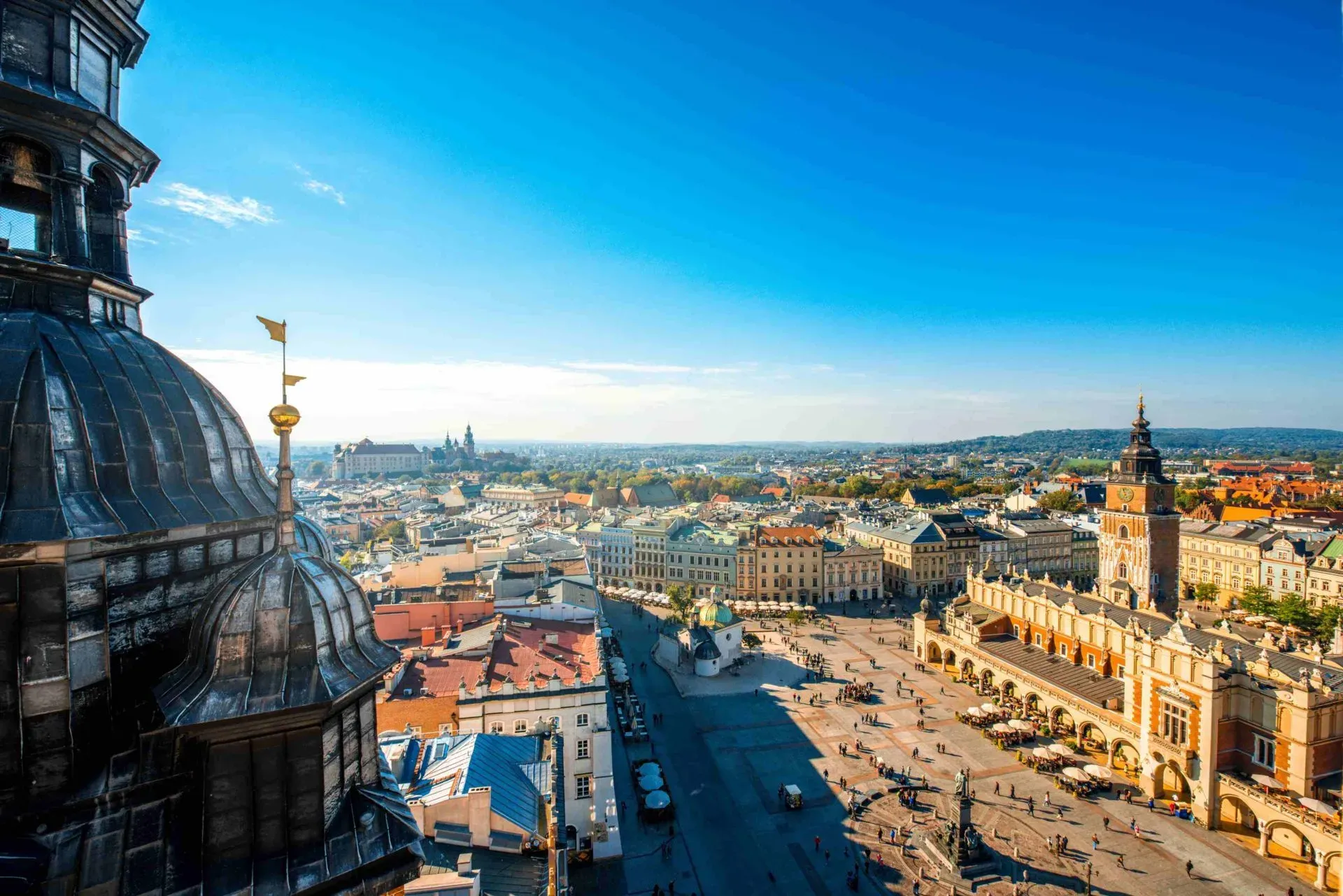
All 16 UNESCO World Heritage Sites in Poland. Part 1: castles, towns and forests
Explore Poland's UNESCO sites: from Kraków's vast medieval square and 13th-century salt mines to the primeval Białowieża Forest.
Culture • History • 10 min. read
All 16 UNESCO World Heritage Sites in Poland. Part 2: mines, parks and wooden architecture
Explore Poland’s UNESCO sites: Wieliczka mine, Białowieża Forest, wooden churches, and more—Part 2 guide to mines, parks, heritage.
Practical Tips • History • 3 min. read
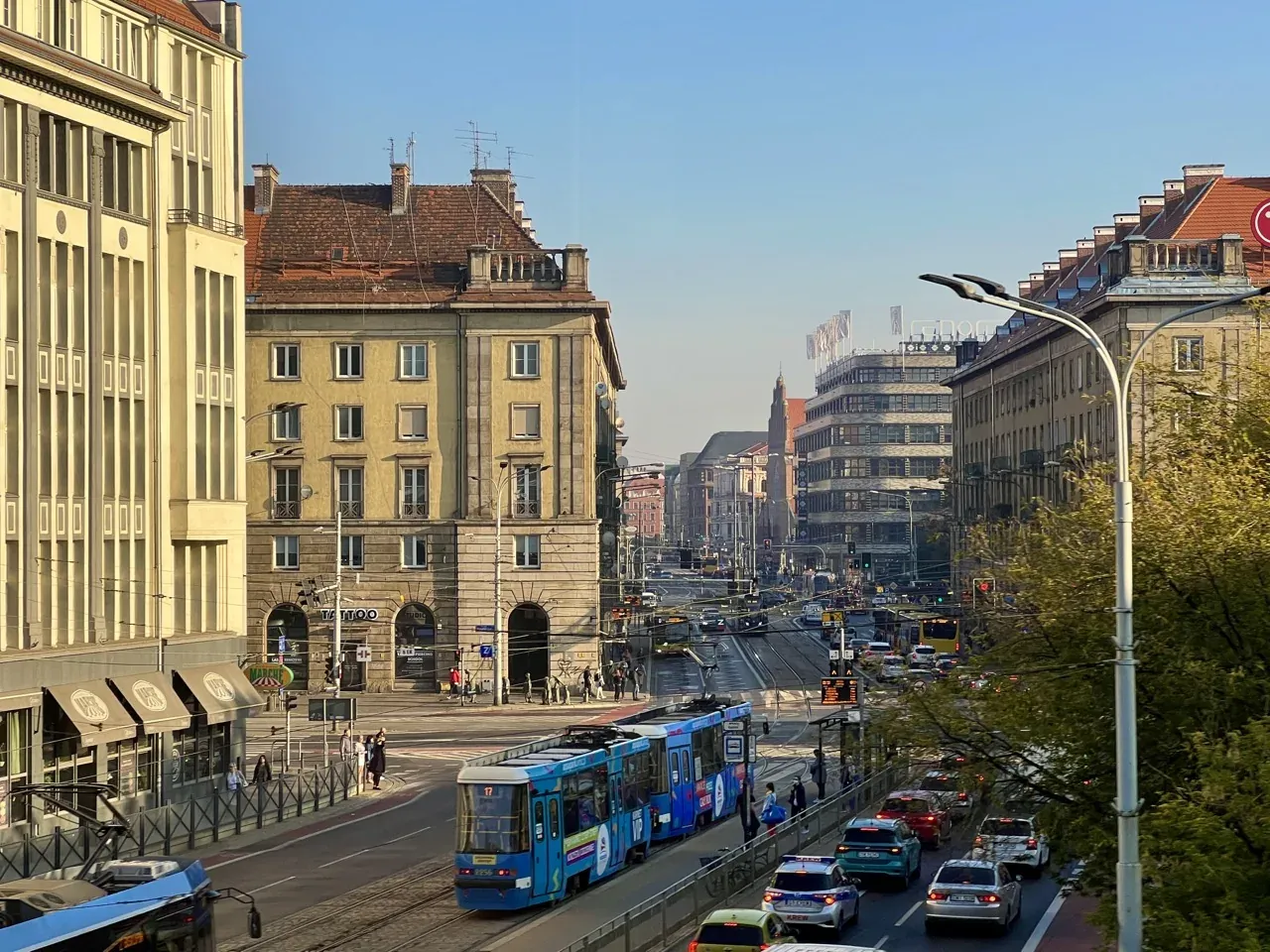
How to get around Wrocław?
Navigate Wrocław like a local. Everything you need to know about trams, buses, and public transport in the City of Dwarfs.
Practical Tips • 4 min. read
How to get to Wroclaw?
Planning a trip to Wroclaw? Read our guide on the best ways to reach the city by plane, train, and bus from various Polish cities.
Culture • History • 2 min. read
Pablo Picasso in Wrocław
Learn about Pablo Picasso in Wrocław. Discover the artist's historical connection to the city with factual insights from Walkative guides.