John Paul II in Warsaw: The 1979 Mass and Key Historical Sites
Follow the footsteps of John Paul II in Warsaw. Explore the site of the pivotal 1979 mass, the Ursuline Convent, and key spiritual landmarks in the Old Town.
History • Tours • 4 min. read
Last edited:
The Historic 1979 Mass at Piłsudski Square
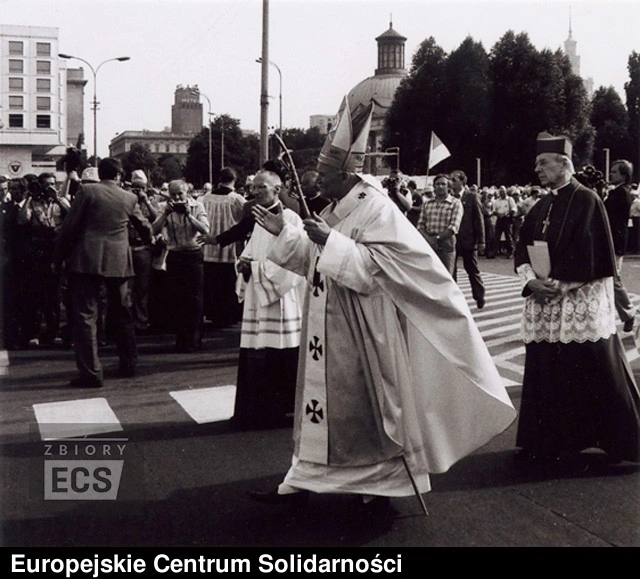
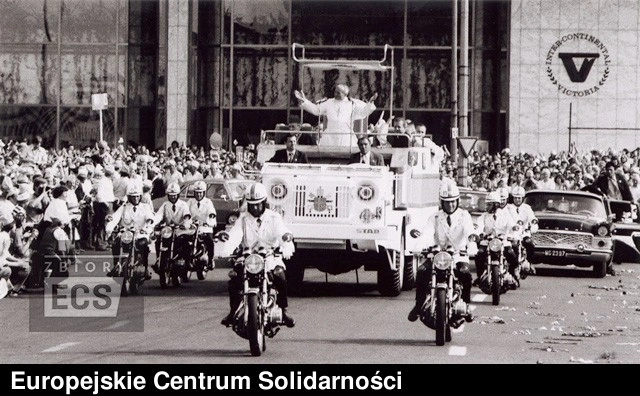
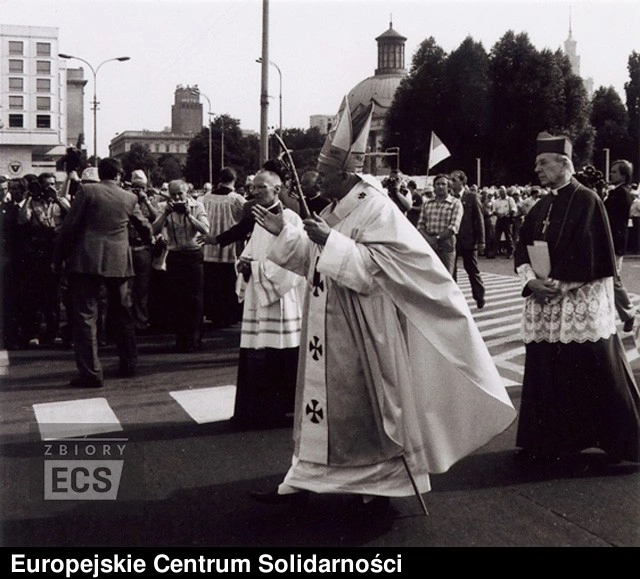
On June 2, 1979, what was likely the most important mass in Polish history took place on Victory Square, known today as Piłsudski Square. It was here that John Paul II, newly elected to the papacy, uttered words that would echo through history and embolden a nation under communist rule. Standing on the altar, he famously proclaimed:
"I, son of the Polish land, and at the same time I, John Paul II – pope, call out to you with all of you: Let your Spirit descend. Let your Spirit descend and renew the face of the earth. The face of this land."
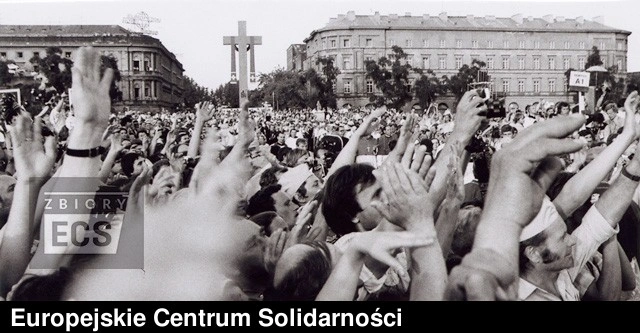
Today, a cross marks the exact spot where this historic homily was delivered. While the political ramifications might not have been immediately obvious in 1979, historians and participants alike now view this moment as a spiritual catalyst for the birth of the Solidarity movement and the eventual fall of communism in the late 1980s.
The Pilgrim’s Arrival at Chopin Airport
For John Paul II, the tarmac of Warsaw's airport was more than just a landing strip; it was the emotional starting line for his pilgrimages home. The tradition began with his first return in 1979. Shortly after his plane touched down past 10:00 AM, the Pope emerged and performed his signature gesture: kneeling to kiss the ground.
This act was deeply symbolic of his connection to his homeland. He explained the gesture movingly, stating, "I kissed the Polish soil from which I grew. The land from which God called me—by the inscrutable decree of His Providence—to the Chair of Peter in Rome." This ritual at Chopin Airport set the tone for every visit, marking his arrival not just as a head of state, but as a humble pilgrim returning to the land of his fathers.
A Personal Refuge at the Ursuline Convent
While the world knew him as the Pope, the Ursuline Convent on Wiślana Street knew him simply as a lodger for over two decades. Located right next to the University Library, this modest building served as the Warsaw home for Karol Wojtyła for 23 years as he rose from priest to bishop and finally to cardinal.
It was from this very convent in 1978 that he departed for the conclave in Rome, unbeknownst to the sisters that he would not return as a cardinal. He held a deep affection for his "favorite room" here, and plaques on the building's façade now commemorate his long residence. In a touching return to his former home, he visited the convent again as Pope during his 1999 pilgrimage, bridging the gap between his past life in Warsaw and his global papacy.
Spiritual Landmarks in the Old Town
The Pope's spiritual footprint is deeply embedded in the cobblestones of Warsaw's Old Town. Two churches, in particular, hold special significance regarding his relationship with the capital's faithful:
- St. John's Archcathedral: This Gothic brick church was a constant in his itinerary. The Polish Pope prayed here and participated in ceremonies during every single one of his pilgrimages to the homeland in 1979, 1983, 1987, 1991, and 1999.
- St. Anne's Church: A hub for university students, this is where John Paul II met with the youth during his first visit in 1979. Decades later, on April 2, 2005, it became the center of mourning; thousands gathered here for a vigil upon his death, spreading a wave of grief and gratitude throughout the city streets.
Reaching Across Faiths: Ecumenical and Jewish Sites
John Paul II was a tireless advocate for interfaith dialogue, and Warsaw offered poignant settings for these efforts. In 1991, he visited the Holy Trinity Lutheran Church at Małachowski Square, where he prayed specifically for unity alongside brothers from churches associated with the Polish Ecumenical Council.
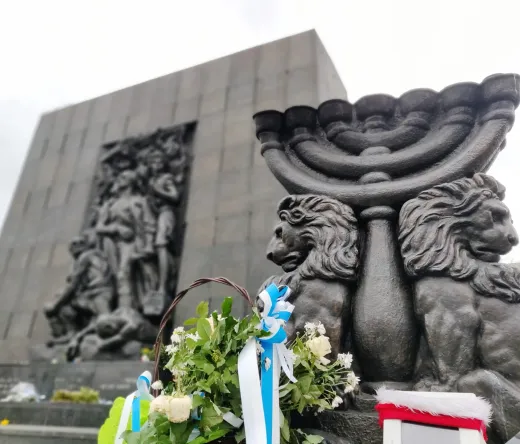
His engagement with Warsaw's tragic history and the Jewish community was equally profound. During his second pilgrimage in June 1983, he visited the Monument to the Ghetto Heroes to pay homage to the victims of the Holocaust. This gesture honored the memory of those lost in the Ghetto Uprising and those deported from the nearby Umschlagplatz to Treblinka, acknowledging the deep scars left on the city's history.
Related stories
Culture • History • 6 min. read
5 must-visit museums in Warsaw: your ultimate cultural guide
Explore Warsaw’s top museums: Warsaw Rising Museum, POLIN, Royal Castle, Wilanów Palace and the funny one about life under communism.
Culture • History • 6 min. read
9 movies you should watch before or after visiting Warsaw
Explore Warsaw's history on screen. See films on the Ghetto, the Uprising, and the Cold War like The Pianist, Kanał, and Jack Strong before you visit.
Practical Tips • History • 5 min. read
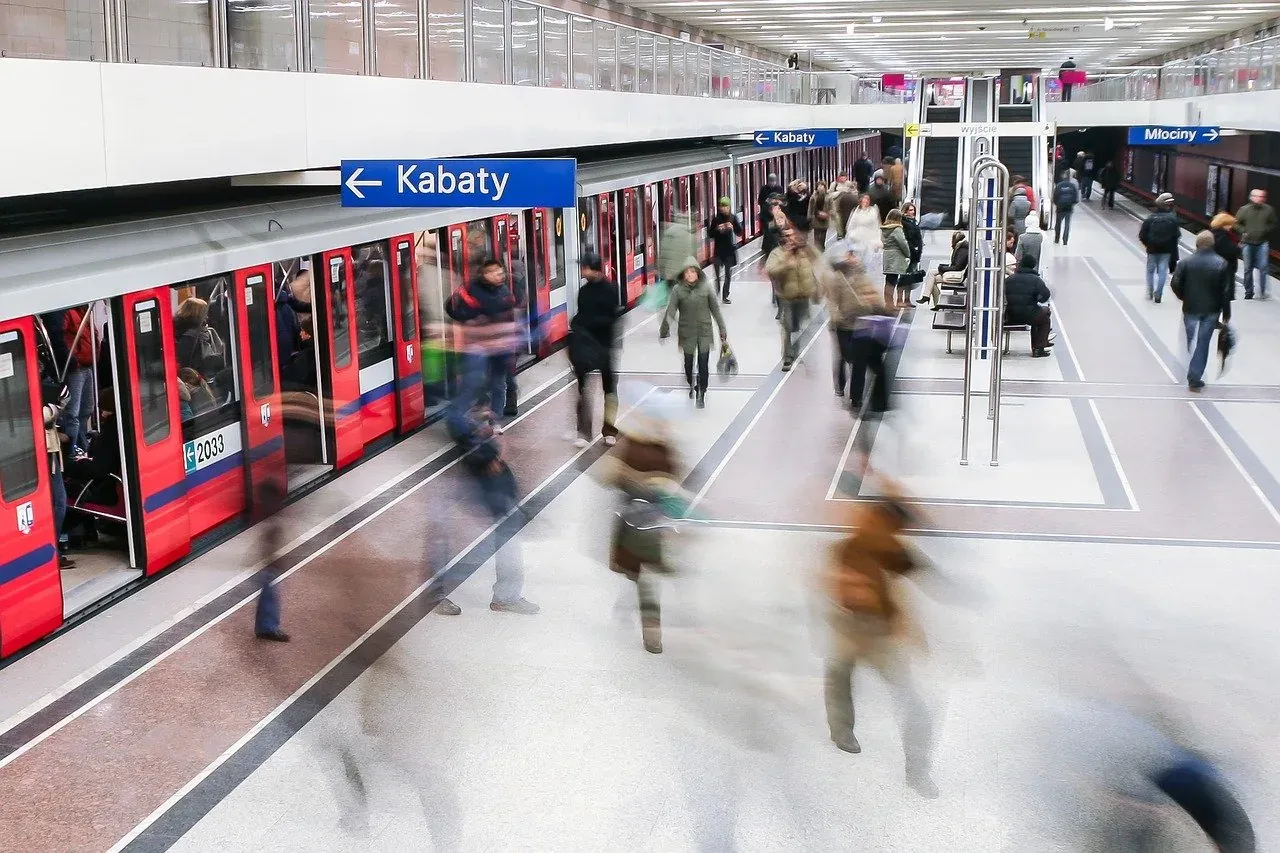
How to get around Warsaw?
Find out the best ways to get around Warsaw using public transport, taxis, and bikes with our essential traveler's guide.
Practical Tips • History • 4 min. read
How to get to Warsaw?
Find the best ways to get to Warsaw by plane, train, or bus. Our practical guide helps you plan your journey to Poland's capital.
Newsletter • 3 min. read
Things to Do in Warsaw in June 2026
Welcome to Warsaw: June 2026 Edition! Summer has officially arrived in Poland's vibrant capital! June is arguably the most magical month to visit Warsaw. With the days at their longest and the weather warming up, the city steps outside, transforming its parks, historical streets, and riverbanks into lively hubs of culture and entertainment.