How Community Street Art Revitalized Wrocław’s Nadodrze District
Following the economic turbulence of the 1990s, the residential blocks of Nadodrze faced significant neglect and high unemployment. Instead of sweeping modernization, the community turned to large-scale, co-created public art to reshape their neighborhood. Projects along Roosevelt Street brought professional artists and locals together, transforming gray facades into vivid examples of grassroots storytelling in Wrocław.
Culture • Practical Tips • History • Tours • Newsletter • 4 min. read
Last edited:
Tucked away from the bustling Main Square, Wrocław holds a fascinating layer of contemporary history painted directly onto its residential walls. Beyond the city's famous dwarf statues and Gothic architecture lies Nadodrze, a neighborhood where local residents and artists have turned overlooked spaces into vibrant open-air galleries. This transformation tells a story not just of artistic expression, but of a community reclaiming its identity and reshaping its own environment.
Nadodrze: The Socio-Economic Background
Following the political and economic shifts of the 1990s, Wrocław's Nadodrze district faced significant hardships. The area struggled with high unemployment rates and widespread poverty, leaving many of its historic tenement buildings neglected. For years, it was considered a struggling part of the city, largely overlooked by both visitors and local investment. However, as the city evolved, conversations began about how to improve the daily quality of life for everyone living in the district. The focus shifted toward finding ways to uplift the neighborhood from within, addressing the socio-economic challenges by directly engaging the people who called Nadodrze home.
Street Art as a Tool for Urban Revitalization
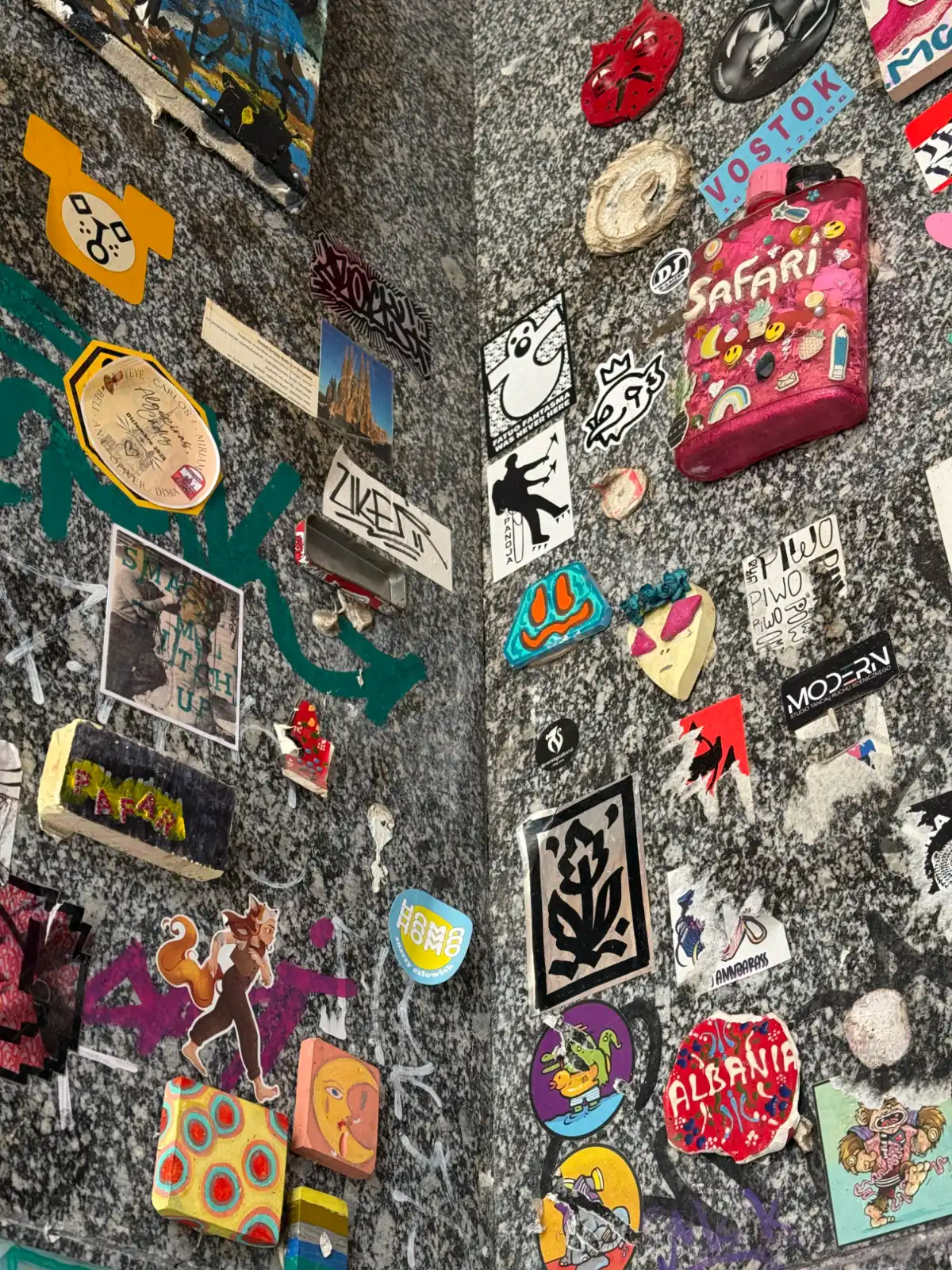
To breathe new life into the district, community organizers and artists turned to street art. Rather than tearing down the old to build the new, murals and public art installations were introduced as a practical strategy for slow, mindful gentrification. This approach aimed to revitalize the environment without displacing the people who lived there. Slowly, large-scale murals began appearing on blank building facades, adding character to the gray streets. For visitors interested in urban history, exploring these works on a guided thematic tour offers deeper insight into how creative initiatives can help reshape and heal urban spaces.
The Colorful Courtyards of Roosevelt Street
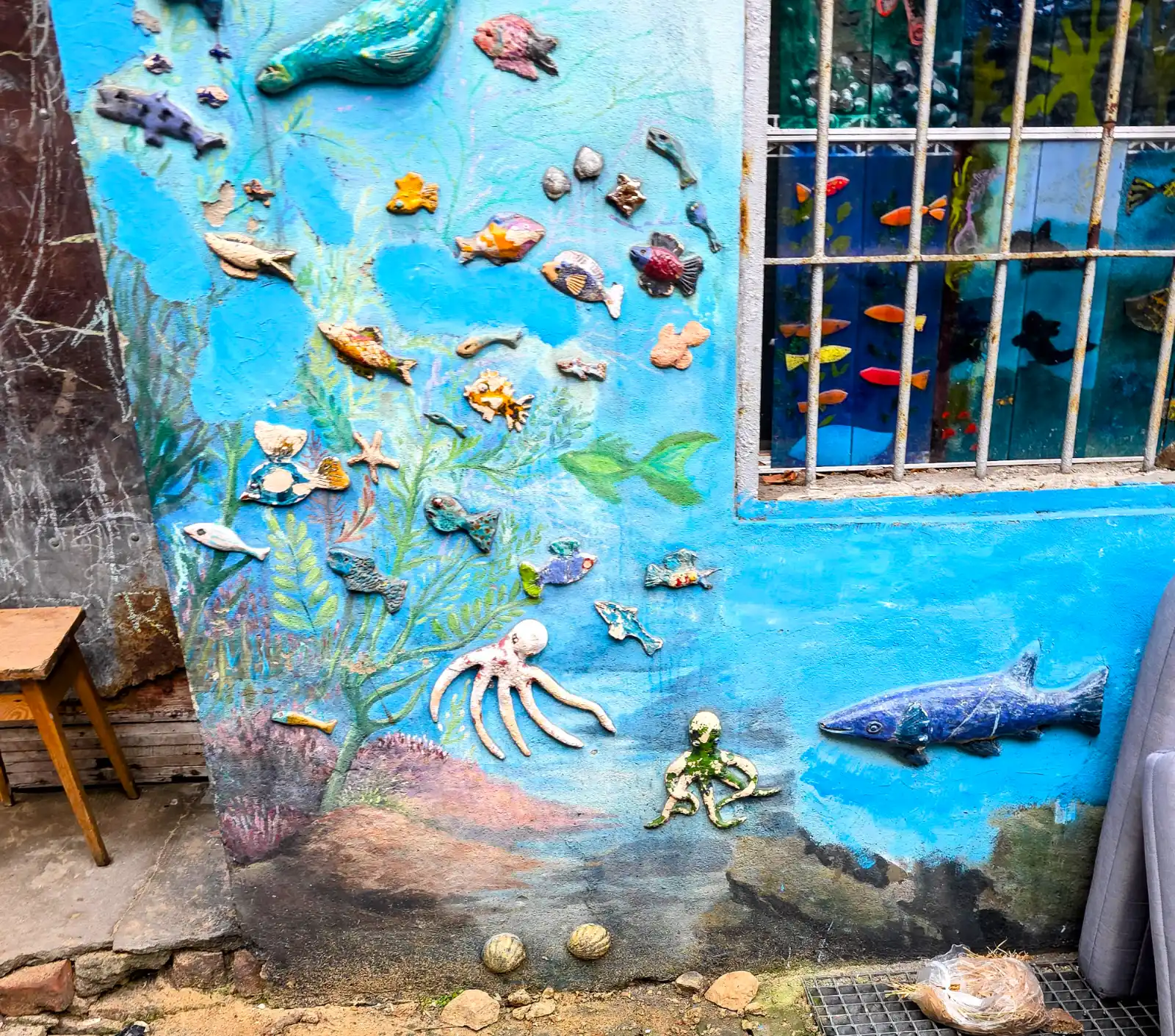
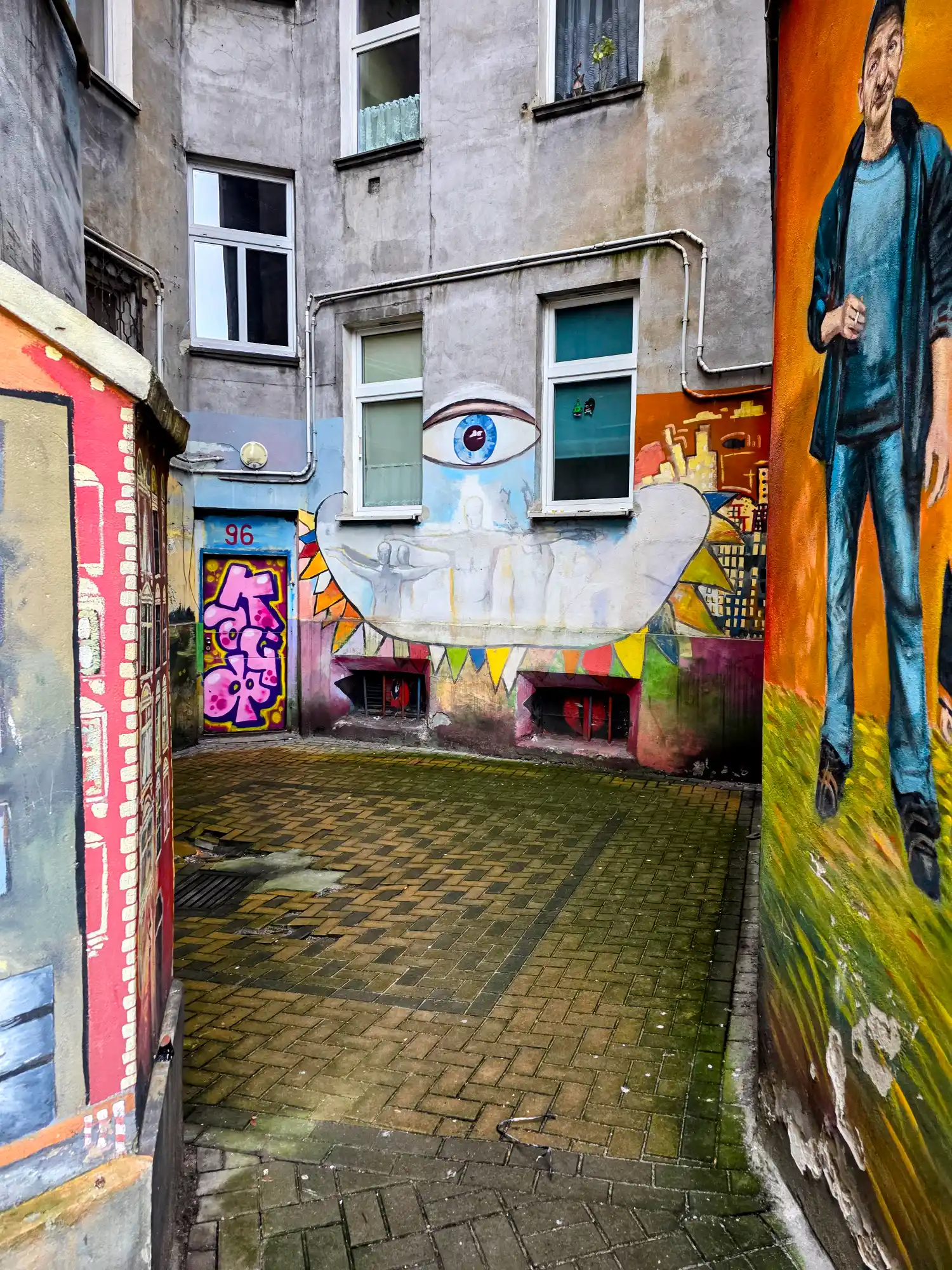
The revitalization efforts reached a major milestone in 2013 with a unique project centered on Roosevelt Street. Instead of focusing only on street-facing walls, the initiative moved into the semi-private spaces of the neighborhood: the inner courtyards. These previously dull and neglected areas were transformed into vibrant outdoor galleries. The "Colorful Courtyards" quickly became a signature feature of Nadodrze. By painting the spaces where residents parked their cars and children played, the project brought art directly into the daily lives of the locals, turning ordinary residential blocks into immersive environments.
Art Brut and Local Community Collaboration
What makes the Roosevelt Street courtyards particularly special is the creative process behind them. The project was built on deep collaboration between professional artists and the local residents. Together, they embraced a style reminiscent of 'art brut' or naïve art—raw, unpolished, and highly personal. Neighbors of all ages were invited to pick up brushes and contribute their own ideas, painting portraits of their pets, local figures, and scenes from their imaginations. This combination of professional guidance and grassroots creativity resulted in an expressive collage that captures the true spirit of the Nadodrze community.
The Lasting Impact of Wrocław's Community Art
Today, the collaborative murals of Nadodrze stand out as a remarkable example of what community-driven art can achieve. The scale of local involvement transformed a neighborhood project into one of Wrocław’s most fascinating cultural landmarks. It proves that urban art can be more than just decoration; it serves as a unifying force that fosters pride and ownership among residents. Joining a specialized street art walking tour is a helpful way to navigate these hidden spaces respectfully, allowing you to appreciate the authentic community achievement that continues to define Nadodrze’s unique identity.
The colorful courtyards of Wrocław stand as a testament to the resilience and creativity of its people. They offer visitors a refreshing alternative to traditional historical sights, providing a grounded look into the city's modern evolution. When you wander through Nadodrze, you are not just looking at painted walls—you are walking through the shared stories and collective imagination of a community that completely reimagined its own home.
Related stories
Practical Tips • History • 3 min. read
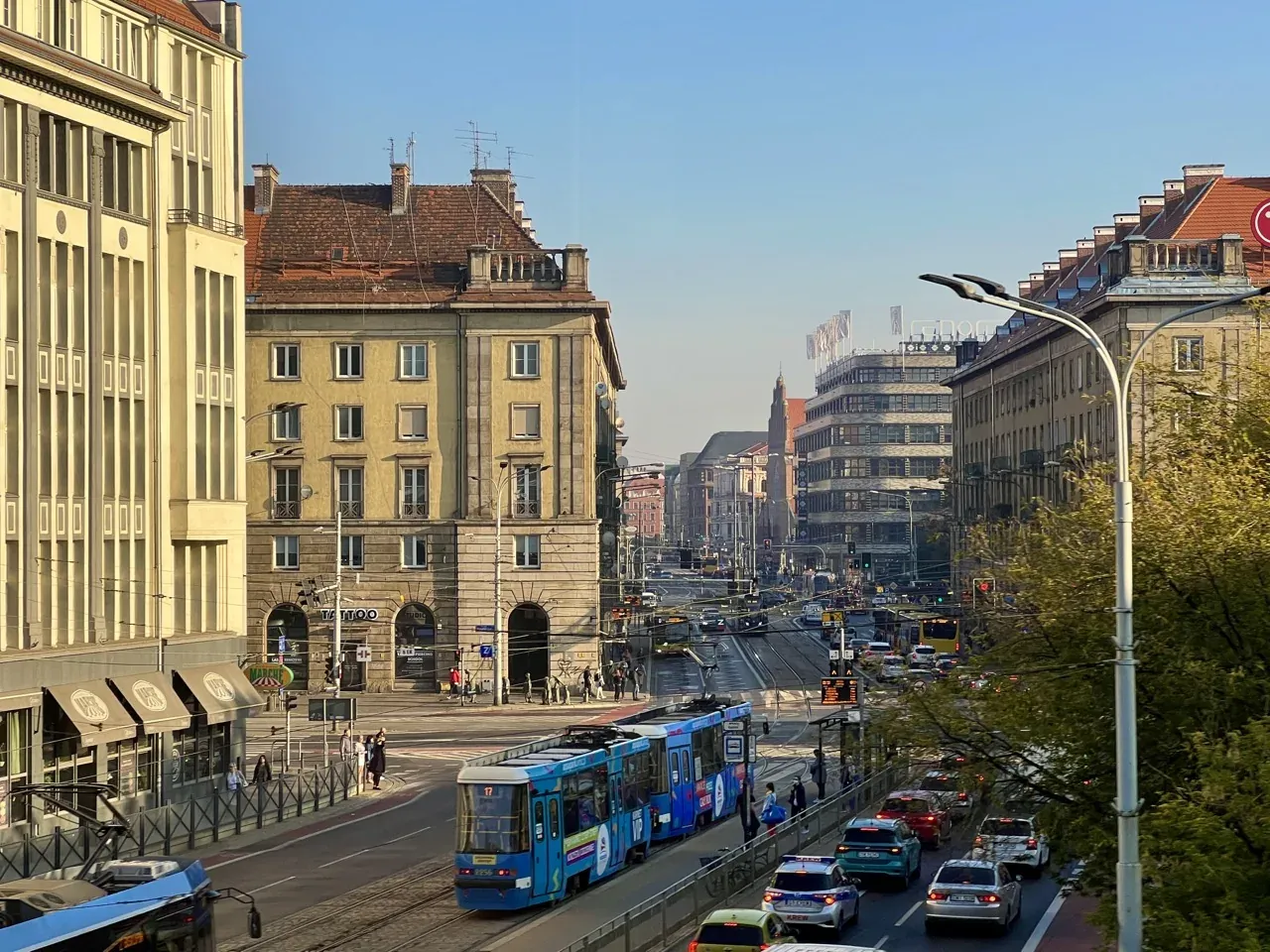
How to get around Wrocław?
Navigate Wrocław like a local. Everything you need to know about trams, buses, and public transport in the City of Dwarfs.
Practical Tips • 4 min. read
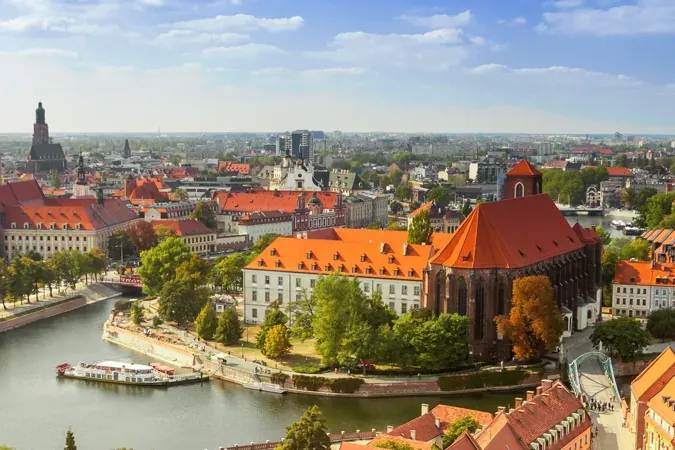
How to get to Wroclaw?
Planning a trip to Wroclaw? Read our guide on the best ways to reach the city by plane, train, and bus from various Polish cities.
Newsletter • 4 min. read
Things to Do in Wroclaw in June 2026
Summer has officially arrived in Lower Silesia! June 2026 is shaping up to be a spectacular month in Wroclaw. With the days getting longer, the weather warming up, and the city’s gardens in full bloom, the "Venice of the North" is buzzing with energy.
Newsletter • 4 min. read
Things to Do in Wroclaw in May 2026
Explore Wroclaw like a local this May. Discover curated events, festivals, and experiences handpicked by Walkative guides.
Culture • History • 13 min. read
St Valentine’s Day and the most romantic spots in Berlin, Kraków, Wrocław, Gdańsk, Lviv and more!
Explore St. Valentine's 3rd-century origins, his relics in Poland, the history of love padlocks, and romantic spots like Berlin's Abbey Bridge.