The Sorbian Roots of Easter in the Dresden Region
Explore the 1,500-year-old Sorbian traditions that influence Easter in the Dresden region. Learn about intricate egg painting, silent water rituals, and horseback processions.
Culture • History • 3 min. read
Last edited:
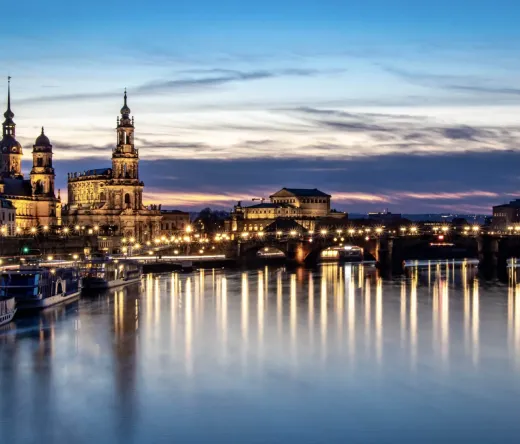
The cultural landscape along the Elbe River holds deep historical roots that become especially visible during the spring. While many visitors associate the region with its impressive Baroque architecture, its earliest cultural influences stem from the Sorbs, a Slavic population that settled in the area during the 6th century. Even though 1,500 years have passed, these early foundations continue to shape local life, offering a fascinating glimpse into the past during the spring holiday season.
Easter Traditions in Saxony
The Sorbian heritage remains vivid in modern Easter celebrations across Saxony, where a blend of Christian and ancient customs creates a unique cultural tapestry. Among the most widespread practices is the intricate painting of Easter eggs, a tradition deeply embedded in the region. Visitors exploring the Slavic roots of the area on a guided Dresden walking tour may hear echoes of this heritage, as the early settlements along the Elbe laid the groundwork for today’s vibrant local culture.

One of the most intriguing customs is the drawing of Easter water, famously depicted in Otfried Preussler’s novel The Satanic Mill (Krabat). According to tradition, this water must be drawn from a spring before sunrise on Easter morning. It must be collected and carried home in complete silence. As local folklore suggests, washing in this water brings beauty and good luck for the coming year, and those who carry it without looking back might even meet their future lover.
Beyond the quiet rituals, the region hosts spectacular processions known as Osterreiten (Easter riding). Around 1,500 horseback riders travel through towns like Kamenz, Hoyerswerda, and Bautzen to celebrate the resurrection of Jesus Christ. Another striking event is the Osterfeuer (Easter fire), which usually takes place on Easter Monday. Communities build varied wooden constructions and set them ablaze, a fiery spectacle that brings locals together.
While these events hold strong Christian associations today, their origins are deeply rooted in pagan practices that predate Christianity. Historically, the purpose of the Easter fires and water rituals was to drive away the dark, evil spirits of winter to make space for the good spirits arriving with the spring.
Experiencing Easter in Saxony provides a remarkable opportunity to see living history in action. The preservation of these ancient Sorbian traditions highlights the enduring cultural depth of the Elbe valley, offering travelers a richer understanding of the region well beyond its famous cityscapes.
Related stories
Culture • History • 8 min. read
3 days in Dresden: Discovering the heart of Saxon splendor
Your 3-day Dresden itinerary. Explore the rebuilt Altstadt, see the Fürstenzug porcelain mural, and discover the vibrant Neustadt district.
Culture • History • 7 min. read
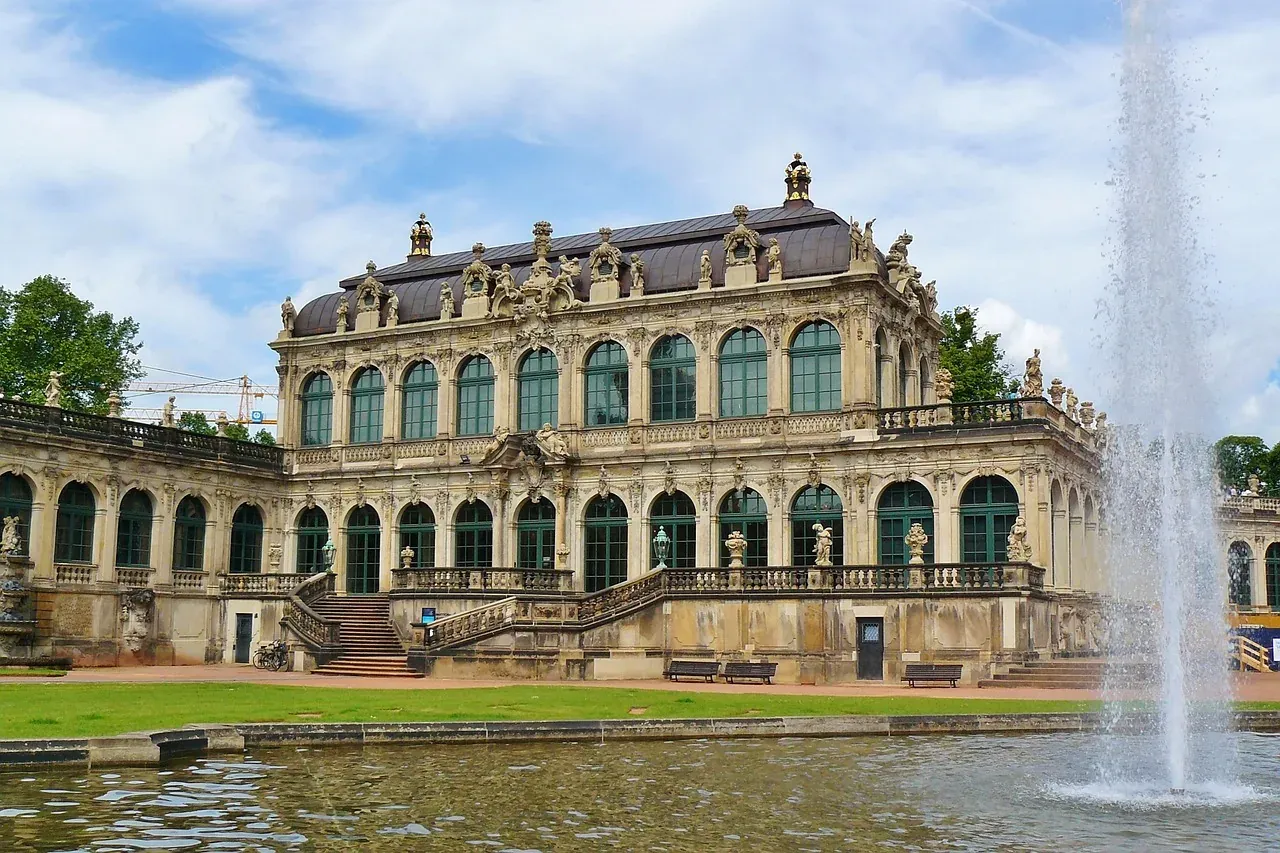
Dresden's museums: A cultural journey through the Saxon capital
Explore Dresden’s museums and discover the art, history, and culture of Saxony’s capital through its remarkable collections.

Culture • Practical Tips • 3 min. read
Exploring Dresden: Your Guide to Public Transportation
Navigate Dresden with our guide to trams, buses, and S-Bahn. Find info on airport connections, daily tickets, and routes to Saxon Switzerland.
Culture • History • 13 min. read
St Valentine’s Day and the most romantic spots in Berlin, Kraków, Wrocław, Gdańsk, Lviv and more!
Explore St. Valentine's 3rd-century origins, his relics in Poland, the history of love padlocks, and romantic spots like Berlin's Abbey Bridge.
Culture • History • 12 min. read
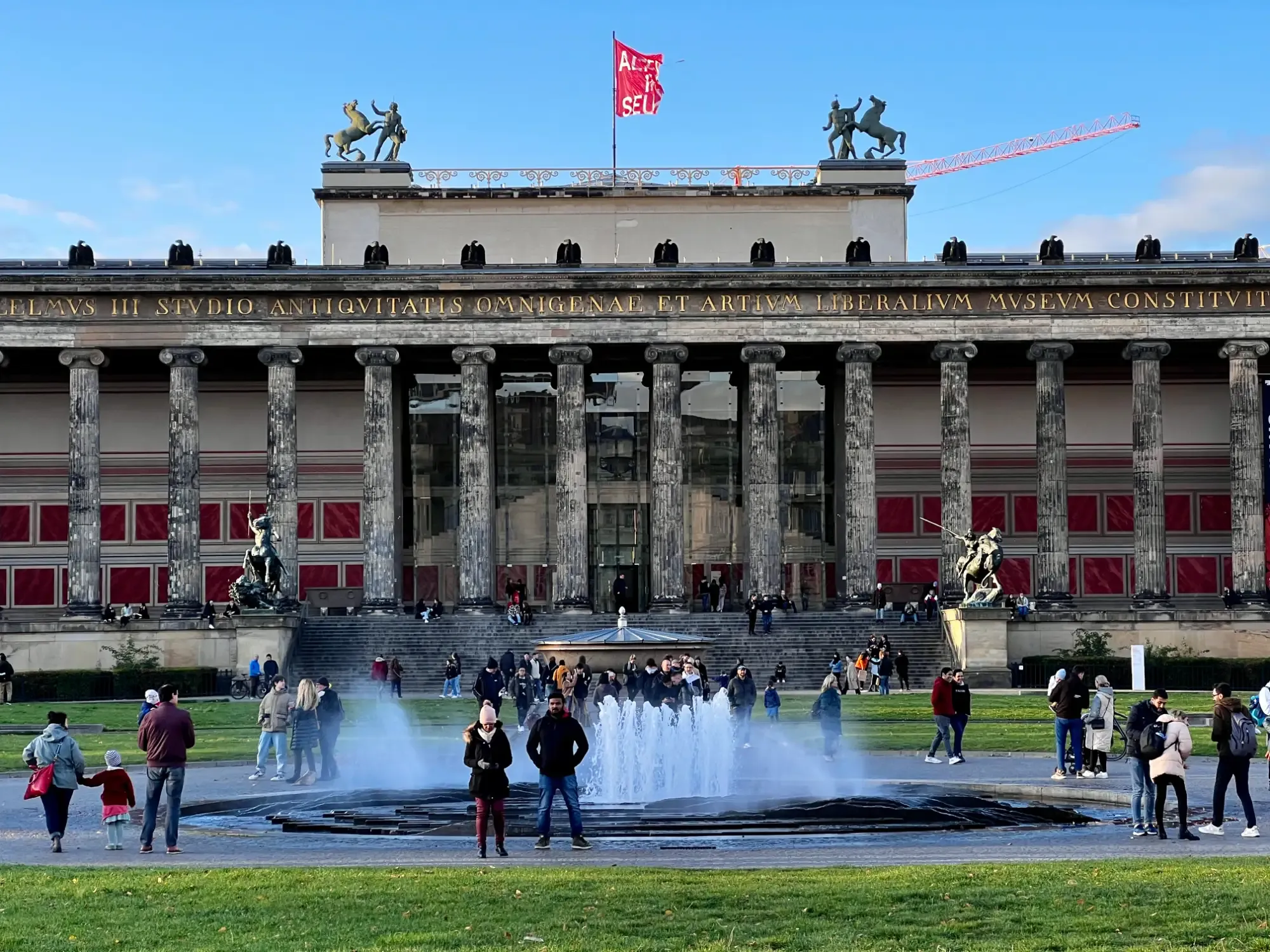
Top museums in Berlin: 14 best places of history and culture
Discover the 14 best museums in Berlin. From Museum Island to the GDR Museum, explore the top cultural and historical landmarks of the city.