
How to Plan Your Visit to the Acropolis of Athens
The rocky path leading up to the Parthenon has felt the footsteps of travelers for thousands of years. Today, navigating the crowds and the midday sun requires more than just showing up at the gate. From securing official entry passes on the Hellenic Heritage site to knowing exactly when the large groups leave, understanding the logistics shifts how you experience the most famous hill in Athens.
Culture • Practical Tips • History • 4 min. read
Last edited:
The Acropolis of Athens is more than just a collection of ancient ruins; it's a powerful symbol of Western civilization, democracy, and classical beauty. Perched atop its rocky hill, it has watched over the city for millennia. Visiting this iconic site is a highlight for any trip to Greece, but a little planning can transform a good visit into an unforgettable one. This practical guide provides the essential tips you need to navigate the crowds, understand what you're seeing, and make the most of your time at this world-famous landmark.
While preparing for your adventure in Athens check out our tours there -->
What Not to Miss: Key Sights of the Acropolis
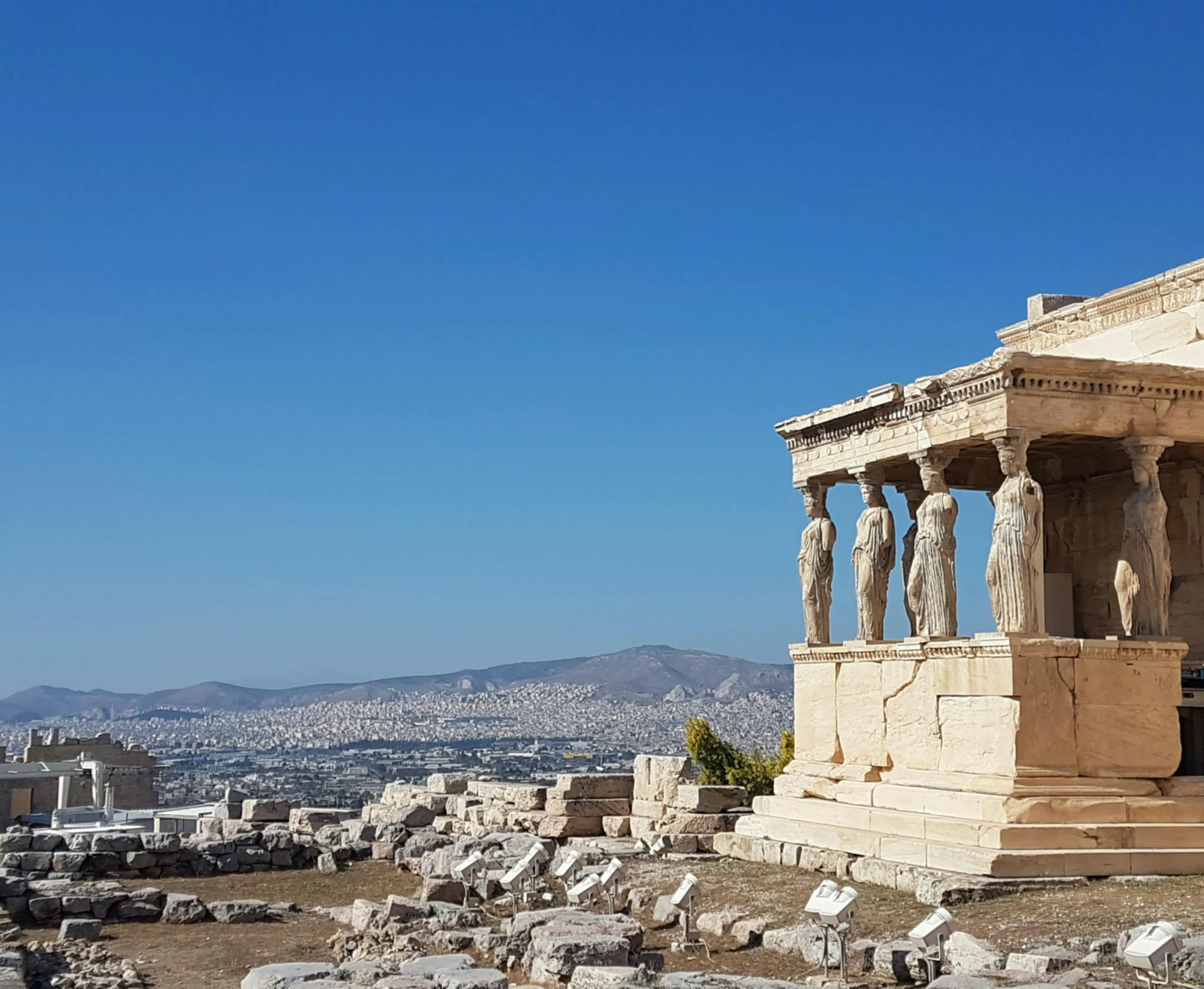
While the entire complex is breathtaking, a few structures stand out. The most famous is the Parthenon, the magnificent temple dedicated to the goddess Athena, which has defined the Athens skyline for nearly 2,500 years. Don't miss the Erechtheion, known for its unique porch supported by six female statues known as the Caryatids. As you enter the site, you'll pass through the Propylaea, the monumental gateway that once served as the grand entrance. Nearby, the small but elegant Temple of Athena Nike stands as a testament to Athenian hopes for victory.
The Best Time of Day to Visit the Acropolis
Timing your visit is crucial for avoiding both the biggest crowds and the intense summer heat. The site is often busiest mid-morning when school groups and cruise ship excursions arrive. For a more comfortable experience, aim to arrive either very early, right as it opens, or in the late afternoon, about two hours before closing time. An early start allows you to see the main sights and enjoy the rest of your day, while a late afternoon visit often offers softer light for photography and a calmer atmosphere as the big groups are gone.
How and Where to Buy Your Acropolis Tickets
To save valuable time and skip the long queues at the entrance, it is highly recommended to purchase your tickets in advance. The only official online source for tickets is the Hellenic Heritage website, operated by the Greek Ministry of Culture. Buying your ticket online allows you to head straight to the entrance for ticket validation. Be cautious of unofficial third-party resellers, as the official site guarantees you are paying the correct price and receiving a valid ticket for entry.
Enhance Your Visit: See the Acropolis Museum First
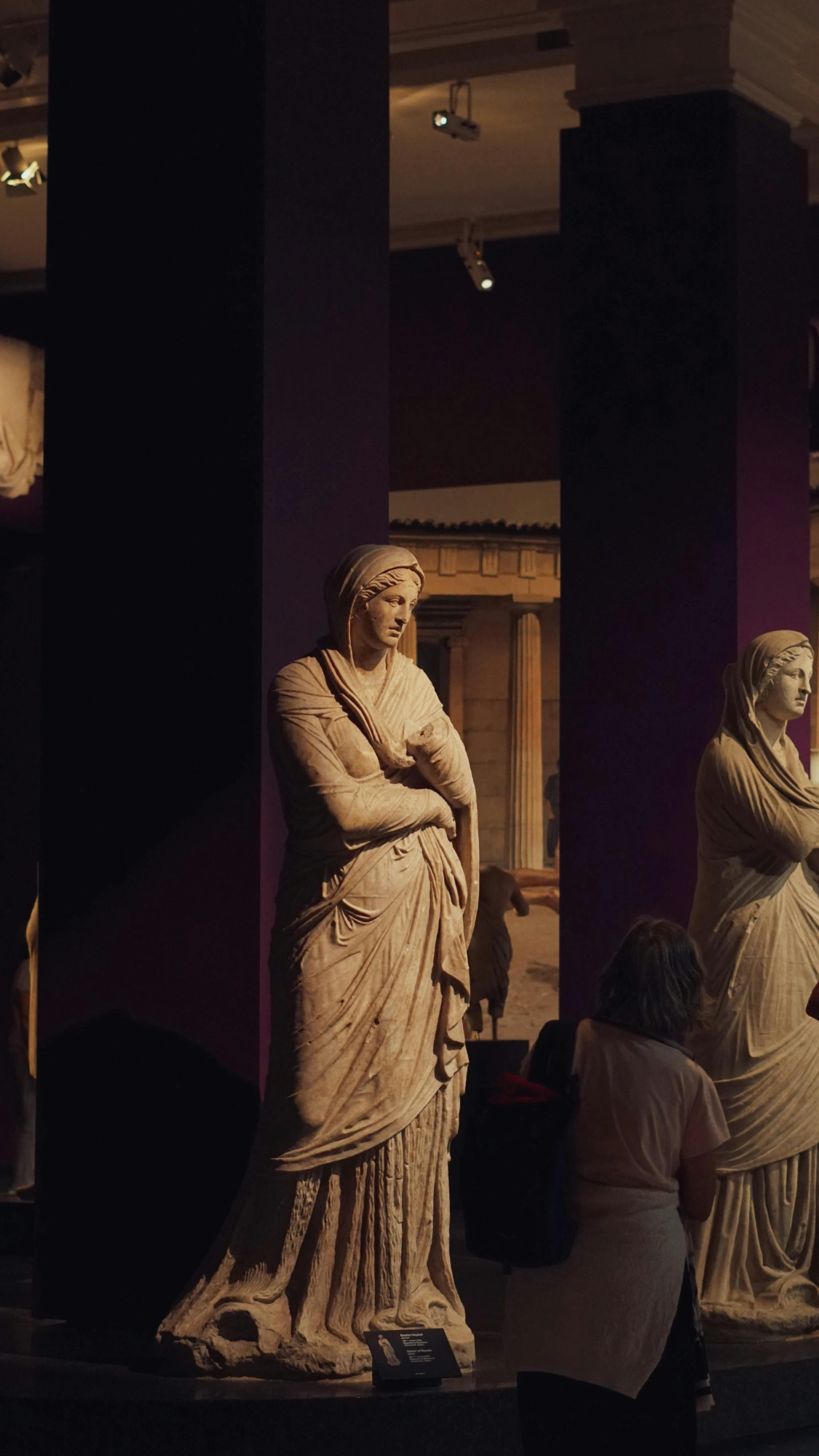
For a richer and more meaningful experience, consider visiting the Acropolis Museum before you climb the hill. The modern museum, located at the foot of the Acropolis, houses the original sculptures and friezes that once adorned the temples, including the famous Caryatids. Seeing these masterpieces up close provides crucial context and helps you visualize how the temples looked in their full glory. Understanding the history and artistry beforehand transforms the ruins from a collection of ancient stones into a vivid story of Athenian culture and history.
Get more context on a Walkative tour!
Come on one of Walkative tour to get more context of the old city and life in Athens in Ancient times. See the complete picture and find inspiration in the ancient civilization that profoundly shaped modern thought.
By planning your visit with these simple tips, you can fully appreciate the wonder of the Acropolis. Purchasing tickets in advance, choosing your time wisely, and visiting the museum first will ensure a smoother, more enriching experience. Standing on that sacred rock, with the history of Athens at your feet and its modern life sprawling below, is a moment that stays with you long after you've left.
Related stories

Culture • Practical Tips • 6 min. read
A Practical Guide to Athens’ Neighborhoods
From historic Plaka to alternative Exarcheia, explore the city's distinct neighborhoods to find the area that suits you best.
Culture • Practical Tips • 7 min. read
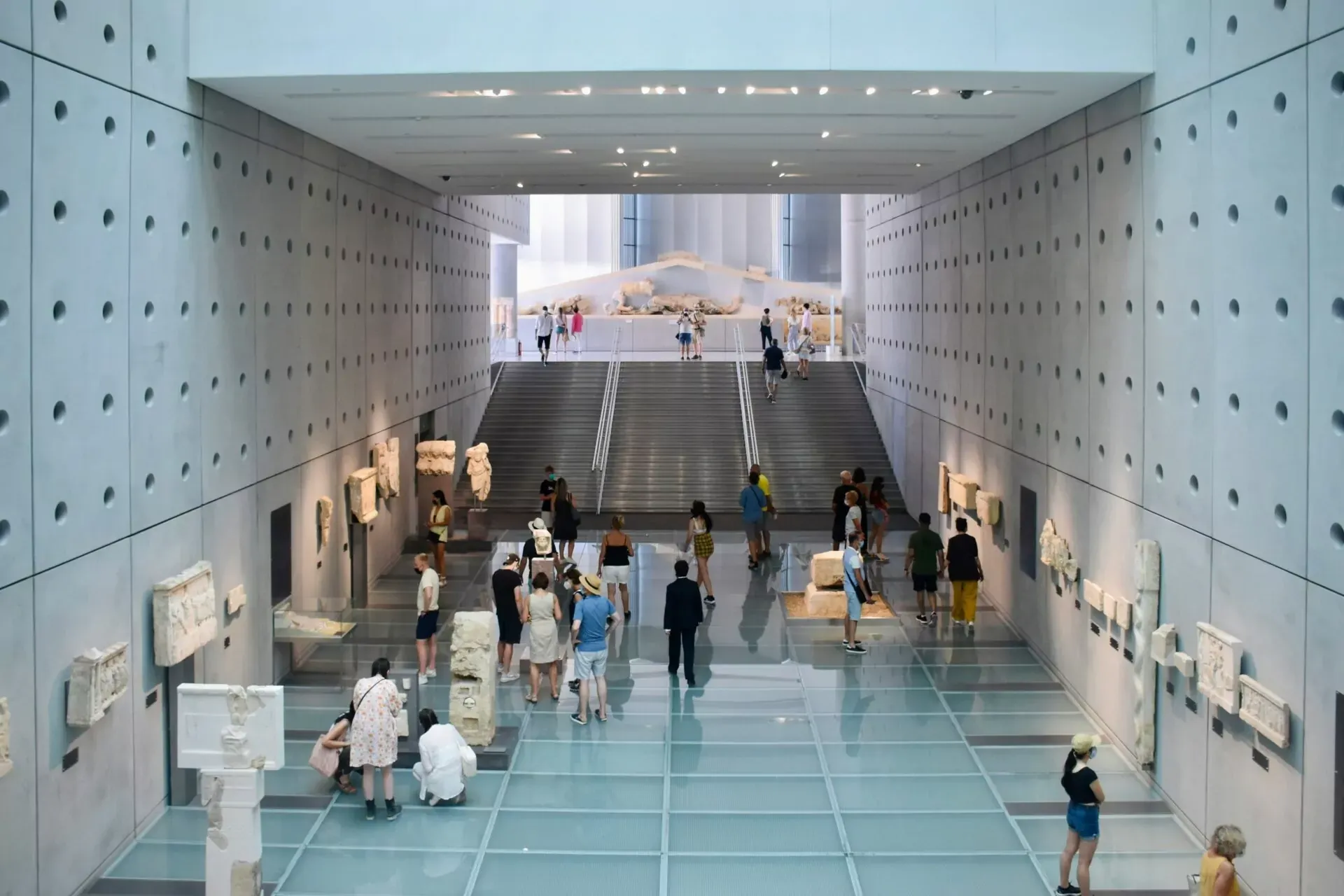
Athens: The 5 Best Museums You Can’t Miss
Whether you’re into jaw-dropping archaeology, mind-blowing ancient tech, or simply want to impress your friends with fun historical facts, these spots have got you covered!

Practical Tips • History • 5 min. read
Athens’ Parks and Green Spaces: A Local’s Guide to Nature in the City
Athens might be world-famous for its ancient ruins and vibrant culture, but beyond the Parthenon and bustling market streets, you'll find a surprising number of lush parks and open spaces.

Practical Tips • 7 min. read
Getting Around Athens: A Tourist’s Guide to Public Transport
A factual guide to Athens public transport. Learn about €1.20 integrated tickets, the €9 airport Metro Line 3, and coastal trams to Voula.

Culture • Practical Tips • Food • 5 min. read
More Than a Drink: Understanding Greek Coffee Culture
Discover why coffee is a vital social ritual in Greece. Learn about the 'siga siga' philosophy, how to order the perfect freddo, and where to find the best kafeneia in Athens.