Gaudí Year: Casa Vicens and the Architect's First Major Commission
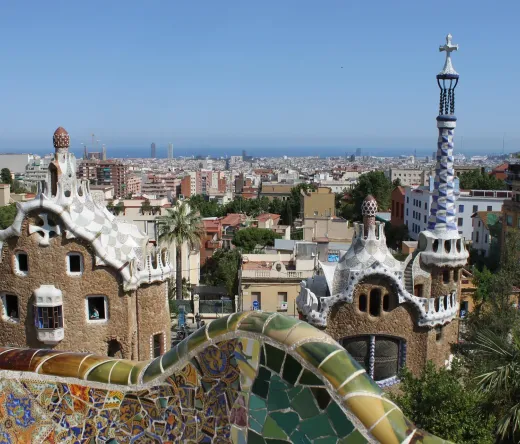
Before the towering spires of the Sagrada Família or the undulating stone of Casa Milà, Antoni Gaudí was a young architect tasked with designing a single summer home. The resulting structure relied on straight lines, rich Moorish influences, and geometric ceramic tiles, laying the groundwork for Catalan Modernisme. As Barcelona commemorates the centenary of his death, we take a closer look at some of his most iconic works to celebrate the extraordinary architectural heritage he left behind in the city.
Culture • Practical Tips • Tours • 5 min. read
Last edited:
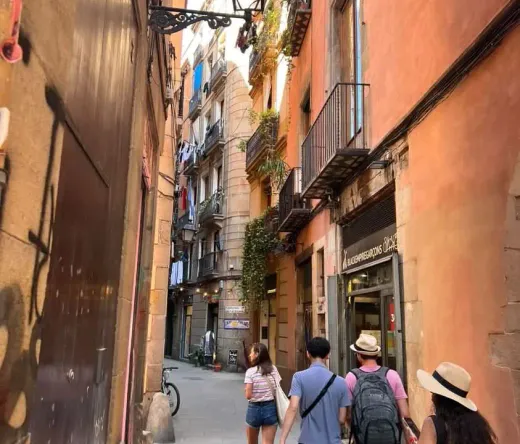
Antoni Gaudí’s legacy is woven into the very fabric of Barcelona, typically defined by his sweeping curves and towering spires. However, his architectural journey began with a much different aesthetic. Tucked away in the quiet neighbourhood of Gràcia stands Casa Vicens, Gaudí’s first major commission and a bold departure from the academic architecture of its time. Built as a summer residence, this vibrant building offers a fascinating glimpse into the early mind of a genius, serving as a vital stepping stone toward the iconic Catalan Modernisme movement that would forever transform the city.
This year, Barcelona commemorates the 100th anniversary of Gaudí's death. With a recent papal visit and a wealth of architectural events taking place across the city to celebrate "Gaudí Year," we are dedicating a series of articles to exploring his most important works. If you want to experience his architectural marvels firsthand, join our Gaudí Tour to learn more:
A Summer Retreat in Gràcia: The Origins of Casa Vicens
During the second half of the 19th century, Barcelona's Industrial Revolution spurred the emergence of a new bourgeoisie. Seeking to escape urban overcrowding and establish their social standing, these affluent families adopted the custom of building summer homes in nearby municipalities. The town of Gràcia, located close to Barcelona yet retaining a quiet village atmosphere, was an ideal location.
It was here that a young Antoni Gaudí was tasked with designing a single-family summer retreat: Casa Vicens. Before receiving the commission, Gaudí had already formed clear ideas about domestic architecture. He viewed the manor house as the "small nation of the family," requiring a walled garden and rooms logically grouped by function. This project provided his first opportunity to translate those early architectural theories into physical reality.
Completed in 1885, Casa Vicens remained with the original family for only a decade. Following Mr. Vicens’ death, his widow sold the property to Antoni Jover. After decades of alterations, the Spanish government declared it a Historic-Artistic Monument in 1969, and in 2005, it became a UNESCO World Heritage Site. MoraBanc acquired the property in 2007, financing an extensive restoration led by architects José Antonio Martínez Lapeña, Elías Torres Tur, and David García Martínez. Completed in 2017, the rehabilitation faithfully recovered Gaudí’s original vision, opening the doors to the public as a museum.
Inside Casa Vicens: Layout and Structural Design
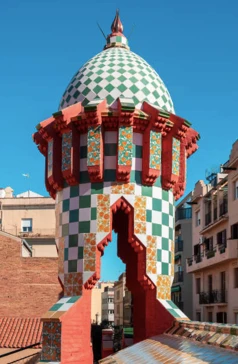
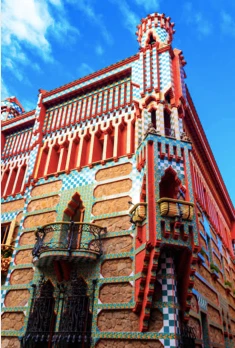
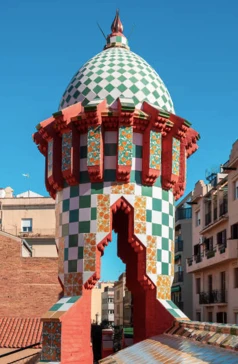
Because the architect had to attach the building to a neighbouring party wall, Casa Vicens was designed with three distinct façades to maximise the available space. Structurally, Gaudí opted for simplicity by utilising straight lines and distributing loads across parallel walls.
The interior layout was strictly functional, divided across four floors. The semi-basement provided storage, while the ground floor hosted public and living areas—including a dining room, smoking room, vestibule, and kitchen—all oriented toward the garden for natural light. The first floor was reserved for private bedrooms and bathrooms, and the top floor housed the servants. A notable spatial innovation was Gaudí’s use of hexagonal room distributors. This clever design eliminated the need for traditional corridors, allowing residents to navigate the home without disturbing activities in adjoining spaces.
Decorative Elements: Ceramics, Ironwork, and Nature
Gaudí’s profound admiration for the natural world heavily influenced the home's decorative scheme, directly inspired by the flora in the surrounding garden. Flowers such as carnations, roses, and daisies appear prominently throughout the interior, applied to both ceramic tiles and papier-mâché pieces.
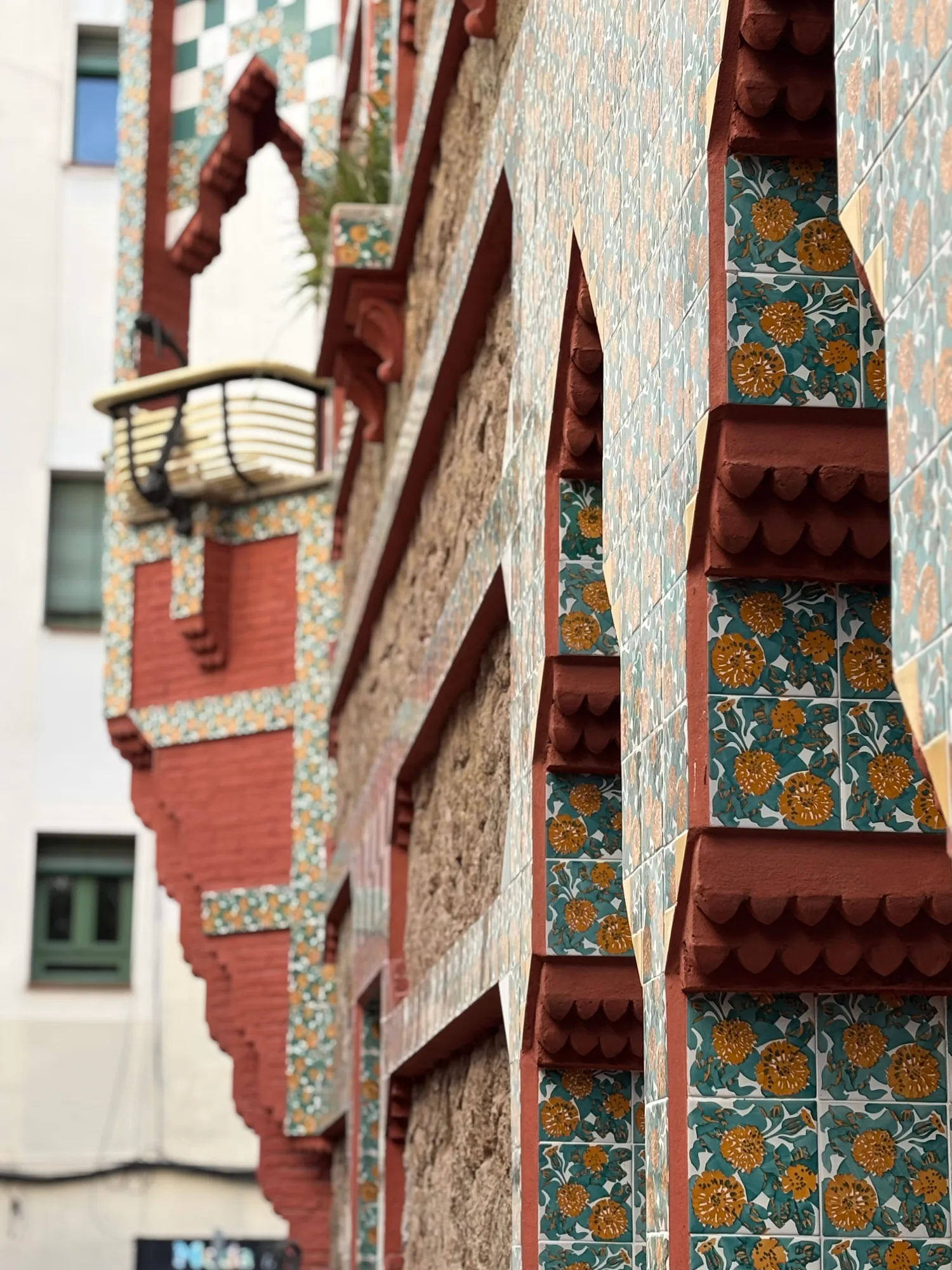
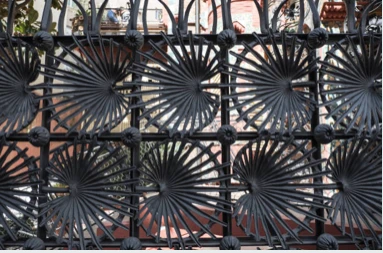
He blended different techniques masterfully, incorporating standard painted tiles alongside complex cuerda seca ceramics. The exterior decoration relies heavily on the artisanal use of traditional materials, particularly wrought iron. The intricate window grilles along the Carrer de les Carolines façade, as well as the fencing protecting the garden, stand out for their highly sculptural, detailed craftsmanship.
Anticipating Modernisme: Casa Vicens in Gaudí’s Career
Casa Vicens showcases a young architect confidently breaking away from the aesthetic conventions of 19th-century academicism. By seamlessly blending Oriental influences with naturalistic motifs, Gaudí anticipated the core aesthetic principles of Modernisme, setting the stage for a movement that would revolutionise Barcelona’s architecture.
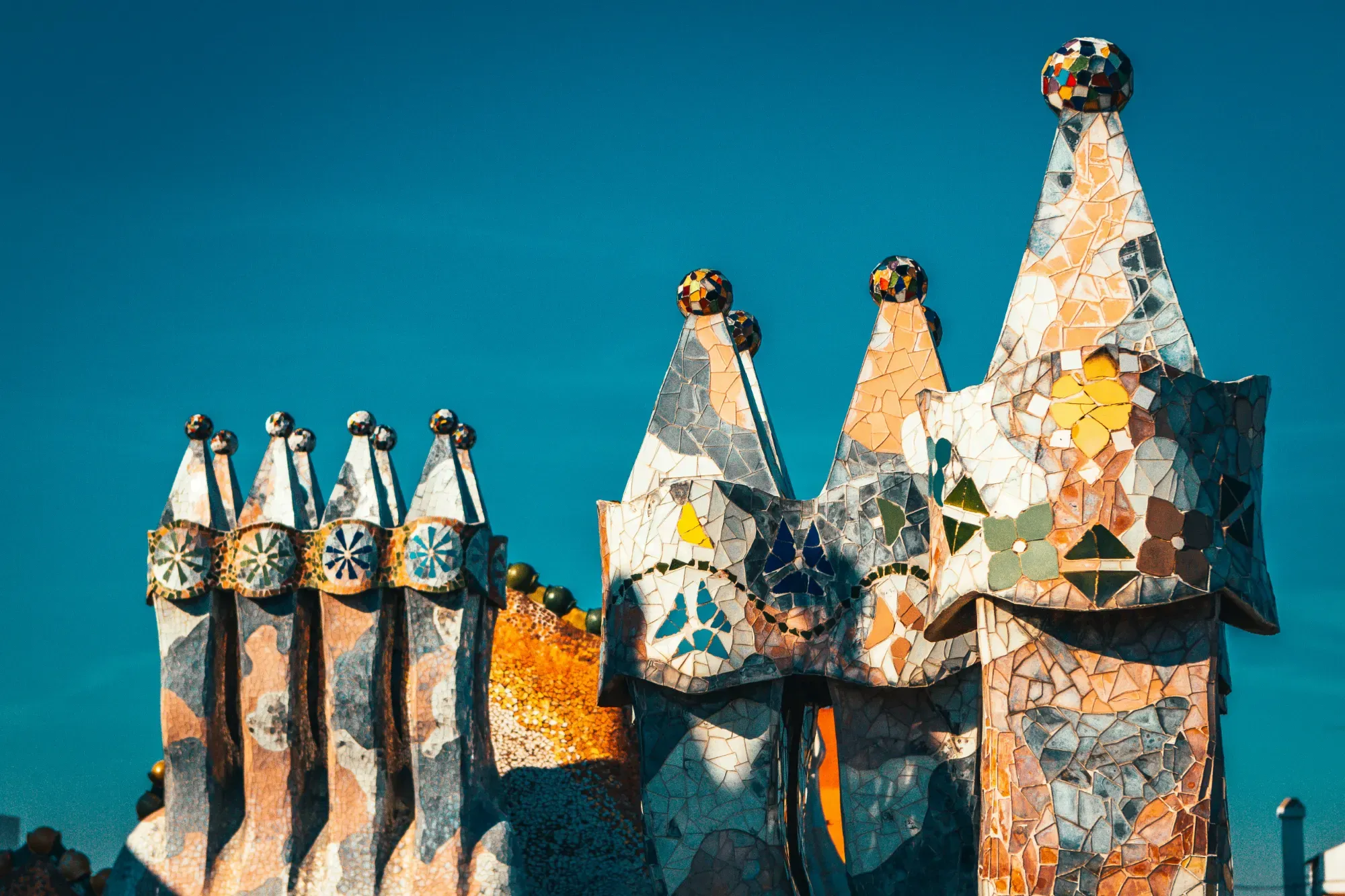
Interestingly, when looking at Gaudí’s complete body of work, two of his most famous signatures are noticeably absent from this early house: undulating curved lines and trencadís (broken tile mosaics). Visitors eager to understand how his style evolved from these straight-lined beginnings into full-blown Modernisme often gain deeper context by joining a guided walking tour focused on Gaudí, the Sagrada Família, and Modernism, which explores the grand milestones of his subsequent career. Casa Vicens remains the foundational starting point of that journey.
Plan your visit
Today, Casa Vicens operates as a fully accessible house museum. Visitors can explore the meticulously preserved rooms, the restored garden, and permanent exhibitions detailing the building's historical and architectural evolution. Because the house is situated in the vibrant but residential neighbourhood of Gràcia, it is easily reachable by public transport from central Barcelona.
Checking current opening times and booking tickets via the official Casa Vicens website is recommended. Furthermore, visitors travelling during the Gaudí Year will find city-wide special exhibitions commemorating the 100th anniversary of his death, making it an excellent time to explore both his early origins and his final masterpieces. Each month, we curate a selection of the most interesting architectural events for our What to Do in Barcelona articles. Feel free to check out what’s happening this month!
Casa Vicens is more than just a beautifully decorated summer residence; it is the physical manifestation of an architect discovering his distinct voice. By stepping through its wrought-iron gates, visitors are invited to experience the very roots of Barcelona's Modernista transformation and appreciate the quiet beginnings of a true architectural revolution.
Researched and written by Filipa Guide, Barcelona
Related stories
Practical Tips • Tours • 7 min. read
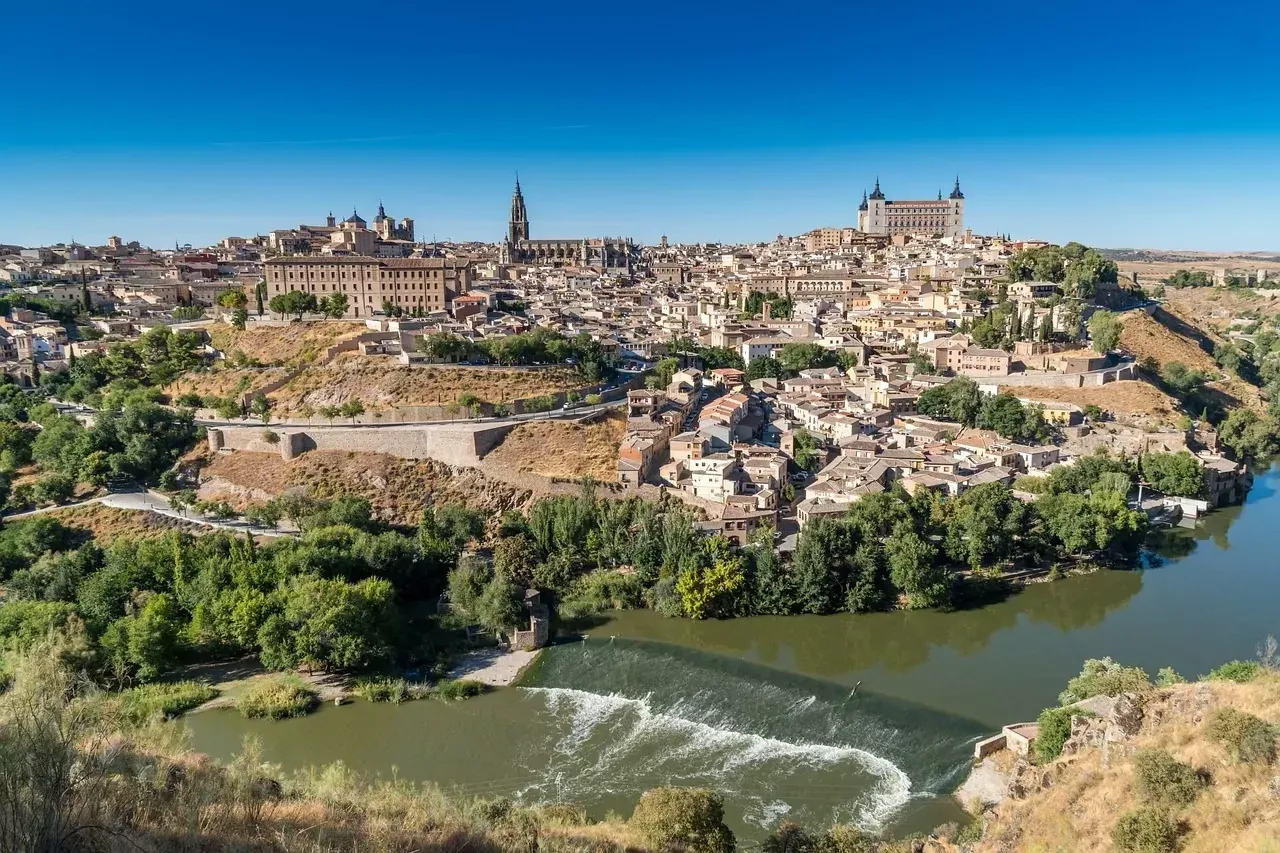
Sightseeing in Spain: Top tourist attractions you need to visit
Read our tips for the top destinations in Spain. From architecture to food, beaches to history, Spain really does have it all!
Newsletter • 5 min. read
Things to Do in Barcelona in July 2026
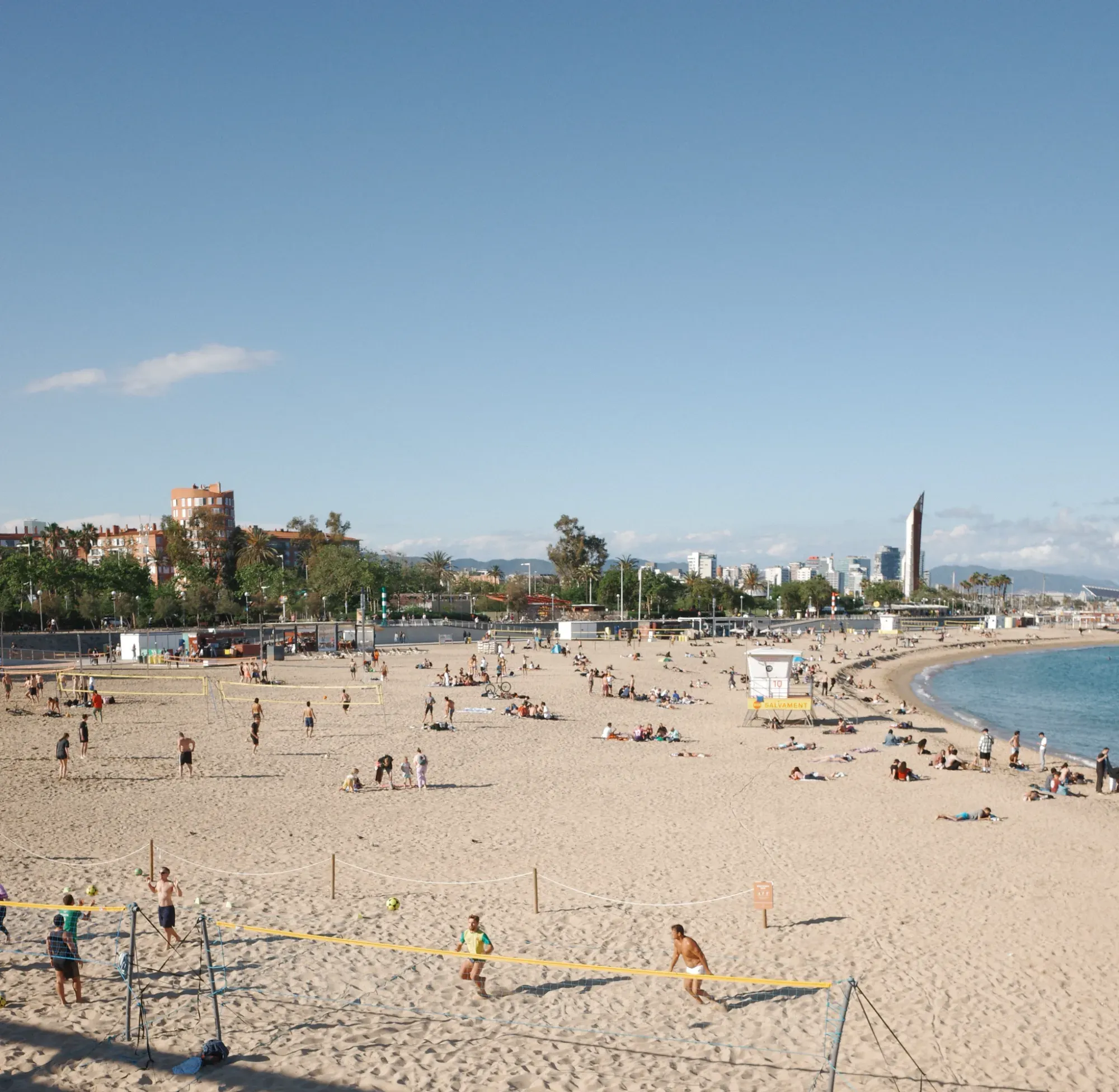
If you're planning a trip to Barcelona in July 2026, you picked one heck of a time to visit. Grab a café con leche and let's talk about what's going down in the Catalan capital this month. First and foremost, the biggest event taking over the city is the Tour de France.
Newsletter • 7 min. read
Things to Do in Barcelona in June 2026
Grab a coffee (or a sangria) and let’s dive into what’s happening in the Catalan capital this month, because it’s shaping up to be a busy one! First things first: just a heads up that the Pope is visiting Barcelona this June! It’s a massive and exciting event for the city, but it also means the streets are going to be packed.
Newsletter • 7 min. read
Barcelona Newsletter - March 2026
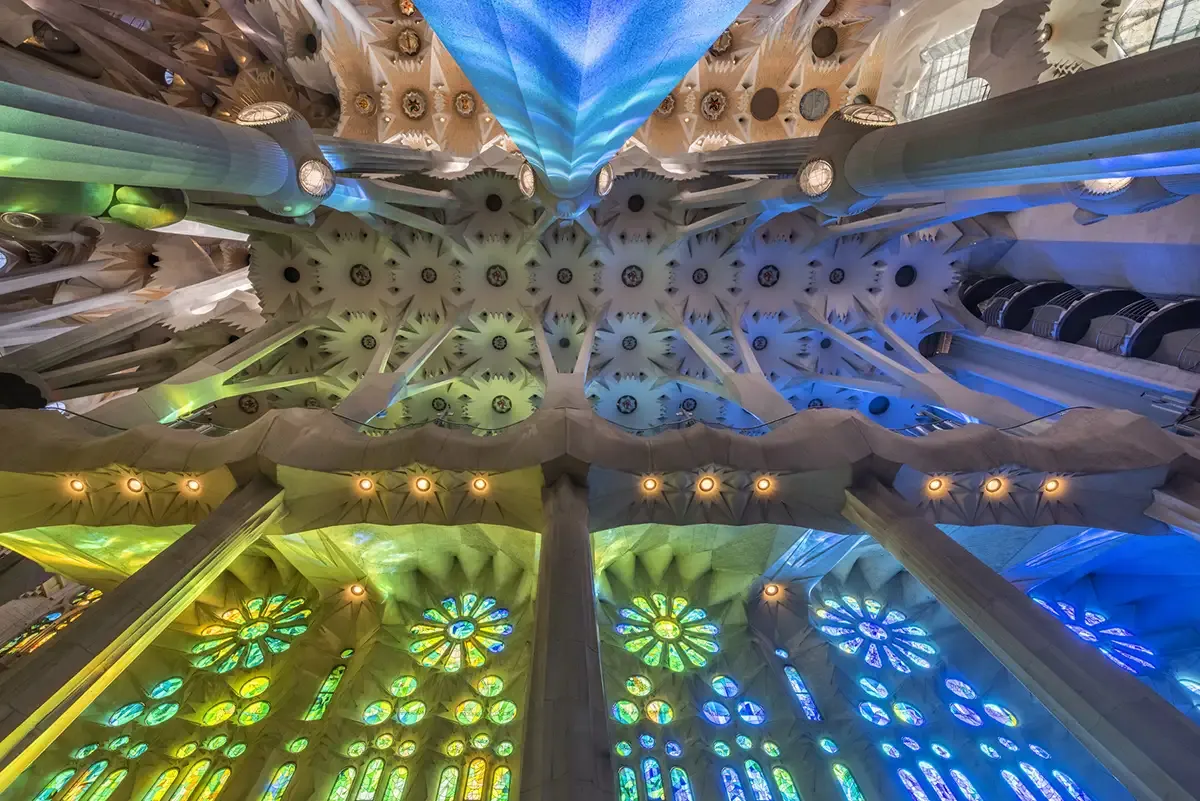
Experience Barcelona in March 2026 as spring arrives and the city honors Antoni Gaudí. Discover what to see during the centennial of the architect's death.
Newsletter • 5 min. read
Things to Do in Barcelona in May 2026
May in Barcelona is that perfect moment when the summer heat hasn't fully arrived, but the city's outdoor life is in full swing. This is the time for buzzing terraces and a calendar packed with unique events. From food festivals celebrating croissants and croquettes to the annual Museum Night, there's a relaxed, festive energy in the air.