The Icons of London: From Red Buses to Phone Boxes
From postboxes to double-deckers, discover the history behind London’s most iconic everyday sights.
Culture • History • 7 min. read
Last edited:
London is full of icons—the kind you recognise instantly, even if you’ve never been here before. Red buses, black cabs, phone boxes, postboxes. As guides, we get asked about them all the time—what they are, where they came from, why they look the way they do. So let’s take a closer look at the history behind these everyday fixtures.
Red Postboxes: A Hidden Timeline of Royal History
London’s postboxes are easy to overlook. Solid, red, and quietly doing their job on street corners. But once you start paying attention, they turn into something much more interesting.
Before they existed, posting a letter was a bit of an effort—you either took it to a receiving house or waited for a uniformed “bellman” to come past and collect it. The shift to roadside boxes in the 1850s changed that completely, making sending mail part of everyday life rather than a small mission.
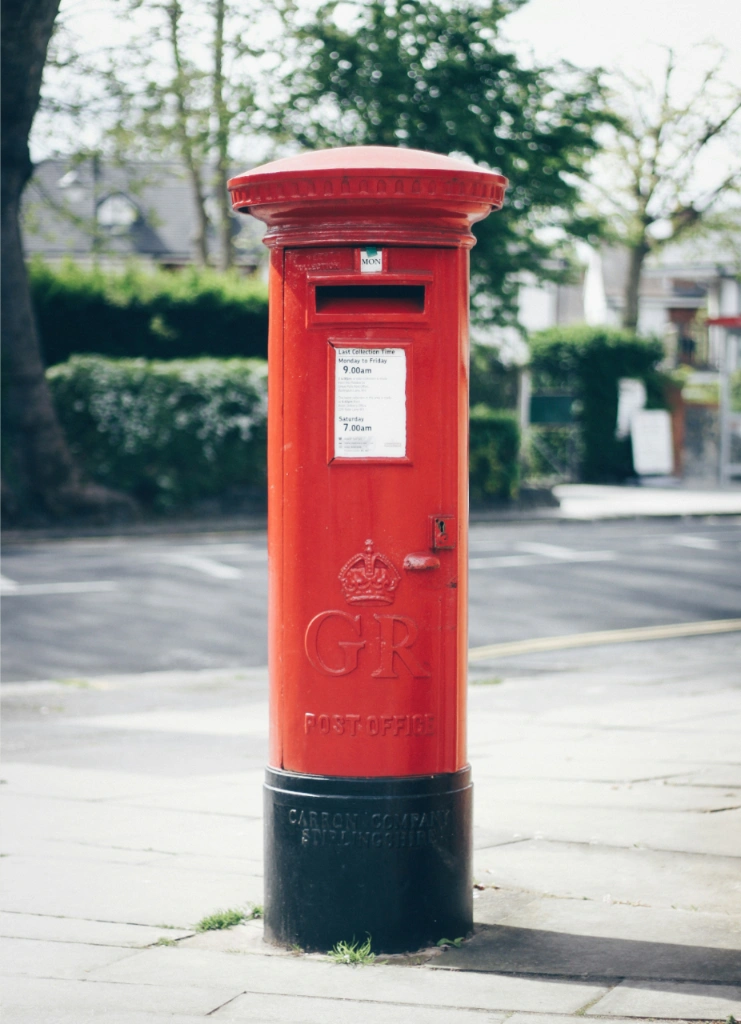
The design settled into something familiar—and iconic—fairly quickly: a sturdy pillar, a horizontal slot, a cap to keep the rain out. The colour took longer. Early boxes were actually green, but people kept missing them, so red was introduced in the 1870s—and stuck.
What really makes them fun, though, is the detail most people walk past without spotting: the royal cypher on the front. Each box carries the initials of the monarch reigning when it was installed. You’ll see “VR” for Queen Victoria, “ER” for Elizabeth II, and now the newer mark of Charles III starting to appear (The “R,” by the way, stands for Rex or Regina, Latin for king/queen).
These post-boxes turn the street into a kind of timeline: different reigns, side by side, still in use.
One thousand meaningless points for your score if you manage to spot the rarest of post boxes: the Edward VIII. His reign in 1936 was so short that very few were ever made—and most were never widely installed.
London Black Cabs: London's Best Navigators
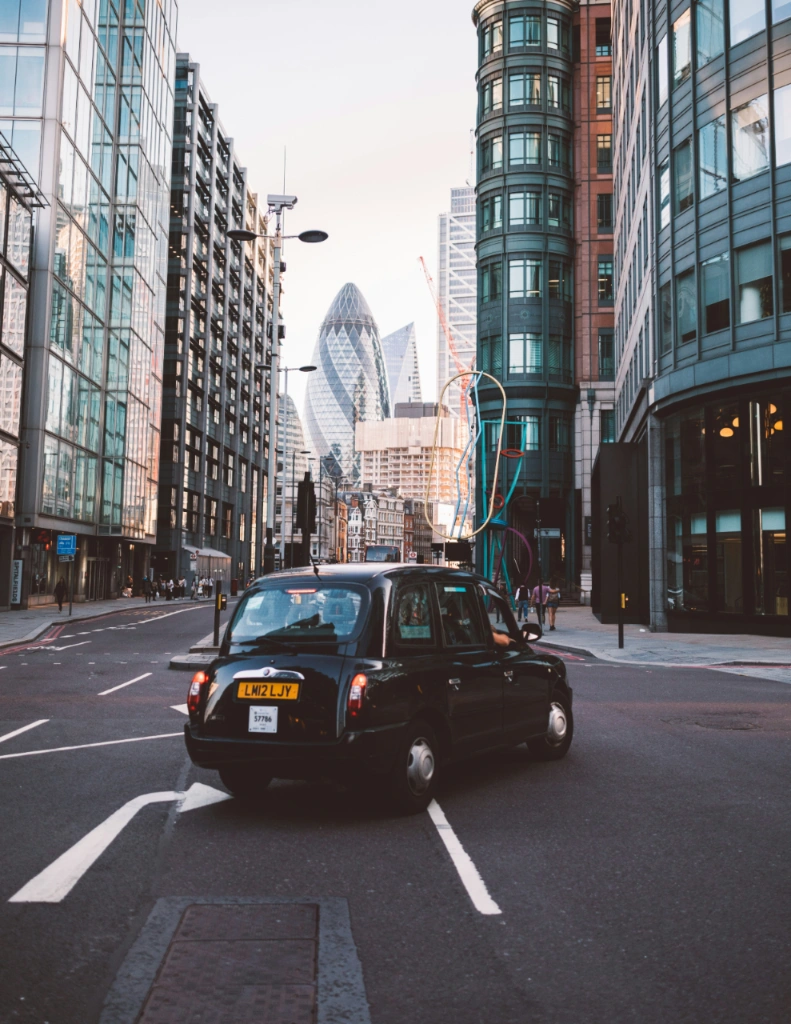
Officially known as Hackney carriages, the black cab’s story goes back much further than you might expect. In Tudor times, horse-drawn “hackney coaches” were already carrying passengers across London. By the 19th century there were thousands on the streets, and the word “cab” itself comes from the later cabriolet, a faster, lighter French import. Designs evolved, each tweaking the balance between speed, comfort, and practicality.
The real shift came with the motor car. Early electric taxis appeared in the 1890s but didn’t last long; petrol-powered cabs quickly took over in the early 20th century. By the mid-1900s, Austin models had become a fixture, and in 1958 the now-iconic FX4 arrived. For decades, it defined the look of London taxis—and even today’s modern cabs still echo that same shape. The “black cab” name itself only really stuck after the Second World War, when most taxis were painted black. It’s a simple detail, but one that turned into a lasting identity.
London cabbies have a near-virtuosic understanding of the city. To drive one of these cabs, you don’t just need a licence—you need to learn London, or what’s known as “The Knowledge.” Thousands of streets, routes, landmarks, and shortcuts, all committed to memory over years of study. Trainees are often seen weaving through traffic on scooters, practising runs until the map becomes second nature. They’re expected to know how to get from any A to any B off the top of their head—even in the age of GPS and apps.
Look out, too, for the small green huts tucked around central London. These cabmen’s shelters were built in the 19th century to give drivers somewhere to rest and eat between fares. They’re still in use today—easy to miss, but very much part of the system. Five hundred meaningless points if you spot one.
Red Telephone Boxes: London’s Most Photographed Icon
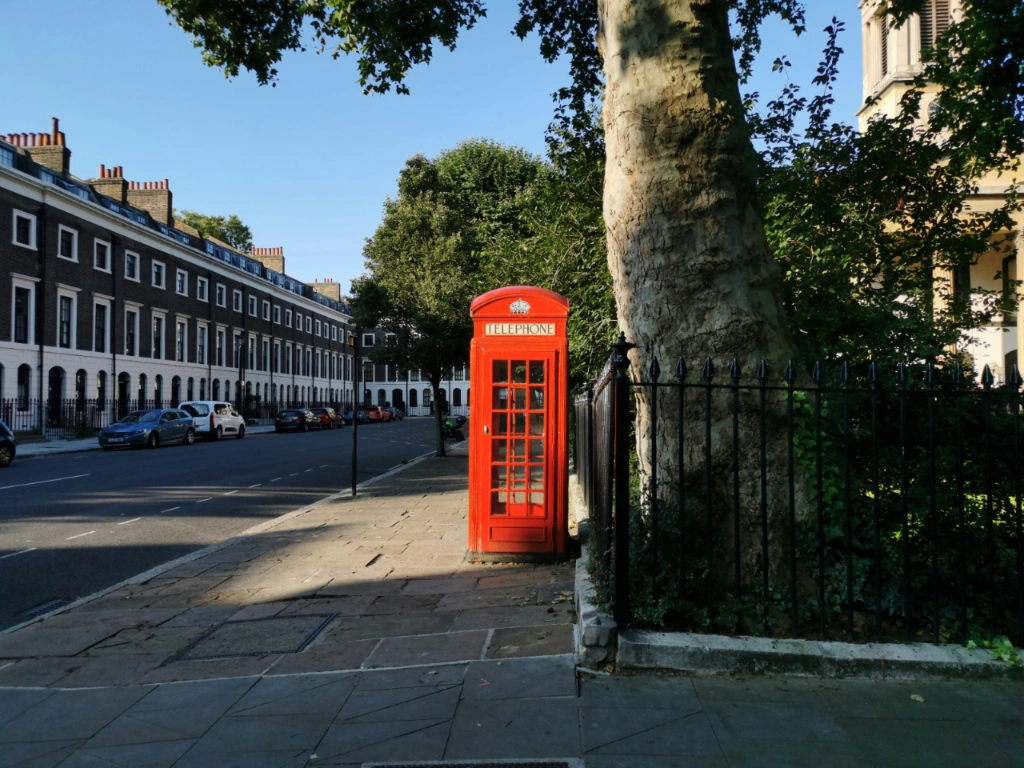
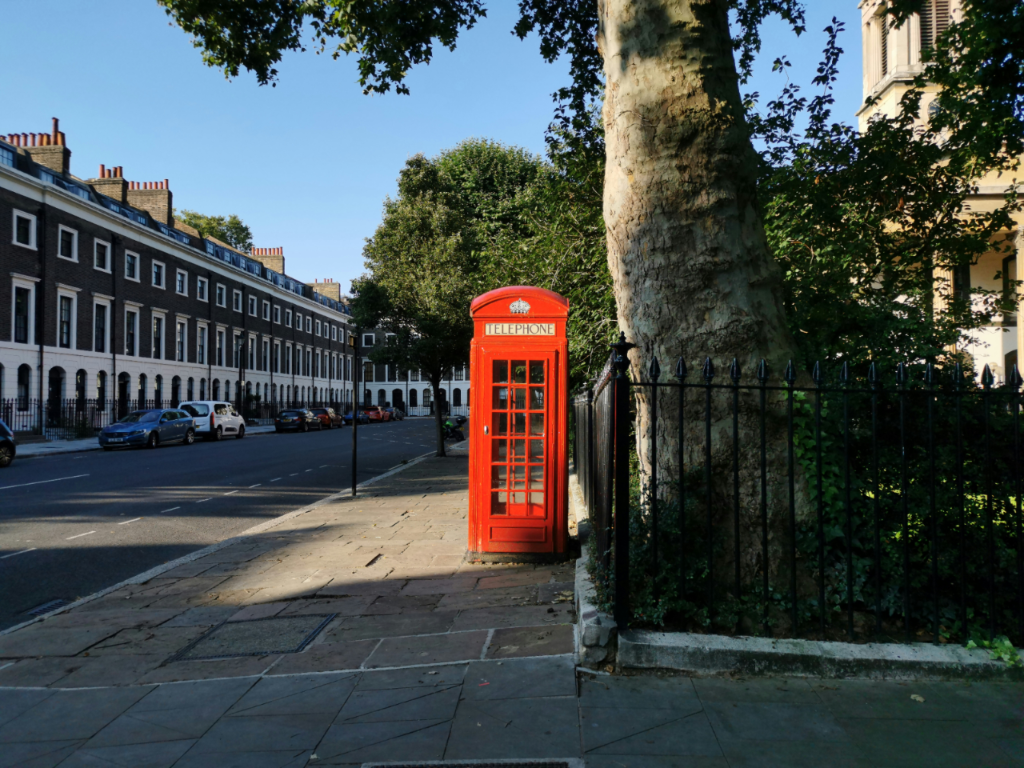
Public phones in Britain go back to the late 19th century, but the version we recognise today arrived in the 1920s. Architect Giles Gilbert Scott, whose other work includes Liverpool Cathedral and Battersea Power Station, designed the first standard telephone box. This was the K2 (K for kiosk), with its distinctive domed roof and cast-iron frame. Scott originally imagined the phone boxes in silver, but the General Post Office chose red so they’d be easier to spot. As with the iconic red postboxes, visibility was paramount.
The design was refined over time, most notably with the K6 in the 1930s—smaller, cheaper, and the model that spread across the country. Tens of thousands were installed, turning the phone box into a national fixture. Not everyone loved the colour at first, especially in rural areas, but it didn’t take long for it to become part of the landscape.
Walking around London, you might also spot the blue police box, once used by officers and the public to make emergency calls. There aren’t many left—but a replica still stands outside Earl’s Court, a nod to their use as a disguise for the TARDIS in Doctor Who.
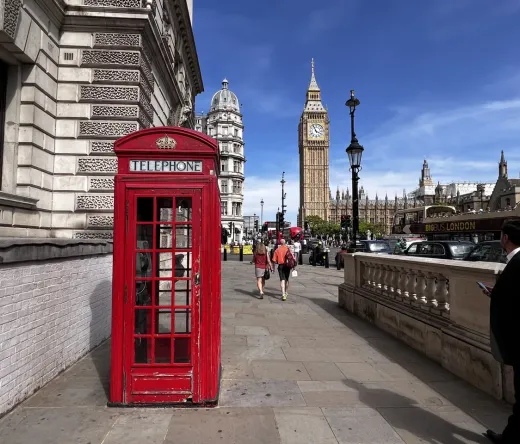
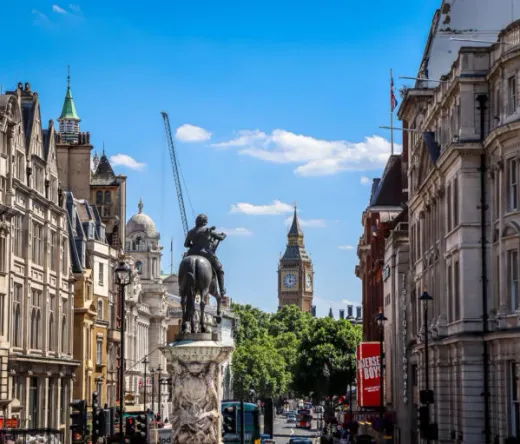
These days, most of the telephone boxes don’t contain functioning telephones. Instead, they’ve been repurposed as mini libraries, coffee kiosks, or places to house defibrillators. A few have been replaced entirely with modern units offering WiFi and charging points. In Westminster, you’ll find the most popular photo spot in the whole city: the red telephone box with Big Ben perfectly positioned in the background. If you’re coming on our Welcome to London tour, ask your guide and they can point it out for you!
London Buses: The Story of the Iconic Red Double-Decker
In 1829, a coachbuilder named George Shillibeer launched a new kind of service from Paddington to Bank. He called it an omnibus—Latin for “for all.” The idea was simple but new: you didn’t need to book ahead, you could just hop on along the route. The word eventually shortened to “bus,” and stuck.
The idea took off quickly. Within a few years, hundreds of horse-drawn buses were moving people across the city. They looked more like carriages than anything modern—wooden exteriors, hand-painted, pulled through London streets at a steady pace.
The real transformation came with the arrival of the motor bus in the early 20th century. They changed London, and London changed them: companies designed buses specifically for the city’s crowded streets, gradually standardising models and improving reliability. By the mid-1900s, buses had become a core part of how Londoners got around.
Then came the one everyone recognises: the Routemaster. Introduced in the 1950s, it combined practical design with a certain presence—open rear platform, conductor on board, and that unmistakable red exterior. It wasn’t the first double-decker, but it became the definitive one.
Since then, buses have kept evolving. They’ve been powered by horses, electricity, petrol, diesel—even hydrogen. Designs have changed, operators have come and gone, and the system has been reshaped more than once. But the basic idea hasn’t shifted much since 1829: you hop on, get where you need to go, and watch the city unfold along the way.
And as the eccentric London historian Ian Nairn once argued, the best view of St Paul’s Cathedral is from the upper deck of a bus heading down Fleet Street. So if you can, grab that front seat upstairs and get the pigeon perspective on this strange and glorious city.
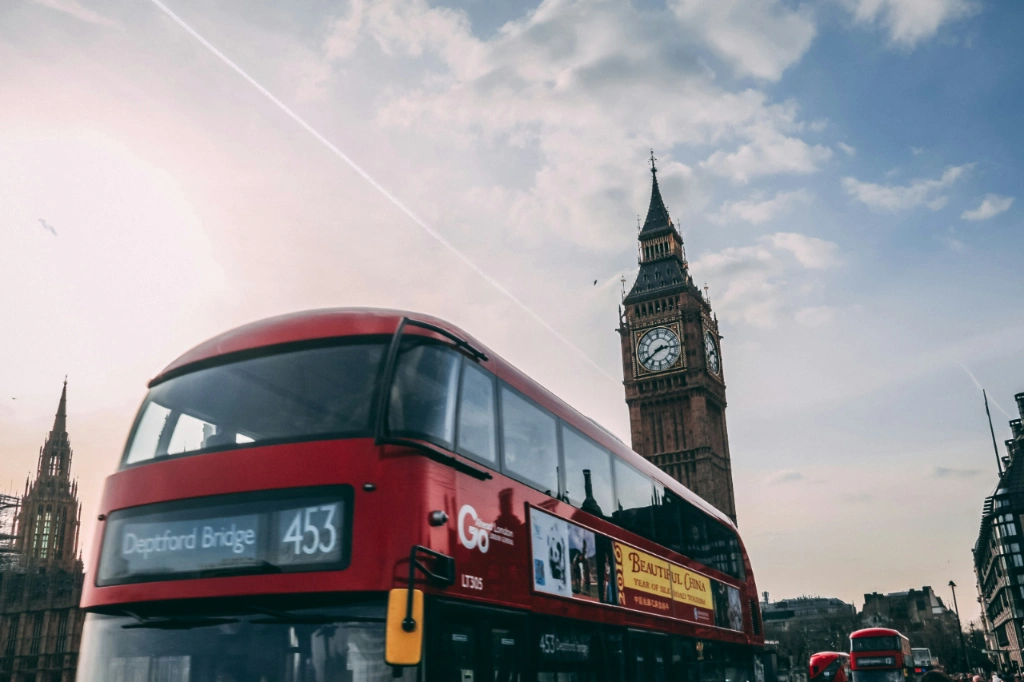
Photo credits:
Photo by Humphrey M on Unsplash - taxi
Photo by Kutan Ural on Unsplash - postbox
Photo by Hanson Lu on Unsplash - bus
Photo by Francais a Londres on Unsplash - phone box
Related stories
Culture • Practical Tips • History • Food • 5 min. read
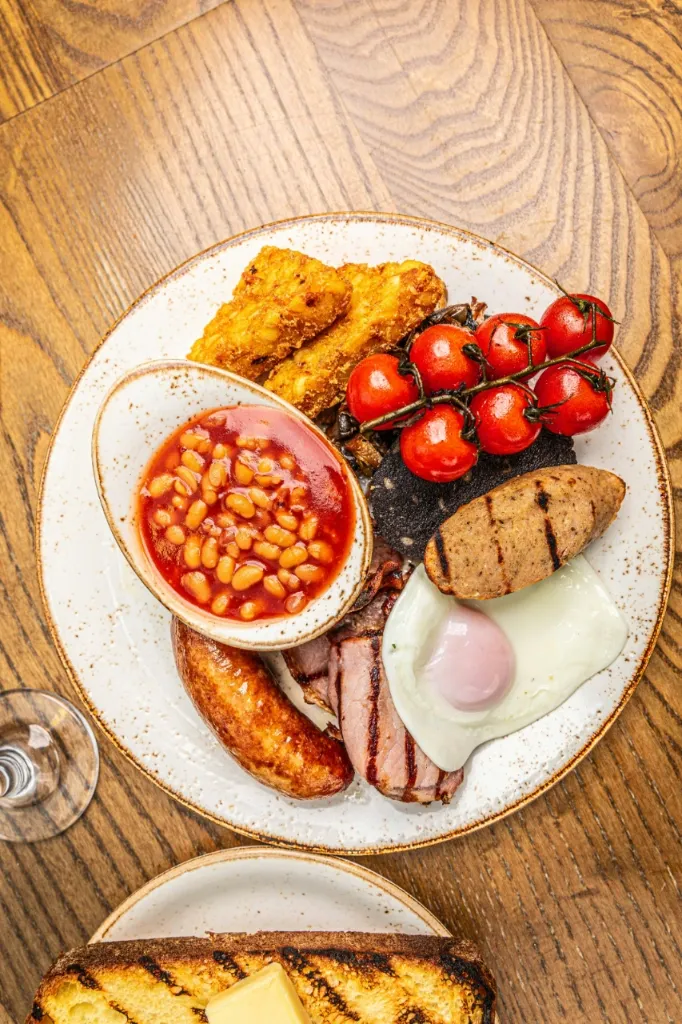
A Guide to London's Classic Full English Breakfast
Learn what goes into a traditional full English breakfast and explore its history. We also share a few of London's classic cafes where you can try an authentic fry-up yourself.
Culture • History • 10 min. read
A Very London Christmas: The Stories Behind the Traditions
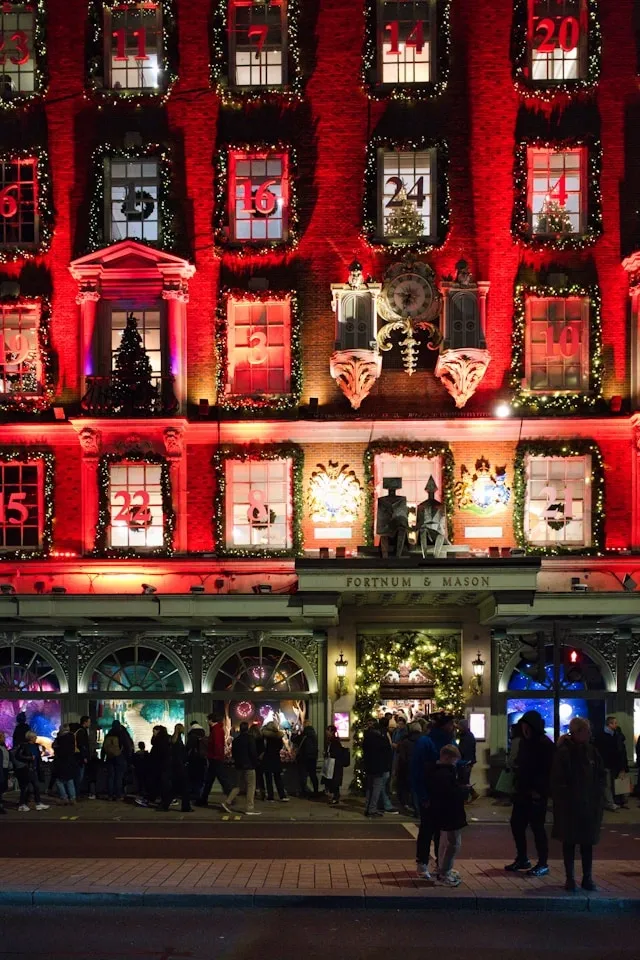
London’s Christmas sparkle is built on centuries of stories — from the Norwegian tree in Trafalgar Square to Victorian crackers, lavish Fortnum & Mason windows, and Dickens shaping "A Christmas Carol" on foggy streets. Beneath the lights and glitter lies a city whose festive traditions grew from history, quirks, and a little magic. Read on to discover the tales behind London’s holiday spirit.
Culture • Practical Tips • 5 min. read
Top 5 places to see theatre in London
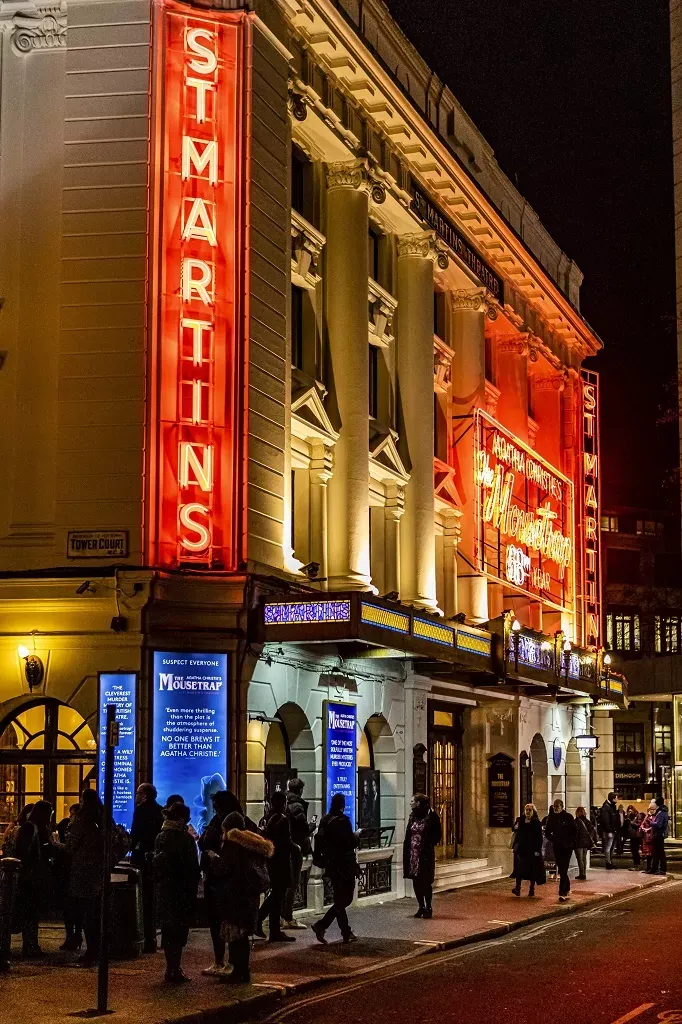
Top 5 places to see theatre in London: West End classics, fringe stages, and historic venues. Find the right show and neighbourhood.
Culture • Practical Tips • 5 min. read
The 7 best souvenirs to buy in London
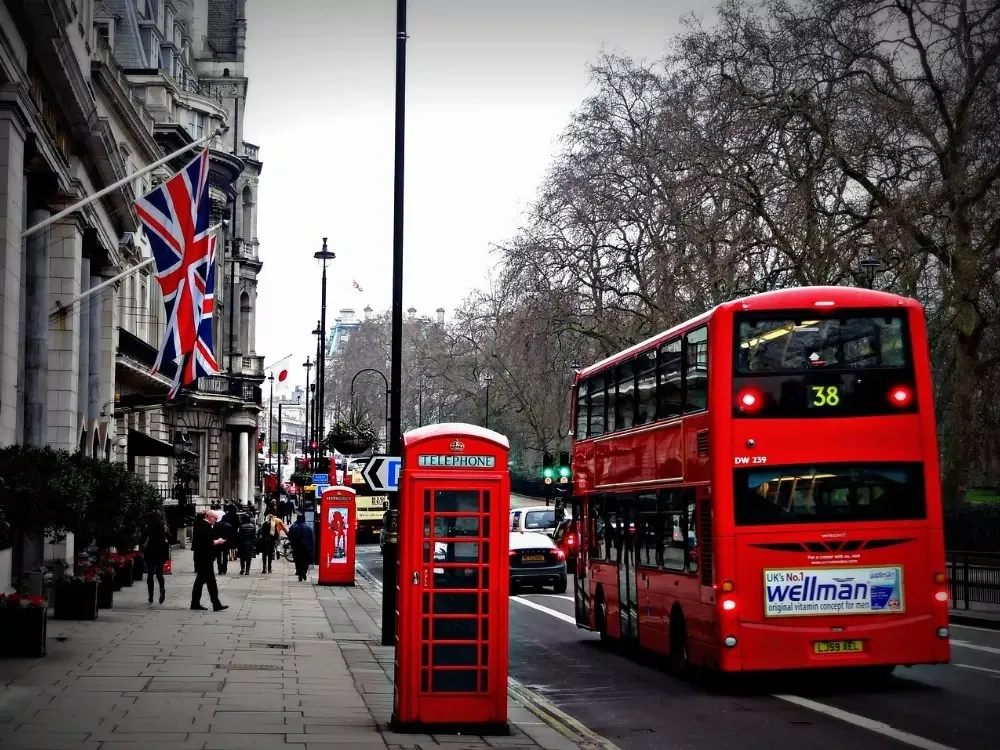
Discover the best souvenirs in London, from English tea and London Dry Gin to Sherlock Holmes memorabilia and iconic Tube map merchandise.
Practical Tips • Food • 7 min. read
The streets of Bruges: What should you see and do?
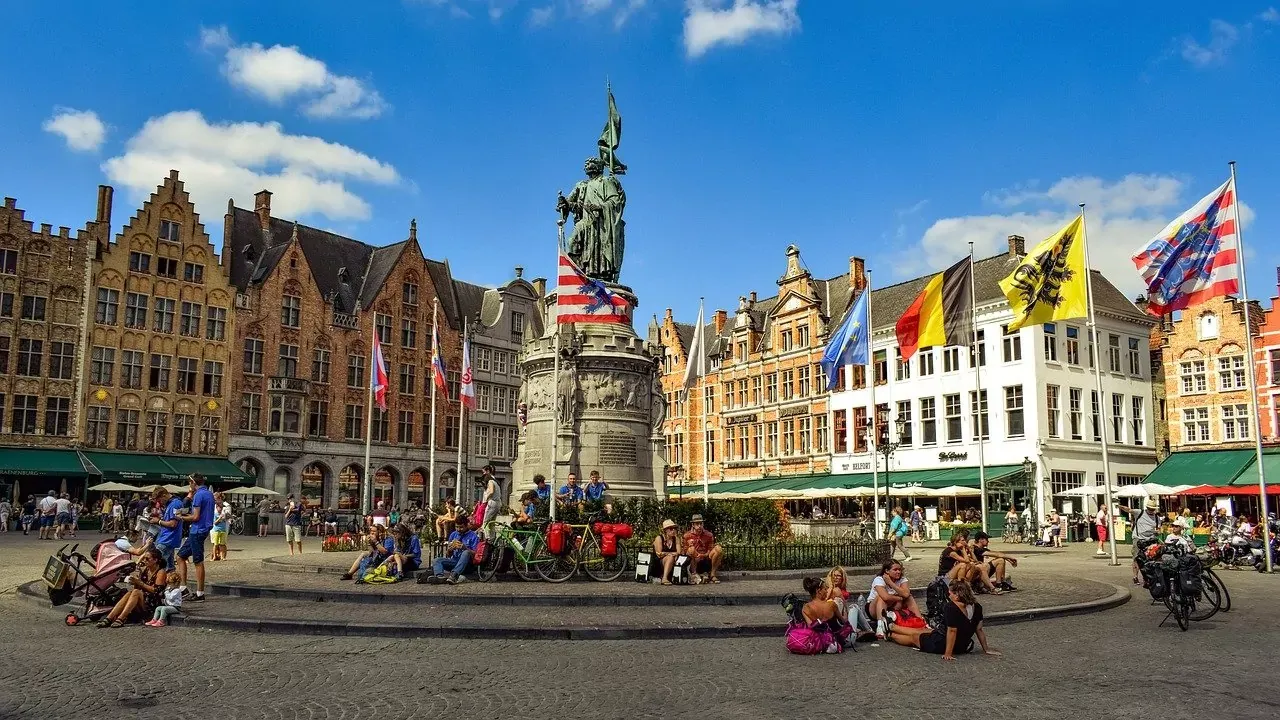
Discover what to see in Bruges. Sail the canals, climb the Belfry, and taste Belgian chocolate and beer in medieval taverns. Plan your perfect trip.