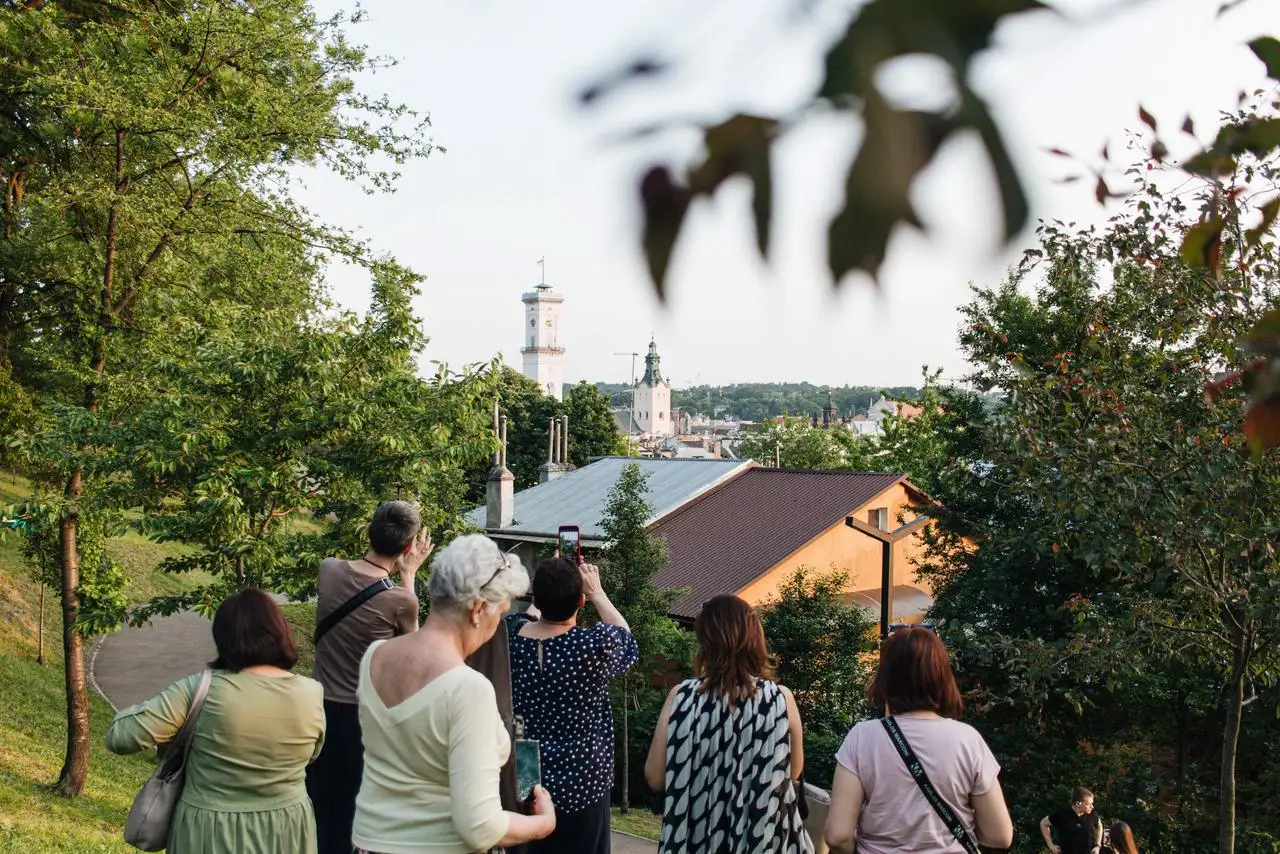
Understanding Lviv Today: Wartime Travel and Solidarity
Beneath the bustling cafes and quiet parks of western Ukraine, a massive rehabilitation effort is constantly at work. Visiting Lviv today means stepping into a city that functions as a sanctuary, where thick-walled historic basements double as shelters during air raid sirens. For travelers deciding whether to cross the border, understanding this daily contrast is the first step toward arriving with respect and offering genuine solidarity.
Culture • Practical Tips • History • Tours • 6 min. read
When considering a visit to Ukraine today, many travellers face a complex mix of questions and hesitations. You might wonder what daily life looks like, whether it is safe to visit, or if traveling to a country at war is ethically sound. These are important, thoughtful concerns. In Lviv, a city located far from the active frontlines, daily reality bridges the gap between international news reports and the quiet, enduring resilience of its people. By understanding how the city functions today, you can make an informed decision about visiting and supporting Ukraine firsthand.
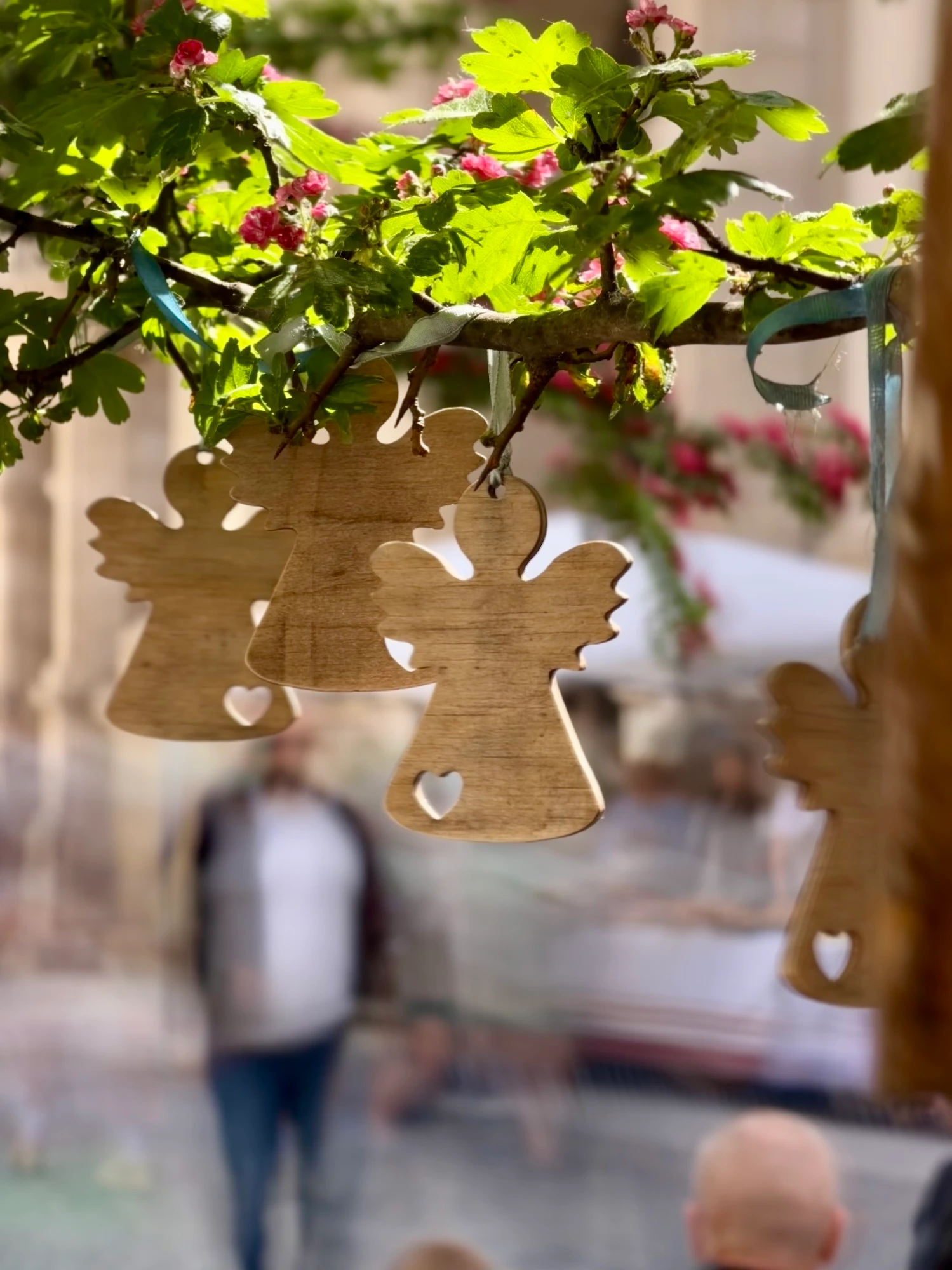
Visiting Lviv Today: Solidarity vs. Dark Tourism
The most common hesitation we hear from mindful travellers is the fear of engaging in "war tourism." It is a valid concern, but there is a clear distinction between voyeuristic dark tourism and genuine solidarity. Dark tourism seeks out tragedy for a thrill, whereas visiting Lviv today is about bearing witness to a society that refuses to be broken.
For the local community, seeing international visitors is deeply encouraging. It provides reassurance that the world has not forgotten Ukraine. By visiting local businesses, listening to personal stories, and learning from local guides, you are directly supporting the economy and helping to amplify Ukrainian voices. Rather than being offensive, making the journey to understand the country's current reality is widely considered a profound act of support.
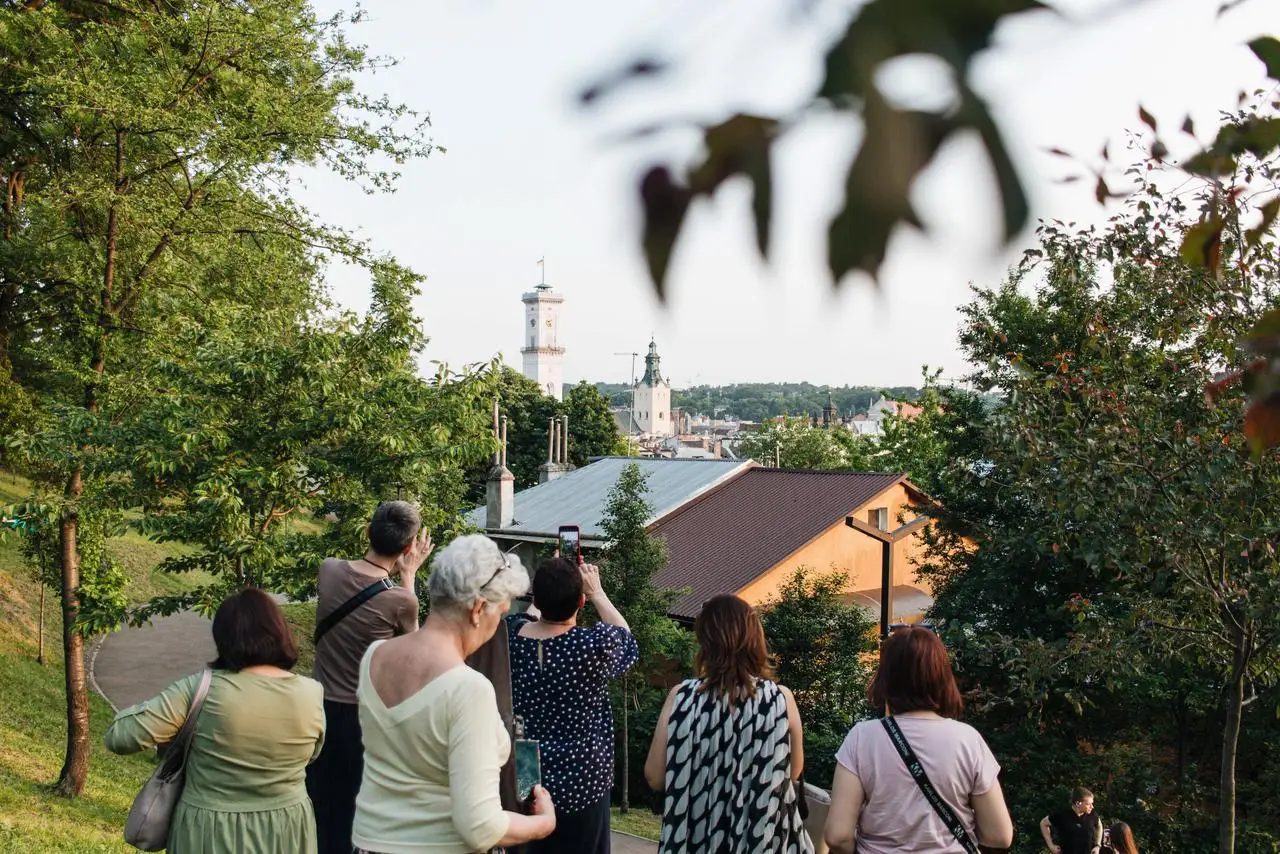
Safety and Daily Life: Navigating Lviv During Wartime
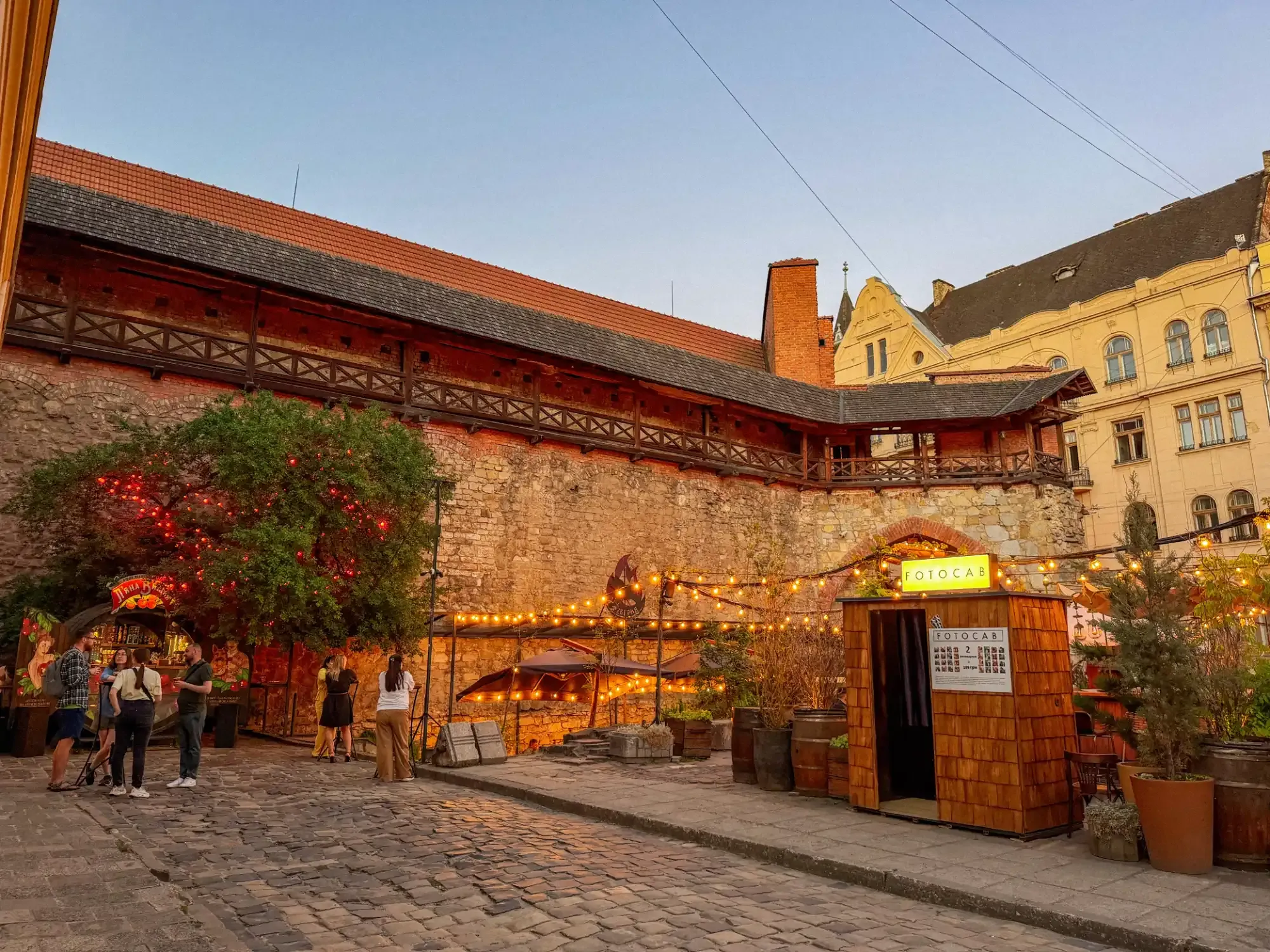
Because Lviv is situated in Western Ukraine, the city operates with a surprising, defiant normality. The streets remain bustling, parks are active, and businesses are open. However, Ukraine remains a country at war, and safety protocols are a strict part of daily life. Air raid sirens do sound occasionally, and it is vital to treat them seriously without panic.
When alerts occur, locals calmly proceed to designated shelters, which are often located in the thick-walled historic basements of cafes, hotels, or public buildings. During guided walks, your safety is the absolute priority. Should a siren sound while you are exploring the city, your guide will immediately escort you to the nearest secure shelter, where the conversation and tour will simply continue in a safer environment.
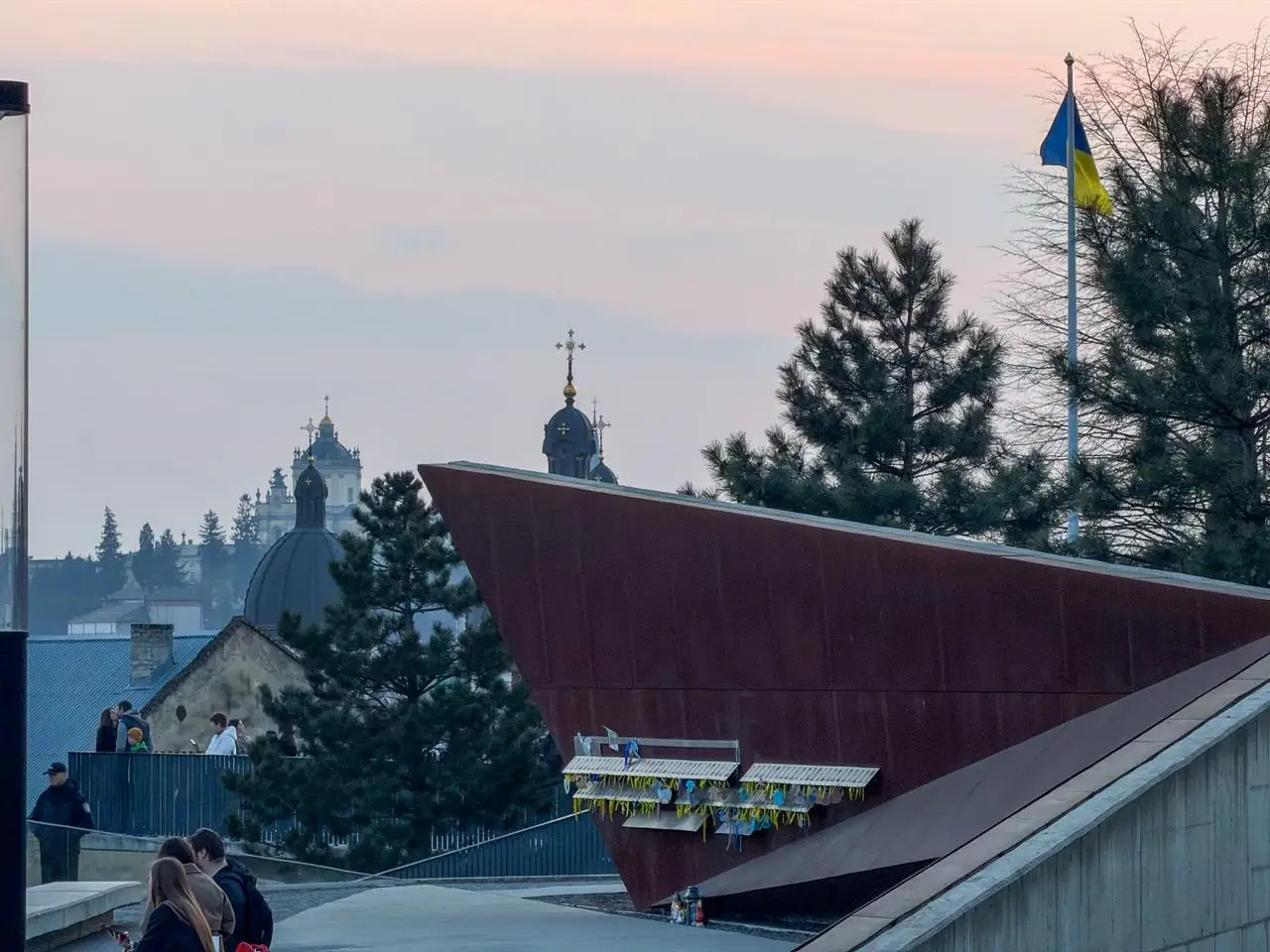
The Hidden Reality: Why Lviv Looks so Lively
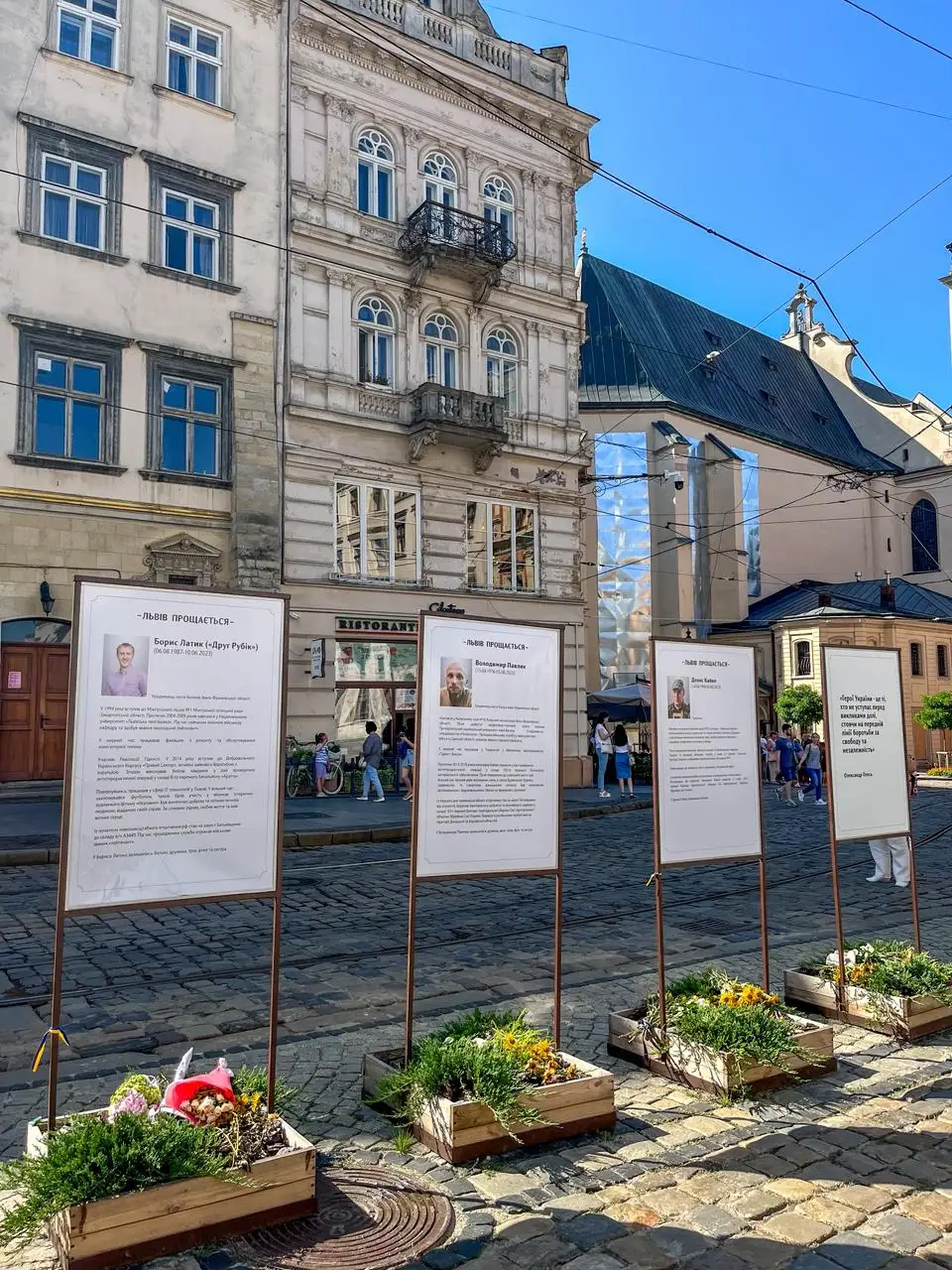
Visitors are often surprised to find Lviv looking as though there is no war at all. The cafes are full, and the historic streets appear peaceful. However, this outward vibrancy masks a much deeper, hidden reality that requires explanation. Lviv has quietly transformed into a massive rehabilitation and recovery hub for the entire country.
While the city center feels relaxed, countless locals from Lviv are currently serving on the frontlines. The people you see in the city are often internally displaced individuals seeking refuge, or soldiers and their families undergoing medical and psychological rehabilitation. The peaceful atmosphere is maintained deliberately to provide a safe, healing environment for those who have experienced the direct trauma of the war, making the city a vital sanctuary behind the lines.
Connecting with Locals: Navigating Sensitive Conversations
It is natural to want to ask locals about their experiences, and in most cases, this is entirely appropriate. Many Ukrainians are incredibly open and eager to share the truth of their daily lives. The key to these interactions is approaching them with deep empathy and active listening.
It is best to let the local resident dictate the depth of the conversation. Asking supportive, open-ended questions—such as asking how their family is adapting or what helps them get through difficult days—gives them the space to share only what they are comfortable with. Avoid asking for raw, graphic details. Instead, focus on their lived experiences, their ongoing work, and their hopes for the future.
Inside the Tour: Discovering Lviv's Adaptation and Resilience
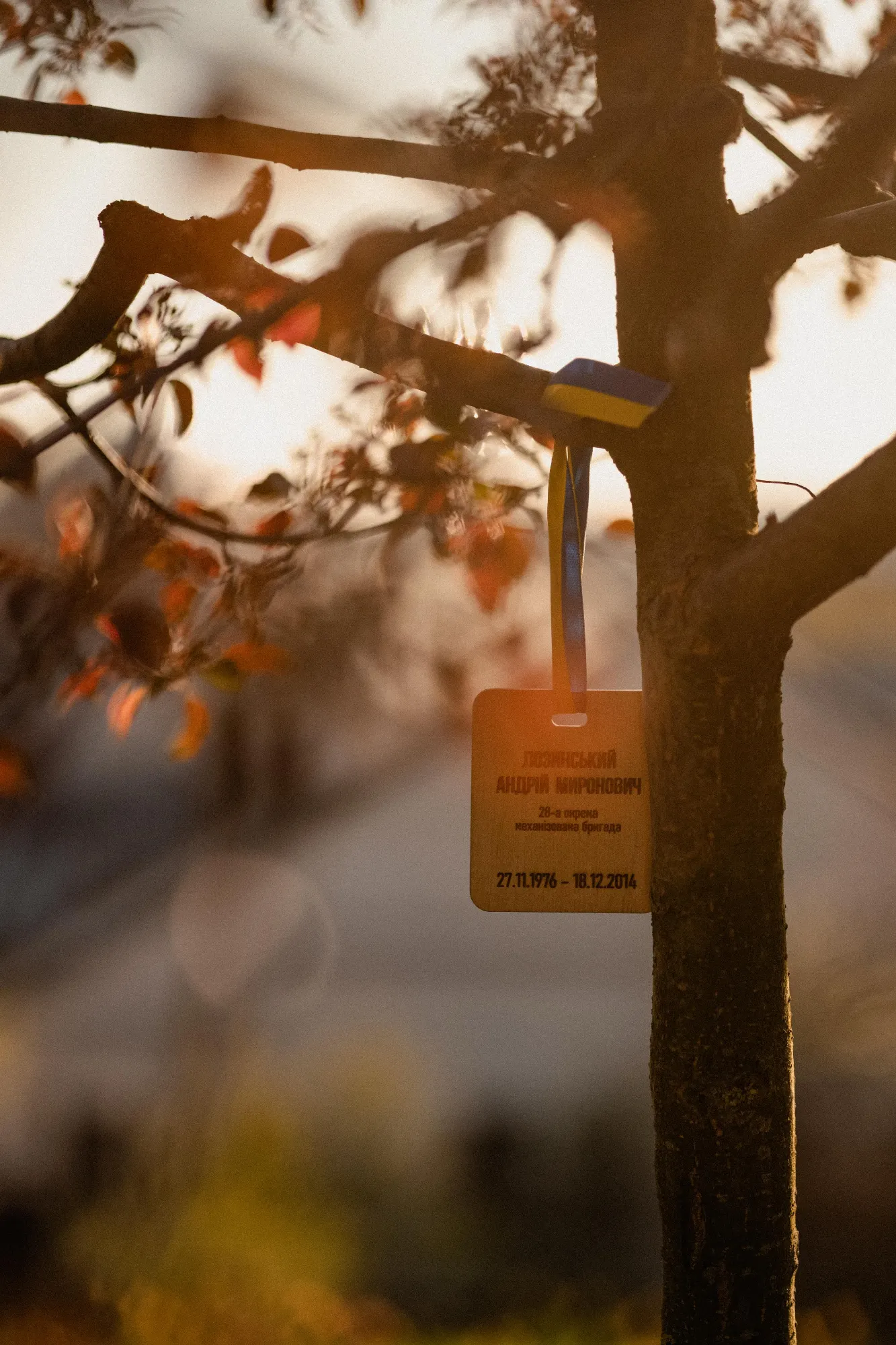
The "Daily Life & Stories of Ukrainian Resilience" tour goes far beyond standard historical sightseeing. While you might join our Welcome to Lviv! Old Town Guided Tour to understand the city's medieval and Habsburg past, this resilience-focused experience explores how a modern European city adapts to extraordinary circumstances. We walk through quiet courtyards to discuss Lviv's vital role as a humanitarian sanctuary providing medical and psychological support.
The conversation highlights wartime innovation, showing how Lviv’s tech and cultural sectors pivoted to create rapid community aid platforms and preserve psychological well-being through art. We also explore the overwhelming level of community volunteering. In Ukraine, mutual aid is a survival mechanism; everyday citizens reclaim their agency by organizing fundraisers and supporting their neighbors, proving that shared responsibility is the foundation of their resilience.
The Charity Model: How Your Visit Tangibly Helps Ukraine
To actively support the mutual aid we discuss, this resilience tour operates entirely on a charity model. It is designed so that your visit goes beyond observation and translates into direct, tangible assistance for the local community.
When you participate, 100% of the proceeds is directed to support our friends on the frontlines, humanitarian initiatives and NGOs based in Lviv. These funds are converted into real help, whether that means supporting rehabilitation programs for wounded citizens, or supporting those who are on the frontlines. By joining the walk, you are not just learning about the strength of the Ukrainian people; you are actively contributing to the very resilience you have come to understand.
Traveling to Ukraine today requires thoughtfulness and respect, but it offers an unparalleled opportunity to witness history as it unfolds. Lviv remains a city of warmth, quiet dignity, and profound hope. By choosing to visit and listen, you help ensure that the human stories of this resilient community continue to be heard and supported.
Written by
Halyna Vyliika
Halyna has been working as a guide since 2014, focusing on the complex and multicultural history of Ukraine and Galicia, particularly the 20th century. Today, her work goes beyond guiding: she develops tours and materials about Lviv & Ukraine’s history, culture and everyday life, exploring trauma and the culture of memory while helping foreign guests better understand Ukraine today.
Related stories

Practical Tips • 6 min. read
Safety in Lviv and Ukraine: Current Realities and Practical Travel Advice
Understand the realities of visiting Lviv today. We cover air alerts, shelters, and blackout protocols to help you stay informed and navigate the city safely.
Newsletter • 2 min. read
Things to Do in Lviv in July 2026
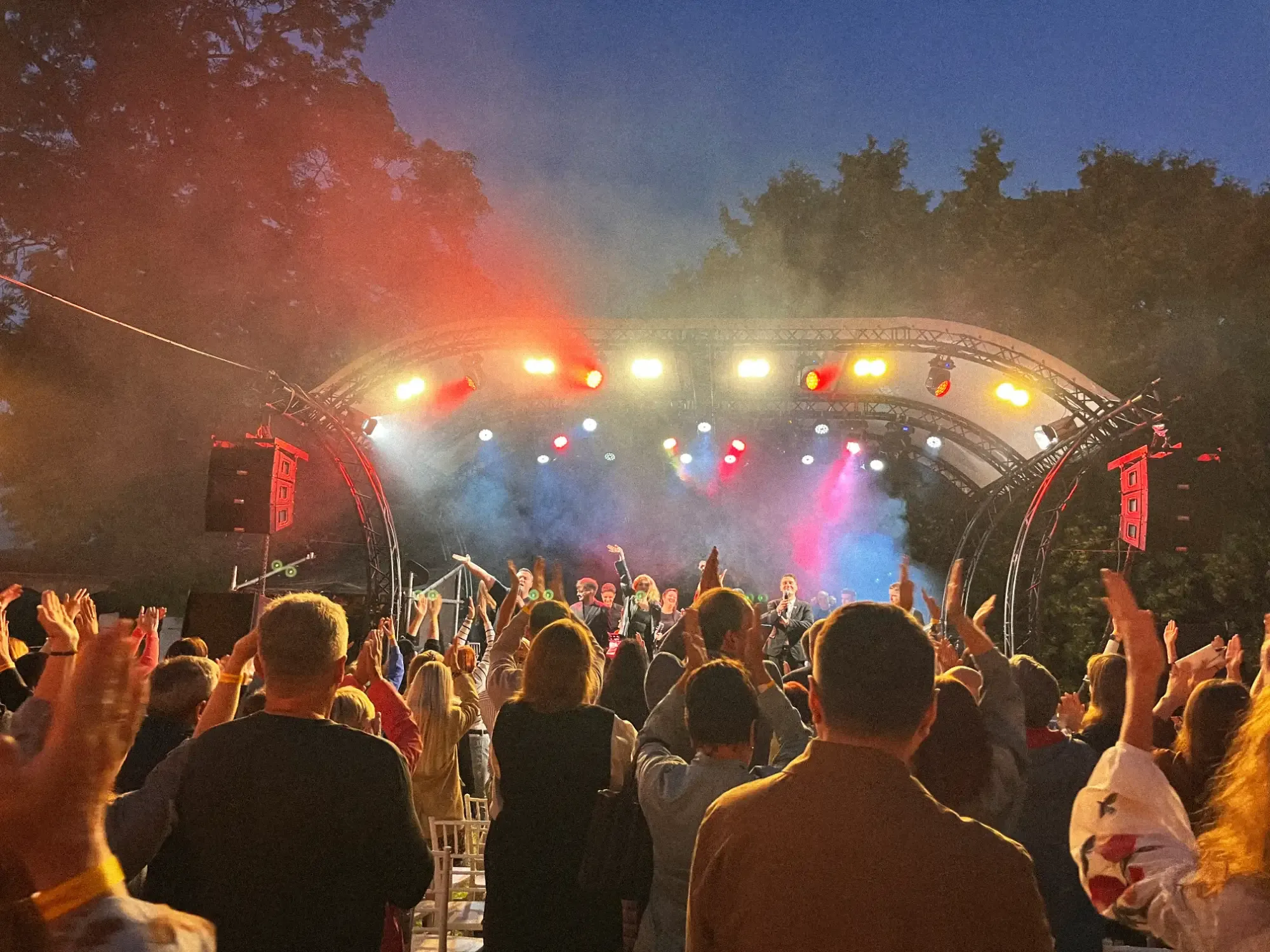
July in Lviv is truly a magical season. As the heart of the summer arrives, the city comes alive with warm sunshine, bustling open-air coffee houses, and a vibrant energy that fills our historic cobblestone streets.

Culture • Practical Tips • History • Tours • 4 min. read
Visiting Lviv and Ukraine in 2026: Witnessing History in a Resilient City
Discover the reality of life in Lviv today. From safety logistics to vibrant culture, read our guide on witnessing history in this resilient Western Ukrainian city.
Practical Tips • 5 min. read
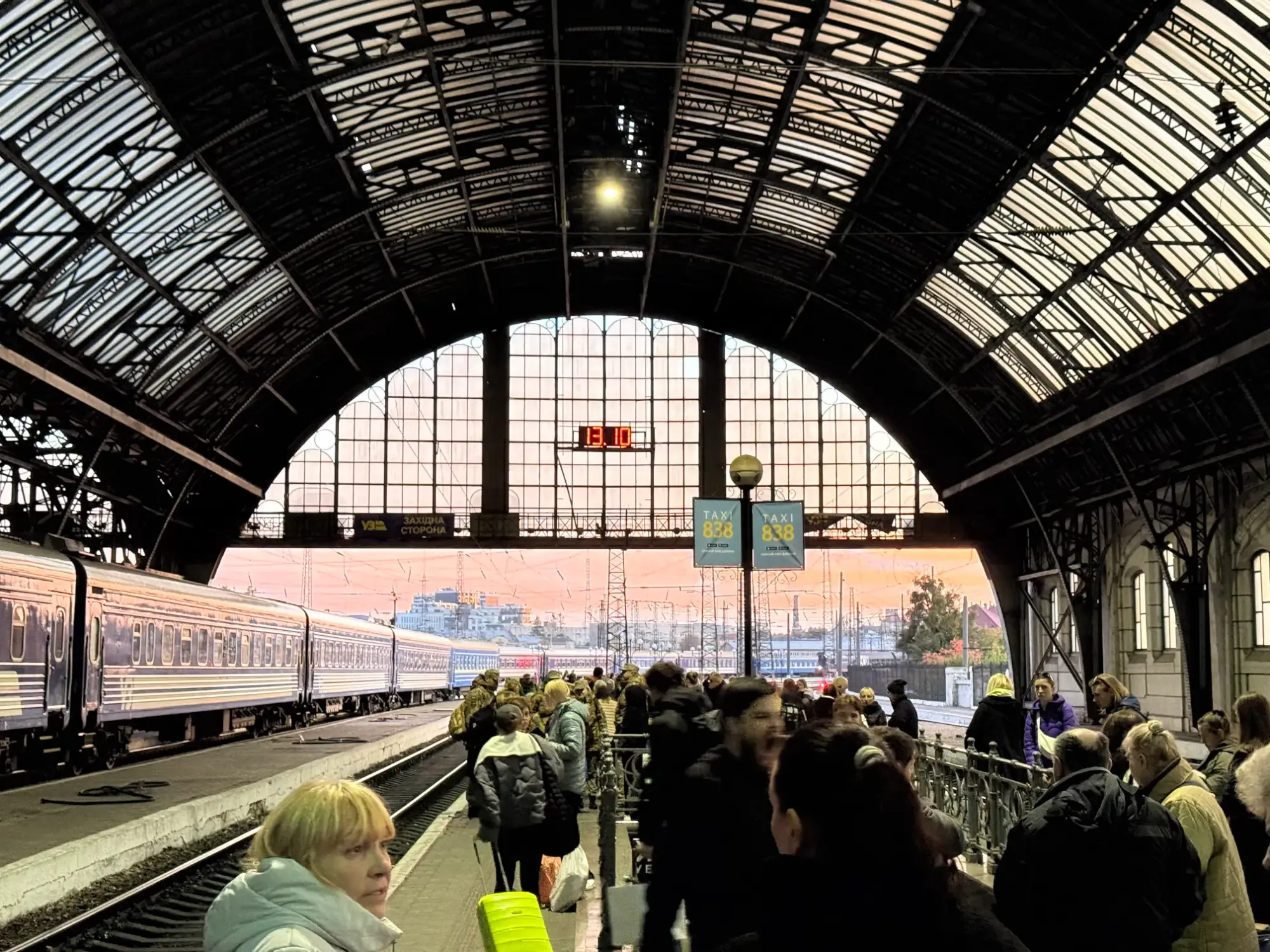
Travelling from Kraków to Lviv: Trains, Buses, and Border Crossings
Planning a trip to Ukraine? Discover the best routes from Kraków to Lviv. We compare trains, buses, and the pedestrian border crossing to help you choose the right option.
Culture • Practical Tips • History • Tours • Newsletter • 7 min. read
Things to Do in Lviv in June 2026
Long Summer Evenings in Lviv There is a unique magic to the summer in our city. June is, without a doubt, one of the best time of the year to be here. With the longest days stretching beautifully ahead of us, Lviv is simply magnificent in the glow of its breathtaking sunsets. The city transforms into a cozy haven full of music, art, and warm, meaningful talks that linger long into the twilight.