The White Rose: Remembering Munich’s Student Resistance
On February 18, 1943, siblings Hans and Sophie Scholl pushed hundreds of anti-war leaflets from a top-floor gallery at LMU Munich. This final act of defiance marked the end of the White Rose, a small student network that actively opposed the Nazi dictatorship in Munich. Their story centers on key locations across the city, from the university corridors where they were captured to the courtroom where they faced trial.
History • 4 min. read
Last edited:
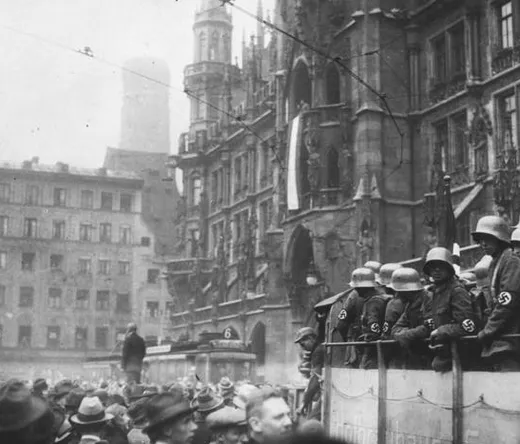
Munich is widely known for its complex history during the early twentieth century, serving as the birthplace of the National Socialist movement. Yet, amidst the rise of a brutal regime, the city was also home to profound acts of civic courage. The White Rose movement stands out as one of the most significant examples of German resistance during the Third Reich, offering a quiet but powerful counter-narrative to the prevailing political climate of the era.
The White Rose: Munich's Student Resistance Group
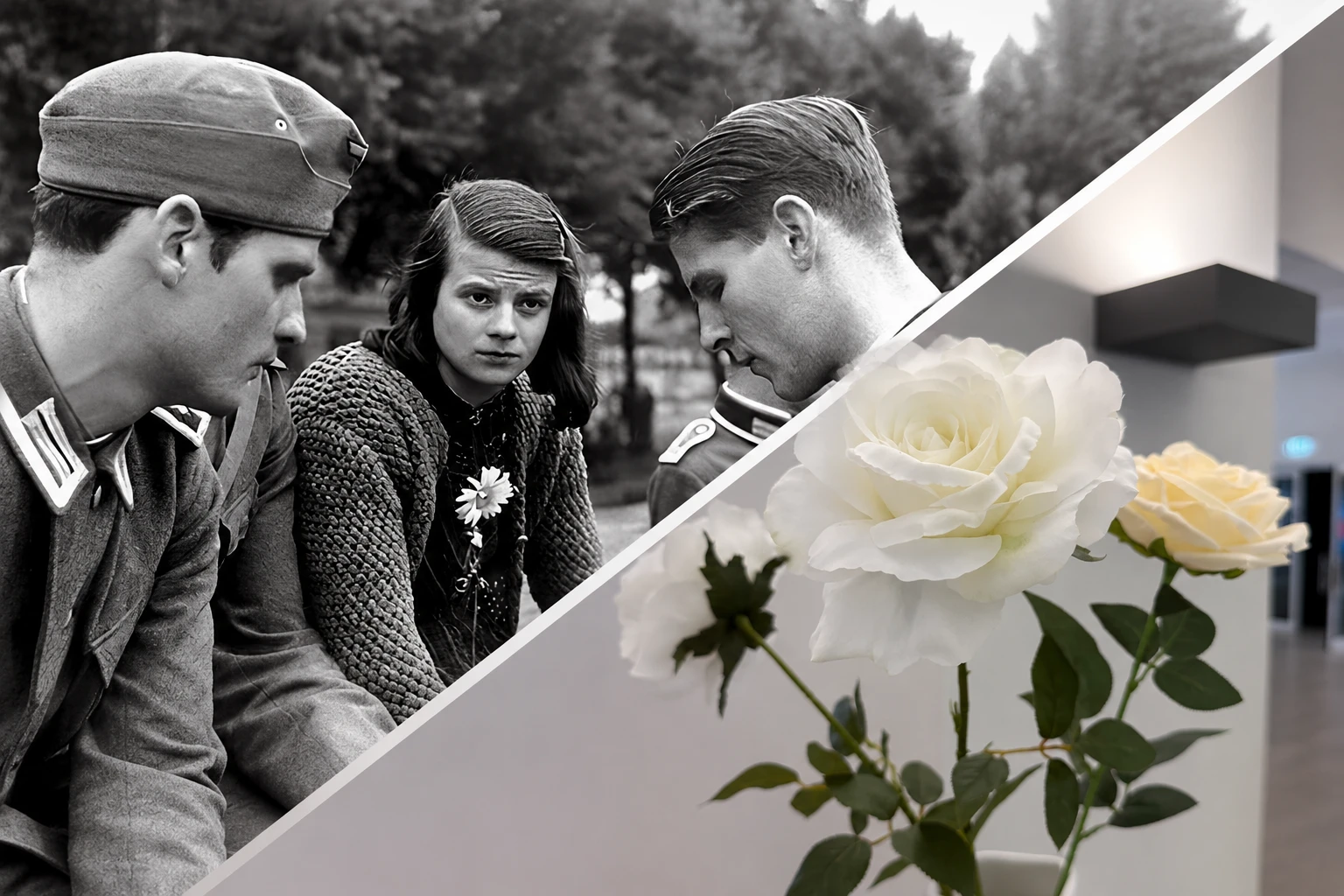
The White Rose (Weiße Rose) was a small, non-violent resistance group based in Munich. Formed primarily by a handful of students from Ludwig-Maximilians-Universität (LMU), including siblings Hans and Sophie Scholl, Christoph Probst, Alexander Schmorell, and Willi Graf, along with Professor Kurt Huber, the group sought to awaken the German conscience. Between 1942 and 1943, they secretly drafted, printed, and distributed anti-war and anti-Nazi leaflets across Munich and other cities, urging citizens to actively oppose the dictatorship.
The Dark Context: Universities Under the Nazi Dictatorship
To understand the courage of the White Rose, it is necessary to recognize the academic environment of the time. During the Nazi dictatorship, universities were generally not bastions of resistance. Instead, they played a rather shameful role in supporting the regime. Many student organizations were heavily radicalized and aligned with National Socialist ideology early on. Notably, the infamous book burnings of 1933, which destroyed works deemed "un-German," were largely initiated and organized by student movements, rather than being solely a top-down government directive.
LMU Munich and the Capture of 1943
The resistance activities of the White Rose were deeply intertwined with their daily lives as LMU students. On February 18, 1943, Hans and Sophie Scholl brought a suitcase filled with their sixth leaflet into the university's main building. As classes were ending, they left stacks of the flyers in the corridors. In a final, fateful moment, Sophie pushed the remaining leaflets from the top floor gallery down into the atrium. They were immediately spotted by a pro-Nazi university custodian, which led to their arrest by the Gestapo on the premises. Visitors tracing the origins and fall of the regime on a walking tour of the Third Reich often reflect on this moment as a key chapter in Munich’s history.
White Rose Memorials at LMU Munich
Today, LMU serves as a primary site of remembrance for the group. Inside the main university building, visitors can explore the Denkstätte Weiße Rose (White Rose Memorial Exhibition). This small museum is free of charge and offers a factual, permanent exhibition detailing the lives, actions, and historical context of the movement. Just outside the main entrance, at the appropriately named Geschwister-Scholl-Platz (Siblings Scholl Square), you will find stone and bronze leaflets permanently embedded into the paving stones, serving as a lasting memorial to the flyers scattered in 1943.
Other Key White Rose Locations in Munich
Beyond the university, several other locations in Munich hold significant ties to the White Rose. A key site is the Palace of Justice (Justizpalast) at Karlsplatz, an imposing building where the sham trials led by the infamous "People's Court" judge Roland Freisler took place, resulting in the group's death sentences. Additionally, the Perlacher Forst Cemetery in the south of Munich serves as the final resting place for Hans Scholl, Sophie Scholl, and Christoph Probst, where visitors still leave fresh white roses on their graves.
The story of the White Rose provides essential context for anyone seeking to understand life in Germany during the Nazi era. Their legacy reminds modern travelers that even in environments of overwhelming conformity and danger, there were individuals who chose to stand firmly for human rights and intellectual freedom.
Related stories

Culture • Practical Tips • 6 min. read
How to Get Around Munich: Your Ultimate Guide
Master Munich's public transport with our guide to tiles, zones, the S-Bahn, and the U-Bahn.
Practical Tips • History • 8 min. read
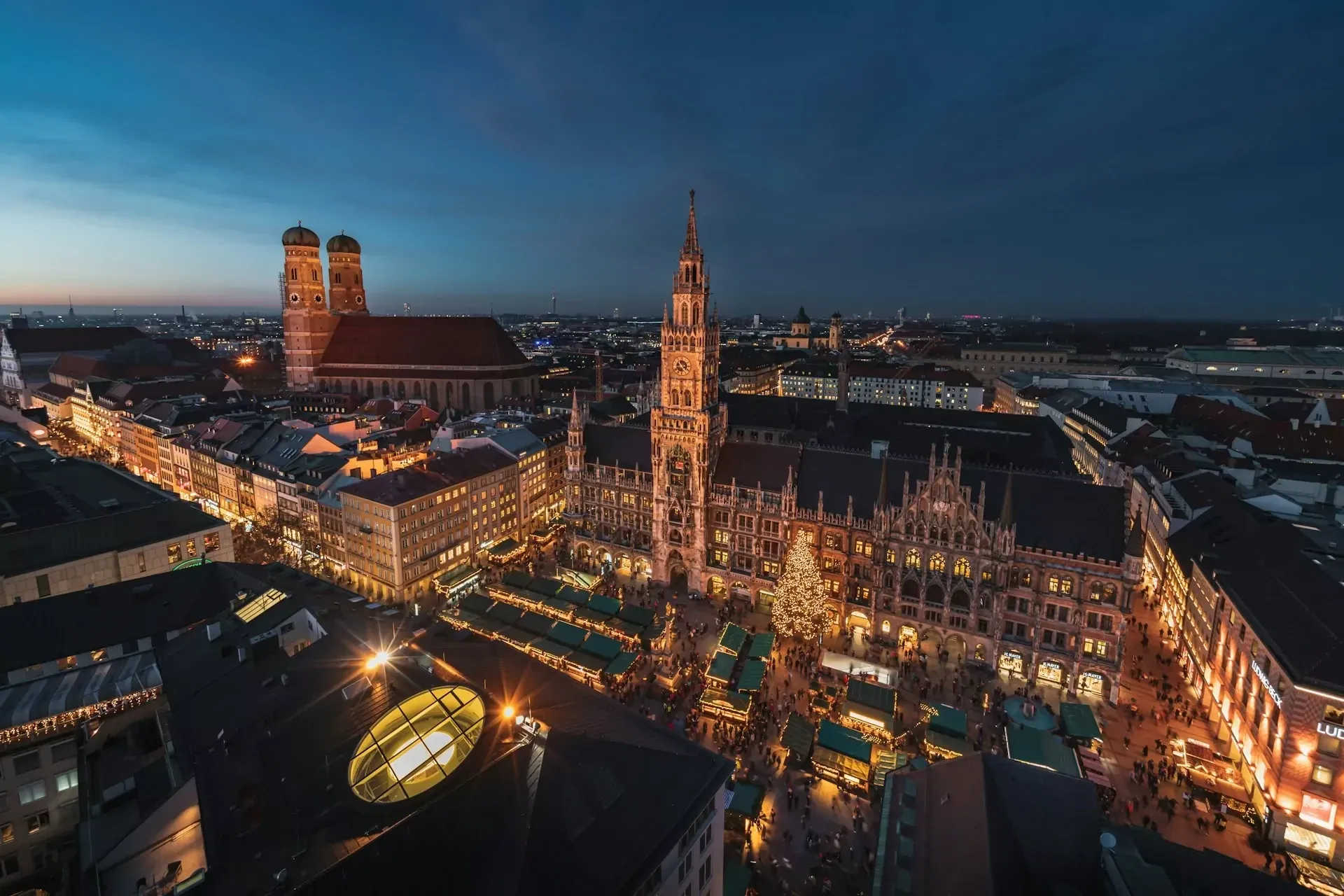
Munich in 3 Days: What to See and How to Explore
How to spend 3 days in Munich. See the Marienplatz, English Garden, and the best of Bavaria in one weekend.

Practical Tips • Food • 6 min. read
Where and What to Eat in Munich: A Guide to Bavarian Delights
A foodie's guide to Munich: discover where and what to eat, from traditional beer halls to Bavarian specialties.
Culture • Food • 6 min. read
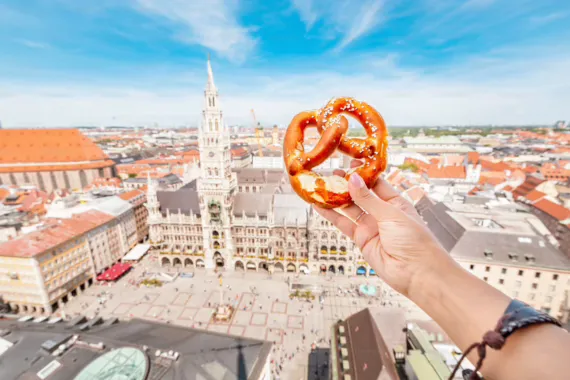
Souvenirs from Munich – Capture Memories from the Bavarian Capital!
Munich souvenirs guide: beer steins, Bavarian crafts, markets, and sweet treats. What to buy, where to shop, and what to skip.
Culture • History • 4 min. read
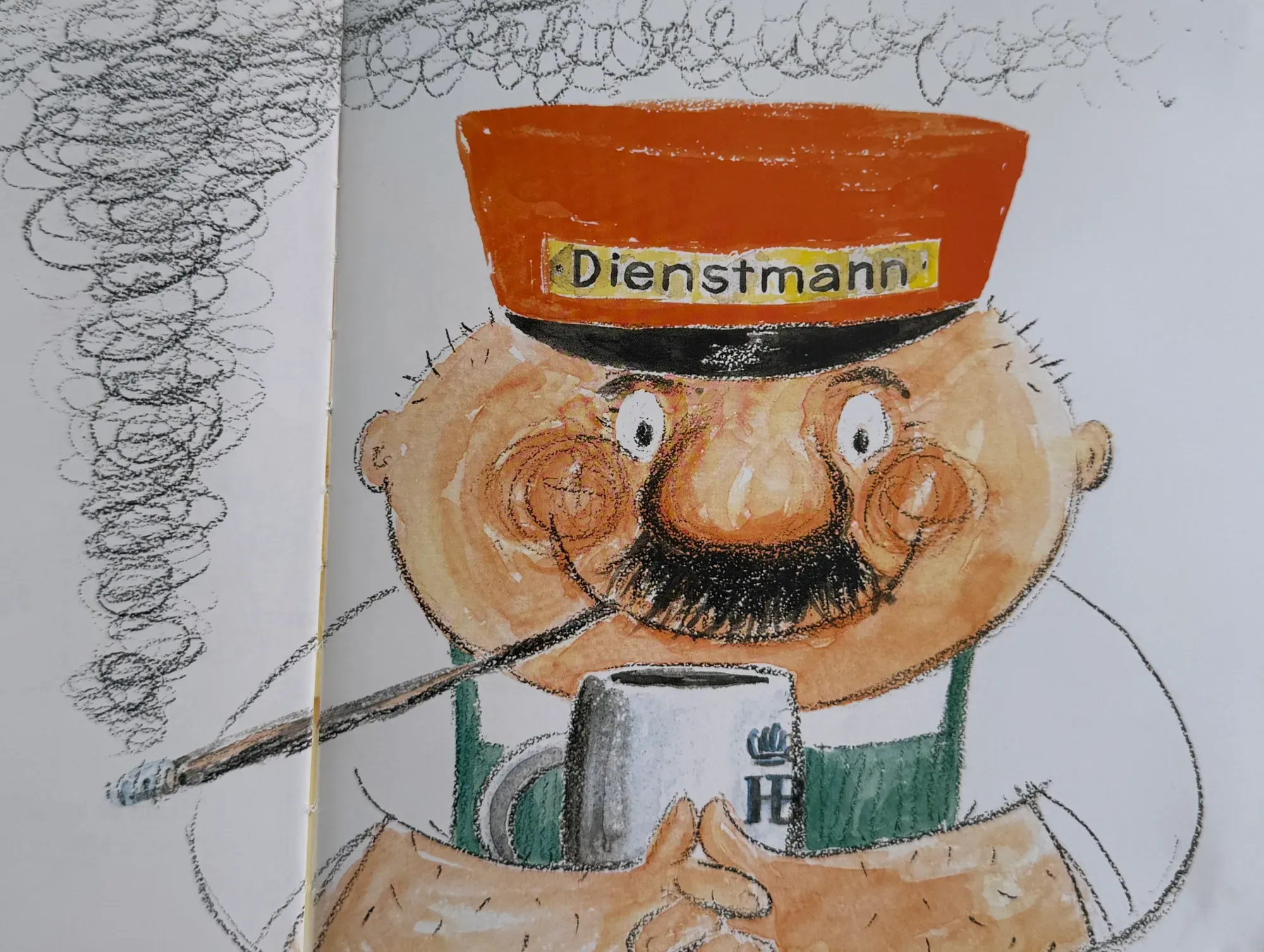
Angel Aloisius: The Reluctant Heavenly Mascot of Munich
Over a century ago, author Ludwig Thoma invented a fictional railway porter who despised the endless harp-playing of Catholic heaven. Instead of delivering divine advice to the local government, this grumpy character abandoned his mission for a cold drink. Today, the legend of Angel Aloisius remains a humorous reflection of the Munich mindset, explaining exactly why a disgruntled winged figure hangs from the ceiling of the city's most famous beer hall.