An Overview of Berlin's Carnival of Cultures in Kreuzberg
Over Pentecost weekend, Kreuzberg transforms during the four-day Carnival of Cultures, a street festival drawing more than a million attendees. Approaching its 30th anniversary, the event bypasses traditional carnival roots in favor of an ongoing analog dialogue among Berlin's diverse residents. From the massive 3.5-kilometer Sunday procession to the eco-conscious Shanti Town, this festival offers a distinct look at local civic and cultural life.
Culture • Practical Tips • History • 4 min. read
Last edited:
Berlin is renowned for its vibrant street life and open-air events, but few celebrations capture the city's cosmopolitan spirit quite like the Carnival of Cultures (Karneval der Kulturen). As spring turns to summer, the German capital transforms into a massive stage for music, dance, and cultural exchange. This energetic event not only highlights the city's dynamic atmosphere but also stands as a testament to its deeply rooted multicultural identity, drawing locals and visitors alike into a spectacular celebration of global traditions.
What is the Carnival of Cultures?
The Carnival of Cultures is a massive multicultural street festival held annually around the Pentecost weekend in the vibrant district of Kreuzberg. Celebrating its 30th anniversary this year, the event has grown into one of the largest street festivals in Europe, regularly attracting over a million visitors. Over the course of four days, the streets come alive as artists, musicians, and performers gather to celebrate Berlin's cultural, artistic, and social diversity.
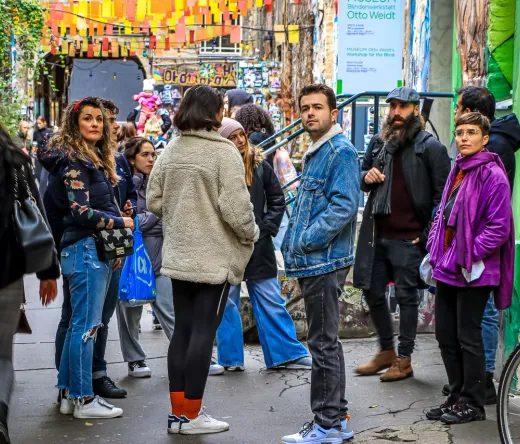
Kreuzberg itself is a renowned hub for international influences, making it the perfect setting for such an inclusive gathering. Visitors looking to explore this dynamic neighbourhood further can dive into its rich heritage on our Alternative Berlin: Street Art & Counterculture Guided Walking Tour, which also talks about the city's multicultural communities.
The History and Growth of the Festival
The festival's roots trace back to 1996 when it was established by the Werkstatt der Kulturen, an organisation founded in Neukölln in October 1993 under the patronage of the Berlin Senate. Originally conceived as a forum of encounter for the 500,000 Berlin residents representing over 180 nations, the event expanded rapidly.
What began with 50,000 attendees in its inaugural year swelled to 300,000 by 1997, and eventually surpassed one million visitors by the year 2000. Over the decades, the Carnival of Cultures has consistently maintained this impressive scale, recording more than a million spectators again in 2018. This steady evolution reflects the festival's enduring appeal and its success in bringing together diverse communities for a shared celebration.
A Unique Celebration of Berlin's Diversity
Unlike many other carnivals around the world, the Carnival of Cultures does not focus on a single, historical carnival tradition. Instead, it mirrors the incredible diversity of all the individuals living in Berlin. The festival is designed as an "analog dialogue," encouraging real-world encounters between people of varying socialisation, gender, nationality, culture, and religion.
By championing this integrative approach to culture, the event makes different lifestyles and aesthetics accessible through art, enriching the urban landscape. It deliberately sparks socio-political impulses aimed at fostering a peaceful, mutually interested coexistence among residents. This commitment to transcultural innovation makes the carnival a meaningful platform for public discussion and intercultural exchange.
What to Expect During the Four-Day Event
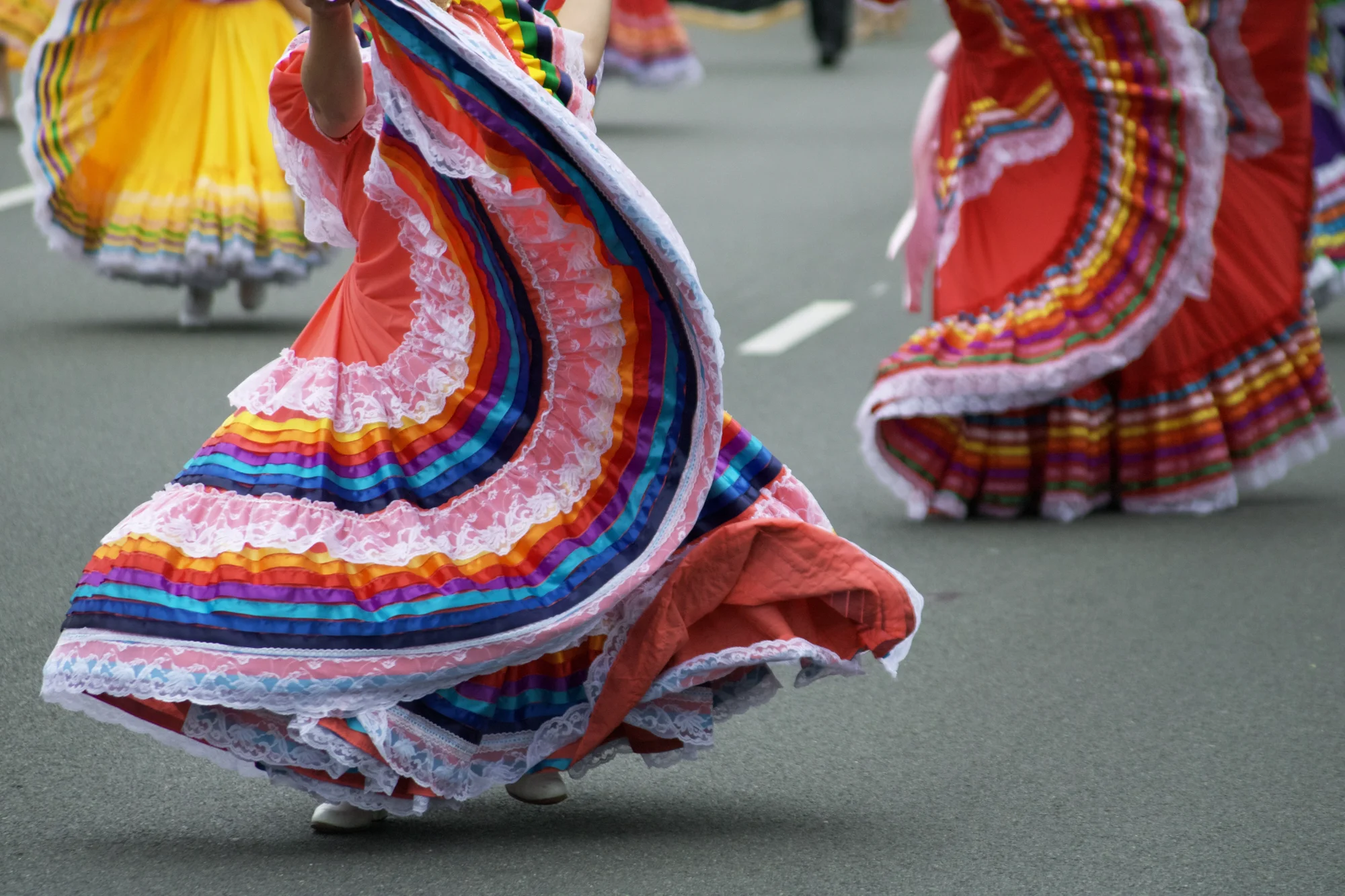
Spanning four days, the festival offers a packed schedule of numerous musical and theatrical performances across various outdoor stages. The absolute highlight of the weekend is the massive street procession, which features intricately designed floats, vibrant costumes, and energetic choreographies. The scale of the parade is immense, with participation growing from 2,200 individuals in the early years to over 4,000 performers organised into 66 distinct procession groups as of 2018.
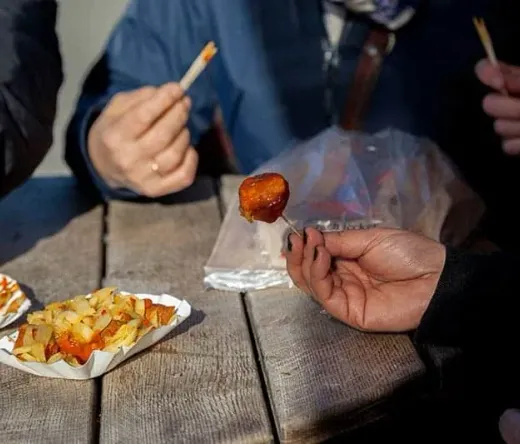
As you watch the parade and explore the festival grounds, the air is filled with global rhythms and the aromas of international cuisine. To experience the culinary side of this multicultural district beyond the festival, our Taste of Berlin: Kreuzberg Food & Culture Tour offers a delicious exploration of the neighbourhood's local and international flavours.
Sustainability Initiatives and Shanti Town
In recent years, the Carnival of Cultures has placed a strong emphasis on ecological responsibility, introducing comprehensive sustainability initiatives to reduce the event's environmental footprint. Organisers have implemented strict waste management policies, encouraged the use of reusable tableware, and heavily promoted public transportation. These green efforts ensure that the massive celebration remains environmentally conscious while accommodating over a million attendees.
At the heart of these eco-friendly endeavours is Shanti Town, a dedicated area within the festival grounds that focuses entirely on sustainable living and global awareness. This vibrant section features information booths from various NGOs, upcycling workshops, and an array of vegetarian and vegan food stalls. Shanti Town serves as a peaceful retreat from the bustling crowds, offering visitors a space to engage with environmental issues and discover alternative, sustainable ways of living.
The Carnival of Cultures is much more than just a large street party; it is a vital reflection of Berlin's inclusive heart. By celebrating the myriad of nationalities and traditions that coexist within the city, the festival creates an environment where intercultural understanding thrives. Whether you are watching the lively procession or soaking in the vibrant atmosphere, the event offers a truly authentic experience of modern, multicultural Berlin.
Related stories
Culture • History • 12 min. read
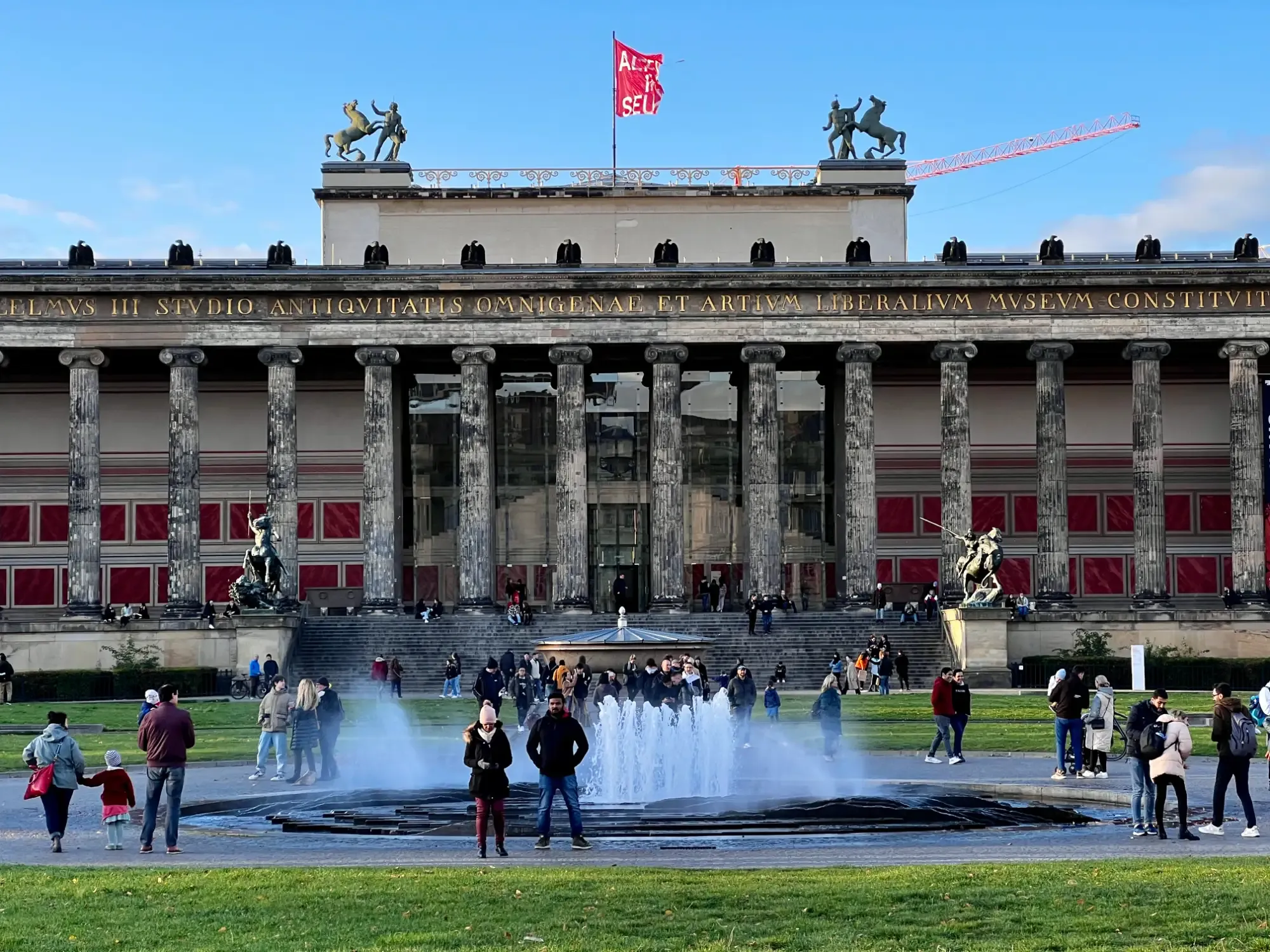
Top museums in Berlin: 14 best places of history and culture
Discover the 14 best museums in Berlin. From Museum Island to the GDR Museum, explore the top cultural and historical landmarks of the city.
Newsletter • Newsletter • 4 min. read
Things to Do in Berlin in May 2026
May is an excellent time to visit Berlin. With the weather noticeably warming up, the city's atmosphere shifts outward, making it the perfect season to enjoy its many open-air festivals, street events, and lively outdoor culture.
Culture • 4 min. read
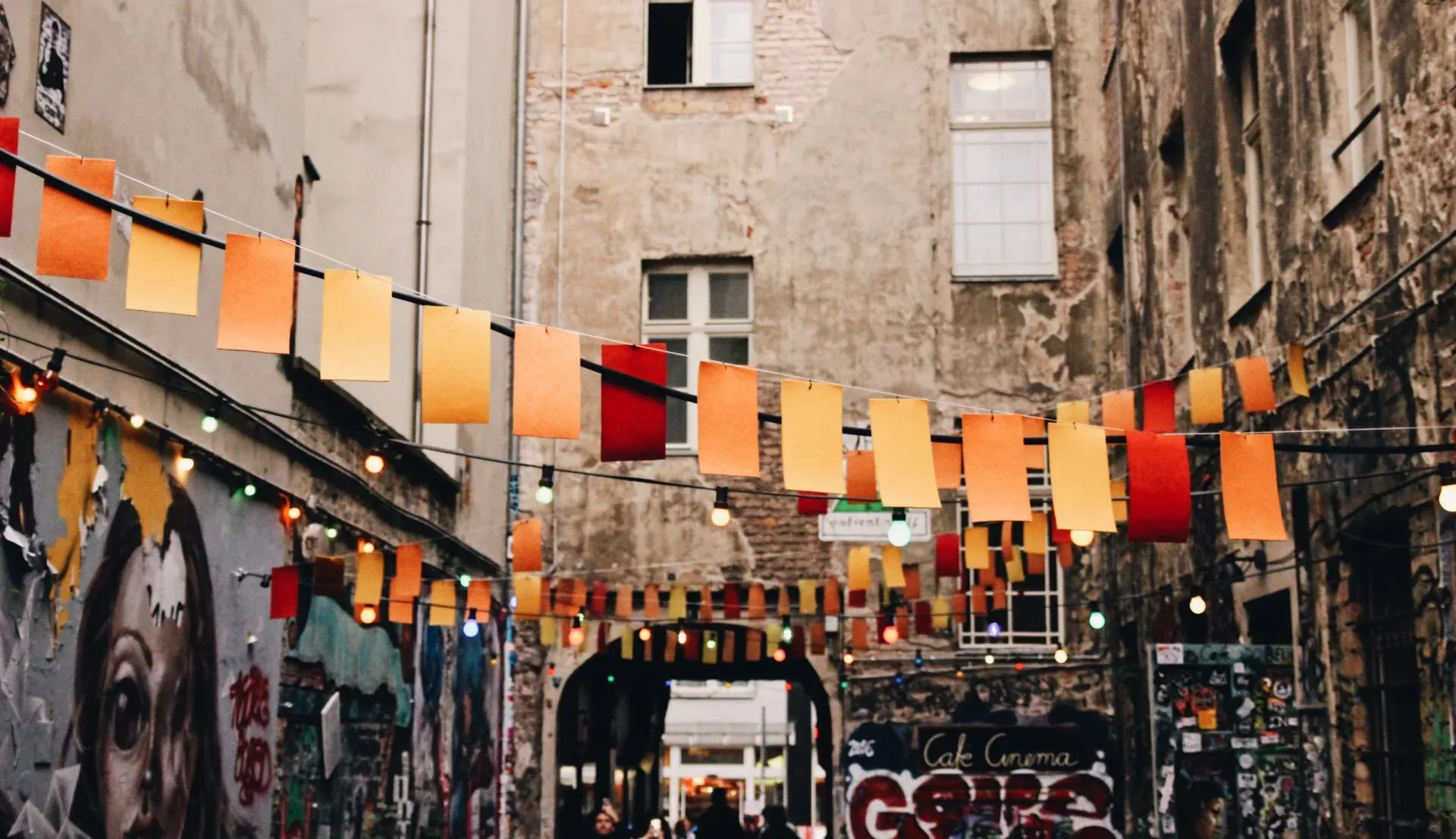
Post-Wall Berlin: The Origins of Alternative Culture
Discover how the fall of the Wall in 1989 transformed Berlin into a hub of street art, techno, and alternative culture through abandoned spaces.

Practical Tips • History • 12 min. read
A Guide to Public Transport in Berlin
Metro, Trams, Busses, Trains: Everything you need to know about public transport in the German capital!
Practical Tips • History • 14 min. read
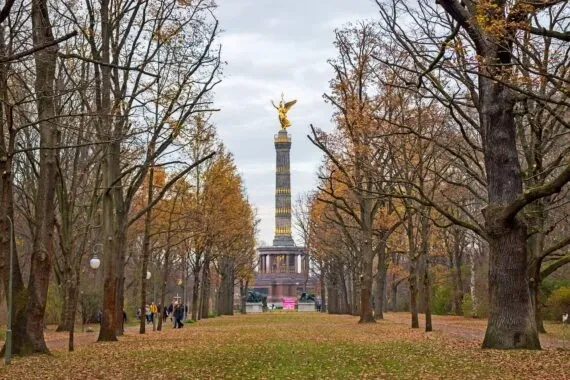
11 Best Parks In Berlin: TOP Green Lungs Of The City
Explore the 11 best parks and gardens in Berlin. Discover the city's greenest spots, from Tiergarten to Tempelhofer Feld.