Madrid’s Historic Neighborhoods: Architecture, Art, and Local Culture
The 1776 palace of the Marquis of Matallana in Chueca and the 1980s retro streets of Malasaña offer two very different perspectives on local history. Moving beyond the major museums, a walk through central Madrid connects centuries of royal architecture with modern neighborhood avenues. From the open-air stalls of the El Rastro market to the traditional courtyard corralas of Lavapiés, these districts outline how the capital took shape.
Culture • History • Tours • 6 min. read
Madrid is a city defined by its distinct neighborhoods, each offering a unique window into its past and present. Beyond the grand boulevards and famous museums, the true character of the Spanish capital reveals itself in its lively streets, historic squares, and local traditions. Whether you are seeking 19th-century art, echoes of royal dynasties, or the modern pulse of alternative culture, exploring these iconic districts provides a deep and authentic understanding of Madrid.
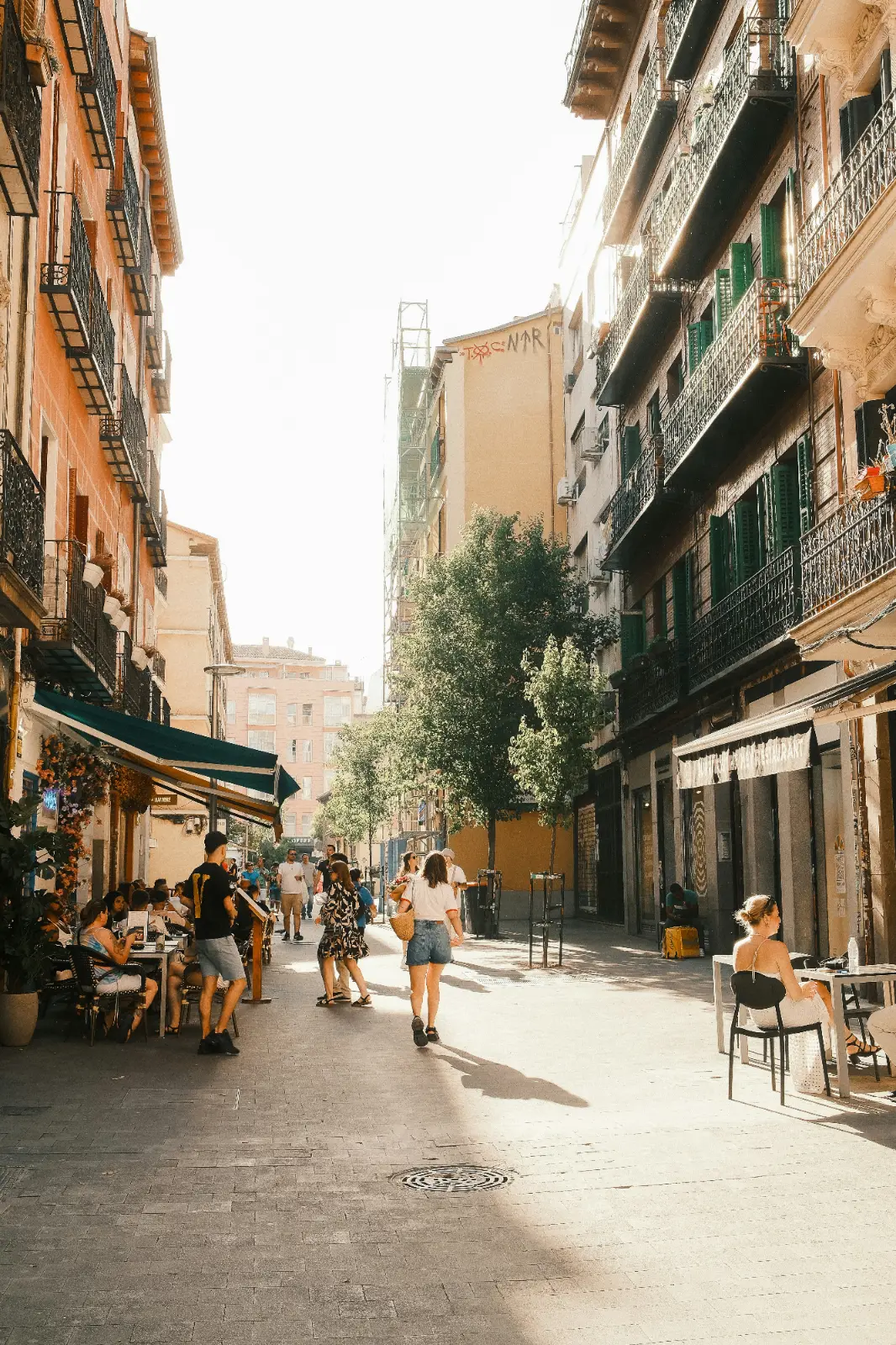
Chueca: 19th-Century Art, Architecture, and LGBTQIA+ Culture
Located next to Gran Vía, Chueca is internationally known for its vibrant atmosphere, but its historic streets also hold significant artistic treasures. The neighborhood is home to the Museum of Romanticism, housed in the 1776 palace of the Marquis of Matallana. Here, visitors can explore 19th-century daily life through works by Goya, period furniture, and even the pistol used by writer Mariano José de Larra. Nearby stands the Longoria Palace, a rare example of fully Modernist architecture in Madrid, topped with an impressive iron and glass dome.
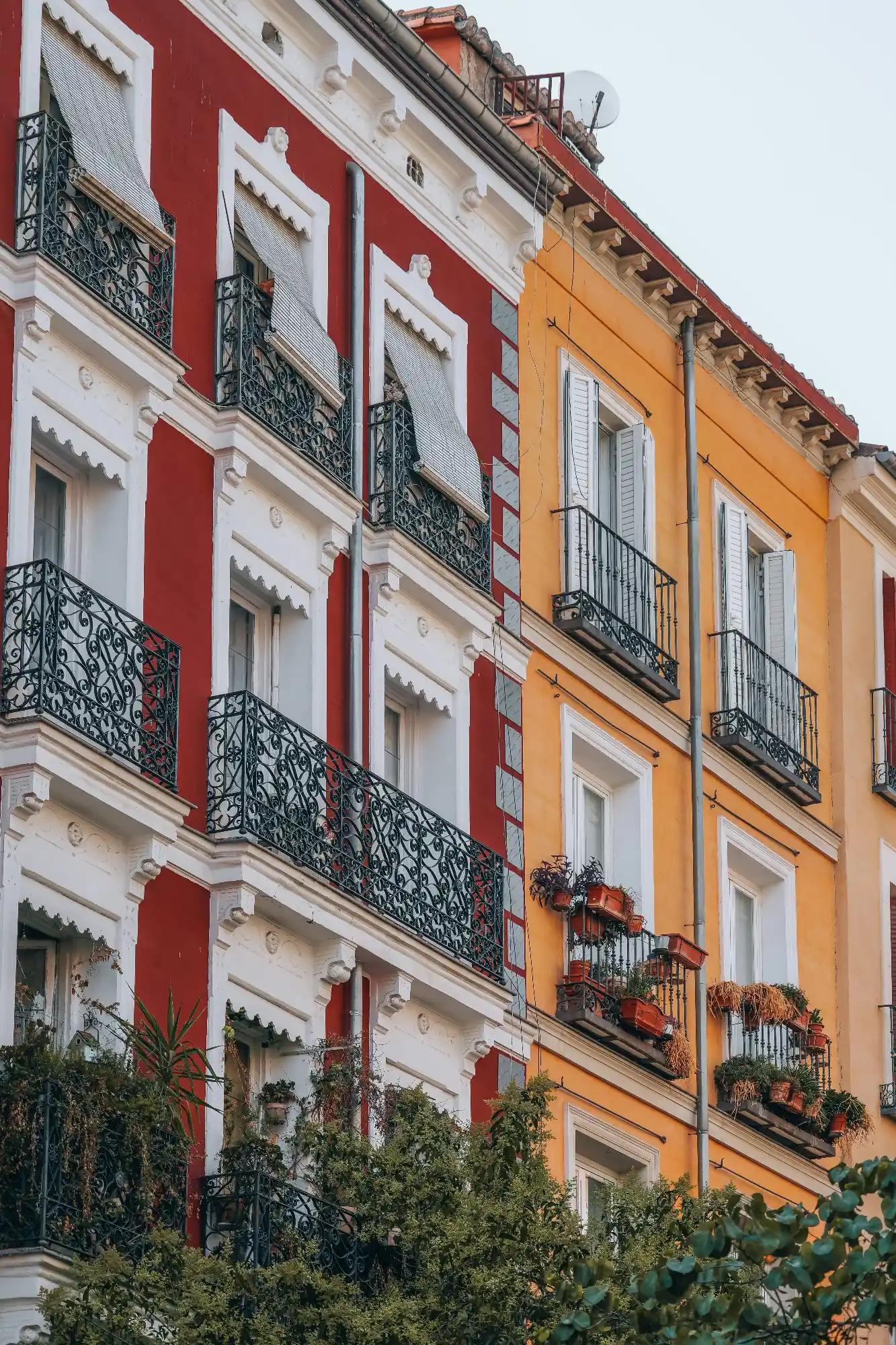
Chueca also shares the History Museum with neighboring Malasaña, set in a striking Baroque building and featuring a spectacular 1830 scale model of Madrid. Other notable sites include the House of the Seven Chimneys and Raffaella Carrà Square. Today, Chueca is most famous as the welcoming epicenter of Madrid's LGBTQIA+ Pride Festival, which fills the neighborhood with flags and celebrations every summer.
Malasaña: Historical Uprisings and the 1980s La Movida
Bordered by Gran Vía and San Bernardo Street, Malasaña is recognized as Madrid’s hub for retro fashion, bohemian life, and underground culture. The neighborhood takes its name from Manuela Malasaña, a local heroine who perished during the May 2, 1808 uprisings against French troops. This defining moment in history is commemorated at Plaza del Dos de Mayo, the site of the former Monteleón Artillery Park, where an arch and a monument to captains Luís Daoíz and Pedro Velarde still stand today.
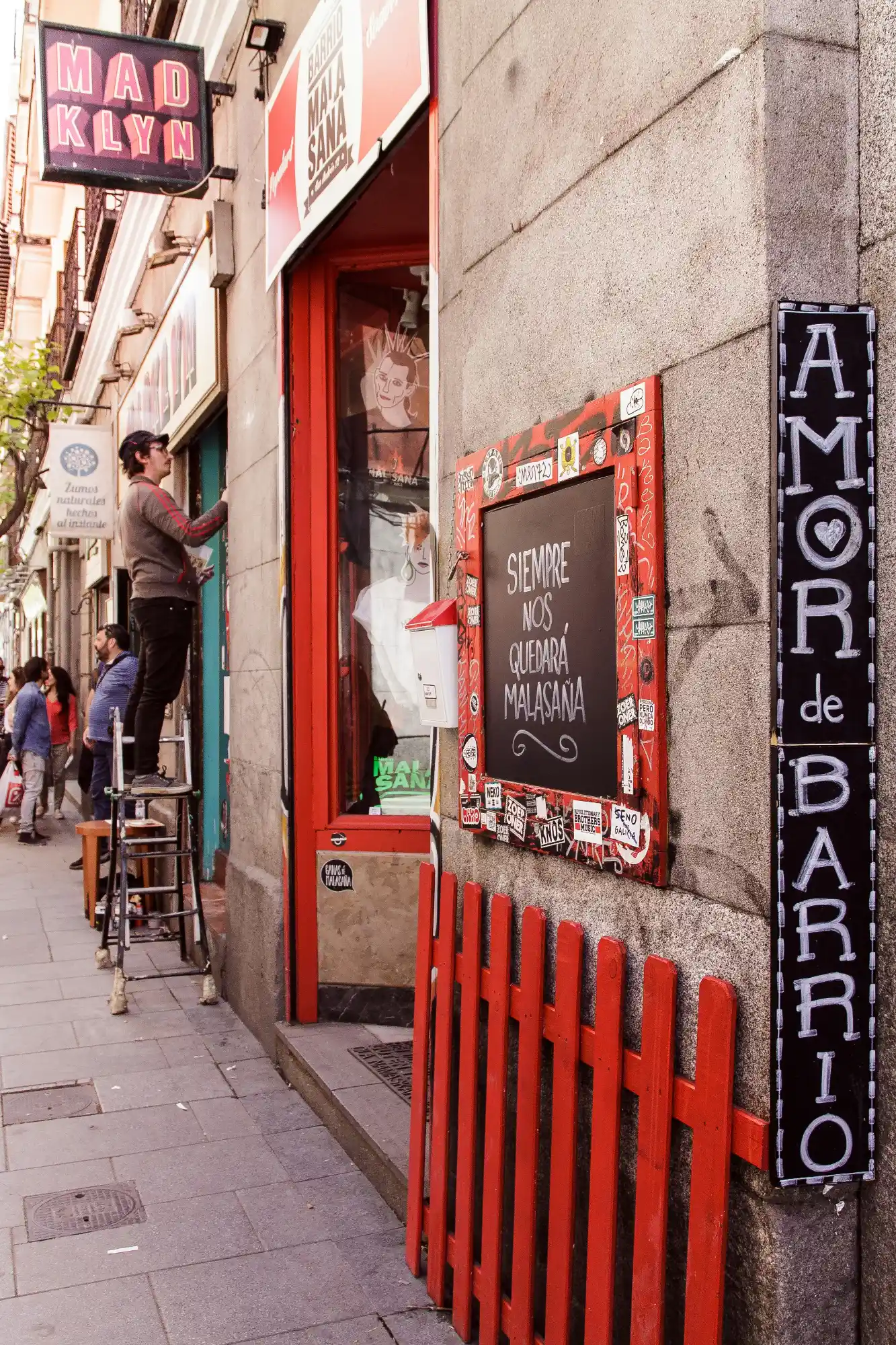
Decades later, Malasaña became the epicenter of La Movida Madrileña, a powerful cultural and social revolution that swept through Madrid in the 1980s. For those looking to dive deeper into this transformative era and the neighborhood's turbulent past, our 20th Century Madrid walking tour explores the lasting impact of the Second Republic, the Civil War, and the vibrant rebirth of La Movida directly on these streets.
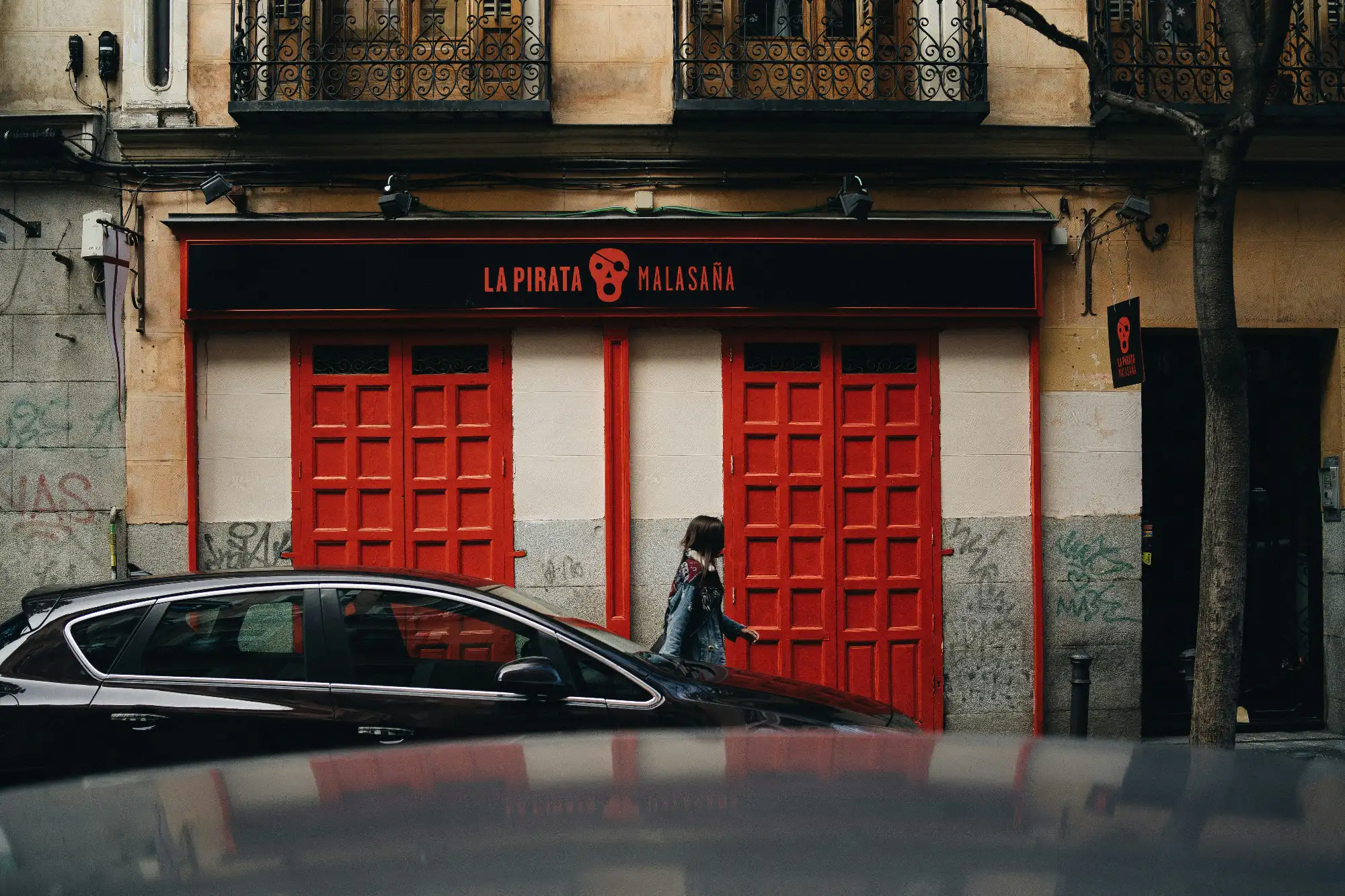
La Latina: Medieval Origins and the El Rastro Market
Situated in the heart of the city, La Latina is characterized by its irregular, winding medieval streets that open into lively squares. Historically, this area sat just outside the old citadel walls, serving as a suburb where traveling merchants lodged and sold their goods. This commercial tradition survives in the names of gathering places such as Plaza de la Cebada—the site of a former food market—Plaza de los Carros, and Plaza de la Paja. It is also home to El Rastro, Madrid’s most famous open-air flea market.
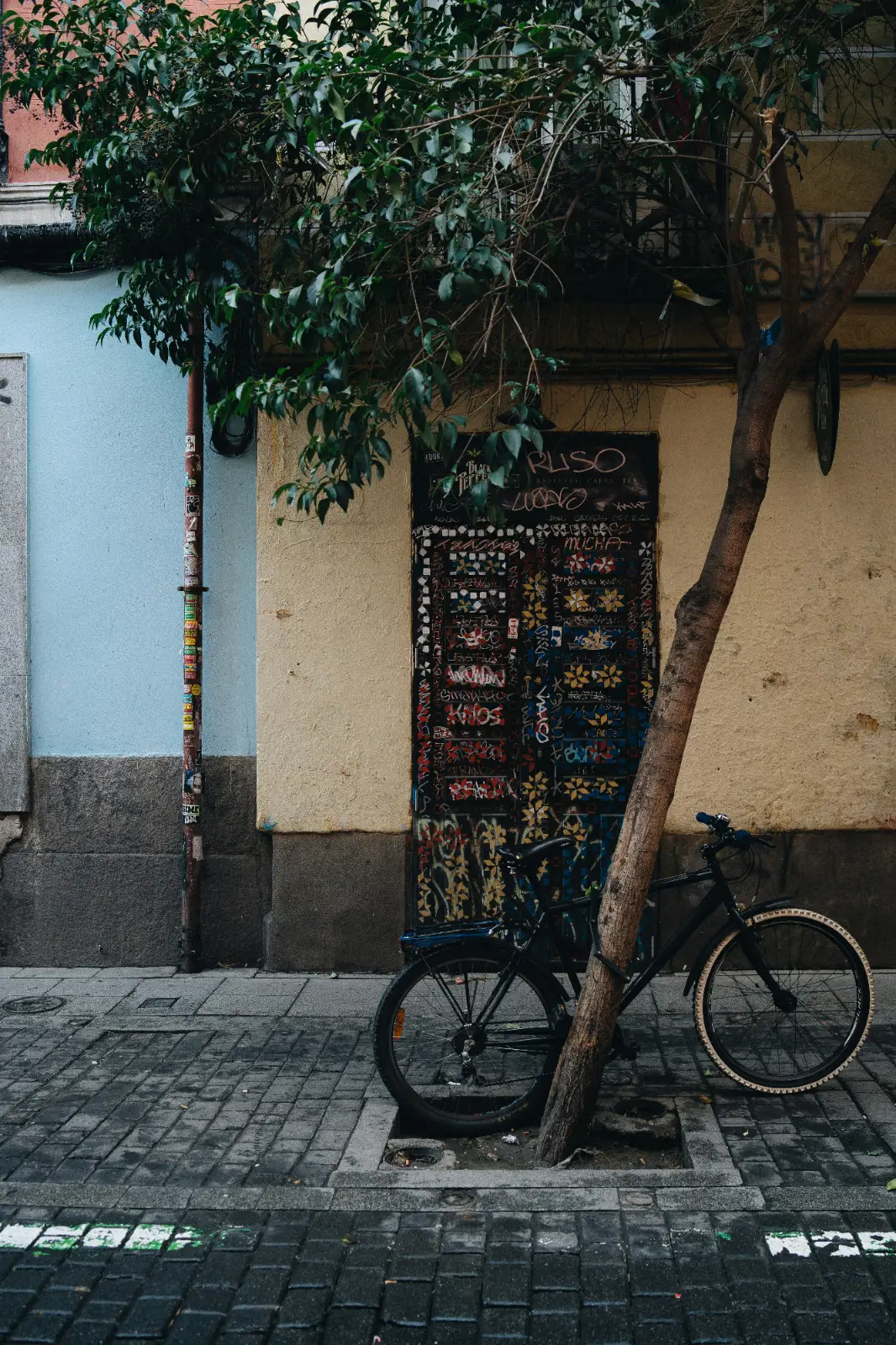
The district owes its name to Beatriz Galindo, a prominent 15th-century humanist, writer, and tutor to Queen Isabella I, who was popularly known as "La Latina." Along with her husband, she founded a hospital near Toledo Street that bore her nickname. Today, the area remains vibrant, drawing locals and visitors alike for its exceptional tapas and the traditional Verbena de la Paloma festival.
Lavapiés: Working-Class Roots and Multicultural Streets
Located southeast of the city center, Lavapiés shares the steep, narrow, and medieval street layout of its neighbor, La Latina. Since Madrid became the capital in 1561, Lavapiés has primarily been a working-class district. This heritage is physically preserved in its corralas—traditional multi-story residential buildings constructed around a shared central courtyard. The finest surviving example of this architecture can be seen at the intersection of Tribulete and Mesón de Paredes streets.
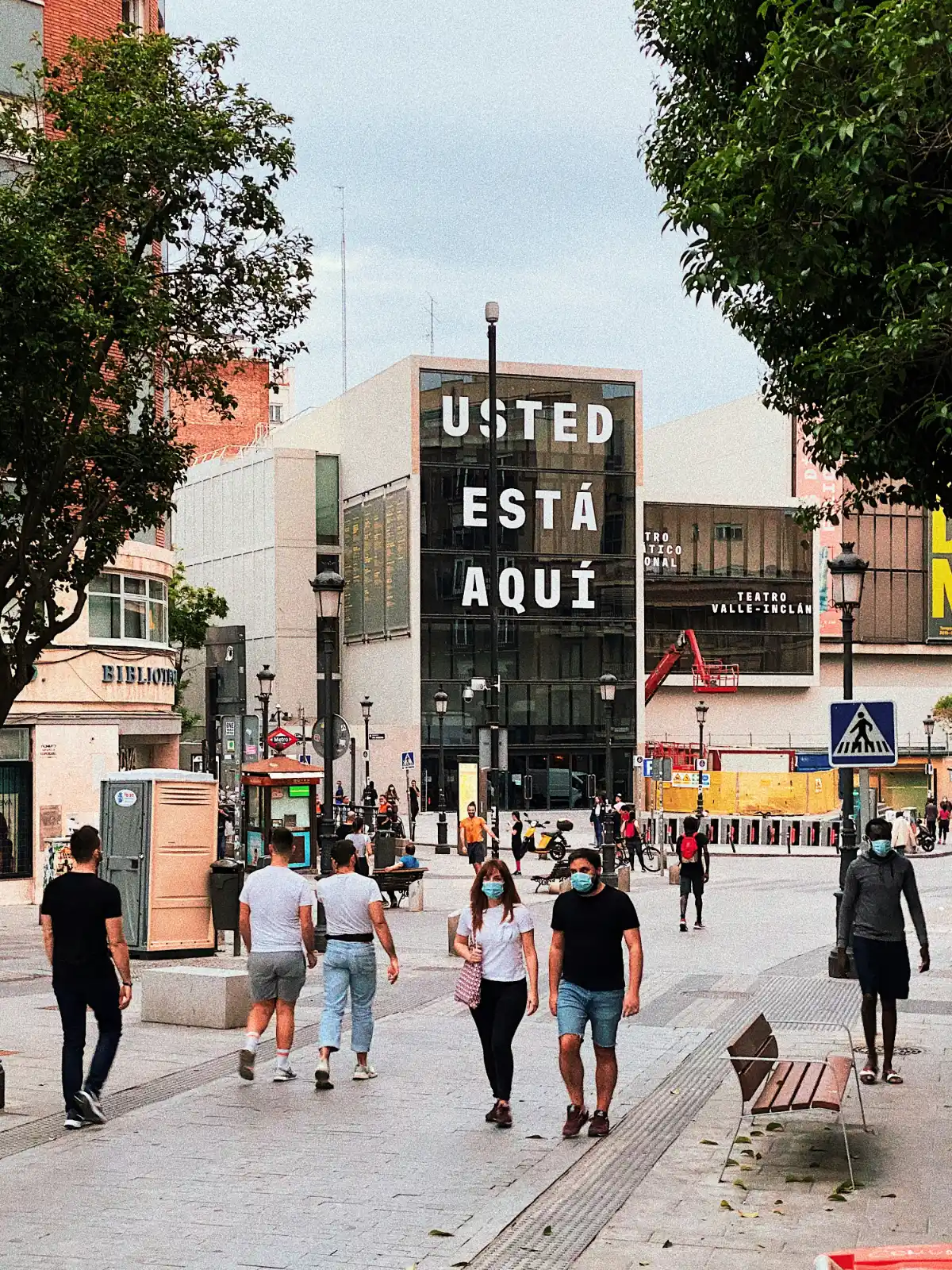
Historically, Lavapiés was the heart of Madrid’s folk traditions, prominently featured in the farcical styles of late 19th-century zarzuelas (Spanish operettas), such as Francisco Asenjo Barbieri’s famous work, El barberillo de Lavapiés. Today, this deeply rooted Madrileño legacy blends seamlessly with the customs of a diverse immigrant population. This dynamic mix of backgrounds makes Lavapiés one of the city's most authentic neighborhoods, celebrated for its unique melting pot of global traditions.
Madrid de los Austrias: Royal Heritage and Historic Architecture
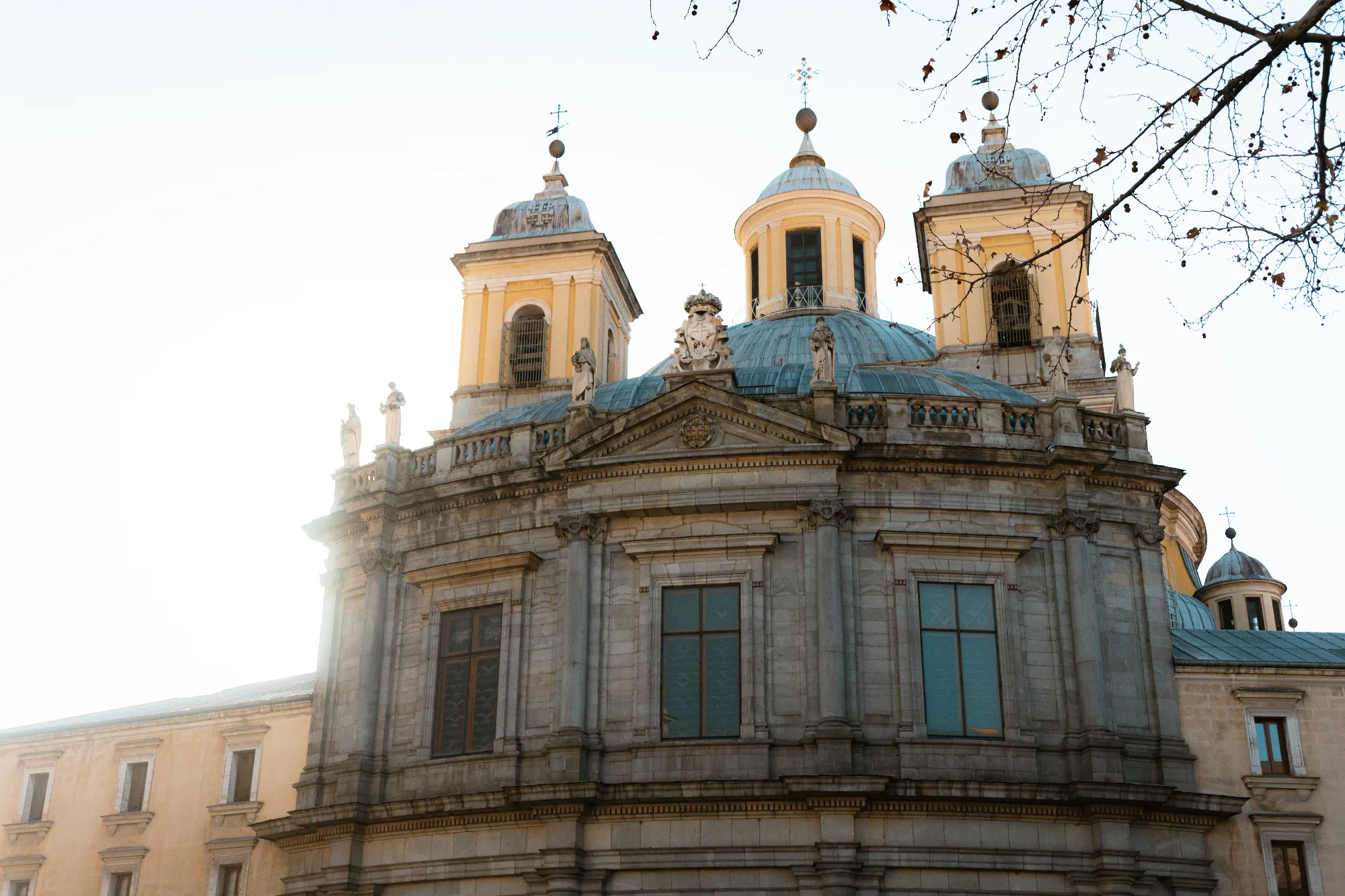
Madrid de los Austrias forms the historic heart of the city, shaped by the Habsburg and Bourbon dynasties. The Habsburg legacy is visible in the 15th to 17th-century buildings of Plaza de la Villa, the Monastery of Las Descalzas Reales, and the Palacio de Santa Cruz. Under Bourbon rule, the monumental Royal Palace was built after the original Alcázar burned down in 1734. Nearby sit the Almudena Cathedral and the Basilica of San Francisco el Grande, home to works by Goya.
Visitors can explore the new Royal Collections Gallery or walk through the Sabatini Gardens and the Campo del Moro park, known for its roaming peacocks. Below ground, the Ópera Metro station preserves the historic Los Caños del Peral fountain. To navigate this dense historic center at your own pace, a private custom tour offers an excellent way to connect these regal monuments. Also nearby is the Renaissance-inspired Palacio de Gaviria.
Moving through Madrid's neighborhoods is like walking through different chapters of the city's rich history. From the working-class pride of Lavapiés and the revolutionary echoes of Malasaña to the regal avenues of the Austrias district, each area maintains its own strong, distinct identity. By taking the time to stroll through these historic streets, visitors can look beyond the surface and connect with the authentic rhythm of daily life in the Spanish capital. Experience visiting these neighborhoods firsthand on the Walkative Modern Madrid Walking Tour: Malasaña, Chueca, La Latina & Lavapiés and the Madrid Historic Centre Walking Tour: From the Royal Palace to the Prado Museum.
Related stories
Practical Tips • History • 5 min. read
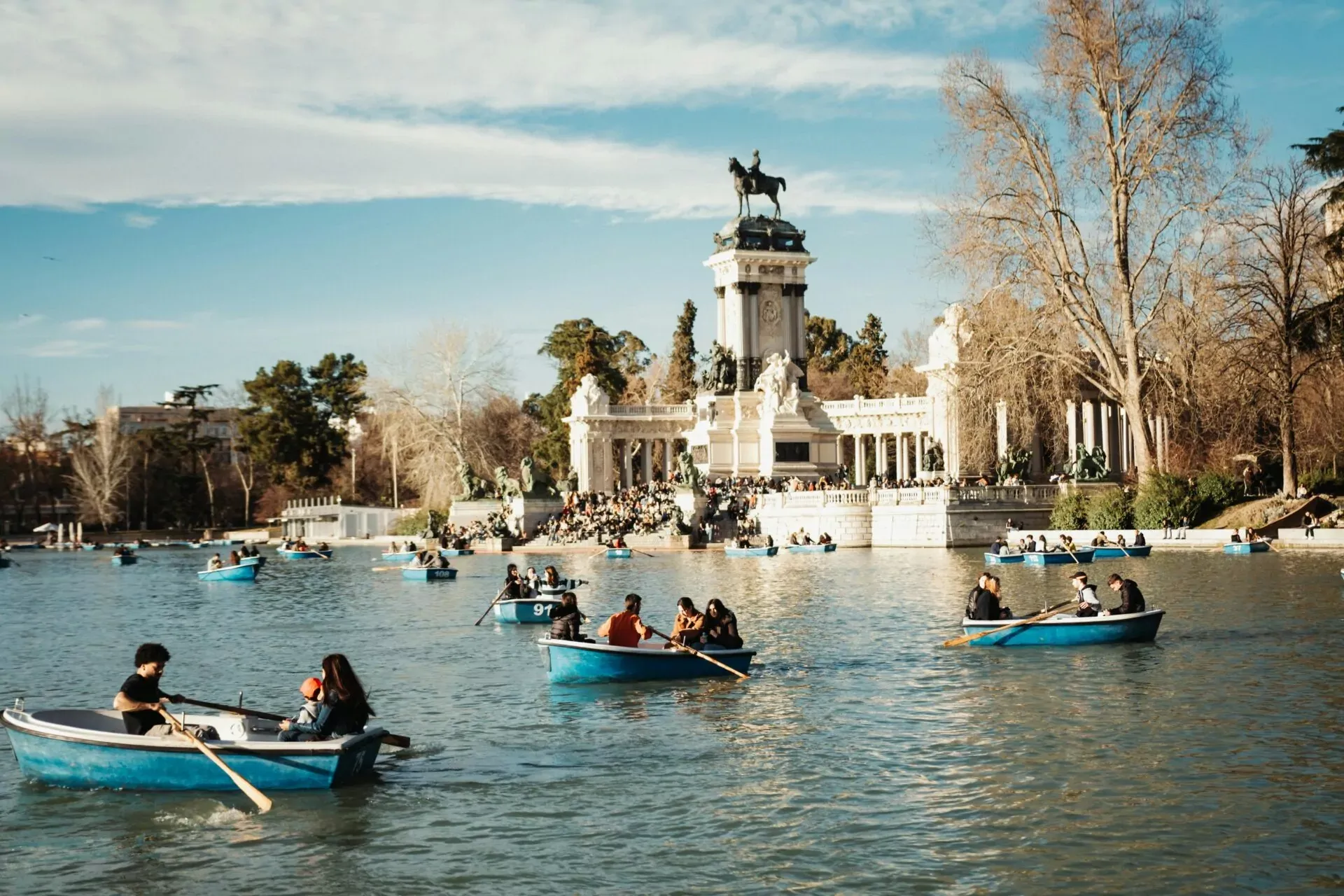
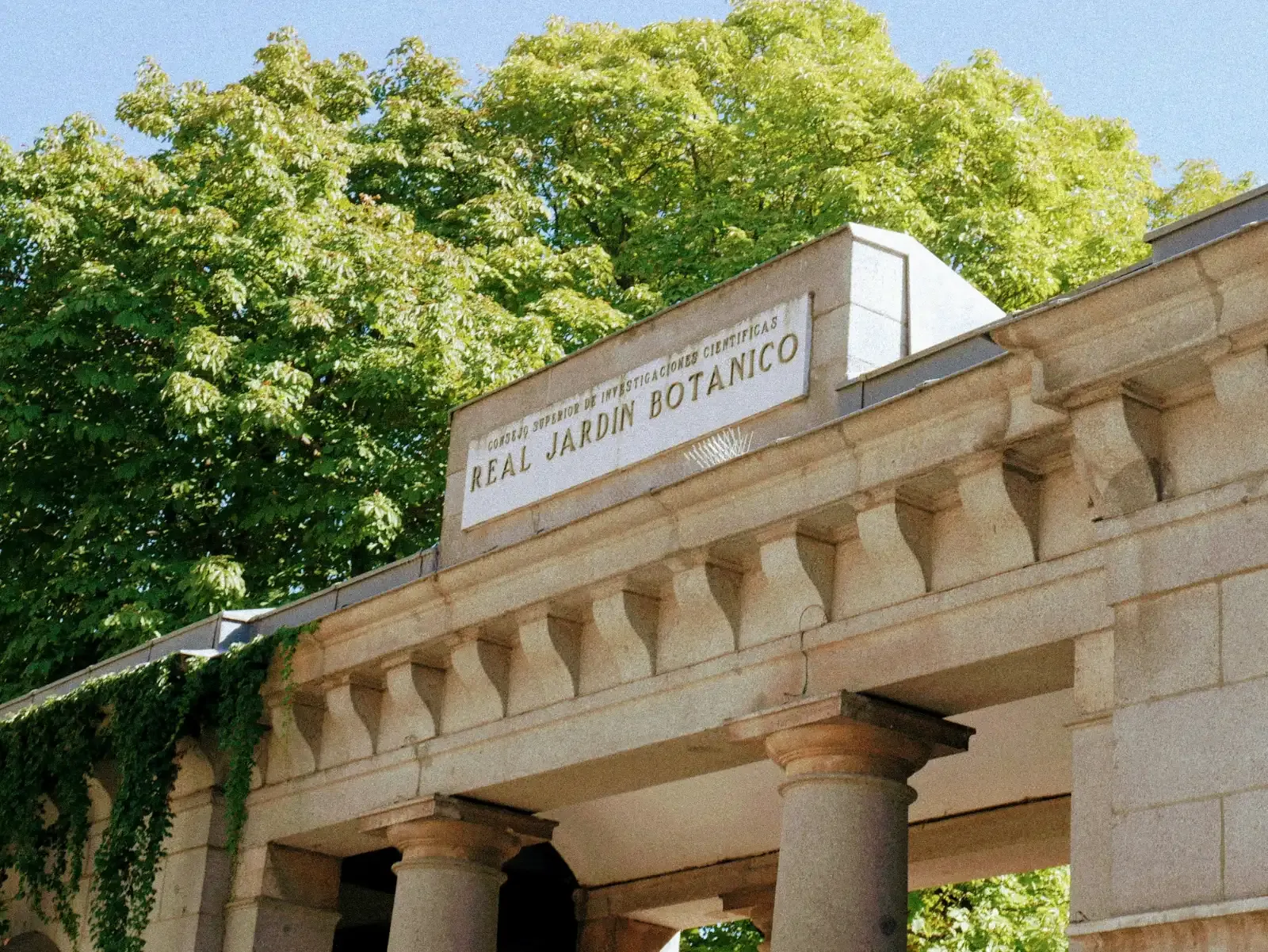
Best Parks and Places to Relax in Madrid: A Local’s Guide
Discover Madrid’s best parks and calm spots to unwind, from grand gardens to quiet corners, with practical local tips for a relaxed break.
Culture • Practical Tips • 4 min. read
Escaping the Summer Heat: Madrid's Free Climate Refuges
Midday temperatures often push residents indoors, prompting the creation of public cooling spaces across Madrid. From the designated "siesta-drome" inside the Círculo de Bellas Artes to the swimmable urban fountains at Madrid Río, these sites offer practical relief when the sun peaks. Taking advantage of these indoor gardens and shaded cultural halls allows for a safe, comfortable way to pace a summer itinerary.
Practical Tips • History • 3 min. read
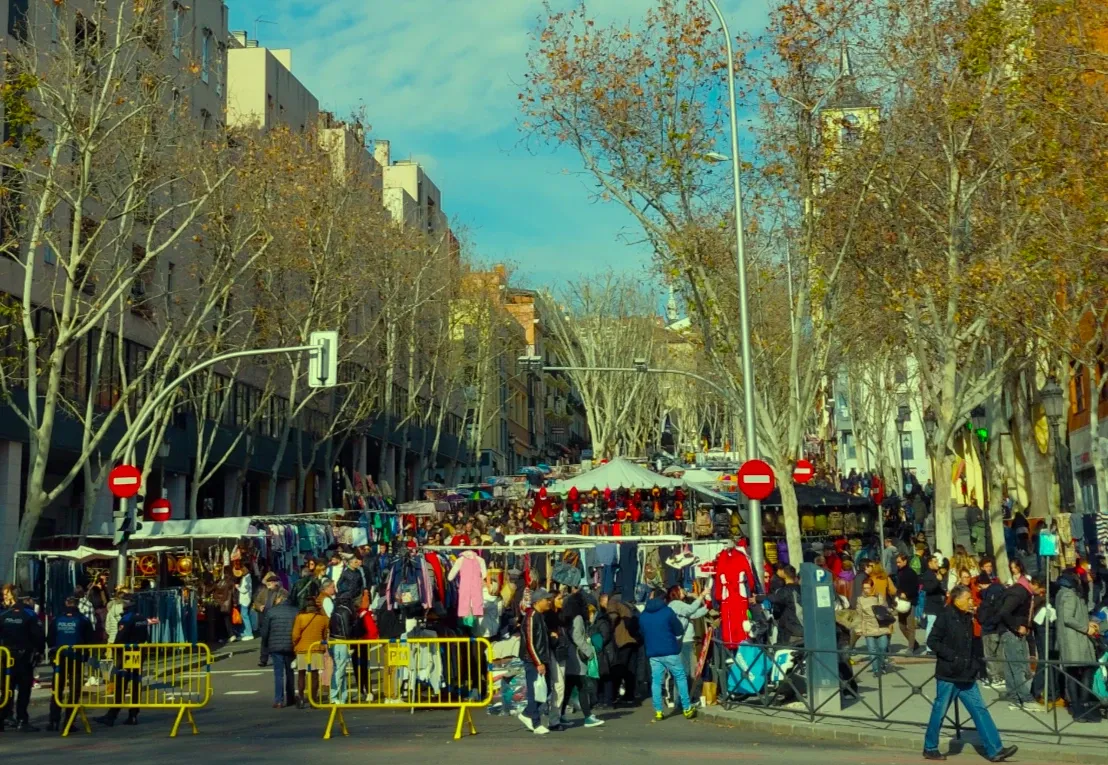
La Latina: A Guide to Madrid's Medieval Neighborhood
Wander the winding medieval streets of La Latina. From Sunday’s El Rastro market to evening tapas on Cava Baja, experience the authentic soul of Madrid.
History • 6 min. read
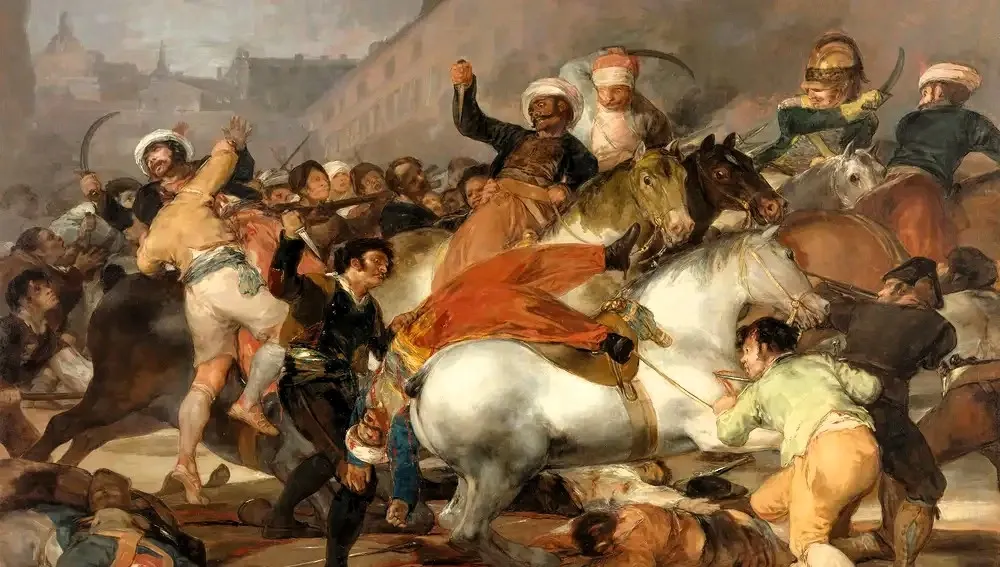
May 2, 1808 in Madrid: The Uprising, Key Sites, and Today’s Reenactments
Trace Madrid’s May 2, 1808 uprising street by street, then plan your visit with reenactment locations and a practical May 1–2 schedule.
Practical Tips • 6 min. read
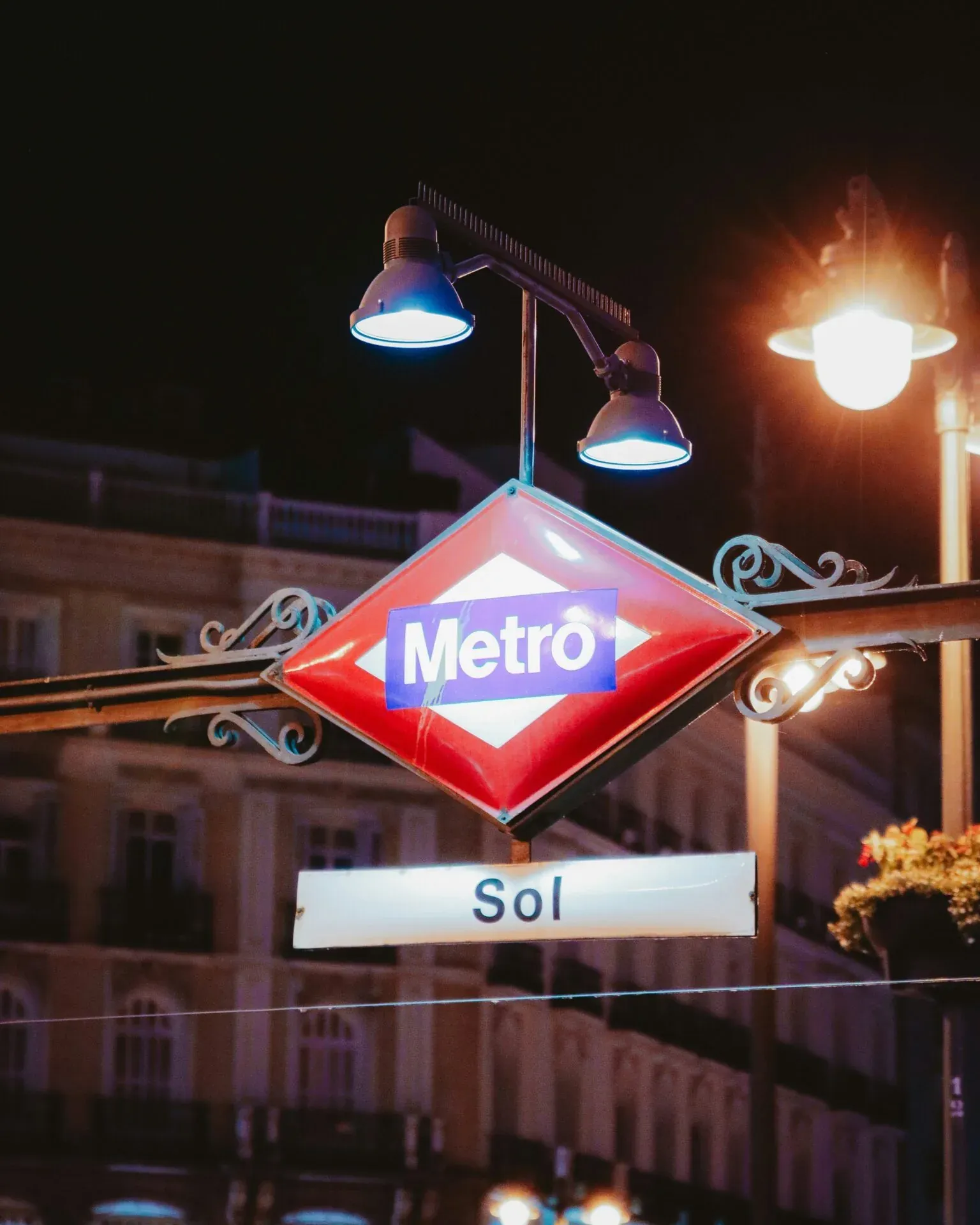
Navigating Madrid: Your Ultimate Guide to Public Transportation
The ultimate guide to public transportation in Madrid. Learn how to use the metro, buses, and trains efficiently.