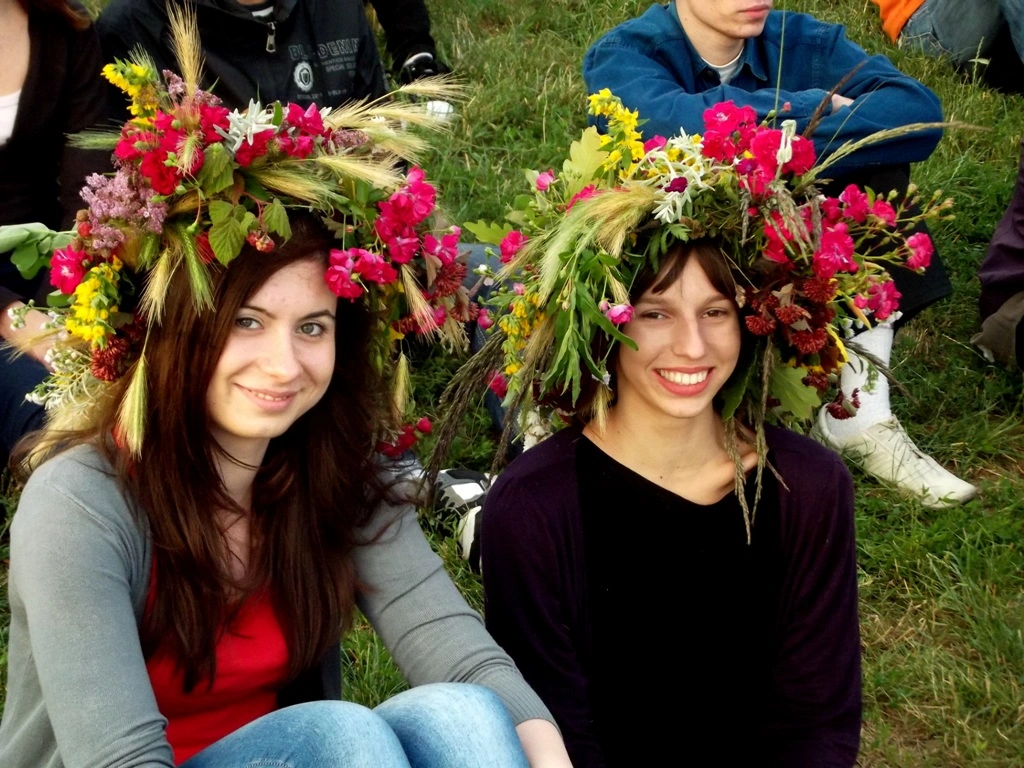
The Wianki Midsummer Festival in Krakow: History and 2026 Events
Every June, the banks of the Vistula River fill with hand-woven floral crowns to mark the summer solstice. This ancient Slavic ritual of floating wreaths, known as Wianki, has evolved from a pagan fortune-telling night into one of Krakow’s largest outdoor events. For the 2026 festival, acoustic folk stages along Czerwieński Boulevard and silent discos in the Collegium Maius courtyard accompany the traditional waterside ceremonies.
Culture • Practical Tips • History • Tours • 4 min. read
As the summer solstice approaches, locals and visitors alike gather along the banks of the Vistula River to celebrate Wianki, a festival deeply rooted in Slavic tradition. For those visiting Krakow in June 2026, this midsummer event offers a unique opportunity to witness the blending of ancient customs with modern city life, adding a special atmosphere to the warm summer nights.
The Midsummer Tradition of Wreaths
The name "Wianki" translates to "wreaths," which points directly to the festival's defining ritual. Historically connected to the summer solstice, the celebration centers around the crafting and floating of floral wreaths on the water. In pagan times, young unmarried women would weave herbs and wildflowers into intricate circles, placing them on the river to predict their romantic futures.
The wreath served as a symbol of life, fertility, and the cyclical nature of the seasons. If a wreath floated smoothly down the river, it was believed to be a sign of good fortune and impending marriage. Conversely, a sinking or entangled wreath was traditionally interpreted as a sign of bad luck or delayed romance.
Ancient Slavic Customs of St. John's Night
Long before it became a modern festival, the summer solstice was celebrated by the Slavs as Kupala Night, later Christianized as St. John's Eve. This shortest night of the year was filled with mysticism. People believed that water and fire held purifying powers, leading to the widespread tradition of leaping over large bonfires to ward off evil spirits and ensure good health.
Fortune-telling played a major role in the festivities. Young people would venture into the forests seeking the mythical, blooming fern flower, which was said to grant immense wealth and wisdom. Gathering wild herbs was also considered essential, as plants harvested on the solstice were thought to possess enhanced healing properties. Visitors interested in these early beliefs often find a walking tour focused on Slavic myths and legends to be a helpful introduction.
Which Wianki Traditions Have Survived Today?
While the mystical hunt for the fern flower has faded into legend, the core tradition of floating wreaths remains a beloved practice in modern Krakow. Every year, crowds gather by the Vistula River beneath Wawel Castle to release their handcrafted floral crowns onto the water. The fortune-telling aspect of the wreaths is now viewed as a playful nod to history rather than a serious ritual.
The massive, purifying bonfires of the past have evolved as well. Today, they are largely replaced by impressive fire shows, illuminated displays, or fireworks that light up the night sky, capturing the original spirit of celebrating light over darkness. The emphasis has shifted from agrarian survival to a broader celebration of community and the arrival of summer.
Wianki 2026: Events and Festivities by the Vistula
The Wianki 2026 festival in Krakow transforms the city into a large, open-air stage, partnering with the international Fête de la Musique. A central highlight is the Wreath-weaving Village on Czerwieński Boulevard. Here, visitors can join hands-on floral workshops to craft a traditional wreath, listen to acoustic folk performances, and participate in the collective floating of wreaths down the river at dusk.
Expect a diverse program of free outdoor concerts across multiple city squares. Unique to recent programming, historical venues like the Barbican and the Collegium Maius courtyard will host public silent disco parties. The festivities culminate in a main concert by Wawel Castle. While specific artist lineups are confirmed closer to the date, the night typically ends with a spectacular, eco-friendly laser and light show over the water.
What Else to Do in Krakow During Midsummer
For a structured overview of the city's rich history, joining a guided Old Town walking tour is an excellent way to orient yourself before the evening festivities begin. Whether you choose to weave your own floral crown or simply enjoy the riverside concerts, experiencing Wianki provides a genuine connection to Poland's cultural heritage - so don't miss the chance to meet everyone by the Visluta riverbank!
Image source: Piotr Drabik/Flickr
Related stories
Practical Tips • History • 11 min. read
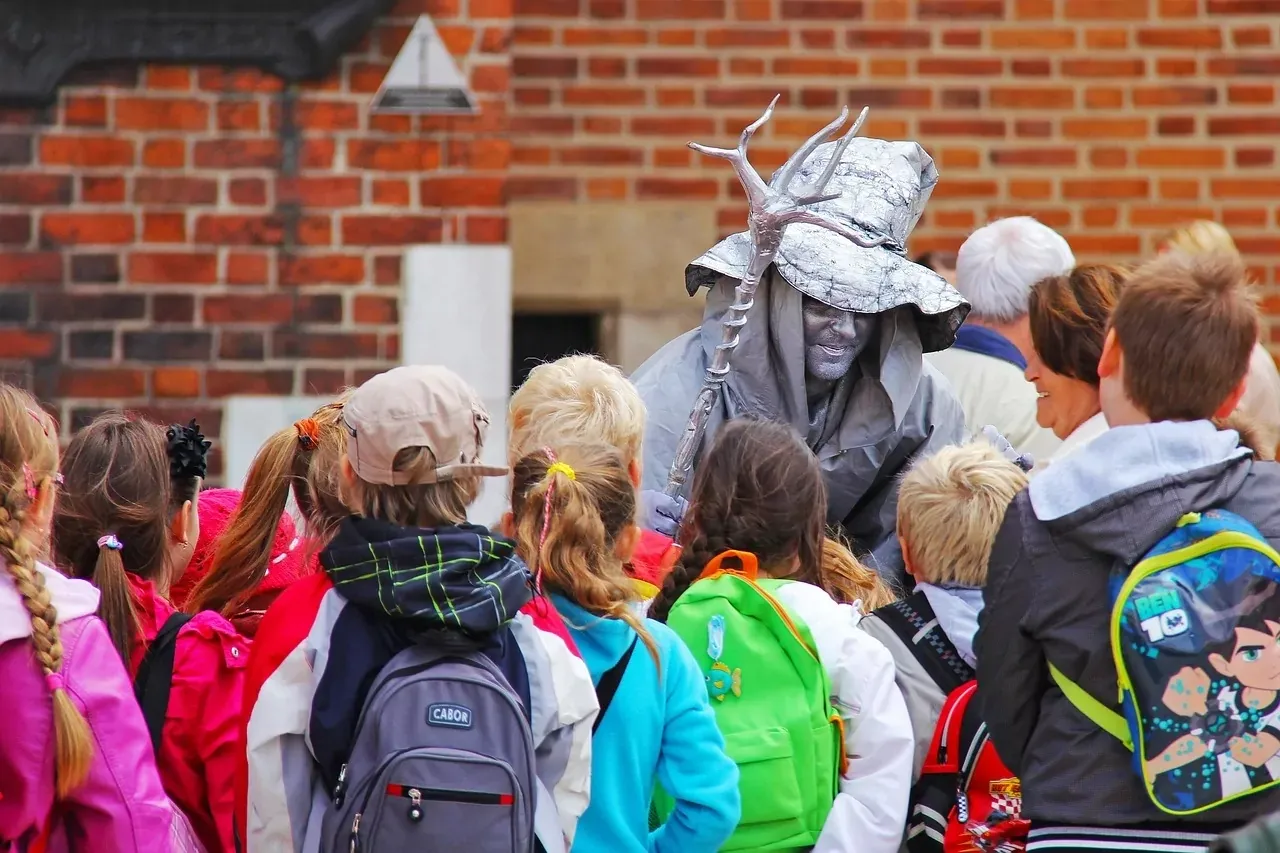
Best places in Kraków when travelling with children
Plan your family trip to Kraków. Discover child-friendly spots like the Wawel Dragon, interactive museums, and the green Planty park.
Culture • History • Food • Tours • 5 min. read
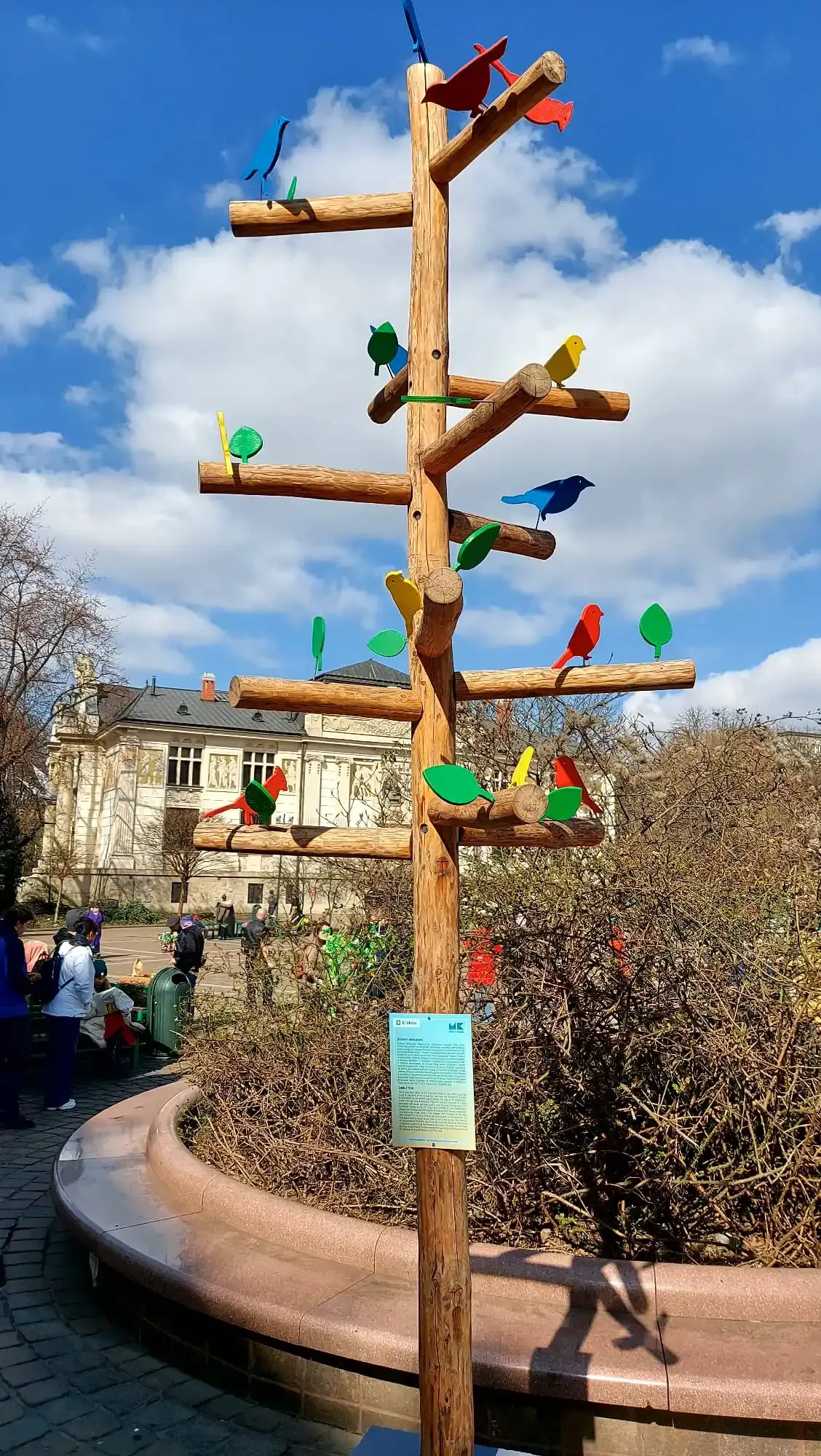
Experiencing Easter in Krakow: Local Customs and the Emaus Tree
Krakow is a city where centuries of history and living culture meet, and the Easter season offers a clear view of this unique character. While many visitors are familiar with Polish Easter staples such as the blessing of Easter baskets (święconka), Palm Sunday processions, and the festive Easter breakfast, Krakow offers something even more distinctive: the enchanting tradition of the Emaus Tree (drzewko emausowe).
Newsletter • 3 min. read
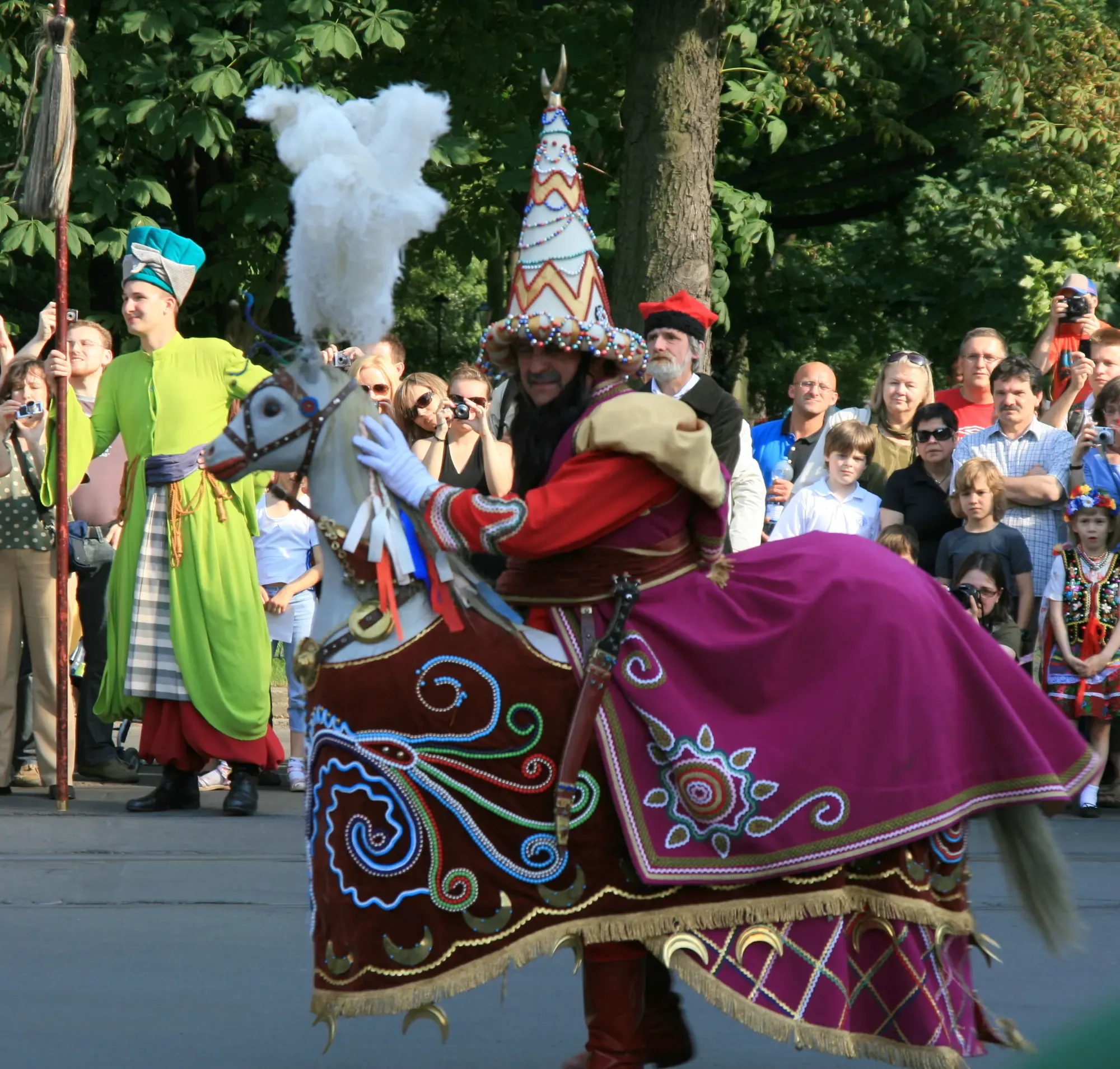
Things to Do in Krakow in June 2026
June is one of the most colourful months in Krakow, bringing two of the city's most beloved traditions to life. From the fire-breathing spectacle of the Great Dragon Parade beneath Wawel Castle to the joyful procession of the legendary Lajkonik through the historic streets, this is the perfect time to experience Krakow's folklore and history.
Practical Tips • History • 13 min. read
Kraków in 3 days - how to visit the former capital of Poland to make your stay unforgettable
Plan your perfect 3-day trip to Kraków. Our itinerary covers the Royal Castle, Old Town, and must-see historical sites.
Culture • History • 10 min. read
All 16 UNESCO World Heritage Sites in Poland. Part 2: mines, parks and wooden architecture
Explore Poland’s UNESCO sites: Wieliczka mine, Białowieża Forest, wooden churches, and more—Part 2 guide to mines, parks, heritage.