The History and Traditions of Madrid's San Isidro Festival
Every May, Madrid shifts its focus to the 11th-century legend of an agricultural laborer. The festival of San Isidro brings historical chulapo attire and traditional chotis dancing to the streets, particularly around the Pradera. Beyond the lively fairgrounds and late-night concerts, the celebrations are rooted in centuries of local folklore, tying the modern capital to tales of miraculous wells and unique regional street foods.
Culture • History • Newsletter • 5 min. read
Last edited:
Madrid in May is a city transformed, balancing its modern European pace with local traditions that date back centuries. At the center of this cultural shift is the festival of Saint Isidore the Farmer (San Isidro), an annual celebration that fills the Spanish capital with music, historic dress, and community gatherings. Rooted in the life of an 11th-century peasant, this vibrant holiday offers visitors a chance to step away from the typical tourist paths and experience the city exactly as the locals do.
Who Was Saint Isidore the Farmer?
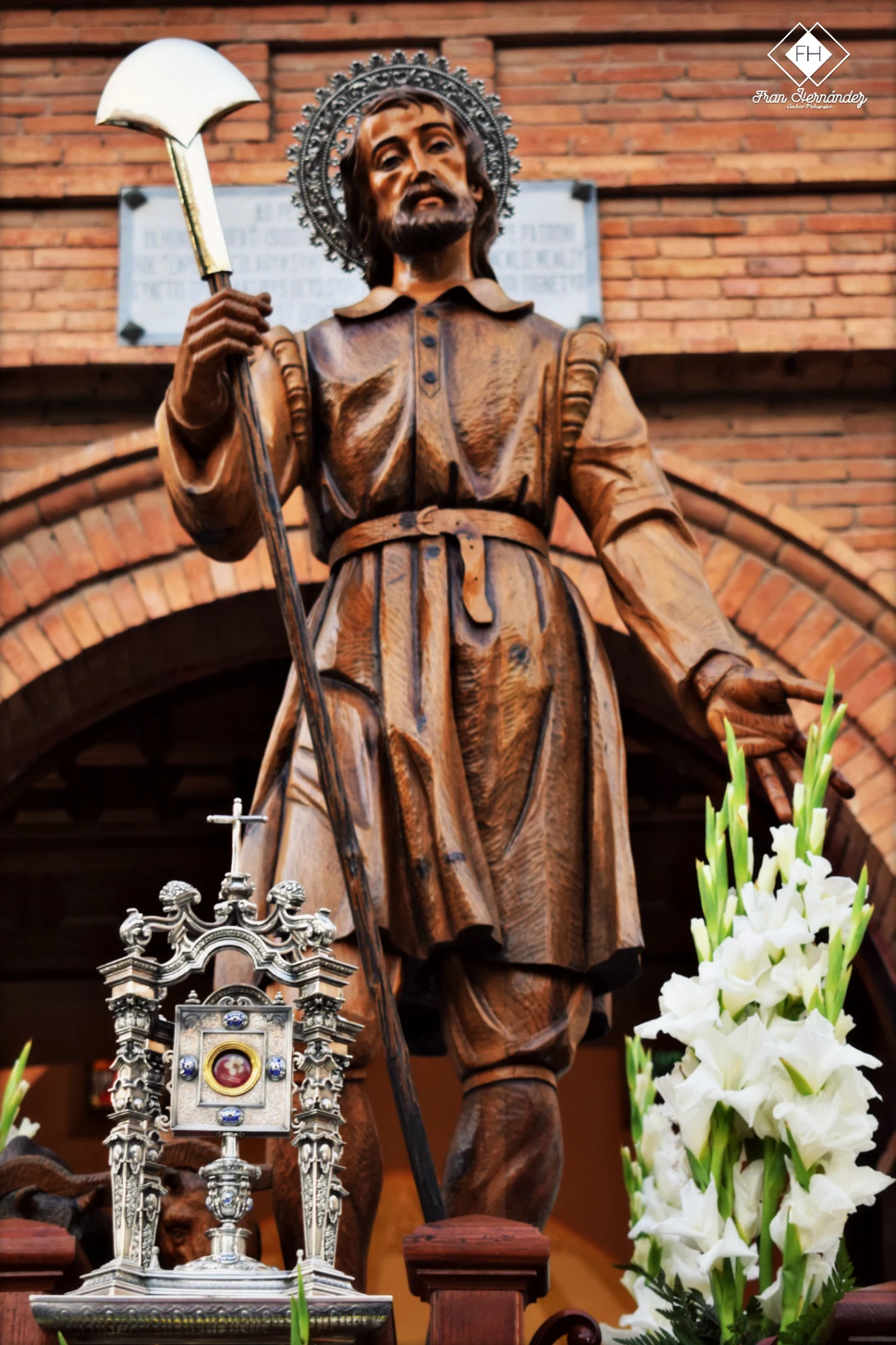
Born Isidro de Merlo y Quintana around 1082, Saint Isidore was a Mozarabic peasant from Madrid who worked as a well digger and farmer for the wealthy Vargas family. Known for his profound faith, humble work ethic, and dedication to charity, he eventually became the patron saint of both Madrid and Spanish farmers. Visitors exploring the city on a historic centre walking tour often learn how this 11th-century laborer became so central to Madrid's identity. Recognizing his enduring legacy, Pope Gregory XV officially canonized him in 1622.
The Legends and Miracles of San Isidro
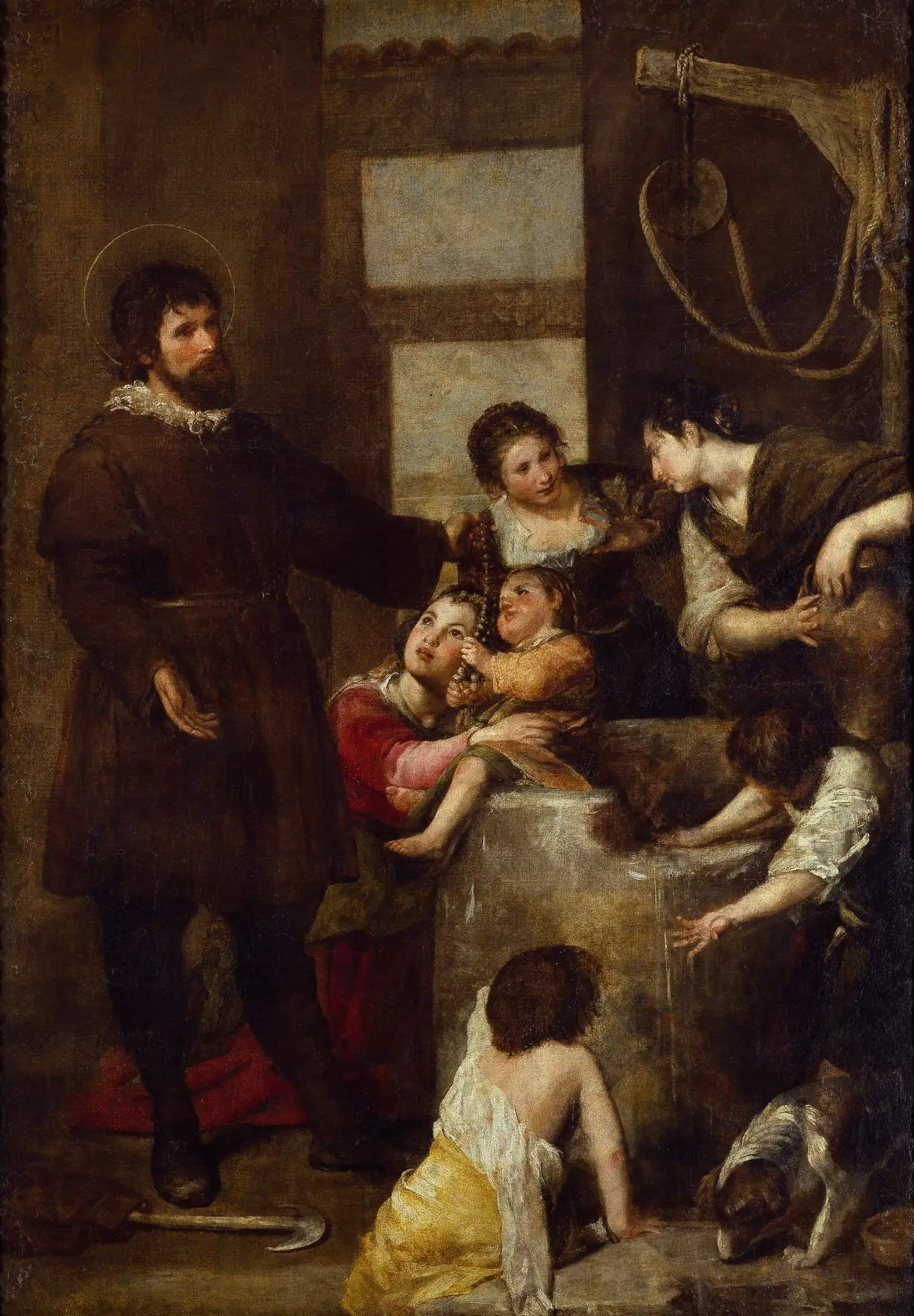
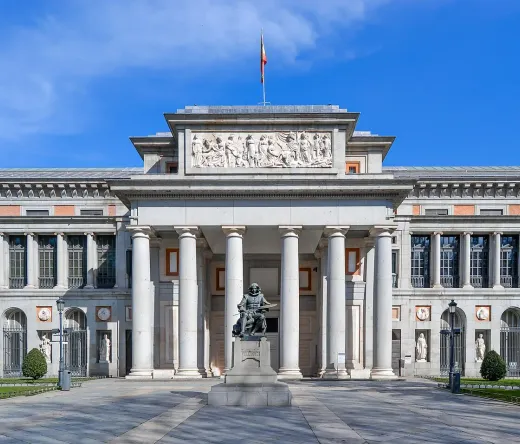
While verified historical records from the 11th century are limited, local lore attributes numerous miracles to Isidore. One famous legend claims that while he prayed, angels guided his oxen, effectively doubling his plowing productivity. Another story tells of the "Pot of the Poor," a cooking pot that allegedly never ran dry, allowing him to feed the local needy. His wife, María Toribia—known today as Saint Mary of the Head (Santa María de la Cabeza)—was equally respected for her charitable virtue. Art enthusiasts can view artistic depictions of these revered traditions during a Prado Museum guided tour.
The May 15 Pilgrimage to the Hermitage
Every year on May 15th, Madrid celebrates San Isidro's feast day. A core tradition of this festival is the pilgrimage to the saint's hermitage. According to local belief, Isidore once struck a rock with his staff during a severe drought, creating a fresh spring that still flows today. Crowds of residents gather on the hill leading to the hermitage with a shared goal: to drink this spring water. Water carriers hand out the water in glasses, jugs, or buckets. While regional folklore suggests the water possesses healing properties for the body and spirit, today it is primarily enjoyed as a beloved cultural ritual.
Traditional Attire and Dancing the Chotis
During the festivities, many locals dress as chulapos and chulapas, a nod to the 19th-century working-class residents of Madrid's Malasaña neighborhood. Men wear dark trousers, a white shirt, a flat cap known as a parpusa, and a vest adorned with a carnation. Women don polka-dot dresses with puff sleeves, wearing their hair tied back in a headscarf pinned with two carnations. Dressed in this historic attire, couples dance the chotis to the music of a traditional barrel organ. The dance famously requires very little space—often performed on a single floor tile—where the woman, draped in a Manila shawl, elegantly spins her partner around.
Festive Foods: Doughnuts, Entresijos, and Gallinejas
No Madrid festival is complete without its traditional foods. The most iconic sweets are the San Isidro doughnuts, originally made famous by a local baker known as Aunt Javiera. Baked without sugar in the dough but soaked in syrup, they come in four distinct varieties: the plain tontas, the lemon-glazed yellow listas, the white meringue-covered Santa Clara, and the almond-topped francesas. For those seeking savory options, food stalls offer entresijos and gallinejas. Originally made with chicken but now typically prepared with lamb, these deep-fried delicacies are served as sandwiches or main dishes, offering an authentic taste of Madrid's historic street food.
Fairgrounds and Concerts: The Pradera and Las Vistillas
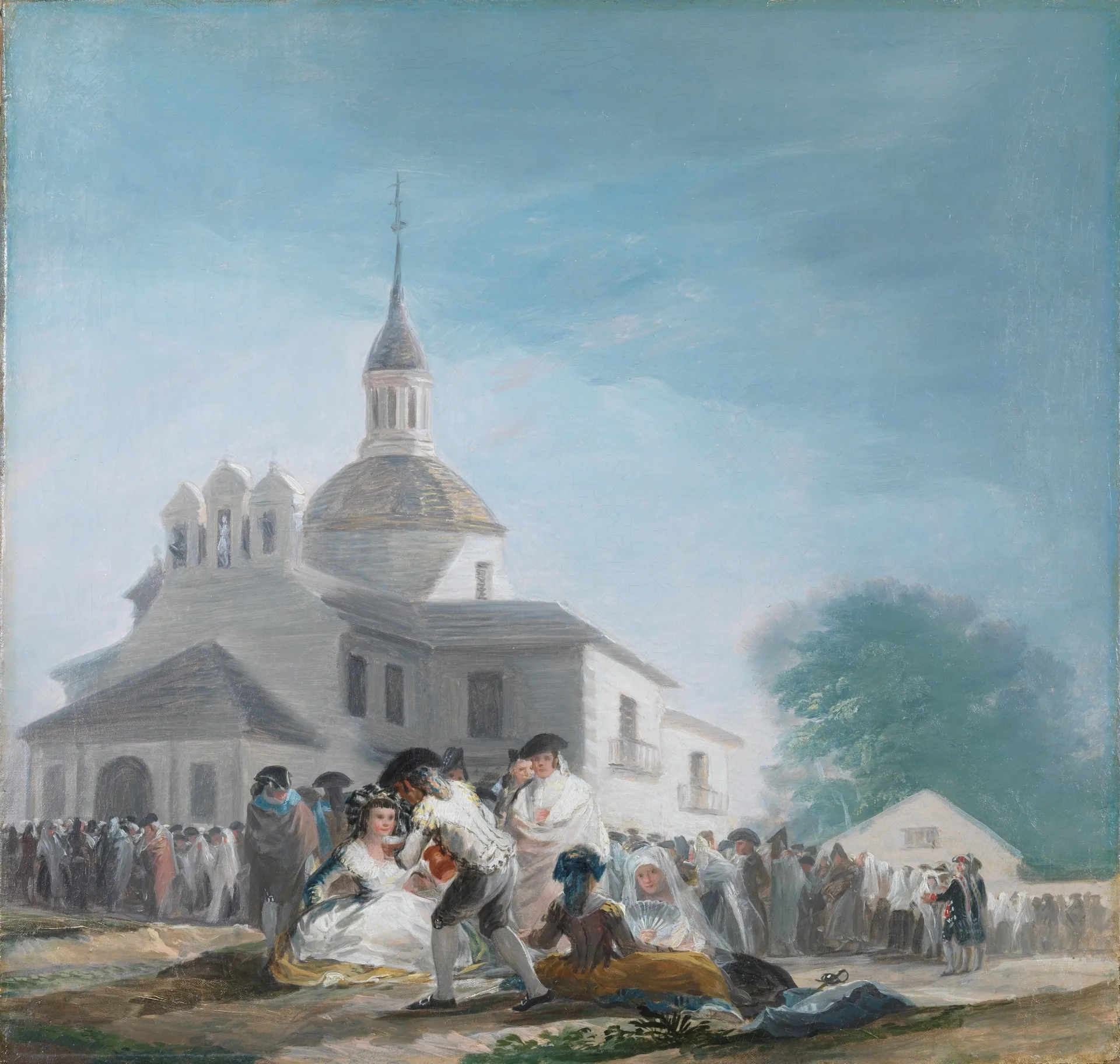
The communal heart of the celebration is the Pradera de San Isidro (the meadow), a large green space packed with food stalls, lemonade stands, and fairground attractions. The rides offer family-friendly entertainment, typically operating until midnight from Sunday to Thursday, and extending to 2:00 a.m. on Fridays and Saturdays. As evening falls, the Vistillas Gardens become another focal point of the celebrations. This area transforms into an open-air venue, hosting free concerts and live performances that continue deep into the night of the 15th, providing a lively mix of entertainment for all attendees.
Experiencing the San Isidro festival offers a fascinating look into Madrid's local culture, bridging centuries-old agricultural legends with modern-day civic pride. Whether you are tasting a traditional glazed doughnut in the meadow, watching a precise chotis dance, or exploring the historical context of the city, mid-May is undeniably one of the most vibrant times to walk the streets of the Spanish capital.
Related stories
Practical Tips • Food • 7 min. read
Best Souvenirs from Madrid: Unique Treasures to Bring Home
Looking for unique Spanish gifts? Check out our list of the best souvenirs to bring home from Madrid.
Practical Tips • History • 3 min. read
La Latina: A Guide to Madrid's Medieval Neighborhood
Wander the winding medieval streets of La Latina. From Sunday’s El Rastro market to evening tapas on Cava Baja, experience the authentic soul of Madrid.
Culture • Newsletter • Tours • Newsletter • 5 min. read
Things to Do in Madrid in May 2026
The perfect time to experience the city’s vibrant culture, from the lively San Isidro festivities and world-class tennis at the Mutua Madrid Open to the iconic Madrid Book Fair in El Retiro Park. With pleasant spring weather and a packed calendar of events, it’s an ideal moment to explore Madrid’s historic charm, local traditions, and dynamic atmosphere.
History • 6 min. read
May 2, 1808 in Madrid: The Uprising, Key Sites, and Today’s Reenactments
Trace Madrid’s May 2, 1808 uprising street by street, then plan your visit with reenactment locations and a practical May 1–2 schedule.
Practical Tips • 6 min. read
Navigating Madrid: Your Ultimate Guide to Public Transportation
The ultimate guide to public transportation in Madrid. Learn how to use the metro, buses, and trains efficiently.