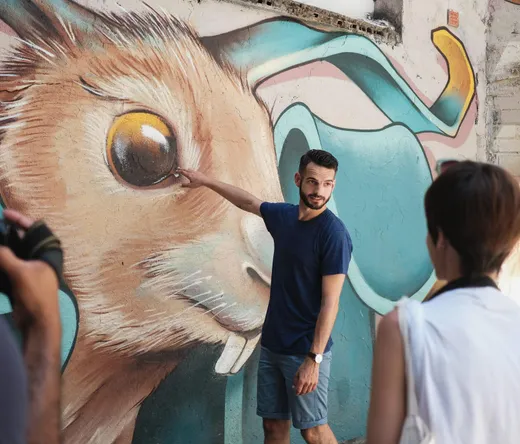
Celebrating La Castanyada: Autumn and Chestnut Season in Barcelona
The scent of roasting chestnuts on street corners is the most reliable sign that November is approaching in Catalonia. While the weather cools, Barcelona prepares for La Castanyada, an intimate local tradition honoring the deceased with family meals and sweet marzipan panellets. As international holidays gain ground, some neighborhoods now blend old customs with new ones to create hybrid celebrations like Castaween.
Culture • Practical Tips • History • Food • 5 min. read
Last edited:
As the lingering warmth of summer fades, a distinct and cozy atmosphere settles over Barcelona. The changing season brings crisper weather and streets illuminated by evening lights, inviting both locals and visitors to bundle up and embrace the autumn shift. While global celebrations like Halloween have found a place in Catalonia, the city comes alive with its own deeply rooted traditions during this time of year, offering a unique cultural experience for anyone exploring its streets.
Autumn in Barcelona: The Arrival of Chestnut Season
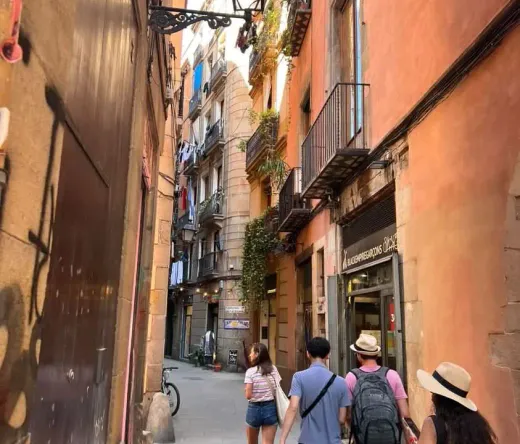
As evening strolls around the city become noticeably cooler, the unmistakable smoky scent of roasted chestnuts begins to fill the air. Throughout Barcelona, small pop-up chestnut stalls appear on street corners, signaling the shift into autumn. People naturally seek out coziness, and grabbing a paper cone of warm chestnuts from a street vendor quickly becomes a seasonal habit. Whether you are exploring the narrow streets on a guided walking tour of the Old Town or simply wandering on your own, noticing the sights and smells of these local stalls is a quintessential part of experiencing Barcelona in the autumn.
What is La Castanyada?
In Catalonia, the autumn season centers around a celebration known as the Castanyada. Officially held on All Saints’ Day, November 1st, the festivities usually begin in the days leading up to it. The name Castanyada directly translates to the eating of chestnuts, and the holiday is primarily an intimate affair enjoyed with family and friends. While it is not a massive street festival, the cozy, communal spirit is palpable throughout the city. Locals gather to share special meals, prepare desserts, and take part in neighborhood activities together.
Traditional Foods: Chestnuts, Sweet Potatoes, and Panellets
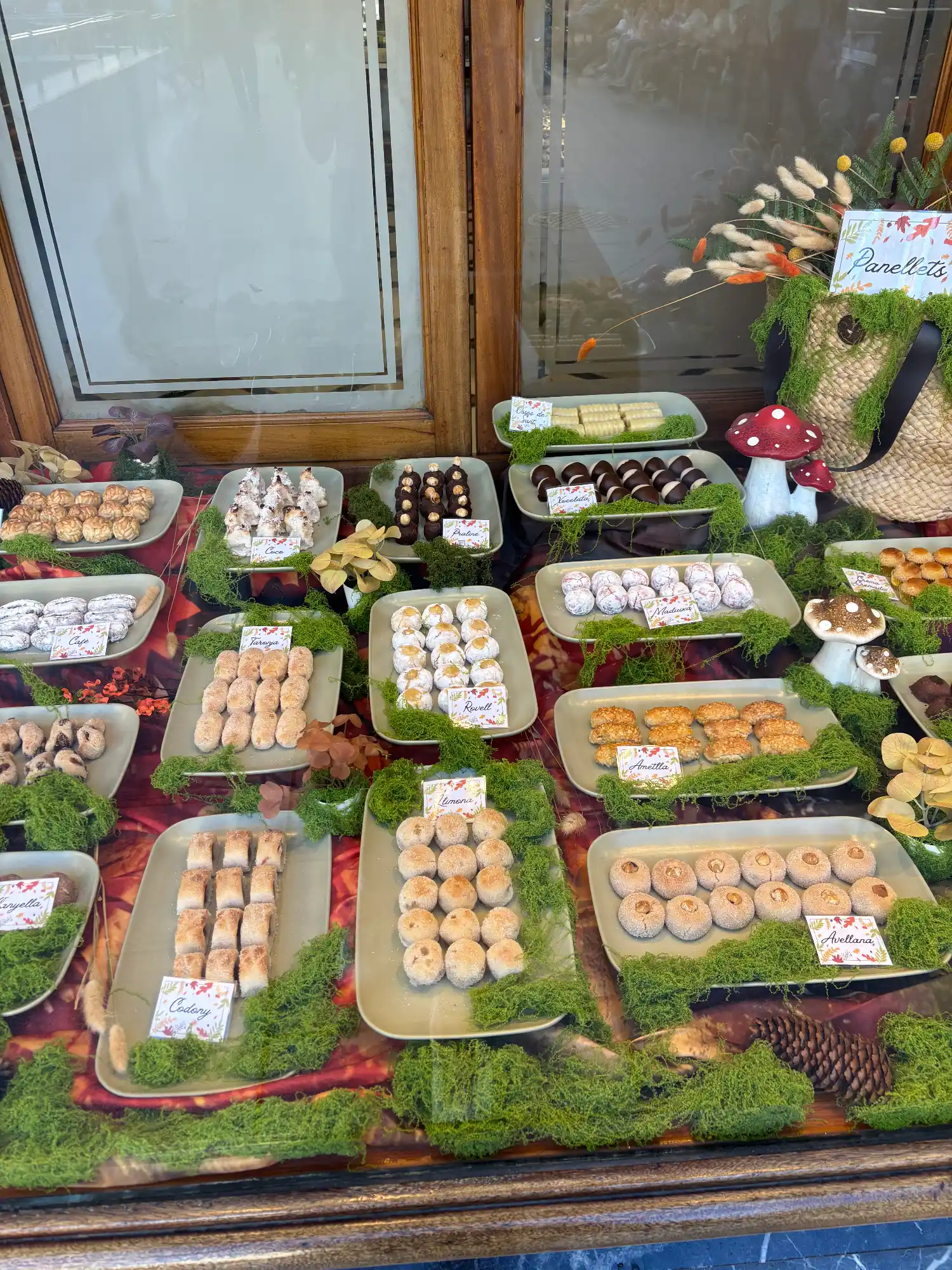
Food is at the heart of the Castanyada. Alongside paper cones of roasted chestnuts and baked sweet potatoes, the true star of the season is the panellet. These small, easy-to-prepare marzipan balls can be coated in pine nuts, coconut, or cocoa. Historically offered as a tribute to the dead before being shared at family dinners, panellets are as much about giving as they are about eating. Today, you can easily find them in bakeries, pastry shops, and supermarkets across Barcelona. Many local families still uphold the tradition of baking their own chestnuts and sweet potatoes at home to share with loved ones.
Dressing Up: The Castanyer and Castanyera
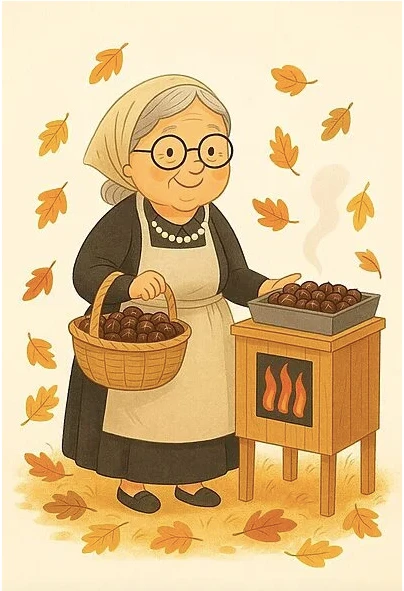
During this season, local children often dress up in the traditional costumes of the castanyer (male chestnut seller) and castanyera (female chestnut seller). These loose-fitting outfits typically include a sash tied around the waist and a headscarf. The most distinct element of the costume is the footwear: espardenyes, which are traditional Catalan canvas shoes. Notably, the children wear these canvas shoes with thick socks. For locals, the Castanyada is widely considered the only time of the year when wearing espardenyes with socks is an acceptable look.
Castaween: The Blending of Castanyada and Halloween
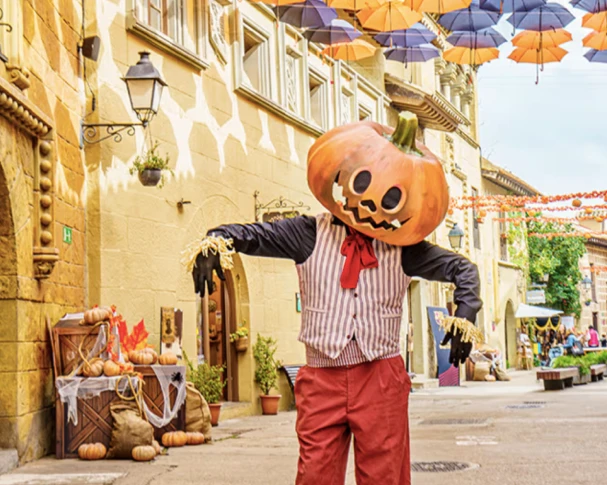
As Halloween’s popularity grows in Catalonia, the 31st of October and the 1st of November are increasingly blending together into a playfully named celebration: "Castaween." Spooky modern activities now meet Catalonia's oldest traditions. Across various neighborhoods in the city, you might find locals enjoying roasted chestnuts and baked potatoes while navigating their way through haunted tunnels, dressed up in spooky costumes. In this mixed celebration, local shops and cafes hand out both modern candies and traditional panellets, creating a festive atmosphere that honors both global and local customs.
All Saints' Day: Honoring the Deceased
While the days leading up to it are filled with food and festivities, November 1st—All Saints' Day—retains its traditional focus. On this day, locals visit cemeteries to bring flowers and honor their deceased loved ones. The Castanyada originally began as a tradition to honor the dead, making it closely related to global customs like Mexico’s Day of the Dead. It serves as a quiet, reflective time when people gather to remember those who are no longer with them.
Where to celebrate it
Because the Castanyada is rooted in community and family, there is no single central event to attend. Instead, celebrations are scattered throughout the city's diverse neighborhoods. You will find chestnut stalls popping up on nearly every major street corner and plaza. Simply walking through the city and observing the neighborhood gatherings is the best way to witness the authentic local holiday.
Visiting Barcelona during the Castanyada offers a rewarding glimpse into Catalan culture. By taking the time to taste a warm panellet or buy a cone of roasted chestnuts from a street vendor, you can easily connect with the local rhythm of the city. It is a season that beautifully balances quiet remembrance with the warm, shared joy of food and community.
Written by
Filipa
Filipa is a Barcelona-based guide originally from Sofia who relocated to Spain in 2015. Drawing on her degree in political science, she has been leading tours with Walkative! since 2025. Her walks focus on 20th-century history and how past political events impact modern society.
Related stories
Newsletter • 4 min. read
Things to Do in Barcelona in October 2026
Hola friends! Grab a cozy light sweater and your favorite pair of walking shoes, because October in Barcelona is officially here, and it is absolutely gorgeous. The sticky summer heat has finally mellowed out, leaving us with those crisp, sunny autumn days that just beg you to spend all your time outside.
Culture • Practical Tips • 4 min. read
Understanding Semana Santa (Holy Week) in Barcelona
Planning a trip to Barcelona during Easter? Discover what to expect during Semana Santa, from traditional foods to practical tips for the holidays.
Culture • Practical Tips • 5 min. read
What Are Calçots? A Guide to Catalonia’s Winter Onion Tradition
Every winter, Barcelona celebrates the calçot. Discover this messy, delicious grilled onion ritual and learn exactly how to eat them like a true local.
Culture • History • 5 min. read
Who Was Santa Eulàlia? The Legend of Barcelona’s Co-Patron
Before La Mercè, there was Santa Eulàlia. Explore the legend of Barcelona’s original patron, the famous thirteen geese, and the city’s winter festival traditions.
Culture • Food • 3 min. read
Fat Thursday in Warsaw: A Guide to Pączki - Polish doughnut!
Find Warsaw's best pączki for Fat Thursday. Our guide covers traditional rose jam fillings, top bakeries like Zagoździński, and what to expect.