


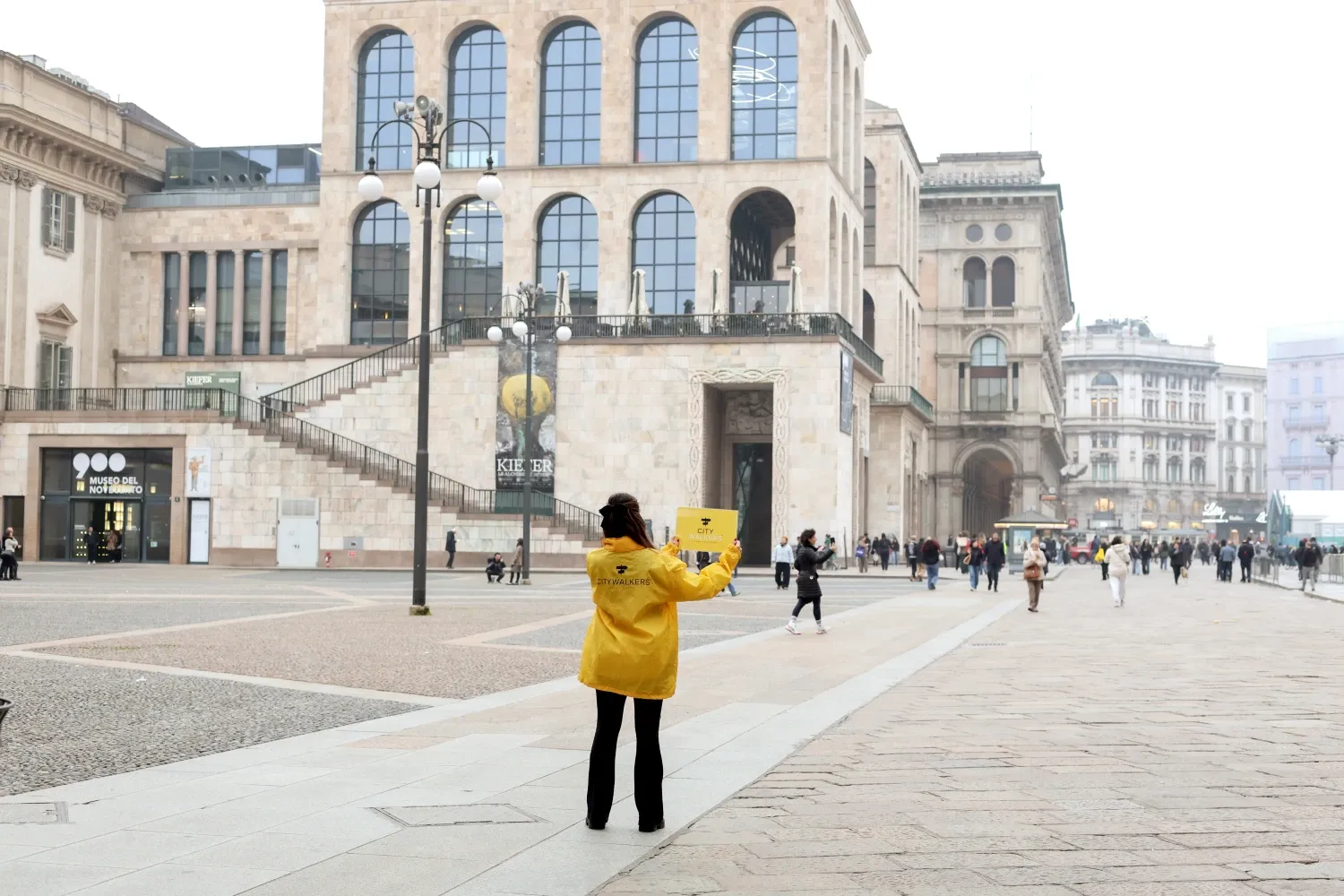
Explore Milan on Foot: Guided Walking Tours of Italy's Modern and Historic Capital
Milan, the capital of Lombardy, offers a distinct experience compared to Italy's other major historic cities. Known primarily as the country's economic and fashion powerhouse, it is a fast-paced metropolis where modern architecture sits alongside centuries of history. At the city's geographical and cultural center is the Duomo, a massive Gothic cathedral that took nearly six centuries to complete, flanked by the historic Galleria Vittorio Emanuele II and the nearby Sforzesco Castle, a Renaissance fortress that now houses several civic museums. As a walking tour destination, Milan is remarkably flat and well-connected by an extensive public transit system. The historic core is relatively compact and pedestrian-friendly, making it straightforward to explore on foot. Beyond the immediate center, neighborhoods like the artistic Brera district with its narrow streets, or the canal-lined Navigli area in the south, offer a glimpse into the city's more traditional, everyday life away from the busy corporate centers. Walking through Milan reveals the stark contrasts of its urban landscape. The transition from the Romanesque and Gothic remnants of the older atmospheric streets to the contemporary skyline of the Porta Nuova district provides a clear picture of Milan’s ongoing evolution. Visitors will find a city that is less about frozen-in-time antiquity and more about a continuous, living history.
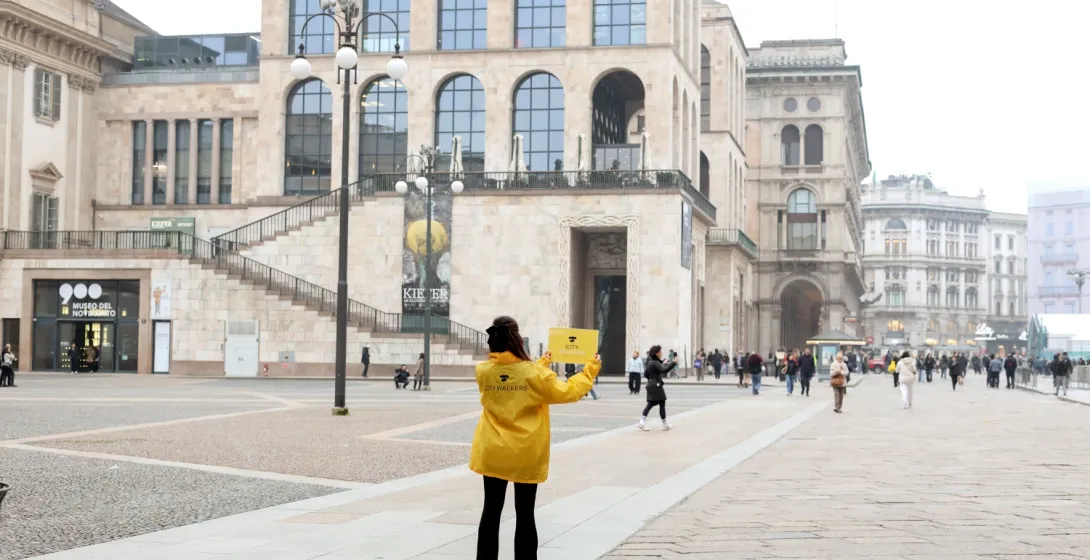
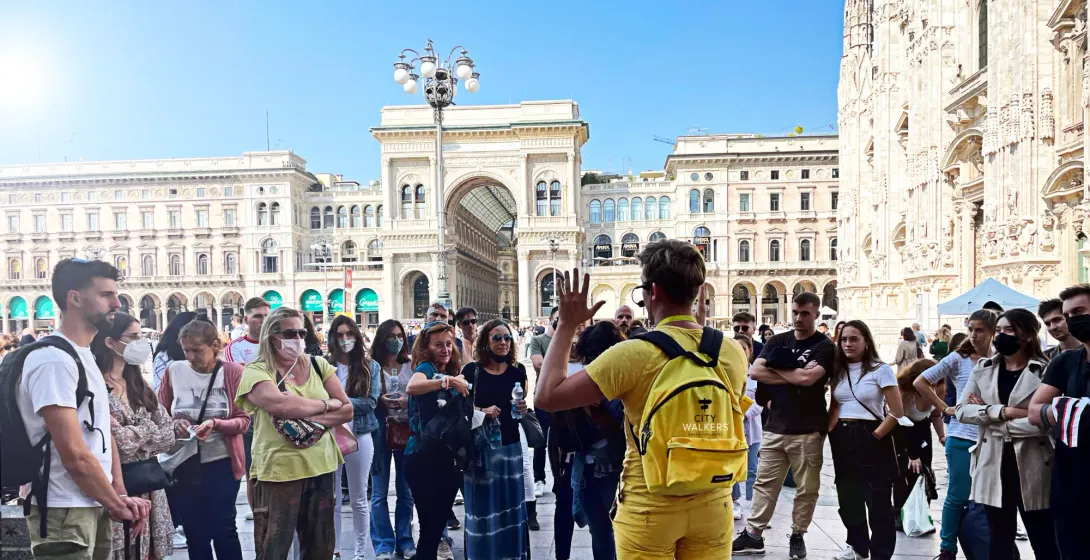
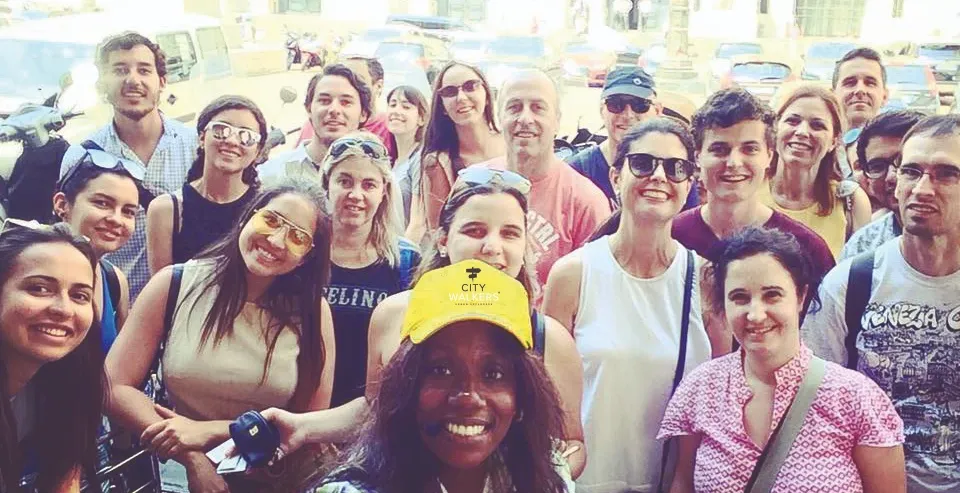
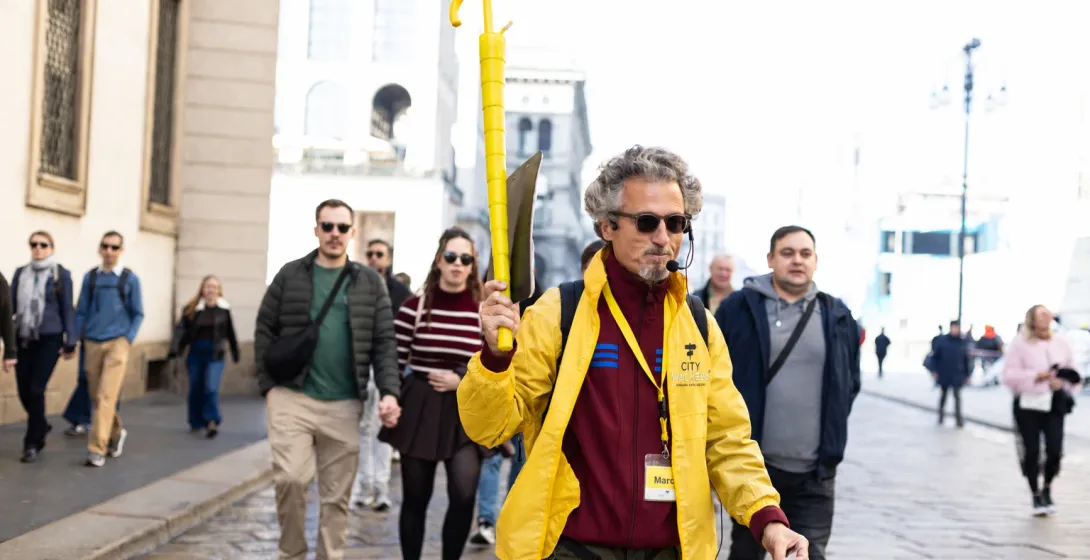
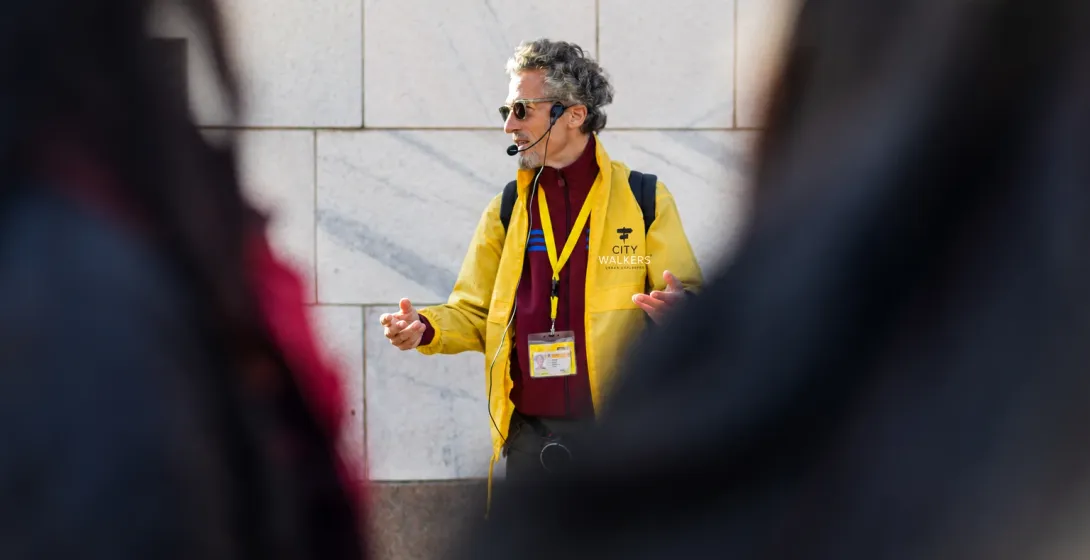
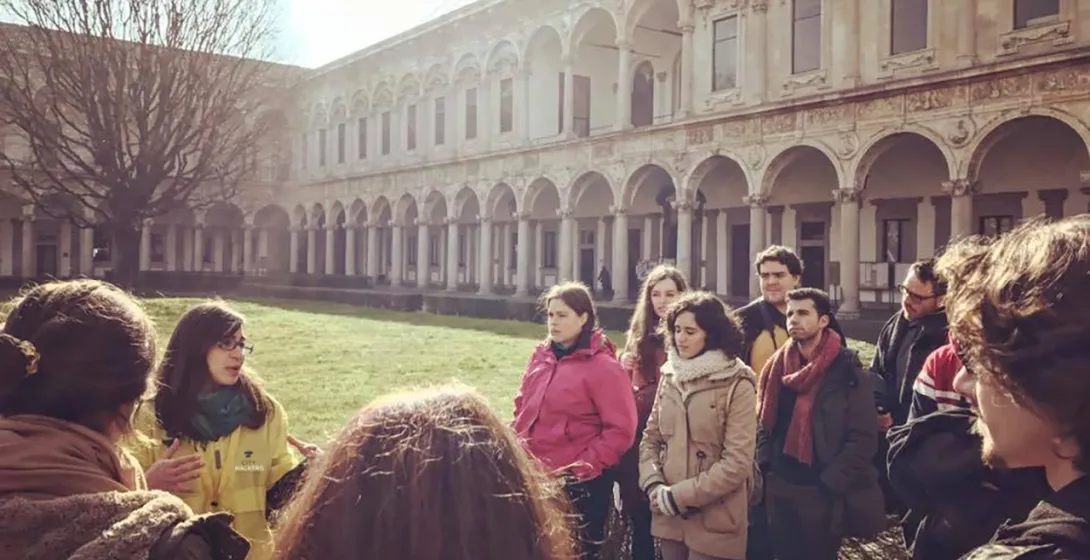
Walking tours in Milan
FAQ
Milan
Milan is the capital of the Lombardy region. It offers a distinct experience compared to Italy's other major historic cities. Known primarily as the country's economic and fashion powerhouse, it is a fast-paced metropolis. Here, modern architecture sits alongside centuries of history.
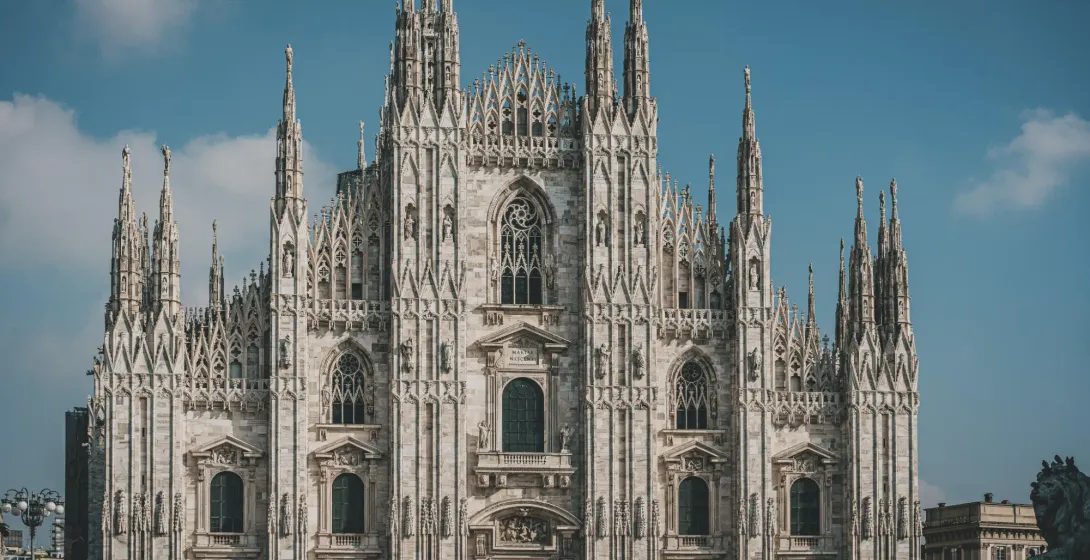
At the city's geographical and cultural center is the Duomo. This massive Gothic cathedral took nearly six centuries to complete. It is flanked by the historic Galleria Vittorio Emanuele II. Nearby stands the Sforzesco Castle, a major Renaissance fortress. Milan blends modern efficiency with deep cultural roots. It is a dynamic city that rewards curious travellers.
Why Visit Milan?
Milan provides a unique perspective on Italian culture, focusing on industry, design, and innovation.
- 🏛️ Architectural Contrasts: Milan showcases everything from ancient Roman ruins to contemporary skyscrapers. The contrast is highly visible in districts like Porta Nuova.
- 🎨 World-Renowned Masterpieces: The city houses Leonardo da Vinci’s mural, The Last Supper. It also holds major classical works by Caravaggio and Raphael.
- 🛍️ Historic Shopping Galleries: The Galleria Vittorio Emanuele II is a 19th-century marvel. It remains one of the world's oldest functioning shopping arcades.
- 🚋 Vintage Transport Network: Historic yellow trams from the 1920s still operate today. They offer a practical and charming way to navigate the city.
- 🍹 Authentic Aperitivo Culture: Milan is the undisputed birthplace of the Italian aperitivo. The Navigli canal district comes alive during the early evening hours.
- 🚂 An Ideal Transport Hub: Milan features an extensive railway network. It is the perfect base for exploring northern Italy and the Alpine lakes.
Why Choose a Walkative Free Walking Tour in Milan?
Exploring Milan can be overwhelming due to its size and pace. A Walkative free walking tour helps you orient yourself quickly. We focus on authentic, human-scale travel experiences. Our local guides provide clear, factual context without unnecessary exaggeration.
Our tours are designed for real travellers. We do not use aggressive marketing pitches. Instead, we aim to inform, orient, and help you make good decisions. You will learn how to navigate the city and understand its complex history. We separate local myths from verified facts.
The free walking tour model is entirely pay-what-you-wish. This means the tour is accessible to all budgets. At the end of the walk, you decide the value of the experience. You compensate the guide based on your satisfaction. This ensures our guides remain engaging, knowledgeable, and highly helpful.
Joining a Walkative tour is the smartest way to start your Milan visit. You will receive practical tips on where to eat and what to see. Book your spot early to guarantee availability during your stay.
Top Things to See & Do in Milan
Milan features a mix of grand monuments and hidden historical sites. Here are the top locations you should prioritize during your visit.
Duomo di Milano
The Duomo is the undisputed symbol of Milan. It is one of the largest cathedrals in the world. Construction began in 1386 and continued for nearly six centuries. The exterior features over 3,400 statues and 135 gargoyles. The facade is crafted from distinctive pink-hued Candoglia marble.
You can visit the cathedral interior and the archaeological area below. However, the highlight is walking on the rooftop terraces. The roof provides an incredible view of the city skyline. On clear days, you can even see the distant Alps. Please note that a strict dress code applies. Shoulders and knees must be covered to enter.
Galleria Vittorio Emanuele II
Located right next to the Duomo, this elegant four-story arcade opened in 1877. It was designed by architect Giuseppe Mengoni. The structure features a massive iron and glass roof. It connects Piazza del Duomo to Piazza della Scala.
The floors are decorated with intricate mosaics representing Italian cities. You will often see people spinning on the mosaic of a bull. Local tradition claims this brings good luck. The Galleria houses luxury boutiques, historic cafes, and restaurants. It is an excellent place to appreciate 19th-century urban design.
Castello Sforzesco
This massive brick fortress sits on the edge of Parco Sempione. It was originally built in the 14th century by the Visconti family. It was later rebuilt and expanded by the Sforza dynasty. Leonardo da Vinci even contributed to the castle's defensive designs.
Today, the castle courtyards are completely free to enter and explore. The interior rooms house several different civic museums. These museums display historical armor, musical instruments, and antique furniture. The most famous artifact here is Michelangelo’s final, unfinished sculpture, the Pietà Rondanini.
Santa Maria delle Grazie & The Last Supper
This Renaissance church and Dominican convent is a UNESCO World Heritage site. The church itself features a striking tribune designed by Donato Bramante. However, most visitors come to see the adjacent refectory wall.
This wall holds Leonardo da Vinci’s famous mural, The Last Supper. Da Vinci painted it between 1495 and 1498. He used an experimental dry fresco technique. Unfortunately, this technique caused the painting to deteriorate rapidly. Due to strict conservation rules, visitor numbers are tightly controlled. You must book tickets several months in advance to secure entry.
Navigli District
Milan was once a city of navigable canals, much like Venice. The Navigli district preserves the remnants of this historic waterway system. These canals were originally used to transport heavy goods. They famously carried the marble used to build the Duomo.
Today, the Naviglio Grande and Naviglio Pavese are lined with bars and restaurants. This area is the center of Milan’s evening aperitivo culture. Locals gather here between 6 PM and 9 PM. You buy a drink and gain access to a buffet of snacks.
Teatro alla Scala
La Scala is one of the most prestigious opera houses in the world. It was inaugurated in 1778. The exterior facade is relatively modest and understated. However, the interior is a lavish display of red velvet and gold leaf.
Countless famous operas have premiered on this historic stage. If you cannot attend a performance, you can still visit the theatrical museum. Museum admission often includes a view of the main auditorium from a private box. Access to the auditorium depends on the daily rehearsal schedule.
Brera District
Brera is often described as Milan’s artistic heart. The neighborhood features narrow, pedestrian-friendly cobblestone streets. It is filled with independent boutiques, art supply stores, and cafes.
The district grew around the Brera Academy of Fine Arts. It retains a slightly bohemian, elegant atmosphere. It is an excellent area for an afternoon stroll. You can explore hidden courtyards and historic palazzos at your own pace. The botanical garden tucked behind the academy is a quiet urban refuge.
Getting Around Milan
Milan has the most extensive and efficient public transport system in Italy. The network is operated by the local authority, ATM. It includes the metro, trams, and buses.
The Metro: The subway system is the fastest way to travel. There are currently five colored lines (Red, Green, Yellow, Lilac, and Blue). Trains run frequently from early morning until late at night. You can pay for single journeys by tapping a contactless bank card directly at the turnstiles.
Trams: Milan’s tram network is a mix of modern vehicles and historic carriages. The classic yellow trams (Series 1500) feature wooden benches and glass lamps. Riding one is an experience in itself. Trams are ideal for short trips across the city center.
Walking: The historic center of Milan is surprisingly compact and very flat. Many major sights, such as the Duomo and the Castle, are pedestrianized. Walking is often the most pleasant way to explore the central zones.
Taxis: You generally cannot hail a taxi on the street in Milan. You must go to an official orange taxi stand. Alternatively, you can order one via telephone or mobile apps. Taxi fares can be quite high compared to public transport. Ride-sharing apps do operate but are subject to local regulations and pricing.
The Best Museums in Milan
Milan is home to extraordinary art collections and historical archives. These are some of the most significant museums the city has to offer.
Pinacoteca di Brera
This is Milan’s premier public art gallery. It is located in the Palazzo Brera. The museum focuses heavily on Italian Renaissance painting. You will find masterpieces by artists such as Raphael, Mantegna, and Caravaggio. The collection was established by Napoleon to serve as a national gallery. The courtyard features a striking bronze statue of Napoleon portrayed as Mars the Peacemaker.
Museo del Novecento
This museum is dedicated to 20th-century art. It is housed in the Palazzo dell'Arengario, right next to the Duomo. The collection provides a deep dive into the Italian Futurist movement. It features works by Boccioni, Carrà, and Balla. The building's top floor features a massive window. This offers a spectacular, unobstructed view of the Duomo square below.
National Museum of Science and Technology
This massive museum is named after Leonardo da Vinci. It is housed in a former 16th-century monastery. The highlight is the gallery dedicated to Da Vinci’s engineering concepts. It features large-scale wooden models constructed directly from his original sketches. The museum also includes extensive exhibits on aviation, space exploration, and railway history. There is even a real Cold War-era submarine in the courtyard.
Fondazione Prada
Located in the southern part of the city, this contemporary art complex is visually stunning. It was designed by the renowned architectural firm OMA. The campus is built within a former gin distillery. It blends preserved industrial spaces with modern, gold-leafed towers. The foundation hosts rotating contemporary art exhibitions and independent film screenings. It also features a quirky cafe designed by film director Wes Anderson.
Day Trips from Milan
Milan’s excellent rail connections make it a perfect starting point for exploring the wider region. These day trips are easily accessible via public transport.
Lake Como
Lake Como is famous for its dramatic Alpine scenery and historic villas. It is located roughly 50 kilometers north of Milan. You can reach the lakeside town of Varenna by direct regional train. The journey from Milano Centrale station takes about one hour. From Varenna, frequent public ferries connect to other popular towns like Bellagio and Menaggio. Current ferry schedules and ticket prices should be checked locally.
Bergamo
Bergamo is a fascinating city divided into two distinct levels. The lower town (Città Bassa) is modern and active. The upper town (Città Alta) is a stunning medieval enclave. It is entirely surrounded by massive 16th-century Venetian defensive walls. A historic funicular railway connects the two levels. Direct trains from Milan to Bergamo take under an hour.
Pavia
Pavia is a quiet, historic university town south of Milan. It features narrow streets, medieval towers, and Romanesque churches. It was once the capital of the ancient Lombard Kingdom. Just a few kilometers outside the town sits the Certosa di Pavia. This magnificent Renaissance monastery is highly detailed and beautifully preserved. Regional trains to Pavia take approximately 30 minutes from Milan.
Join a Walkative Free Walking Tour in Milan
Milan is a city of incredible depth, combining ancient history with modern ambition. To truly understand its streets, you need local context. Our expert guides are ready to share Milan’s factual history and practical secrets with you.
By joining a Walkative free walking tour, you take control of your travel experience. You will learn to navigate the city with confidence. You will discover hidden courtyards, understand local customs, and avoid common tourist mistakes. Our pay-what-you-wish model ensures you receive a high-quality, engaging experience every time.
Don't just wander past the monuments. Let us help you understand the real Milan. Check our current tour schedules online and reserve your spot today. Walking with us is the best first step you can take in the city.
```