What to Do First in Barcelona: Essential Experiences for a Balanced Visit
Ciutat Vella’s lanes, Gaudí’s façades and the climb to Montjuïc all show a different side of Barcelona. This guide starts with the experiences that help first-time visitors give the city some shape, from historic quarters to food stops and the waterfront. Use it to choose where to spend time, and what to leave for another visit.
Culture • Practical Tips • History • 9 min. read
Last edited:
Barcelona is easy to enjoy, but it gets even better when you give your visit a little shape. The city is not just a list of famous sights; it is a mix of historic streets, bold architecture, neighbourhood life, food, sea air, and hilltop views. For a first visit, the best approach is not to rush from one landmark to another, but to pick experiences that show different sides of the city. These must-do ideas offer a balanced, practical way to understand Barcelona at a comfortable pace. Think of them as friendly starting points rather than strict rules, with plenty of room for your own discoveries along the way.
Start with Barcelona’s Must-Do Experiences
A good Barcelona itinerary should include several different sides of the city: the historic centre, at least one Gaudí design, local food, Montjuïc, Gràcia, and the beachfront. Together, they show why Barcelona feels both Mediterranean and urban, traditional and inventive. The city is compact enough to explore well on foot in many areas, but varied enough that each neighbourhood can feel like a fresh change of scene. This variety is part of what makes the city so welcoming for first-time visitors, because you can match each day to your energy and interests.
Try not to squeeze everything into one day. Barcelona rewards walking, stopping, and looking up, especially in areas where small details are part of the experience. Plan around neighbourhoods rather than isolated sights, and leave space for a café, a market visit, or an unexpected square along the way. A little flexibility will make the city feel less like a checklist and more like a place you are actually getting to know. If you miss something, it is rarely a failure; it is often just a good reason to come back.
Explore Ciutat Vella: Barcelona’s Historic Old City
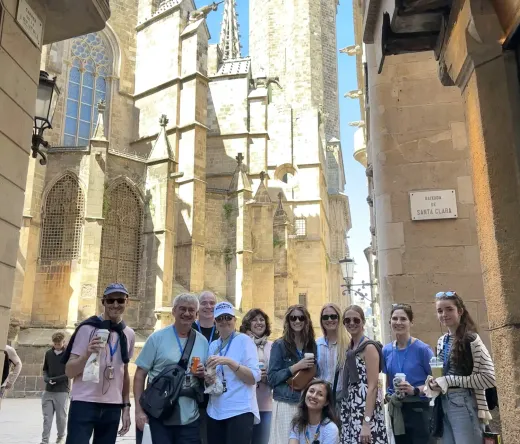
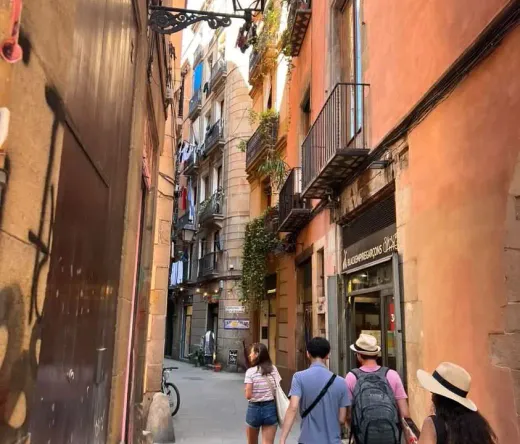
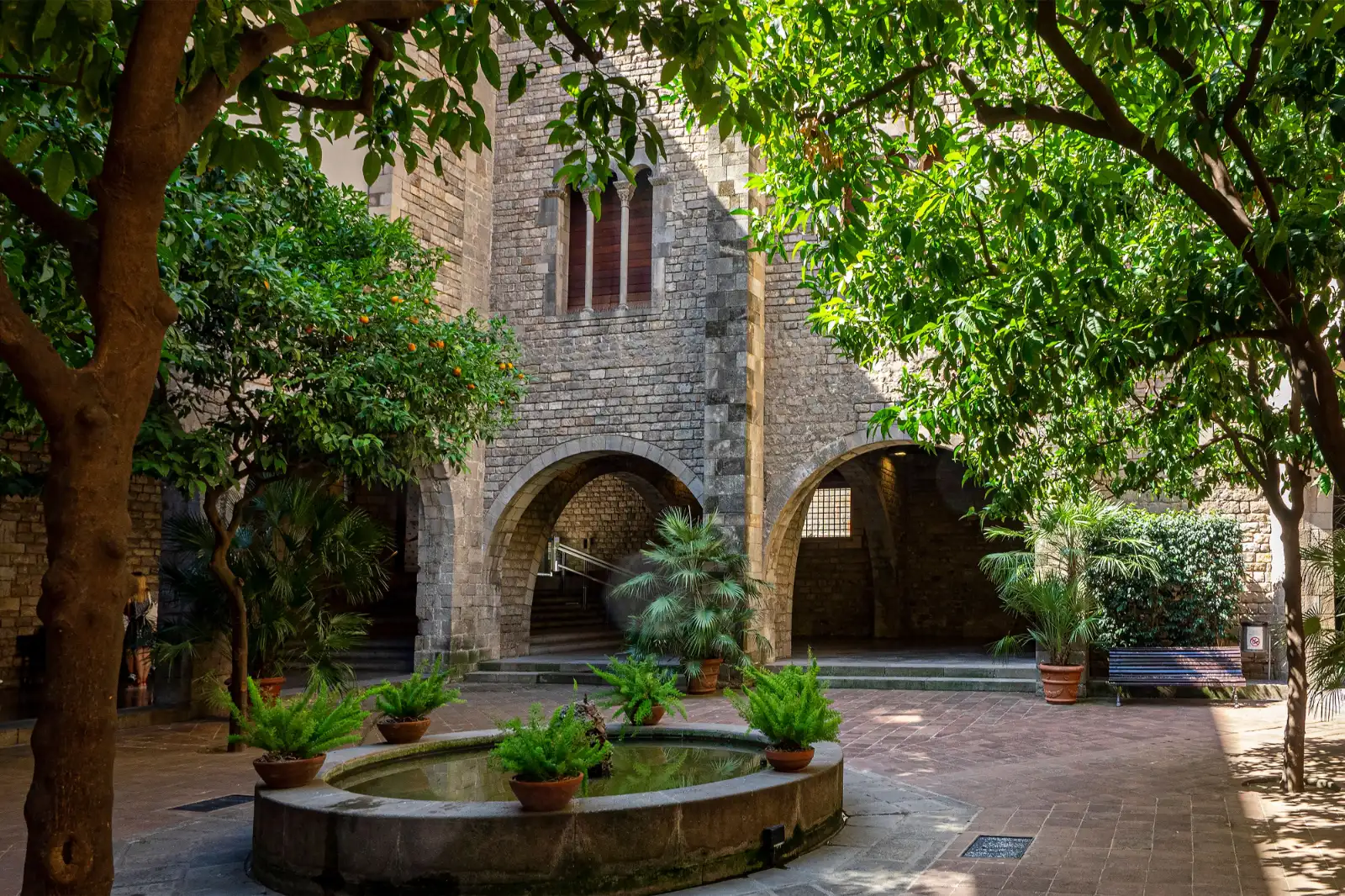
Ciutat Vella, the old city, is where many visitors first feel Barcelona’s layered history. The Gothic Quarter has narrow streets, stone façades, quiet courtyards, and traces of the city’s Roman and medieval past. Nearby, El Born has a lively mix of small shops, bars, and historic corners, while the streets around La Rambla are central, convenient, and often busy. It is a great area to start because even a short wander can make the city feel vivid and atmospheric. Useful specific stops include Barcelona Cathedral, Plaça del Rei, the Roman walls, Santa Maria del Mar, and the market hall at Santa Caterina if you want a clearer route through the old city’s layers.
The best way to explore is on foot, ideally in the morning or later in the day when the busiest routes can feel more manageable. Wander with a rough plan rather than a rigid route: move between squares, side streets, churches, and markets, and let yourself turn down smaller lanes when they look interesting. A guided walk through the Old Town can also help make sense of details that are easy to miss at street level, especially if you are short on time. Give yourself permission to pause often, as some of the nicest moments here come from simply watching the neighbourhood move around you.
See a Gaudí Design: Architecture That Defines Barcelona
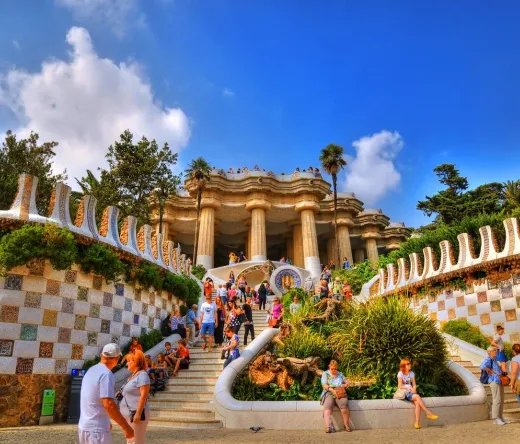
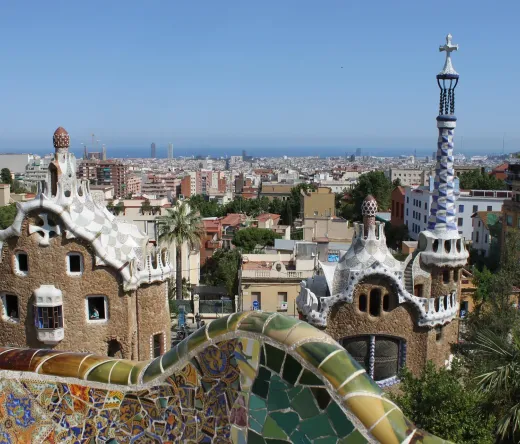
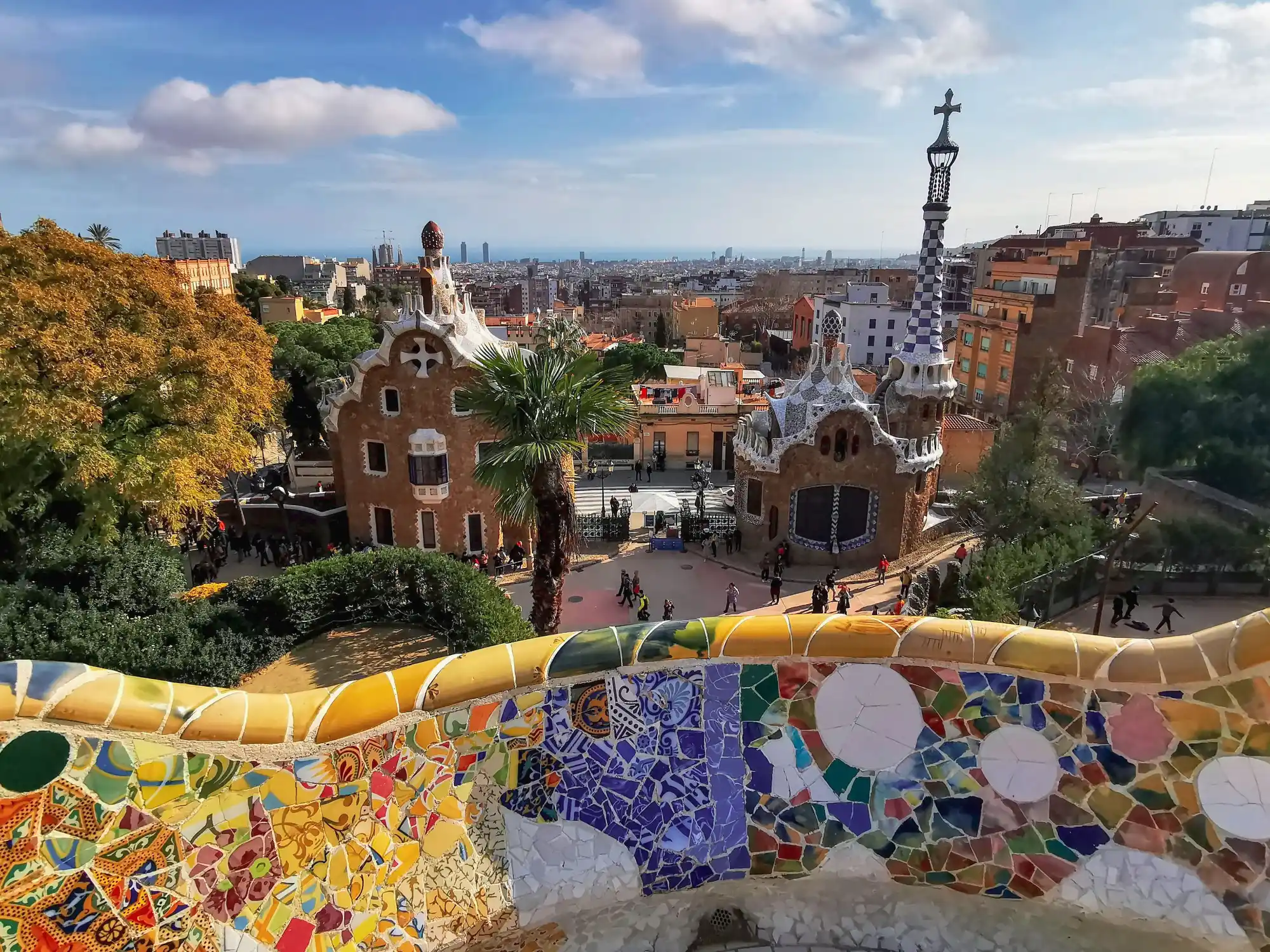
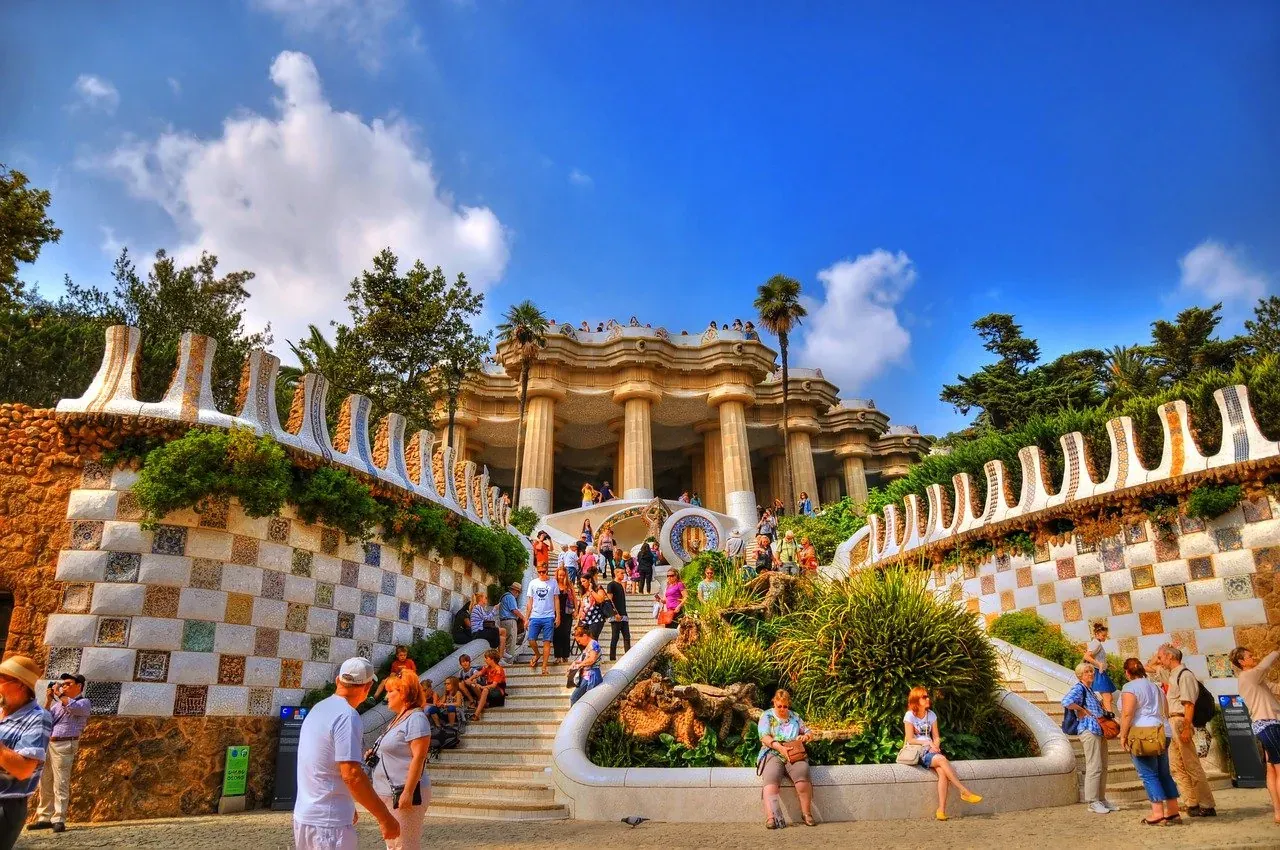
Visiting at least one Antoni Gaudí site is a classic Barcelona experience. His work helped shape the city’s visual identity, from the still-evolving Sagrada Família to Park Güell, Casa Batlló, and La Pedrera. Each site offers a different angle: religious symbolism, playful forms, domestic design, or wide city views. Even if architecture is not usually your main interest, Gaudí’s buildings are worth seeing because they are so closely tied to the character of the city. They can feel surprising, colourful, and imaginative in a way that is easy to enjoy even without knowing much background.
Book ahead where possible, especially for the best-known monuments, as entry conditions, prices, and availability can vary. If time or budget is limited, choose based on your interests: Sagrada Família for scale and meaning, Park Güell for landscape and colour, or the houses on Passeig de Gràcia for architecture within the city fabric. A Gaudí-focused walking tour can add useful context without turning the visit into a lecture. Whichever you choose, give yourself enough time to slow down and notice the shapes, textures, and small details that make the experience memorable. At Sagrada Família, the Nativity and Passion façades reward close attention, while Casa Batlló and La Pedrera are especially memorable for their rooftops, chimneys, light wells, and flowing interior details.
Try Catalan and Spanish Food Across the City
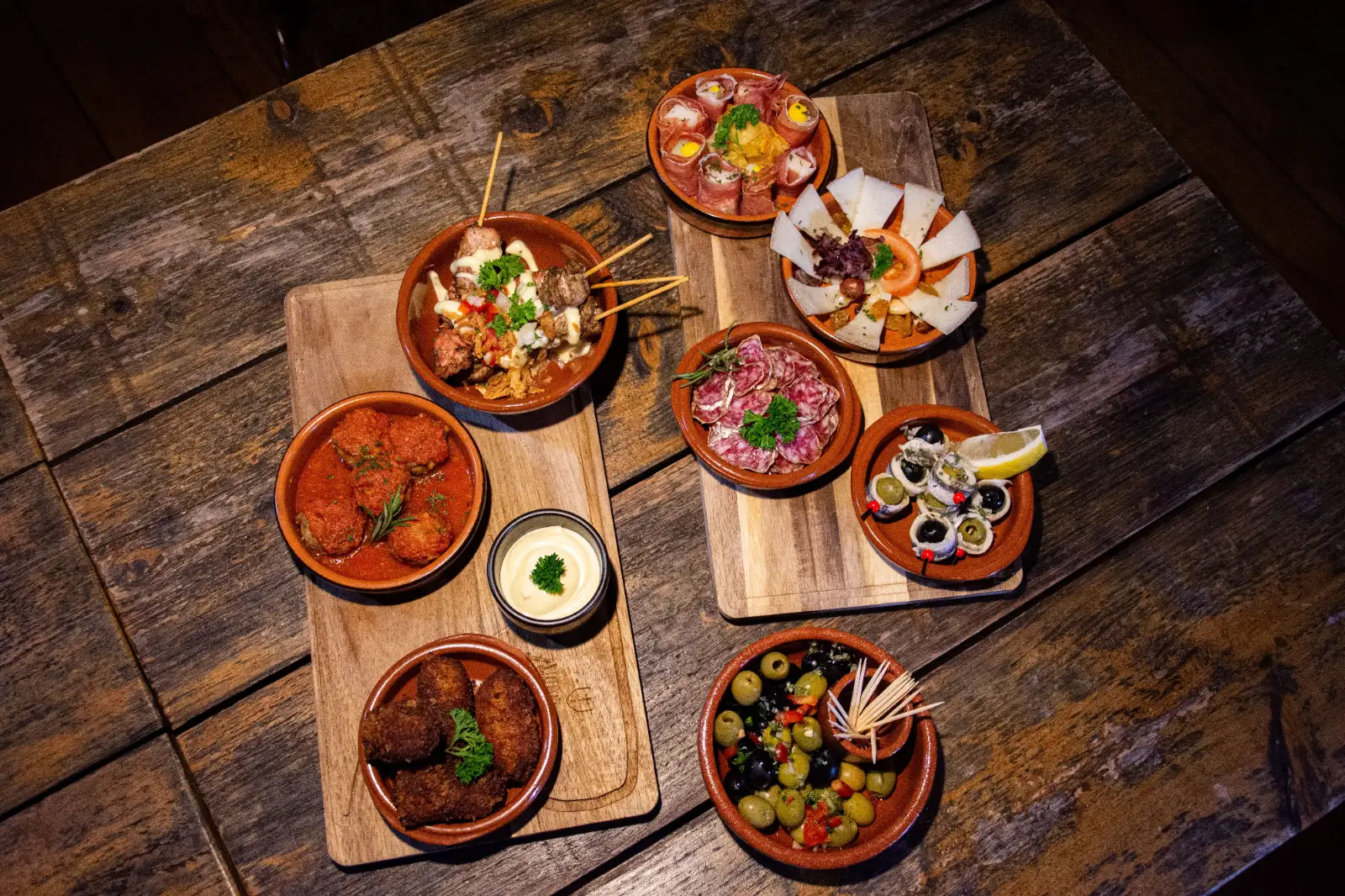
Food is not just a side activity in Barcelona; it is one of the best ways to understand daily life. Look for tapas, Catalan dishes, bakeries, market stalls, and simple local restaurants where the menu is not trying too hard to impress visitors. Markets can be useful for browsing ingredients and grabbing small bites, though the most central ones may be crowded, especially during popular visiting hours. Approach meals with curiosity, and you will usually find that even a simple snack or coffee break adds something to the day. Good things to look out for include pa amb tomàquet, bombas, escalivada, esqueixada, fideuà, crema catalana, and a glass of vermouth if you want a very local pre-meal ritual.
Meal times may be later than some travellers expect, so check opening hours before planning dinner too early. To avoid overly tourist-focused places, step away from the busiest streets, compare menus, and look for spots where locals seem comfortable lingering. It is also worth trying regional specialities when you see them, rather than only ordering familiar dishes. If you enjoy social evenings, a tapas crawl can be a relaxed way to try several places with guidance. You do not need to make every meal a big event, but leaving time for food will make your visit feel warmer and more local.
Spend Time on Montjuïc for Views, Parks, and Culture
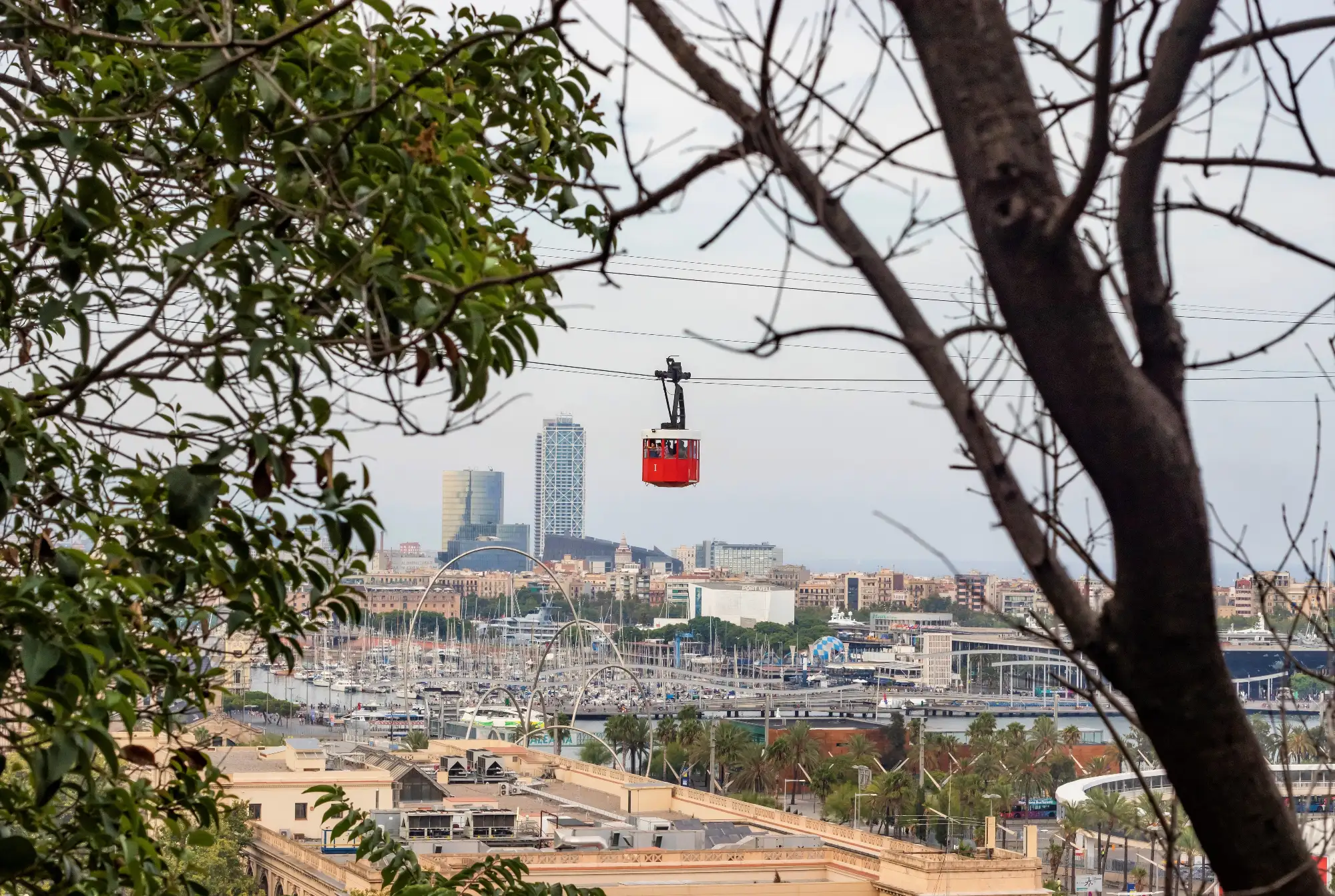
Montjuïc works best as more than a quick viewpoint. This hill above the city combines gardens, museums, Olympic sites, walking paths, and broad views over Barcelona and the sea. It is a useful change of pace after the dense streets of the centre, with more open space, quieter corners, and places where you can slow down between busier sightseeing plans. It is also a good choice when you want Barcelona to feel a little calmer without leaving the city. Specific highlights include the Castell de Montjuïc fortress, the Fundació Joan Miró, the Olympic area, Salts bar beside the former Olympic diving pool, and the Jardins de Mossèn Costa i Llobera, the cactus garden with striking plants and sea views.
The cable car from the port area is the most scenic way to get up Montjuïc.
Walk Around Gràcia: A Neighbourhood with Local Character
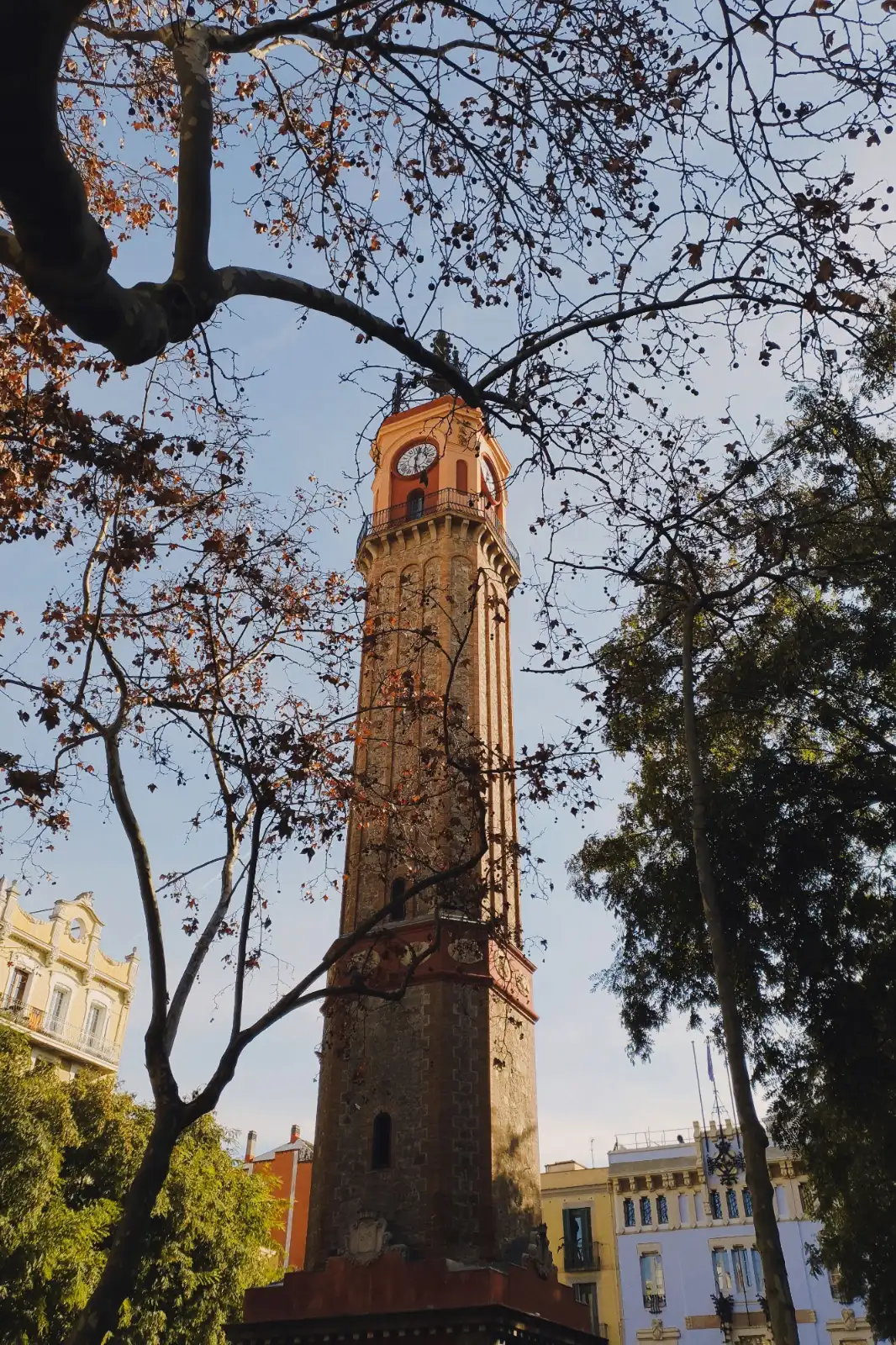
Gràcia offers a slower, more residential side of Barcelona. Its small squares, independent shops, cafés, and narrower streets make it a lovely area for wandering without a strict sightseeing agenda. It feels different from the Gothic Quarter or the grand avenues of Eixample, and that contrast is part of its appeal. Here, the experience is less about ticking off major monuments and more about noticing everyday neighbourhood life. It is the kind of place where a relaxed hour can easily turn into one of the most enjoyable parts of the day. Plaça del Sol, Plaça de la Virreina, Carrer de Verdi, and the area around the neighbourhood market are useful anchors if you want to wander with a few gentle waypoints.
It is also easy to combine Gràcia with nearby Gaudí-related plans, especially if you are visiting Park Güell or exploring modernist architecture in the wider area. Give yourself time to sit in a square, stop for coffee, or browse a small shop rather than passing through too quickly. The neighbourhood is best enjoyed at walking pace, not as a quick detour squeezed between larger attractions. If you are travelling with someone else, it is a lovely area for an unhurried conversation between stops.
Enjoy Barcelona’s Beachfront and Mediterranean Pace
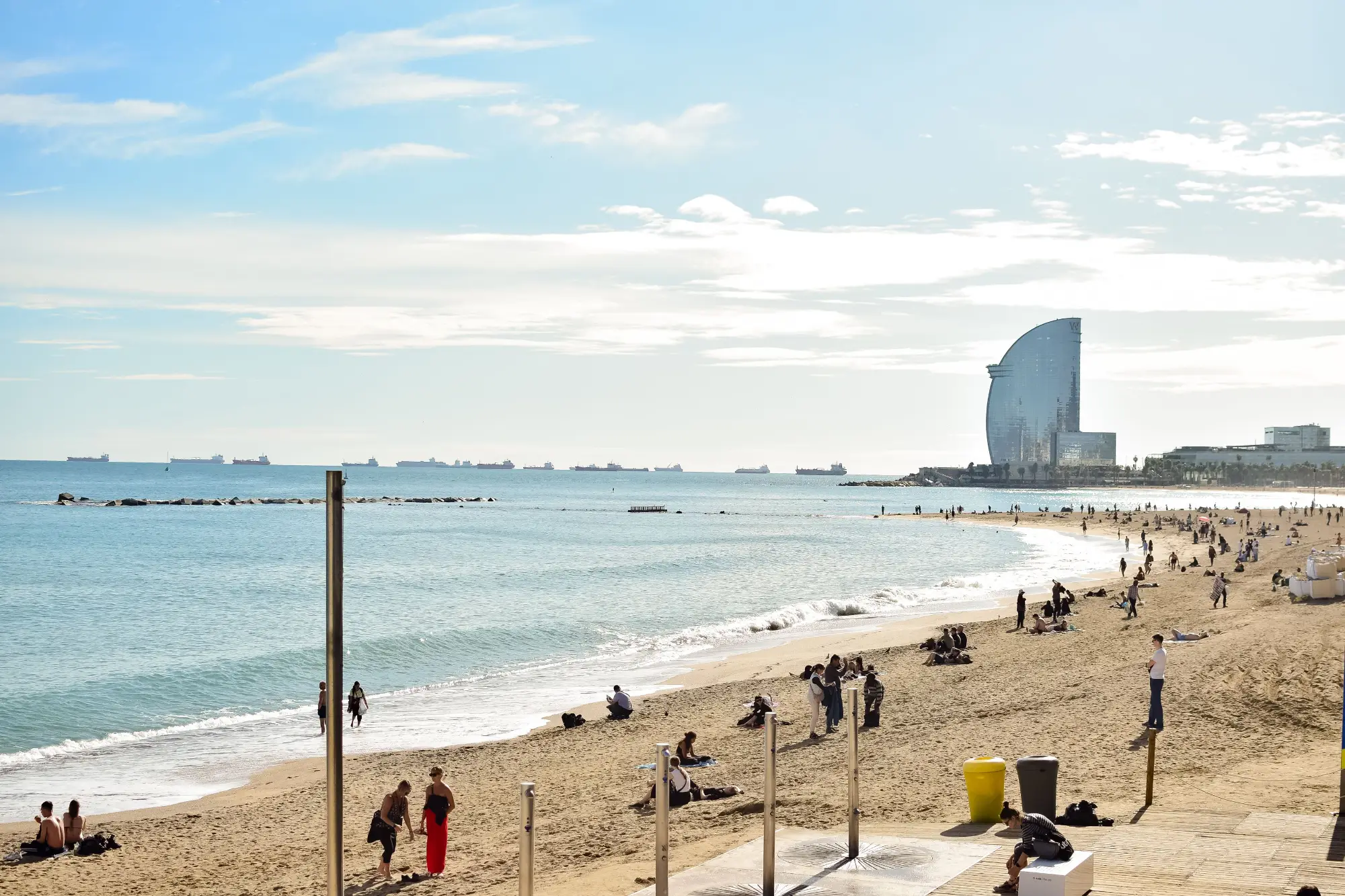
Barcelona’s beachfront adds another layer to the city: open air, sea views, long walks, and a more relaxed rhythm. You can spend time on the sand, follow the waterfront, or stop for food nearby. Even if you are not planning a beach day, the seafront is worth including for the change in atmosphere, especially after time spent in the narrow streets of the old city. It is a simple reminder that Barcelona is not only a cultural city, but also a Mediterranean one. Barceloneta is the classic and most central option, while the walk towards Nova Icària and Bogatell can feel a little more spacious and works well if you want a longer seaside stroll.
The experience depends a lot on the season and time of day. Warm months and sunny weekends can be busy, while cooler periods are often better for walking than swimming. Bring water, watch your belongings as you would in any crowded public area, and avoid planning too tightly. The beach is best when you let it slow the day down, whether that means a short walk, a quiet pause, or a longer afternoon by the sea. Even a brief visit can help reset the pace of your trip.
Barcelona’s essential experiences are strongest when they are combined thoughtfully: old streets in the morning, food when the city starts to fill, a Gaudí visit with time to look closely, and open spaces when you need a pause. You do not need to see everything at once. Choose a few areas each day, walk as much as feels comfortable, and let the city reveal itself in layers. That balance usually leads to a better first visit than any overpacked itinerary could. With a little planning and a relaxed mindset, Barcelona becomes not just easy to visit, but genuinely enjoyable to settle into for a while.

Written by
Dara Gilroy
Dara is a history and politics graduate who has been guiding with Walkative! since 2022. After living in Berlin and London, he settled in Barcelona, where he leads tours exploring the city's history, both conventional and unconventional. He has also helped launch tours in Madrid, Lisbon, and Athens.
Related stories
Culture • Practical Tips • History • 5 min. read
Barcelona's Urban Oases: Parks, Gardens, and Green Spaces
Escape the city buzz! Discover Barcelona's hidden green gems, from historic parks to panoramic viewpoints. Your guide to urban oases awaits!
Culture • History • 6 min. read
Gaudí's Year: Casa Batlló, Gaudí's UNESCO Landmark
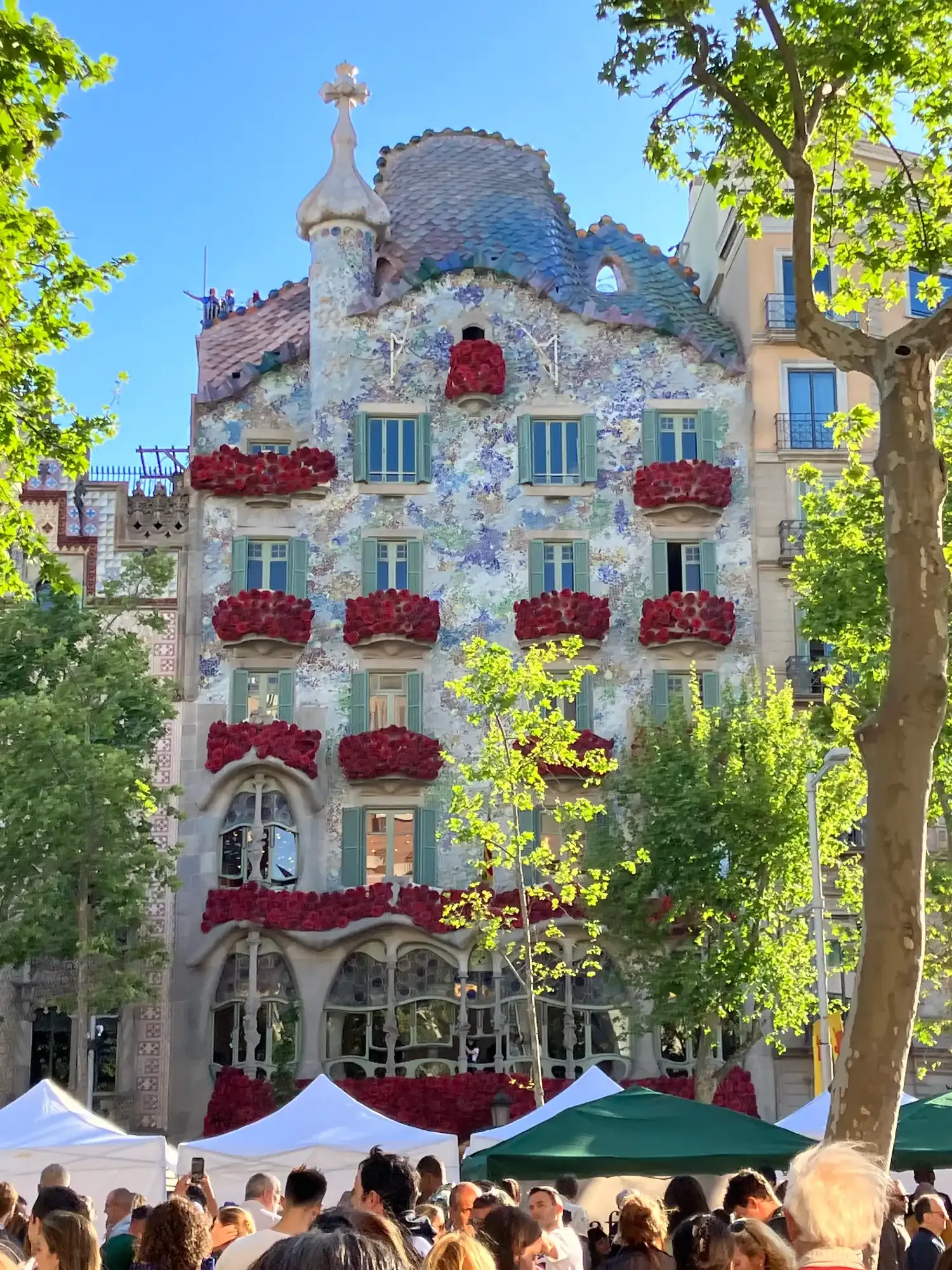
Stand in the middle of Passeig de Gràcia and look up at a façade that seems to shift like the surface of the sea. Instead of working from rigid blueprints, Antoni Gaudí directed the 1904 redesign of Casa Batlló on site, adjusting colored glass and ceramics by eye. This highly intuitive approach transformed a standard Barcelona apartment block into an aquatic landscape of light, gradient tiles, and ergonomic design.
Practical Tips • Tours • 7 min. read
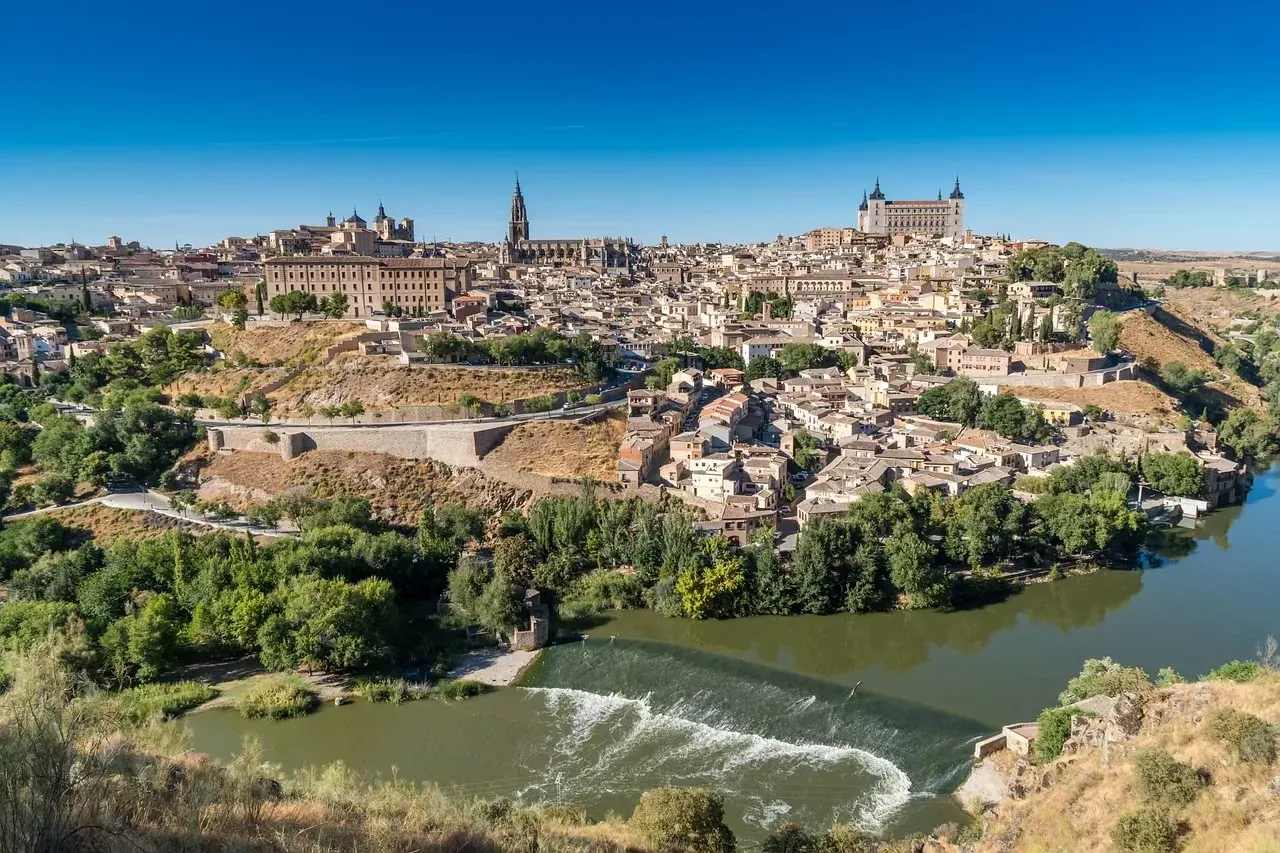
Sightseeing in Spain: Top tourist attractions you need to visit
Read our tips for the top destinations in Spain. From architecture to food, beaches to history, Spain really does have it all!
Culture • History • 5 min. read
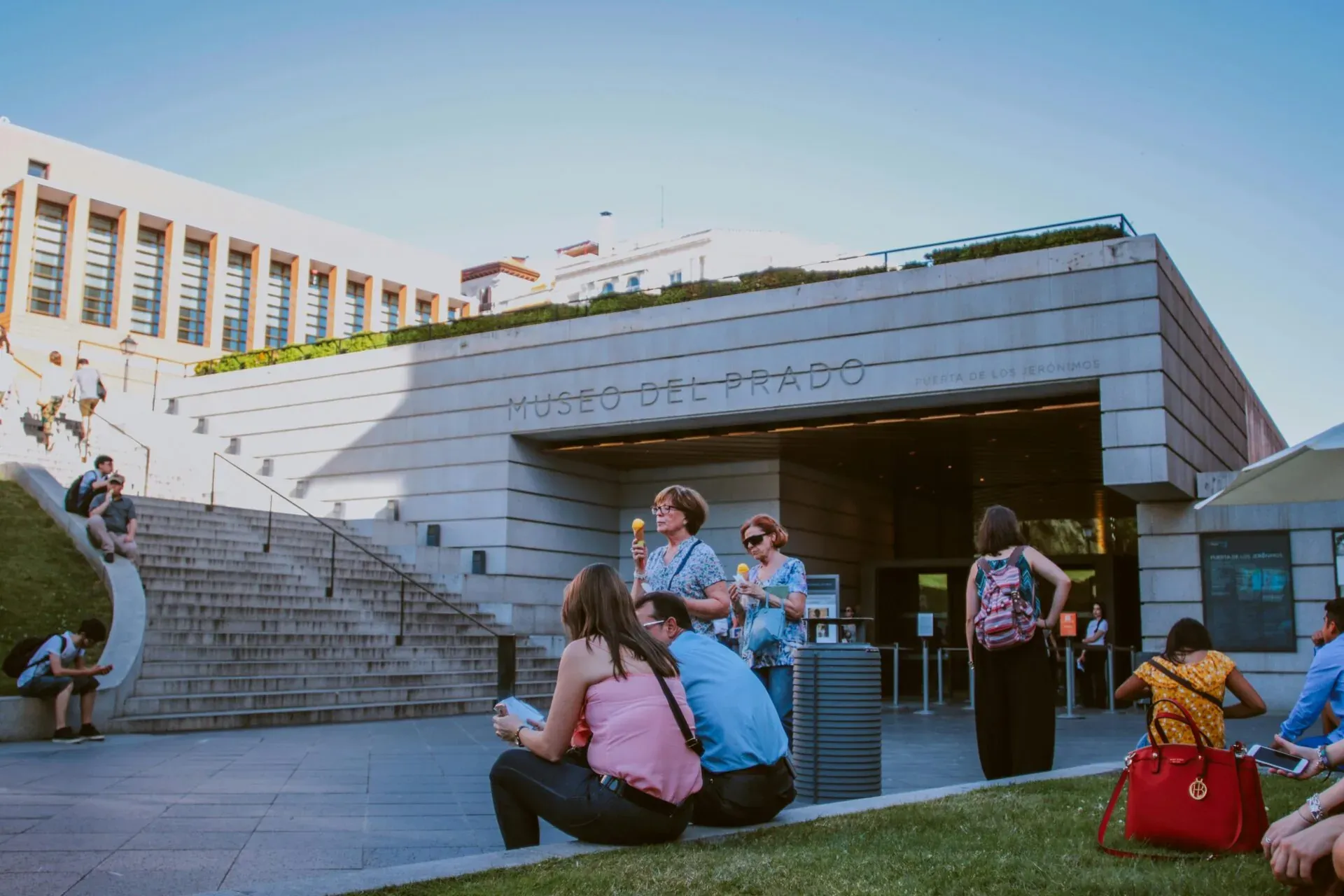
A Guide to Madrid’s Museums: Art, History, and Royal Splendor
Explore Madrid’s top museums: Prado’s Las Meninas, Reina Sofía’s Guernica, Archaeological Museum mosaics, plus Cerralbo and Royal Palace.
History • 6 min. read
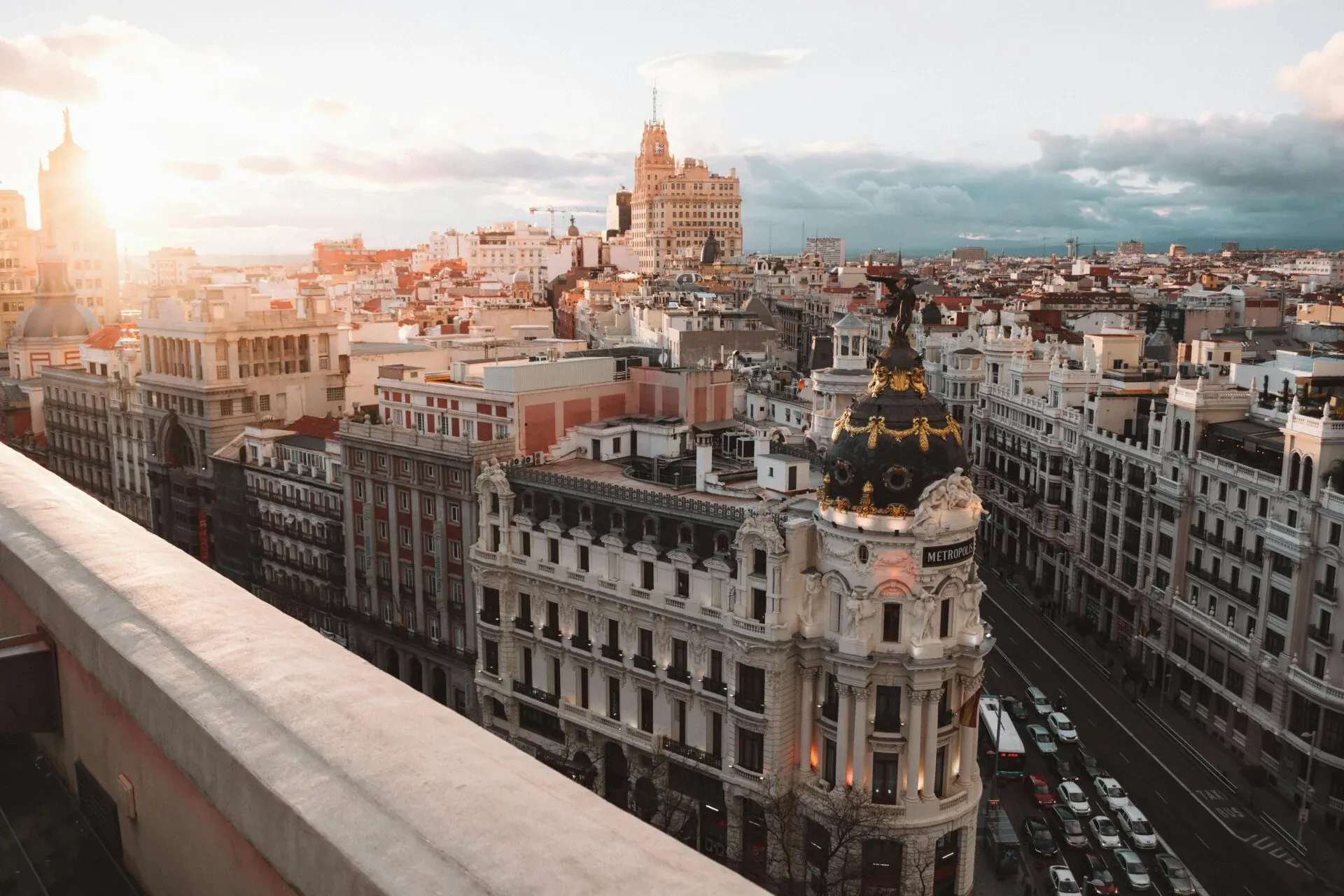
Madrid Magic: A 3-Day Adventure
From flamenco to tapas, from landmarks to hidden gems, our 3-day itinerary will guide you through the city’s best offerings. Ready to discover the magic of Madrid? Let’s go!