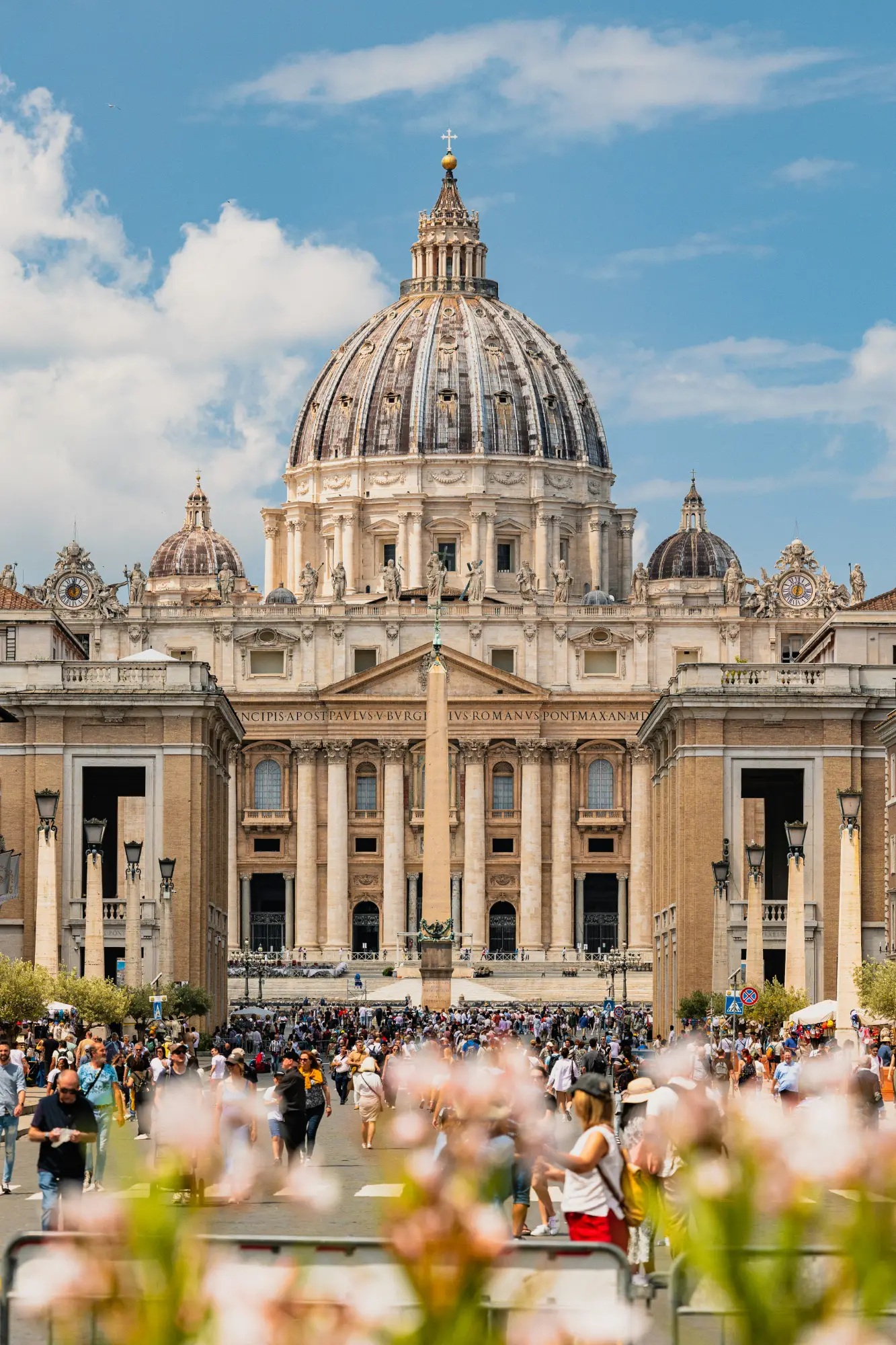
When is Easter in Rome 2026? A Guide to Holy Week
Discover the essential dates and traditions for Easter in Rome 2026. From the Colosseum's Via Crucis to Vatican Mass, prepare for Holy Week with our practical travel guide.
Culture • Practical Tips • 5 min. read
Easter in Rome: Where Springtime Blooms Meet Timeless Traditions
There are few places in the world where Easter feels as profound, layered, and atmospheric as in Rome. In 2026, the Eternal City once again becomes the spiritual heart of the Catholic world, drawing pilgrims, travelers, and the simply curious into a week where ancient rituals meets everyday Italian life. Experiencing Easter here requires preparation, but it provides a unique window into traditions that have shaped the city for centuries.
When is Easter in Rome 2026?
In 2026, Easter Sunday falls on April 5. The ceremonial period, known locally as Settimana Santa (Holy Week), begins earlier with Palm Sunday on March 29 and runs through the Easter weekend. This specific timeframe represents one of the most significant periods in the Christian calendar and nowhere is it more ceremonially rich than in Vatican City and Rome. During this week, the focus of the Catholic world shifts almost entirely to Vatican, setting the stage for days of complex, centuries-old ceremonies. To gain a deeper understanding of the history and significance behind these Easter traditions, joining a guided Vatican tour is the perfect way to experience it firsthand.
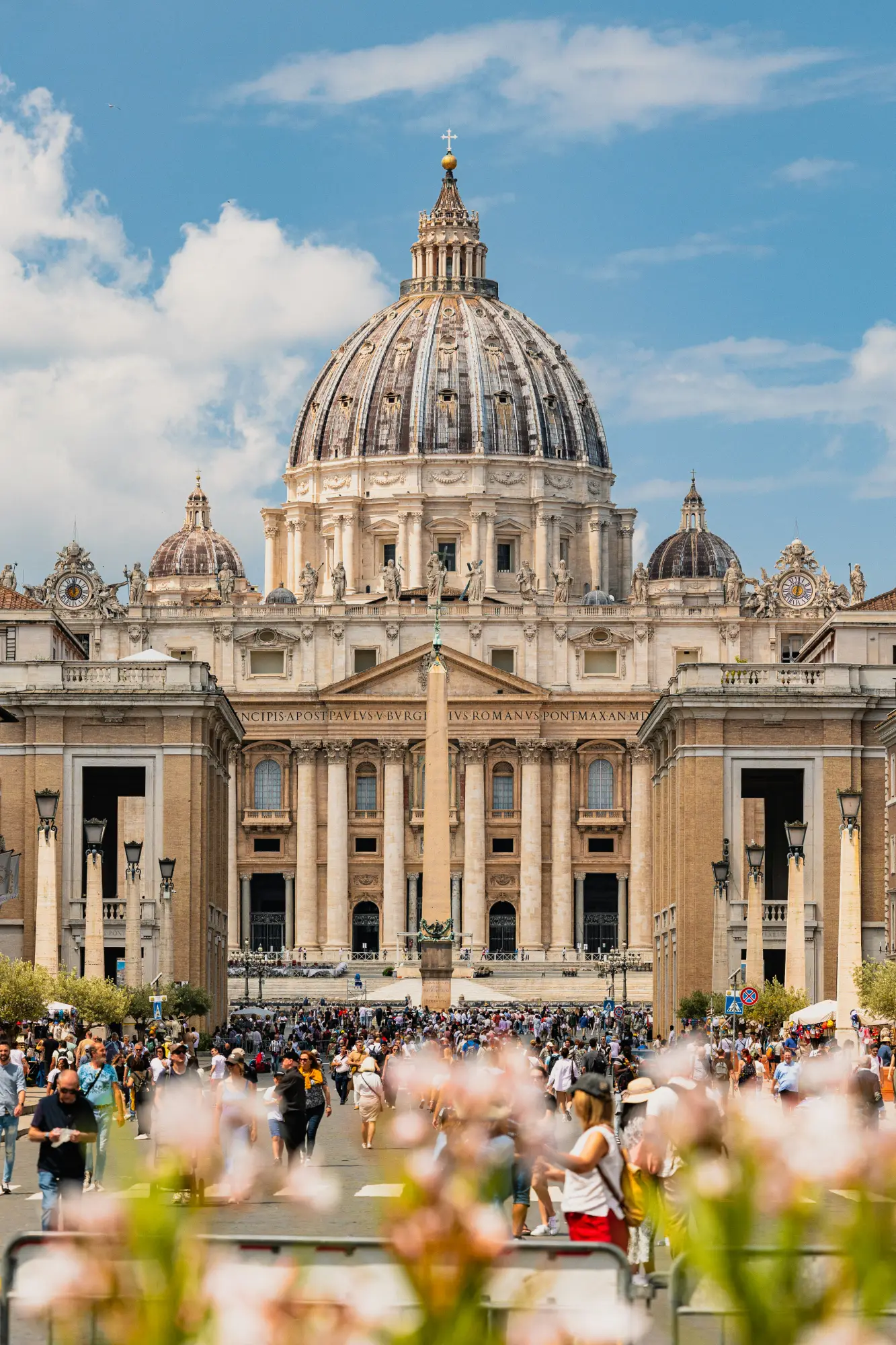
Easter in the Vatican is a busy time with the visitors and the religious ceremonies.
The Schedule of Holy Week Events
The rhythm of Holy Week builds progressively. It begins on March 29 with Palm Sunday, featuring a celebratory open-air Mass led by the Pope in St. Peter’s Square where palm branches are blessed. On Holy Thursday (April 2), the sacred Easter Triduum starts with the Chrism Mass and the Mass of the Lord’s Supper.
Good Friday (April 3) brings a solemn tone, highlighted by the Via Crucis (Way of the Cross)—a powerful, torchlit procession at the Colosseum. Following the quiet anticipation of Holy Saturday and its evening Easter Vigil in St. Peter’s Basilica, the week reaches its peak on Easter Sunday. Thousands gather for a massive open-air Mass in St. Peter’s Square to receive the Pope’s Urbi et Orbi ("to the city and to the world") blessing from the basilica balcony.
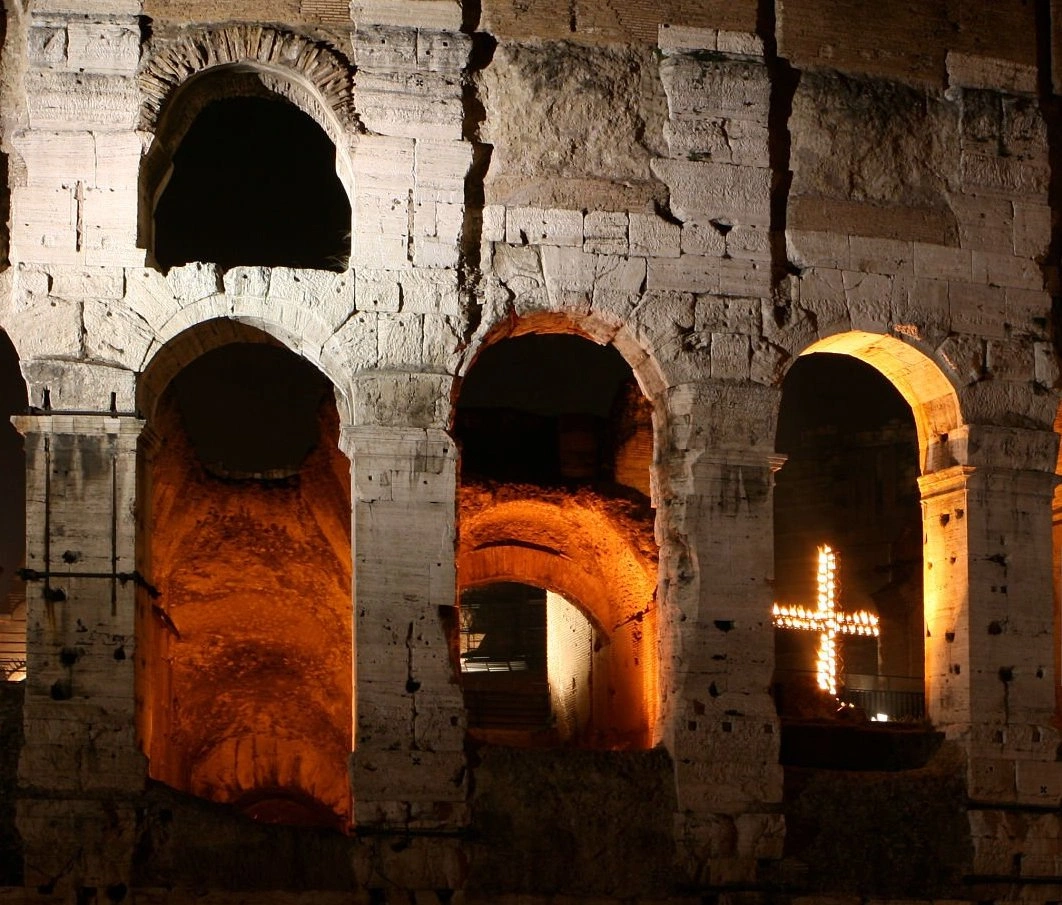
Via Crucis takes place every year on the evening of Good Friday, when the Pope leads a candlelit procession recalling the Passion of Christ, moving through the Colosseum and surrounding area.
Roman Easter Traditions and Pasquetta
While the Vatican draws international attention, Easter has a deeply local side for Romans. The holiday is joyfully social, often centered around long Sunday lunches with families. Traditional seasonal foods appear on tables and in bakery windows across the city, including roasted lamb and colomba, a classic dove-shaped Easter cake.
While the largest crowds gather around Vatican area, it’s easy to find a quieter, more intimate side of Rome just a short walk away. Wandering through neighborhoods like the Jewish Ghetto and Trastevere offers a chance to soak up authentic Roman life and savor seasonal spring specialties such as carciofi alla giudia. Our guided walking tour From Jewish Ghetto to Trastevere through these historic districts is a wonderful way to experience local traditions, hidden corners, and the city’s rich culinary culture at a more relaxed pace.
The celebrations extend into Easter Monday, locally known as Pasquetta. On this day, Romans traditionally head outdoors, leaving the city center for picnics and day trips in the surrounding countryside. It is a time for relaxation, marking the arrival of spring alongside the conclusion of the religious festivities. For those staying in Rome, a perfect way to share in this atmosphere is by joining our Sunset tour and strolling through the gardens of Villa Borghese, where golden spring light and blooming landscapes offer one of the city’s most enchanting springtime experiences.
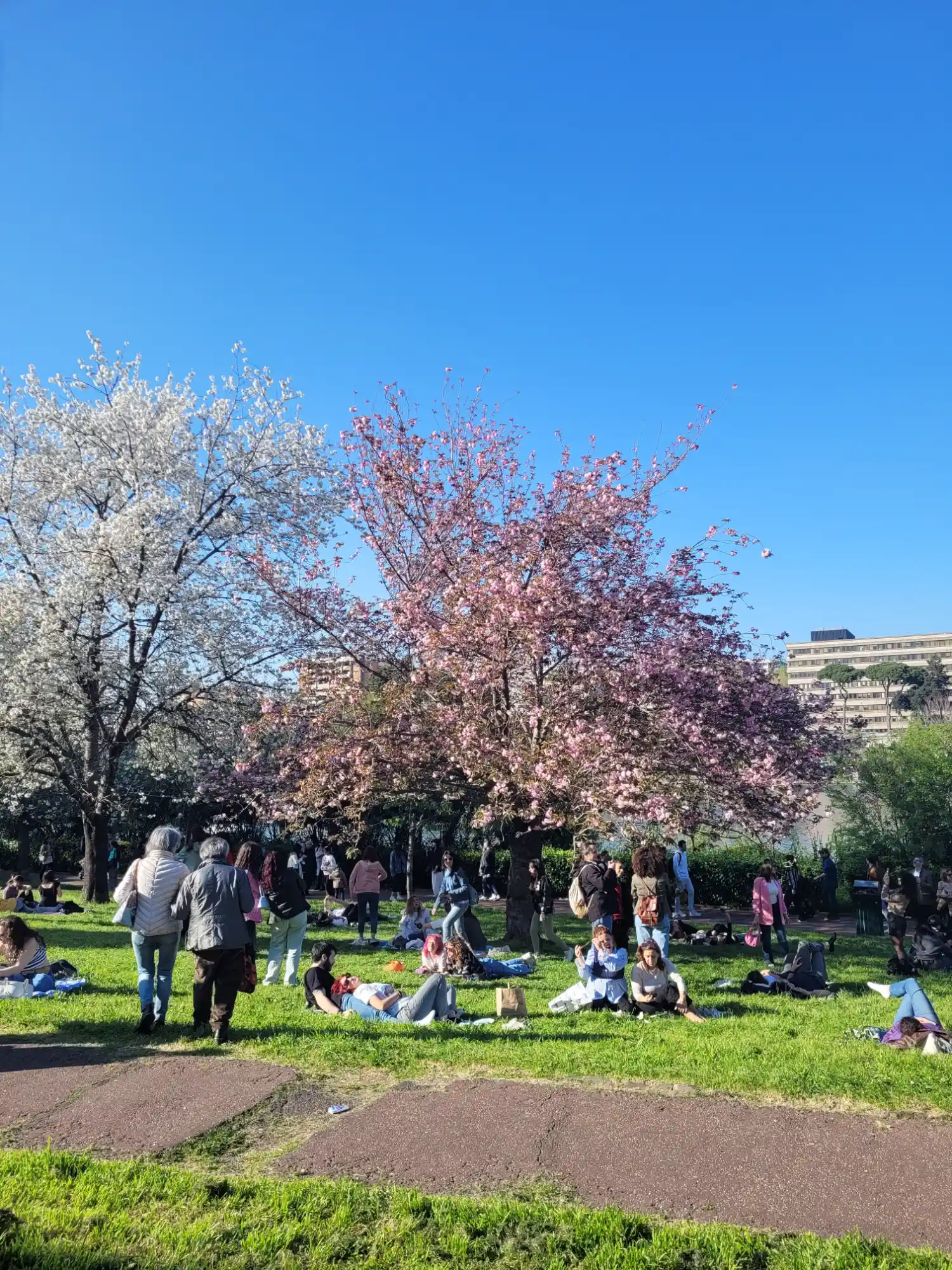
On Easter Monday (Pasquetta), locals leave the historic streets behind for relaxed outdoor picnics with friends and family in parks such as Laghetto dell'EUR, where blankets, homemade food, and music fill the day with a sense of springtime togetherness beneath blooming cherry trees.
Practical Tips for Your Easter Visit
A fascinating duality defines Rome during Holy Week. Easter is one of the busiest times of year in Rome, so it’s important to plan with crowds and logistics in mind. Expect large gatherings, especially around St. Peter’s Square and St. Peter’s Basilica, where major ceremonies take place and security checks can cause long waits. When navigating events, understand that while most papal ceremonies are free, they require reserved tickets due to limited seating. Large outdoor spaces, like St. Peter’s Square, offer free access without tickets, but you should arrive two to three hours early to secure a spot.
Keep practical limitations in mind. Some attractions will have reduced hours, and the Vatican Museums are entirely closed on Easter Sunday. Finally, respectful dress is mandatory. When entering churches or attending Vatican ceremonies, modest attire is strictly enforced—ensure both your shoulders and knees are covered at all times.
Easter in Rome is undeniably one of the most challenging times to navigate the city, requiring patience and flexibility. Yet, the reward is an unforgettable experience. Whether you are observing the flicker of candlelight against ancient marble or enjoying a quiet spring evening before Easter morning bells ring, visiting Rome in early April 2026 offers a front-row seat to a living, historic tradition. We at Walkative look forward to helping you discover the magic of Easter in Rome—come experience the city’s history, traditions, and springtime charm with us!
Related stories
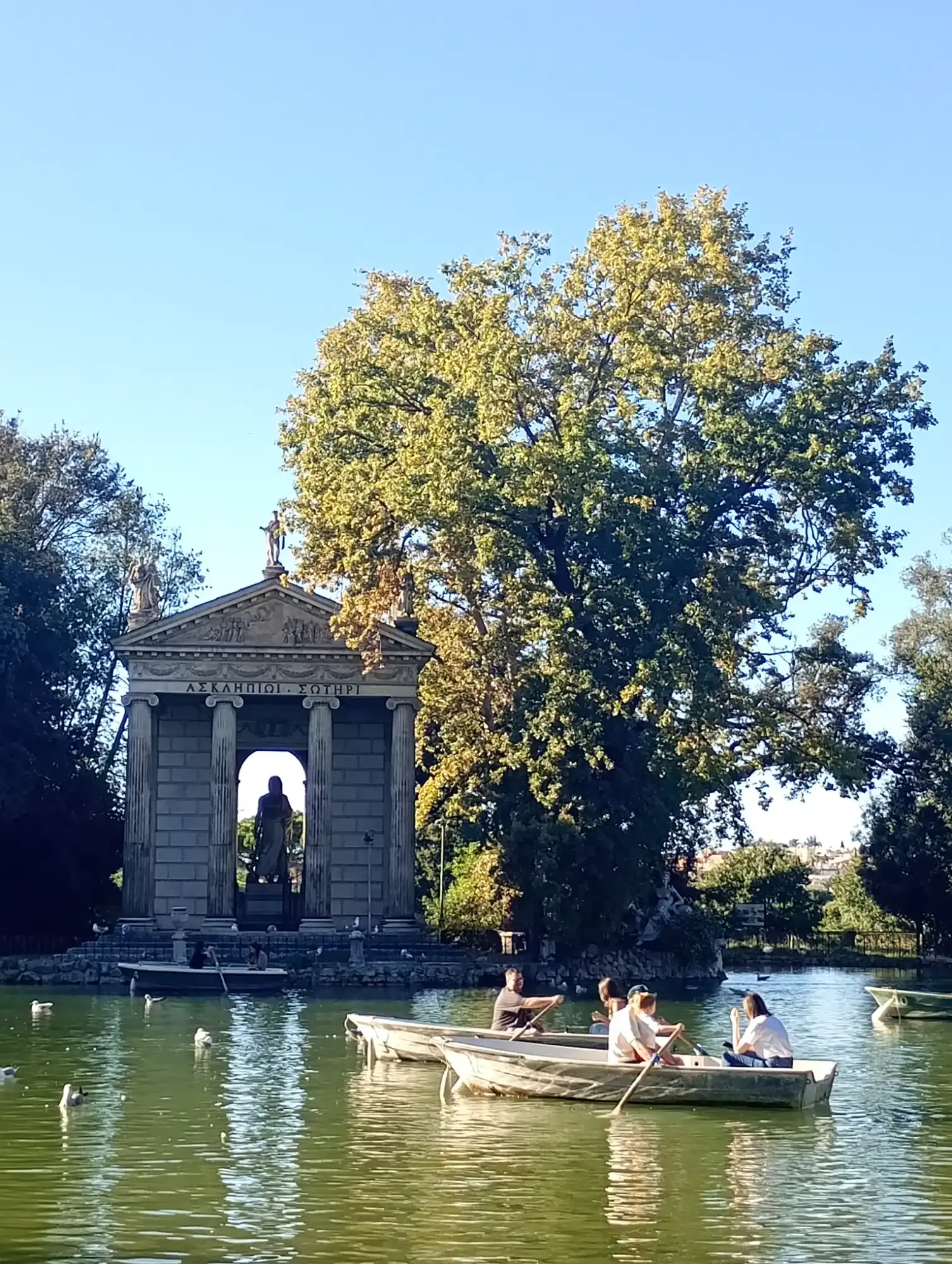
Culture • Practical Tips • History • 8 min. read
Rome’s Best-Kept Green Secrets — Discover the Parks, Gardens, and Natural Reserves of the Eternal City
Did you know that Rome is one of Europe’s greenest capitals? While the Eternal City is rightly celebrated for its ancient heart, picturesque cobblestone streets, grandiose baroque fountains and lively piazzas, beyond the famous monuments and bustling hotspots lies another side of the Eternal City — Rome that is greener, quieter, and unexpectedly spacious. Here, grand aristocratic villa gardens stretch beneath umbrella pines, panoramic hilltops open onto sweeping views, and ancient roads wind through wildflower-filled meadows dotted with crumbling tombs. From the manicured elegance of Villa Borghese to the fragrant rose and citrus gardens of the Aventine Hill; from the breathtaking terraces of Gianicolo and Monte Mario to the timeless, history-steeped paths of the Appia Antica Regional Park, Rome reveals a softer, more relaxed rhythm of local life, where history escapes the confines of museum walls — it rises from the grass beneath your feet, frames the horizon at sunset, and lines the paths where Romans jog, picnic and gather with family.
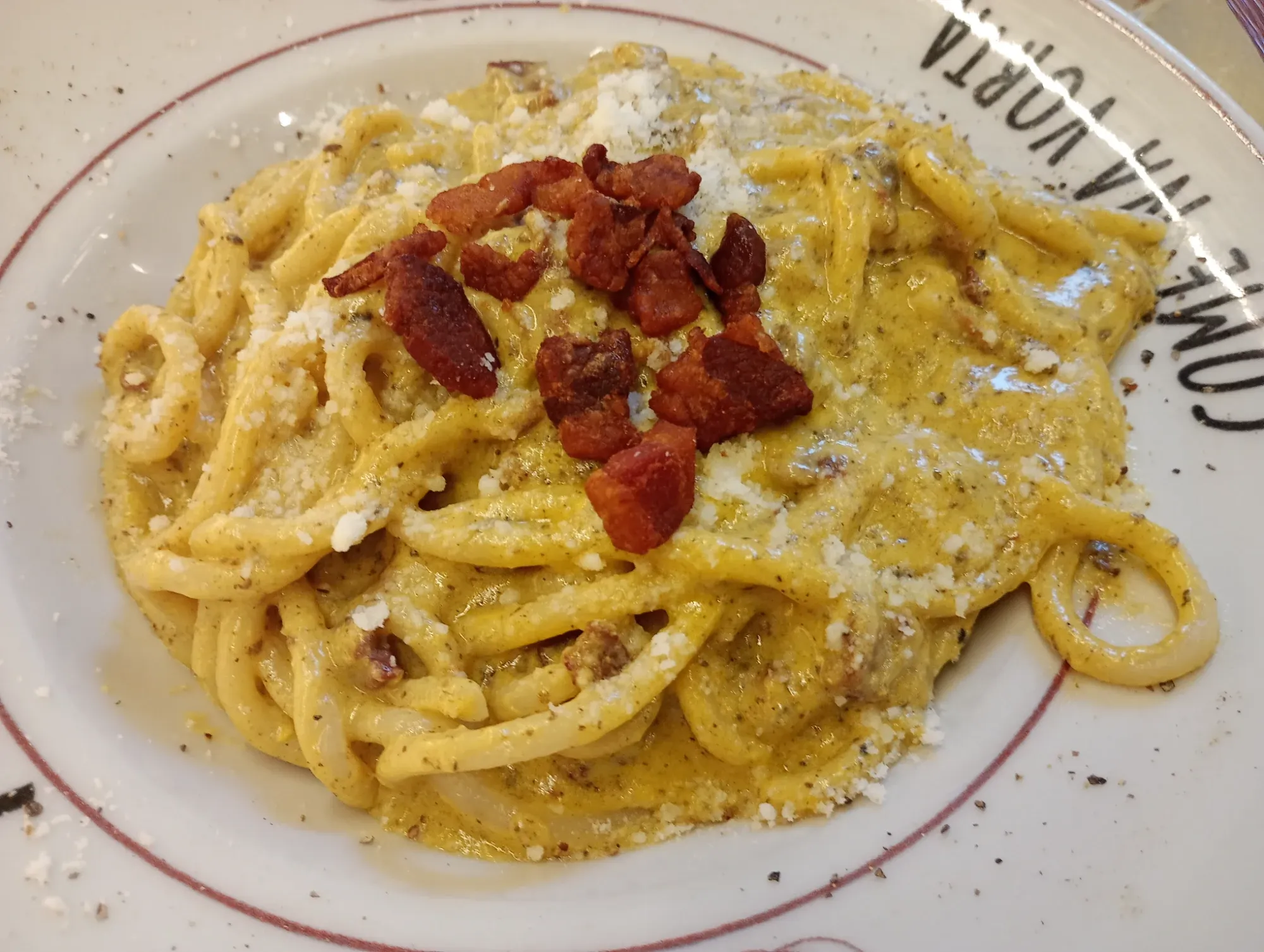
Practical Tips • Food • 10 min. read
Food Lover’s Rome – A Culinary Guide to the Eternal City
Explore Rome's culinary delights. Discover authentic trattorias, navigate local markets, and taste traditional dishes with this essential food guide.
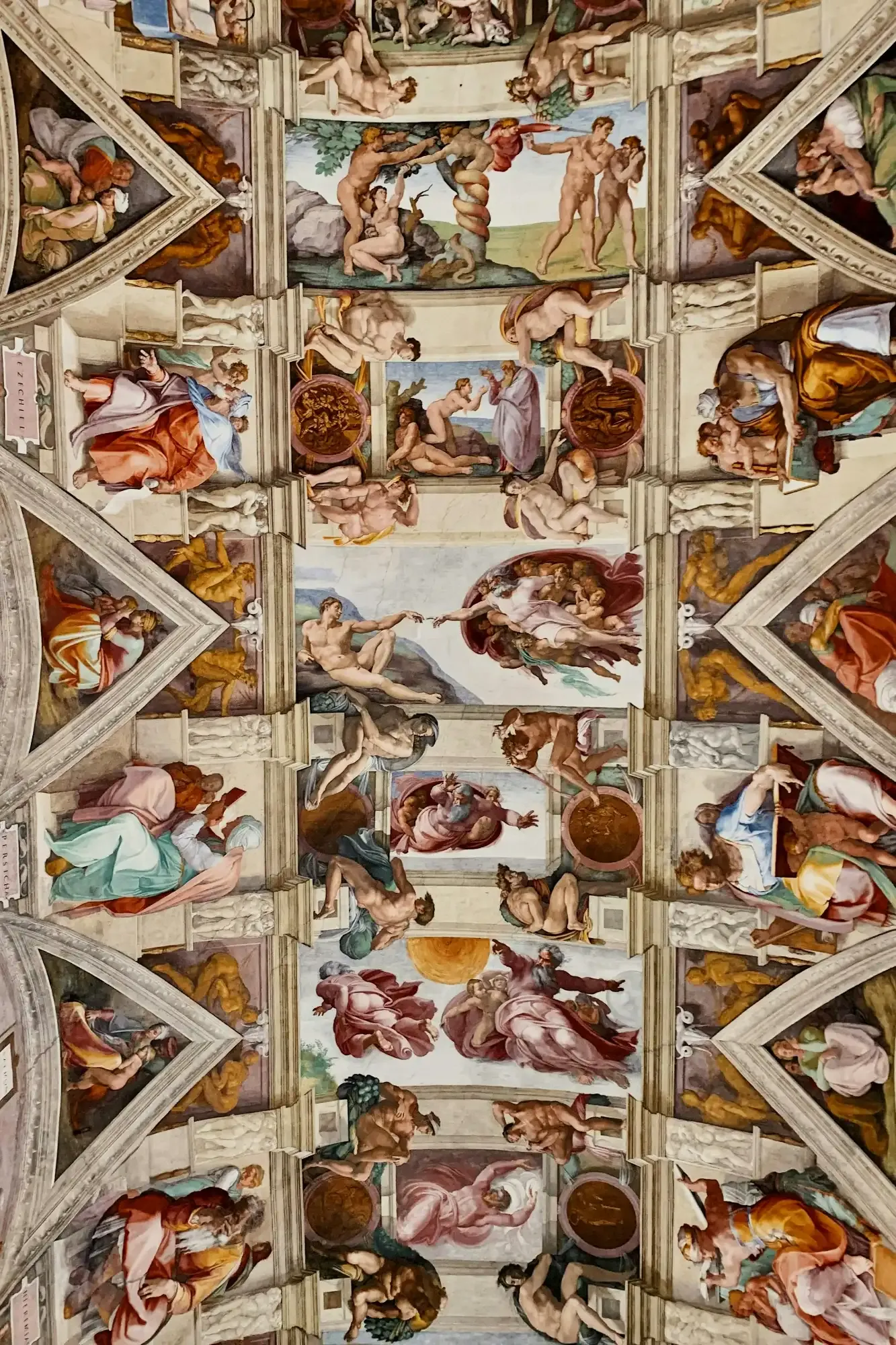
Culture • Practical Tips • History • 8 min. read
A Practical Guide to Visiting the Vatican: Tips from you Local Walkative Guide
Planning a trip to Vatican City and not sure where to begin? You’re in the right place!
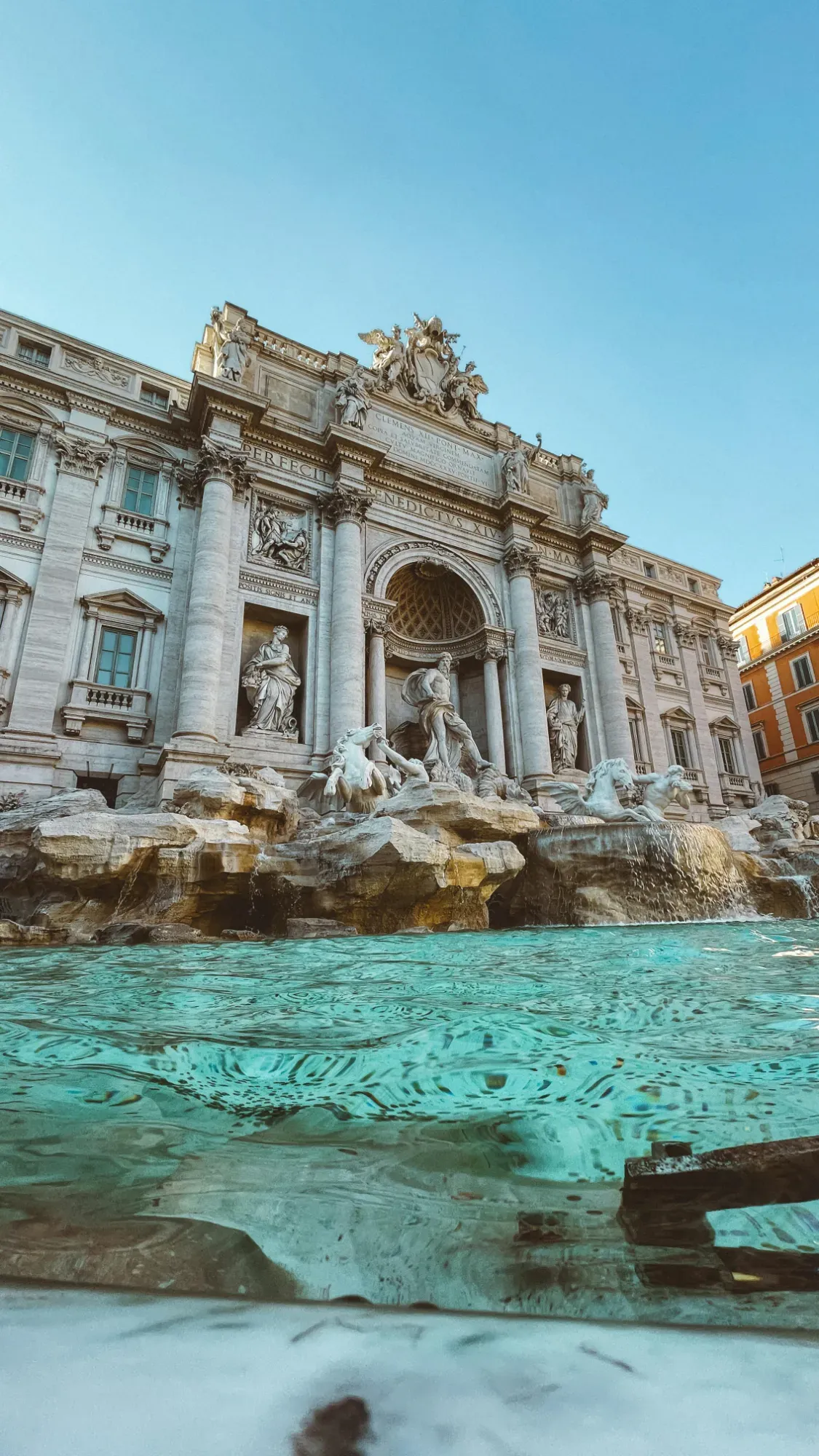
Culture • Practical Tips • History • 7 min. read
Exploring the Ancient Roots of Rome's Water System and Free Fountains
Explore Rome's enduring water legacy. From ancient aqueducts to modern free nasoni fountains, discover how this unbroken engineering tradition still quenches the city's thirst today.

Culture • Practical Tips • 7 min. read
Comprehensive guide to navigating Nice, France: From airport and train station to exploring the city and beyond
Navigate Nice, France: airport & train transfers, public transport tips, city neighborhoods, day trips, and practical advice for travelers.