Five Standout Lisbon Museums: Where to Find Art, History, and Gardens
The 1755 earthquake left the Carmo Convent with a collapsed roof and striking open-air Gothic arches, creating one of the most distinctly illuminated spaces in Lisbon. Beyond these dramatic ruins, the Portuguese capital holds vast collections ranging from centuries-old azulejo tiles to royal diamonds secured in modern vaults. Selecting which cultural space to visit often depends on whether you prefer wandering shaded gardens, studying architectural history, or interacting with seismic simulators.
Culture • History • 4 min. read
Lisbon is a city where history isn't just locked away in dusty rooms; it lives in the streets, gardens, and carefully curated spaces scattered across its hills. While wandering the cobblestones is a great way to get a feel for the capital, stepping inside its museums offers a deeper understanding of what makes Portugal tick. Whether you are looking for dramatic ruins, quiet gardens, or a closer look at the country's fascinating past, the city has a space to suit your pace. Here is a relaxed guide to five of Lisbon's standout museums, each offering a distinct way to experience the local culture.
Best for Photography: Carmo Archaeological Museum
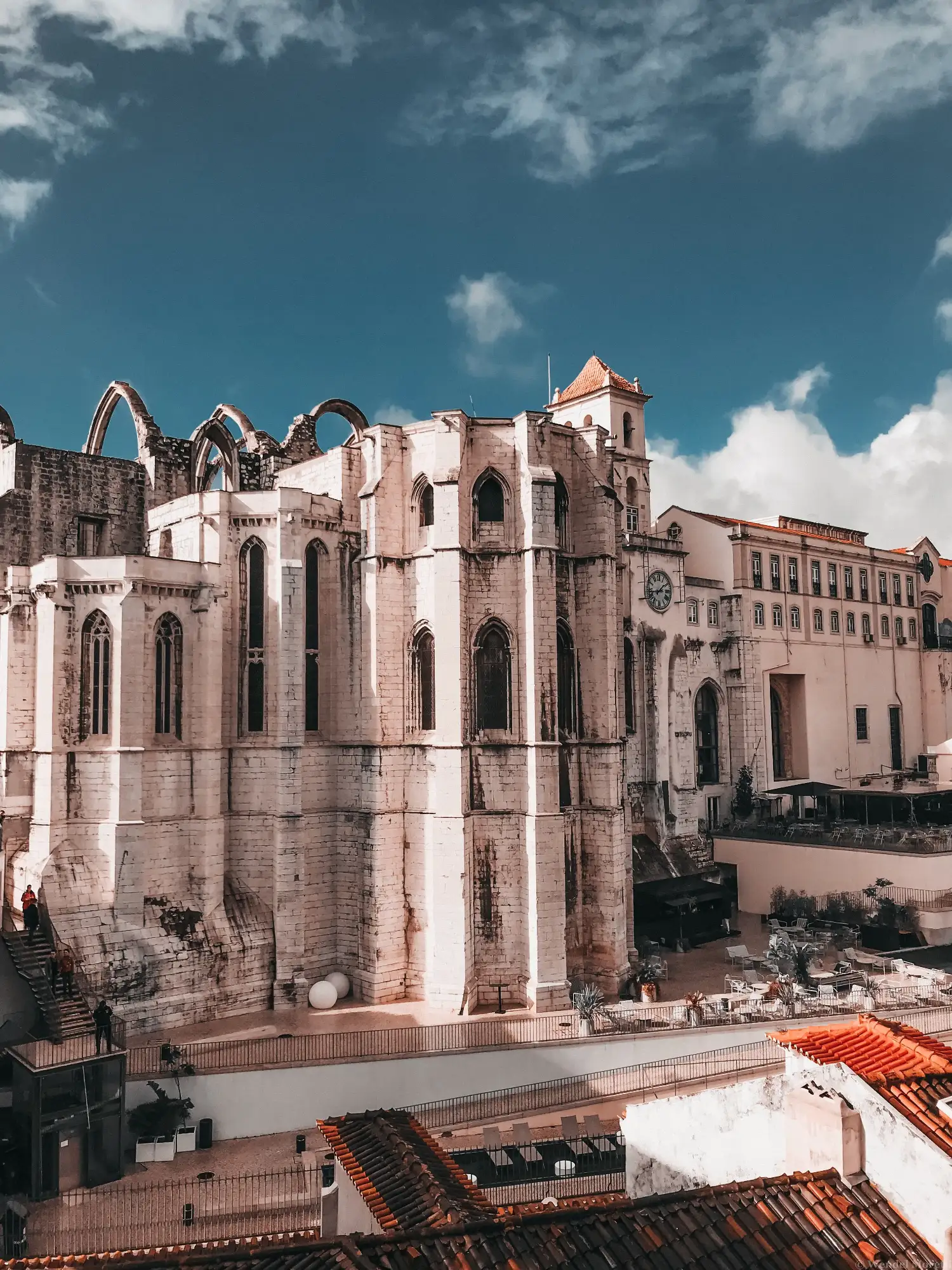
Sitting high above the Baixa district, the Carmo Convent is a striking visual reminder of the devastating 1755 earthquake. Its roof collapsed during the tremor, leaving behind dramatic, open-air Gothic arches that frame the bright Lisbon sky. This unique structure creates fantastic natural lighting and captivating shadows throughout the day, making it an excellent spot for photography.
The small archaeological museum inside houses an eclectic mix of historical artifacts, but the real draw is the building itself. If you are exploring on a guided walking tour of downtown Lisbon, this ruin is often a memorable stop that helps contextualize the city's dramatic history before you snap a few photos.
Best Gardens and Outdoor Space: Calouste Gulbenkian Museum
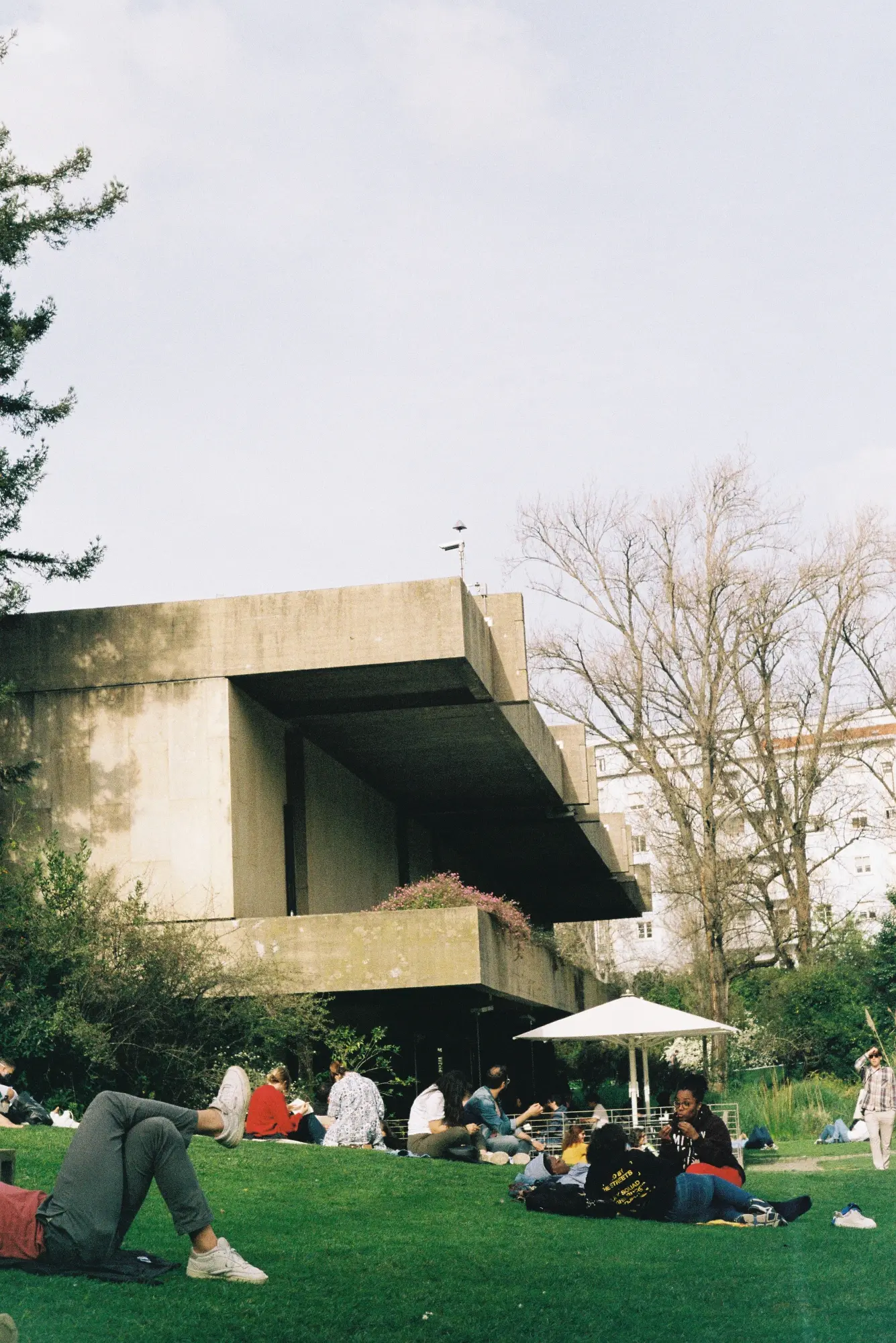
When you need a break from the busy city streets, the Calouste Gulbenkian Museum offers a brilliant combination of world-class art and expansive green spaces. The brutalist museum building sits within a beautifully landscaped park featuring shaded pathways, quiet ponds, and grassy lawns where locals frequently come to relax.
The gardens are designed to complement the museum's impressive art collection, blurring the lines between indoor galleries and the natural world outside. It is the perfect place to spend a slow afternoon, taking in a bit of culture before unwinding on a bench by the water.
Best Interactive Experience: Quake - Lisbon Earthquake Centre

The 1755 earthquake changed Lisbon forever, reshaping its streets and its society. Quake – Lisbon Earthquake Centre takes this pivotal historical event and turns it into a highly immersive, hands-on educational experience. Rather than just reading traditional plaques, visitors walk through interactive exhibits and simulators that recreate the sights, sounds, and tremors of that fateful day.
It is a modern, engaging way to understand the sheer scale of the disaster and how the city was rebuilt. This museum is particularly effective at making history tangible, offering a clear and factual look at the seismic forces that literally moved the ground beneath Portugal.
Most Exclusive and Luxurious: Royal Treasury Museum
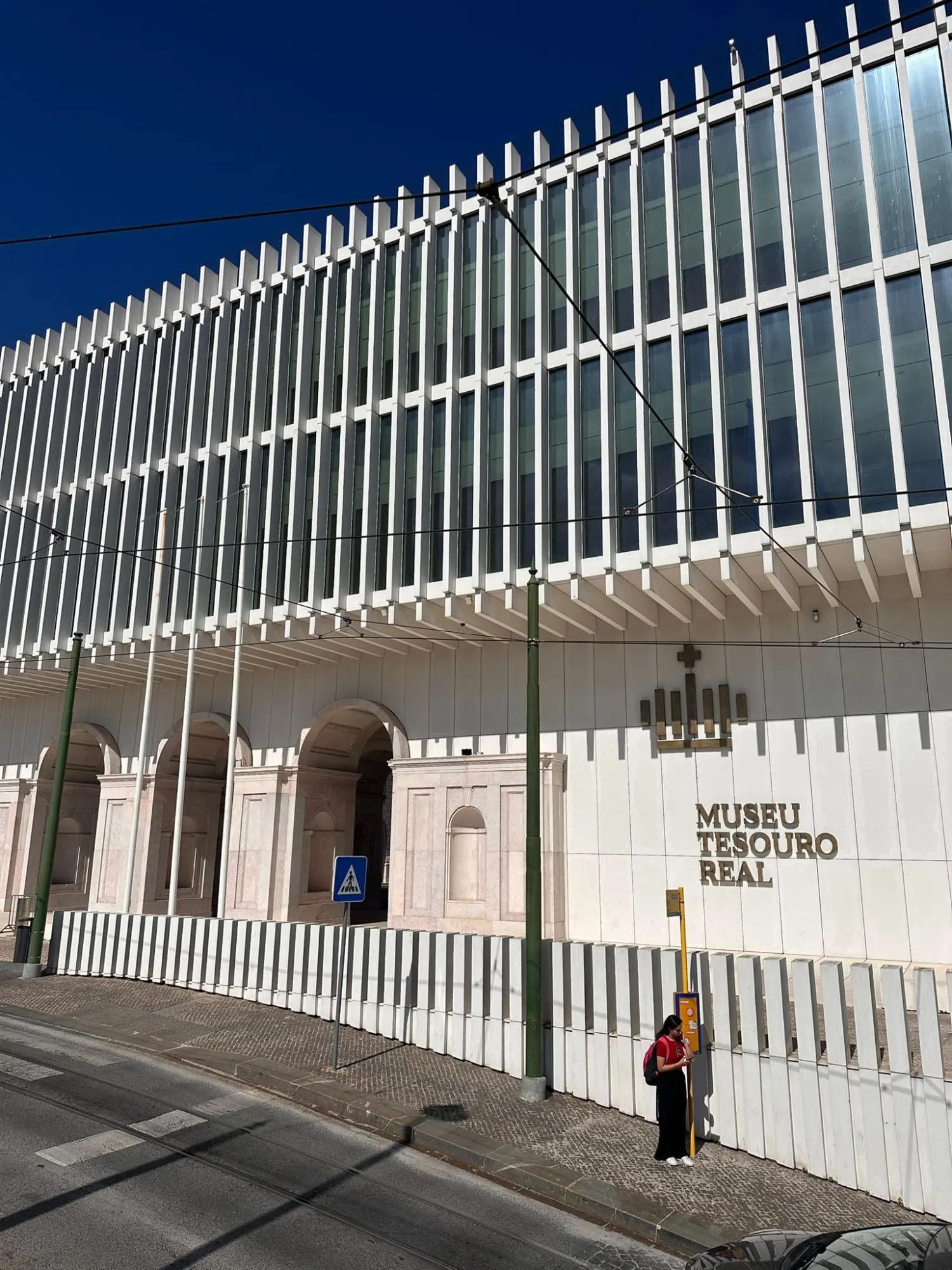
Housed in a heavily secured, contemporary wing of the Palácio Nacional da Ajuda, the Royal Treasury Museum is a literal vault of Portuguese history. This modern museum displays the accumulated wealth of the Portuguese monarchy, including intricately crafted crown jewels, solid gold tableware, and rare gems brought back during the Age of Discoveries.
The sheer volume of gold and diamonds provides a stark look at the immense resources the royal family once commanded. It is an exclusive, quiet space where you can get a close look at the luxurious artifacts that shaped Portugal's royal court over the centuries.
Most Traditional and Representative of Portuguese Culture: National Tile Museum
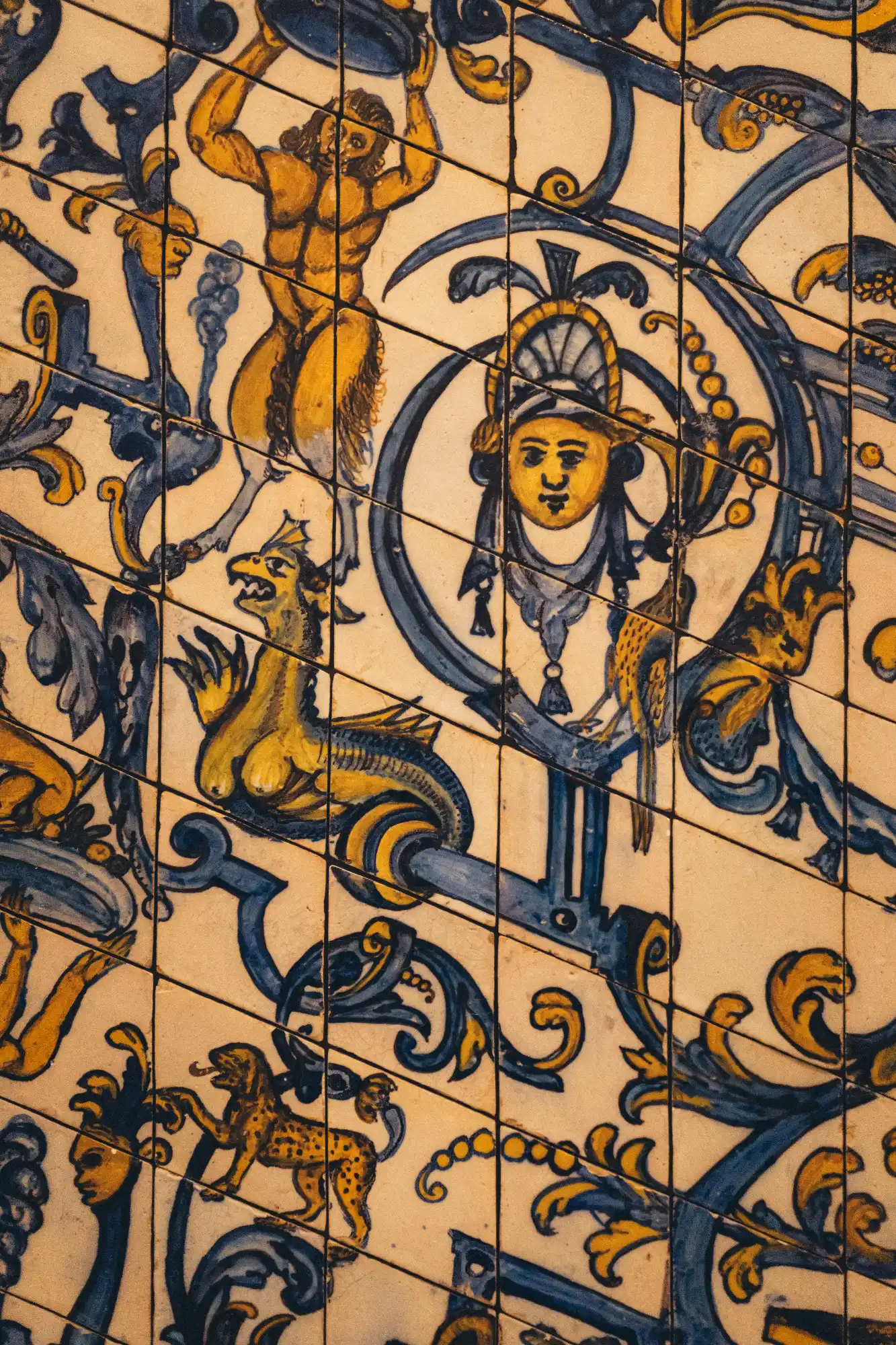
While Lisbon has many great institutions, the National Tile Museum is by far the best museum in the city. Located in a stunning former convent, it focuses entirely on azulejos—the iconic ceramic tiles that decorate buildings across Portugal. The extensive collection spans five centuries, tracing the evolution of these tiles from early Moorish designs to contemporary artworks.
It is a deeply traditional experience that captures the true essence of Portuguese culture. If you have spent time wandering the old quarters of Alfama admiring the tiled facades, this museum perfectly connects the art form to the country's broader history. It is an absolute must-visit.
Choosing which museums to visit in Lisbon ultimately depends on what interests you most, whether that is royal diamonds, modern interactive history, or striking architectural ruins. Taking the time to explore a few of these spaces will give you a much richer perspective on the city's complex past. Enjoy your time wandering through the galleries, and remember to take things at a relaxed pace—just as the locals do.
Related stories

Food • 5 min. read
A Traveler's Guide to Lisbon's Authentic Food Scene
Explore the culinary traditions of Lisbon. This guide covers essential local snacks, iconic pastries, regional wines, and practical tips for dining authentically in the Portuguese capital.
Practical Tips • 5 min. read
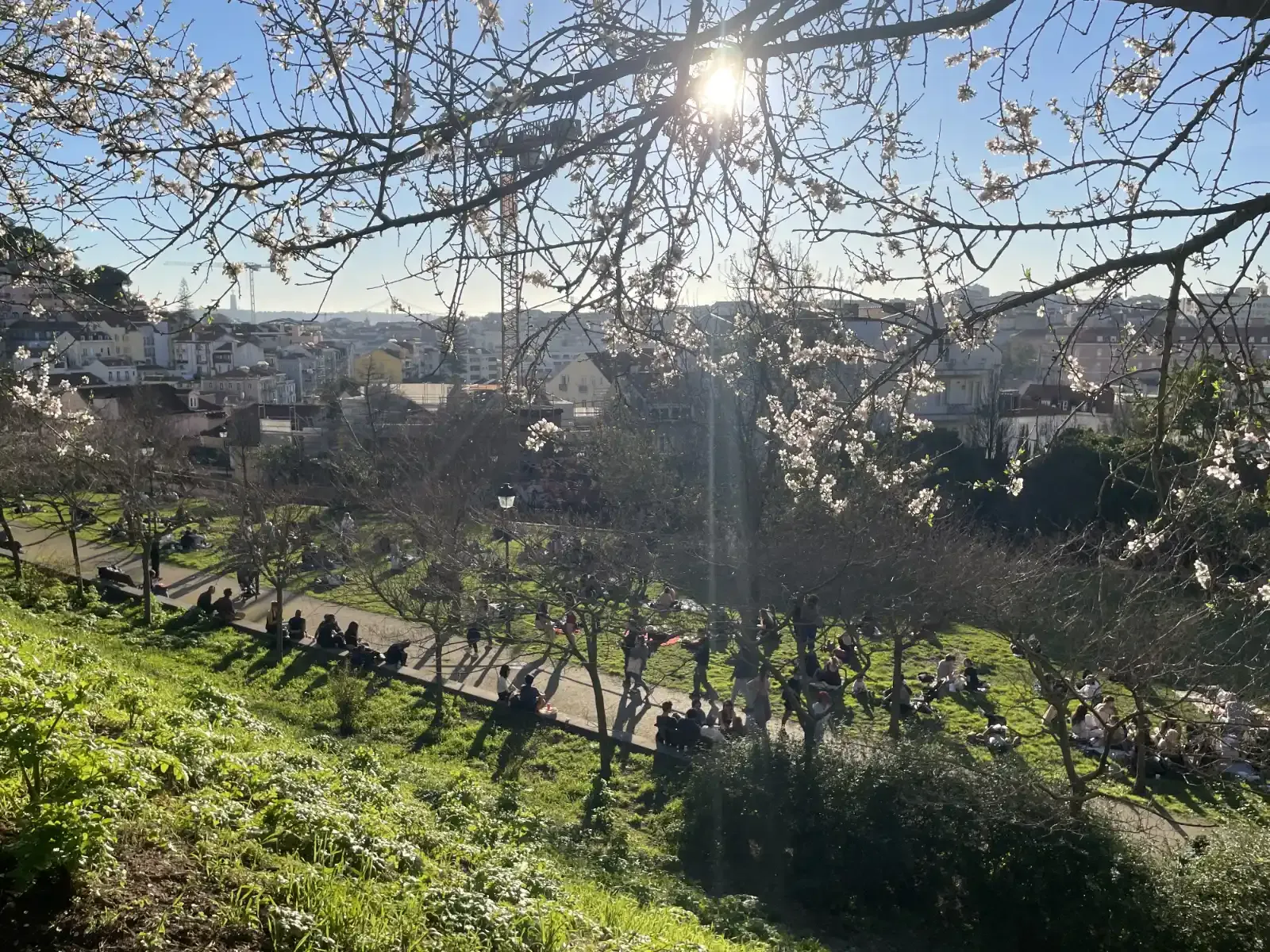
Jardim do Torel and Other Quiet Parks for Relaxing in Lisbon
Riding the 19th-century Ascensor do Lavra up from the busy streets below leads straight to Jardim do Torel, a former private estate turned quiet public park. It is just one of several green retreats scattered across the Portuguese capital, alongside the shaded modernist paths of the Gulbenkian and the breezy waterfront of Almada. Knowing where to find these quieter courtyards and terraces changes how you navigate the city.
Culture • History • 5 min. read
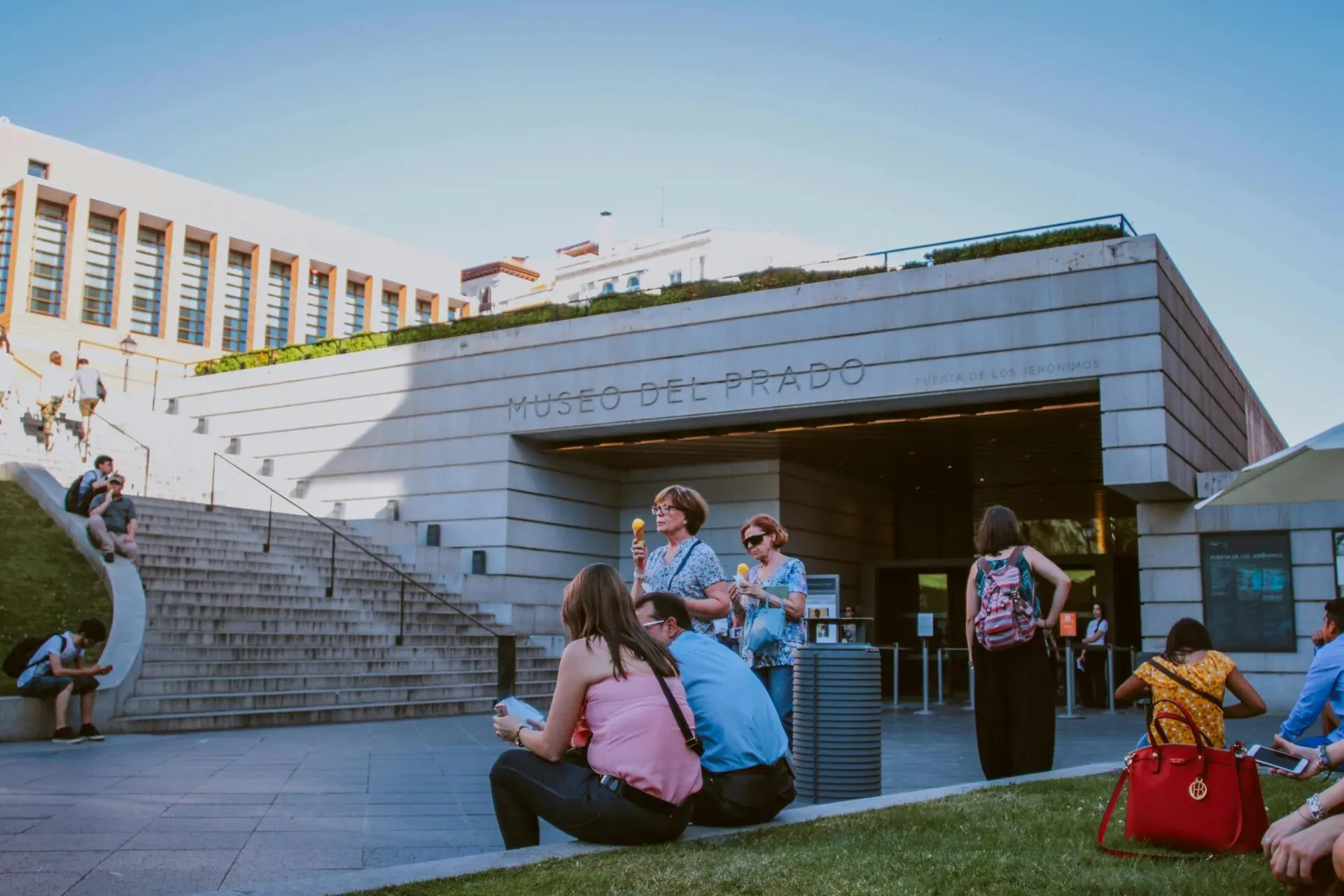
A Guide to Madrid’s Museums: Art, History, and Royal Splendor
Explore Madrid’s top museums: Prado’s Las Meninas, Reina Sofía’s Guernica, Archaeological Museum mosaics, plus Cerralbo and Royal Palace.
Culture • Practical Tips • History • 5 min. read
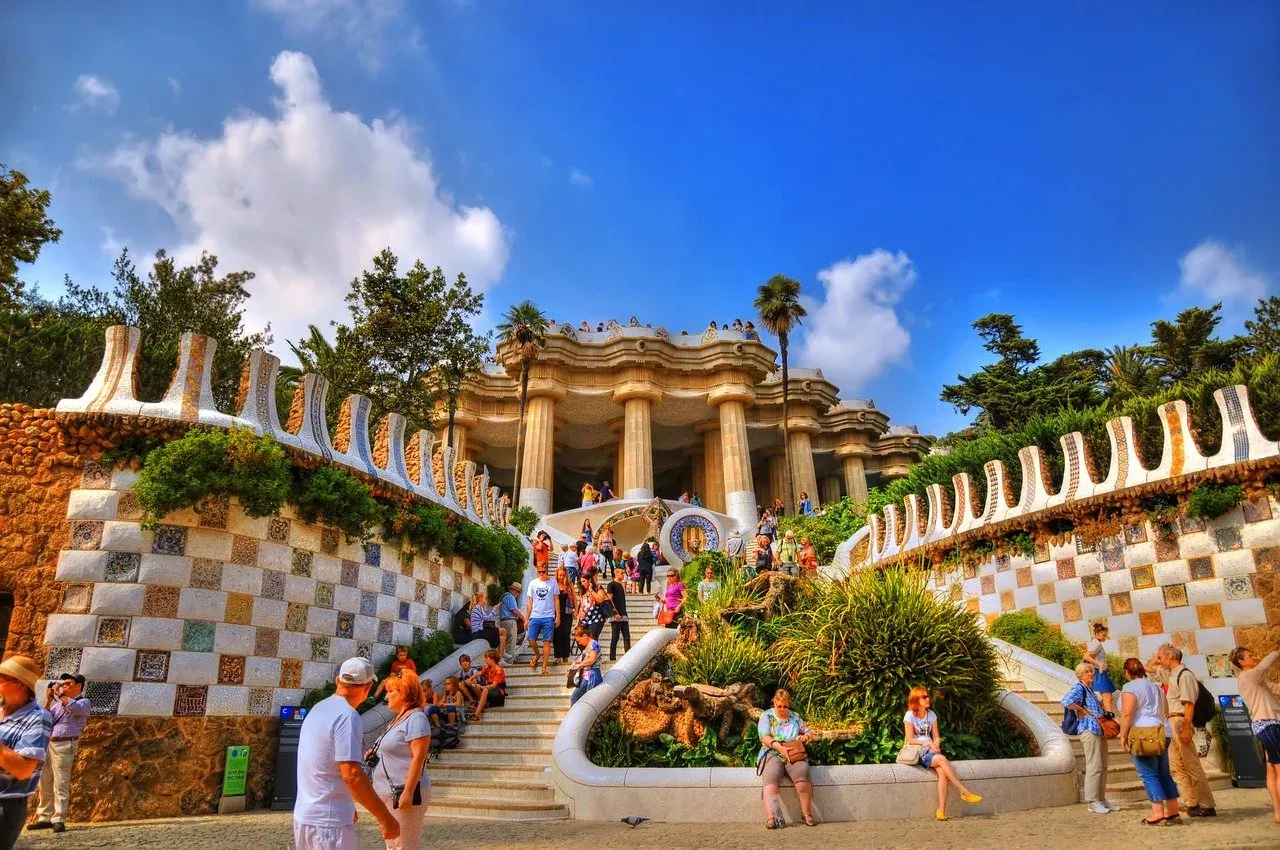
Barcelona's Urban Oases: Parks, Gardens, and Green Spaces
Escape the city buzz! Discover Barcelona's hidden green gems, from historic parks to panoramic viewpoints. Your guide to urban oases awaits!