Paris for First-Timers: Top Things to Do and How to Get Around
Your first trip to Paris is exciting, and a little overwhelming. The city is full of famous sights, charming neighbourhoods and unwritten rules that locals take for granted. Here we show you how to get around.
Culture • Practical Tips • Food • Tours • 9 min. read
Last edited:
Paris rewards visitors who arrive with a plan. The city has 20 districts, hundreds of sights and popular attractions that sell out or have long queues. A few small mistakes, like turning up at the Louvre on a Tuesday or buying the wrong transport ticket, can cost you hours of your trip.
A little guidance makes the difference between rushing from landmark to landmark and truly enjoying the city. Knowing what to book ahead, which places to see first and how local customs work saves you time, money and stress, and leaves more room for the unexpected moments that make Paris special. This guide focuses on what you must do in Paris, with the essential tips to plan your visit and get around with ease.
Before You Go: Quick Tips
Plan 3 to 4 days at least. That gives you time for the main sights without rushing, plus a few hours to wander with no plan.
Book the big attractions in advance. The Eiffel Tower, the Louvre and the Musée d'Orsay can have long queues, so reserve a time slot online and skip the worst of them.
Check opening days. The Louvre is closed on Tuesdays and the Musée d'Orsay on Mondays. Always confirm hours before you go, as they can change.
Say "Bonjour". Greeting staff when you enter a shop, bakery or restaurant is basic politeness in France and makes a big difference to how you are treated.
Wear comfortable shoes. Paris is a walking city, and you will easily cover 15,000 steps a day.
Carry a card, but keep some cash. Cards and contactless payments are accepted almost everywhere, but small change is handy for markets and public toilets.
Keep your belongings safe. Pickpockets target busy places such as the metro, the Eiffel Tower area and Montmartre. Use a zipped bag and keep your phone out of back pockets.
Understanding the City
Paris is divided into 20 districts called arrondissements, numbered in a spiral from the centre (the 1st) outwards. The number appears at the end of a postcode (75001 is the 1st, 75018 is the 18th) and helps you to understand where you are. Most first-time visitors spend nearly all their time in the 1st to 8th arrondissements, plus Montmartre in the 18th.
The city is also surprisingly compact. Many of the main sights are within walking distance of each other, so combine public transport with long walks to see more of the streets.
To help you understand the complexity of Paris, join our welcome tour, the perfect introduction to Paris.
What You Must Do in Paris
These are the experiences no first visit to Paris should skip. Start with the classics, then explore at your own pace.
1. The Eiffel Tower
The symbol of Paris deserves a spot at the top of your list. Go up for the views, or enjoy it from the ground at the Champ de Mars or from the Trocadéro gardens across the river, the classic photo spot. Book your tickets ahead if you plan to go up.
2. The Seine and the Île de la Cité
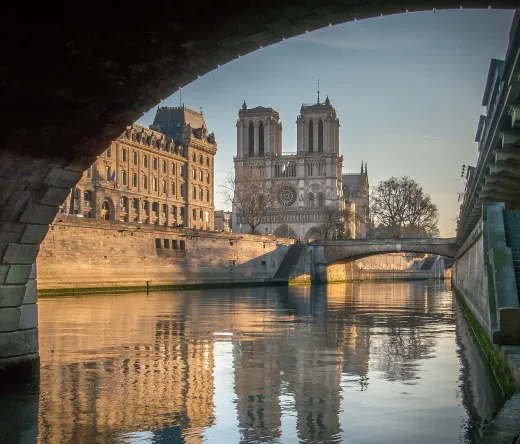
Walk along the river and cross to the island where Paris began. Notre-Dame cathedral, restored after the 2019 fire, reopened to visitors in December 2024, and the nearby Sainte-Chapelle is famous for its spectacular stained glass. A Seine cruise at sunset is a relaxing way to see many landmarks in one go.
3. The Louvre
The world's most visited museum is home to the Mona Lisa and thousands of other masterpieces. It is huge, so choose a few highlights instead of trying to see everything, and visit in the late afternoon to avoid the peak crowds. The Tuileries Garden next door is perfect for a break.
4. Montmartre and Sacré-Cœur
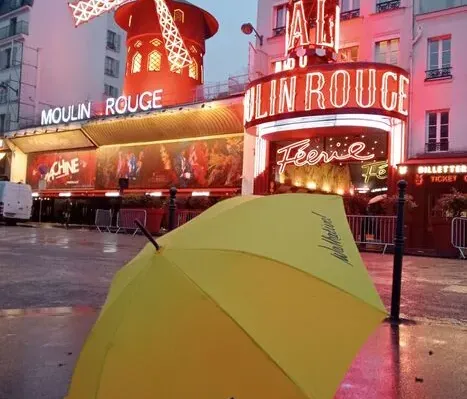
This hilltop neighbourhood combines artists' squares, winding streets and some of the best views over the city. Go early in the morning or in the evening for a calmer atmosphere.
5. The Latin Quarter and the Luxembourg Gardens
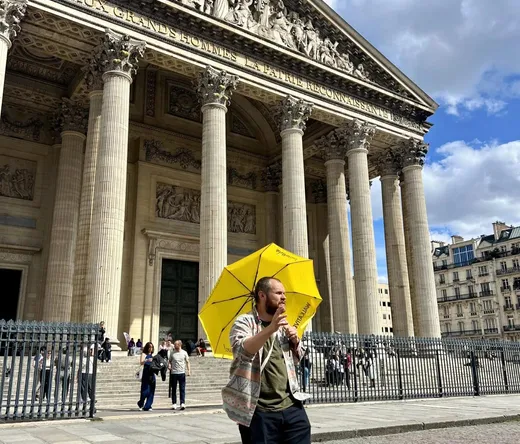
Explore lively student streets, historic bookshops and the Panthéon, then relax in the Luxembourg Gardens, where Parisians come to read, chat and sit in the famous green chairs.
6. Le Marais
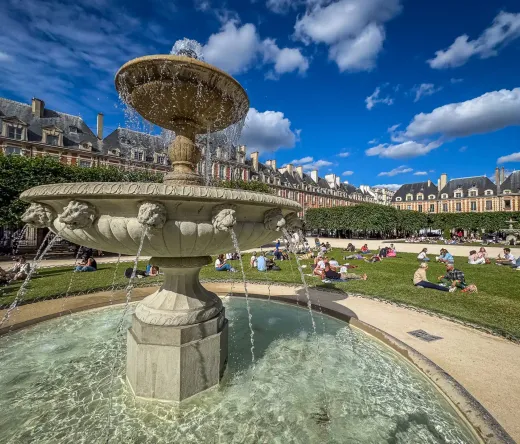
One of the most charming areas for a stroll: medieval streets, elegant squares such as Place des Vosges, boutiques, cafés and falafel shops. It is also an ideal place to experience Parisian life.
7. The Arc de Triomphe and the Champs-Élysées
Climb the Arc de Triomphe for a view of the twelve avenues radiating from it, then walk down the famous avenue towards the Tuileries.
8. The Musée d'Orsay
Housed in a former railway station, it holds a world-famous collection of Impressionist art, including Monet, Renoir and Van Gogh. It is smaller and easier to enjoy than the Louvre, so it is ideal if you are short on time. It is closed on Mondays.
9. A Day Trip to Versailles
Take the RER C to the Palace of Versailles, with its Hall of Mirrors and huge gardens. Allow at least half a day, book your ticket ahead and check opening days, as the palace is closed on Mondays.
10. Paris by Night
After dark, the Eiffel Tower sparkles for a few minutes every hour. Watch it from the Trocadéro, then stroll along the lit-up Seine for one of the most romantic views of the city.
11. A Picnic and Some People-Watching
Buy bread, cheese and fruit at a market or boulangerie and relax on the Seine quays, by the Canal Saint-Martin or in the Tuileries or Luxembourg Gardens. A coffee on a café terrace, watching Paris go by, is also a must.
12. Eat Like a Parisian
Try a croissant at a boulangerie, a set lunch in a bistro and a cheese plate before dessert. Food is a big part of any visit, so leave room in your plans for long, slow meals.
A simple first-day idea: Start at the Eiffel Tower in the morning, cruise or walk along the Seine at lunchtime, spend the afternoon around Notre-Dame and the Latin Quarter, and finish with dinner in a bistro.
How to Use Public Transport in Paris
The Paris metro, RER trains, buses and trams are fast, frequent and affordable, and the system is easier than it looks. Here is what you need to know.
The Ticket System
Paper tickets have been phased out. Today you travel with either a Navigo Easy card (a reusable contactless card) or a ticket loaded on your smartphone. You can buy the card at station ticket counters and machines, and top it up with the ticket you need.
Ticket or pass | Price (2026) | Best for |
|---|---|---|
Navigo Easy card | €2 (one-time) | The reusable card that holds your tickets |
Métro-Train-RER ticket | €2.55 | A single trip by metro, RER or train |
Bus-Tram ticket | €2.05 | A single trip by bus or tram |
Navigo Day pass | €12.30 | A day with many journeys (valid for one calendar day) |
Navigo Week pass | €32.40 | A longer stay (runs Monday to Sunday, not seven days from purchase) |
Paris Region ↔ Airports ticket | €14 | A trip to or from Charles de Gaulle or Orly |
Prices change from time to time, so check the official Île-de-France Mobilités or RATP websites before you travel.
Which one should you choose? For most visitors staying a few days, a Navigo Easy card loaded with individual tickets is the simplest solution. If you will make many trips in a day, the Day pass can save money. The Week pass only makes sense if you arrive early in the week, because it expires on Sunday.
Quick Transport Tips
Tap your card or phone on the reader at the turnstile to enter the metro.
Metro directions are named after the last station on the line, so follow those signs.
Check routes and last trains in Google Maps or the Bonjour RATP app.
Keep your bag in front of you in crowded carriages.
Getting from the Airport
Both Charles de Gaulle and Orly airports have direct public transport links to the city, using the RER B and the metro (line 14 for Orly). The special airport ticket covers the journey, and it is usually cheaper and often faster than a taxi at rush hour.
Eating and Drinking Like a Local
Have breakfast in a boulangerie with a croissant and coffee.
Look for the lunch set menu (la formule), which is usually better value than ordering à la carte.
Reserve a table for dinner, especially on weekends.
Service is normally included in the bill in France, so a tip is a bonus and not an obligation.
Tap water is free in restaurants. Just ask for une carafe d'eau.
Final Tips
Do not try to see everything. Leave room for spontaneous discoveries, such as a hidden courtyard or a market.
Learn a few words in French: bonjour, merci, s'il vous plaît and au revoir.
Visit popular places early in the morning or in the evening to avoid crowds.
Consider a guided tour on your first day. A local guide gives you context, helps you get your bearings and shares recommendations you will not find in a guidebook.
Discover Paris with Walkative
The best way to start your first visit is with someone who knows the city. Join our walking tours with passionate local guides, discover the stories behind the monuments and ask for personal recommendations on where to eat, what to see and how to get around. Meet our guides and make the most of your time in Paris.

Written by
Eva Serrano
Im Eva I studied Art History and Cinema, with a particular focus on French cinema, and have spent the past eight years guiding travelers through the Paris I first discovered through literature, film, poetry. My tours are driven by storytelling, bringing to life the writers, historical figures, artists, thinkers who shaped Paris its endlessly fascinating to me.
Related stories
Culture • Practical Tips • Food • 9 min. read
Alternative Paris: 10 Off‑the‑Beaten‑Path Spots
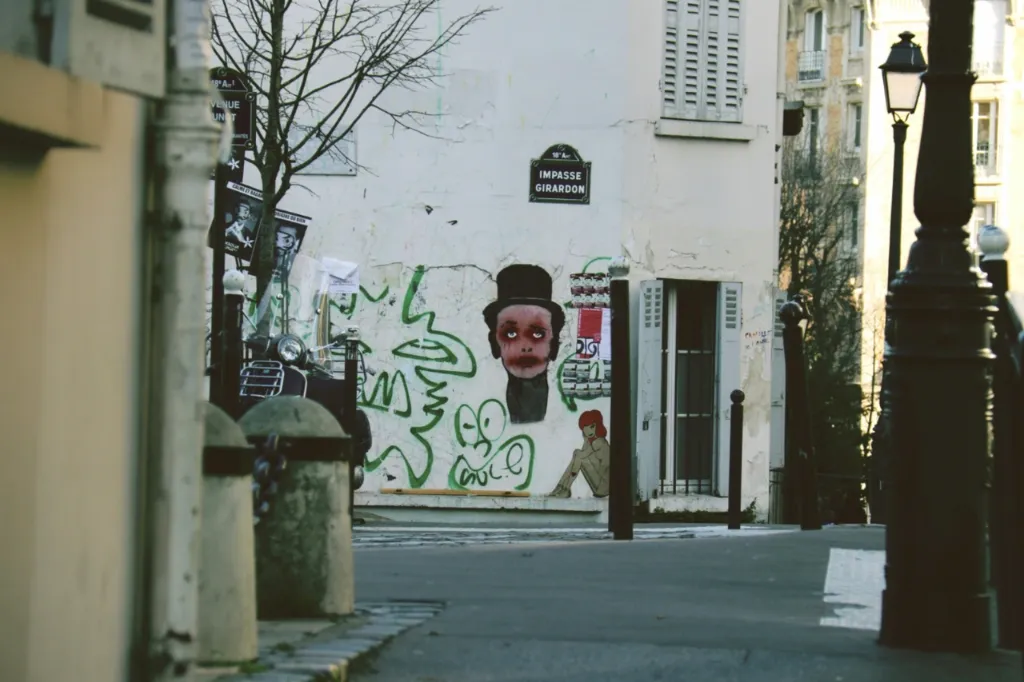
Discover Alternative Paris: 10 off-the-beaten-path spots beyond Champs-Élysées and Notre-Dame, where locals find creative, multicultural life.If you want to see the Paris locals actually live in, this is where to start.
Practical Tips • 13 min. read
Paris in 3 days - how to visit the city of lights?
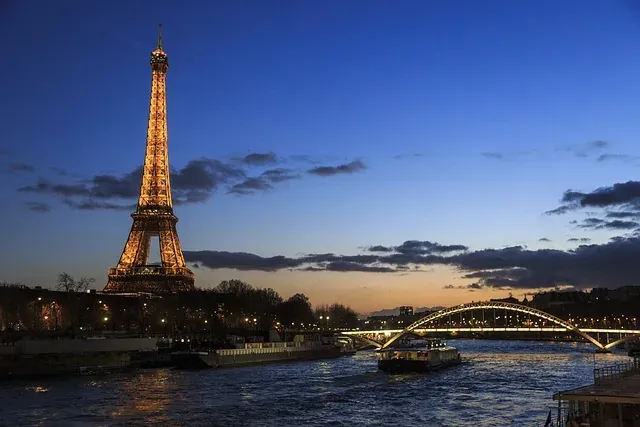
Paris in 3 days: a practical itinerary with key sights, neighbourhood walks, museums, and food stops. Tips for getting around and timing.

Culture • History • 6 min. read
The most interesting museums in Paris - which ones are an absolute must?
Must-see Paris museums: Louvre (Mona Lisa, Code of Hammurabi), Musée d’Orsay (van Gogh, Degas) and Pompidou’s 15,000 works.
Culture • Practical Tips • Food • Tours • 6 min. read
What to Eat in Paris: 10 Classic Dishes You Can't Miss
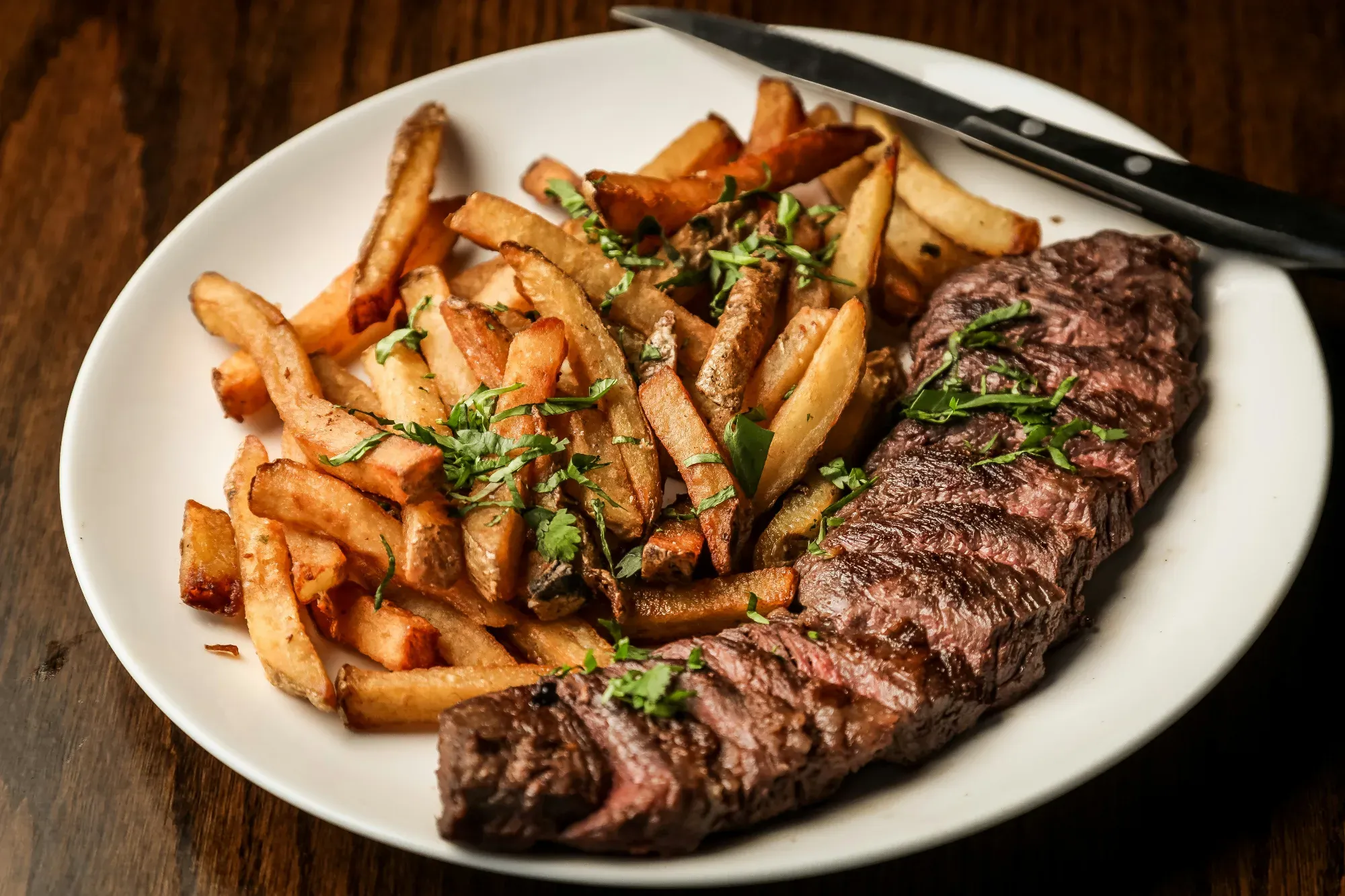
French cuisine is a pillar of the city's identity, and eating well here doesn't require a luxury budget. From a warm croissant at a corner bakery to a candlelit dinner in a cosy bistro, these are the dishes that will make your trip unforgettable

Practical Tips • 11 min. read
Public Transport in Paris – Everything You Need to Know
A guide to public transport in the French capital – everything you need to know!