Polish Pierogi: A Guide to History, Fillings, and Warsaw Restaurants
From medieval feasts to modern milk bars, explore the story of Poland's iconic dish. Learn about traditional fillings and where to find the best authentic pierogi in Warsaw.
Culture • Practical Tips • Food • 4 min. read
Last edited:
Polish Pierogi: More Than Just Dumplings
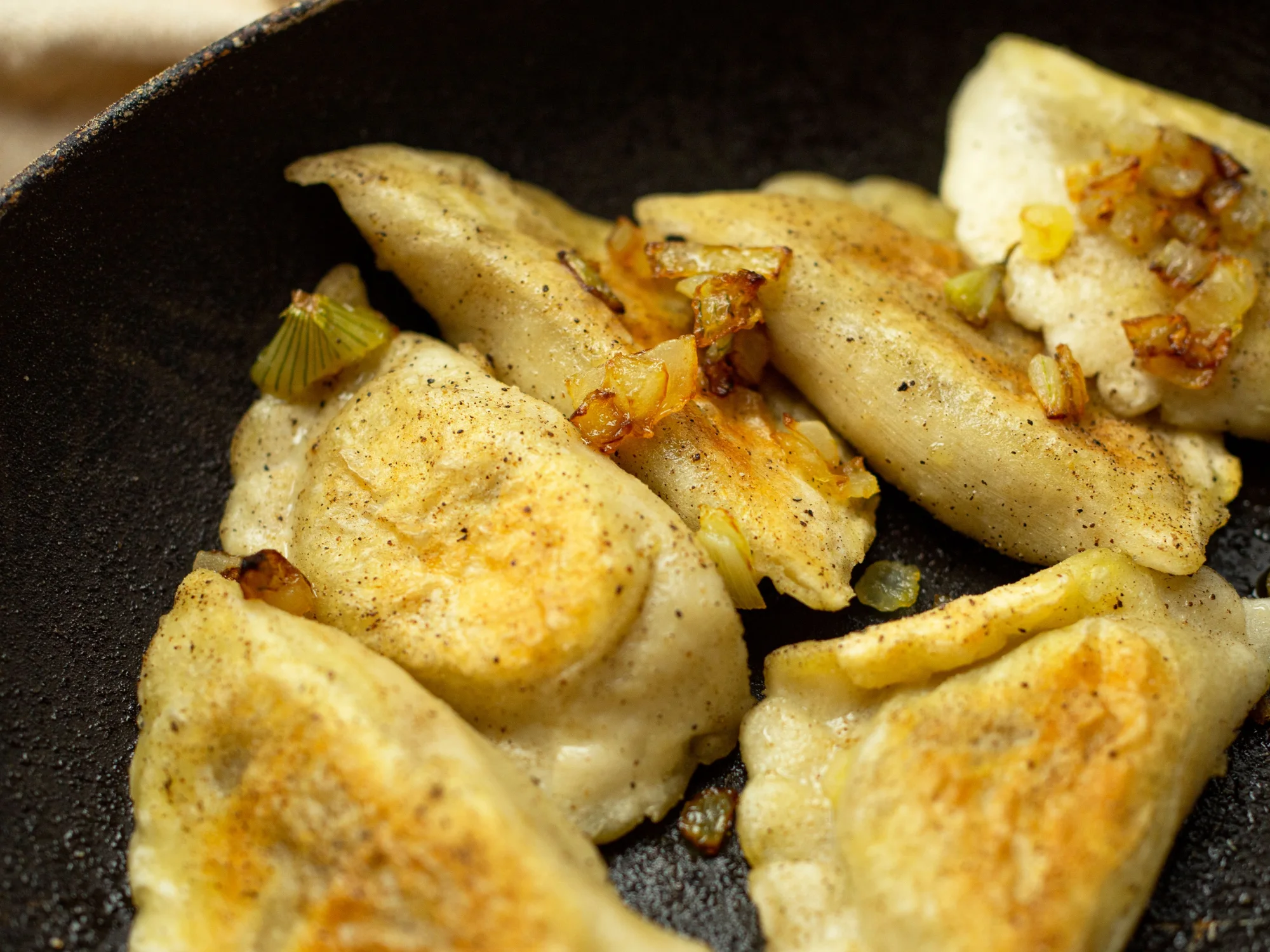
If there is one dish synonymous with Polish hospitality, it is undoubtedly the pierogi. Celebrated globally on October 8th as International Pierogi Day, this beloved comfort food is a staple of Old Polish cuisine that has conquered tables around the world. While they are often compared to dumplings, authentic pierogi are unique: unleavened wheat dough (rarely yeast-based) wrapped around a generous portion of filling.
In Poland, you will find three main preparation methods based on how they are cooked: baked, fried, or the most common variation, boiled. They range in size from tiny uszka (little ears) served in soups to massive single dumplings sliced before serving. Whether enjoyed as a hearty main course for dinner or a sweet treat, pierogi are a culinary icon that every traveler must try.
From Medieval Feasts to Modern Tables: A Brief History
The history of this dish is as rich as its flavors. The oldest written records of pierogi in Poland date back to 1238 in the chronicles of Prince Bolesław the Chaste. However, historians believe they likely arrived even earlier, brought to the region by merchants or settlers from the east. The word itself is derived from the Old Slavic word "pir," which translates to a feast or banquet.
Originally, pierogi were a luxury item reserved for the royal court and noble banquets. It wasn't until the 16th century that they became popular among the townspeople, leading to the creation of new recipes. Interestingly, the famous potato filling only appeared in the 17th and 18th centuries after the vegetable was introduced to Poland. Over the centuries, specific regions developed their own varieties, transforming pierogi from an exclusive courtly dish into a national treasure.
Decoding the Menu: Popular Variations and Fillings
When visiting a Polish restaurant, the variety of fillings can be overwhelming. Pierogi are generally divided into savory and sweet categories. Savory fillings traditionally include meat, organ meats, mushrooms, and sauerkraut. A specific variety, Pierogi Ruskie (filled with quark cheese and potatoes), is typical of the Lublin region and the Eastern Borderlands. Another unique regional specialty from Lublin is mucybuły, filled with groats, cheese, and mint.
For those with a sweet tooth, pierogi are often served as a main dish rather than just dessert. Popular sweet fillings include:
- Seasonal fruits: Bilberries, strawberries, cherries, and apples.
- Sweet dairy: White cheese (twaróg) sweetened with sugar.
- Modern twists: Marmalade or even chocolate.
The Art of Lepienie: How Authentic Pierogi Are Made
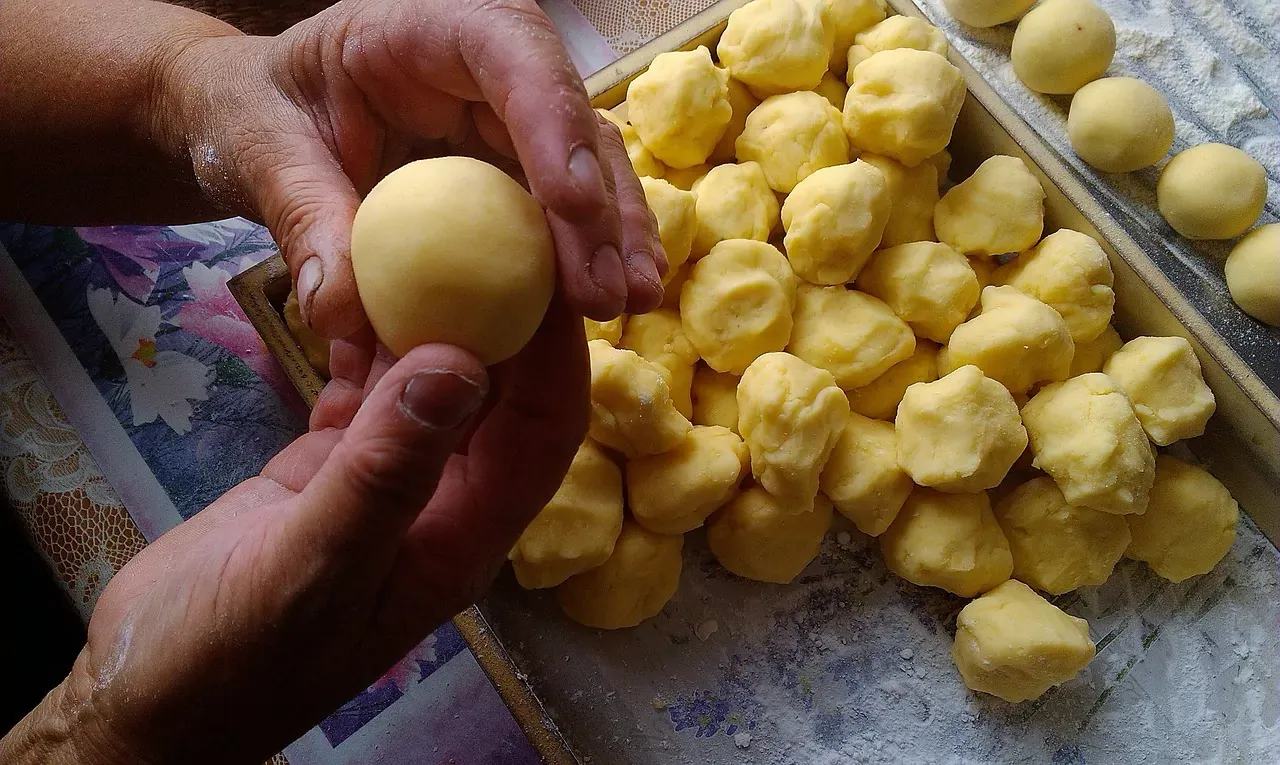
While machines can produce them on an industrial scale, the best pierogi are handmade. The process begins with rolling the dough to a delicate thickness of about 2 millimeters. Circles or squares are cut from the dough, and a portion of filling is placed in the center. The true skill lies in the sealing, known as lepienie. The dough is folded over the filling, and the edges are pinched together tightly to ensure no air remains inside.
Technique is critical: if air is trapped, the dumpling will swell and crack during boiling; if the seal is weak or the filling smears on the edges, they will fall apart. Once formed, the raw pierogi are lined up on floured boards and covered with cloths to prevent drying before being dropped into boiling water. A proper pierogi is ready a few minutes after resurfacing, typically rinsed with hot water before serving.
Where to Find the Best Pierogi in Warsaw
Warsaw offers an incredible culinary landscape for pierogi lovers, ranging from upscale establishments to budget-friendly spots. For a truly authentic and economical experience, you should visit a Milk Bar (bar mleczny). These traditional canteens serve homemade classics that locals eat daily. If you are exploring the historic center, there are several highly recommended stops.
On the Old Town Market Square, travelers often flock to the popular chain Zapiecek, known for its vast selection of fillings and rustic interior. for a more intimate atmosphere, look for the small restaurant Karmnik. Whether you choose a bustling tourist spot or a quiet canteen, you are guaranteed a taste of genuine Polish tradition.
Related stories
Practical Tips • Food • 6 min. read
A food lover's guide to Warsaw: 13 traditional dishes and where to find them
A guide to 13 traditional dishes in Warsaw. Learn where to find authentic pyzy in a jar, wuzetka cake, żurek, and pierogi at local restaurants.

History • Food • 5 min. read
Milk bars in Warsaw – history & guidebook
Discover Warsaw milk bars: their communist-era roots, what to order, how they work today, and where to find them across the city.
Culture • Food • 11 min. read
Polish traditional food and cuisine – 29 things to try when visiting Poland.
Polish traditional food: 29 dishes to try in Poland, from pierogi and bigos to soups, sweets, and regional specialties. Selection by Walkative Guides!
Practical Tips • Food • 9 min. read
Best souvenirs from Poland - a guide to distinctively Polish things to buy. Part 1 - edible and drinkable things.
Edible Polish souvenirs: dried forest mushrooms, zakwas buraczany, ogórki kiszone, oscypek, Toruń pierniki, nalewka, Żubrówka.
History • Food • 14 min. read
Poland and vodka - history of a love/hate relationship
Explore Poland’s vodka story: tradition, politics, culture, and controversy, from village distilleries to modern debates.