A Three-Hour Walk Through Krakow’s Western Hills: From Salwator to Wola Justowska
Just west of the medieval center, a network of forested trails connects historic monasteries to the highest viewpoints in Krakow. This three-hour walking route climbs past 17th-century wooden chapels and the limestone gorge of Panieńskie Skały before ending in a quiet villa district. It provides a straightforward way to spend a half-day navigating the hills and nature reserves along the city edge.
Culture • Practical Tips • Tours • 4 min. read
While Kraków’s historic center draws the majority of visitors, the western outskirts of the city offer a greener, quieter alternative for those willing to walk. A three-hour route through the hills of the Salwator district, the Las Wolski forest, and the Wola Justowska neighborhood provides a mix of nature, panoramic views, and lesser-known historical architecture. This path is well-suited for a half-day excursion away from the crowds.
Starting the Walk: Salwator and the Norbertine Monastery
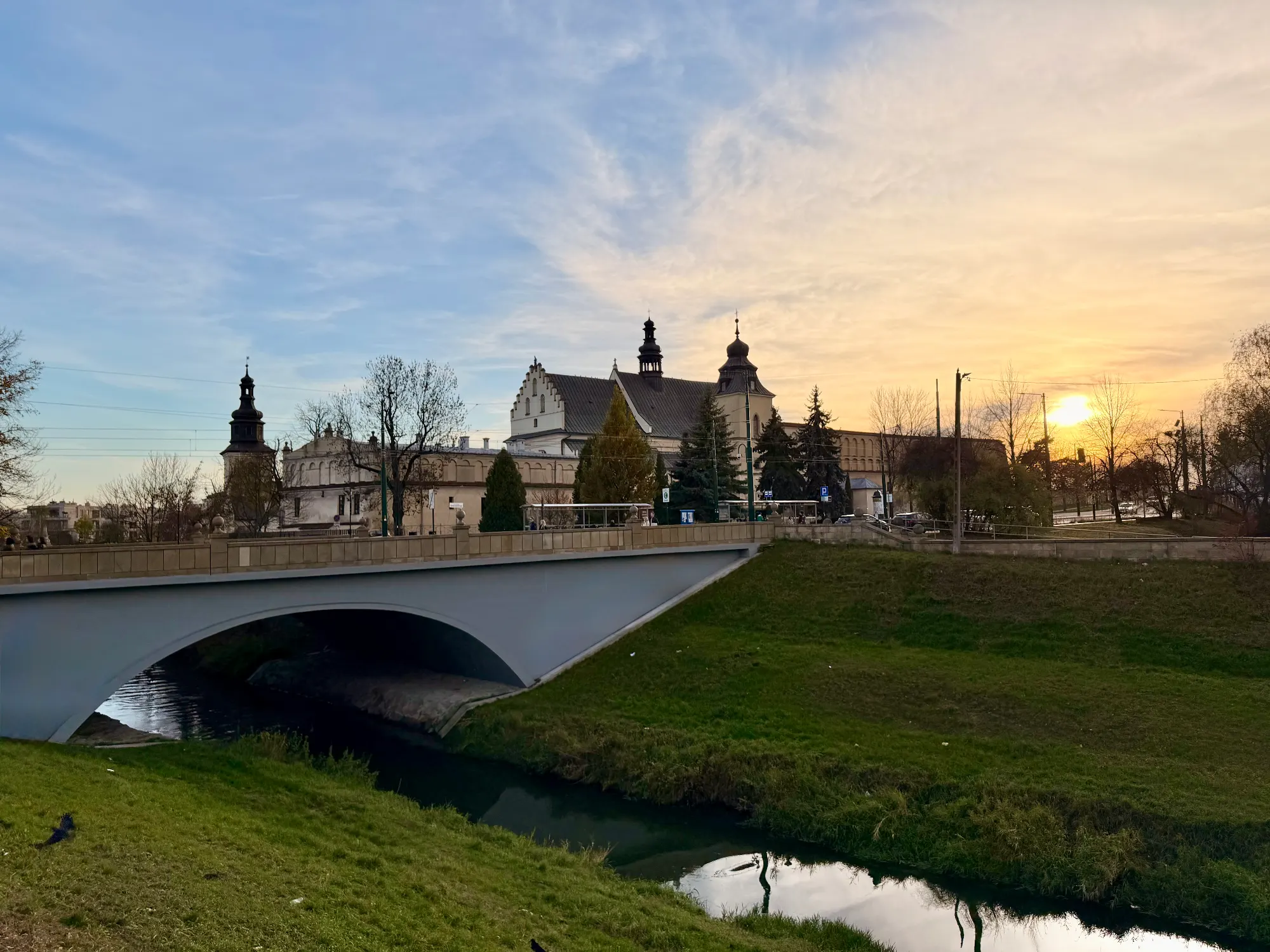
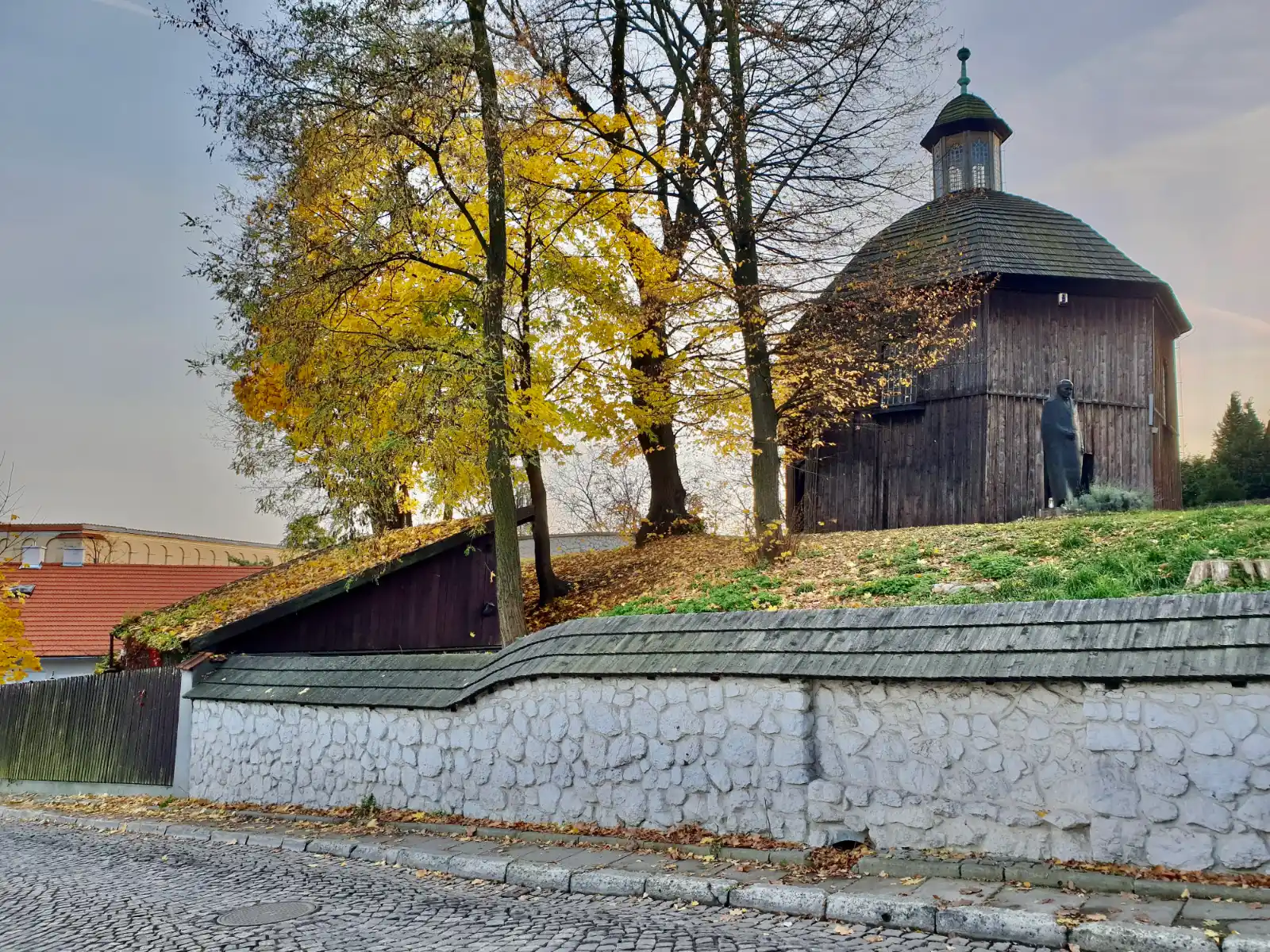
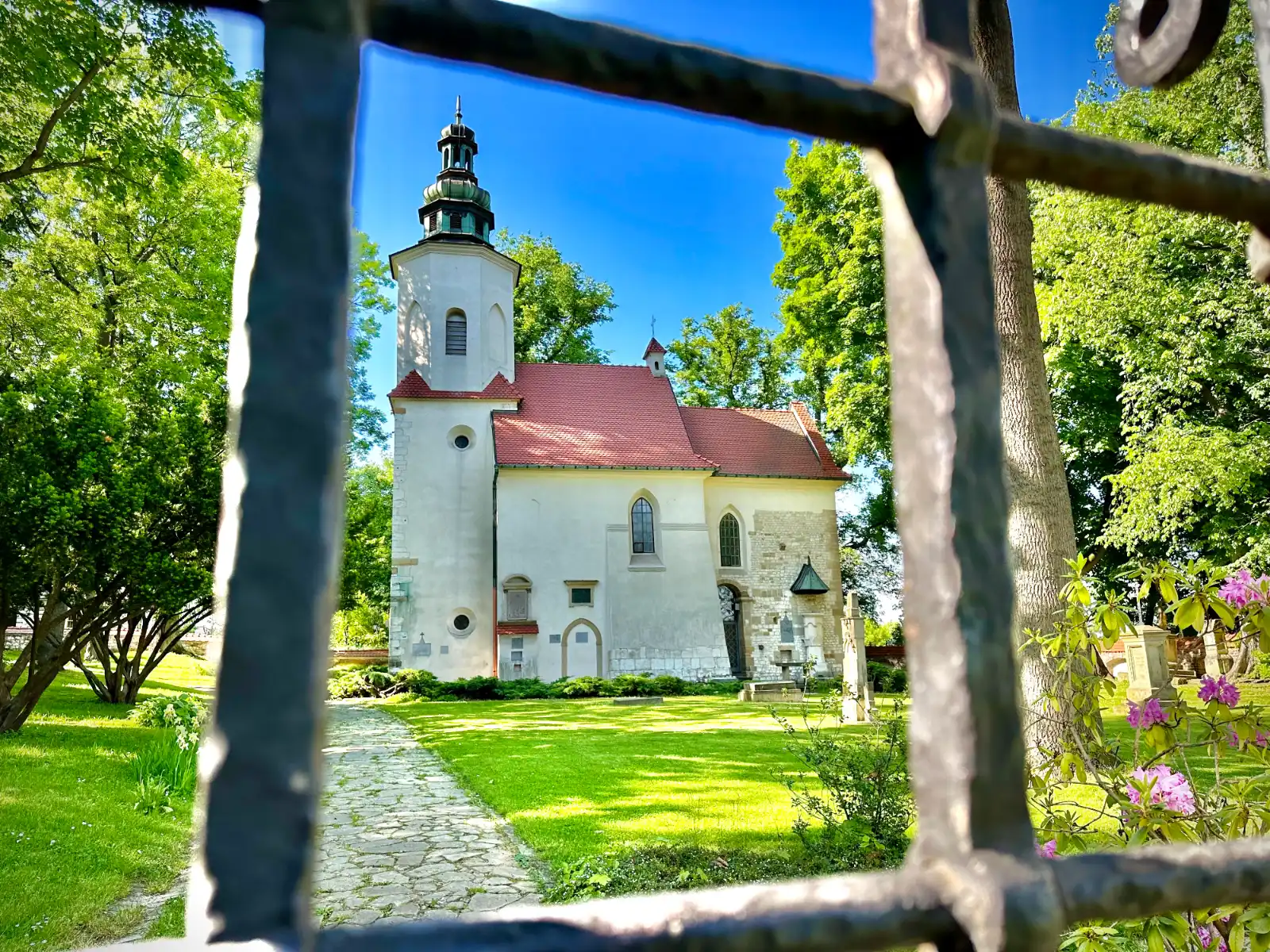
The route begins in the Salwator district near the Norbertine Monastery, located along the Vistula River. As you walk uphill through the neighbourhood, you will pass the Gontyna chapel. This small, wooden structure is situated behind a stone wall and is widely believed to date back to the 17th century.
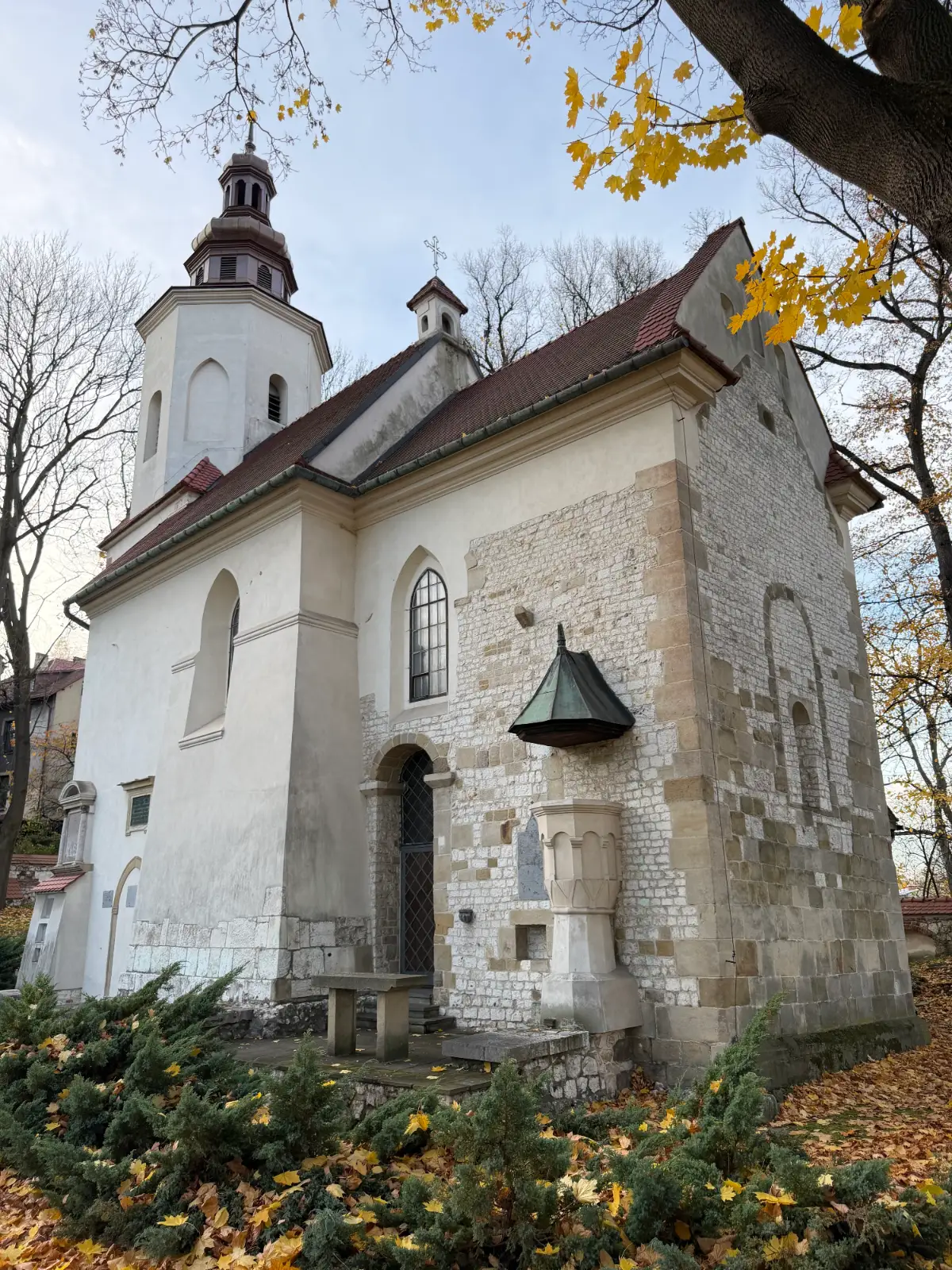
Nearby stands the Church of St. Salwator, one of the oldest churches in Kraków. The building features original Romanesque elements, particularly in its presbytery, offering a glimpse into the city’s early medieval architecture.
Ascending Washington Avenue to Kościuszko Mound
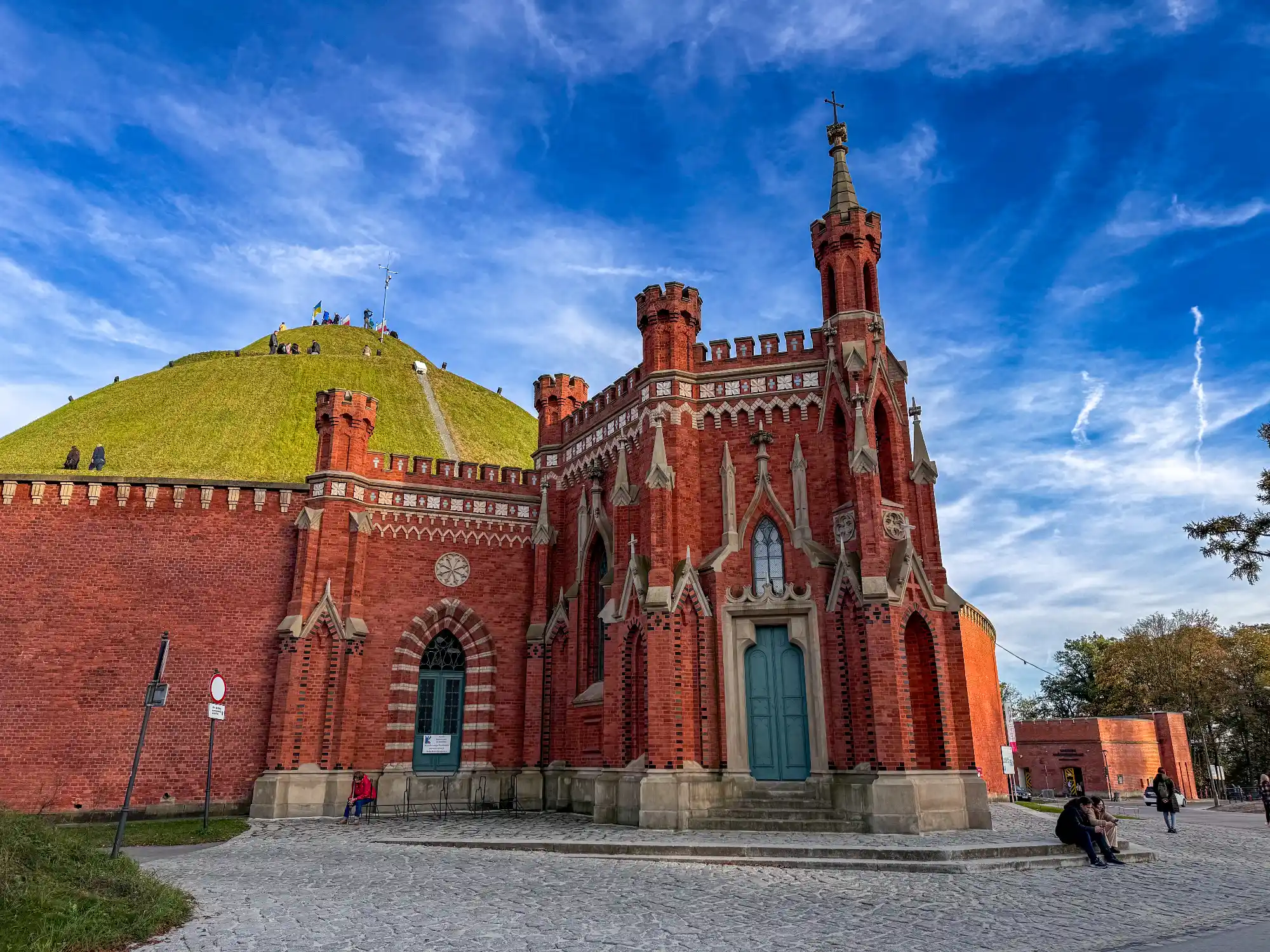
From Salwator, the trail continues uphill along Washington Avenue (Aleja Waszyngtona). This picturesque, tree-lined pathway leads directly to the Kościuszko Mound, an artificial hill completed in the 1820s to commemorate the military hero Tadeusz Kościuszko.
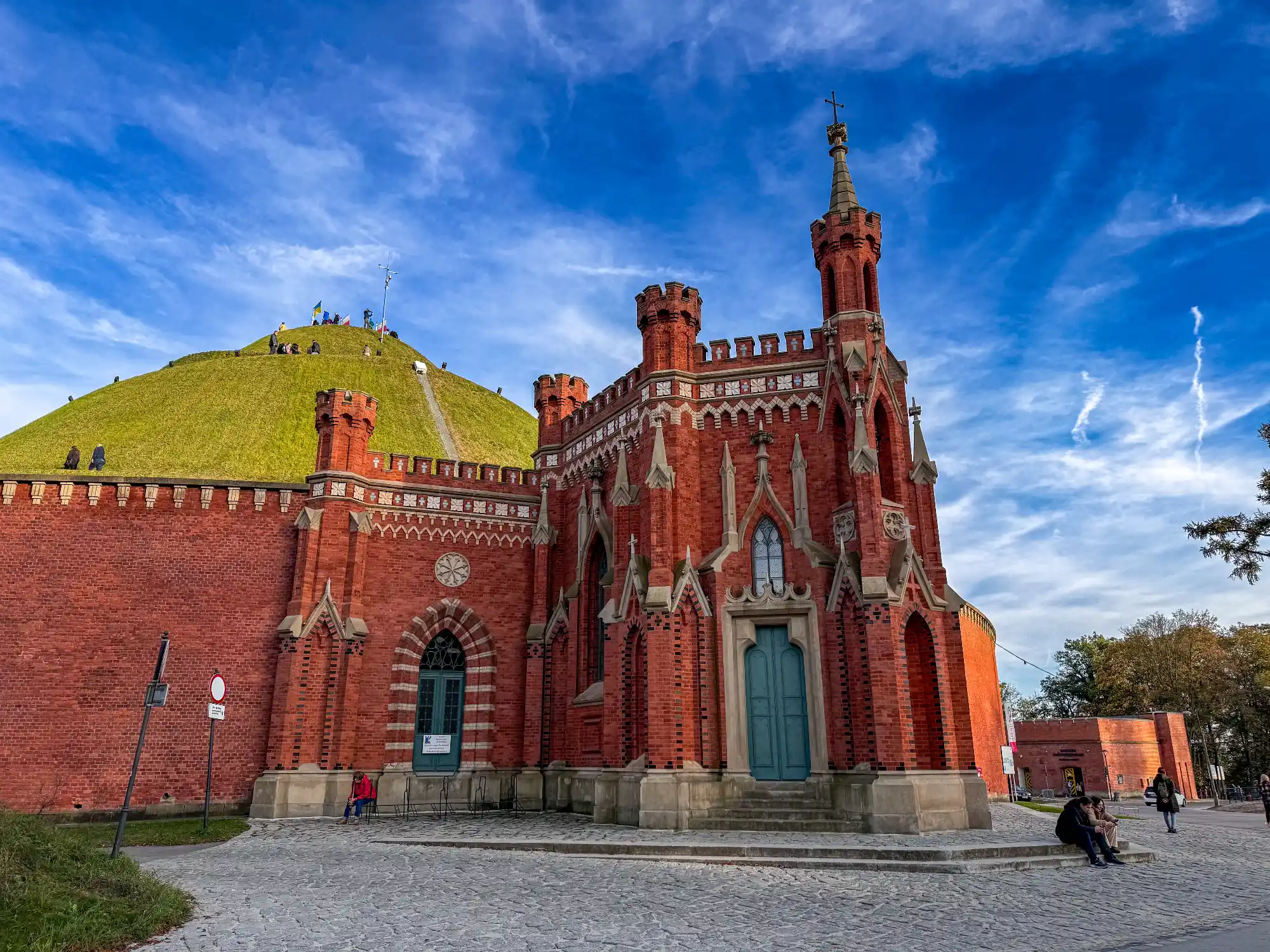
Access to the mound itself requires a paid entry ticket, which grants visitors a broad vantage point over the city of Kraków. If you need a break before continuing the hike, there is a local café and restaurant at the base of the mound where you can stop for lunch or a coffee.
Las Wolski Forest and Piłsudski Mound Views
Leaving the Kościuszko Mound, follow the marked trails westward into Las Wolski. This large municipal forest park features a network of paths that wind past the city zoo and a few small eateries. The main destination here is the Piłsudski Mound (also known as the Independence Mound).
As the highest point in Kraków, the Piłsudski Mound offers an expansive view. On clear days, looking south reveals the Carpathian Mountains, including the peaks of the Tatra range. The elevation also provides a clear line of sight to Kraków Airport, making it a popular spot to watch planes landing and taking off.
Descending via the Panieńskie Skały Reserve
After taking in the views from Piłsudski Mound, the suggested route descends through a nature reserve known as Panieńskie Skały. This section of the walk transitions into a small, wooded gorge characterised by distinct limestone rock formations.
The rugged terrain here closely resembles a mountain trail, adding a brief but engaging element of hiking to the urban walk. The path through the rocks provides a natural, shaded transition down toward the residential districts situated below the forest.
Exploring Villa Decius in Wola Justowska
The descent ends in Wola Justowska, one of Kraków’s most elegant villa districts. Here, the walk concludes at Villa Decius (Willa Decjusza). Originally constructed in the 16th century in the Renaissance style, the villa is surrounded by a well-maintained public park.
Within this park, visitors can explore an open-air gallery dedicated to Bronisław Chromy, a prominent contemporary Polish sculptor. While Chromy is most famous for designing the Wawel Dragon statue in the city center, this gallery showcases a unique collection of his other distinctive works.
Route Logistics and Return Transportation
This three-hour walk involves varied, mostly forested terrain with some uphill sections, requiring a moderate level of physical activity. After exploring the area around Villa Decius, you will find several local restaurants in Wola Justowska for a post-walk meal.
Returning to the city center is straightforward. Public buses run frequently from Wola Justowska, and you can easily check departure schedules using Google Maps. Tickets can be purchased directly at the ticket machines located inside the buses. Once back in the Old Town, those looking to refuel might consider joining a traditional Polish food tour to sample the city's local culinary offerings with a guide.
By combining city panoramas, protected forest trails, and centuries-old architecture, this route provides a comprehensive overview of Kraków’s western hills. It is a practical and rewarding itinerary for anyone looking to step outside the bustling city center and experience a different side of the local landscape.
Tomek Darda
Historian, Tour Guide, Linguist, Musician
Related stories

Practical Tips • 9 min. read
Public transport in Kraków – everything you need to know
Travel Kraków easily. Learn to use the city's bus & tram network and how to buy and validate tickets.
Practical Tips • History • 13 min. read
Kraków in 3 days - how to visit the former capital of Poland to make your stay unforgettable
Plan your perfect 3-day trip to Kraków. Our itinerary covers the Royal Castle, Old Town, and must-see historical sites.
Practical Tips • Tours • 1 min. read
How to get to Zakopane from Krakow? A practical guide by the guides of Walkative Yellow Umbrellas, providing expert free walking tours and more!
The ultimate guide on traveling from Krakow to Zakopane. Discover the best transport options, bus routes, and train tips from local experts.

Culture • Practical Tips • Tours • 9 min. read
How to Experience Krakow on a Budget: Free Museums, Viewpoints, and Traditions
Visiting the Rynek Underground or Oskar Schindler's Factory usually requires a ticket, but smart scheduling cuts those costs entirely. Many major institutions in Krakow open their permanent exhibitions at no charge on specific weekdays. Beyond gallery walls, you can find ticketless panoramas from Krak’s Mound and cinematic history tucked inside the abandoned Liban Quarry.
History • 7 min. read
Krakow or Cracow? What’s in the name?
Krakow or Cracow? Learn why both spellings exist, how locals say it, and which name to use when travelling to Poland.