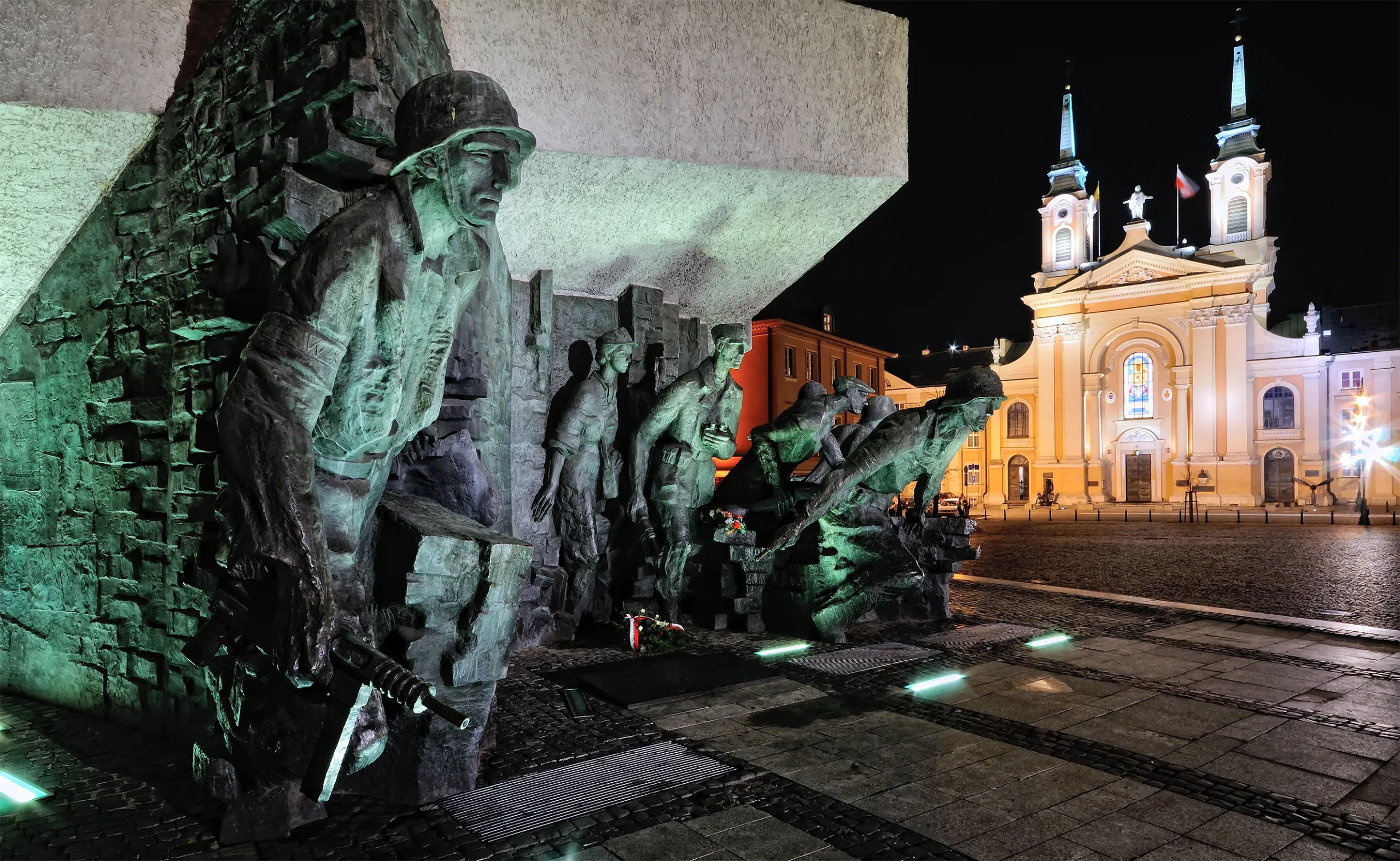
The Warsaw Uprising: Fighting for Sovereignty in 1944
Explore the history of the 1944 Warsaw Uprising. Learn about W-Hour, the Rising Museum, and the monuments that honor the city's fight for sovereignty.
History • Tours • 4 min. read
The Outbreak: Fighting for Sovereignty in 1944
On Tuesday, August 1, 1944, at exactly 5:00 PM—designated as hour "W" for Wolność (Freedom)—the Warsaw Uprising erupted. This was one of the most significant and dramatic events in the city's history. The insurgents aimed to liberate the capital from Nazi occupation before the arrival of the Soviet army, hoping to secure Polish sovereignty after the war ended.
Although the insurgent units were numerous, they lacked adequate weaponry and faced a fully militarized, regular German army. Planned to last only a few days, the struggle continued for over two months. Without the hoped-for assistance from allies, the uprising found itself trapped between two powerful forces, the German and Soviet armies, and slowly bled out.
The Destruction of Warsaw and Civilian Fate
The fate of Warsaw, once known as the "Paris of the East," was sealed by a brutal order from Heinrich Himmler. Following the uprising, he commanded that no prisoners be taken and the city be razed to the ground to serve as a terrifying example for all of Europe.
"Every inhabitant must be killed, no prisoners are to be taken, Warsaw is to be razed to the ground and in this way, a terrifying example is to be created for the whole of Europe."
Ultimately, nearly 85% of the Polish capital was destroyed. The surviving residents were expelled from their homes and sent to transit and prisoner-of-war camps. The city was left in ruins, a tragic testament to the cost of the fight for freedom.
W-Hour: How Warsaw Remembers
If you wish to honor the memory of the insurgents, witnessing the annual commemoration is a profound experience. Every year on August 1 at 5:00 PM, sirens wail across Warsaw. In a moving tribute, the city comes to a complete standstill; buses, trams, cars, and pedestrians stop in their tracks to observe a moment of silence.
While the city freezes in reflection, official anniversary ceremonies commence at the Gloria Victis monument within the Military Cemetery in Powązki. These traditions ensure that the bravery and sacrifice of 1944 are never forgotten by modern generations.
Visiting the Warsaw Rising Museum
To truly understand the history of these events, a visit to the Warsaw Rising Museum is essential. Housed in a former tram power station, the museum opened on the 60th anniversary of the uprising. It serves as a tribute to the Warsaw residents who fought and died for a free Poland.
The exhibition vividly captures the atmosphere of insurgent Warsaw. It documents not only the military history of the 63 days of fighting but also the daily life of the civilian population living in the crossfire. Among the museum's many attractions, you can see a full-scale replica of a Liberator B-24J bomber aircraft.
Significant Monuments and Memorials
Walking through the streets of Warsaw, you will encounter several poignant memorials dedicated to the uprising:
- Warsaw Uprising Monument: Located on Krasiński Square near a historical canal hatch, this two-part sculpture depicts insurgents charging from a bridge support and others descending into the sewers to escape German forces.
- Monument to the Women of the Uprising: Three women of different ages hold hands in a gesture of solidarity, honoring the medics, couriers, and soldiers who served. The surrounding boulders symbolize the city's ruins.
- The Little Insurrectionist: A sculpture of a young boy wearing an oversized helmet, commemorating the heroic children who participated in the conflict.
Exploring History with a Guide
While museums and monuments offer great insight, walking the very streets where history happened brings the past to life. You can learn much more about the dramatic events of 1944 during our guided tours.
We highly recommend joining the Warsaw at War tour. This experience allows you to explore the sites of the uprising, understand the strategic movements, and hear the personal stories of those who fought for the city's freedom.
Related stories
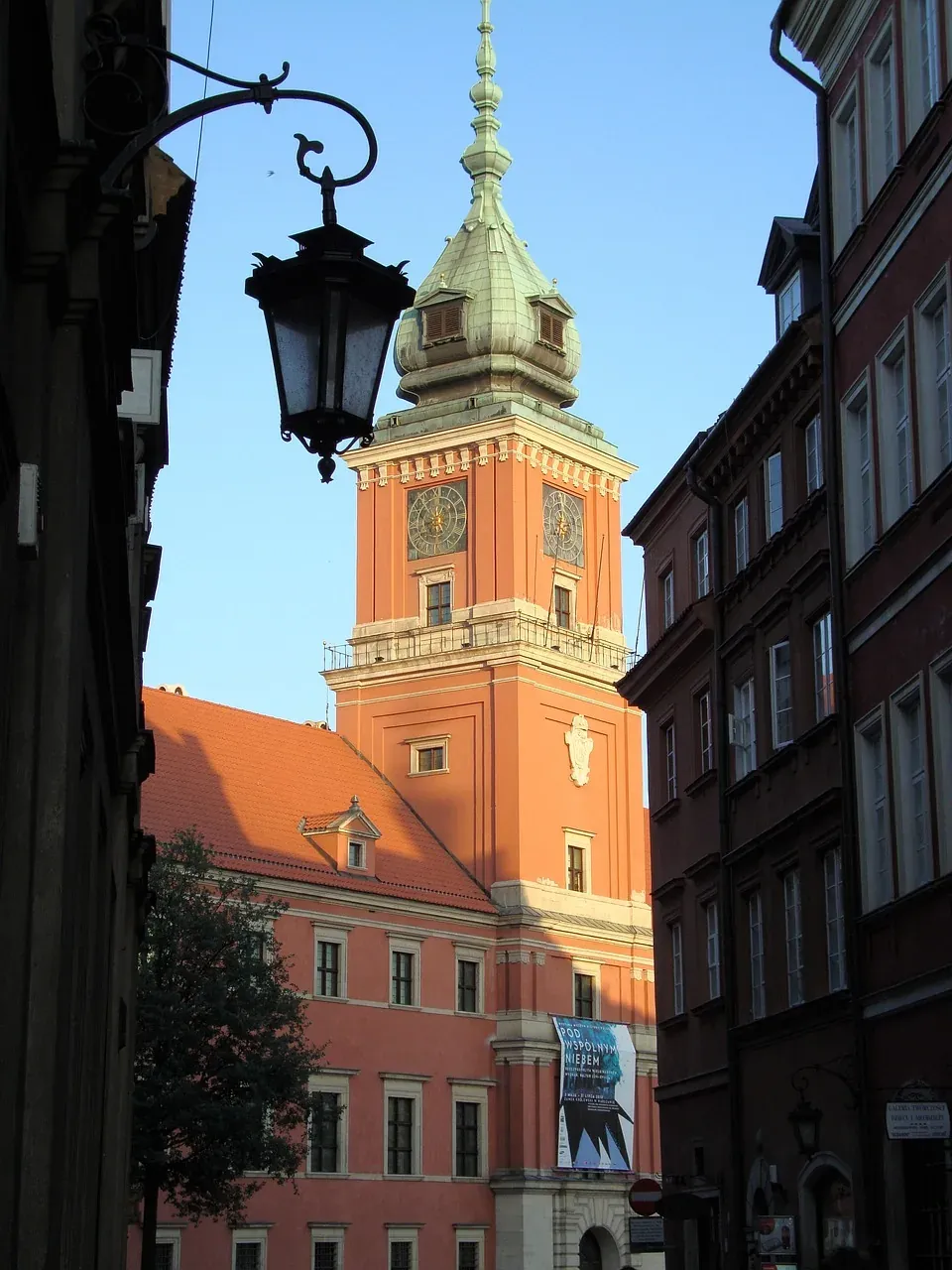
Culture • History • 6 min. read
5 must-visit museums in Warsaw: your ultimate cultural guide
Explore Warsaw’s top museums: Warsaw Rising Museum, POLIN, Royal Castle, Wilanów Palace and the funny one about life under communism.

Culture • History • 6 min. read
9 movies you should watch before or after visiting Warsaw
Explore Warsaw's history on screen. See films on the Ghetto, the Uprising, and the Cold War like The Pianist, Kanał, and Jack Strong before you visit.
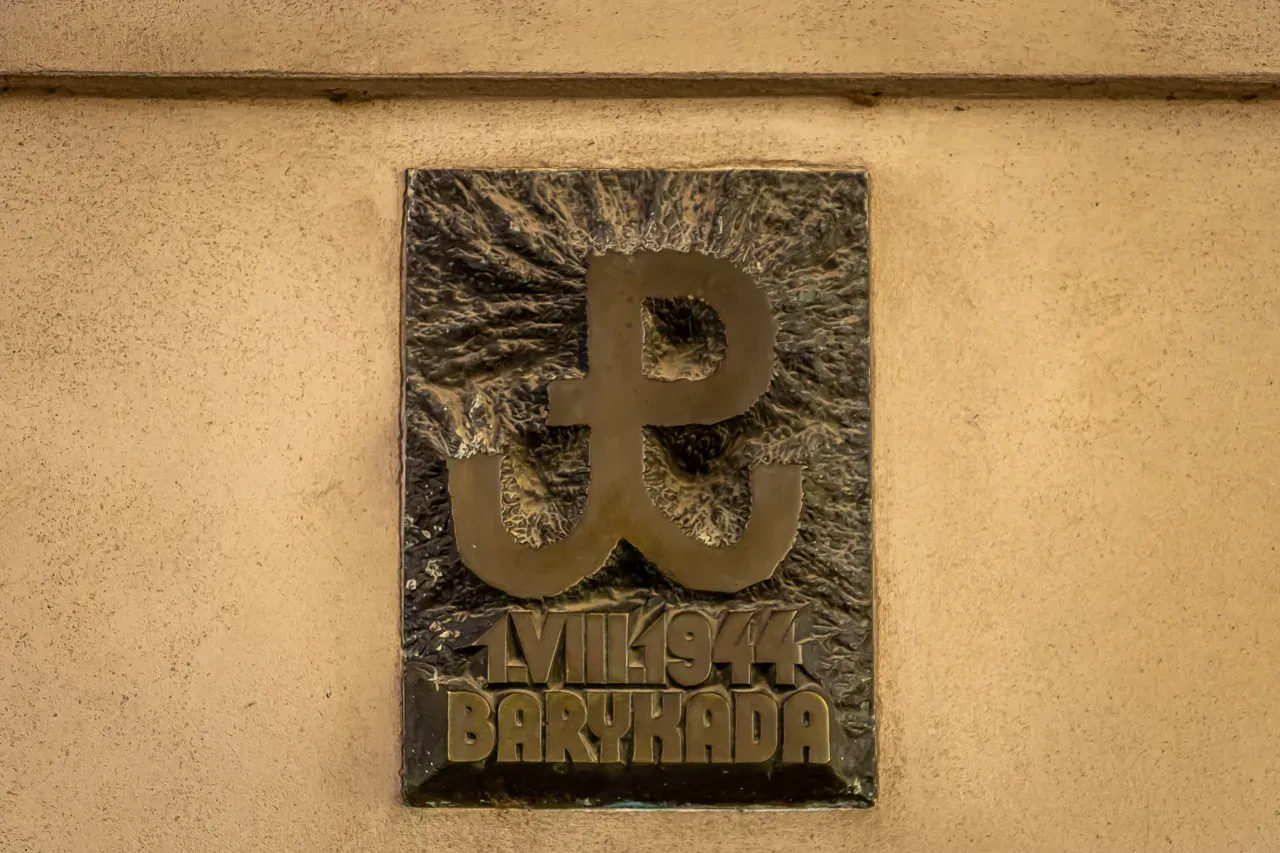
Newsletter • 5 min. read
Things to Do in Warsaw in August 2026
️ Summer in the City: Warsaw Newsletter - August 2026 Welcome to August in Warsaw! As we soak up the final full month of summer, the Polish capital is buzzing with outdoor cultural events, deeply moving historical commemorations, and lively riverside evenings. Whether you are a history buff, a classical music lover, or a foodie, Warsaw is packed with unforgettable experiences this month.
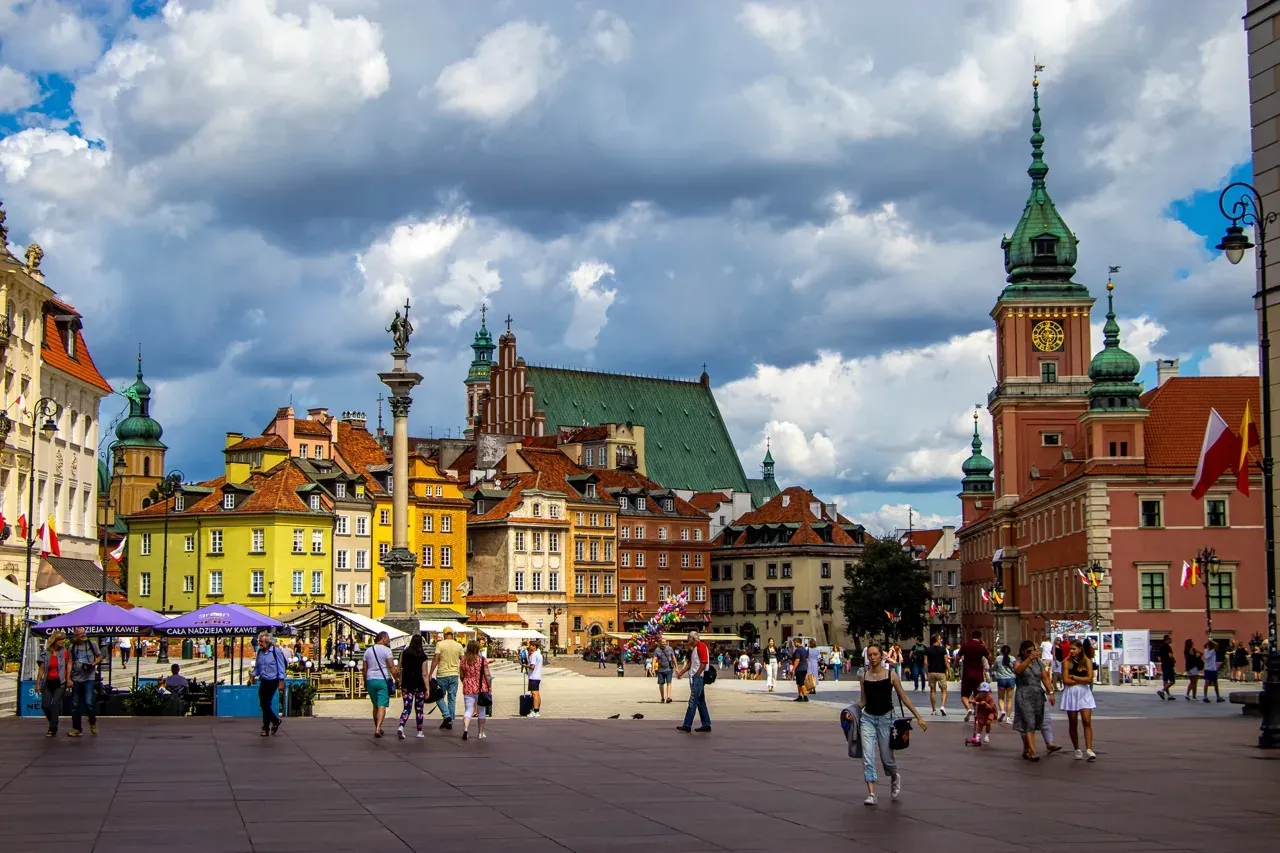
Practical Tips • History • 10 min. read
What to do and see in Warsaw – main attractions and places to visit
Warsaw highlights: Palace of Culture 30th-floor terrace, Royal Castle museum, guard change at Tomb, Old Town, Praga, Nożyk Synagogue, Uprising Museum.
Practical Tips • History • 5 min. read
How to get around Warsaw?
Find out the best ways to get around Warsaw using public transport, taxis, and bikes with our essential traveler's guide.