The August 12 Solar Eclipse: Viewing Spots and Pagan History in Krakow
An 88 percent solar eclipse will sweep across Poland this August, transforming the early evening sky into a deep, temporary twilight. Long before crowds gathered at the Krakus Mound with protective glasses, early Slavic inhabitants interpreted this sudden darkness as a celestial beast devouring the sun. Tracing these ancient reactions reveals a deep pagan history still visible in the prehistoric earthworks and local folklore of Krakow today.
Culture • History • Newsletter • 6 min. read
On August 12, the skies over Poland will host a remarkable astronomical event: a solar eclipse. While modern observers will gather with protective glasses and cameras, such phenomena once inspired awe and fear in our ancestors. For the early Slavic inhabitants of the region, the sudden vanishing of the sun was deeply intertwined with myths and deities. Today, the upcoming eclipse offers a perfect opportunity to look beyond the city's famous royal architecture and explore the fascinating, often hidden, Pagan history of Kraków.
The August 12 Solar Eclipse: Viewing Details for Poland
The August 12 solar eclipse promises to be a highly visible event across Poland. Depending on the exact weather conditions, observers in the country can expect the moon to cover approximately 70% of the sun’s surface. This deep partial eclipse will significantly dim the daylight, casting unusual shadows and creating a distinct, twilight-like atmosphere during the day.
While the exact duration of the maximum phase will last only a few minutes, the entire process of the moon moving across the sun will unfold for almost an hour. If you plan to watch the event in Kraków, find a clear vantage point away from tall buildings, and always use certified solar viewing glasses to protect your eyes.
The eclipse is scheduled to begin at 7:18 PM local time, reaching its peak darkness at 7:56 PM, and ending up 10 minutes later. For the best experience, Kraków offers several incredible observation points to watch the event. The city's ancient earthworks, particularly the Krakus Mound and Kościuszko Mound, provide elevated, unobstructed views of the sky above the urban landscape. If you prefer to stay closer to the historic center, the vast open green space of Błonia meadow or the scenic boulevards along the Vistula River are ideal spots free from tall architectural obstructions. For a more nature-focused setting, the limestone cliffs of the Zakrzówek reservoir offer a dramatic and spacious environment to safely observe this rare celestial phenomenon.

Sun and Shadow: Slavic Beliefs About Eclipses
Long before astronomy could explain the mechanics of an eclipse, early Slavic communities relied on mythology to make sense of the darkening sky. In Pagan traditions, the sun was often revered as a life-giving force, sometimes associated with deities like Swaróg or Dażbóg. A solar eclipse was frequently interpreted as a cosmic struggle.
A common belief was that a celestial beast, such as a mythical wolf or dragon, was attempting to devour the sun. To help the sun survive this celestial battle, communities would often gather to make loud noises, beating drums and shouting to scare the creature away. While specific written texts from the pre-Christian era do not survive, later folklore and comparative Slavic mythology suggest these events were viewed with a mix of dread and intense spiritual significance.
Beyond the disappearing sun, other celestial phenomena carried equally ominous weight. For Slavic people, there was a certain dark meaning attached to a blood moon. When this happened, they connected the eerie red glow with their own mythological monsters, believing the event signaled the awakening of creatures like vampires, werewolves, and strigas.
Krakow's Pre-Christian Origins and the Wawel Dragon
Kraków’s history stretches far beyond its medieval walls, rooted firmly in pre-Christian Slavic settlements. The most famous echo of this Pagan past is the legend of the Wawel Dragon (Smok Wawelski). The ruler who had to dealing with the problem was King Krak, legendary founder of the city. According to the myth, a fearsome dragon lived in a cave at the foot of Wawel Hill, terrorizing the local population until it was defeated by a clever local hero.
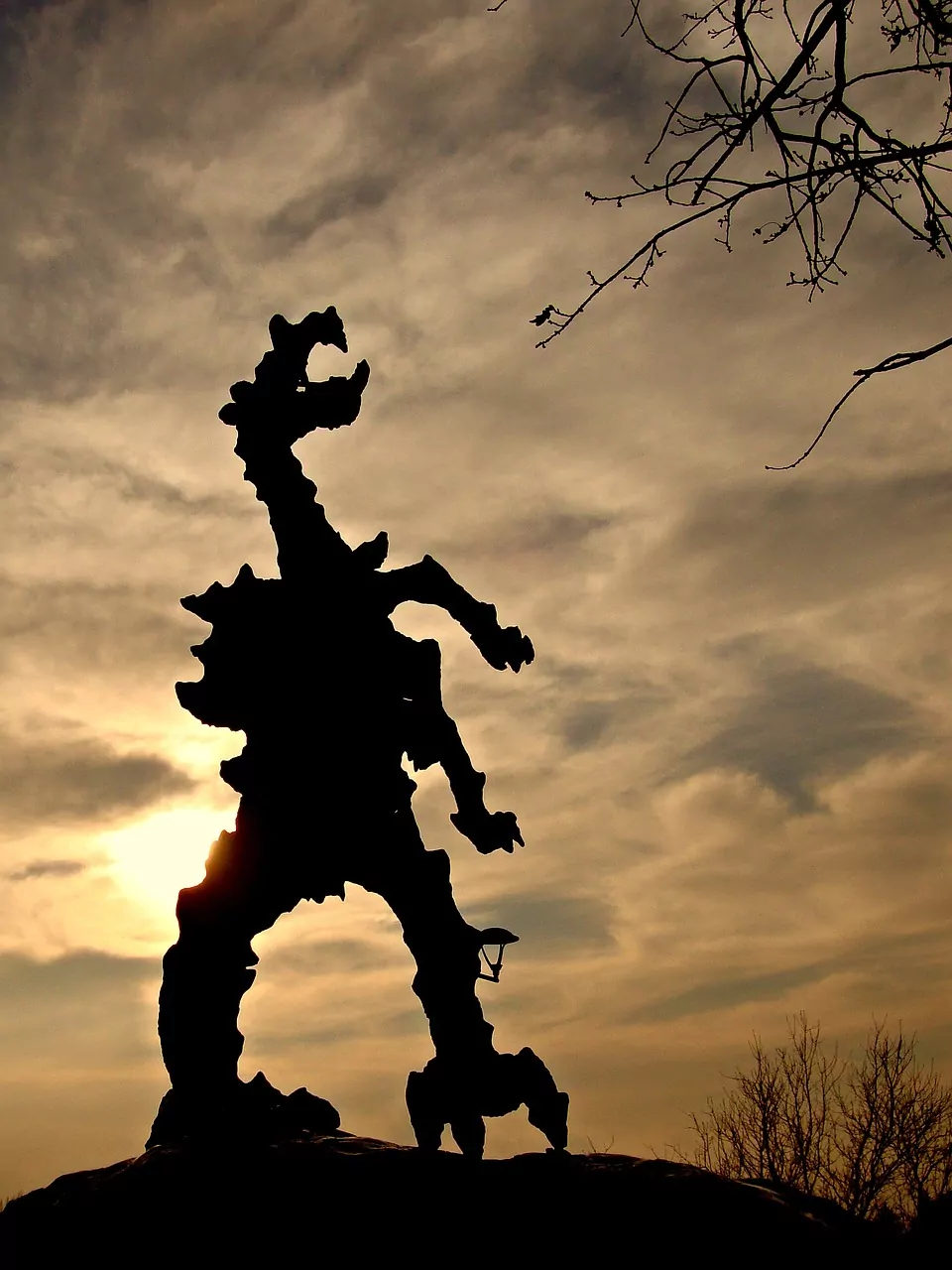
While today the dragon is a beloved symbol of the city and a favorite stop for families traveling with children, the story likely stems from ancient chaos myths common in early Slavic and Indo-European traditions. These early tales were a way to explain the triumph of order and civilization over the wild, untamed forces of nature. Visitors can still see the dragon's presumed lair and its fire-breathing statue near the Vistula River today.
Krakow's unique festivals: Wianki & Rękawka
Many of Kraków’s modern celebrations are direct descendants of ancient Slavic rituals. Two of the most notable are Wianki and Rękawka. Wianki, which takes place during the summer solstice, originated from a Pagan fertility and water ritual where young women would float flower wreaths down the Vistula River to predict their romantic futures. Today, it has transformed into a massive, city-wide music festival along the riverbanks.
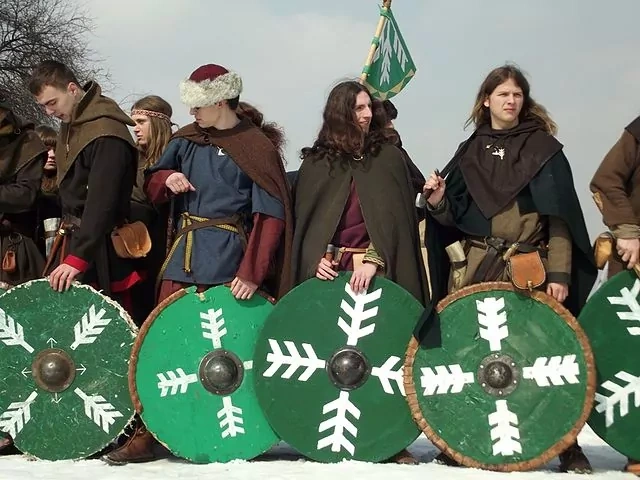
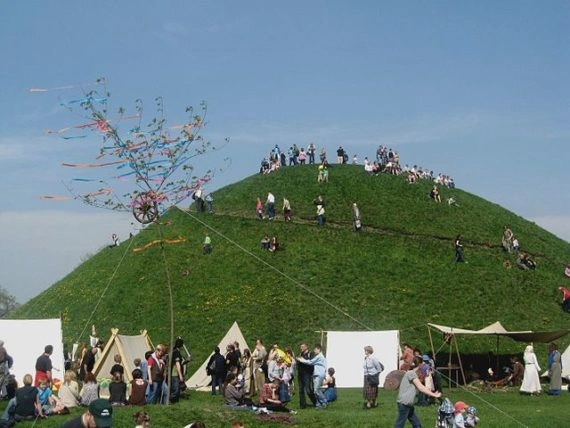
Rękawka, celebrated on the Tuesday after Easter, has roots in pre-Christian spring festivals honoring the dead. It is now observed at the Krakus Mound as a historical reconstruction event. It features early medieval encampments, mock battles, and demonstrations of ancient Slavic crafts, offering a lively way to experience the city's ancient customs in a contemporary setting.
Ancient Earthworks: Visiting Krakow's Mounds
To physically stand on the remnants of Kraków’s Pagan past, one must visit its ancient mounds. The two oldest, Krakus Mound and Wanda’s Mound, date back to prehistoric times, likely between the 7th and 8th centuries. The Krakus Mound is traditionally believed to be the tomb of King Krak, the city’s mythical founder, while Wanda’s Mound is dedicated to his daughter, who famously chose to drown in the Vistula rather than marry a foreign invader.
These monumental earthworks were likely built for astronomical, religious, or funerary purposes by early Slavic tribes. Today, they offer not only a tangible link to Kraków’s earliest inhabitants but also panoramic views of the city. Exploring the Nowa Huta district or the Podgórze area on a guided walking tour can provide deeper insight into how these ancient structures fit into the city’s broader history.
Tangible History: The Światowid Idol in Krakow
While much of Slavic Paganism was erased by the arrival of Christianity, a few remarkable physical artifacts remain. The most significant of these is the Zbruch Idol, commonly referred to as Światowid, housed in Kraków’s Archaeological Museum. Discovered in the 19th century in the Zbruch River (in present-day Ukraine), this towering, four-faced limestone pillar dates back to the 9th century.
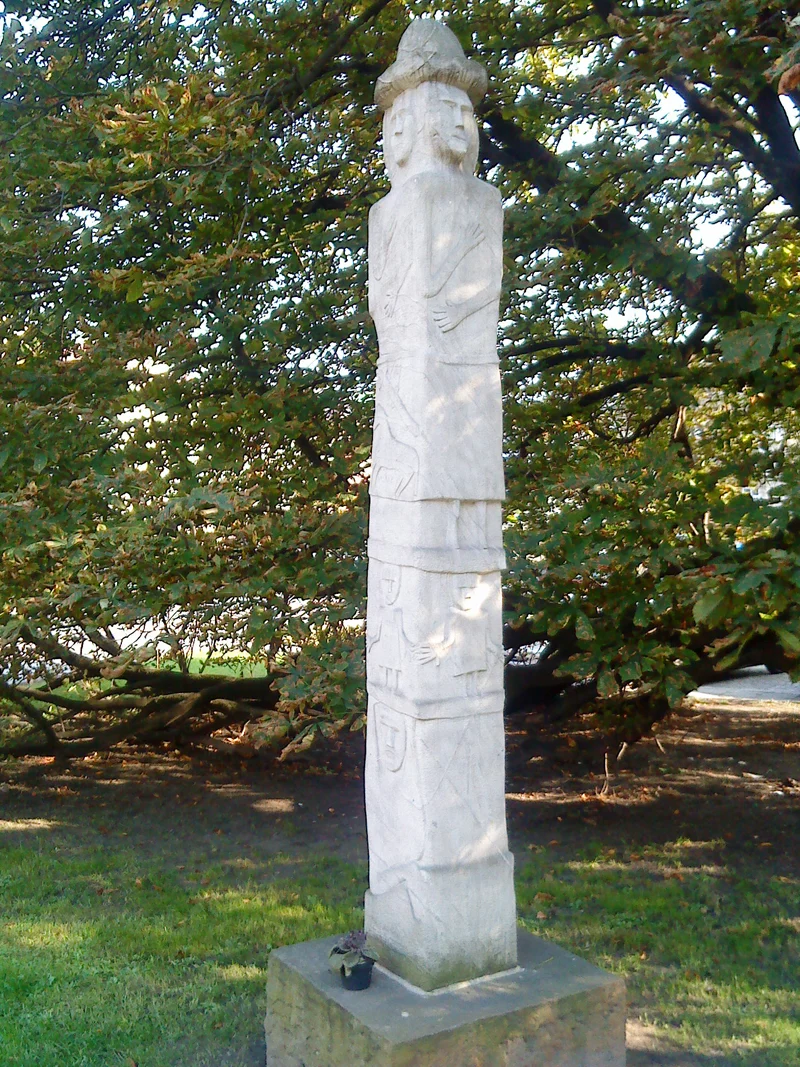
It is widely considered one of the rarest and most complete representations of a Slavic deity ever found. The four faces are believed to represent different aspects of the god overseeing all four corners of the world, while the three tiers of the sculpture depict the heavens, the mortal realm, and the underworld. Viewing the idol offers a rare, direct look into the complex cosmology of the early Slavs.
The upcoming solar eclipse is a modern reminder of the celestial events that once shaped the beliefs of Kraków's earliest residents. By exploring the legendary Wawel Dragon, climbing the ancient mounds, or standing before the imposing Światowit idol, you can uncover a layer of the city that is older and more mysterious than its gothic churches and renaissance palaces. Whether you are observing the sky on August 12 or simply walking the historic streets, keeping these ancient traditions in mind adds a fascinating depth to any visit to Kraków.
Related stories
Culture • Practical Tips • Tours • 4 min. read
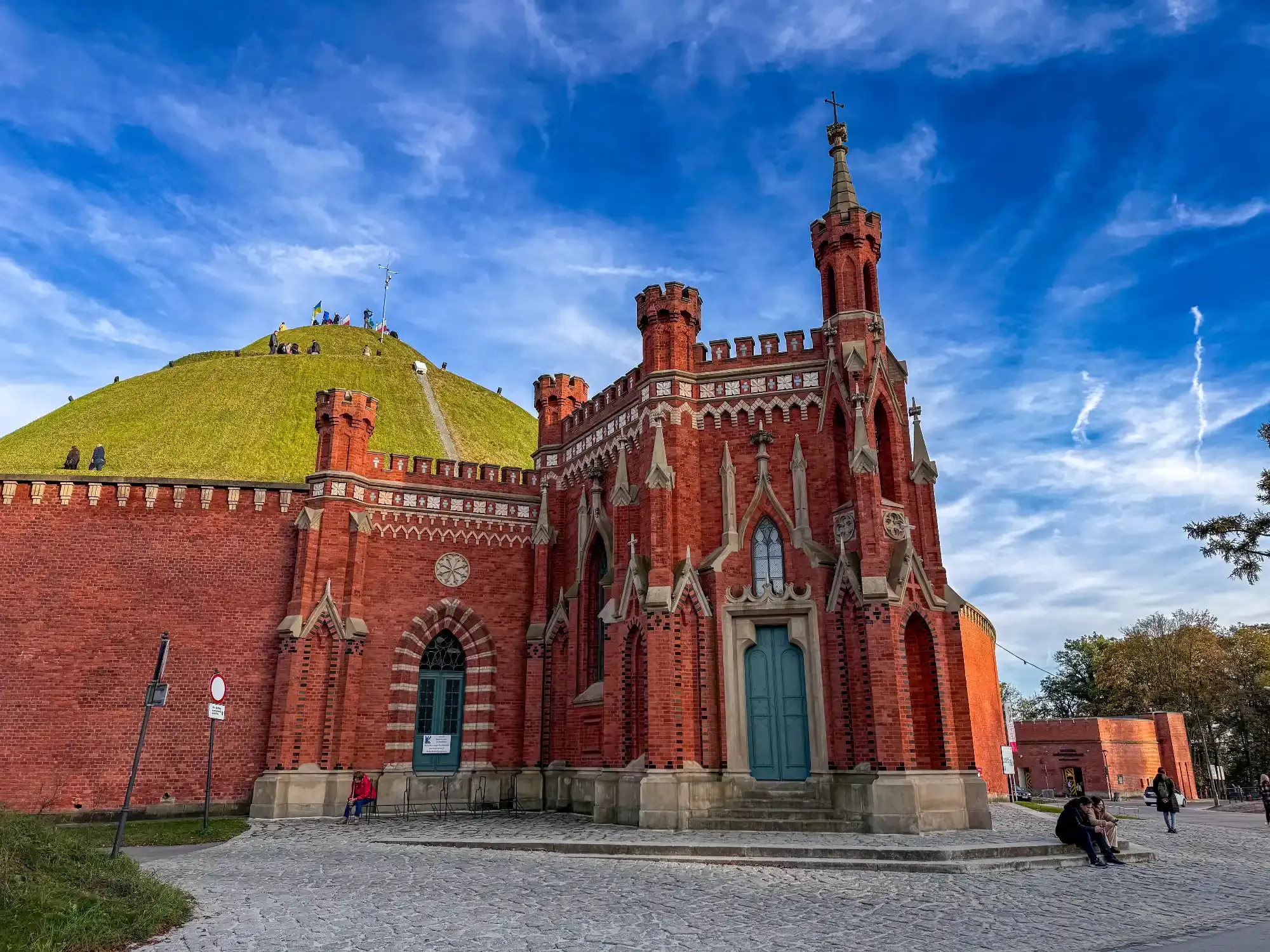
A Scenic Hike Through Krakow’s Western Hills: Through the Mounds, Churches and Forests
Just west of the medieval center, a network of forested trails connects historic monasteries to the highest viewpoints in Krakow. This three-hour walking route climbs past 17th-century wooden chapels and the limestone gorge of Panieńskie Skały before ending in a quiet villa district. It provides a straightforward way to spend a half-day navigating the hills and nature reserves along the city edge.
Practical Tips • History • 11 min. read
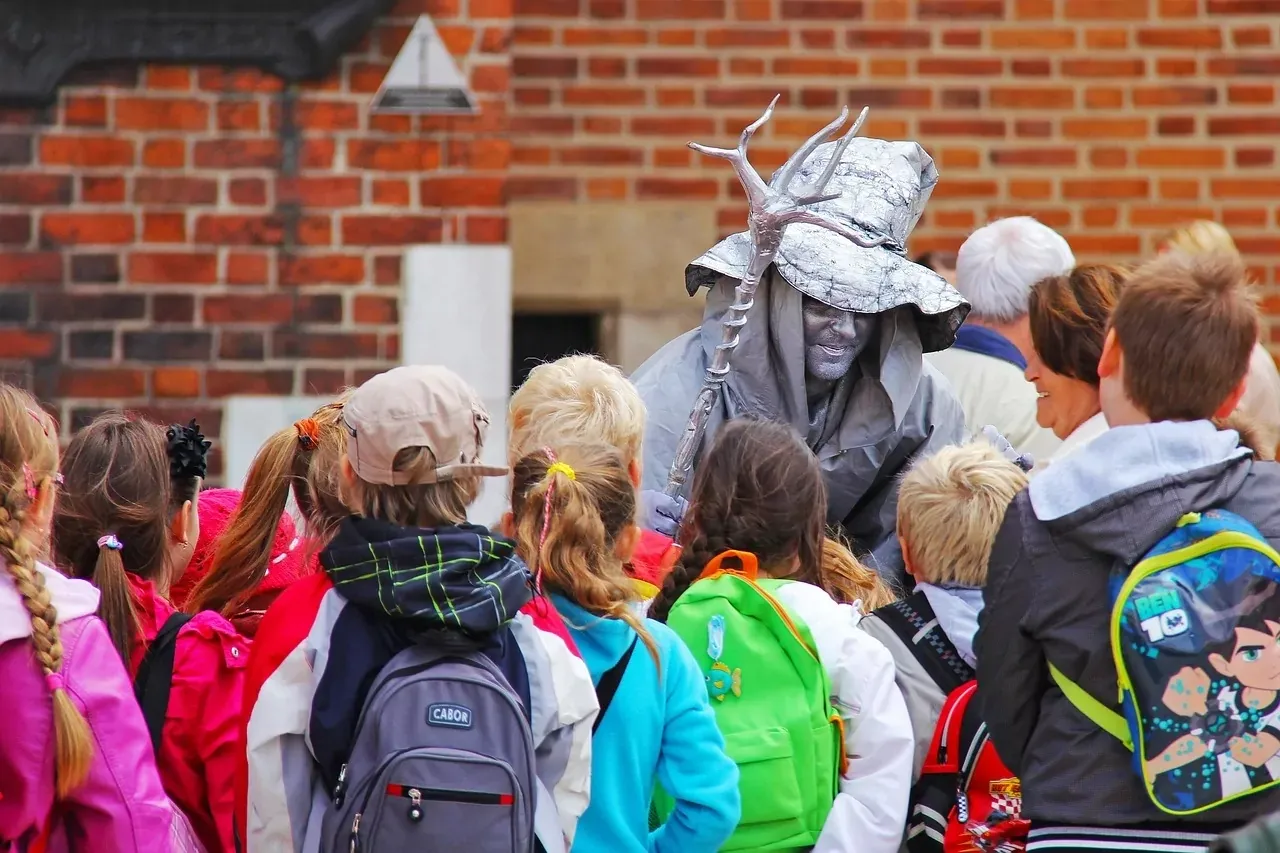
Best places in Kraków when travelling with children
Plan your family trip to Kraków. Discover child-friendly spots like the Wawel Dragon, interactive museums, and the green Planty park.
Culture • History • 10 min. read
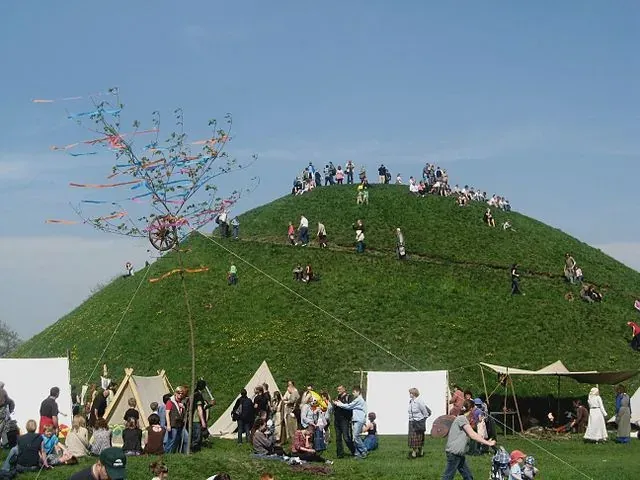
Kraków and Easter – the many local customs and rituals you should know.
Experience Easter in Kraków with our guide to local traditions, customs, and unique Polish rituals during the holiday season.
History • 7 min. read
Krakow or Cracow? What’s in the name?
Krakow or Cracow? Learn why both spellings exist, how locals say it, and which name to use when travelling to Poland.
Culture • Practical Tips • History • Tours • 4 min. read
The Wianki Midsummer Festival in Krakow: History and 2026 Events
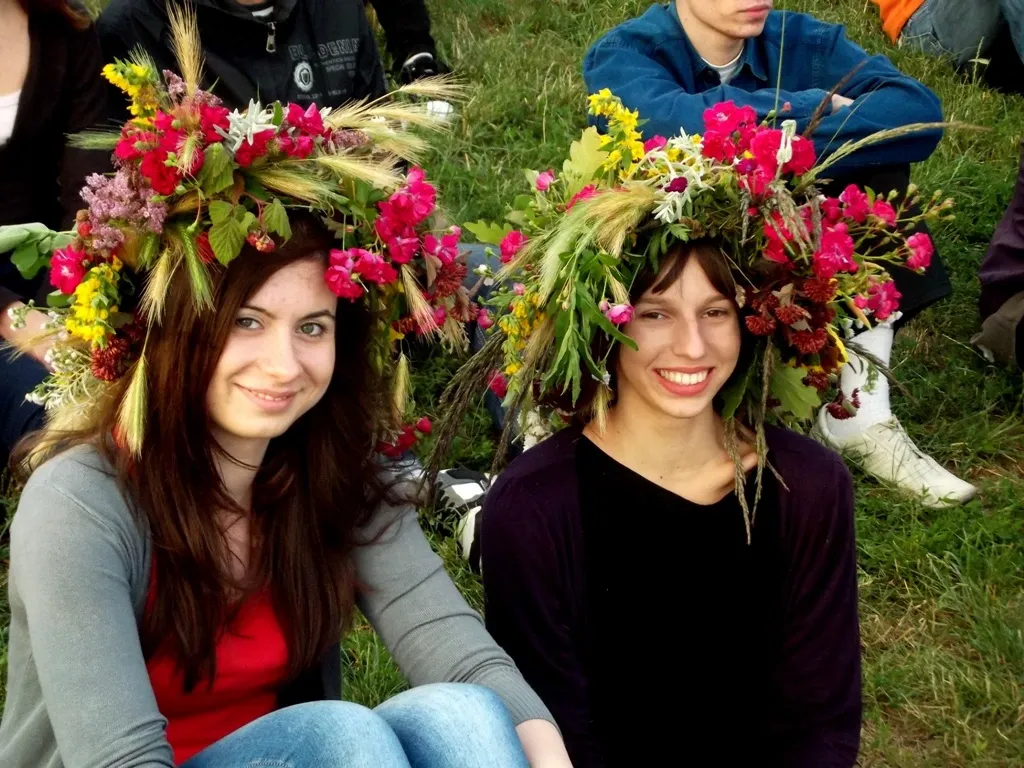
Every June, the banks of the Vistula River fill with hand-woven floral crowns to mark the summer solstice. This ancient Slavic ritual of floating wreaths, known as Wianki, has evolved from a pagan fortune-telling night into one of Krakow’s largest outdoor events. For the 2026 festival, acoustic folk stages along Czerwieński Boulevard and silent discos in the Collegium Maius courtyard accompany the traditional waterside ceremonies.