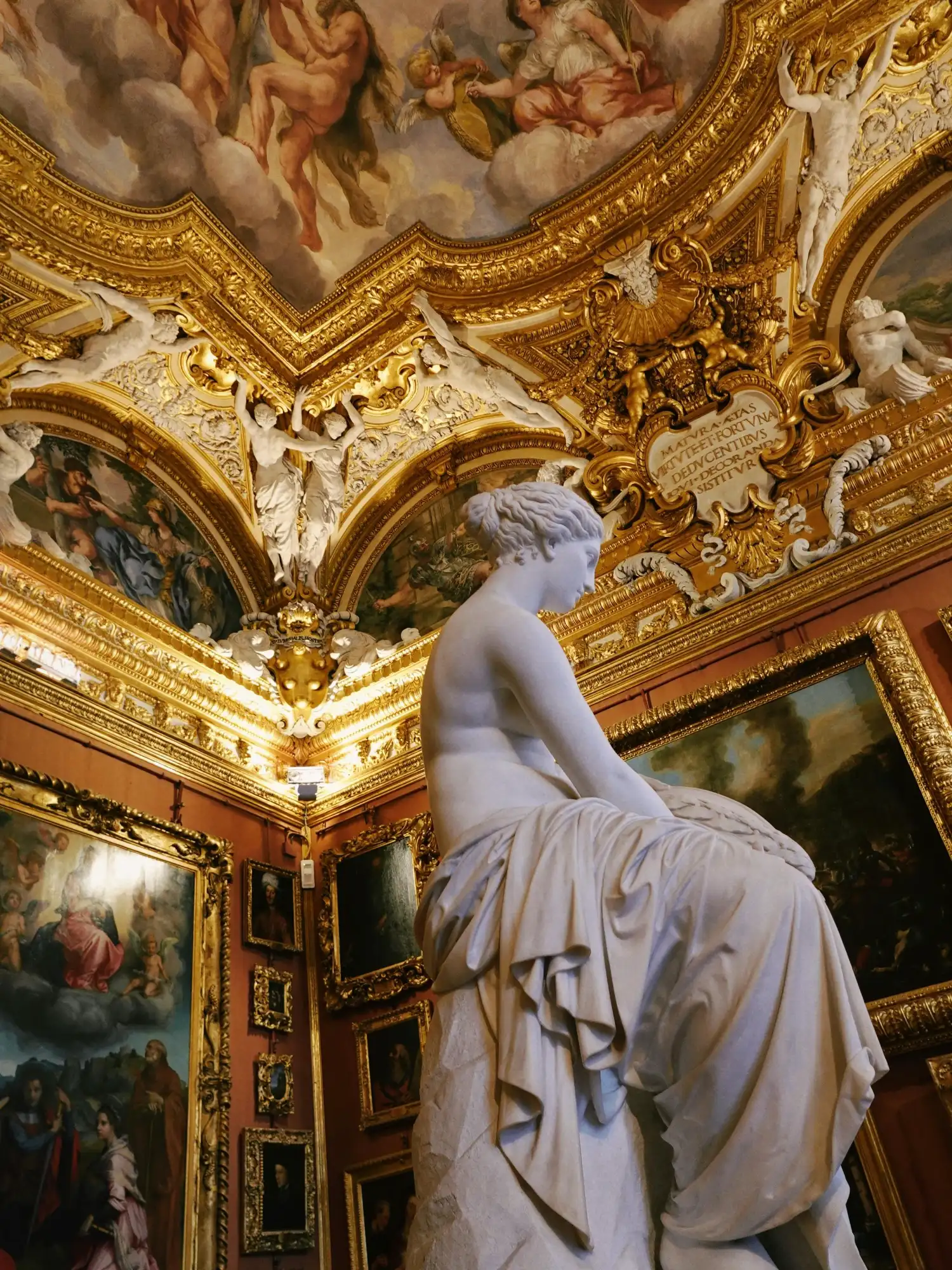
Baroque Rome: Art of Ambition and Grandeur
During the Counter-Reformation, art and architecture took on a new significance in Rome, becoming powerful instruments through which the Catholic Church could reaffirm its authority and communicate its teachings to the masses. But Rome’s artistic transformation was about more than religion alone: it was fuelled by powerful patrons, ambitious popes and wealthy families, whose influence and desire for prestige created opportunities for some of history’s greatest artistic minds. It was a moment when genius and power went hand in hand, as artists and architects were given the freedom, resources and commissions to push creative boundaries. Moving beyond the written word, their works were designed to inspire awe, stir emotion and make faith an immersive experience.
Culture • History • Tours • 11 min. read
Last edited:
Rome in the Baroque Age: A City Transformed by Art
Rome is, in many ways, a Baroque city. Often considered one of the world's most beautiful cities, it captivates visitors at every turn. Perhaps you've admired its breathtaking fountains during an evening passeggiata, gelato in hand, marvelled at the extravagant interiors of its churches, or wandered through museums wondering how human hands could have created such extraordinary works.
But how did Rome develop this distinctive artistic identity? How did art reach such heights of drama, emotion, and grandeur? And who were the figures behind a movement that would eventually spread across the world?
The answers lie in a combination of political ambition, religious upheaval, Renaissance innovations, expanding financial networks, and a desire to rebuild, impress, and outshine the competition. At the heart of it all was a city determined to reclaim its glory — and a Church that understood the power of art to move people spiritually and emotionally.
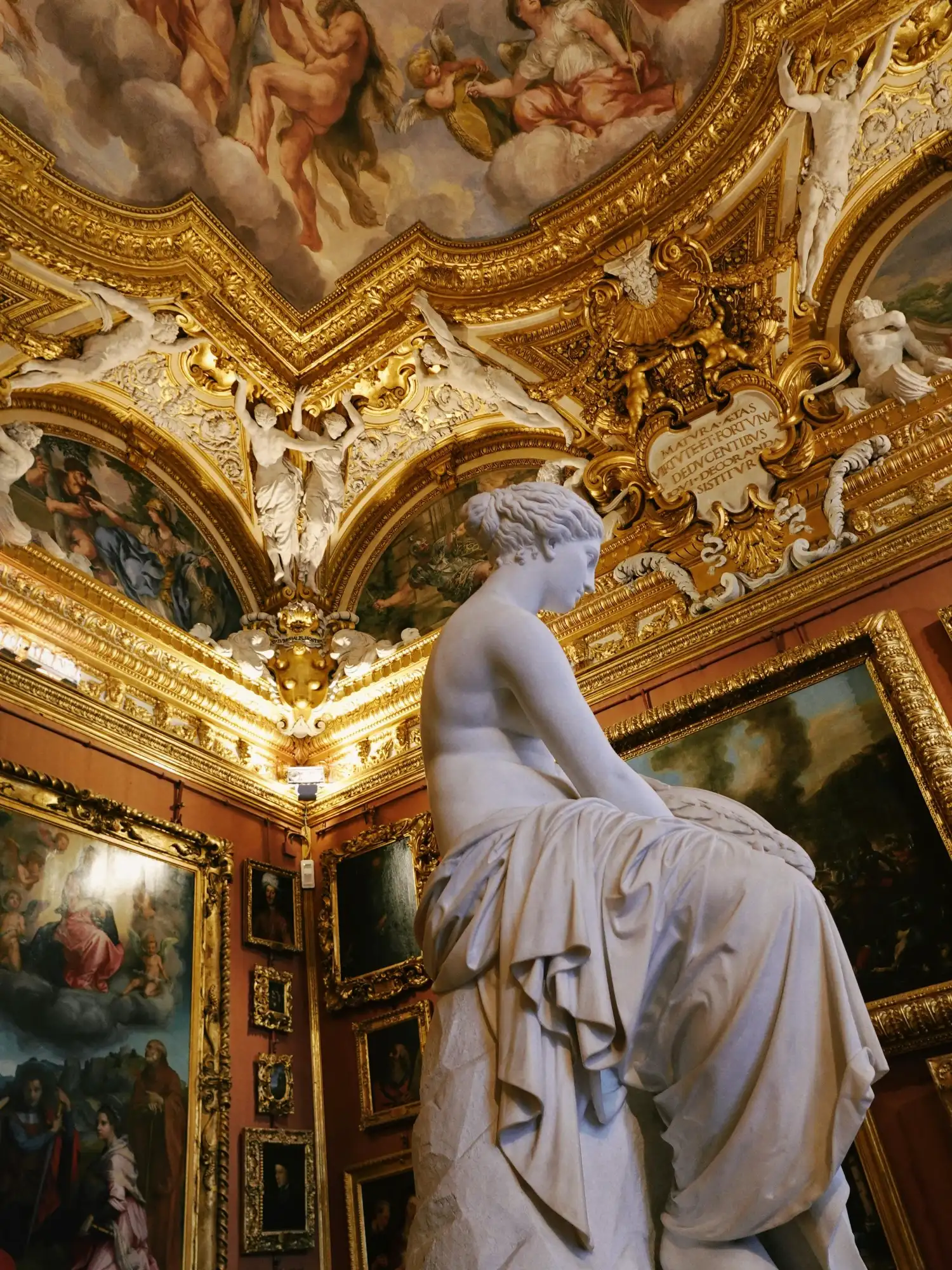
The Counter-Reformation: Art in the Service of Faith
To understand why Rome became the birthplace of Baroque art, we need to return to a time when the Catholic Church faced a serious challenge.
In 1527, the Sack of Rome devastated the city and exposed the vulnerability of papal power. In the decades that followed, the papacy set out to rebuild Rome into a place that radiated grandeur, stability, and divine authority.
Meanwhile, the Protestant Reformation was challenging the Church's authority across Europe. Many Protestants rejected the veneration of religious images and statues, viewing it as dangerously close to idolatry. The Catholic Church needed to defend its teachings, reform its institutions, and strengthen the faith of its followers.
Enter the Counter-Reformation — and art as one of the Church's most powerful allies.
A major turning point came with the Council of Trent (1545–1563), during which Catholic leaders reaffirmed the role of sacred images in religious life. Rather than abandoning paintings and sculptures, the Church insisted that they should teach biblical stories, inspire devotion, and make Christianity more accessible to ordinary people.
For artists, this marked an important shift in emphasis. Renaissance art had celebrated harmony, proportion, and ideal beauty; Baroque art increasingly sought to stir emotions and bring the faithful closer to the divine. Dramatic scenes, lifelike figures, expressive faces, and theatrical lighting made biblical stories feel immediate and real.
In Rome, the seat of papal power, this mission took on monumental proportions. Churches became grand stages, altarpieces drew the eye heavenward, and sculptures seemed ready to leap from their pedestals. Architecture, painting, and sculpture combined to create immersive experiences that inspired awe and reinforced Catholic belief.
Baroque art wasn't born from the Counter-Reformation alone, but the Church gave it a powerful purpose — and Rome became its spectacular stage.
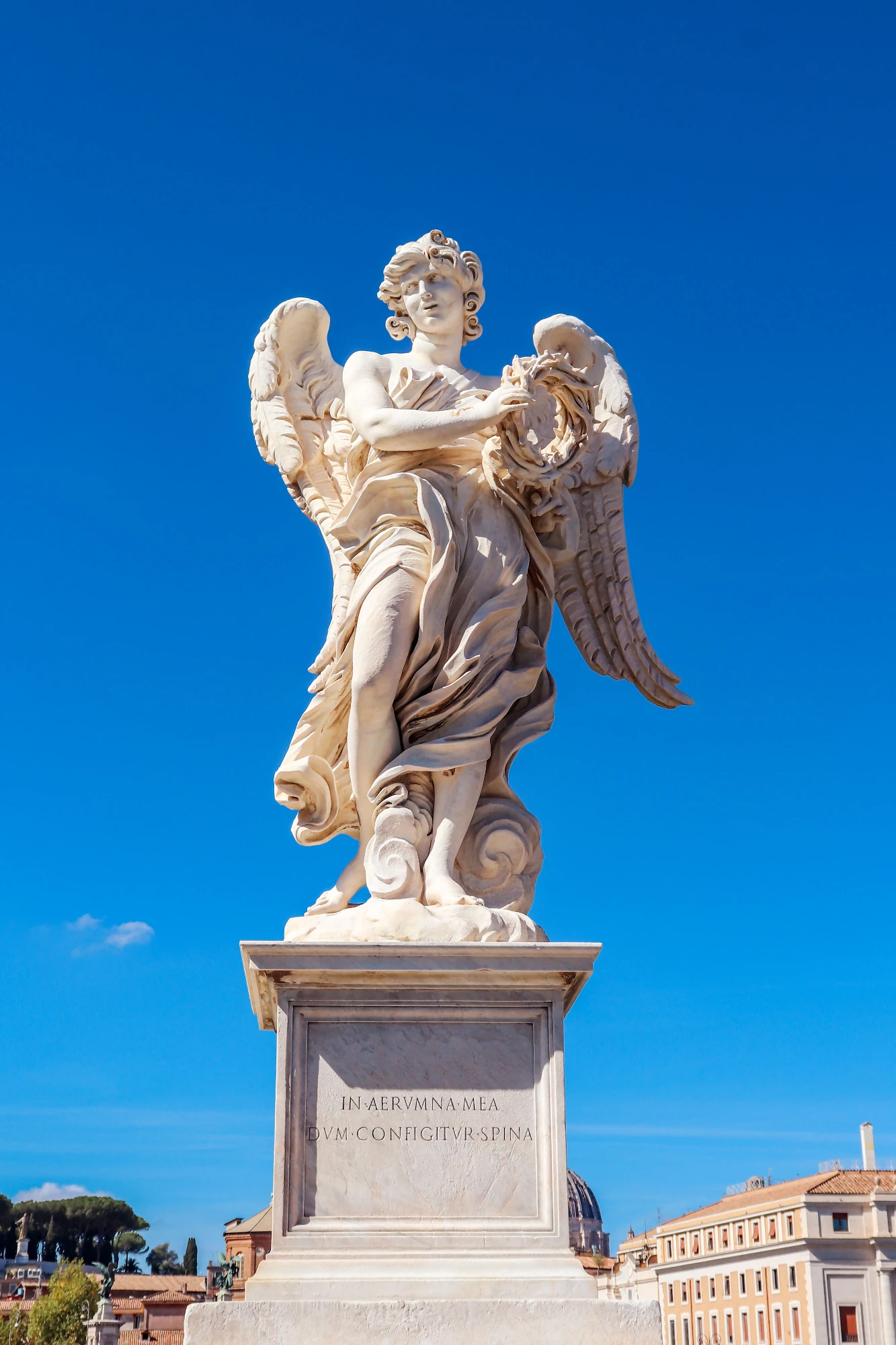
Renaissance Foundations: The Roots of Baroque
Before Baroque art could transform Rome, the Renaissance had already laid the groundwork. During the fifteenth and sixteenth centuries, the city attracted ambitious artists, architects, and thinkers eager to explore new artistic possibilities. Another development was equally important: the growth of financial networks that helped turn artistic ambition into reality.
Italian cities such as Florence, Venice, and Genoa became major centres of commerce and banking. Merchant families, including the Medici of Florence, built networks that stretched across Europe. Through bank branches, business partnerships, and instruments such as bills of exchange, they could finance trade, transfer money, and extend credit over long distances.
As banking expanded, wealthy merchants and families accumulated fortunes to invest in art, architecture, and public life. Patronage demonstrated wealth, cultivated influence, and created lasting legacies.
The papacy was part of this interconnected financial world. The Church received income from its lands, ecclesiastical revenues, and the territories of the Papal States, while bankers helped transfer funds, arrange loans, and manage payments. Credit also allowed popes to finance ambitious projects against future income.
These resources gave popes, cardinals, and wealthy families the means to commission monumental works — and the incentive to compete. Money made grand visions possible; prestige made them irresistible.
For an ambitious young artist, a commission from the pope could be a golden ticket, offering income, recognition, and the chance to create something that would endure for centuries. Yet artistic ambition often went hand in hand with religious belief. Painting a biblical scene, sculpting a saint, or designing a magnificent altar could be both a career-defining achievement and an act of devotion.
The Renaissance had given Rome the financial networks, artistic talent, and cultural ambitions needed for its transformation. As the seventeenth century approached, a new generation of artists would take these foundations in a far more theatrical direction.
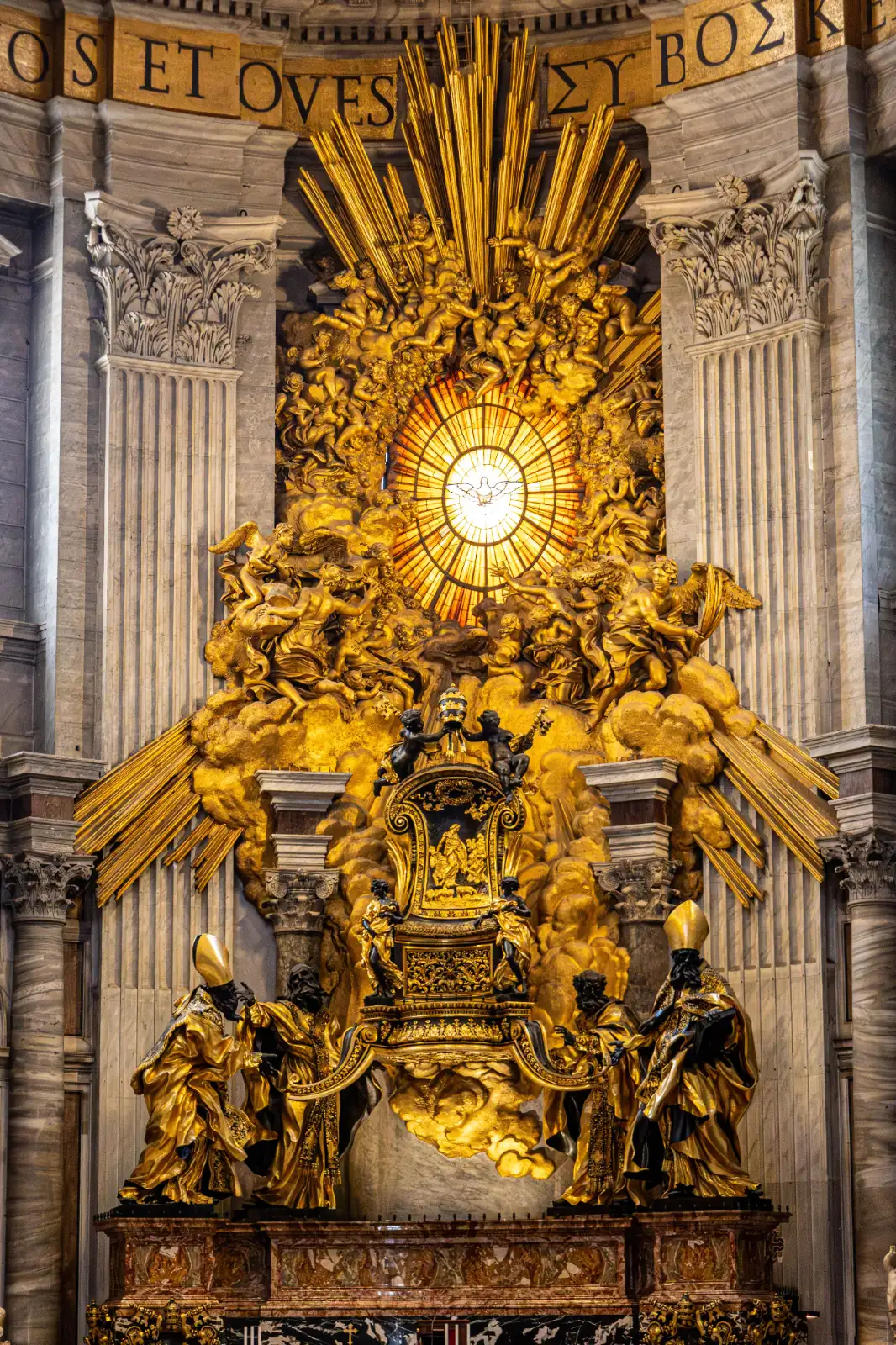
The Great Names Who Transformed Rome into a Baroque Masterpiece
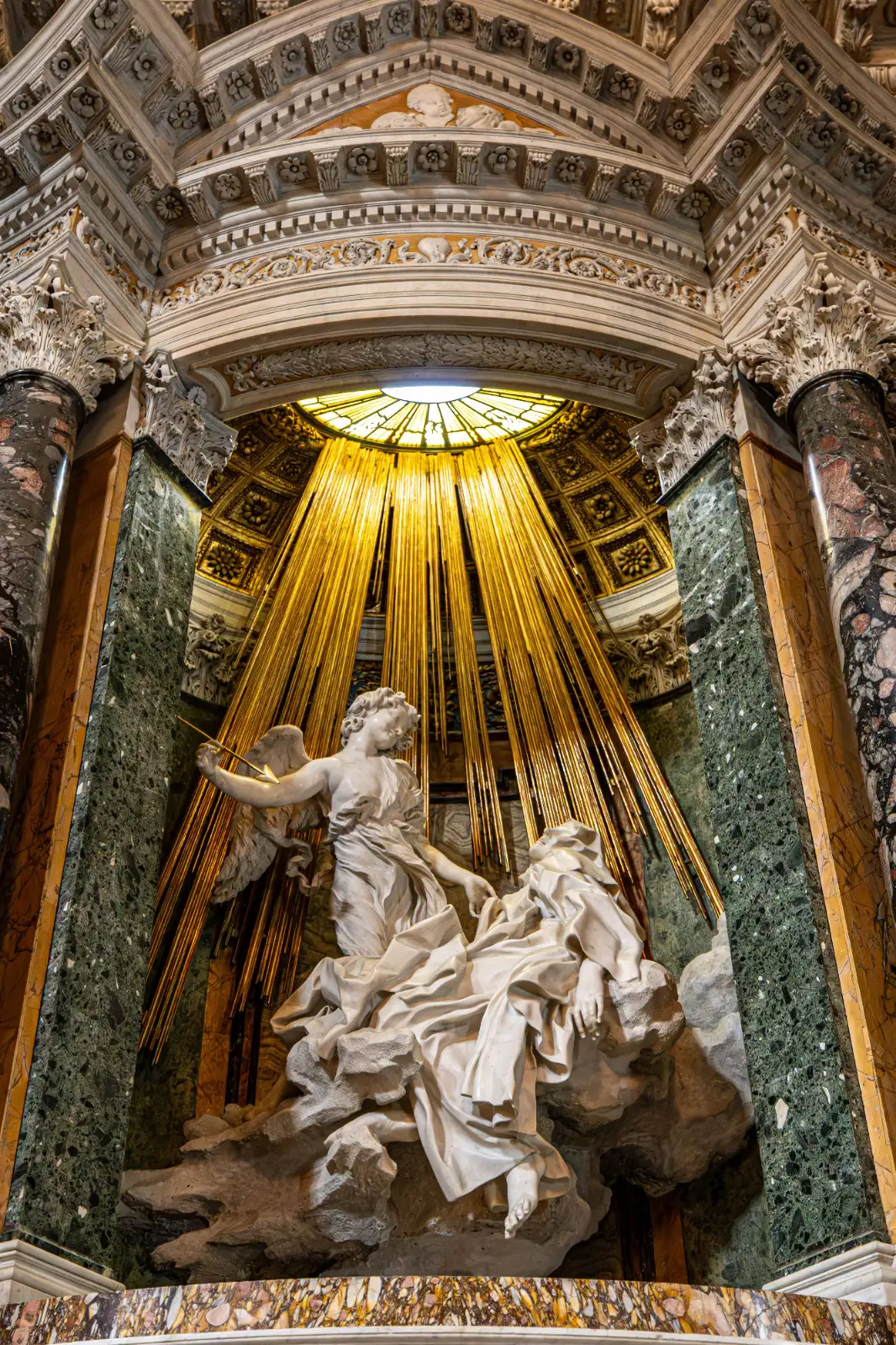
Gian Lorenzo Bernini: The Man Who Made Rome Baroque
If one artist embodies the spirit of Baroque Rome, it is Gian Lorenzo Bernini — a man of extraordinary talent, boundless energy, and a remarkable ability to win over powerful patrons.
Born in Naples in 1598, Bernini moved to Rome as a child with his father, a sculptor. Surrounded by the city's ancient treasures and artistic ambitions, he showed exceptional talent from an early age. But genius alone wasn't enough to thrive in Rome's competitive world of patronage. Bernini also knew how to cultivate influential connections, particularly with Pope Urban VIII (born Maffeo Barberini), whose support helped propel him to the top of the artistic world.
Deeply religious yet fiercely ambitious, Bernini was perfectly suited to the Baroque age. Sculpture may have been his greatest strength, but he was also an architect, painter, designer, and man of the theatre, bringing a flair for drama and spectacle to everything he touched. Working for successive popes, he helped unite art, architecture, and faith on an extraordinary scale.
Bernini died in Rome in 1680, but his presence remains unmistakable. His fountains, piazzas, churches, and grand architectural gestures are woven into the fabric of the city. You don't need to enter a museum to experience his work: in many ways, Rome itself is his masterpiece.
Francesco Borromini: The Rebel Who Bent the Rules
If Bernini was the showman of Baroque Rome, Francesco Borromini was its restless innovator — a brilliant, uncompromising architect who challenged convention.
Born in 1599 in what is now Switzerland, Borromini arrived in Rome as a young man to pursue his career. He initially worked alongside Bernini on major building projects, but their temperaments and artistic visions differed considerably. Bernini excelled at spectacle and cultivated powerful patrons, while Borromini was more introverted, intensely focused, and fiercely independent. Their professional relationship eventually broke down, producing one of the most intriguing rivalries in Rome's artistic history.
Borromini approached architecture almost like a mathematical puzzle. He experimented with curves, interlocking geometric shapes, unusual floor plans, and ceilings that seem to defy the limits of stone. His interiors appear to expand and contract as visitors move through them, while carefully controlled light and proportions create an almost otherworldly sense of space.
Rather than relying on monumental scale, he showed how architecture could captivate through ingenuity alone.
His unconventional ideas didn't always win him friends or commissions. Difficult working relationships and an unwillingness to compromise often brought him into conflict with patrons and rivals. Yet his experimental approach helped make Rome one of the seventeenth century's most inventive architectural centres.
Borromini's life ended tragically in 1667, when he died by suicide after a period of personal distress. He left behind a body of work that was daring, distinctive, and far ahead of its time.
To discover his Rome, look beyond grand façades and famous monuments. Step inside one of his churches, follow the curves, and notice how the light changes as you move. Bernini wanted to take your breath away; Borromini wanted to make you question what architecture could do.
Caravaggio: Bringing the Sacred Down to Earth
If Bernini made Rome theatrical and Borromini challenged architectural conventions, Caravaggio brought startling realism to religious painting.
Born Michelangelo Merisi in Milan in 1571, he arrived in Rome as a young man determined to make his mark in the competitive art world. He became known as Caravaggio, after the northern Italian town associated with his family. He soon stood out for his refusal to idealize his subjects. His saints had weathered faces, dirty feet, and imperfections that other painters might have concealed. Holiness, in his work, could emerge from the rough, everyday world rather than a distant heavenly realm.
His signature technique intensified this realism. By plunging backgrounds into darkness and illuminating figures with sudden beams of light, Caravaggio drew viewers directly into the action. This dramatic interplay of light and shadow, known as chiaroscuro, heightened the emotional and spiritual impact of his paintings.
His turbulent personality was almost as famous as his art. Hot-tempered and frequently involved in brawls, Caravaggio's life took a dramatic turn in 1606, when he killed a man and was forced to flee Rome. He spent his final years moving between cities, continuing to paint while seeking a way back. He died in 1610, aged just 38, under circumstances that remain the subject of historical debate.
Despite his short and troubled life, Caravaggio transformed European painting, influencing generations of artists with his uncompromising realism and dramatic lighting. His works in Rome still draw visitors into scenes that feel startlingly human and immediate.
Popes, Patronage, and Artistic Rivalry
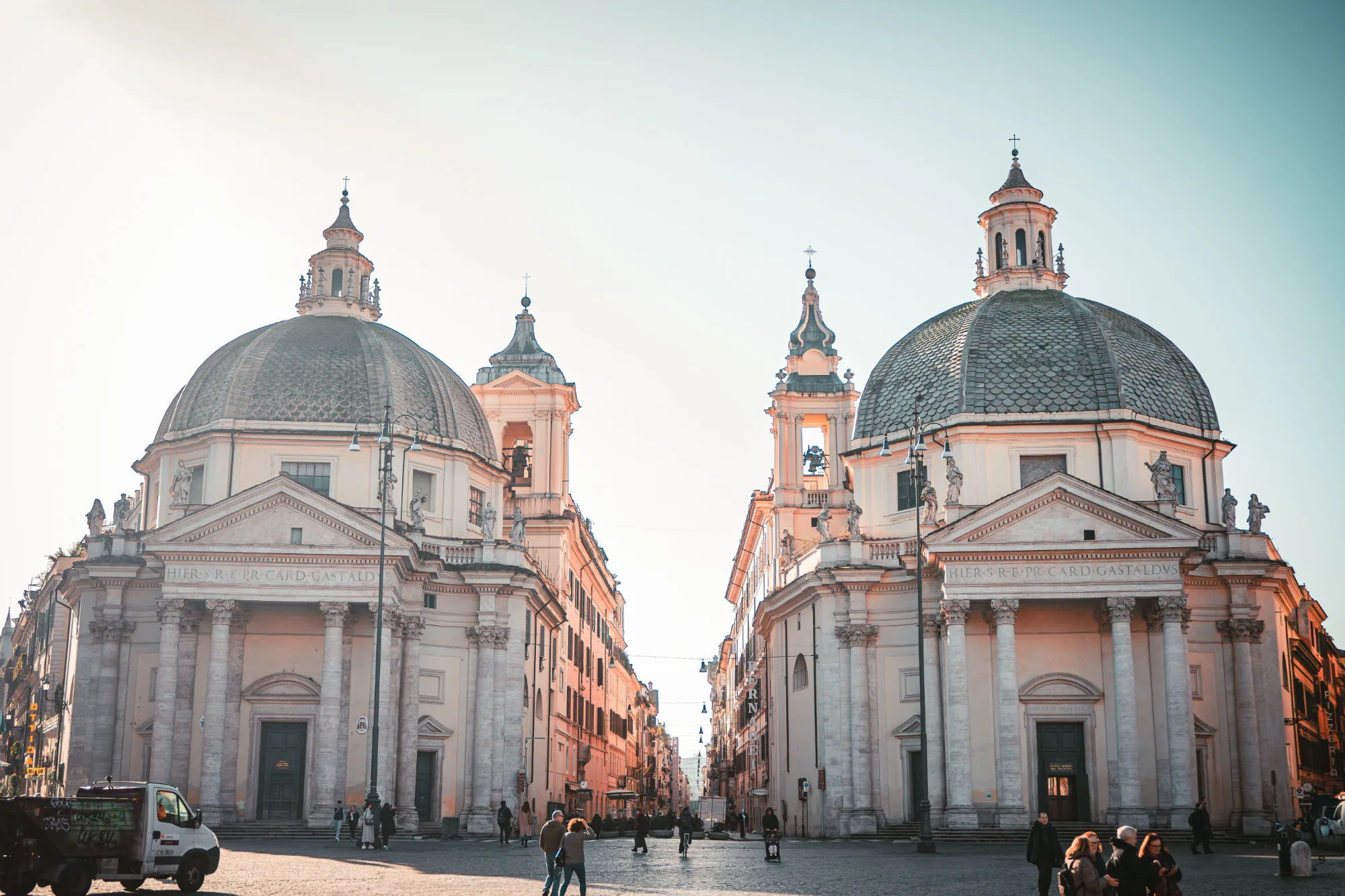
Rome's Baroque transformation wasn't driven by artistic genius alone. Behind its grand churches, elaborate palaces, and spectacular piazzas lay a powerful mix of money, politics, and competition. Popes and cardinals understood that art could project authority, reinforce Catholic faith, and secure a place in history.
The papacy set the tone, commissioning monumental buildings and public artworks that presented Rome as the glorious centre of Catholic Christianity. Powerful aristocratic families, including the Barberini, also sought distinction through lavish palaces, prestigious commissions, and public displays of wealth. Supporting a celebrated artist was more than a matter of taste; it was a way to demonstrate influence and outshine rivals.
In this environment, artistic ambition knew few limits. Artists were encouraged to think bigger, bolder, and more dramatically. Restrained elegance might impress, but spectacle could capture an entire city's attention.
Yet Baroque art didn't remain Rome's signature style. Through diplomatic ties, royal patronage, and artistic exchanges with France, it spread beyond Italy. Catholic missionaries also carried Baroque paintings, sculptures, and architectural ideas to territories across the Americas, Asia, and beyond, where these traditions often blended with local artistic practices.
What began as a powerful expression of Catholic faith and papal prestige in Rome became an international artistic movement, transforming cities and sacred spaces around the world.
Exploring Rome's Open-Air Museum on Foot
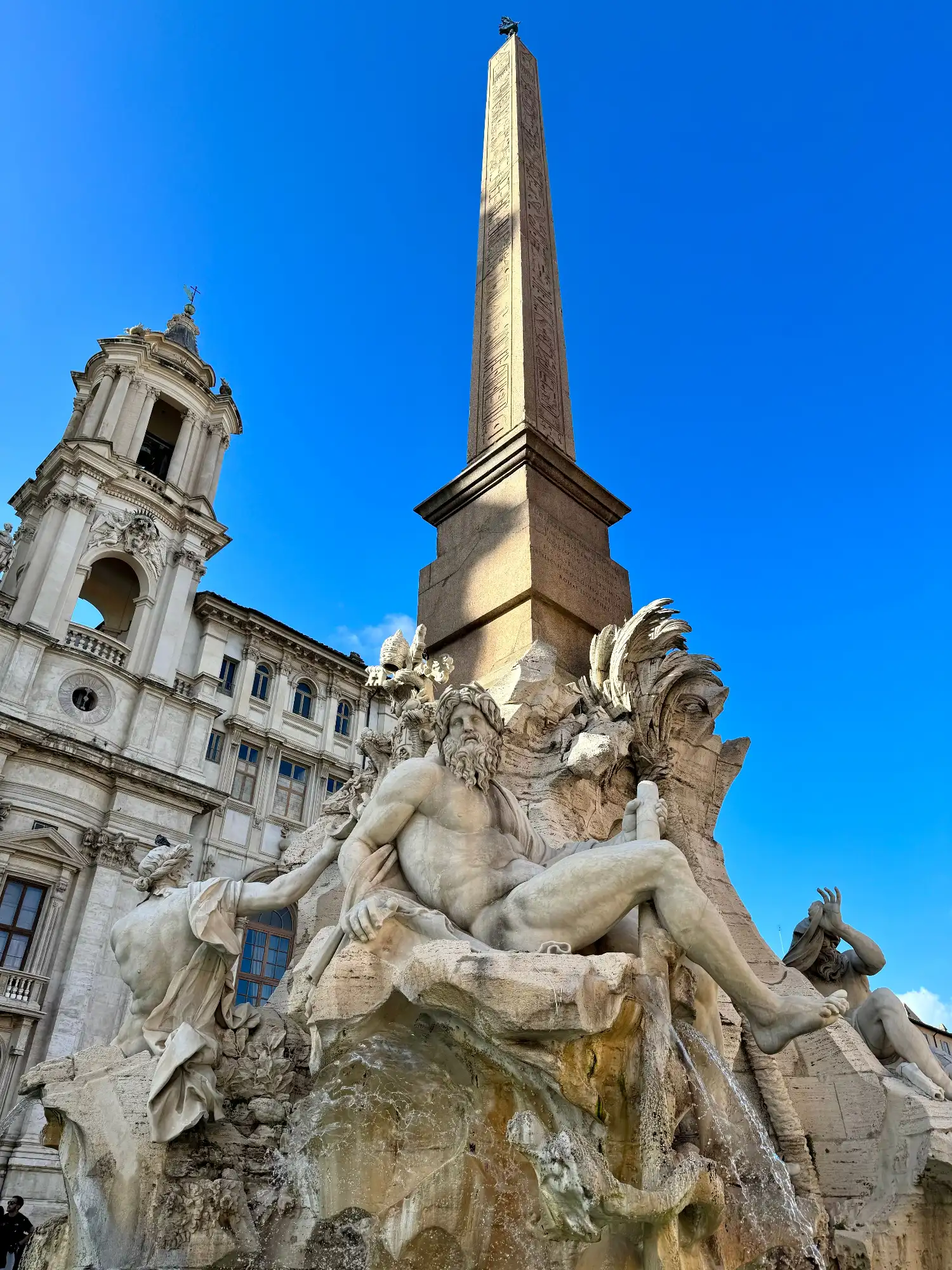
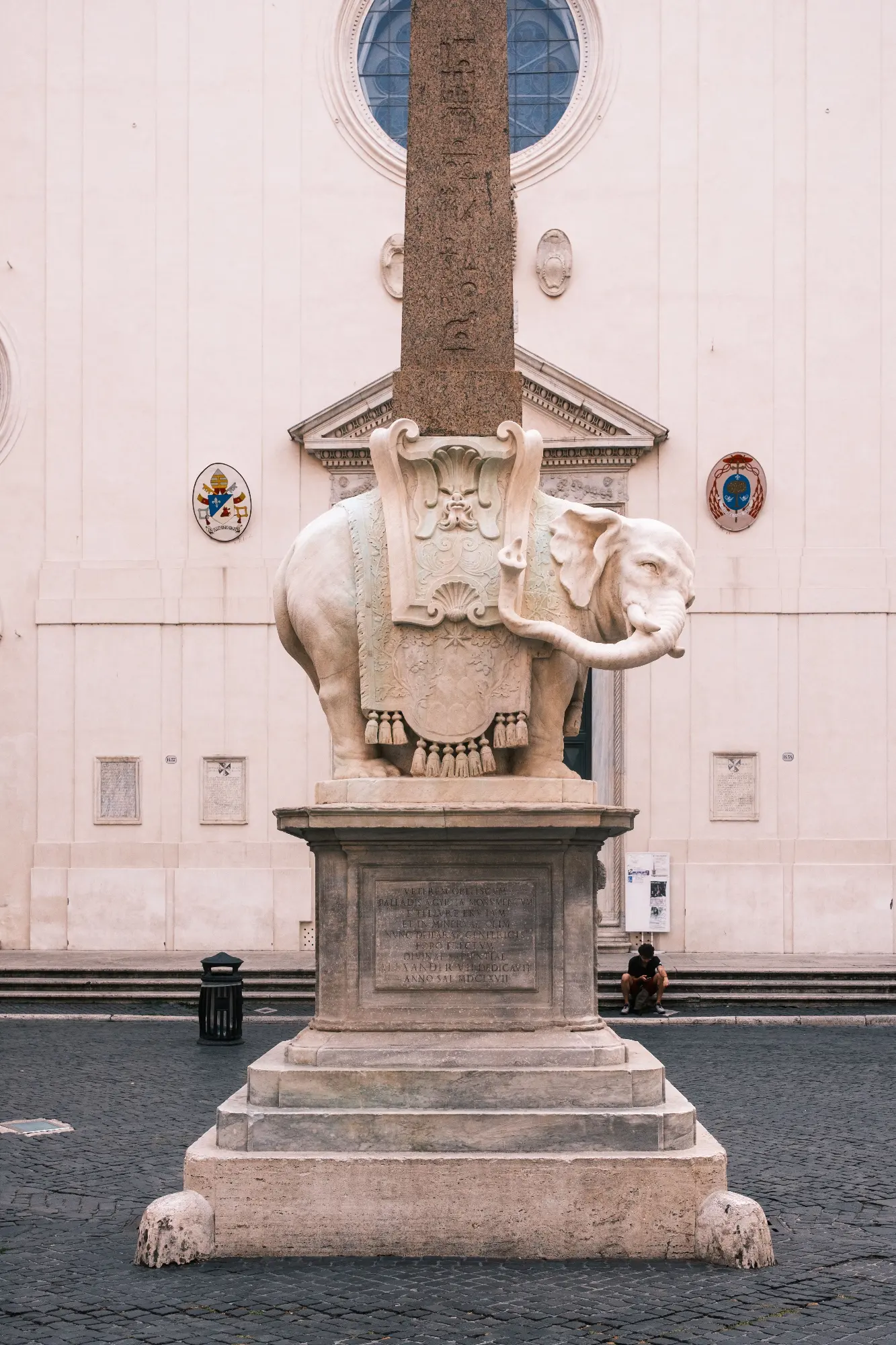
One of the most remarkable things about Rome's artistic history is that much of it can be experienced without entering a traditional museum. Many of the city's greatest Baroque masterpieces are woven into its streets, squares, fountains, and active churches.
To discover the stories behind these monuments, look beyond the grand façades. Step inside churches, study the ceilings, notice how light falls across a sculpture, and pay attention to details you might otherwise walk past. These are the places where the ambitions, rivalries, and beliefs of seventeenth-century Rome become tangible.
Planning a visit to the Vatican? Check out our Vatican article for practical tips, or join our Vatican tour to discover the ambitious popes, scandals, and artistic rivalries that helped shape the city. With Walkative tours, you can explore Rome on foot, uncover its hidden details, and discover the stories behind the masterpieces that make the city so extraordinary.
Rome's artistic legacy remains as vivid today as it was centuries ago. Look beyond the famous landmarks and explore its quieter chapels and bustling piazzas. You'll discover a city where history, faith, politics, and human creativity remain permanently intertwined.

Written by
Anya
A history and culture enthusiast with a fascination for Italy beyond the postcard. Exploring museums, archaeological sites, villages, cities, landscapes, and lesser-known corners in search of the stories, contradictions, and cultural layers that have shaped the country.
Related stories
History • 10 min. read
A Guide to Rome's Major Papal Basilicas and Historic Churches
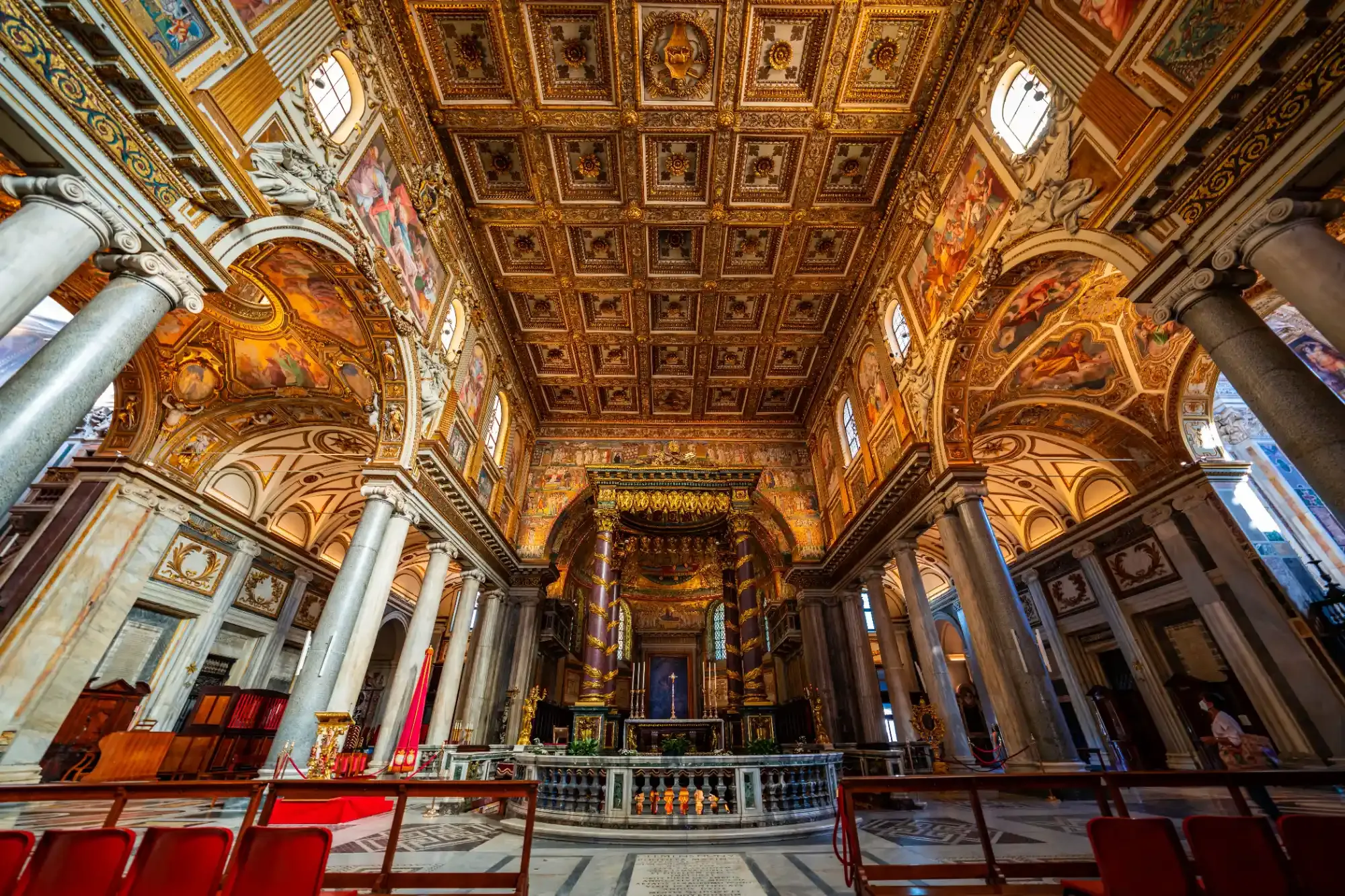
Much of the finest art in Rome is not kept behind museum glass, but inside the chapels of active churches and ancient basilicas. You can stand beneath the 5th-century mosaics of Santa Maria Maggiore or study Caravaggio’s mastery of light in San Luigi dei Francesi just by walking through the doors. This guide outlines which religious sites hold significant Renaissance and Baroque works, and how to fit them into your visit.
Culture • Practical Tips • History • 8 min. read
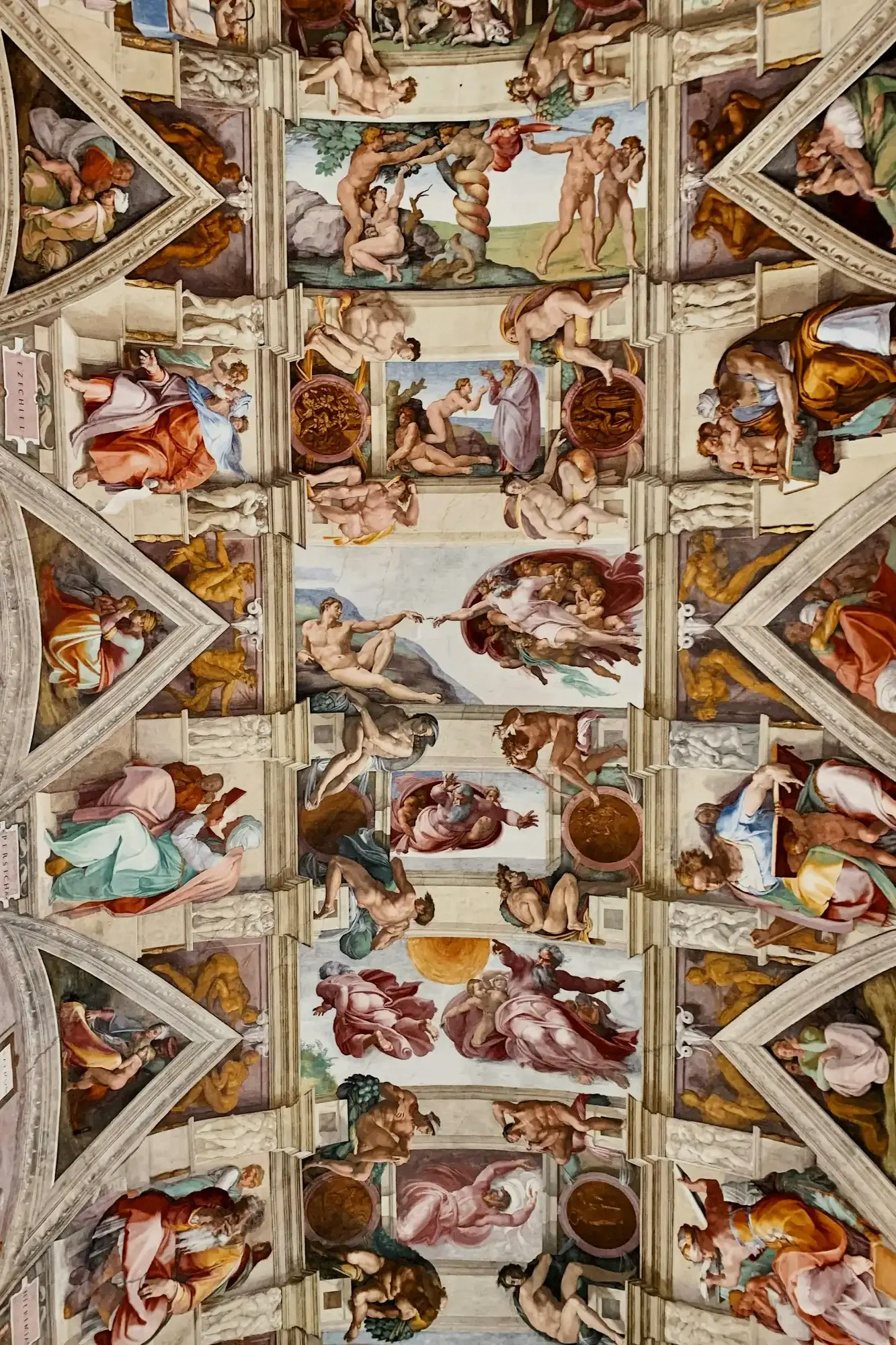
A Practical Guide to Visiting the Vatican: Tips from you Local Walkative Guide
Planning a trip to Vatican City and not sure where to begin? You’re in the right place!
Culture • Practical Tips • History • Tours • 14 min. read
Rome's Essential Museums: The Vatican, Capitoline, Borghese and Beyond
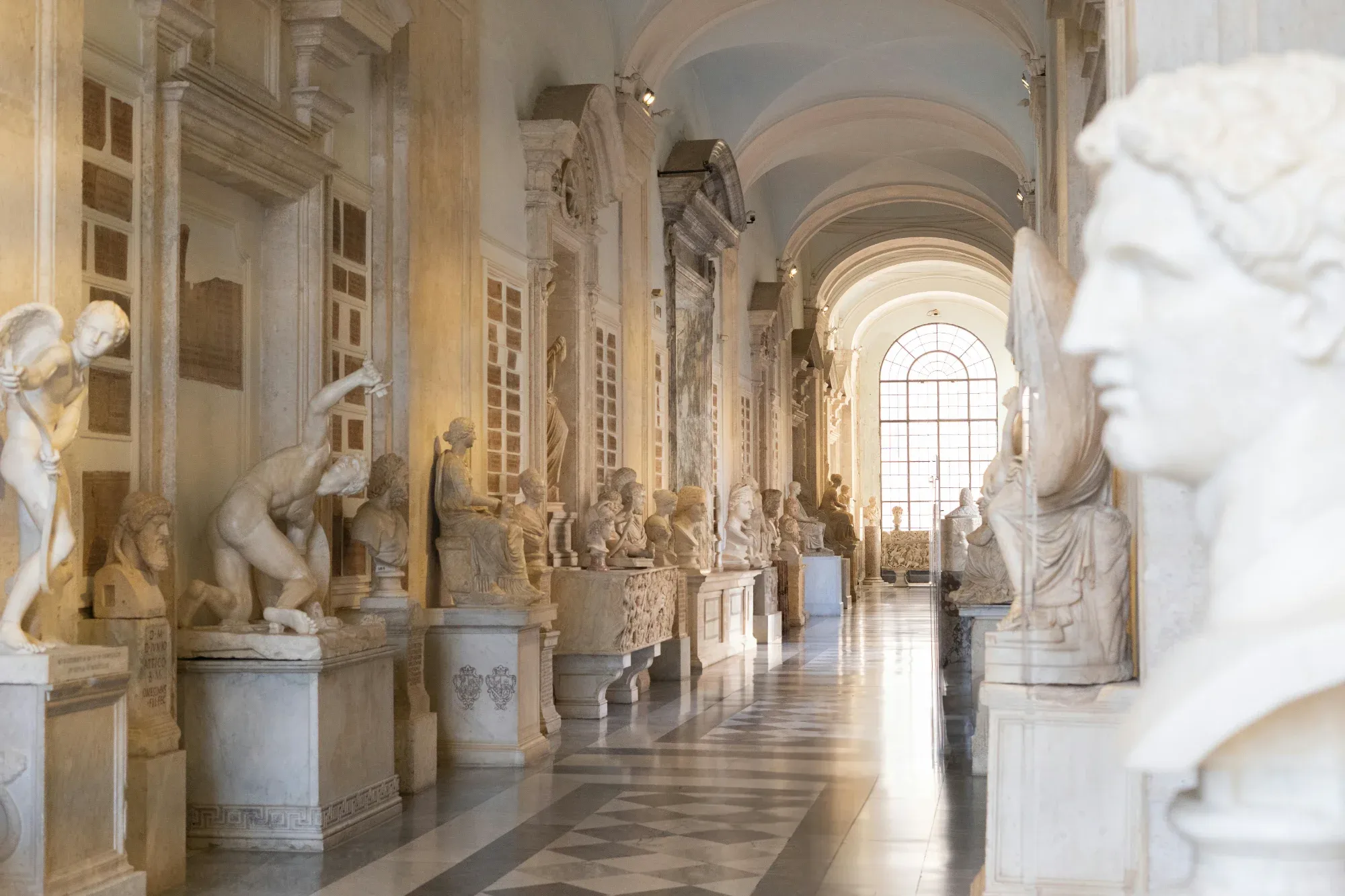
Beyond the open-air ruins of the Forum, the true scale of the ancient and Renaissance worlds survives indoors. The Doria Pamphilj palace still holds gold-adorned private galleries, while the Capitoline preserves imperial bronze sculptures just steps from where they were originally displayed. Sorting through these vast collections requires knowing exactly what you want to see before arriving in Rome.
Culture • Practical Tips • History • 7 min. read
Exploring the Ancient Roots of Rome's Water System and Free Fountains
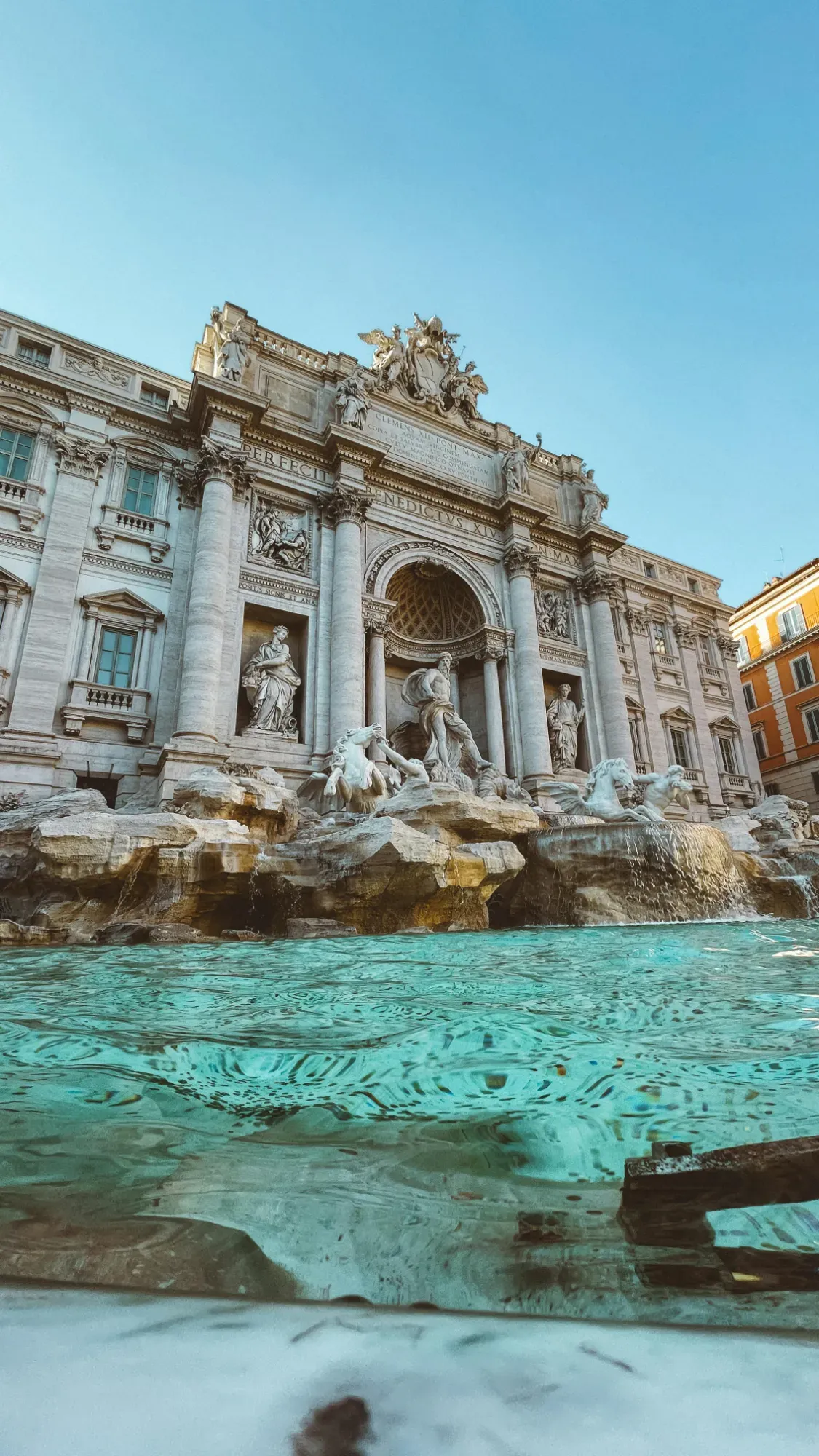
Explore Rome's enduring water legacy. From ancient aqueducts to modern free nasoni fountains, discover how this unbroken engineering tradition still quenches the city's thirst today.
Practical Tips • 7 min. read
A Practical Guide to Rome's Public Transport and Airport Transfers
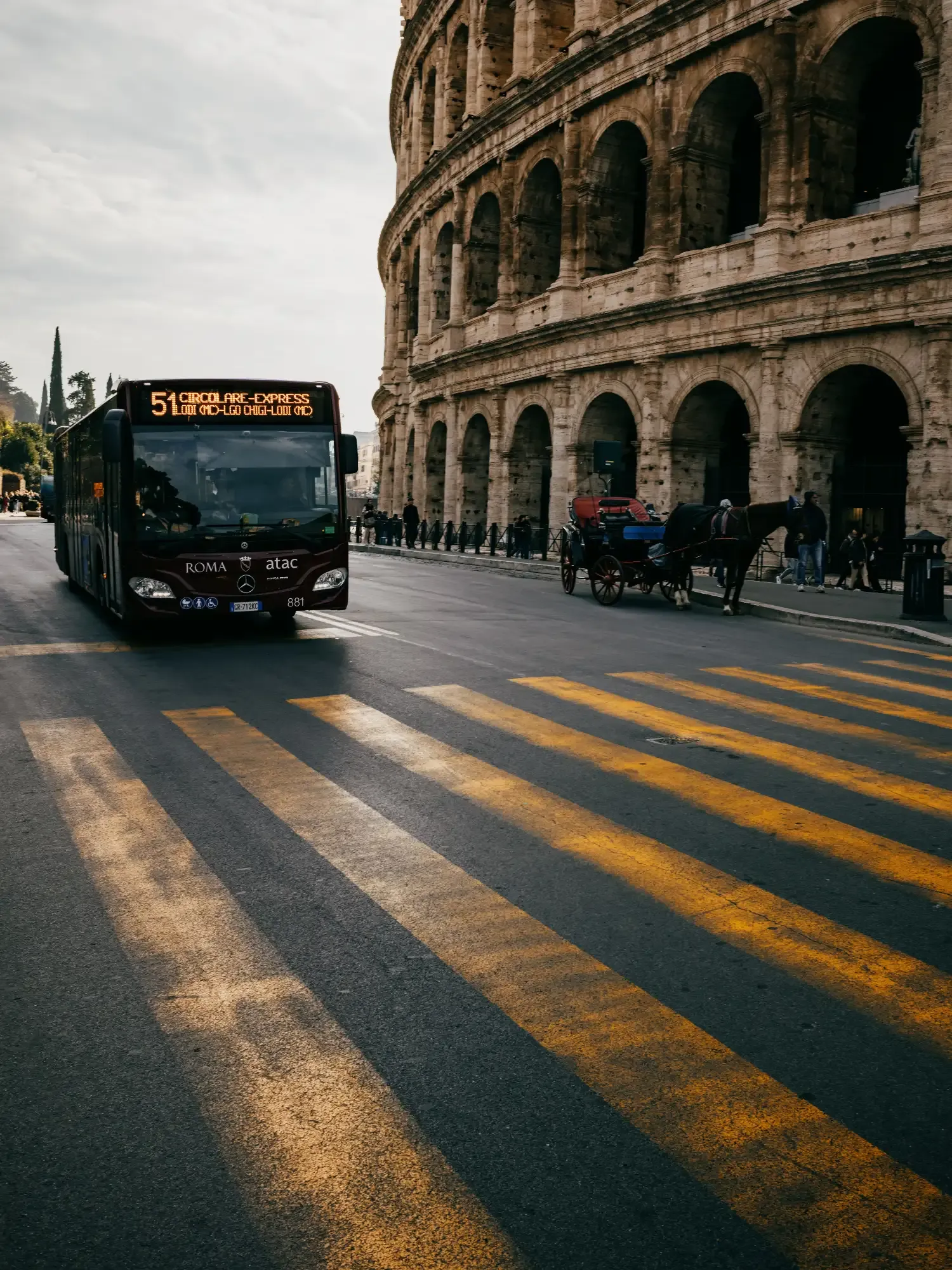
Arriving at Fiumicino Airport and figuring out how to reach central Rome does not have to be complicated. From the quick Leonardo Express train to affordable regional options, the city offers several reliable ways to get into town. Once you drop your bags, navigating the metro lines and busy ATAC bus routes is much easier when you know how to use the contactless Tap & Go system.