Historic Day Trips Beyond Madrid: Toledo, Ávila, and Segovia
Central Spain's structural history extends well past the capital, where ancient settlements still preserve intact fortifications and Roman aqueducts. A brief train ride from Madrid reveals towns like Toledo and Ávila, which maintain the distinct layouts of their complex cultural pasts. Taking time away from the modern city streets provides valuable context for the region's medieval foundations.
Culture • History • Food • Tours • 4 min. read
While Madrid itself is a vibrant capital with deep historic roots, venturing just outside the city borders reveals a different perspective on Spanish history. The surrounding region is home to remarkable medieval towns and ancient cities that offer a more human-scale travel experience. Exploring these historic destinations provides a natural complement to your time in the capital, allowing you to step back into the eras of Roman engineers, medieval knights, and diverse cultural coexistence.
Exploring Beyond Madrid: Historic Day Trips
For travelers looking to expand their understanding of central Spain, taking a day trip outside Madrid offers a striking contrast to the bustling city streets. The surrounding communities are defined by their well-preserved medieval architecture, imposing fortifications, and ancient monuments. These towns are not just architectural time capsules; they remain authentic communities where local history is woven into daily life.
Stepping outside the capital provides valuable context for the history you see within Madrid's city limits. If you prefer to set your own pace and itinerary for exploring the wider region, arranging a Madrid private custom tour can be a practical way to manage your schedule and orient yourself before heading out to the provinces.
Toledo: The City of Three Cultures
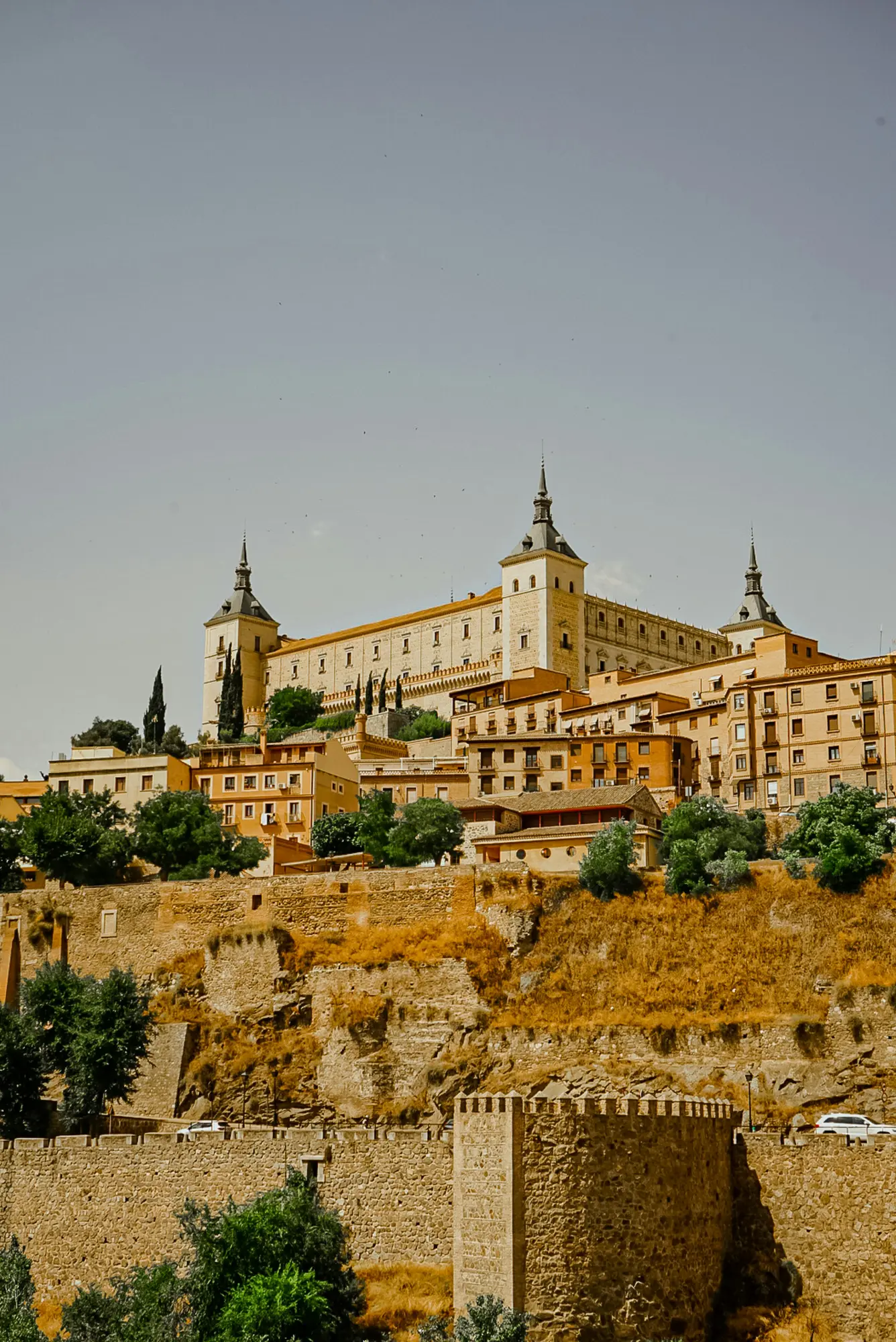
Toledo is frequently referred to as the "City of Three Cultures," a title that reflects centuries of historical coexistence among Jewish, Muslim, and Christian populations. This complex heritage is visible in the varied architecture that lines its narrow, cobbled streets. Visitors are encouraged to walk slowly through the historic center, as the true appeal of the city lies in its subtle details and historic stone facades.
Traveling to Toledo from Madrid is straightforward and affordable. The most efficient route is via the Renfe train network, which completes the journey in just 35 minutes. This quick connection makes Toledo an accessible option for those wanting to experience an ancient city without spending hours in transit.
Ávila: 11th-Century Walls and Traditional Cuisine
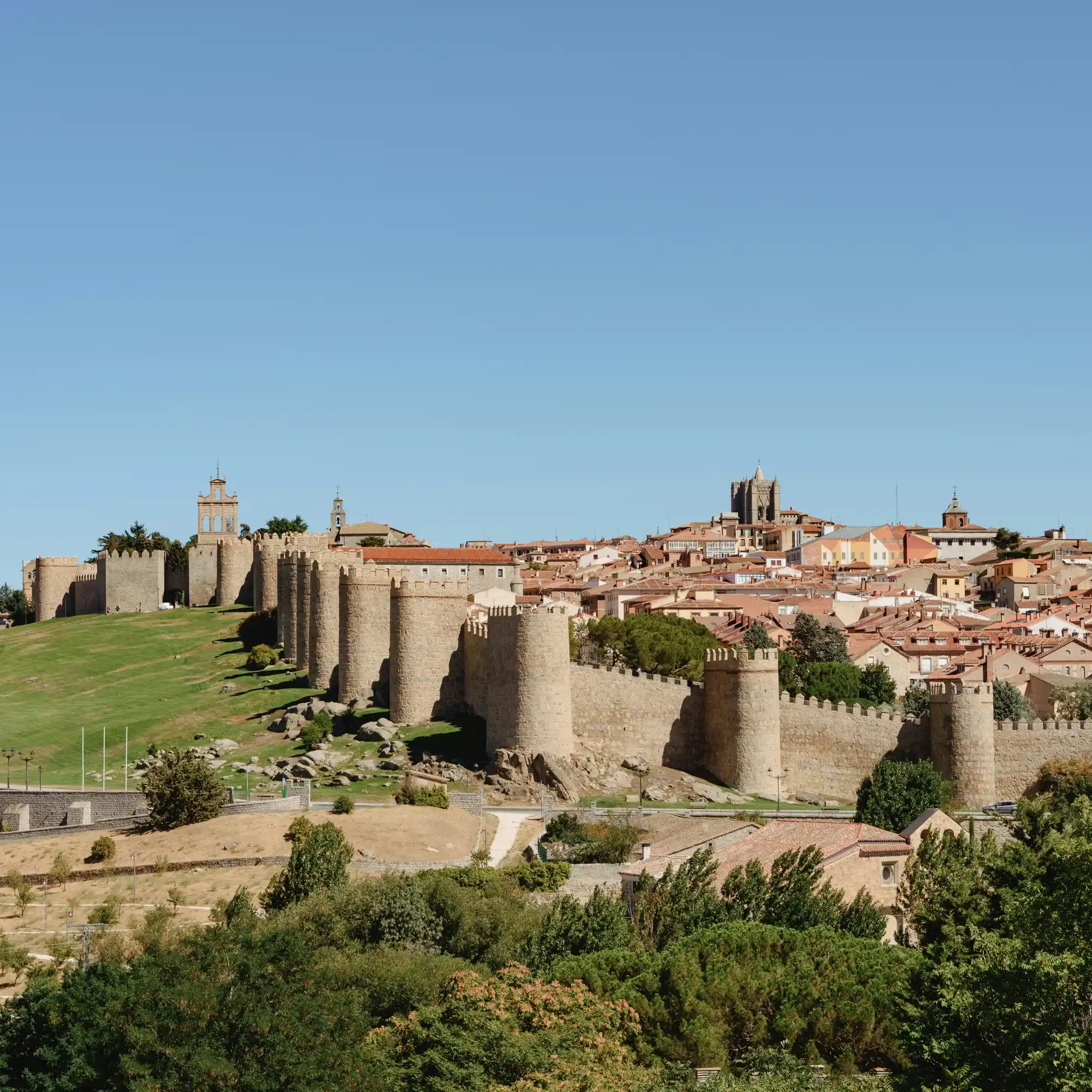
Ávila is defined by its impressive defensive architecture. The city is encircled by remarkably intact medieval walls dating back to the early 11th century. Visitors can walk along sections of these fortifications, which offer audio guides in seven languages, including adapted versions for children. Beyond the walls, Ávila features a prominent Gothic cathedral that dominates the local skyline, alongside various historic monasteries and palaces.
The city is also known for its distinct regional cuisine. Local specialties include Yemas de Ávila (traditional egg yolk sweets), hearty patatas revolconas (mashed potatoes seasoned with paprika and bacon), and renowned local cuts of beef or roast suckling pig. Reaching Ávila takes approximately one hour and 15 minutes from Madrid, with regular connections available by both Renfe train and regional bus services.
Segovia: Roman Engineering and the Alcázar
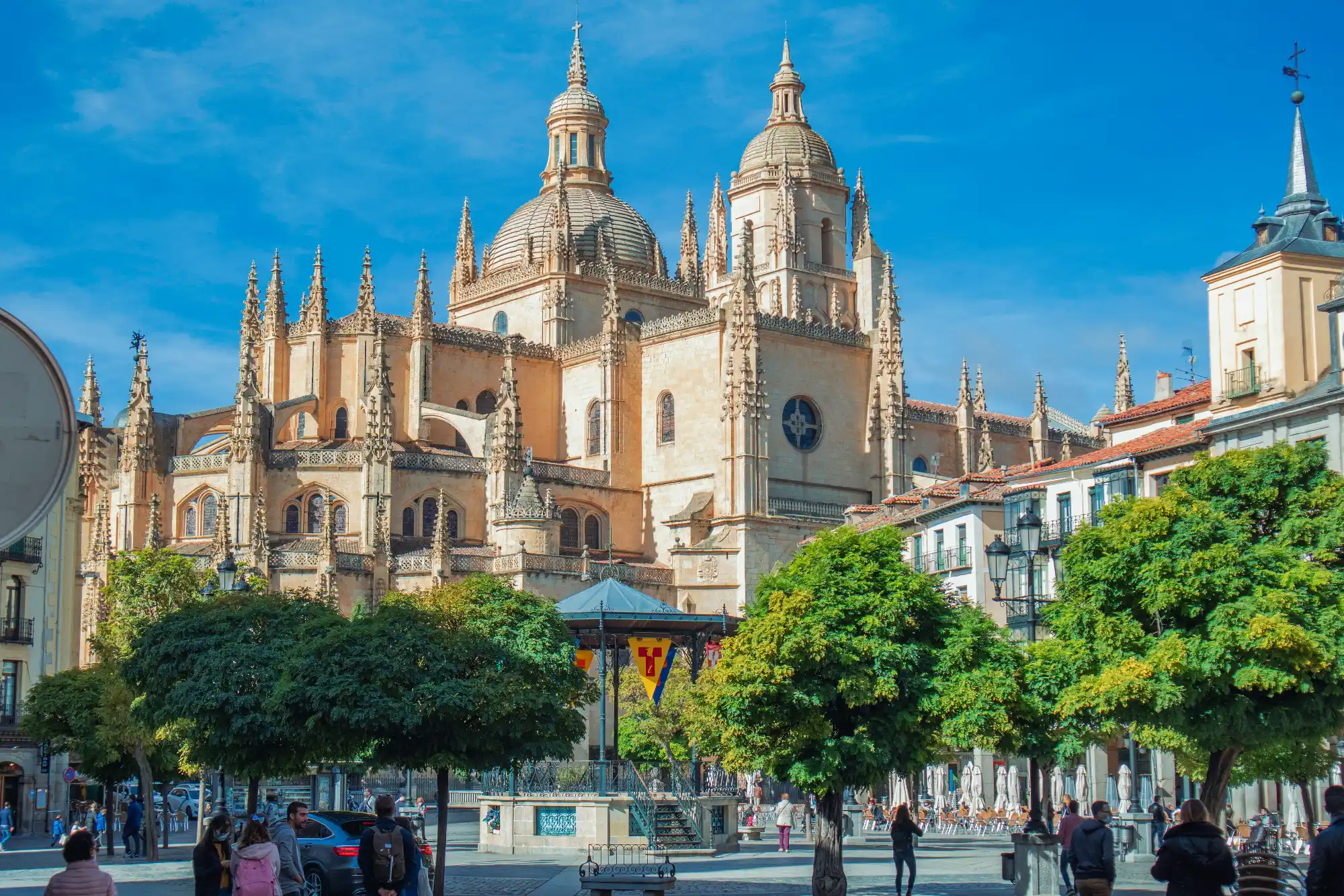
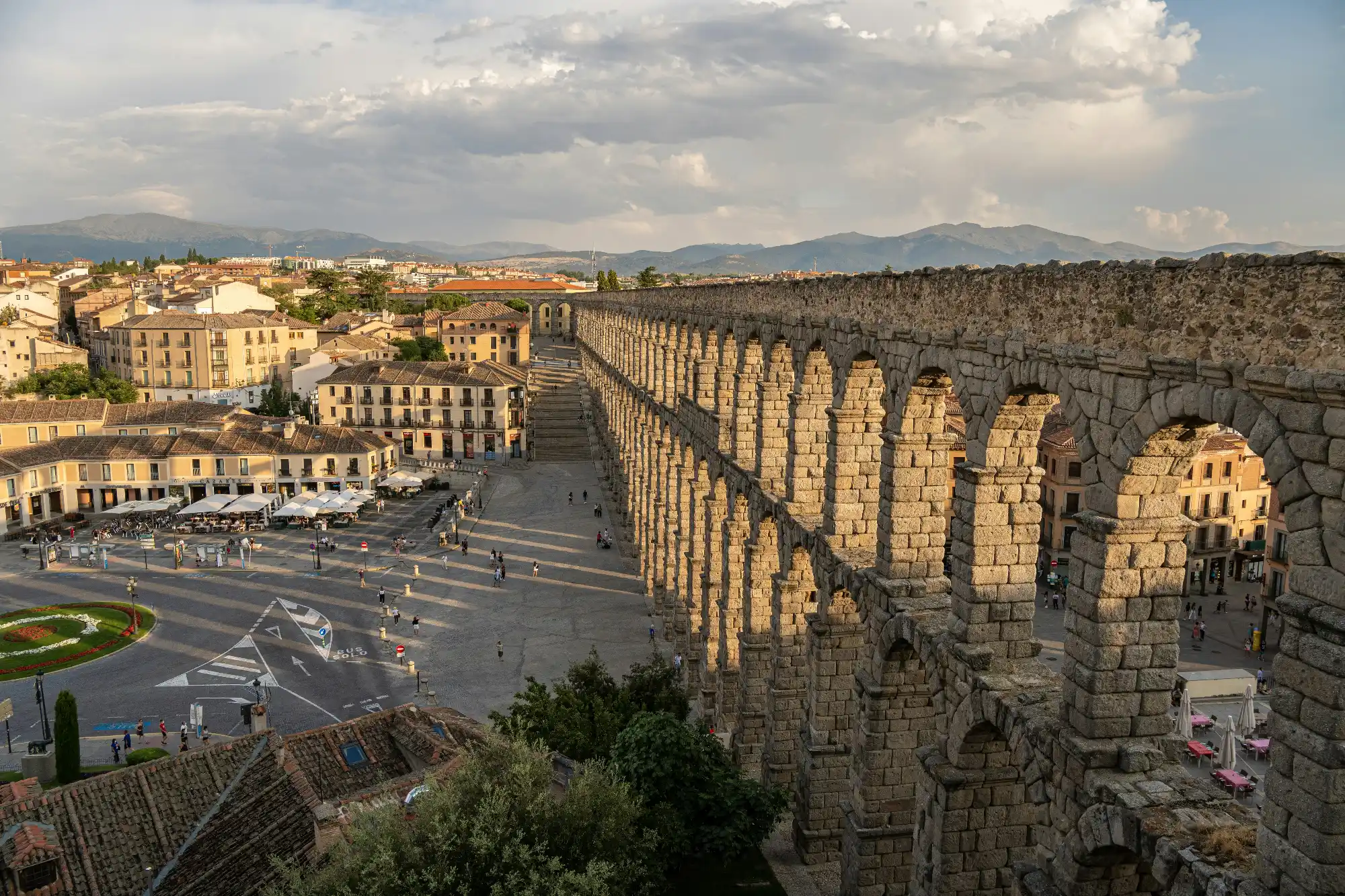
Segovia presents a clear visual timeline of Spanish history, beginning with its most famous landmark: a massive Roman aqueduct featuring 167 surviving arches. Further into the city stands the 12th-century Alcázar, an imposing medieval fortress that provides excellent vantage points over the surrounding landscape. The city is also home to a soaring Gothic cathedral, frequently referred to as "The Lady of Cathedrals" due to its elegant proportions and late Gothic design.
Exploring Segovia involves a fair amount of walking, but the central Plaza Mayor offers a natural resting point. Here, visitors can find traditional restaurants serving roast suckling pig, a hallmark dish of the local culinary tradition. The combination of ancient Roman infrastructure, medieval fortifications, and historic plazas makes Segovia a highly rewarding destination for travelers.
Stepping out of the capital to visit these surrounding cities allows you to piece together a broader picture of Spain’s architectural and cultural evolution. Whether you are drawn to the multi-layered history of Toledo, the fortified boundaries of Ávila, or the ancient engineering of Segovia, each destination offers a distinct and enriching experience. With efficient public transport linking them to Madrid, adding these historic towns to your itinerary is a practical way to deepen your understanding of the region. As an excellent experience to visit and enjoy these cities, consider joining Walkative tours such as the Segovia, Ávila & Toledo: Three Historic Cities Day Trip from Madrid and the Toledo & Wine Country Experience from Madrid.
Related stories
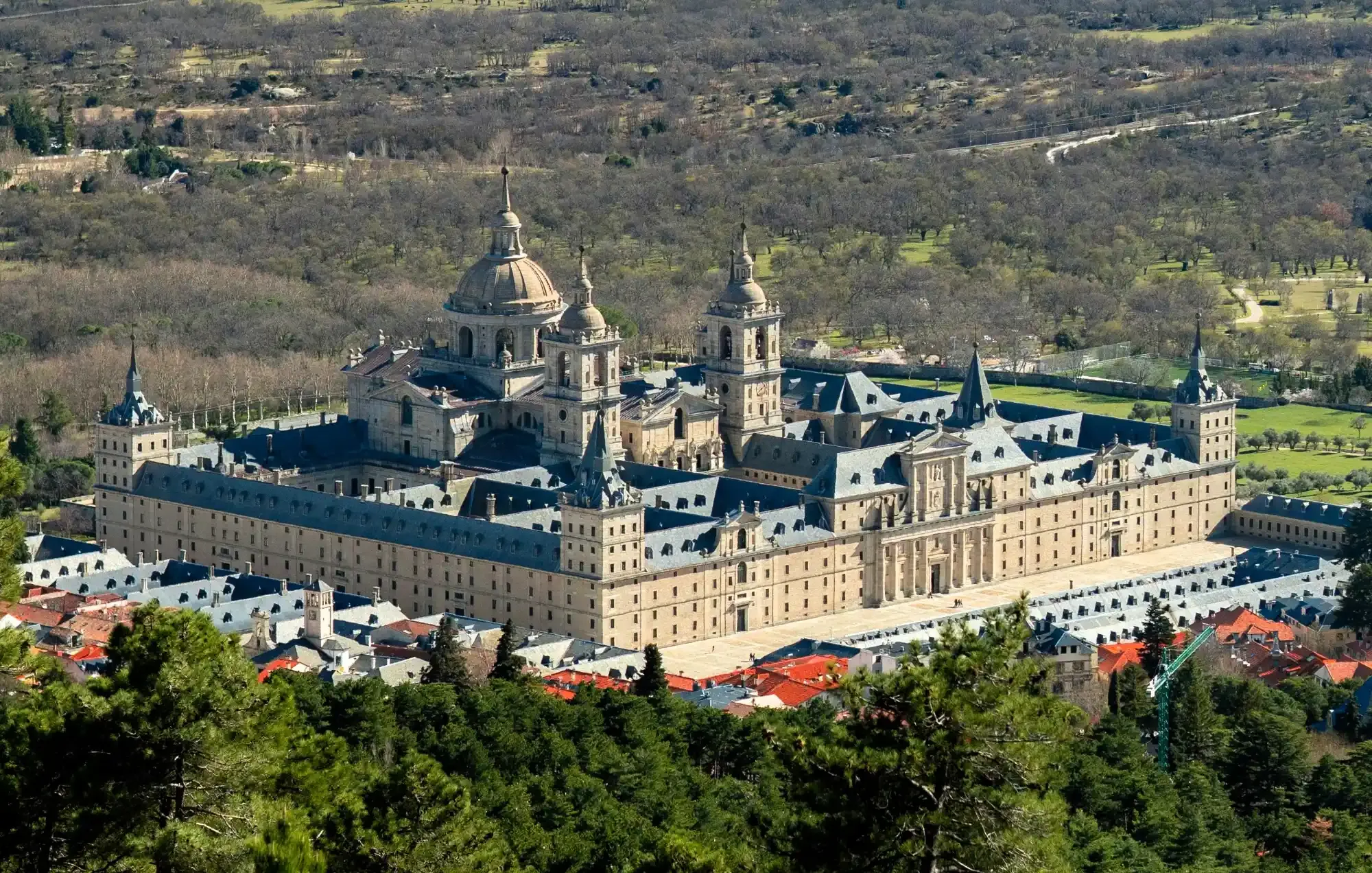
Practical Tips • History • 5 min. read
A Guide to the Historic Towns and Villages Around Madrid
Discover peaceful day trip options outside the capital. Explore Madrid's surrounding historic towns, featuring royal palaces, medieval fortresses, and unique village architecture.
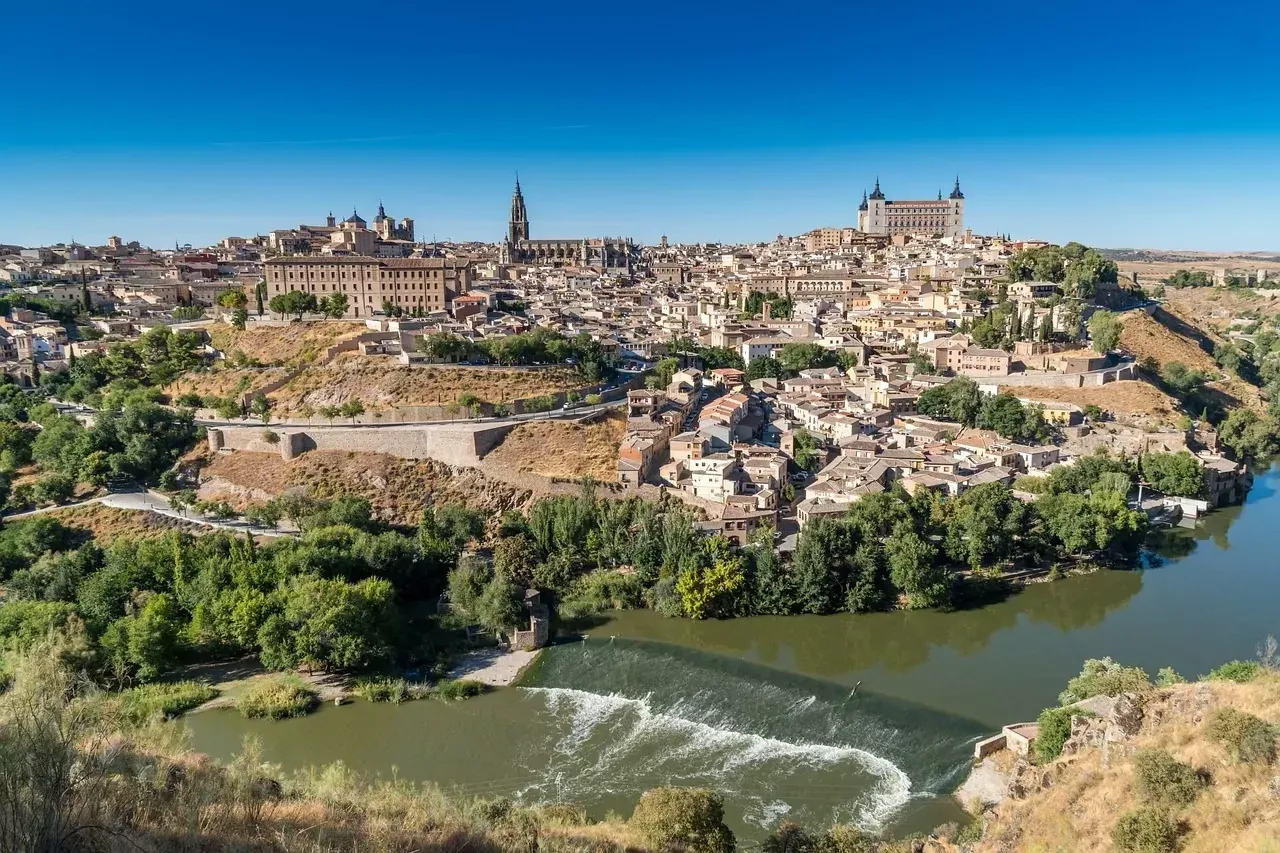
Practical Tips • Tours • 7 min. read
Sightseeing in Spain: Top tourist attractions you need to visit
Read our tips for the top destinations in Spain. From architecture to food, beaches to history, Spain really does have it all!
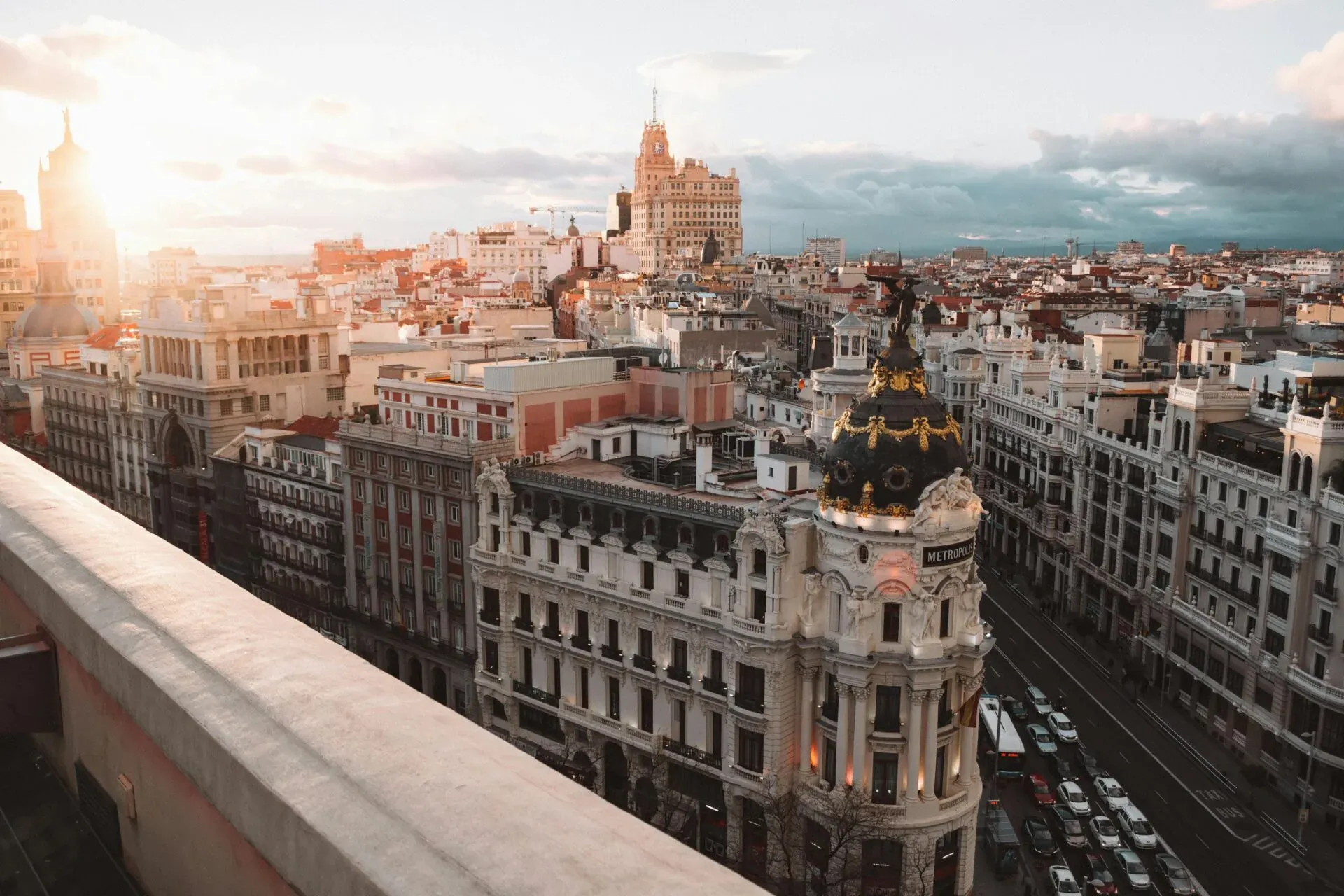
History • 6 min. read
Madrid Magic: A 3-Day Adventure
From flamenco to tapas, from landmarks to hidden gems, our 3-day itinerary will guide you through the city’s best offerings. Ready to discover the magic of Madrid? Let’s go!
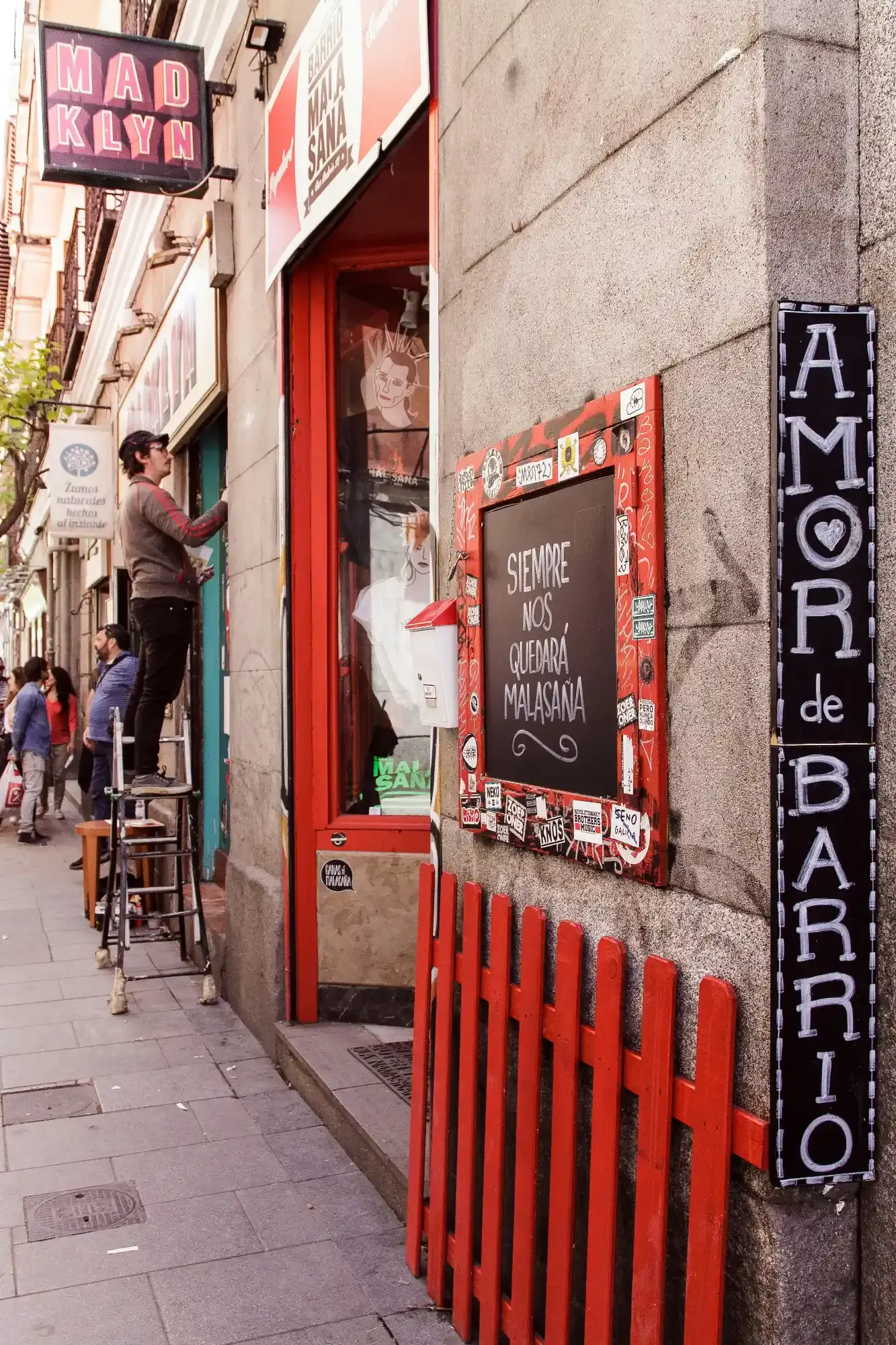
Culture • History • Tours • 6 min. read
Madrid’s Historic Neighborhoods: Architecture, Art, and Local Culture
The 1776 palace of the Marquis of Matallana in Chueca and the 1980s retro streets of Malasaña offer two very different perspectives on local history. Moving beyond the major museums, a walk through central Madrid connects centuries of royal architecture with modern neighborhood avenues. From the open-air stalls of the El Rastro market to the traditional courtyard corralas of Lavapiés, these districts outline how the capital took shape.
Practical Tips • 6 min. read
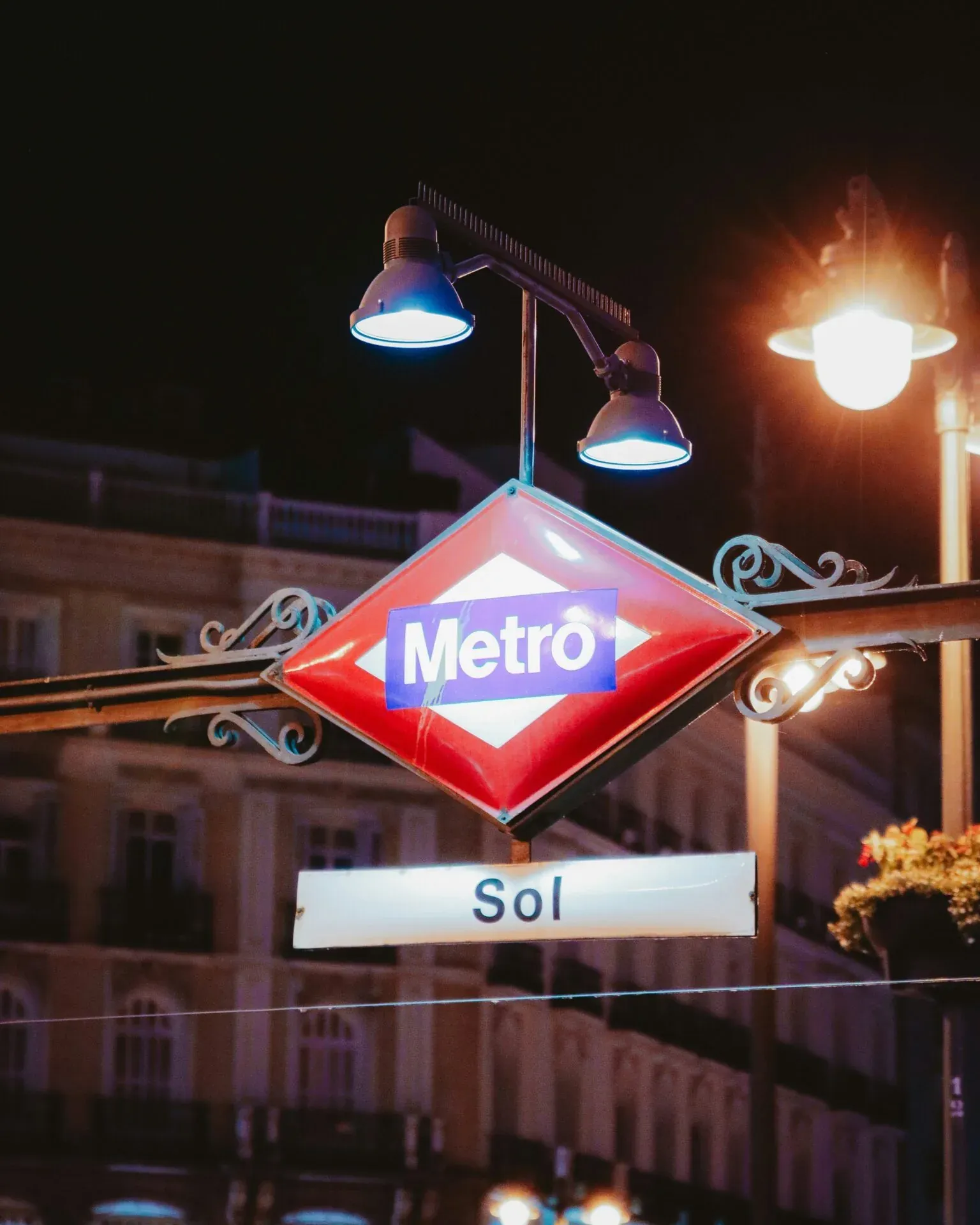
Navigating Madrid: Your Ultimate Guide to Public Transportation
The ultimate guide to public transportation in Madrid. Learn how to use the metro, buses, and trains efficiently.