Tracing the Life of Marie Skłodowska-Curie in Warsaw
Before Paris, there was Warsaw. Explore the city that shaped Marie Skłodowska-Curie, including her birthplace museum and the sites of her early education.
Culture • History • Tours • 4 min. read
Last edited:
Marie Skłodowska-Curie: A Warsaw Original
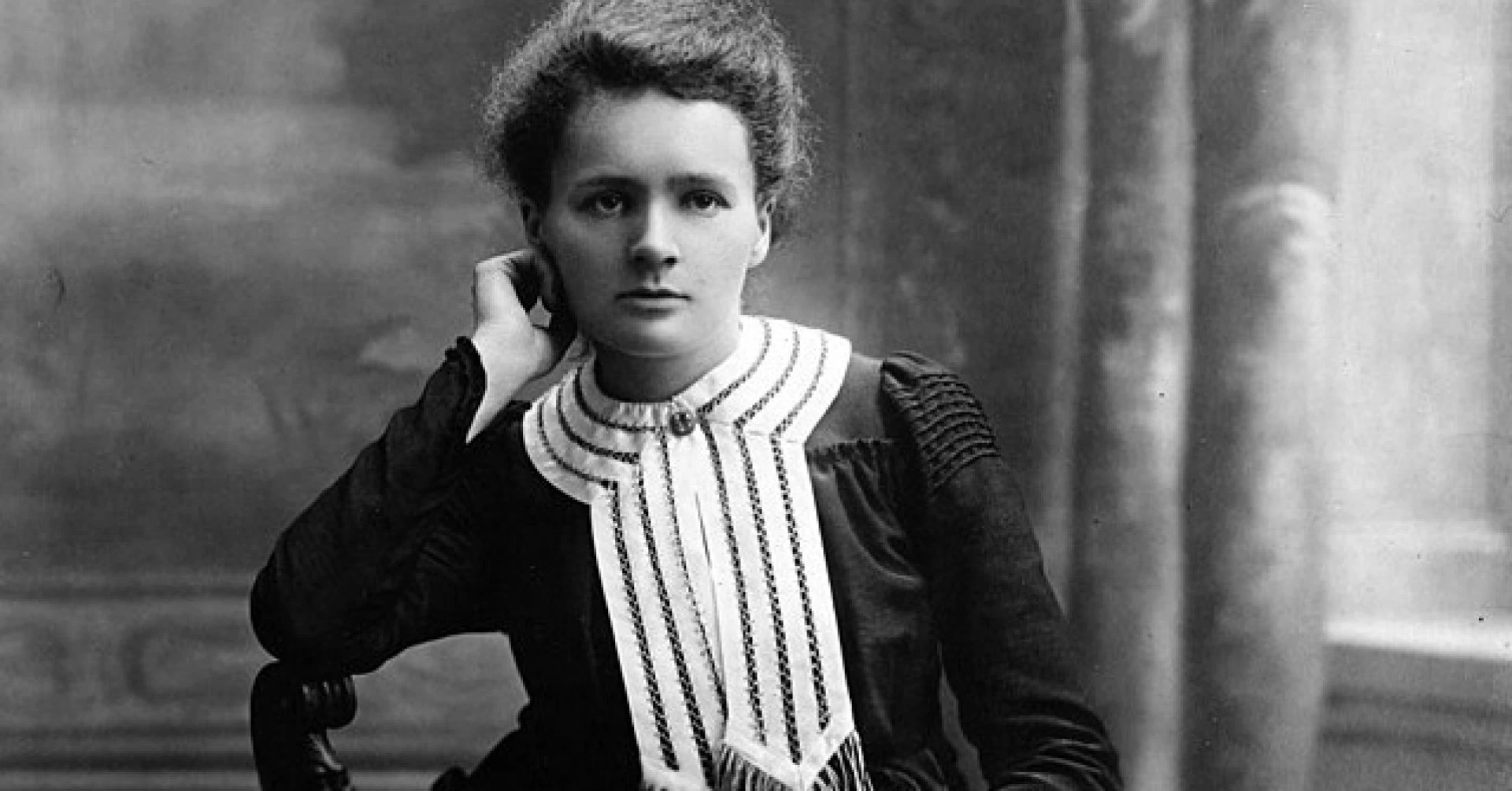
Born in Warsaw on November 7, 1867, Marie Skłodowska is celebrated as one of the most brilliant minds in history. Although she moved to Paris in 1891 to study at the Sorbonne, her journey began in Poland. Her scientific achievements were unprecedented; she was the first woman to win a Nobel Prize, sharing the 1903 Physics award for the discovery of radioactivity. In 1911, she won a second Nobel Prize in Chemistry for her work with polonium and radium.
She remains the only woman to have received the Nobel Prize twice and the only scientist ever honored in two different scientific fields. While she passed away in 1934 and was eventually laid to rest in the Paris Panthéon, her story is inextricably linked to the city of her birth.
The Birthplace Museum at Freta 16
Today, the address Freta 16 is an essential stop for visitors honoring the scientist. This tenement house, originally designed by Szymon Bogumił Zug in 1782, is the building where Marie was born. It currently houses the world's only biographical museum dedicated to Marie Skłodowska-Curie.
Inside the museum, you will find fascinating displays that bring her history to life. The collection includes replicas of the laboratory instruments and vessels used by Marie and her husband Pierre. Visitors can also view authentic family documents and personal items belonging to the scholar, such as her glasses case, a leather purse, and a small elephant figurine gifted to her by U.S. President Herbert Hoover.
Spiritual Milestones in the New Town
Marie, known affectionately as "Mania" by her family, maintained close ties with her siblings, especially her sister Zofia. Her early life is recorded in local religious sites, including the Church of the Visitation of the Blessed Virgin Mary. Built in the early 15th century on the site of a pagan temple, it is one of Warsaw's oldest churches and the place where Marie was baptized. The church features a gothic tower and a terrace offering picturesque views of the Vistula River.
Nearby stands St. Hyacinth's Church, where Marie received her First Communion. This 18th-century Dominican church has a turbulent history; during the Warsaw Uprising of 1944, it served as a field hospital before being bombed, resulting in significant loss of life. It was rebuilt in 1968, restoring a key piece of the landscape from Marie's childhood.
Traces of History on Nowolipki Street
The Skłodowski family spent several years living on Nowolipki Street. Tragically, the original building did not survive the devastation of World War II, which destroyed much of the area. However, the memory of its famous former resident has not been lost to the war.
Today, a gigantic mural located in the Muranów district commemorates the site. Designed by the artist Swanski (Paweł Kozłowski), this artwork was created exactly where the Skłodowski family apartment once stood, serving as a modern reminder of the Nobel laureate's presence in the neighborhood.
Early Education and Scientific Beginnings
Marie did not have an easy start in the scientific world. Before her career flourished in France, she took her first significant academic steps in Warsaw. She attended the clandestine Flying University, an illegal educational enterprise organized to bypass strict censorship and provide education to Poles.
Additionally, she pursued her research interests at the Museum of Industry and Agriculture. It was here that she conducted her earliest experiments and developed the foundational skills that would later lead her to the Sorbonne and international acclaim.
A Sentimental Walk by the Vistula
As a young girl, Marie frequently walked along the Vistula escarpment, a habit that left a lasting impression on her. This landscape appeared in her final Polish writings, showcasing her deep connection to her hometown. Just two years before her death, she recorded a nostalgic memory of a solitary walk toward the river:
"I went for a lonely walk towards the Vistula... There is a Krakow song which says that the charm of Polish waters is so great that whoever loves them once will never forget them."
Written by
Agnieszka Pietrzak
Agnieszka is a Warsaw native who left the corporate world and became a tour guide in 2018. She leads tours in English, French, and Spanish across various city districts and significant sites, including the Royal Castle, the Wilanów Palace, and the POLIN museums.
Related stories
Culture • History • 6 min. read
5 must-visit museums in Warsaw: your ultimate cultural guide
Explore Warsaw’s top museums: Warsaw Rising Museum, POLIN, Royal Castle, Wilanów Palace and the funny one about life under communism.
Culture • History • 6 min. read
9 movies you should watch before or after visiting Warsaw
Explore Warsaw's history on screen. See films on the Ghetto, the Uprising, and the Cold War like The Pianist, Kanał, and Jack Strong before you visit.
Practical Tips • History • 5 min. read
How to get around Warsaw?
Find out the best ways to get around Warsaw using public transport, taxis, and bikes with our essential traveler's guide.
Practical Tips • History • 4 min. read
How to get to Warsaw?
Find the best ways to get to Warsaw by plane, train, or bus. Our practical guide helps you plan your journey to Poland's capital.

Practical Tips • History • 4 min. read
Souvenirs from Warsaw: A guide to memorable keepsakes
A practical guide to authentic Warsaw souvenirs. Discover local crafts, traditional goods, and memorable Polish keepsakes to bring home.