Understanding the Museums and Art Galleries of Wrocław
Post-war border shifts fundamentally reshaped the cultural institutions of Wrocław, bringing massive collections from Lviv into the region. Today, the city’s exhibition spaces range from a 15th-century Bernardine monastery housing architectural archives to modernist pavilions displaying surrealist Polish art. Navigating these varied institutions offers a clearer picture of how this complex region has evolved over centuries.
Culture • History • Tours • 4 min. read
Last edited:
Wrocław is a city with a complex, multi-layered history, and its museums carefully reflect this rich past. From grand national collections to niche modern spaces, the city offers visitors a well-rounded perspective on European history, art, and daily life. Whether you are interested in medieval artifacts, modern Polish art, or quirky interactive exhibits, knowing how the city’s museum landscape is organized can help you plan a more rewarding visit.
Understanding Wrocław's Museum Landscape
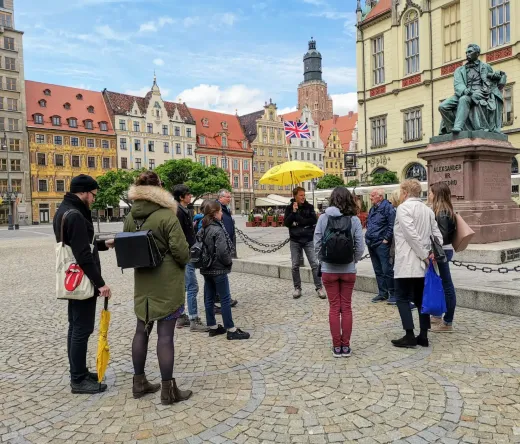
The current museum landscape in Wrocław was deeply shaped by the aftermath of World War II. Following the post-war border shifts, Wrocław—formerly the German city of Breslau—became part of Poland. To help establish a new cultural identity, significant art collections and historical artifacts were transferred here from Lviv, which had been incorporated into the Soviet Union. This unique blending of local Silesian heritage with Eastern Polish collections created a diverse museum scene. Visitors exploring on a guided walking tour will often hear how these historical shifts transformed the city's institutions.
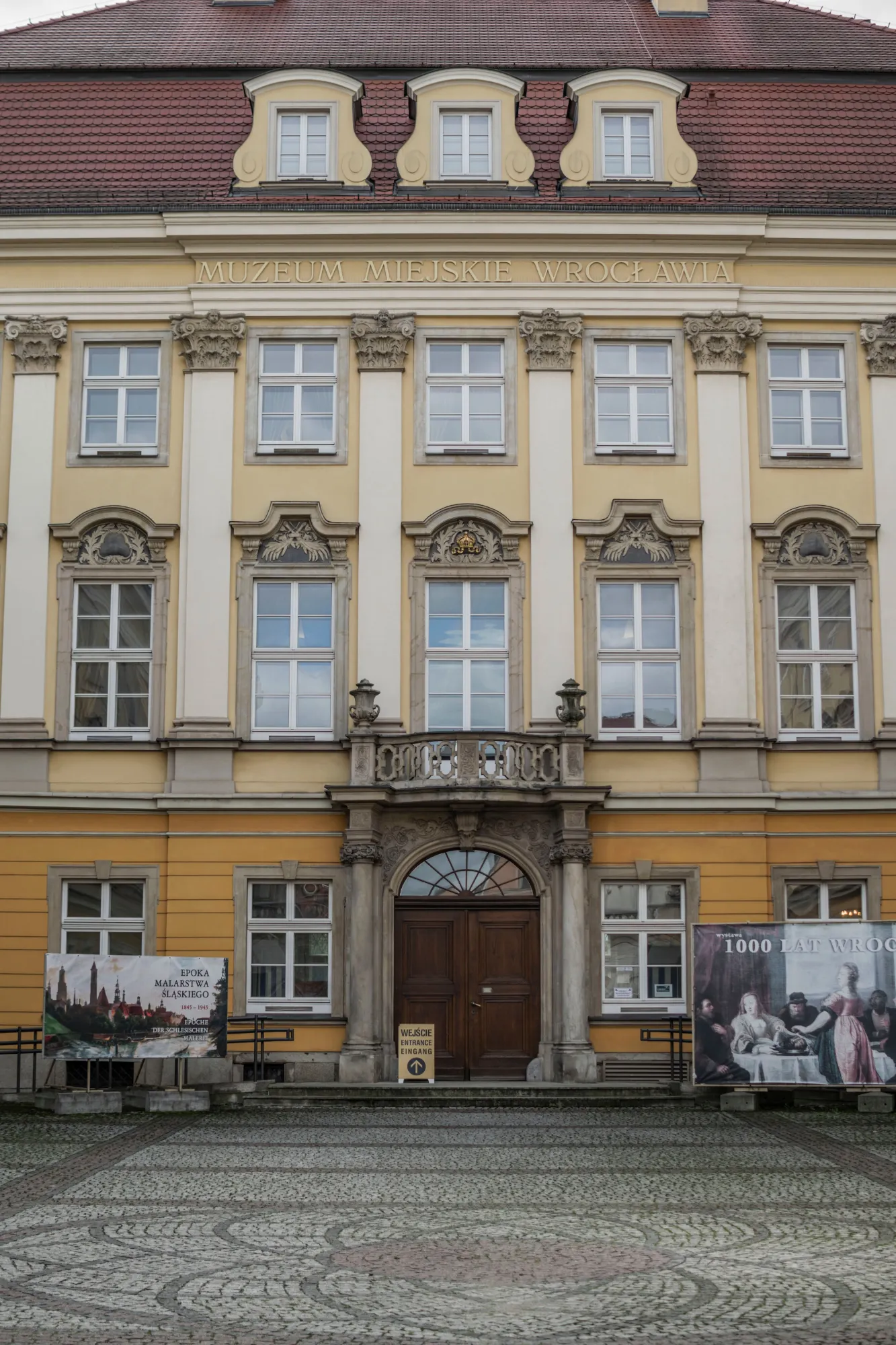
The National Museum Complex and Panorama Racławicka
The National Museum operates as a complex of interconnected branches. The most famous attraction is the Panorama Racławicka, a massive 19th-century cyclical painting depicting a historic battle. Tickets to the Panorama are highly sought after and usually grant complimentary access to the other branches on the same day, though checking current ticketing policies in advance is recommended. The Main Building of the National Museum houses an impressive collection of medieval Silesian art, alongside Polish paintings from the 17th to 19th centuries.
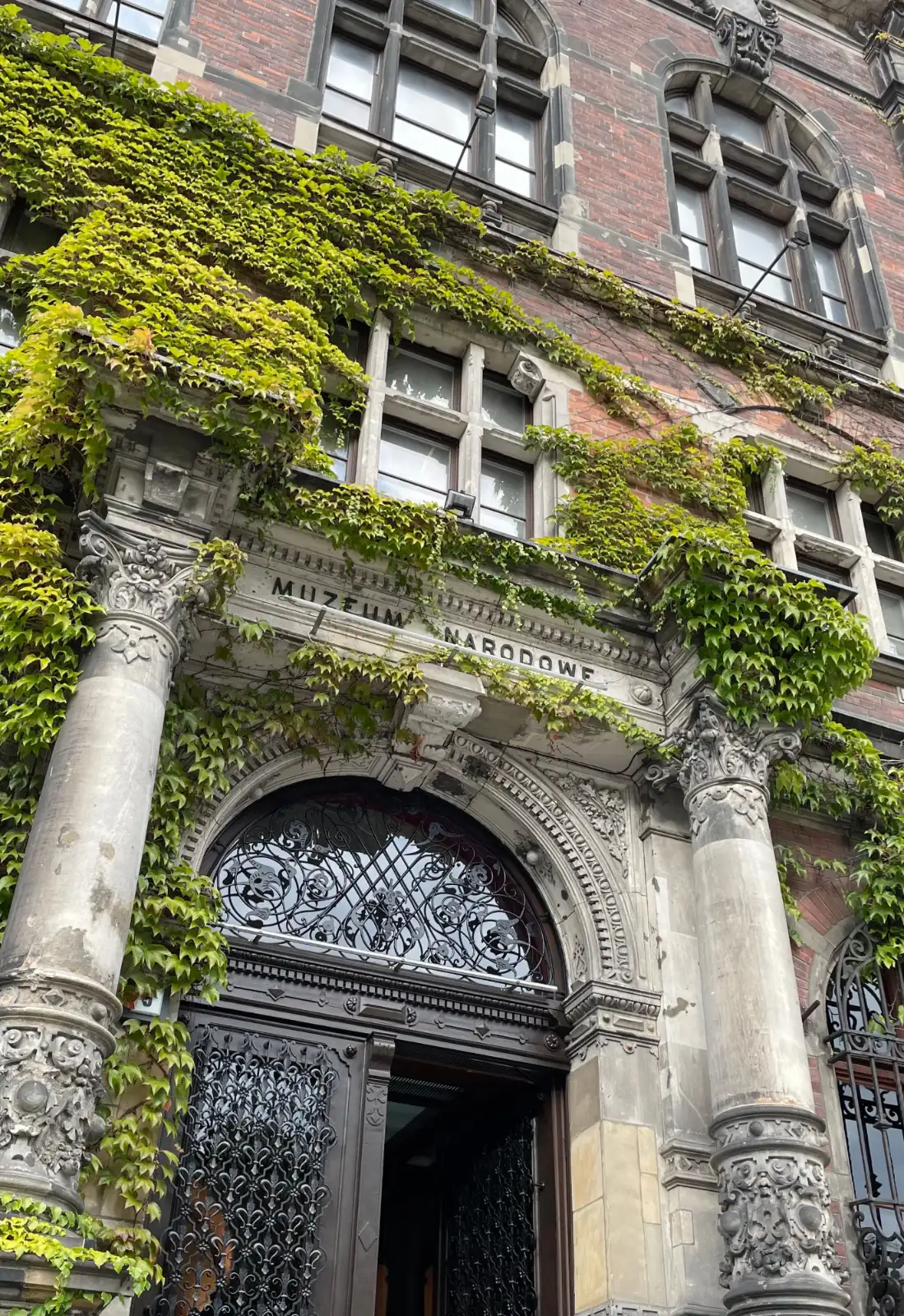
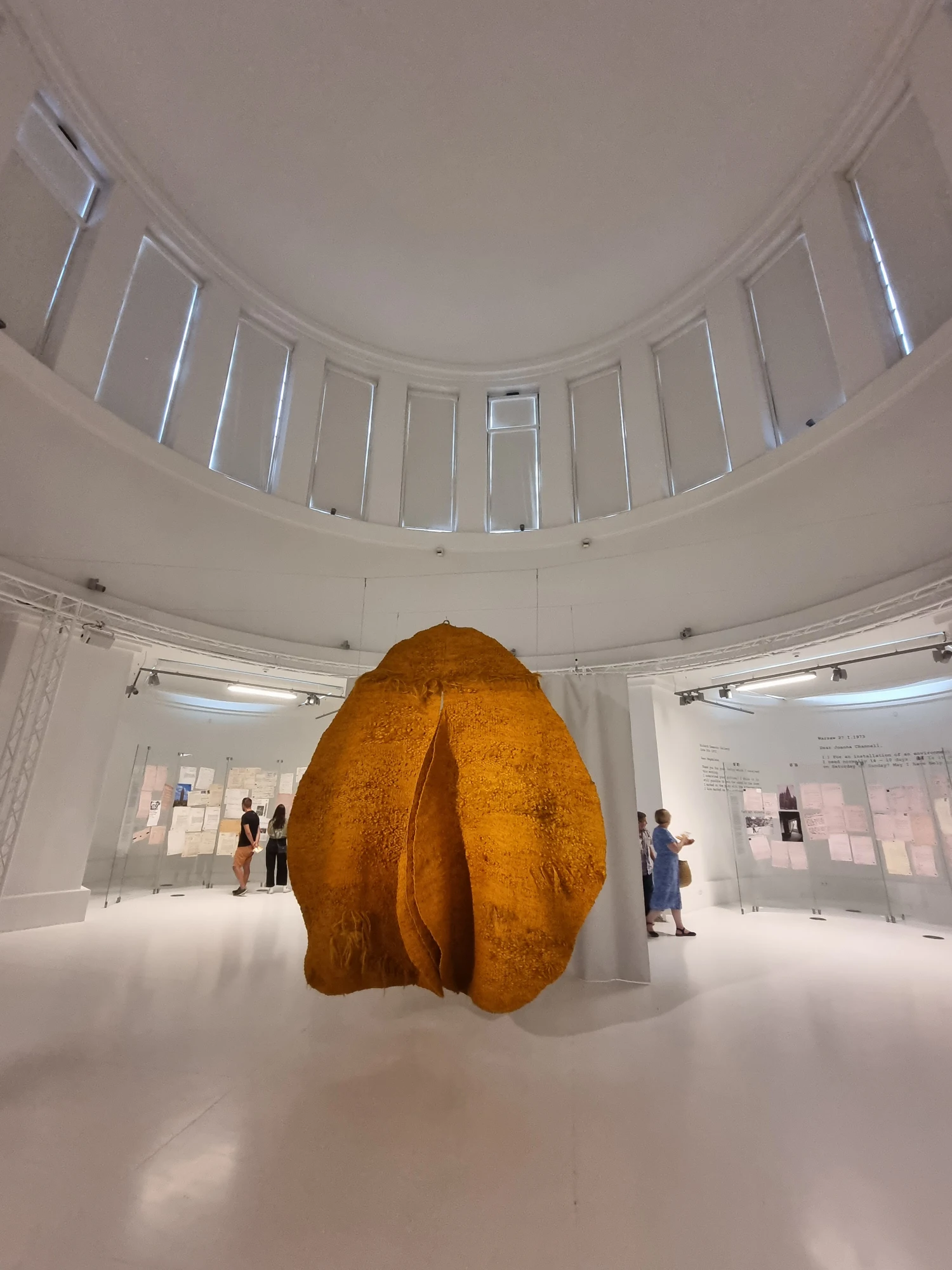
Modern Art at the Four Domes Pavilion
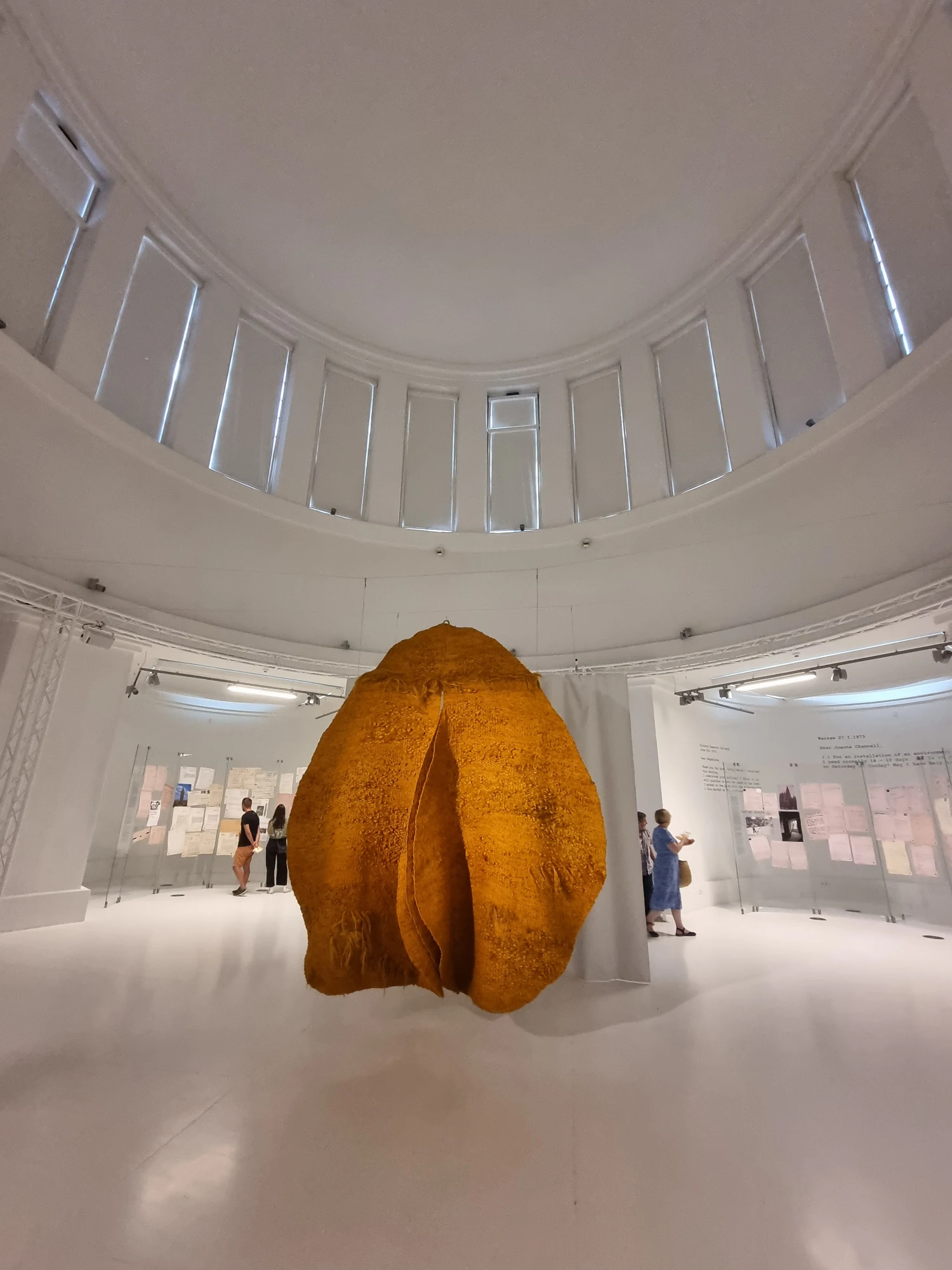
Located near the Centennial Hall complex, the Four Domes Pavilion houses the Museum of Modern Art. The building itself is part of a UNESCO World Heritage site, offering a striking modernist backdrop for contemporary works. Inside, the galleries focus heavily on post-war Polish art, featuring prominent national artists such as the surrealist painter Zdzisław Beksiński and the sculptor Magdalena Abakanowicz. The bright, open spaces of the pavilion provide a calm environment for viewing one of Poland's most significant contemporary art collections.
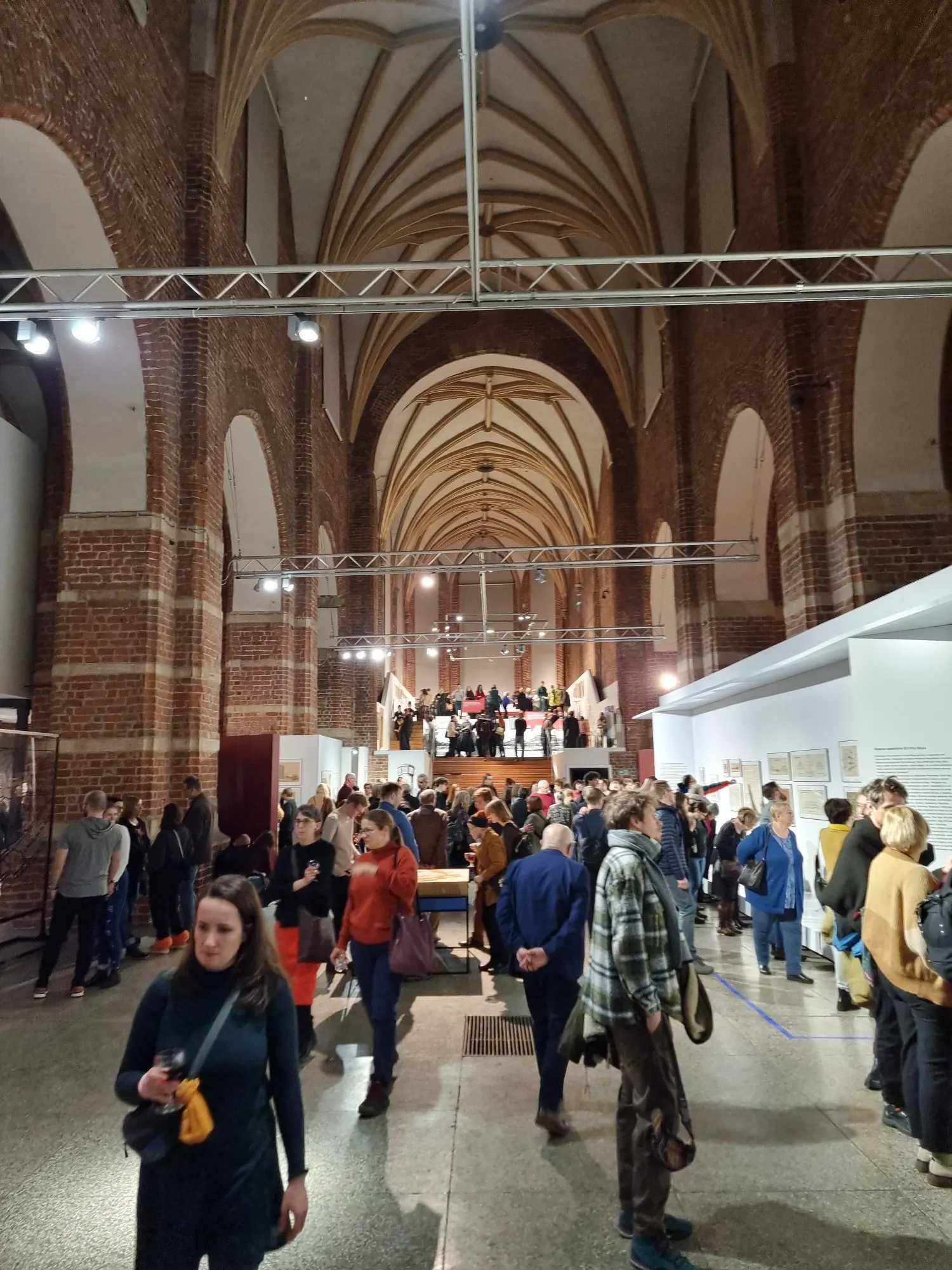
Exploring Architecture and Local History
For those interested in the city's built environment, the Museum of Architecture is the only institution of its kind in Poland. Fittingly housed in a former 15th-century Bernardine monastery, it features preserved Gothic elements alongside architectural archives. Meanwhile, recent local history is the focus at Centrum Zajezdnia. Located in a renovated tram depot, this museum uses engaging exhibitions to chronicle the everyday lives of Wrocław’s residents after 1945, focusing on the rebuilding of the city and the Solidarity movement. Joining a history-focused walking tour is a great way to contextualize the events covered in these spaces.
Interactive Nostalgia: The Vintage Computer Museum
A departure from traditional art and history, the Museum of Games and Computers of the Past Era offers a hands-on experience of retro technology. This interactive space allows visitors to explore the evolution of home computing and video games from the 1970s through the 1990s. Many of the vintage consoles, arcade machines, and early personal computers are fully playable, making it an engaging stop for anyone interested in digital history.
The University of Wrocław Museum
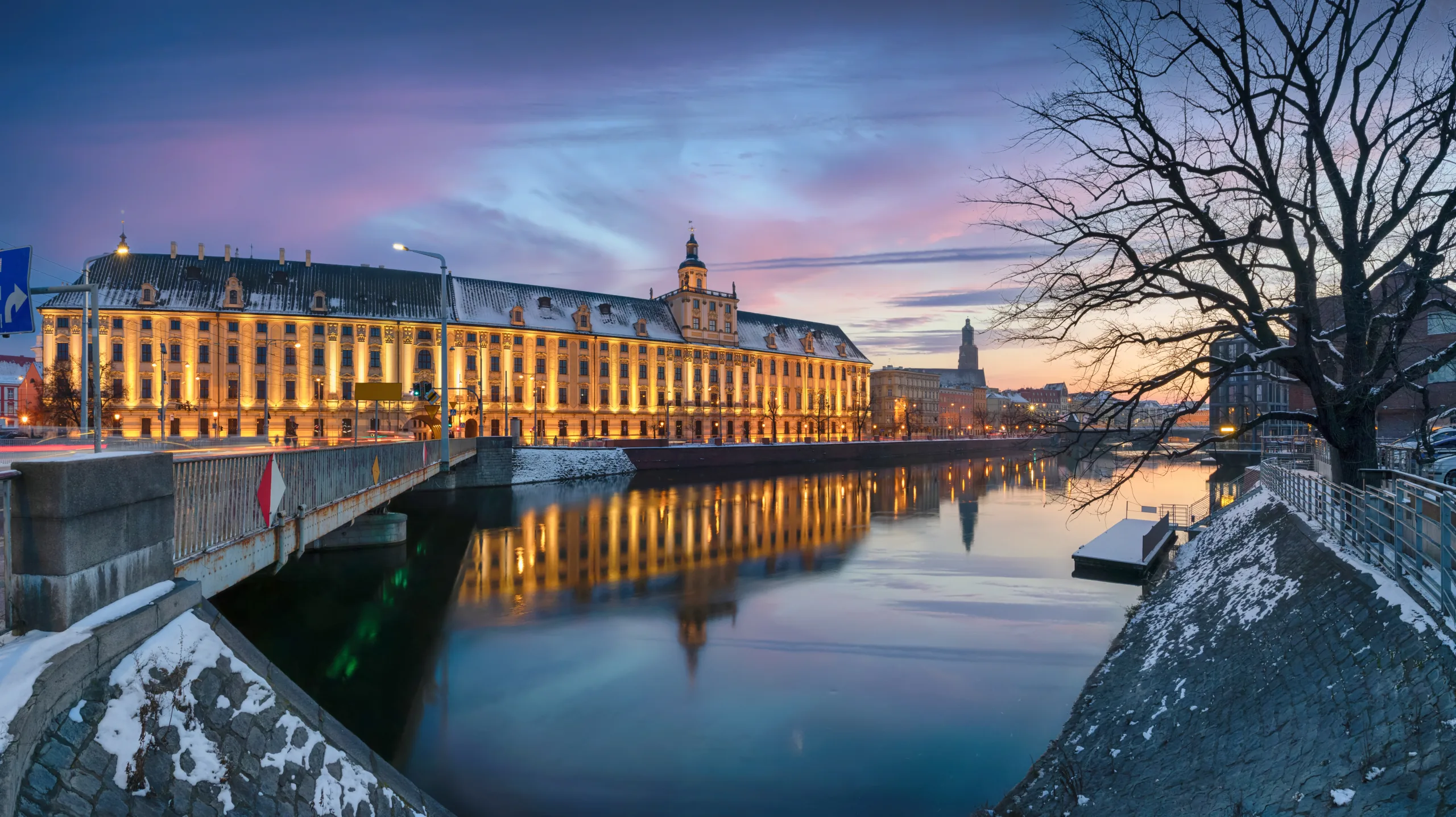
For a glimpse into the city's rich academic heritage, the museum located within the historic University of Wrocław is an essential stop. Its crown jewel is the Aula Leopoldina, a magnificent ceremonial hall celebrated for its breathtaking Baroque interiors, ornate stucco work, and elaborate frescoes. After exploring the university's grand halls, visitors can climb the Mathematical Tower, a former astronomical observatory that provides great panoramic views over the city and the Odra River.
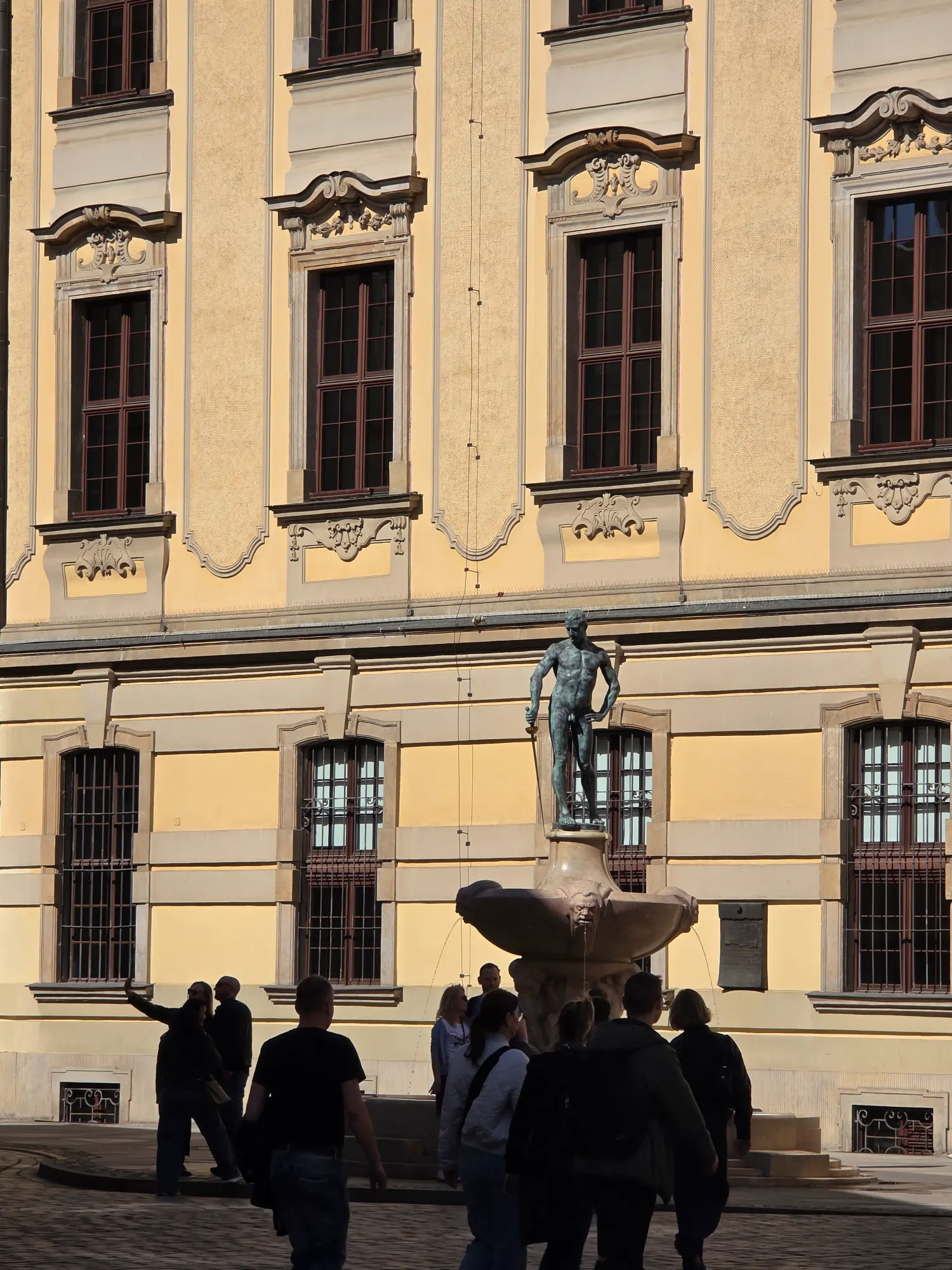
Exploring Wrocław's museums provides a deeper understanding of a city that has continually reinvented itself. Whether you dedicate a full day to the National Museum branches or spend an afternoon navigating the interactive displays of the city's niche galleries, these cultural spaces offer practical and meaningful insights into both regional history and European art.
Related stories
Culture • History • 12 min. read
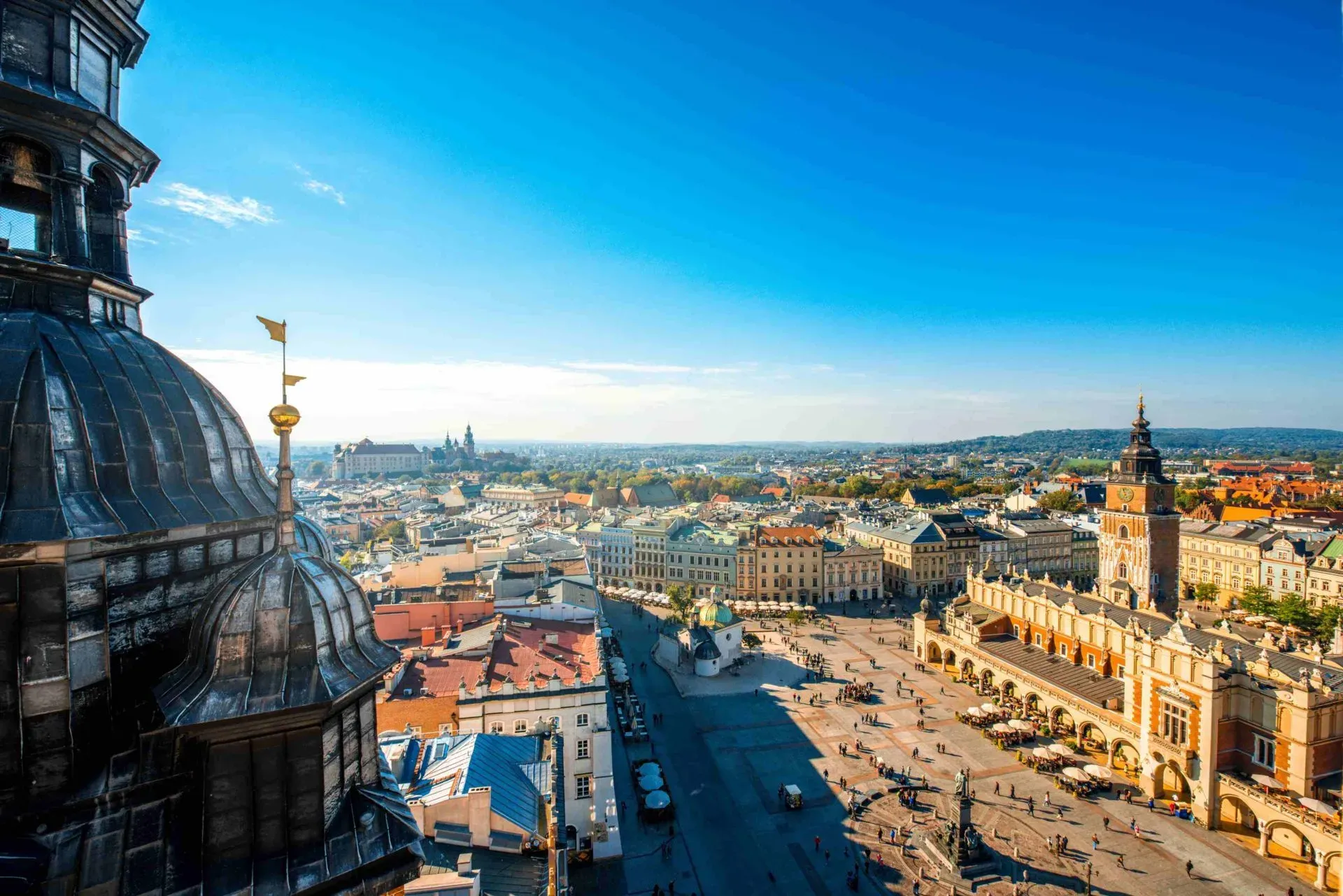
All 16 UNESCO World Heritage Sites in Poland. Part 1: castles, towns and forests
Explore Poland's UNESCO sites: from Kraków's vast medieval square and 13th-century salt mines to the primeval Białowieża Forest.
Culture • History • 10 min. read
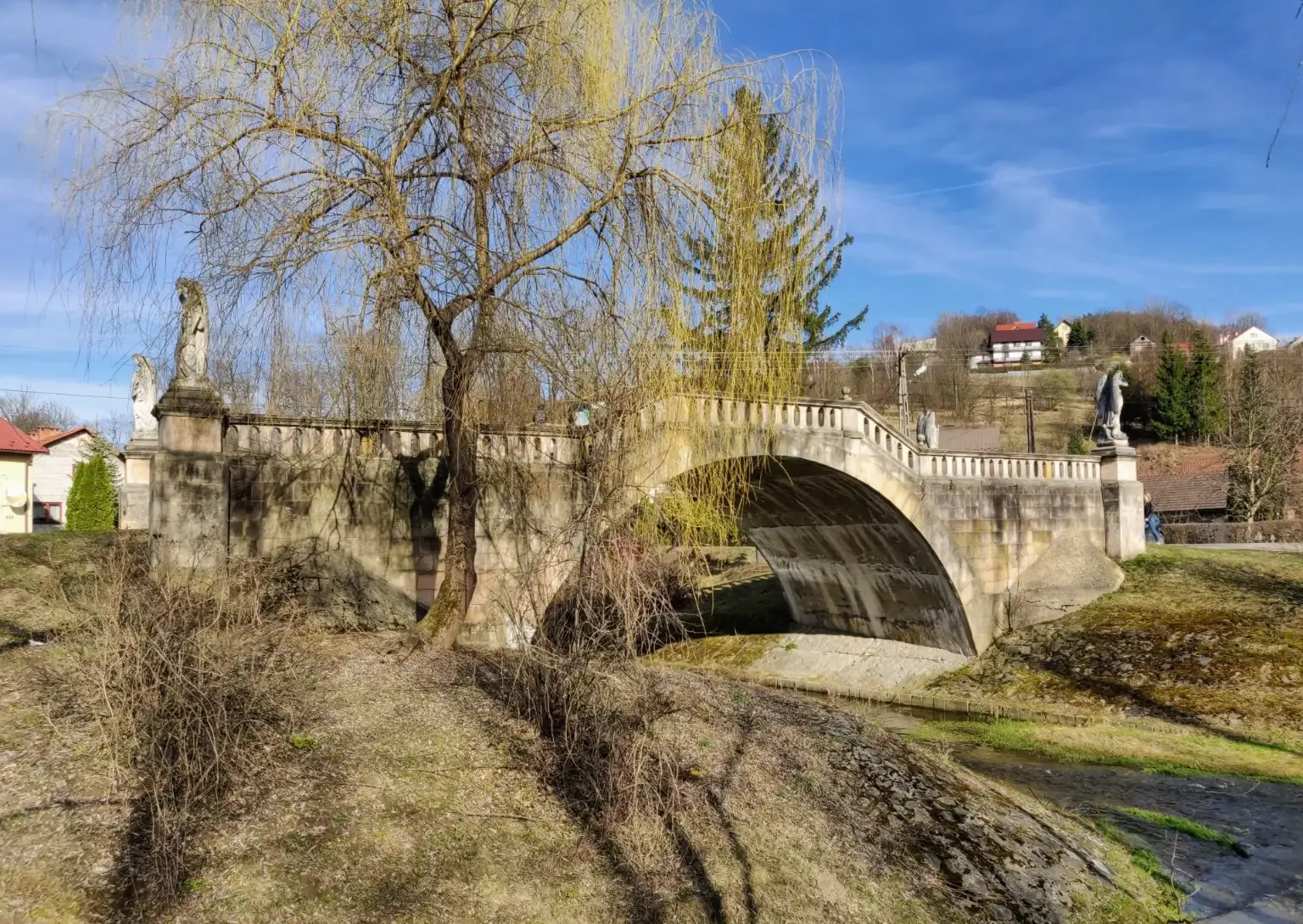
All 16 UNESCO World Heritage Sites in Poland. Part 2: mines, parks and wooden architecture
Explore Poland’s UNESCO sites: Wieliczka mine, Białowieża Forest, wooden churches, and more—Part 2 guide to mines, parks, heritage.
Practical Tips • History • 3 min. read
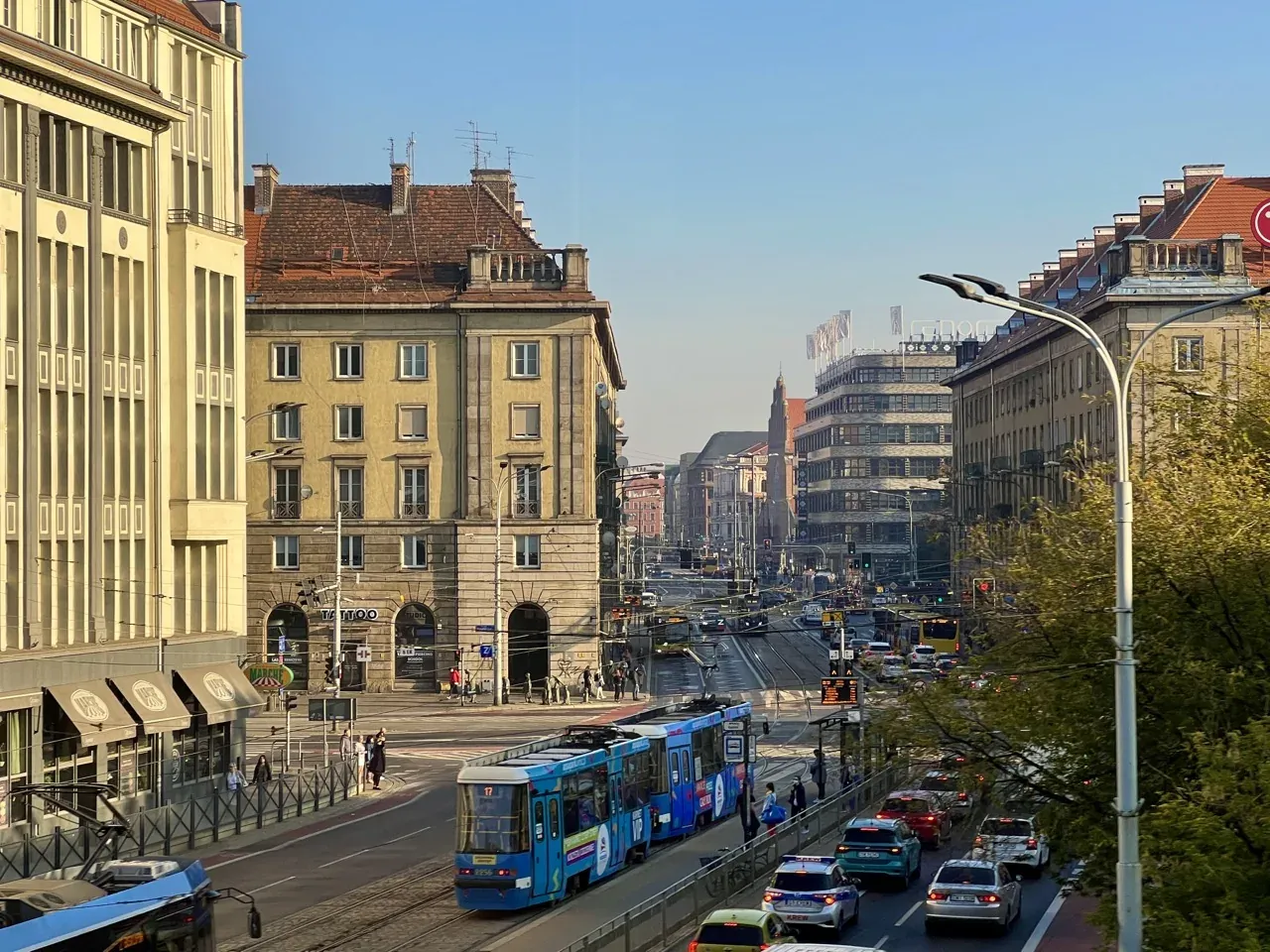
How to get around Wrocław?
Navigate Wrocław like a local. Everything you need to know about trams, buses, and public transport in the City of Dwarfs.
Culture • Practical Tips • History • Tours • Newsletter • 4 min. read
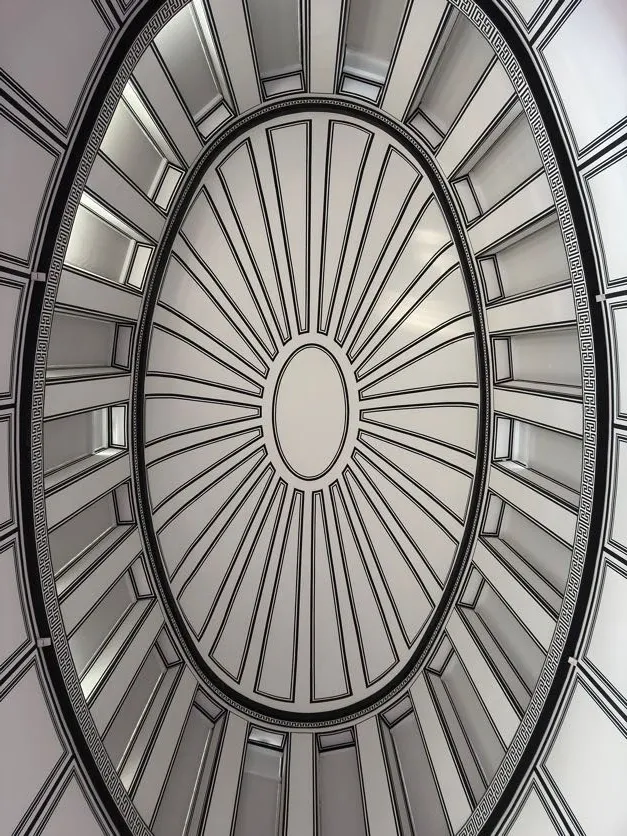
Inside the Four Domes Pavilion: Wroclaw's Museum of Contemporary Art
Designed in 1912 by architect Hans Poelzig, the Four Domes Pavilion stands just steps from Centennial Hall as a striking modernist landmark. Today, its naturally lit interiors serve as the contemporary branch of the National Museum in Wroclaw. The collection maps a complicated era of Polish creativity, contrasting state-mandated socialist realism with the highly individual resistance of post-war sculptors and painters.
Culture • History • 2 min. read
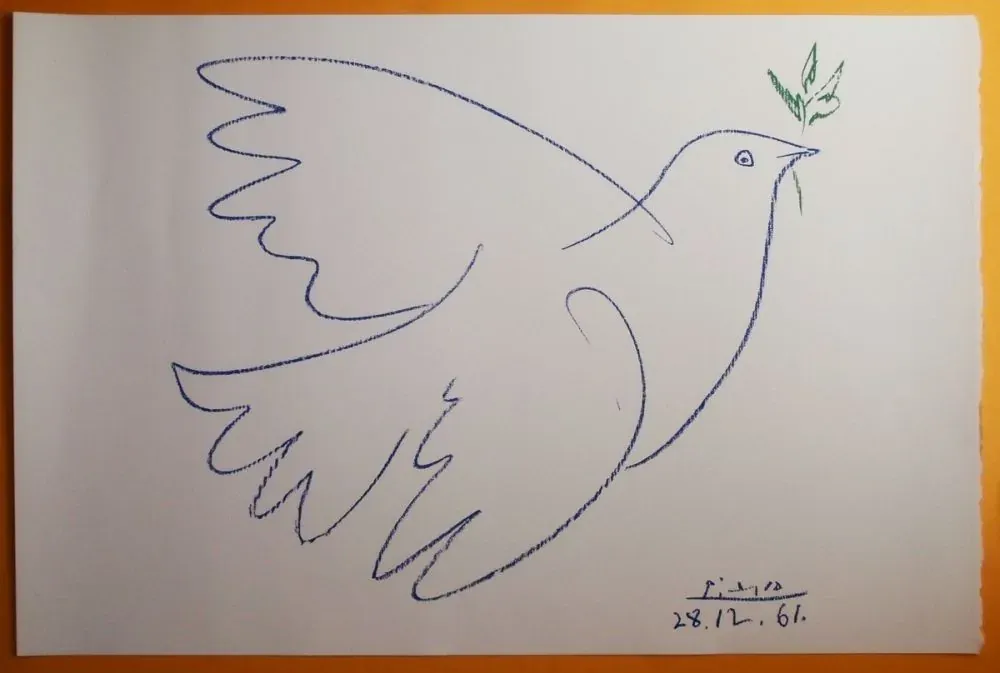
Pablo Picasso in Wrocław
Learn about Pablo Picasso in Wrocław. Discover the artist's historical connection to the city with factual insights from Walkative guides.